
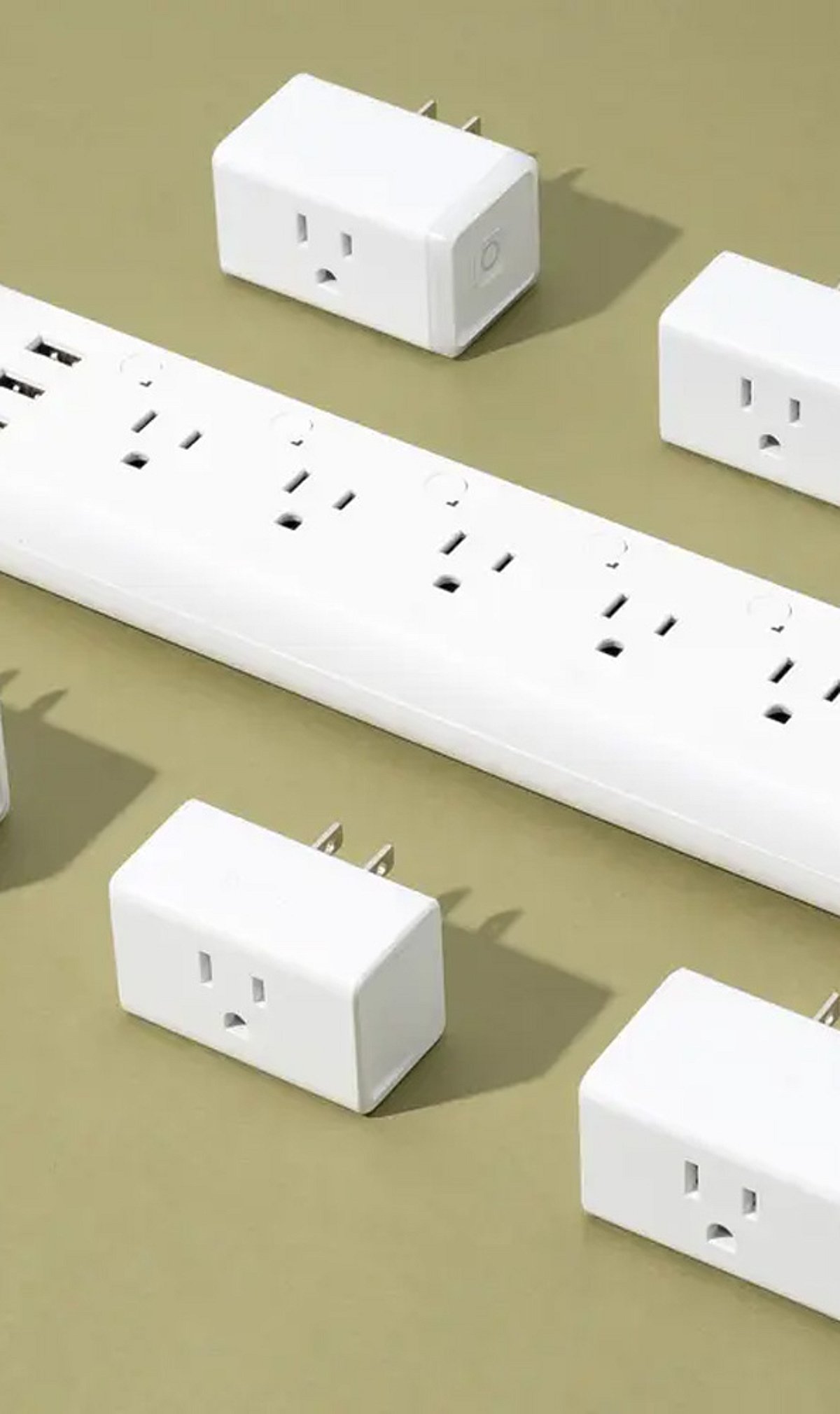
Smart plugs have become a popular entry point into home automation, allowing users to turn ordinary appliances into connected devices. With a simple app or voice command, you can control lights, fans, and other gadgets remotely, schedule them to turn on or off, and even monitor energy usage. However, beneath the convenience lie several hidden drawbacks that every potential buyer should consider.
Convenience at Your Fingertips
The primary appeal of smart plugs is remote control and scheduling. Whether you’re at work or on vacation, you can switch devices on or off, create routines, and automate lights to simulate occupancy. Energy-monitoring models go a step further, showing how much electricity each appliance consumes, helping you identify power-hungry devices and reduce unnecessary standby waste.
The Hidden Costs: Standby Power and Security Risks
Smart plugs are not completely energy-free. They continuously draw electricity to maintain a Wi-Fi connection, typically consuming 1–2 watts in standby mode. While small, this adds up over multiple plugs and years of use. More concerning are security and privacy risks. Poorly secured or outdated smart plugs can become an entry point for hackers into your home network, and the associated apps may collect and share usage data without clear consent.
Dependence on Internet and Compatibility Issues
Smart plugs rely heavily on a stable internet connection. Weak Wi-Fi, cloud outages, app failures, or firmware bugs can delay commands or render features unavailable. Compatibility is another factor: smart plugs work best with appliances that have physical on/off switches. High-power devices like space heaters or air conditioners may exceed the plug’s current rating, posing a fire hazard. Additionally, many smart plugs are bulky and can block adjacent wall outlets.
Tips for Safer and Smarter Use
To minimize risks, choose reputable brands, keep firmware updated, and consider local-control options such as Matter or Thread that reduce cloud dependence. Always check the plug’s load rating before connecting high-power appliances. Also, review the plug’s size, supported ecosystem, and privacy policy before purchasing.
Leave a Reply