
As businesses accelerate their pace, conventional training approaches often fall short in preparing employees for dynamic workplace challenges. AI-powered simulations are emerging as a transformative solution, offering practical environments where teams can hone skills, sharpen judgment, and achieve workplace readiness.
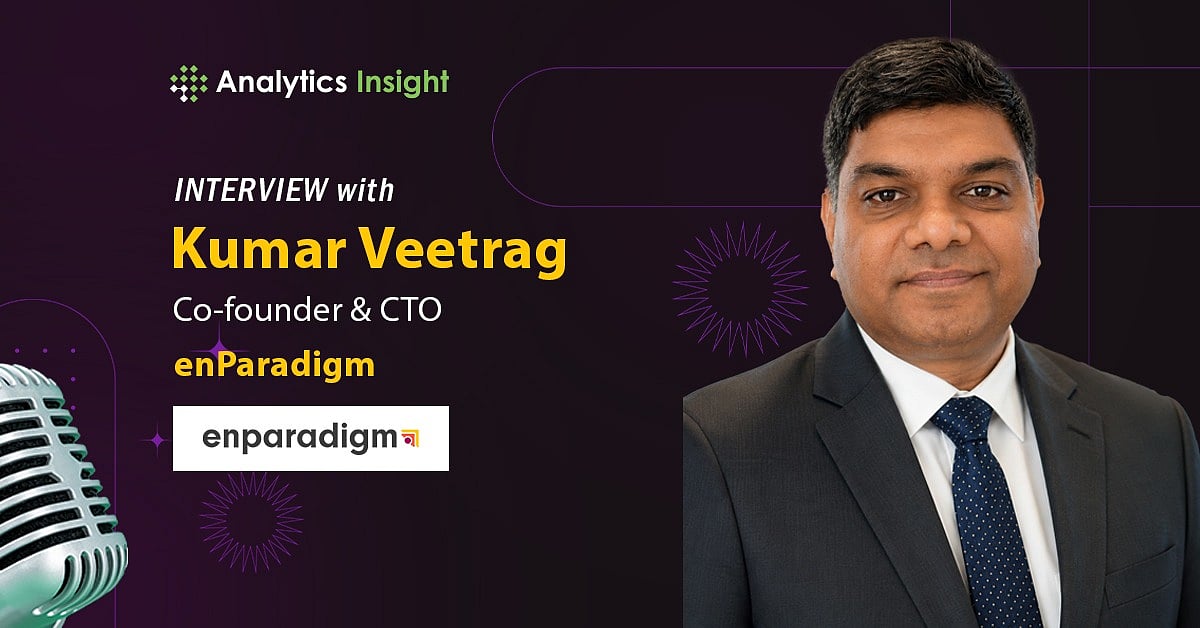
In a recent episode of the Analytics Insight Podcast, host Priya Dyalani sat down with Kumar Veetrag, Co-founder and CTO of Enparadigm, to examine how AI and simulation-based technologies are reshaping enterprise learning and talent development. The discussion covered the transition from traditional training to experiential learning, the role of AI in assessments and coaching, and the potential of talent analytics to enhance hiring and workforce strategies. The conversation also touched on the critical importance of responsible AI, human oversight, and governance as organizations integrate these tools.
Key Insights from the Interview
1. What is experiential learning, and why does it matter for enterprises?
Experiential learning focuses on practicing skills in realistic contexts rather than relying solely on theoretical knowledge. The podcast highlighted that employees often need to practice judgment, communication, and decision-making before applying these skills on the job. AI-powered simulations create safe practice environments that help employees become proficient faster.
2. How is AI transforming simulation-based learning?
AI accelerates, flexibilizes, and personalizes simulation-based learning. Organizations can design scenarios and AI avatars that let employees practice real workplace interactions. These simulations can be customized for different languages, accents, vocabulary levels, and job roles, enabling enterprises to deliver more relevant experiences at scale.
3. How do AI-based assessments improve traditional talent evaluation?
AI-based assessments address common pain points in traditional evaluation methods, such as time, cost, and scalability. Thousands of employees can participate simultaneously, while organizations receive faster feedback and consistent scoring. Moreover, assessment data can guide coaching and development, helping employees pinpoint specific areas for improvement.
4. How can organizations ensure fairness in AI-driven talent decisions?
To maintain fairness, organizations should pair AI with human judgment and non-AI systems, rather than letting AI make decisions autonomously. Reliable outcomes require clear guardrails, careful AI configuration, multiple AI systems, peer evaluations, and human calibration. Protecting sensitive data and adhering to responsible AI practices throughout the process are also essential.
5. How will AI influence the future of workforce development?
The podcast suggested that competitive advantage is shifting from simply hiring the best talent to continuously upskilling existing employees. As business needs evolve rapidly, organizations require adaptable individuals who can learn, practice, and pivot quickly. AI can power this through personalized simulations, coaching, and ongoing skill development.
Leave a Reply