
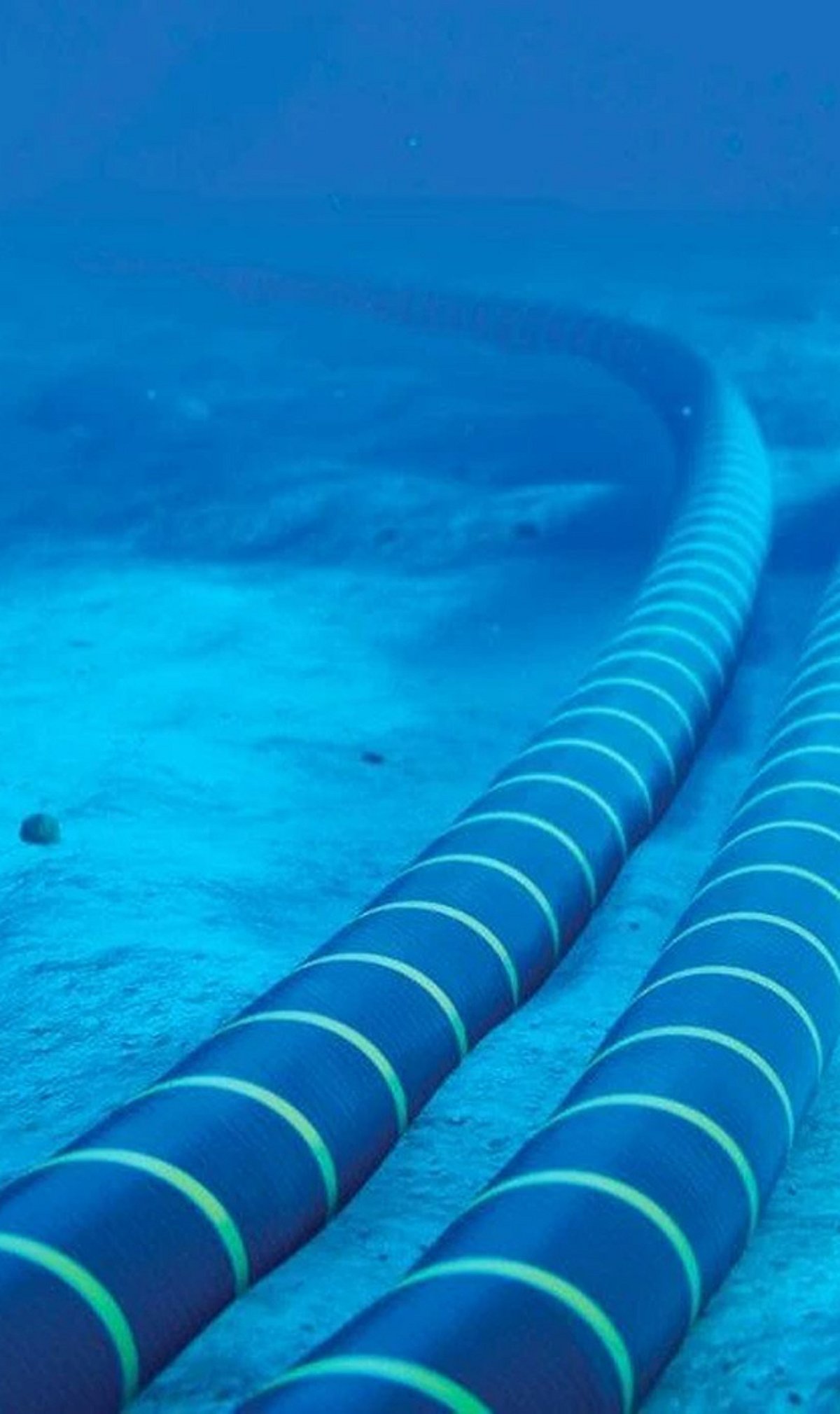
India’s digital revolution is surging—broadband subscriptions have crossed 1.06 billion and data usage jumped from 73,324 petabytes to 77,953 petabytes in just one quarter. Yet the backbone of this connectivity, the undersea cables that carry nearly all intercontinental internet traffic, reveals a critical weakness.
At least 13 of India’s 18 international submarine cables make landfall within about six kilometers of Mumbai’s Versova coast. This concentration means a single geographic point bears the brunt of the country’s international bandwidth. Meanwhile, 11 of those 18 cable systems are over 20 years old—pushing beyond their typical design life just as artificial intelligence, cloud computing, and video streaming drive demand even higher.
India also lacks its own submarine cable repair fleet. There is no Indian-flagged, Indian-owned, or India-stationed repair vessel, so the country depends entirely on foreign operators and ships for fixes. While a single cable cut does not automatically crash the internet—traffic can reroute—multiple cuts, congested alternatives, or repair delays can lead to slower international connections and higher latency. Important routes like the Red Sea and Strait of Hormuz add another layer of risk.
New projects offer hope. The I-2SEA system, connecting India with Malaysia and Singapore via landings at Machilipatnam and South Chennai, targets 2029. But the Telecom Regulatory Authority of India (TRAI) has also recommended developing Indian-flagged repair vessels and cable depots on both coasts. More landing sites, fresher cables, and faster repair capacity are essential to keep India’s internet boom from stalling.
Leave a Reply