Author: vitorcherulli

  • Bitcoin ETF Inflows Hit $211M, BlackRock Tokenizes $311B Funds, Uniswap Launches Lending, SpaceX Reduces Crypto Holdings

    Bitcoin ETF Inflows Hit $211M, BlackRock Tokenizes $311B Funds, Uniswap Launches Lending, SpaceX Reduces Crypto Holdings

    The crypto market saw significant developments as spot Bitcoin ETFs recorded $211.49 million in daily net inflows, BlackRock expanded tokenized fund offerings in Europe, Uniswap entered the lending space, and SpaceX reduced its crypto exposure.

    Bitcoin ETF Inflows Surge

    According to SoSoValue, U.S. spot Bitcoin ETFs saw total net inflows of $211.49 million. BlackRock’s IBIT led with $170.35 million in daily inflows, bringing its historical total to $60.76 billion. Fidelity’s FBTC followed with $19.58 million, reaching a cumulative $9.97 billion. The total net asset value of Bitcoin spot ETFs now stands at $78.26 billion, with an ETF net asset ratio of 6.06% and historical cumulative net inflows of $51.71 billion.

    BlackRock Tokenizes $311 Billion in European Money Market Funds

    On August 4, 2026, BlackRock introduced 12 tokenized share classes tied to six of its Institutional Cash Series (ICS) money market funds in Europe. This marks the firm’s first tokenized fund access in the region. The six funds collectively hold $311 billion in assets under management as of June 30, 2026. Only the tokenized share class operates on blockchain, and BlackRock expects initial adoption to be modest, growing as institutional investors opt in.

    Uniswap Launches Decentralized Lending Service

    Uniswap expanded its DeFi ecosystem with the launch of Earn, a lending product developed in partnership with Morpho. Users can deposit USDC, USDT, and Ether into professionally managed lending vaults to earn passive income. Assets are supplied to borrowers through Morpho’s decentralized lending markets, with interest returned to depositors. Users retain custody and can withdraw funds at any time. This reflects a broader trend of decentralized exchanges evolving into comprehensive financial platforms.

    SpaceX Reduces Crypto Holdings by $539 Million

    Space Exploration Technologies Corp. reported that the carrying value of its digital assets fell from $1.637 billion at the end of 2025 to $1.098 billion in Q2 2026, a 33% decline. The company did not specify whether the reduction resulted from asset sales, price movements, or both. Despite this, SpaceX’s total revenue reached $7.8 billion for the period, exceeding Wall Street estimates of $6.81 billion.

    Strategy-Linked Wallet Moves 1,030 BTC

    On-chain analytics platform Lookonchain identified a wallet linked to Strategy transferring 1,030 Bitcoin (worth approximately $66.14 million) on August 5. This occurred two days after Strategy disclosed a Bitcoin sale, but the company has not confirmed whether the latest transfer was a sale. Strategy’s most recent SEC filing reported holdings of 842,138 BTC as of August 2.

    FAQs

    1. How much money flowed into Bitcoin spot ETFs?
    According to SoSoValue, U.S. spot Bitcoin ETFs recorded $211.49 million in net inflows. BlackRock’s IBIT led with $170.35 million, followed by Fidelity’s FBTC with $19.58 million.

    2. What did BlackRock announce for its European funds?
    BlackRock introduced 12 tokenized share classes linked to six Institutional Cash Series money market funds. The funds collectively manage $311 billion in assets, though only the tokenized share classes operate on blockchain.

    3. What is Uniswap’s new lending service?
    Uniswap launched Earn, a decentralized lending product developed with Morpho. Users can deposit USDC, USDT, and ETH into lending vaults to earn passive income while maintaining custody of their assets.

    4. Why did SpaceX’s crypto holdings decline?
    SpaceX reported that the carrying value of its digital assets fell from $1.637 billion to $1.098 billion in Q2 2026. The company did not disclose whether the decline resulted from asset sales, price movements, or both.

    5. Did Strategy sell another 1,030 Bitcoin?
    Not necessarily. Lookonchain identified a wallet linked to Strategy transferring 1,030 BTC, but the company has not confirmed it was a sale. An on-chain transfer alone does not establish ownership changes or transaction purpose.

    Disclaimer: This article is for informational purposes only and does not constitute investment advice. Cryptocurrencies are risky assets; conduct your own research before investing.


  • Remittix Markets Live: Perpetual Futures Launch Adds a New Trading Layer to RTX Ecosystem

    Remittix Markets Live: Perpetual Futures Launch Adds a New Trading Layer to RTX Ecosystem

    Remittix Markets Goes Live

    Remittix Markets has officially launched, bringing perpetual futures trading to the RTX ecosystem. The new platform expands Remittix beyond its original crypto-to-fiat payments focus and gives active traders another way to engage with the project ahead of the official RTX token launch.

    Remittix now operates with two distinct product pillars: PayFi for crypto-to-bank payments and Markets for perpetual futures trading.

    A New Trading Layer for RTX

    Remittix Markets is the dedicated perps trading platform inside the wider RTX ecosystem. Perpetual futures allow users to take long or short positions on crypto assets without contracts expiring on a predetermined date. Traders can use them to respond to rising or falling markets, hedge existing exposure, and stay active during changing conditions.

    Leverage can increase the size of potential gains, but it also increases losses and liquidation risk. Risk management is therefore an important part of any perps trading strategy.

    Markets Could Create More Regular Ecosystem Activity

    Payments and trading generate different types of user engagement. A PayFi customer may use the platform when sending crypto to a recipient or transferring value into the banking system. A trader may return to Remittix Markets regularly to monitor prices, manage positions, and react to volatility.

    This gives Remittix another route for building platform activity. Markets can attract active traders, while PayFi continues serving users who want a simpler connection between digital assets and traditional finance. The launch does not guarantee demand for RTX, but it gives users another entry point into the ecosystem and strengthens the project’s wider product narrative.

    Remittix Moves Beyond a Single-Product Model

    Remittix was initially built around solving the friction involved in moving value from crypto into fiat bank accounts. With the arrival of Remittix Markets, the project is no longer dependent on one product category or one type of user.

    Payments and perpetual futures now sit within the same ecosystem, giving Remittix a broader commercial direction. Markets targets crypto traders seeking ongoing exposure to digital asset price movements, while PayFi targets individuals and businesses that want to move money between crypto and conventional banking more efficiently.

    PayFi Keeps Real-World Utility at the Center

    The Remittix PayFi platform is designed to let users send crypto while recipients receive fiat directly into their bank accounts. This removes several steps that often make crypto-to-bank transfers difficult, including sending assets to an exchange, manually converting them, and initiating a separate withdrawal.

    The platform has been fully developed and tested by members of the Remittix community. That gives the ecosystem an existing product foundation while Markets introduces a separate trading layer.

    RTX Approaches Its Next Major Milestone

    The Remittix presale has passed $31 million and is approaching the $32 million milestone, when the team is expected to reveal the official RTX launch date. With Remittix Markets now live and the PayFi platform already developed and tested, Remittix is entering its next phase as a multi-product ecosystem rather than a single-use crypto project.

    Learn more about Remittix here: Remittix Presale | Remittix Markets.

    Frequently Asked Questions

    What is Remittix Markets?

    Remittix Markets is the live perpetual futures trading platform within the RTX ecosystem.

    What can users do with perpetual futures?

    Users can take long or short positions through contracts that do not have fixed expiry dates.

    How does Remittix Markets fit alongside PayFi?

    Markets focuses on active crypto trading, while PayFi is designed to support crypto-to-fiat transfers into bank accounts.

    Is perpetual futures trading risky?

    Yes. Leverage can amplify both gains and losses, and positions can be liquidated if the market moves against the trader.

    Editorial Disclaimer: This article is for informational purposes only and does not constitute investment advice. Cryptocurrency investments are risky and may result in the loss of capital. Always conduct your own research before investing.

  • How Showing Up Scared Helped Jeffrey Zang Forge a Path from Hackathons to Startup Founder

    How Showing Up Scared Helped Jeffrey Zang Forge a Path from Hackathons to Startup Founder

    Jeffrey Zang almost didn’t attend the hackathon that would change his life. As a high school student, the thought of sleeping away from home nearly kept him from JAMHacks 6, one of Canada’s largest high school hackathons. But he went anyway, and those 48 hours transformed his view of programming from a casual interest into a lifelong calling.

    “I almost stayed home,” Zang said. “That is the part I think about now. The thing I was afraid to do became the thing that made me want to build for the rest of my life.”

    The First Spark

    Zang’s journey began in Grade 5 when a teacher introduced his class to Scratch during math. The colorful blocks showed him that instructions could create something that moved and responded. In Grade 6, his father taught him Python, and Zang started building simple terminal games. He was never a passive learner—he preferred to install, break, and troubleshoot on his own.

    “I have never been great at learning by watching someone else do every step,” he said. “I learn faster when I am inside the problem. I want to touch it, mess it up, and understand why it failed.”

    From Hackathons to Internships

    After JAMHacks, Zang dove into web development, landed his first internship at 15, completed four software internships before turning 19, and participated in about 17 hackathons while helping organize six. He became the youngest co-chair of Hack the 6ix, Toronto’s largest hackathon, scaling it to over 1,100 attendees and raising more than $50,000 in sponsorships from companies like Microsoft, Deloitte, Warp, and Linear.

    Being young often meant facing skepticism. Companies hesitated, sponsors questioned his place in the room. But Zang persisted.

    “Being young made some people discount me,” he said. “Eventually I started thinking, okay, if I do the work anyway, then the age becomes part of the proof.”

    His proof grew: named an MLH Top 50 honoree (second-youngest ever), winner of Hack the North with EcoRewards, builder of a 3D-printed conversational robot called Realistic Obama that drew over 150,000 social views, and creator of motus—an eye-tracking wheelchair control system built in 24 hours.

    Learning Through Failure

    Success didn’t come without hard lessons. During his first internship at uxSino, Zang struggled with Linux and Java. He failed five operating system installs and went days without solving a single ticket.

    “I remember feeling completely useless,” he said. “It was not one clean failure. It was waking up, trying again, and still not getting anywhere.”

    That experience taught him that failure becomes less frightening after enduring enough versions of it. He saw the same pattern while organizing ClockHacks: two weeks before the event, the budget was only $50. Three days before, it reached $700. The team pushed through.

    “That is the part people do not see,” Zang said. “A project can look dead for a while before it works. You learn to keep pushing when the evidence is not comforting yet.”

    Building Proletic

    Now at the University of Waterloo (4.0 GPA), Zang is building Proletic, a company aimed at easing the daily grind of computer work. Earlier ventures include Opus, a computer-use agent launched in three days that reached 500+ beta users, and an internal AI assistant at Nokia adopted by 200+ employees.

    “Shipping changes the question,” Zang said. “Before you ship, you are guessing. After you ship, users start telling you what is real.”

    For Zang, the most important lesson is commitment. He believes many things are buildable with one to three months of focus—the harder skill is choosing the thing and not drifting away.

    Paying It Forward

    Zang’s story comes back to the same message: starting young doesn’t mean starting unready. Rough first attempts count. And sometimes the decision that changes everything is not a confident leap, but showing up anyway.

    “I found my way because other people created a place where I could show up,” Zang said. “I want to keep doing that for the next person who is scared to go, or thinks they do not belong yet.”

  • How to Use Smart Labels for Closets, Storage Bins, and Cabinets

    How to Use Smart Labels for Closets, Storage Bins, and Cabinets

    Smart labeling systems turn closets, storage bins, and cabinets into organized spaces that are easier to navigate and maintain. By using clear categories, consistent placement, durable materials, and even QR codes, you can create a storage system that stays accurate and clutter-free over time.

    What Makes a Label Smart

    A label is only truly smart when it meets a few key criteria. It should remain legible after months of handling, group items the way people actually search for them, and be easy to update when contents change. When useful, it can also connect to a digital record through a QR code or similar tool. Many popular labeling ideas are decorative, but the strategies below focus on function first and appearance second.

    Closets: Cut Decision Time

    Closet labels solve a speed problem. In the morning, no one wants to search through a wardrobe. Instead, workwear, gym clothes, and seasonal items should be instantly identifiable. A simple hierarchy works best: a zone label for a broad category like workwear, a shelf label for a type like shirts, and a bin label for specific items like belts. Not every level needs the same detail. Hanging divider tags are especially useful for shared wardrobes, where two people need to understand the system without explanation.

    Storage Bins: Keep Contents Visible

    Storage bins often hold items that go untouched for months, so their labels need to carry more information than a closet tag. A content list on the side, updated each time the bin is repacked, prevents the common problem of opening a bin only to find it doesn’t contain what you expected. For stacked bins, place identical labels on both the front and the lid so they remain readable whether the bin is in a stack or standing alone. Color-coding works only when each color represents a single variable, such as a room or a household member. Mixing meanings across colors makes the system harder to read than having no color at all.

    Cabinets: End the Guesswork

    A closed cabinet door removes the visual cue that an open shelf or bin provides. Frequently used cabinets, such as those holding everyday cookware, benefit from broad category labels that can be read in passing. Low-use cabinets, like those for seasonal appliances or first aid supplies, can carry more detailed checklists on the inside of the door. Checking a list takes far less time than opening every drawer to relearn what is stored where.

    QR Codes and Digital Inventories

    QR code labels extend a labeling system beyond what text alone can hold. Scanning a code can open a photo of a bin’s contents, a written inventory, or a location history. This is especially useful for moving boxes, seasonal decorations, or archived documents that stay sealed for months. The real value is being able to retrieve information without opening the container. A garage with forty identical bins becomes searchable rather than guessable, and the same principle applies to hardware inventories and emergency supplies.

    Choosing the Right Label for Each Situation

    • Writable labels are ideal for temporary storage.
    • Waterproof vinyl labels suit kitchens and pantries.
    • Printed adhesive labels work well for garage and attic bins.
    • Hanging tags are effective for baskets or fabric containers where adhesives do not stick.

    Keep the System Accurate

    Every labeling system drifts as contents change. A short seasonal review can catch labels that no longer match what is inside before the gap grows large enough to abandon the whole system. Smart labels succeed when they reflect how people actually search, store, and return items. When the system matches everyday habits, organization stays maintained rather than constantly rebuilt.

    Final Thought

    Start with a single closet, bin shelf, or cabinet drawer. Test whether a label style matches your real habits before scaling it across your home. A system built on daily behavior lasts. One built on appearance alone rarely does.

    FAQ

    What are smart label ideas for closets, storage bins, and cabinets?

    Smart label ideas combine clear category names, consistent placement, durable materials, and, where useful, QR codes that link to digital inventories. The goal is to make items easy to find and return, not just to make storage look organized.

    How do QR code labels work for storage?

    QR code labels link physical storage containers to digital information such as item lists, photos, or inventory records. Scanning the code lets users check a container’s contents without opening it, making them especially useful for seasonal and long-term storage.

    What is the best way to label storage bins?

    Use large, easy-to-read labels on the front of each bin and add a duplicate label on the lid if bins are stacked. For long-term storage, include a brief contents list or connect the label to a digital inventory using a QR code.

    How can a cabinet labeling system stay accurate over time?

    Review cabinet labels periodically and update them whenever contents change. A simple seasonal check helps keep labels accurate, prevents misplaced items, and ensures the organization system remains easy to maintain.

  • Dyson Gadgets Worth the Investment: A Comprehensive Guide for 2026

    Dyson Gadgets Worth the Investment: A Comprehensive Guide for 2026

    Dyson has built a reputation for engineering innovative, high-performance gadgets that blend cutting-edge technology with everyday usability. From cordless vacuums and hair styling tools to air purifiers, these devices are designed to simplify chores and elevate personal care. Below, we break down the top Dyson gadgets that justify their premium price tags through superior performance, durability, and smart features.

    Dyson V15 Detect

    The Dyson V15 Detect stands out as one of the most advanced cordless vacuum cleaners on the market. It uses a laser to reveal microscopic dust on hard floors, while intelligent suction automatically adjusts based on debris levels. With strong battery life, excellent filtration, and powerful cleaning performance, this model is a worthwhile long-term investment for busy households.

    Dyson Airwrap i.d.

    The Dyson Airwrap i.d. offers multiple styling options without exposing hair to extreme heat. It can curl, smooth, dry, and add volume using intelligent airflow technology. Its versatile attachments suit different hair types, making it an excellent choice for users who want salon-like styling while reducing everyday heat damage.

    Dyson Supersonic Hair Dryer

    The Dyson Supersonic delivers fast drying with precise temperature control to protect hair from excessive heat. Its lightweight design, powerful digital motor, and magnetic attachments improve everyday styling. Though expensive, its speed, comfort, and consistent results make it a valuable upgrade over conventional hair dryers.

    Dyson Purifier Hot+Cool

    The Dyson Purifier Hot+Cool combines air purification, heating, and cooling in a single appliance. It captures allergens, dust, and pollutants while monitoring indoor air quality in real time. With year-round usability and smart controls via the Dyson app, it offers both convenience and healthier indoor living.

    Dyson WashG1

    The Dyson WashG1 is designed to clean hard floors using fresh water while separating dirty water for better hygiene. It tackles wet and dry messes in one pass without spreading dirt around. Easy maintenance and efficient floor cleaning make it a practical investment for modern homes.

    Dyson Gen5detect

    The Dyson Gen5detect improves on previous cordless vacuums with stronger suction, advanced HEPA filtration, and longer battery life. It traps tiny particles while cleaning carpets and hard floors with ease. Built for deep cleaning and durability, it is an excellent option for homes with pets and allergies.

    Dyson Airstrait

    The Dyson Airstrait straightens and dries hair simultaneously using high-pressure airflow instead of heated plates. This unique approach reduces heat exposure while saving styling time. Its innovative design delivers smooth, natural-looking results, making it an appealing investment for users seeking healthier everyday hair care.

  • Google Assistant to Be Retired Starting September, Gemini Takes Over as Default Assistant

    Google Assistant to Be Retired Starting September, Gemini Takes Over as Default Assistant

    Google has entered the final phase of retiring Google Assistant, with the company confirming that the voice assistant will begin disappearing from Android smartphones starting September 4. The transition will happen gradually over several weeks as Gemini becomes Google’s only supported voice assistant on eligible Android devices.

    Users who have already received notification emails from Google will no longer be able to switch back to Google Assistant after the migration is complete. The change also extends beyond smartphones to include paired Android tablets, Wear OS smartwatches, and compatible headphones and earphones.

    Gemini Becomes Default Assistant

    After the transition, users will continue to activate the assistant by saying ‘Hey Google’ or by long-pressing the power button. However, instead of Google Assistant, Gemini will respond on supported devices. Google stated that setting Gemini as the default assistant on an Android phone will automatically make it the assistant across paired devices, including compatible smartwatches and audio accessories.

    Gemini retains many of the core capabilities offered by Google Assistant, including setting alarms and timers, answering questions, controlling smart home devices, playing music, and performing tasks directly from the lock screen. It also introduces more advanced AI-powered features built around Google’s latest generative AI technology.

    End of a Decade-Long Service

    Google Assistant was introduced in May 2016 and has remained one of the company’s flagship services across Android phones and several connected devices for nearly a decade. Google first announced in 2025 that Gemini would eventually replace Assistant across Android phones, tablets, smartwatches, TVs, cars, and other supported products. The company had initially planned to complete the transition earlier, but the timeline was extended before the final rollout was confirmed this week.

    While Google Assistant is being retired from Android phones and several paired devices, the company has indicated that the change does not currently affect Google Home smart speakers, Google TV devices, or vehicles running Google built-in, where Assistant will remain available for now.

  • Early Labor Day 2026 Shopping Guide: Smart Buys Now vs. Items to Skip

    Early Labor Day 2026 Shopping Guide: Smart Buys Now vs. Items to Skip

    Early Labor Day deals are already rolling out, offering solid savings on select categories such as mattresses, major appliances, patio furniture, and seasonal clearance. However, not every product is worth grabbing right now. Electronics like laptops and TVs typically see deeper discounts later in the year. Shopping by category rather than sale timing alone leads to better long-term savings.

    How Early Labor Day Deals Actually Work

    Retailers stagger their discounts rather than dropping everything at once. Mattress and appliance brands usually lead the charge because these purchases involve financing, delivery scheduling, and installation planning. Smaller electronics and clearance items follow once retailers gauge early category performance. A mattress deal spotted in mid-August often matches the holiday price, while an early electronics deal is frequently matched or beaten when weekend traffic picks up.

    Mattress Deals Already at Peak Pricing

    Mattress brands consistently move first. For 2026, Saatva offers $350–$400 off orders over $1,000, bringing the Saatva Classic to its lowest price in weeks. Amerisleep discounts $700 off the AS3 and $800 off the AS5 Hybrid. Direct-to-consumer brands control their own pricing calendar, so early quotes reliably preview holiday prices.

    Major Appliances: Deepest Discounts of the Season

    Appliances carry the steepest markdowns across Labor Day categories. Lowe’s offers 30–35% off select models, including up to $800 off LG appliances. Best Buy cuts as high as 50% on refrigerators, washers, and dryers. Retailers clear warehouse space before new seasonal lines arrive, so delivery slots and popular finishes vanish quickly. Locking in a booking now matters as much as the price.

    Patio Furniture and Grills: Genuine Clearance

    Home Depot lists grills from Weber, Blackstone, and Nexgrill starting at $99, with patio furniture clearance pieces from roughly $29. Retailers need floor space for fall and winter stock, making this pricing a reflection of real inventory pressure rather than marketing hype.

    Everyday Essentials Worth Snagging Now

    A handful of smaller items show strong value. Apple’s AirPods Pro 3 are $49 off at Amazon—among the year’s best prices. The Anker Prime 67W USB-C charger is 30% off and can power a laptop, unlike cheaper alternatives. The Foray 3L rain jacket hits its lowest price of the year, a rare markdown for a piece that usually holds its summer price.

    Laptops: Buy Only If Urgent

    HP’s Labor Day Sale covers EliteBook and OmniBook lines with real markdowns, but laptop pricing follows processor refresh cycles. Sharper cuts typically arrive around Black Friday, roughly ten weeks later. Anyone without an immediate need should wait. For urgent needs, buy at the best current price to avoid stockouts.

    Summary: Buy Now vs. Wait

    Category Action Reason
    Mattresses Buy now Near yearly low pricing
    Major Appliances Buy now Deep discounts; inventory finite
    Patio Furniture & Grills Buy now Clearance pricing reflects inventory pressure
    Laptops & TVs Wait Better deals expected around Black Friday
    Smartphones Wait Annual release cycles yield deeper cuts later
    Everyday Essentials (AirPods, chargers, jackets) Buy now Rare markdowns on select items

    Where the Real Discount Depth Lies

    Retail data from previous cycles shows mattresses, appliances, patio goods, tools, and summer clearance carry genuine year-over-year depth during Labor Day—often matching or exceeding later deals. Electronics categories built around new product cycles treat Labor Day as a marketing checkpoint rather than a pricing floor. The shopper’s category matters more than the calendar date.

    Final Thought

    Early Labor Day deals work best when they follow product cycles, not the calendar. Mattresses, appliances, and patio furniture usually hit their lowest prices before the holiday weekend. Most electronics keep dropping afterward. Buy where clearance drives the price; wait where new models will. That pattern, more than any sale banner, decides real savings.

    FAQ

    1. When do early Labor Day deals start? Many retailers begin one to three weeks before the holiday, starting with tech, home goods, appliances, and mattresses.
    2. Are early Labor Day deals worth buying? Yes, especially on big-ticket items. Compare current prices with historical lows to gauge genuine value.
    3. What products have the best discounts? Appliances, mattresses, furniture, laptops, headphones, outdoor gear, and end-of-summer seasonal items often lead the list.
    4. Should I buy early or wait for the main weekend? Items with limited inventory or long delivery times are worth buying early; electronics and fashion may improve over the weekend.
    5. How to tell if a deal is good? Compare with recent price history, check price-matching policies, review return policies, and ignore artificial countdown timers.
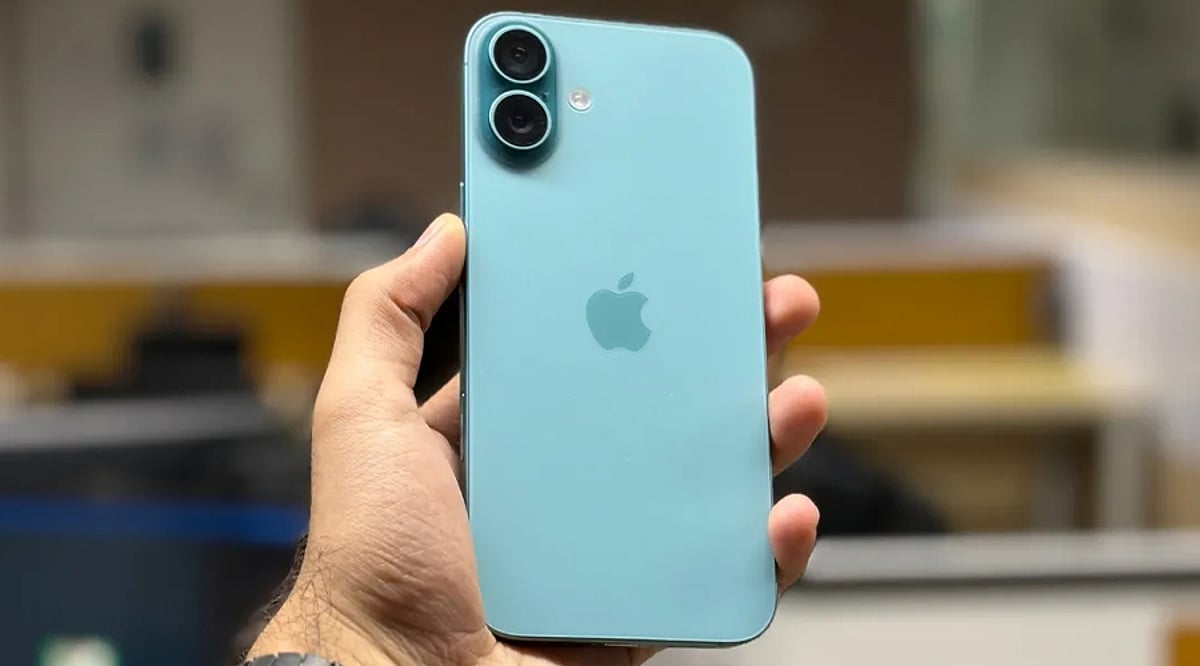
  • Apple iPhone 16 Now Available at Effective Price of ₹40,612 with Bank Offers and Trade-In

    Apple iPhone 16 Now Available at Effective Price of ₹40,612 with Bank Offers and Trade-In

    Massive Price Cut on iPhone 16

    Apple iPhone 16 buyers can now grab the smartphone at an effective price of just ₹40,612 by combining eligible bank offers with exchange benefits. The headline price requires trading in an old smartphone and using supported bank cards. Final savings vary depending on the exchanged device’s condition and offer eligibility.

    How the ₹40,612 Price Works

    The discounted price is achieved by stacking retailer discounts, instant bank cashback, exchange value, and exchange bonus. Without an eligible trade-in or bank offer, buyers will pay a higher amount. Always verify exchange estimates before completing the purchase to avoid pricing surprises.

    Powerful A18 Performance

    The iPhone 16 is powered by Apple’s A18 chip, delivering fast performance for gaming, multitasking, photography, and Apple Intelligence features. The processor also improves power efficiency, helping extend battery life while handling demanding applications and future iOS updates smoothly.

    Premium Camera Experience

    Apple equips the iPhone 16 with a 48MP primary camera and a 12MP ultra-wide sensor, enabling detailed photos, vibrant colors, and high-quality videos. Camera features support everyday photography, portraits, and low-light shooting while maintaining Apple’s signature image processing quality.

    Bright OLED Display

    The smartphone features a 6.1-inch Super Retina XDR OLED display that delivers sharp visuals, rich colors, and excellent brightness. Whether watching videos, browsing, gaming, or reading, the display offers an immersive viewing experience with impressive clarity indoors and outdoors.

    Long-Term Value

    Beyond hardware, the iPhone 16 benefits from years of iOS software updates, strong resale value, and premium build quality. Buyers planning to keep a phone for several years can expect continued security updates, new features, and dependable overall performance.

    Should You Buy It?

    If you have an eligible smartphone for exchange and a supported bank card, this deal offers one of the lowest effective prices for the iPhone 16. Compare exchange values across retailers and confirm offer terms before purchasing, as discounts remain subject to eligibility and availability.

  • From Fame to Fortune: 10 Celebrities Who Built Billion-Dollar Empires

    From Fame to Fortune: 10 Celebrities Who Built Billion-Dollar Empires

    Rihanna: From Pop Star to Beauty Mogul

    Rihanna built a billion-dollar fortune with Fenty Beauty and Savage X Fenty, proving that inclusive products and brand ownership can outperform endorsements.

    Steven Spielberg: Hollywood’s Richest Storyteller

    Steven Spielberg earned billions through blockbuster films, Amblin Entertainment, and a long-running Universal theme park royalty agreement.

    Michael Jordan: The Athlete Who Built a Brand

    Michael Jordan turned his Nike partnership into one of the world’s most valuable sports brands, making him one of the richest athletes ever.

    Oprah Winfrey: Media Queen With a Business Empire

    Oprah expanded beyond television with Harpo Productions, OWN Network, publishing, and smart investments that created lasting wealth.

    Kim Kardashian: SKIMS Changed Everything

    Kim Kardashian transformed her global fame into a billion-dollar empire through SKIMS, one of the fastest-growing shapewear brands.

    Jay-Z: From Rap Icon to Business Tycoon

    Jay-Z built wealth through Roc Nation, premium liquor brands, investments, and entertainment ventures that extend far beyond music.

    Taylor Swift: Music Rights Created Massive Wealth

    Taylor Swift’s record-breaking tours, music catalog value, and ownership strategy helped turn her into one of the world’s richest entertainers.

    Dr. Dre: The Billion-Dollar Headphone Deal

    Dr. Dre co-founded Beats Electronics, which Apple acquired for billions, making it one of the biggest celebrity business success stories.

    The Secret Behind Their Success: Ownership Beats Endorsements

    These celebrities built lasting fortunes through equity, brand ownership, strategic investments, and diversification, not just their fame.

  • Why ClickHouse Is the Top Choice for High-Speed Analytics

    Why ClickHouse Is the Top Choice for High-Speed Analytics

    ClickHouse has emerged as a favorite among developers for handling massive analytical workloads with unparalleled speed. Its unique architecture and feature set make it ideal for real-time data processing, business intelligence, and large-scale reporting. Below are the key reasons why engineers prefer this open-source column-oriented database.

    Column-Oriented Storage

    Instead of storing data row by row, ClickHouse organizes information by columns. This approach drastically reduces storage requirements and accelerates analytical queries across massive datasets with remarkable efficiency.

    Lightning-Fast Queries

    Complex analytical workloads execute in seconds, enabling businesses to generate reports and dashboards without noticeable delays or performance bottlenecks.

    Real-Time Data Processing

    ClickHouse handles continuous data ingestion while delivering near real-time analytics, making it perfect for monitoring applications, log analysis, and business intelligence.

    High Compression Rates

    Data is compressed efficiently, lowering storage costs while maintaining quick access to large datasets for enterprise-scale analytical workloads and reporting.

    Horizontal Scalability

    The database expands across multiple servers with ease, allowing organizations to process growing data volumes without compromising performance or reliability over time.

    Open-Source Flexibility

    With transparent development, community contributions, and freedom from vendor lock-in, deployment and customization become easier for engineering teams worldwide.

    Cloud-Native Compatibility

    ClickHouse integrates smoothly with cloud infrastructure, containers, and Kubernetes, simplifying deployment, scaling, and maintenance in modern enterprise environments.

    Strong SQL Support

    Familiar SQL syntax reduces the learning curve for developers and analysts transitioning from traditional relational database management systems.

    Cost-Effective Analytics

    Enterprise-grade analytical performance runs on standard hardware, helping businesses reduce infrastructure expenses while maintaining high query speeds.