Author: vitorcherulli

  • Jason Blackhurst: Leading Visa’s Fraud Prevention and AI-Driven Risk Solutions

    Jason Blackhurst: Leading Visa’s Fraud Prevention and AI-Driven Risk Solutions

    Early Life and Education

    Jason Blackhurst earned a degree in Business Administration from Warner Pacific University between 1995 and 1997. Before entering the corporate world, he served six years in the United States Navy, which instilled a disciplined, mission-focused leadership style that would define his career.

    Professional Career

    Blackhurst has spent over a decade at Visa, currently serving as Senior Vice President & Head of Featurespace & Acceptance Risk Solutions. He previously held the role of SVP Innovation and Strategic Partnership. From 2008 to 2015, he was SVP eCommerce Product Executive at Bank of America, and earlier held leadership positions at Vesta, Polestar Communications, and Concentrex, focusing on online banking and global operations. Following Visa’s acquisition of Featurespace in March 2025, Blackhurst succeeded retiring CEO Martina King to lead Featurespace and Acceptance Risk Solutions.

    Business Intervention in AI

    Featurespace enhances Visa’s global risk infrastructure with AI-based fraud prevention technologies, including:

    • Adaptive Behavioral Analytics: A self-learning platform that creates individual behavioral profiles and detects anomalies in real-time.
    • TallierLTM™: The world’s first generative Large Transaction Model, pre-trained on billions of transactions to uncover hidden fraud patterns, delivering a 71% improvement over industry standards.
    • Automated Deep Behavioral Networks: A deep learning architecture using recurrent neural networks to protect against scams, account takeover, and card fraud.
    • Card Fraud: Tailored for the card and payments industry; partners like TSYS reduced fraud losses by 39% and false declines by 70%.
    • Scam Detect: Addresses the growing threat of Authorized Push Payments with adaptive capabilities that keep banks ahead of fraudsters.

    Business Achievements

    Featurespace has become a globally recognized fraud prevention platform, expanding its enterprise footprint through Visa’s ecosystem. It reinforced its Cambridge, UK presence with a six-year office lease and broadened transit payments via Visa Ready for Transit, partnering with multiple technology providers for contactless public transport payments worldwide.

    Controversies

    No serious public controversies have been associated with Jason Blackhurst. He has built a reputation as a steady, experienced operator across banking, e-commerce, and payment risk technology, culminating in his current leadership of Featurespace within Visa’s global risk and identity solutions portfolio.

  • FTSE 100 Rises 44 Points on US-Iran Peace Optimism; BP and HSBC Post Strong Earnings

    FTSE 100 Rises 44 Points on US-Iran Peace Optimism; BP and HSBC Post Strong Earnings

    The FTSE 100 opened 40.58 points higher at 10,898.28 on Tuesday, buoyed by renewed hopes of a diplomatic resolution between the United States and Iran. The positive sentiment was further supported by robust corporate earnings from BP and HSBC, along with a flurry of other company updates.

    Market Movers

    Brent crude futures climbed 1.46% to $84.99 per barrel, while US West Texas Intermediate (WTI) rose 0.70% to $80.90. Sterling edged lower against the dollar, slipping to $1.3423 from $1.3425, and fell to €1.1664 against the euro from €1.1669.

    Top Gainers

    Antofagasta led the risers, surging 3.10% to 3,793p. Babcock International Group and BAE Systems both advanced 2.66%, reaching 1,177p and 2,200p respectively. Anglo American gained 2.54% to 3,799p, Rio Tinto added 2.30% to 7,252p, and Endeavour Mining rose 2.22% to 3,595p.

    Biggest Losers

    On the downside, Smith & Nephew plunged 5.76% to 1,128p. Coca-Cola Europacific Partners fell 4.16% to 7,725p, and Admiral Group declined 2.00% to 3,726p. Next slipped 1.24% to 14,715p, Coca-Cola HBC eased 0.94% to 4,838p, and Games Workshop Group edged 0.57% lower to 19,120p.

    BP Doubles Profit

    BP reported a sharp increase in second-quarter earnings, with underlying replacement cost profit surging to $5.7 billion from $2.4 billion a year earlier and $3.2 billion in the first quarter. Higher oil and gas prices and stronger refining margins offset lower production. Reported profit attributable to shareholders rose to $3.9 billion from $1.6 billion. Operating cash flow jumped 73% year-on-year to $10.9 billion, and net debt was reduced to $22.3 billion from $25.3 billion at the end of March.

    HSBC Beats Forecasts

    HSBC announced a fresh $1 billion share buyback after first-half profit rose 23% to $19.5 billion, beating analyst expectations. Second-quarter profit jumped 60% to $10.1 billion, surpassing the consensus estimate of $9.51 billion. The result was flattered by a $2.1 billion charge related to Bank of Communications taken a year earlier.

    Travis Perkins Cuts Dividend

    Travis Perkins reduced its dividend from 4.5p to 4p after warning of a slump in construction activity and price uncertainty. The company reported a 1.8% drop in first-half revenue to £2.3 billion. Shares have fallen 10% since the start of the year.

    Global Market Overview

    In the US, the Dow Jones rose 1.3%, the S&P 500 climbed 1.5%, and the Nasdaq jumped 2.1%, supported by lower oil prices, stronger manufacturing data, and easing concerns about a hawkish Federal Reserve. In Asia, Tokyo’s Nikkei 225 rose 0.32% to 63,957.53, China’s Shanghai Composite gained 0.33%, while Hong Kong’s Hang Seng declined 0.77%. South Korea’s Kospi edged higher by 1.62%. In India, both the Nifty 50 and the Sensex fell by 1.18% and 0.39%, respectively.

    Disclaimer: This article is for informational purposes only and does not constitute investment advice. Always conduct your own research before making financial decisions.

  • Constructing a Multi-Layered Retirement Plan: Beyond a Single Income Stream

    Constructing a Multi-Layered Retirement Plan: Beyond a Single Income Stream

    Retirement planning becomes more believable when it is not built around one heroic assumption. One pension will take care of everything. One property will give rent forever. One market investment will keep compounding smoothly. One child will support the parents if needed. These are not poor thoughts, but they are too narrow for a long retirement. A person retiring at 60 may have to plan for 25 or 30 years of expenses. That is a long time for any single income source to behave perfectly.

    A better retirement plan has layers. Some layers give predictable income. Some create growth. Some are there for emergencies. Some are tax-efficient. The mix is personal, but the principle is fairly steady: do not make your post-retirement life wait on one cheque, one tenant, one interest rate, or one market cycle.

    The Three-Bucket Approach to Retirement Income

    A useful first draft is to divide retirement money into three buckets. It is not a textbook rule, just a practical way to keep the plan from becoming too clever.

    • Bucket 1: Predictable Income. Covers essential monthly expenses through pensions, annuities, or fixed deposits.
    • Bucket 2: Growth Investments. Equities, mutual funds, or real estate for long-term inflation protection.
    • Bucket 3: Emergency Reserve. Cash or liquid assets for unexpected costs like medical bills or home repairs.

    This structure reduces emotional pressure. When monthly expenses are covered through predictable sources, growth investments can be allowed more time. When emergency money is separate, a medical bill or home repair does not force the sale of long-term assets at an awkward time.

    Why Guaranteed Income Has a Place in the Plan

    Many people, especially younger earners, look at retirement only through return percentages. That is understandable. Growth matters. But income certainty also has its own value after salary stops. A retirement plan that offers regular income, such as an annuity or pension-style product, can act as the base layer. It may not be the loudest part of the portfolio, but it can be the part that quietly pays the electricity bill, grocery bill, and medicine bill every month.

    This is where retirement plans from life insurance companies often enter the discussion. They can be used to convert a corpus into a structured income stream, sometimes for life, depending on the option chosen. For a retiree who does not want to actively manage every rupee at 70 or 75, that predictability has a certain dignity to it.

    Do Not Ignore Inflation

    Inflation rarely feels dramatic in one year. It works slowly. A monthly expense of $60,000 may become $90,000 or more over time, depending on inflation and lifestyle changes. Medical expenses and domestic support can rise faster than general household expenses. Retirement planning should therefore include assets that have some growth potential, not only fixed payouts.

    • Keep some money in stable income products for routine expenses.
    • Keep a growth allocation for expenses that will rise over 10, 15, or 20 years.
    • Review the withdrawal rate every year instead of assuming the first-year budget will remain useful forever.
    • Do not use all retirement money for one long lock-in unless liquidity has been separately planned.

    Rental Income Is Useful, but It Needs a Backup

    Many households treat rent as a retirement plan. It can be a good income source, especially if the property is well-located and debt-free. But rental income has its own maintenance calendar. There can be months without tenants, repairs, society expenses, property tax, and occasionally a tenant who is late with payment. So rent can be one layer, not the whole floor.

    If rental income is part of the plan, keep a small reserve only for property expenses. This prevents repair costs from eating into monthly retirement spending.

    A Simple Sequence for Building the Plan

    1. Estimate essential monthly expenses separately from lifestyle expenses.
    2. List existing assured income sources such as pension, annuity, rent, and interest income.
    3. Calculate the gap between expenses and assured income.
    4. Use retirement plans, deposits, or annuity options to cover part of that gap.
    5. Keep growth assets for inflation, future healthcare, and discretionary goals.
    6. Maintain one emergency fund that is not linked to market value or tenant payment.

    Tax and Documentation Should Be Part of the Plan

    Retirement income can come from many sources, and each may be taxed differently. Interest, pension, annuity income, capital gains, and withdrawals need separate treatment. It is worth using an income tax calculator before the financial year begins, not only at return-filing time. The difference between gross income and post-tax income can be meaningful in retirement.

    Documentation is equally important. Keep nomination details updated, maintain statements, and make sure your spouse or another trusted family member knows where the records are. A retirement plan that only one person understands is too fragile, even when the investments are good.

    Final View

    A retirement plan should feel like a system, not a single bet. Predictable income can take care of everyday expenses. Growth assets can deal with inflation. Emergency funds can protect the plan from sudden withdrawals. Insurance-linked retirement plans, pension products, deposits, market assets, and rental income can all have a role, depending on the household. The sensible plan is the one where no single source is carrying the full weight of the future.

  • Quordle August 5 Hints, Answers, and Winning Strategies

    Quordle August 5 Hints, Answers, and Winning Strategies

    Today’s Quordle puzzle brings a mix of baseball terminology, common verbs, and a touch of the uncanny. One answer features repeated letters, adding an extra layer of challenge to the four-word game. Whether you’re a seasoned solver or just getting started, these spoiler-free hints will help you crack today’s puzzle without giving away the solutions.

    How Quordle Works

    Quordle challenges players to solve four five-letter words simultaneously, using the same guesses across all four grids. Each guess provides clues for every puzzle, making strategy just as important as vocabulary. If you’re stuck on today’s puzzle, try these hints before scrolling down to the answers.

    Spoiler-Free Hints for August 5

    • Word 1 (Top Left): A baseball pitcher’s spot.
    • Word 2 (Top Right): Means not correct.
    • Word 3 (Bottom Left): Rose to one’s feet.
    • Word 4 (Bottom Right): Something strange or uncanny.

    These clues should help you narrow down the possibilities without revealing the answers.

    More Hints Before the Answers

    Need one final push? One of today’s answers contains a pair of repeated letters. The four words begin with the letters M, W, S, and W. If you’ve reached this point and still haven’t solved today’s Quordle, this is your final spoiler warning.

    Quordle Today Answers

    The solutions for today’s Quordle are: MOUND, WRONG, STOOD, WEIRD.

    Today’s puzzle mixed everyday vocabulary with a few words that required broader thinking. MOUND was straightforward for baseball fans, while WRONG proved easier once the opening letter was identified. STOOD is a common verb, but its repeated ‘O’ letters made it somewhat harder to find. WEIRD was the last word for today’s Quordle—a unique adjective that most people would have figured out after finding a couple of letters.

    Wrap Up

    Today’s Quordle puzzle consisted of both common words and descriptive hints. The repetition of letters in ‘stood’ added difficulty, while references to baseball and the uncanny added flavor. If you solved all four words without peeking at the answers, congratulations!

  • AppVerticals Unveils AIVerticals: A Comprehensive Enterprise AI Practice for Scalable Production Solutions

    AppVerticals Unveils AIVerticals: A Comprehensive Enterprise AI Practice for Scalable Production Solutions

    AppVerticals has announced the launch of AIVerticals, an expanded enterprise artificial intelligence practice designed to help organizations transform AI opportunities into secure, scalable, and production-ready solutions. The new practice consolidates AI consulting, product engineering, custom development, systems integration, intelligent automation, and governance under a single delivery model.

    Addressing the Enterprise AI Challenge

    Many enterprises struggle to move AI initiatives beyond experimentation. AIVerticals directly tackles this by embedding AI into real products, workflows, and business operations. The practice is built on two core principles: organizations need connected AI capabilities rather than isolated services, and AI systems must reflect industry-specific workflows, data environments, regulatory obligations, and customer expectations.

    What Is AIVerticals?

    AIVerticals is AppVerticals’ end-to-end enterprise AI practice covering AI strategy, product engineering, custom development, system integration, automation, and responsible AI governance. It combines consulting, engineering, integration, and governance to deliver lasting value.

    Why Enterprise AI Initiatives Stall

    While generative AI models have made experimentation easier, production deployment remains complex. Common obstacles include fragmented data, unclear business objectives, legacy-system limitations, unpredictable model behavior, and insufficient governance. AppVerticals defines enterprise AI readiness as the ability to connect a validated business case with usable data, production-grade engineering, integration, governance, and measurable operational ownership.

    The Five-Stage AI Delivery Lifecycle

    1. Advise: Assess readiness, identify valuable use cases, and establish an implementation roadmap.
    2. Engineer: Design product experience, data architecture, system controls, and technical foundation.
    3. Build: Develop AI applications, models, agents, copilots, and automation capabilities.
    4. Integrate: Connect AI with enterprise data, applications, platforms, and workflows.
    5. Govern and Scale: Monitor reliability, control risk, optimize performance, and expand successful implementations.

    This lifecycle ensures AI decisions are evaluated in a broader business and technical context, considering data privacy, integration requirements, expected usage, response accuracy, latency, and operating cost.

    AI Consulting with Implementation Focus

    AIVerticals begins with AI consulting to determine where AI can create meaningful value. Services include AI-readiness assessments, process analysis, use-case discovery, data evaluation, technology selection, risk identification, and implementation planning. The consulting stage distinguishes between use cases that require generative AI, conventional machine learning, rules-based automation, or software modernization.

    AI Product Engineering and Custom Development

    At the core of AIVerticals is AI product engineering—the complete process of designing, developing, evaluating, deploying, monitoring, and improving AI-powered software products. This includes user experience, application architecture, data pipelines, model orchestration, security controls, testing, observability, cost management, and feedback mechanisms. Development capabilities span custom AI applications, machine-learning systems, generative AI products, predictive analytics, NLP, and model-powered workflow solutions.

    AI Agents, Copilots, Chatbots, and Voice Agents

    AIVerticals covers intelligent interfaces and autonomous systems, including AI agents (autonomous task execution), AI copilots (assistive recommendations), chatbots (structured text interactions), and voice agents (conversational AI for phone and voice environments). These solutions are developed around specific workflows rather than as standalone features.

    Enterprise Integration and Intelligent Automation

    AI delivers limited value when operating separately from existing systems. AIVerticals provides AI integration services connecting AI capabilities with CRM, ERP, SaaS products, content platforms, analytics environments, internal databases, and legacy software. Additionally, robotic process automation (RPA) is combined with AI agents to automate both predictable actions and information-intensive decisions.

    AI Governance Built into the Product Lifecycle

    Governance is treated as an engineering requirement, not a final compliance exercise. AIVerticals addresses model evaluation, data privacy, access control, human oversight, output reliability, audit trails, risk classification, and continuous monitoring. The governance framework defines ownership, permitted information access, performance evaluation criteria, human review triggers, change documentation, incident handling, and user transparency.

    Industry-Specific AI Applications

    AIVerticals extends AppVerticals’ experience across healthcare, fintech, logistics, education, e-commerce, real estate, automotive, travel, restaurant, and sports sectors. Each solution accounts for the sector’s terminology, operating processes, users, data, and regulatory environment.

    Repositioning AppVerticals as an AI Engineering Partner

    The launch marks a strategic shift for AppVerticals, moving from a broad digital solutions provider to a focused enterprise AI partner. By combining consulting with product engineering and implementation, the company aims to help organizations navigate the transition from AI experimentation to scalable, governed production systems.

    Frequently Asked Questions

    What is AIVerticals by AppVerticals?

    AIVerticals is AppVerticals’ enterprise AI practice combining AI consulting, product engineering, custom development, system integration, intelligent automation, and AI governance.

    What AI services does AppVerticals provide?

    AppVerticals provides AI consulting, AI product engineering, custom AI development, generative AI consulting and development, machine-learning development, AI integration, chatbot development, RPA development, AI governance, and the development of AI agents, copilots, and voice agents.

    What is AI product engineering?

    AI product engineering is the end-to-end process of designing, building, testing, deploying, monitoring, and improving software products whose core functionality depends on artificial intelligence.

    How is AI product engineering different from AI development?

    AI development typically focuses on creating a specific model or capability. AI product engineering includes the broader product architecture, user experience, data systems, integrations, security controls, governance, monitoring, and continuous improvement required for production deployment.

    How does AppVerticals help enterprises adopt AI?

    AppVerticals supports the AI implementation lifecycle from strategy and use-case discovery through engineering, development, integration, governance, deployment, and ongoing optimization.

    What is the difference between AI agents and AI copilots?

    AI agents perform tasks with a defined level of autonomy, while AI copilots assist users within existing workflows and generally keep a person directly involved in decision-making.

    Why is AI integration important?

    Integration connects AI with the applications, data, permissions, and processes required to perform useful work. Without effective integration, an AI system often remains an isolated experiment rather than becoming part of business operations.

    Why should AI governance begin during development?

    Early governance allows privacy, security, human oversight, accuracy, and auditability requirements to influence the product architecture. Adding these controls after development can create avoidable risk and costly redesign.


  • FamApp Review: All-in-One UPI Payment, Prepaid Card, and Money Management App

    FamApp Review: All-in-One UPI Payment, Prepaid Card, and Money Management App

    FamApp is a distinctive fintech mobile application that combines UPI payment, prepaid card services, and money management into a single platform. It enables users to handle their finances quickly and easily through transactions, payments, rewards, and expense management. The app focuses on delivering fast, efficient, and user-friendly payment services alongside comprehensive financial tools. Key benefits include digital payments, cashback rewards, and streamlined money management.

    General Information

    • Founded in: 2019
    • Platform Support: Android, iOS
    • Download: Click Here

    Main Features of FamApp

    • Safe UPI Transactions: Send money, pay merchants, recharge SIMs, and pay utility bills directly through the app.
    • Prepaid Card Services: Set spending limits, track expenses, and maintain a full transaction history for better financial control.
    • Cashbacks and Rewards: Earn incentives, cashback, and exclusive discounts from partner merchants on everyday digital transactions.
    • QR Code & Instant Transfers: Support for QR code payments, bank account linking, and instant peer-to-peer money transfers.
    • Integrated Finance Hub: All-in-one app combining digital payments, prepaid cards, transaction analysis, and reward programs.

    Benefits of FamApp

    • Seamless Transactions: Unified UPI, prepaid card, and digital wallet features streamline all payments.
    • Savings & Rewards: Cashback, reward programs, and merchant discounts help users save money effortlessly.
    • Secure Payments: A robust security framework ensures hassle-free and protected transactions.
    • User-Friendly Interface: Intuitive design makes it easy to transfer money, monitor expenses, pay bills, and use prepaid cards.
    • All-in-One Financial Tool: Combines digital payments, expense tracking, and reward schemes in a single app.

    Challenges of FamApp

    • Limited Rewards: Cashback and promotions may be restricted to specific merchants and campaigns.
    • Verification Required: Access to certain financial services depends on successful identity verification and regulatory compliance.
    • Potential Delays: UPI and transaction processing may occasionally slow during peak periods due to banking partner network issues.
    • Regional Availability: Some services, prepaid card features, and promotional offers vary by location.
    • Financial Discipline: Although secure, users should maintain good financial practices and always verify transactions.

    Subscription Information

    FamApp by Trio is a free download. Basic UPI transactions and financial services are available at no cost, while premium services may be offered based on eligibility and availability.

    Support Options

    • Help Center & Learning Resources: FAQs, payment guides, UPI support articles, security resources, blog posts, product updates, documentation, and knowledge base.
    • Customer Support: Email support, customer care, payment and account support, in-app Help Center, technical assistance, and documentation.

    Conclusion

    FamApp is an integrated digital payment platform that brings together UPI transfers, prepaid cards, reward systems, and expense management. With its convenient interface, secure payment system, and comprehensive financial products, it is well-suited for daily digital payment needs. However, users should note that certain offers and services depend on eligibility and banking partnerships.

  • The 2026 Tablet Keyboard Buying Guide: What to Look For Before You Buy

    The 2026 Tablet Keyboard Buying Guide: What to Look For Before You Buy

    What to Look For in a Tablet Keyboard in 2026

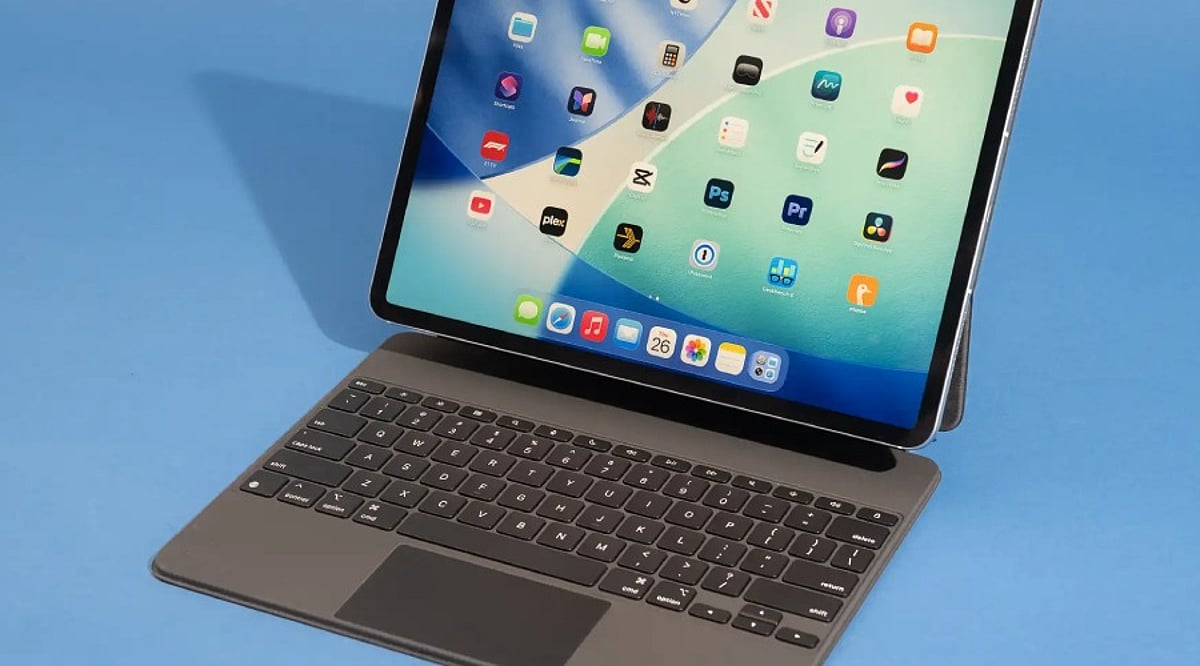
    Tablets have become serious productivity tools for work, study, and travel. A well-chosen keyboard can turn a tablet into a laptop-like workstation, but finding the right one requires looking beyond the price tag. This guide explains the features that matter most and how to match them to your daily needs.

    Market reports estimate that the global tablet accessories market could reach about US$30.6 billion in 2026. Detachable keyboards account for nearly 36% of that accessory demand, making them the largest category in the market. The dedicated tablet keyboard segment is expected to reach around US$8.8 billion in 2026, with an annual growth rate above 12%. These numbers show that comfortable, reliable typing is now a top priority for tablet owners.

    Check Compatibility First

    Compatibility is the most important factor to consider. Not every keyboard works properly with every tablet, even when both products come from the same brand. A mismatched keyboard can cause connection problems and limit access to important features.

    Choosing a keyboard designed for your specific tablet model gives you the best performance and reliability. Many premium models use Smart Connector or pogo pin technology, which connects instantly without Bluetooth pairing. Other keyboards use USB-C or Bluetooth 5.2, both of which offer dependable wireless or wired communication.

    Typing Comfort Matters for Everyday Work

    Comfortable keys make a huge difference during long typing sessions. Small or cramped keys can slow you down and increase mistakes. A well-designed keyboard should feel natural from the first use and support extended writing or note-taking without discomfort.

    Look for 1 to 1.5 mm of key travel, which provides a satisfying press and a laptop-like feel. Full-size layouts help you maintain normal typing speed, while scissor-switch keys offer better feedback than older flat designs. Many modern keyboards also include a function row for quick access to brightness, media controls, volume, and other settings.

    A Quality Trackpad Adds Precision

    A good trackpad helps create a true laptop experience. Basic tasks such as file management, document editing, and web browsing become easier when you have accurate cursor control.

    Premium keyboards often include larger trackpads with multi-touch gesture support and palm rejection. Windows tablets benefit from Windows Precision drivers, which provide smooth navigation. Apple continues to set a high standard with its Magic Keyboard trackpad, and many experts consider it one of the best available. Large trackpads are especially useful for creative professionals working with graphics or detailed projects.

    Battery and Connection Options

    The way a keyboard connects can affect your daily convenience. Smart Connector keyboards draw power directly from the tablet, so you never have to worry about charging them separately. USB-C keyboards also receive power from the connected device.

    Bluetooth keyboards need their own battery, but many modern models deliver excellent battery life. Most quality Bluetooth keyboards can run for two to six months on a single charge, depending on usage and backlight settings. That long battery life reduces interruptions and makes Bluetooth keyboards a practical choice for travel and office work.

    Portability Supports Life on the Move

    Many tablet owners carry their devices between home, school, and the office, so weight and thickness matter. Most travel-friendly keyboard cases weigh between 250 and 700 grams. Ultra-thin models usually measure 5 to 8 millimeters thick, while protective folio cases are often 10 to 15 millimeters thick. A light, slim design fits easily into a backpack and keeps your daily load comfortable.

    Protection Adds Long-Term Value

    A keyboard case can do more than help you type. Many designs also protect your tablet from everyday damage. Strong outer materials help reduce scratches, minor drops, and dust exposure.

    Several keyboard cases include adjustable viewing angles and multi-angle kickstands. These features make it easier to work at a desk, on a table, or on your lap. Stable support also helps during video calls, presentations, and entertainment.

    Modern Features Improve Productivity

    Tablet keyboards continue to gain new features. Many premium models now support multi-device Bluetooth pairing, making it easy to switch between a tablet, phone, and computer. USB-C passthrough charging keeps the tablet powered while another accessory stays connected.

    Some brands include shortcut customization, media controls, adjustable backlighting, and dedicated AI shortcut keys. As AI tools become more common, keyboard makers are adding buttons that provide faster access to those features.

    Choosing the Right Keyboard for Your Needs

    Different users need different keyboards. Students may prefer a lightweight keyboard case with a folio design at an affordable price. Office workers often benefit from laptop-style keys, a wide precision trackpad, quality materials, and a USB-C connection. Creative professionals usually look for good viewing angles, easy switching between typing and drawing, and strong stylus compatibility.

    The best choice depends on your daily activities and travel habits, not just the price. Compare compatibility, typing comfort, trackpad quality, battery life, portability, protection, and productivity features to find the right fit for your workflow.

    Frequently Asked Questions

    Why is compatibility the most important factor when choosing a tablet keyboard?

    A compatible keyboard ensures reliable connectivity and access to features like Smart Connector, function keys, and trackpad support.

    Is Bluetooth or Smart Connector better?

    Smart Connector offers instant connection without charging, while Bluetooth provides wider compatibility and wireless flexibility.

    What key travel is best for comfortable typing?

    A key travel of 1 to 1.5 mm with scissor-switch keys generally provides a comfortable laptop-like typing experience.

    Do all tablet keyboards include a trackpad?

    No. Premium models often include precision trackpads, while many budget keyboards are keyboard-only.

    Which users benefit most from a tablet keyboard?

    Students, remote workers, business travelers, and creative professionals all benefit from improved productivity and easier typing.

  • Assotech Group: 40 Years of Real Estate Legacy and the Next Generation’s Vision

    Assotech Group: 40 Years of Real Estate Legacy and the Next Generation’s Vision

    Real estate is an industry where longevity is rare and continuity even rarer. Assotech Group has now spent 40 years navigating both—and its story is as much about what comes next as it is about what has already been built.

    The company was founded by Sanjeev Srivastva, whose early conviction was simple: a homebuyer’s trust, once earned through delivered promises, becomes a developer’s most durable asset. That principle guided Assotech Group through four decades of Indian real estate’s most volatile cycles—from pre-liberalization years through demonetization, RERA’s regulatory reset, the NBFC liquidity crisis, and a pandemic that tested every developer’s execution capacity simultaneously. Where many built quickly and disappeared, Assotech Group built a track record of consistency and a brand that homebuyers, channel partners, and lenders associate with reliability over rhetoric.

    That kind of longevity is rarely accidental. It typically comes from a founder’s willingness to prioritize the slower, harder path—clear land titles, honored possession dates, transparent buyer communication—over faster wins from cutting corners. Over 40 years, that discipline compounded into something less tangible than any single project: a brand that lenders underwrite with confidence and channel partners sell without hesitation. In an industry where trust is the scarcest commodity, that is arguably Sanjeev Srivastva’s most significant achievement—not any one tower or township, but an institution durable enough to outlast its founder’s generation.

    That legacy is now entering its next phase. Assotech Group’s leadership has expanded to include Shivani Priyam, Enakshi Priyam, Arpan Patel, and Aditya Prakash, who have taken on roles as Directors. Their entry is not a symbolic handover; it reflects a deliberate broadening of decision-making bandwidth at a moment when Assotech Group is running an unusually active, multi-state growth pipeline. The next generation brings fresh perspective to brand strategy, digital-first buyer engagement, and market expansion, while operating within the execution discipline the founder built. It is a continuity story rather than a changing-of-the-guard story—the same values applied to markets and buyer expectations the sector has never seen before.

    This generational transition arrives as Indian real estate itself is reshaped by younger, more digitally fluent buyers, faster decision cycles, and heightened scrutiny of developer credibility post-RERA. A founder-led company navigating that shift needs leadership that understands both worlds—the legacy discipline that built the brand and the newer expectations shaping how it shows up today. Assotech Group’s four new Directors represent that bridge, positioned to carry the company’s fundamentals into markets and mediums the business hadn’t previously needed to master.

    That expansion is already visible on the ground. Assotech Group’s original stronghold in Delhi NCR—anchored by long-standing developments including its presence in Ghaziabad’s Crossings Republik micro-market—remains the base. Alongside it, the group has moved decisively into two new geographies: Jharkhand, with its Ranchi development, and Odisha, where Bhubaneswar-region projects mark the company’s entry into one of eastern India’s fastest-growing residential markets.

    The logic behind this three-state footprint is consistent with how Assotech Group has always approached growth—not chasing every market simultaneously, but entering states where rising incomes, urban migration, and under-served demand for organized, RERA-compliant housing create a genuine opportunity for a developer with a 40-year delivery record to differentiate itself. In both Ranchi and Bhubaneswar, that opportunity is compounded by a market gap: organized players with genuine institutional credibility remain comparatively few, giving an established brand like Assotech Group a meaningful first-mover advantage over unproven entrants.

    Forty years in, Assotech Group’s brand story is no longer only about what Sanjeev Srivastva built. It is about a leadership team, now spanning two generations, carrying that foundation into Delhi NCR, Jharkhand, and Odisha—and building the next chapter on the same principle the first one started with: a promise made is a promise delivered.

    For more information, visit: assotechgroup.com.

  • AI Model Rediscovers Bitcoin Wallet Flaw for Just $2, Revealing New Era in Crypto Security

    AI Model Rediscovers Bitcoin Wallet Flaw for Just $2, Revealing New Era in Crypto Security

    Artificial intelligence is transforming cybersecurity at an unprecedented pace, and a recent experiment involving a Bitcoin hardware wallet has demonstrated just how quickly AI can uncover software vulnerabilities. Researchers reported that the AI model GLM 5.2 rediscovered the flaw behind the ColdCard wallet incident in approximately 20 minutes, at a total cost of roughly $2. While there is no evidence that cybercriminals used AI in the original theft, the experiment underscores how inexpensive AI-assisted code analysis has become.

    AI Makes Security Audits Faster and Cheaper

    Traditionally, finding vulnerabilities in cryptographic software required experienced security researchers spending days or even weeks reviewing firmware, source code, and cryptographic implementations. Now, AI models can perform an initial review across large codebases in a fraction of the time. According to Dragonfly managing partner Haseeb Qureshi, the most significant takeaway was the cost. “GLM 5.2 running for 20 minutes costs about $2. So what does that mean? It means we are in a new world.”

    Researchers directed multiple AI models to inspect the affected software after the ColdCard incident had become public. The models were reportedly not told where the vulnerability existed, yet GLM 5.2 identified the underlying weakness in roughly 20 minutes. However, rediscovering a vulnerability is not the same as carrying out an attack. Exploiting such a flaw still requires identifying affected devices, reconstructing usable private keys, locating valuable wallets, and successfully transferring funds before users or manufacturers can respond. The experiment therefore demonstrates AI’s growing ability to assist security research rather than proving that AI played any role in the original theft.

    Security Teams Face a New Arms Race

    The findings also highlight a shift in how cryptocurrency security may evolve. Much of the industry’s long-term focus has been on quantum computing, which could eventually threaten Bitcoin’s cryptographic foundations. AI presents a more immediate challenge because it can already identify mistakes in wallet firmware, random-number generation, key management, and cryptographic implementations without breaking Bitcoin’s underlying encryption.

    According to Qureshi, the affected users were “people who are doing all the right things.” Even users storing assets in offline hardware wallets remain dependent on the quality of the wallet’s firmware and cryptographic implementation. If private keys are generated using weak randomness, keeping a device offline cannot strengthen those keys afterward.

    For developers, AI represents both a defensive and offensive tool. Wallet manufacturers can repeatedly scan legacy firmware as newer AI models become available, while attackers can automate vulnerability discovery across older software releases at minimal cost. The experiment underscores an important lesson for the cryptocurrency industry: security reviews can no longer be treated as one-time events. As AI models become faster, cheaper, and more capable, continuous code auditing, responsible disclosure programs, and rapid patch deployment will become essential for protecting digital assets.

    FAQs

    1. What did the GLM 5.2 AI model accomplish?
    According to researchers, GLM 5.2 successfully rediscovered the software vulnerability linked to the recent ColdCard wallet incident in around 20 minutes. The exercise demonstrated AI’s ability to quickly identify known security flaws at a very low cost.

    2. Did AI play a role in the original ColdCard theft?
    No. There is currently no evidence that attackers used AI during the original theft. The experiment was conducted afterward to evaluate whether a modern AI model could independently identify the same vulnerability.

    3. Why is the reported $2 cost significant?
    The low cost shows that AI-assisted vulnerability research is becoming accessible to far more developers and researchers. It also means attackers could potentially scan many software projects for weaknesses without investing significant resources.

    4. Can AI break Bitcoin’s cryptography?
    No. The experiment did not demonstrate that AI can break Bitcoin’s underlying cryptographic algorithms. Instead, it showed that AI can help identify implementation bugs in wallet software, firmware, and cryptographic code surrounding Bitcoin.

    5. How can crypto developers use AI to improve security?
    Developers can use AI to scan source code before release, re-audit older firmware as AI models improve, identify potential vulnerabilities faster, and support bug bounty programs. Human security experts are still required to verify findings and deploy secure fixes.

  • Amazon Great Freedom Sale 2026: Predicted Tablet Discounts and Buying Guide

    Amazon Great Freedom Sale 2026: Predicted Tablet Discounts and Buying Guide

    Amazon Great Freedom Sale 2026: Tablet Deals Preview

    Amazon’s Great Freedom Sale 2026 is set to open on August 7, timed with India’s 79th Independence Day. Tablets are confirmed as a major category, alongside smartphones and laptops, though model-specific pricing has not been revealed yet. This guide uses historical Indian festive-sale pricing for each leading tablet line, plus confirmed bank offers, to help you set realistic expectations before the sale begins.

    How tablet discounts usually work during the Freedom Sale

    Amazon typically stacks three layers on top of the base price cut during the Freedom Sale:

    • Bank instant discount on eligible cards
    • Exchange bonus for trading in an old device
    • No-cost EMI on select cards

    The banner percentage only reflects the first layer. Real savings show up at checkout once all offers apply, so two tablets with identical advertised discounts can end up at very different final prices. Some models also receive extra coupons or Lightning Deals later in the sale.

    Samsung Galaxy Tab S10 FE and FE Plus: Best Overall

    Best for: note-taking, college, and office work that needs a stylus without flagship pricing.

    The FE lineup is likely to draw the most attention this sale. The S Pen ships in the box, the display runs at 90Hz, and Samsung promises seven years of software support. During major sales in India, the base 8GB/128GB Tab S10 FE has dropped below ₹40,000 — a useful benchmark for judging whether a Freedom Sale price is genuinely competitive.

    If you are deciding between RAM options, 8GB handles note-taking and streaming easily, while 12GB holds up better under heavy multitasking. The FE Plus, with its larger screen and bigger battery, works well as a laptop replacement.

    Samsung Galaxy Tab A Series: Best Budget

    Best for: students and casual users who need a large screen for reading, video calls, and light schoolwork.

    The Tab A line typically sees the steepest percentage cuts during Indian festive sales because it already sits at an entry-level price. Its processor is slower, so heavy multitasking and gaming buyers should look elsewhere on this list.

    Apple iPad: Best Long-Term Value

    Best for: buyers who want long-term software support and strong resale value over the deepest possible discount.

    Apple rarely discounts heavily, so an iPad deal is not about the size of the cut. iPadOS updates last years longer than most Android tablets, and resale values stay strong. If you already use an iPhone or Mac, features like Handoff, AirDrop, and continuity add value beyond the price tag. Any discount on the current or one-generation-old iPad is worth taking, since a deeper price cut rarely appears later.

    OnePlus Pad 2 and Redmi Pad Pro: Performance Picks

    Best for: buyers who want a faster chip or sharper display without paying the Samsung or Apple premium.

    The OnePlus Pad 2 uses a flagship-class chipset, making it the stronger choice for gaming or video editing. The Redmi Pad Pro focuses on battery life and display quality at a lower price, undercutting comparable Android tablets even before sale discounts. Both brands cut prices aggressively during festive sales, so check software update commitments alongside specs.

    Lenovo Tab Series: Best Entry-Level

    Best for: families, students, and first-time buyers who want a large screen at the lowest entry price.

    Lenovo’s budget lineup, including the entry Lenovo Tab and the larger Idea Tab, sells directly through Amazon India and Lenovo’s own store. The base Lenovo Tab launched at ₹10,999 for the 4GB/64GB Wi-Fi model with a 10.1-inch display, Dolby Atmos speakers, and expandable storage. RAM and processing power are limited, so it is best for light everyday use rather than gaming.

    What Not to Buy on Discount Alone

    A large percentage cut is not proof of a good deal. An older tablet with 3GB or 4GB of RAM, a dated processor, or software support ending within a year or two can carry a steep discount and still be a poor purchase. Storage can be expanded on most Android tablets, but RAM cannot, making memory the bigger long-term factor.

    Reading the Real Price, Not the Headline Discount

    Amazon has confirmed a 10% instant discount on HDFC Bank cards and EMI transactions, along with Amazon Pay UPI cashback and 5% unlimited cashback on the Amazon Pay ICICI card. Exchange bonuses can stack on top where offered.

    Before buying, compare the final checkout price with the model’s lowest recorded price over the past year. Some tablet offers are only modest cuts from an inflated list price. Seller and warranty eligibility also matter, as third-party listings may differ from Amazon-fulfilled ones. For most buyers, 128GB balances price and longevity better than 64GB.

    Quick Comparison

    Model Best For Key Strengths
    Samsung Galaxy Tab S10 FE / FE Plus Overall Bundled S Pen, 90Hz display, 7 years software support
    Samsung Galaxy Tab A series Budget Entry price, large screen, light everyday use
    Apple iPad (current or previous gen) Long-term value Long software support, strong resale value
    OnePlus Pad 2 Performance Flagship-class chipset, great for gaming and editing
    Redmi Pad Pro Budget performance Strong battery, display quality, aggressive pricing
    Lenovo Tab series Entry-level Low entry price, Dolby Atmos, expandable storage

    Final Thought

    Planning around historical pricing and total checkout cost will produce a better purchase than chasing the largest advertised discount. Once Amazon publishes tablet-specific prices closer to August 7, the models above are the most likely to move, based on how each has been priced during past festive sales. Set a target price now, watch the bank offers, and buy against a plan rather than a countdown timer.

    Frequently Asked Questions

    When does the Amazon Great Freedom Sale 2026 start?

    The Amazon Great Freedom Sale 2026 begins on August 7, 2026. Prime members may receive early access to select deals before the sale opens to all customers.

    Which tablets are expected to get the best discounts?

    Samsung Galaxy Tab models, Lenovo tablets, OnePlus Pad 2, Redmi Pad Pro, and select Apple iPads are among the tablets most likely to receive discounts, bank offers, exchange bonuses, or no-cost EMI during the sale.

    Are bank offers available on tablets?

    Yes. Amazon has confirmed a 10% instant discount on eligible HDFC Bank cards and EMI transactions, along with additional benefits such as Amazon Pay cashback on select payment methods.

    How can buyers identify a genuine tablet deal?

    Compare the final checkout price after applying bank discounts and exchange offers with the tablet’s historical sale price. Also check RAM, storage, software support, and warranty rather than relying only on the advertised discount percentage.

    Is it better to buy on the first day or wait?

    Many headline offers are available when the sale begins, but some tablets may receive additional coupons or limited-time promotions later in the event. Monitoring prices throughout the sale can help you secure a better overall deal.