Author: vitorcherulli

  • Best Pen Display Tablets for Digital Artists and Designers: 2026 Buying Guide

    Best Pen Display Tablets for Digital Artists and Designers: 2026 Buying Guide

    Choosing the right pen display tablet depends on workflow, budget, and creative needs. From premium studio displays to portable models, buyers should compare display quality, pressure sensitivity, accessories, and overall value before making a purchase.

    What to Look for Before Buying

    • Resolution and color gamut: 4K panels with wide sRGB, Adobe RGB, and DCI-P3 coverage produce accurate artwork.
    • Pressure sensitivity: 8,192 levels is standard; newer pens push past 16,000.
    • Connectivity: Single USB-C for video and power reduces cable clutter.
    • Bundled accessories: Stands, spare nibs, key dials and cases may be extra.
    • OS support: Cross-platform compatibility with Windows, macOS, Android, and Linux.

    Premium Studio Displays

    Wacom Cintiq Pro 27

    27-inch 4K LCD, 120Hz refresh, 99% Adobe RGB, 98% DCI-P3, HDR support. Bundled Wacom Pro Pen 3 with 8,192 pressure levels. Stand sold separately.

    Xencelabs Pen Display 24

    4K OLED, Super AG etched surface, 44 customisable quick keys. Includes two pens and all accessories.

    Huion Kamvas Pro 27

    PenTech 4.0 with 0.35mm nib, 16,384 pressure levels. Keydial Mini controller with 18 programmable keys.

    Mid-Range and Portable Displays

    Wacom Cintiq 16 (2025)

    2.5K display, battery-free Pro Pen 3, weighs 2kg with foldable legs.

    Xencelabs Pen Display 16

    16-inch 4K OLED, factory calibrated colors.

    XP-Pen Artist Pro 16 (Gen 2)

    16-inch 2.5K display, 99% sRGB, Delta E <2.2. Bundled X3 Pro Smart Chip Stylus with 16,384 pressure levels, Mini Keydial controller, dual reversible ports, 1.79kg.

    Crossover and Budget Options

    Apple iPad Pro 11-inch

    Ultra Retina XDR tandem OLED, M5 chip. Apple Pencil Pro sold separately (£129).

    Gaomon M10K Pro

    Affordable, pairs with Android smartphones.

    Remarkable Paper Pro Move

    Handwriting-to-text, cloud sync, made from 50% recycled materials.

    Wacom Movinkpad 11

    Standalone Android OS, preloaded with Wacom Canvas and two-year Clip Studio Paint licence.

    Comparison at a Glance

    Model Screen Size Resolution Pressure Levels Price Point
    Wacom Cintiq Pro 27 27″ 4K 8,192 Premium
    Xencelabs Pen Display 24 24″ 4K OLED 8,192 Premium
    Huion Kamvas Pro 27 27″ 4K 16,384 Premium
    Wacom Cintiq 16 16″ 2.5K 8,192 Mid-range
    Xencelabs Pen Display 16 16″ 4K OLED 8,192 Mid-range
    XP-Pen Artist Pro 16 Gen 2 16″ 2.5K 16,384 Mid-range
    Apple iPad Pro 11 11″ Tandem OLED N/A (Pencil) Premium
    Gaomon M10K Pro 10″ HD 8,192 Budget
    Remarkable Paper Pro Move 10.3″ E Ink N/A Budget
    Wacom Movinkpad 11 11″ HD 8,192 Budget

    Final Word

    There is no one-size-fits-all pen display tablet. Professionals should consider the Wacom Cintiq Pro 27 or Huion Kamvas Pro 27. Students and beginners may prefer the XP-Pen Artist Pro 16 (Gen 2) or Wacom Cintiq 16. For portability, the Remarkable Paper Pro Move or Gaomon M10K Pro are solid choices. Always check the total cost of accessories before buying.

    Frequently Asked Questions

    Which is the best pen display tablet?

    It depends on your needs. Wacom Cintiq Pro 27 is top for professionals; XP-Pen Artist Pro 16 (Gen 2) offers great value.

    What should I check before buying?

    Display resolution, color accuracy, pressure sensitivity, OS compatibility, connectivity, and included accessories.

    Are expensive tablets worth it?

    Premium tablets offer better accuracy and build quality. Mid-range models provide excellent features at lower prices.

    Which tablet is best for beginners?

    XP-Pen Artist Pro 16 (Gen 2), Wacom Cintiq 16, or Gaomon M10K Pro are good choices.

    Do tablets include all accessories?

    Not always. Check if stand, stylus, or keydial are included to avoid extra costs.

  • Enterprise Automation 2026: Key Technologies, Top Tools, and Strategic Challenges

    Enterprise Automation 2026: Key Technologies, Top Tools, and Strategic Challenges

    Overview

    Enterprise automation has evolved from a cost-cutting initiative to a strategic imperative. Businesses across sectors—finance, healthcare, manufacturing, retail—are redesigning workflows using AI, RPA, cloud computing, and APIs. This shift enables connected systems for business process automation and faster decision-making.

    Key Technologies Powering Enterprise Automation

    Modern automation relies on a stack of complementary technologies:

    • Robotic Process Automation (RPA): Automates rule-based, repetitive tasks like data entry and reconciliation.
    • Artificial Intelligence and Machine Learning: Identify patterns, make predictions, and enable intelligent decision-making.
    • Intelligent Document Processing (IDP): Extracts and processes information from invoices, contracts, and forms.
    • Process Mining: Detects bottlenecks and inefficiencies from event logs.
    • Low-Code/No-Code Platforms: Empower business users to create workflows without deep coding.
    • APIs: Integrate applications and move data between CRM, ERP, and other systems.
    • Cloud Computing: Provides scalable infrastructure and centralized access to automation services.
    • Generative AI: Processes natural language, identifies exceptions, and adapts workflows dynamically.

    Top Enterprise Automation Tools

    The market offers diverse platforms suited to different ecosystems and maturity levels:

    • Microsoft Power Automate: Ideal for Microsoft 365, Azure, and Dynamics environments.
    • UiPath: Comprehensive RPA, process discovery, orchestration, and AI capabilities.
    • Automation Anywhere: Enterprise-grade RPA with AI-powered automation.
    • SS&C Blue Prism: Designed for regulated industries requiring auditability and central control.
    • ServiceNow: IT service management and cross-functional workflow orchestration.
    • Salesforce Flow: Automation within the Salesforce ecosystem.
    • SAP Build Process Automation: For organizations with heavy SAP investments.
    • IBM watsonx Orchestrate: AI-assisted orchestration in enterprise toolchains.
    • Workato: Integration-led automation across applications and data.
    • Zapier Enterprise: Accessible cross-application workflow automation.

    Choosing the right tool depends on existing systems, governance requirements, process complexity, and automation maturity.

    Benefits of Enterprise Automation

    Automation delivers measurable operational improvements: increased productivity, lower costs, and reduced error rates. In finance, it speeds up account servicing, reconciliation, and compliance. Healthcare simplifies administrative document processing. Manufacturers integrate production data with maintenance and supply chains. Retailers optimize inventory and orders, while logistics companies improve shipment tracking.

    Additional benefits include faster workflows, real-time analytics, greater scalability, and enhanced compliance through standardized logging. Employees can focus on higher-value analytical and customer-facing tasks. However, best results come from redesigning inefficient processes before automating them, not just layering automation on top of broken workflows.

    Challenges and Risks

    Implementing enterprise automation is not without hurdles. High upfront costs for software, integration, data preparation, and skilled labor can be prohibitive. Legacy systems often lack modern APIs, forcing reliance on risky connections or RPA bots. Cybersecurity risks increase as automated systems access critical data and applications.

    Governance is another major challenge. Organizations must define access rules, audit trails, and human oversight for AI-driven decisions. Employee resistance and skill gaps can derail adoption, especially when automation is perceived as a threat rather than a redesign opportunity. Vendor lock-in becomes a concern when tools are deeply embedded in processes.

    Successful automation requires a clear strategy, reliable data, secure integration, change management, and continuous improvement. The best programs combine business process automation with human judgment, treating technology as an enabler rather than a replacement.

    Frequently Asked Questions

    1. What is Enterprise Automation?
    Enterprise automation uses AI, RPA, APIs, cloud platforms, and workflow tools to automate repetitive, complex, and interconnected business processes across departments.

    2. Which technologies power Enterprise Automation?
    Key technologies include AI, ML, RPA, IDP, process mining, APIs, cloud computing, low-code platforms, and generative AI.

    3. What are the main benefits?
    Improved productivity, lower costs, faster workflows, fewer errors, stronger compliance, better customer experiences, and scalable operations.

    4. What challenges do businesses face?
    High implementation costs, legacy integration, cybersecurity risks, governance concerns, employee resistance, skills shortages, and vendor lock-in.

    5. How can businesses successfully implement automation?
    Through strategic planning, process redesign, secure integration, data reliability, employee training, strong governance, and continuous optimization aligned with business goals.

  • Essential Data Structures & Algorithms Cheat Sheet for Data Scientists (2026)

    Essential Data Structures & Algorithms Cheat Sheet for Data Scientists (2026)

    Why Data Structures and Algorithms Matter for Data Science

    Efficient data science depends on selecting the right data structures and algorithm patterns to process large datasets, optimize pipelines, and build scalable machine learning workflows. Hash maps, heaps, arrays, graphs, and traversal techniques form the foundation of everyday data science tasks, while Big O notation helps evaluate runtime and memory efficiency as data scales.

    Pattern-based problem solving, including sliding windows, graph traversal, dynamic programming, and greedy algorithms, enables faster, more efficient solutions for analytics, recommendation systems, and production pipelines.

    The fastest way to slow down a data science project is rarely the model. It is the code that moves, cleans, and searches through data before the model ever sees it. Most junior data scientists spend months prepping for interview algorithms but give only a passing glance to the data structures that decide whether a pipeline scales or falls apart.

    Understanding Big O Notation for Data Science Performance

    Big O notation describes how runtime and memory grow as data grows. Read as an engineering signal rather than a formula, it points to the exact line of code that will slow a pipeline down once the dataset grows past a sample. A join written as a nested loop looks fine on a thousand rows and grinds to a stop on ten million. Spotting an O(n²) pattern before it ships ranks among the more underrated skills in data science.

    Memory deserves the same attention as runtime. A hash map trades space for speed, storing extra data so lookups stay constant time — a trade that becomes a real design decision once a dataset holds hundreds of millions of keys.

    Essential Data Structures Every Data Scientist Should Master

    • Hash maps and sets handle deduplication, categorical encoding, and join keys through constant-time lookups. They are the single most useful structure in a data scientist’s toolkit.
    • Heaps and priority queues solve top-ranking problems, surfacing the most similar items or highest-scoring predictions from a stream of data.
    • Arrays and lists sit under every Pandas and NumPy operation. Understanding indexing explains why vectorized code outperforms a manual loop.
    • Queues and stacks support breadth-first and depth-first traversal, which appears in graph-based recommendation systems.
    • Trees and tries handle hierarchical data and prefix search, common in text tokenization.
    • Graphs model social networks, knowledge graphs, and fraud detection webs through adjacency lists.

    Much of this operates underneath familiar libraries. A Pandas merge behaves like a hash join. Vectorized NumPy operations replace row-by-row loops with array-level traversal, sidestepping the O(n²) trap entirely. Scikit-learn’s nearest neighbor search relies on tree- and hash-based structures to avoid comparing a query point against every other point.

    Essential DSA Patterns for Data Science and Machine Learning

    • Sliding window solves rolling averages and anomaly detection over a fixed span.
    • Two pointers handle merging sorted ranges and matching records within a threshold.
    • Fast and slow pointers detect repeating cycles in session logs.
    • Binary search on the answer finds a threshold value when input and outcome move in one direction.
    • Breadth-first and depth-first search trace shortest paths across networks and grids.
    • Dynamic programming scores sequences and measures edit distance between strings.
    • Greedy choices handle interval scheduling and quick feature selection.
    • Union-Find detects connected components in clustering problems.
    • Topological sort orders pipeline steps that depend on each other.

    Data Structures and Algorithms Learning Roadmap for Data Science

    Hash maps and sets come first, since they solve more real problems than any other structure and appear as the base case in most interview questions. Sliding window and two pointers follow naturally from array fundamentals already familiar from Pandas work. Heaps come next, once basic loops feel automatic rather than effortful. Graph traversal and dynamic programming can wait until the earlier patterns need no conscious thought.

    Three to five problems per pattern is usually enough to recognize it on sight. Applying that pattern to a small project cements the idea faster than another dozen practice problems would. This order mirrors how these ideas surface on the job, not how a course happens to sequence them.

    Final Thought

    The next wave of data science hiring will likely favor depth over breadth even more than it does today, as pipelines grow larger and cheaper compute stops covering for inefficient code. A small set of patterns, practiced until they need no thought, will matter more than a wide but shallow list of algorithms saved for an interview room and forgotten afterwards.

    Frequently Asked Questions

    1. Why are data structures and algorithms important for data science?

    Data structures and algorithms help data scientists process large datasets efficiently, optimize feature engineering, improve pipeline performance, and write scalable code that works reliably in production environments.

    2. Which data structures should every junior data scientist learn first?

    Junior data scientists should prioritize hash maps, arrays, heaps, queues, stacks, and graphs because these structures frequently appear in data processing, analytics, machine learning, and coding interviews.

    3. What is the role of Big O notation in data science?

    Big O notation helps estimate how an algorithm’s runtime and memory usage scale with growing datasets, making it easier to identify inefficient code before it affects production performance.

    4. Which DSA patterns are most useful for data science projects?

    Sliding window, two pointers, BFS, DFS, dynamic programming, heaps, and topological sorting are widely used for tasks such as anomaly detection, graph analysis, recommendation systems, and workflow optimization.

    5. How can beginners practice DSA effectively for data science?

    Start with hash maps and arrays, then learn common algorithm patterns through a few focused practice problems. Reinforce each concept by applying it to small data science projects instead of relying only on coding exercises.

  • How IKEA Transforms Home Shopping with AI-Powered Interior Design Tools

    How IKEA Transforms Home Shopping with AI-Powered Interior Design Tools

    IKEA has taken a bold step into the future of home furnishing with its AI-driven platform, IKEA Kreativ. By combining digital room scanning, 3D furniture previews, and personalized recommendations, the tool helps shoppers visualize and purchase furniture with confidence. The Ingka Group, IKEA’s largest retailer, introduced this innovative solution to make interior shopping more interactive and practical, available on both smartphones and computers.

    Built on technology from Geomagical Labs, IKEA Kreativ allows users to recreate their rooms digitally, experiment with layouts, and see how products will look before buying. This reduces uncertainty and minimizes costly mistakes or unnecessary returns.

    Key Features of IKEA Kreativ

    Explore Products in 3D Interactive Showrooms

    Users can browse over 50 showrooms in 3D, featuring a variety of furnished rooms and design concepts. They can move, spin, substitute, and rearrange products to see how different combinations work together, offering a realistic preview of potential purchases.

    Digitally Create Your Room Design

    The IKEA Kreativ Scene Scanner, integrated into the IKEA app, uses multiple photos to generate a realistic 3D copy of your room. With AI, you can remove existing furniture, insert new IKEA products, and test different design variations—all from your device.

    Save, Share, and Purchase Anytime

    Room designs are saved to your IKEA account in the cloud, allowing you to continue editing from anywhere. You can share designs with family or friends and add desired products directly to your shopping cart for seamless purchasing.

    Billie: IKEA’s AI Shopping Assistant

    Introduced in 2021, Billie is an AI-powered chatbot that handles common customer queries about products, deliveries, returns, and recommendations. It processes around 3.2 million queries and resolves over 47% of them autonomously, freeing human advisers to tackle more complex issues. This improves customer support efficiency and enhances the overall shopping experience.

    Why This Matters

    Buying furniture online can be tricky because it’s hard to know if something will suit your space. IKEA Kreativ addresses this by letting shoppers see furniture in their own rooms before buying, boosting confidence and reducing the chance of returns. The AI strategy focuses on making interior shopping more visual, interactive, and personalized.

    The Bottom Line

    IKEA’s AI-powered tools, including Kreativ and Billie, transform the home furnishing experience. By digitizing room planning, offering realistic 3D previews, and providing instant support, IKEA is setting a new standard for online furniture shopping.

  • Splatoon Raiders Launches Exclusively on Nintendo Switch 2: A New Story-Driven Adventure Awaits

    Splatoon Raiders Launches Exclusively on Nintendo Switch 2: A New Story-Driven Adventure Awaits

    Splatoon Raiders is now available worldwide as a Nintendo Switch 2 exclusive. On July 23, 2026, the gaming giant launched this exclusive title at 12 a.m. EDT. Players can access the title through Nintendo eShop or pick up a physical copy from retailers.

    The new title takes the Splatoon series in a different direction by focusing on a story-driven adventure instead of the usual online battles. In the game, players will take the role of a mechanic working with members of the swashbuckling musical trio Deep Cut. The storyline mixes single-player adventure, exploration, puzzle-solving, combat, and resource gathering. As players progress, they will discover new locations, complete missions, and uncover the secrets hidden across the islands.

    Players who are interested in diving into the adventure can purchase the digital edition for $49.99 and the physical cartridge edition for $59.99.

    A Strong Exclusive for Nintendo Switch 2

    Nintendo has always relied on exclusive games to attract players, and Splatoon Raiders follows that plan. Major first-party games often give people a reason to buy new hardware, and this release adds another important title to the Switch 2 lineup.

    The game also highlights Nintendo’s focus on expanding its biggest franchises. The company tried something different with a full adventure experience instead of making another multiplayer-only title. Now, Splatoon fans have a new way to experience the world that doesn’t go through competitive matches.

    Nintendo could build up a solid game library for the Switch 2 if it keeps the steady releases of strong first-party games. Exclusive games are still the biggest reason for many players to choose one console over another, and Splatoon Raiders is another step in that direction.

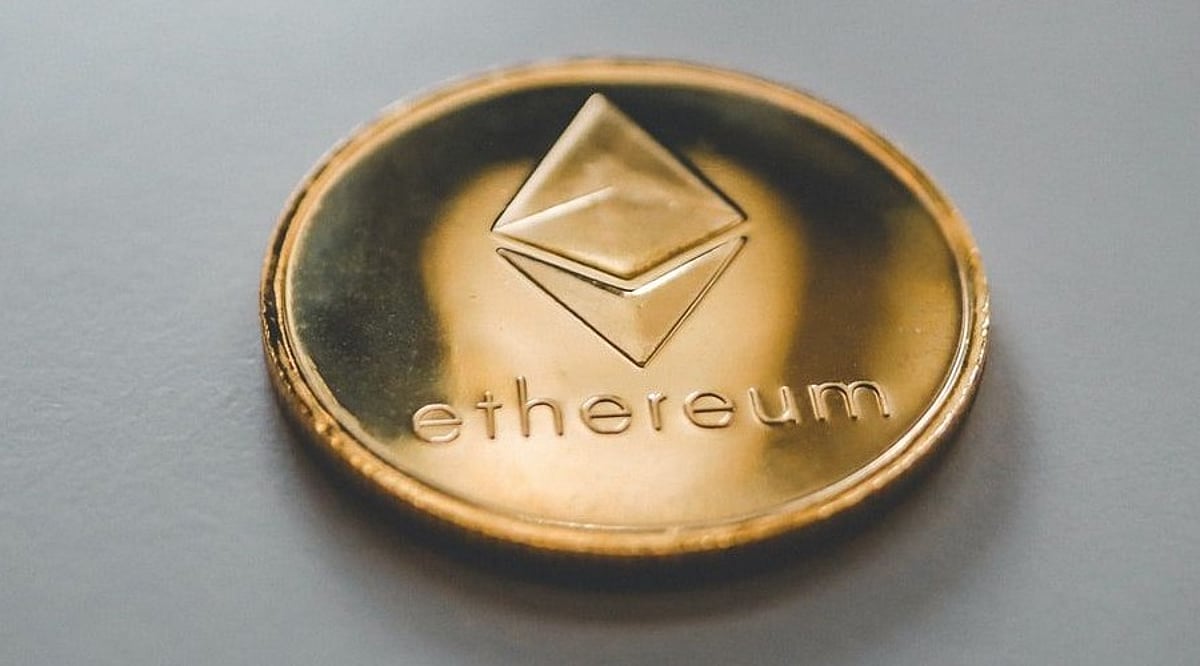
  • Ethereum Breaks Above $1,900: Is a Rally to $2,100 Next?

    Ethereum Breaks Above $1,900: Is a Rally to $2,100 Next?

    Ethereum has reclaimed the $1,900 mark, fueled by strong institutional demand, robust ETF inflows, and improving market sentiment. After hovering below $1,800 for weeks, the second-largest cryptocurrency by market cap surged past $1,900 and is now trading around $1,925–$1,930. With a market capitalization exceeding $232 billion and daily trading volume near $10 billion, analysts are watching whether ETH can break through $2,000 and target $2,100.

    Institutional Demand Keeps Ethereum on Track

    One of the biggest drivers behind Ethereum’s recent rise is sustained interest from institutional investors. Large financial firms continue to increase exposure through spot Ethereum exchange-traded funds (ETFs), which have helped improve market confidence. Recent data shows U.S. spot Ethereum ETFs attracted approximately $72.7 million in net inflows, marking another day of positive investment. This institutional buying reduces the available supply of ETH, supporting higher prices.

    Ethereum Continues to Lead the Smart Contract Market

    Ethereum remains the most valued smart contract blockchain, powering countless decentralized platforms, applications, and token projects daily. Its dominance in the smart contract space gives it a competitive edge over rival cryptocurrencies. Additionally, Ethereum’s staking mechanism allows investors to earn rewards by locking their coins, while its burn mechanism removes a portion of transaction fees from circulation, reducing selling pressure and supply over the long term.

    Positive Market Sentiment Supports the Rally

    The broader cryptocurrency market has seen positive momentum, with Bitcoin trading steadily and boosting investor confidence. This has encouraged buyers to invest freely in altcoins like Ethereum. Traders have become more active, bringing fresh purchases into the market. Based on current feedback, Ethereum could continue its recovery unless market conditions change dramatically.

    Technical Picture Shows More Upside

    Ethereum has moved above the important resistance level at $1,900, which now acts as first support. Many analysts believe this level could help protect the rally if buyers continue to defend it. The next challenge sits near $1,950, followed by the psychological barrier at $2,000. If Ethereum breaks above these levels, the price could move toward $2,100. On the downside, support remains at $1,850, with $1,800 as the next major level if sellers regain control.

    On-Chain Activity Reflects Healthy Demand

    Blockchain data supports the recovery. Large investors, often called whales, have increased their activity during the latest rally. Network activity has remained stable, and transaction volumes show healthy participation. This suggests that Ethereum’s recovery comes from genuine market demand rather than short-term speculation.

    Risks Still Deserve Attention

    Despite the positive outlook, investors should remain cautious. The cryptocurrency market still reacts to interest rate decisions, economic uncertainty, and regulatory developments. Any unexpected event could slow the rally. Additionally, security incidents across the crypto ecosystem—such as recent attacks on Bitcoin- and Ethereum-related protocols causing losses of around $35 million—remind investors that risks persist.

    Why This Matters

    Moving past $1,900, Ethereum reflects surging institutional confidence and growing on-chain adoption. Given its foundational role across decentralized finance, ETH’s rally serves as a key sentiment driver for all digital assets.

    Can Ethereum Reach $2,100?

    After rising back above $1,900, Ethereum has gained considerable momentum. Institutional demand remains strong, the platform continues to dominate the smart contract segment, and market sentiment has improved. As long as bulls remain in charge and ETF interest stays strong, Ethereum will likely attempt to breach $2,000 soon. A successful move above that level could open the path toward $2,100. While short-term volatility is possible, the conditions for a continued recovery remain favorable.

    Frequently Asked Questions

    1. Why has Ethereum moved above $1,900? Ethereum has gained support from strong institutional demand, positive ETF inflows, and improved sentiment across the cryptocurrency market.
    2. What is the next price target for Ethereum? Analysts believe $2,000 is the next key resistance, while $2,100 remains the next major upside target if buyers stay in control.
    3. How much money entered Ethereum ETFs recently? Recent data shows U.S. spot Ethereum ETFs recorded approximately $72.7 million in net inflows.
    4. What support level should investors watch? The first major support sits at $1,900, followed by $1,850 if the market faces short-term pressure.
    5. What risks could affect Ethereum’s rally? Economic uncertainty, regulatory decisions, and security incidents across the crypto industry could slow Ethereum’s upward momentum.

    Disclaimer: This article is for informational purposes only and does not constitute investment advice. Cryptocurrency investments carry risk. Always do your own research before investing.

  • Leading Tokenized Real-World Asset (RWA) Platforms to Track in 2026

    Leading Tokenized Real-World Asset (RWA) Platforms to Track in 2026

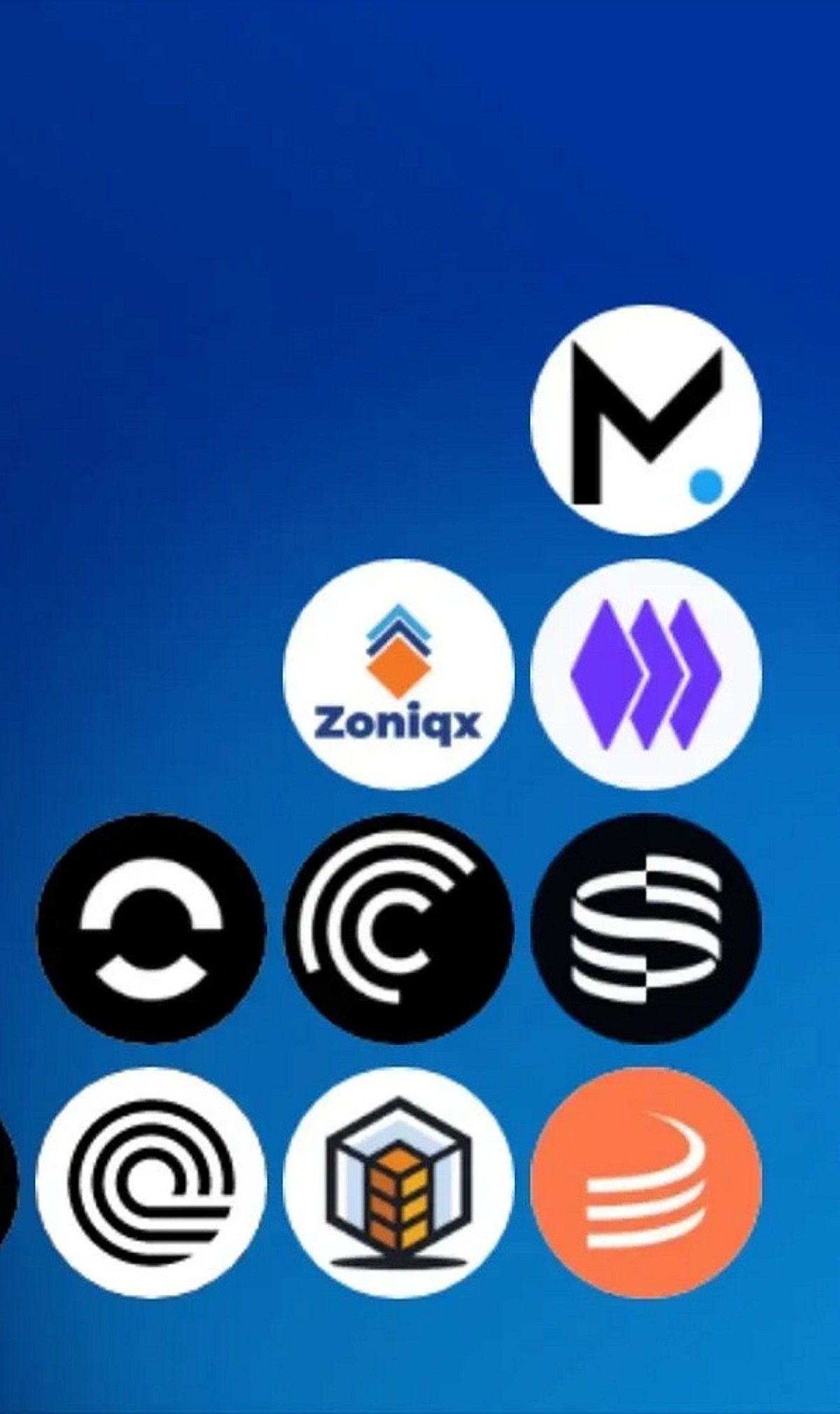
    The tokenization of real-world assets (RWAs) is reshaping finance by bringing real estate, bonds, commodities, and other traditional assets onto the blockchain. As the RWA revolution accelerates, several platforms stand out for their innovation, compliance, and liquidity solutions. Below are the top tokenized RWA platforms to watch in 2026.

    Securitize

    Securitize is a leader in digital securities, enabling the tokenization of real-world assets while ensuring regulatory compliance. Its platform streamlines issuance and secondary trading for institutions.

    Ondo Finance

    Ondo Finance brings tokenized US Treasuries and institutional financial products to blockchain investors, offering yield-bearing assets with transparency and efficiency.

    Centrifuge

    Centrifuge connects real-world business assets with decentralized finance, allowing companies to unlock liquidity by tokenizing invoices, royalties, and other receivables.

    Polymesh

    Built specifically for regulated assets, Polymesh simplifies security token issuance and compliance, providing a purpose-built blockchain for financial instruments.

    MANTRA Chain

    MANTRA Chain focuses on institutional-grade infrastructure for tokenized real-world assets across global markets, emphasizing security and scalability.

    DigiShares

    DigiShares enables businesses to tokenize real estate, private equity, and investment funds efficiently, with a user-friendly platform for asset management.

    Brickken

    Brickken offers an easy-to-use platform for tokenizing business assets while automating compliance processes, making tokenization accessible to a wider audience.

    Backed Finance

    Backed Finance creates blockchain-based tokens backed by real-world financial securities, bridging traditional finance with decentralized ecosystems.

    These platforms are at the forefront of the RWA movement, driving adoption and innovation in 2026 and beyond.

  • 6G by 2035: 10 Transformative Predictions for the Next-Generation Network

    6G by 2035: 10 Transformative Predictions for the Next-Generation Network

    As the world continues to rely on faster and more intelligent connectivity, researchers and industry leaders are already envisioning the capabilities of 6G networks. Expected to arrive around 2035, 6G promises to revolutionize communication, computing, and daily life. Here are ten bold predictions for what 6G will deliver.

    AI-Native Networks

    Artificial intelligence will be embedded directly into network infrastructure, enabling real-time traffic management, performance optimization, predictive failure detection, and energy efficiency—all without constant human oversight.

    Terabit Speeds

    6G could achieve data rates of up to one terabit per second, making downloads nearly instantaneous and supporting seamless, high-bandwidth digital experiences like 8K streaming and massive data transfers.

    Holographic Communication

    Real-time holographic calls may become practical, allowing lifelike remote meetings, immersive education, and interactive entertainment across global networks, shrinking distances like never before.

    Integrated Sensing

    Networks will not only transmit data but also sense their environment—detecting movement, temperature, and objects—enabling smarter cities, autonomous systems, and industrial automation.

    Space-Air-Ground Connectivity

    A seamless mesh of satellites, drones, and terrestrial towers will provide uninterrupted internet coverage even in the most remote corners of the planet, bridging the digital divide.

    Digital Twins

    Real-time digital replicas of cities, factories, and infrastructure will become commonplace, powered by 6G’s low latency and high bandwidth, enabling better planning, monitoring, and predictive maintenance.

    Extended Reality

    Augmented and virtual reality experiences will become mainstream, with ultra-low latency and massive capacity making immersive environments feel truly natural and responsive.

    Autonomous Transportation

    Self-driving cars, delivery drones, and logistics systems will rely on 6G for split-second communication, ensuring safer and more efficient real-time decision-making on the move.

    Sustainable Networks

    Future 6G infrastructure will prioritize energy efficiency through intelligent resource allocation, renewable energy integration, and environmentally friendly operations, reducing the carbon footprint of connectivity.

    Medical Innovation

    Ultra-fast, reliable 6G connections will enable advanced remote surgeries, continuous patient monitoring, and AI-assisted diagnostics, making healthcare more accessible and effective worldwide.

    These predictions paint a picture of a hyper-connected, intelligent future where 6G serves as the backbone for innovation across industries. While challenges remain, the trajectory toward 2035 is clear—a network that is faster, smarter, and more integrated than anything before.

  • 8 Breakthroughs Quantum Computing Could Deliver by 2030

    8 Breakthroughs Quantum Computing Could Deliver by 2030

    Quantum computing is no longer a distant theoretical concept—it is rapidly advancing toward practical applications that could transform industries. By 2030, these powerful machines may solve some of the most complex problems facing humanity. Here are eight real-world challenges quantum computers are expected to tackle.

    Drug Discovery

    Quantum computers can simulate complex molecular interactions with unprecedented accuracy. This capability will help researchers identify promising drug candidates much faster than traditional computing methods, potentially accelerating the development of treatments for diseases like cancer and Alzheimer’s.

    Battery Development

    Advanced quantum simulations may revolutionize the design of batteries. By modeling chemical reactions at the quantum level, scientists could create longer-lasting, safer, and more efficient batteries for electric vehicles and renewable energy storage.

    Supply Chain Optimization

    Businesses face enormous complexity in logistics. Quantum algorithms can optimize shipping routes, warehouse operations, and inventory management, reducing costs and improving efficiency across global supply chains.

    Financial Modeling

    Banks and investment firms will use quantum computers to analyze risk scenarios and market trends far faster than classical systems. This will support more informed portfolio management and better forecasting of economic shifts.

    Climate Research

    Modeling Earth’s climate involves countless variables. Quantum computers can simulate atmospheric interactions with greater precision, improving weather forecasts and deepening our understanding of long-term climate change patterns.

    Cybersecurity Research

    Quantum systems offer both challenges and solutions for security. They can strengthen encryption research and help develop communication methods that are resistant to future cyber threats, safeguarding digital infrastructure.

    Material Science

    Designing new materials requires understanding molecular structures. Quantum simulations will enable researchers to create stronger, lighter, and more efficient materials for aerospace, electronics, and manufacturing.

    Traffic Management

    Urban congestion is a growing problem. Quantum-powered optimization algorithms could help cities design smarter traffic signals, improve transportation networks, and enhance public transit systems, reducing travel times and emissions.

  • How Artificial Intelligence Is Transforming Luxury Fashion Design

    How Artificial Intelligence Is Transforming Luxury Fashion Design

    Artificial intelligence is revolutionizing the luxury fashion industry, from trend forecasting and personalized designs to sustainable production and counterfeit detection. Here are the key ways AI is reinventing luxury fashion design:

    • Trend Forecasting: AI analyzes global fashion trends, consumer behavior, and social media activity to help designers anticipate future style preferences.
    • Personalized Designs: Luxury brands use AI to recommend customized clothing, colors, and styles tailored to individual customer tastes and preferences.
    • Fabric Innovation: Artificial intelligence helps researchers identify advanced materials that improve comfort, durability, and environmental sustainability in luxury apparel.
    • Digital Prototyping: Designers create and test virtual garments before production, reducing development time, material waste, and manufacturing costs significantly.
    • Smart Manufacturing: AI streamlines production planning, quality control, and inventory management, improving efficiency throughout luxury fashion supply chains.
    • Virtual Fashion Shows: Fashion houses increasingly showcase collections through AI-powered virtual presentations, reaching global audiences beyond traditional runway events.
    • Counterfeit Detection: Artificial intelligence helps brands identify fake luxury products by analyzing patterns, materials, and manufacturing inconsistencies more accurately.
    • Customer Experience: AI-powered assistants provide personalized shopping recommendations, styling advice, and product discovery across online and offline retail channels.
    • Sustainable Production: Machine learning reduces fabric waste, predicts demand accurately, and supports responsible sourcing to improve sustainability across luxury fashion.

    These innovations are not only enhancing creativity and efficiency but also driving a more sustainable and personalized future for high-end fashion.