Author: vitorcherulli

  • Top Pharmaceutical Stocks to Watch for Long-Term Growth in 2026

    Top Pharmaceutical Stocks to Watch for Long-Term Growth in 2026

    Investors seeking stable, long-term returns often turn to the pharmaceutical sector, which benefits from consistent demand, innovation, and global expansion. Here are some of the most promising pharma stocks for long-term growth in 2026.

    • Sun Pharma – India’s largest pharmaceutical company continues expanding globally with strong specialty drug portfolios and consistent financial performance.
    • Dr. Reddy’s Laboratories – Diversified product offerings and an international presence make it a reliable long-term pharmaceutical investment opportunity.
    • Cipla – Strong respiratory, chronic care, and global generic medicine business support steady long-term growth prospects.
    • Lupin – Focus on specialty medicines and expanding global markets strengthens Lupin’s long-term revenue and innovation potential.
    • Aurobindo Pharma – Robust manufacturing capabilities and diversified exports position the company for sustained pharmaceutical sector expansion.
    • Torrent Pharmaceuticals – A healthy domestic market presence and consistent earnings growth make Torrent an attractive long-term healthcare stock.
    • Divi’s Laboratories – A leading pharmaceutical ingredient manufacturer that benefits from growing global demand and long-term supply partnerships.
    • Zydus Lifesciences – Innovation, biosimilars, and expanding international operations support strong future growth across multiple healthcare segments.
    • Alkem Laboratories – Consistent domestic performance, an expanding product portfolio, and a strong distribution network enhance long-term investment potential.

    These companies represent a mix of established leaders and innovative players in the Indian pharmaceutical landscape, making them compelling choices for investors looking toward 2026 and beyond.

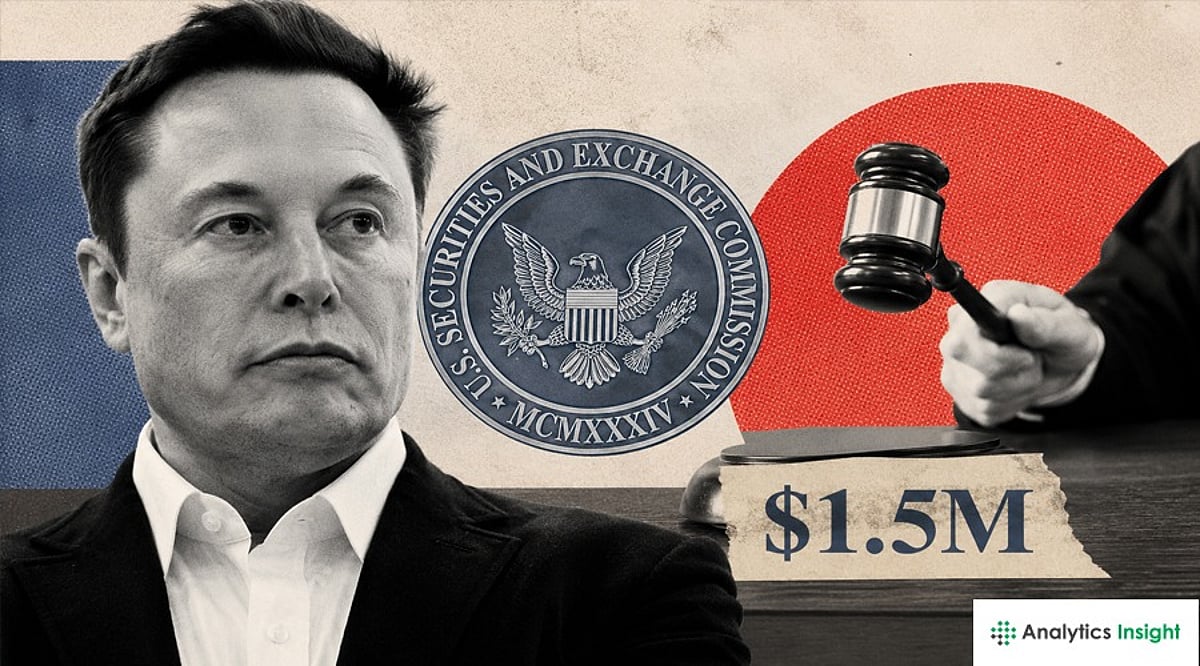
  • Federal Judge Approves Elon Musk’s $1.5M SEC Settlement Over Delayed Twitter Share Disclosure

    Federal Judge Approves Elon Musk’s $1.5M SEC Settlement Over Delayed Twitter Share Disclosure

    A federal judge has approved Elon Musk’s $1.5 million settlement with the U.S. Securities and Exchange Commission (SEC) over his delayed disclosure of Twitter share purchases in 2022, despite expressing significant legal concerns about the agreement.

    U.S. District Judge Sparkle Sooknanan endorsed the settlement in Washington, D.C., ending the SEC lawsuit. However, the judge wrote that the court had “significant misgivings” about the terms but could not reject the deal under the applicable legal standard.

    Judge Questions Settlement Terms

    Judge Sooknanan reviewed whether the agreement met basic standards of fairness and reasonableness, noting that the court’s role was limited and did not permit a broader review of the SEC’s enforcement choices.

    In her opinion, Sooknanan stated that the court had to decide whether the settlement made “a mockery of judicial power.” She wrote, “Although the Court has significant misgivings about the settlement reached in this case, it cannot say that the settlement meets that high threshold.”

    The judge also pointed to “red flags” surrounding the agreement. She questioned why the SEC accepted payment from a trust in Musk’s name rather than requiring Musk to pay the penalty directly. Sooknanan noted that this arrangement left the court to wonder whether similar treatment would be extended to others accused of violating securities laws. She also expressed concern that the structure could allow Musk to publicly claim he had been cleared of wrongdoing.

    SEC Case Focused on Twitter Share Disclosure

    The SEC sued Musk in early 2025 over his purchase of Twitter shares before his full takeover of the company. The agency alleged that Musk waited 11 days too long in March and April 2022 to disclose his growing stake.

    Federal securities rules require investors to report when they cross certain ownership levels in public companies. The SEC argued that Musk’s late filing allowed him to continue buying Twitter shares at lower prices before the market reacted.

    According to the SEC, the delayed disclosure helped Musk avoid approximately $150 million in higher costs—described as gains tied to the delay. Musk has said the filing delay was accidental and did not admit wrongdoing under the settlement. The agreement states that a trust in his name will pay the $1.5 million civil penalty.

    Musk Settlement Ends SEC Lawsuit

    The approved deal resolves the SEC’s civil case related to Musk’s early Twitter stock purchases. Musk later completed his $44 billion purchase of Twitter in October 2022 and renamed the platform X.

    The case drew wider attention due to Musk’s public profile and his role in multiple major companies. He leads Tesla and is also tied to SpaceX, where X is now part of the broader business structure.

    Judge Sooknanan had previously questioned whether Musk was receiving “special treatment” under the Trump administration. Musk supported Donald Trump’s 2024 campaign, and the SEC filed the case shortly before Trump returned to office. Nevertheless, the judge said the court could not substitute its judgment for the SEC’s. She wrote that whether the government had done enough to hold Musk accountable was a matter for the public to judge “at the ballot box.”

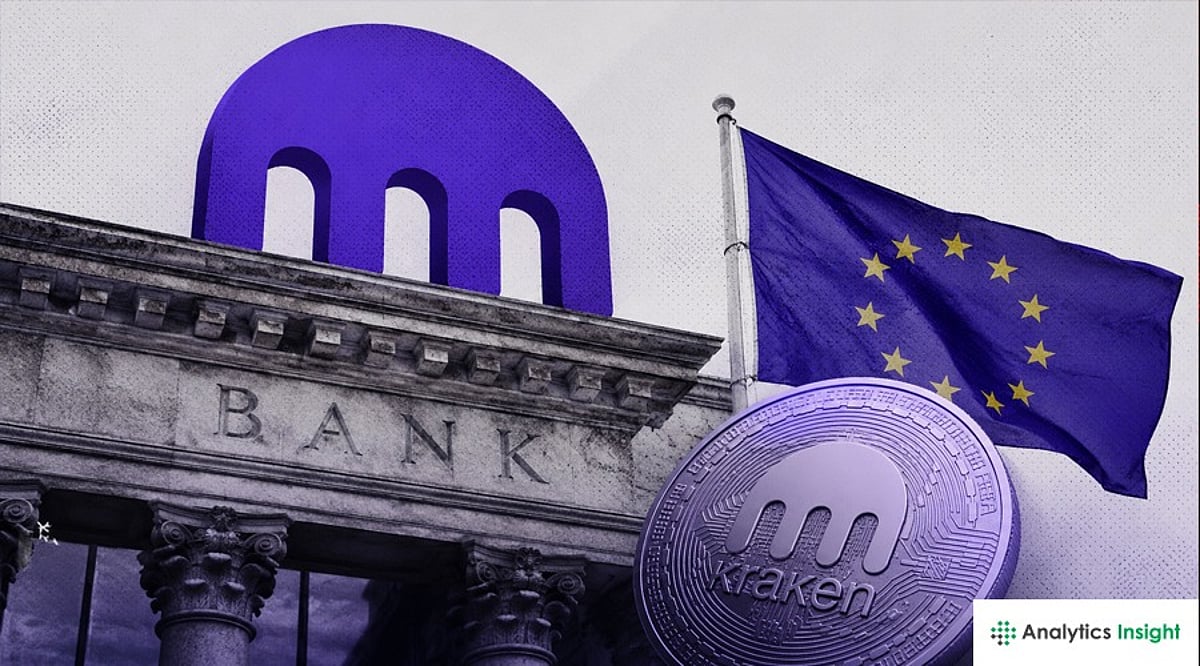
  • Kraken Pursues European Banking License via Lithuania to Expand Regulated Services

    Kraken Pursues European Banking License via Lithuania to Expand Regulated Services

    Kraken, the cryptocurrency exchange operated by parent company Payward, is seeking a full banking license in Europe, with Lithuania identified as the likely jurisdiction for approval. This move would add a banking layer to Kraken’s existing regulatory permissions, including its Markets in Crypto-Assets (MiCA) authorization from the Central Bank of Ireland and its Markets in Financial Instruments Directive (MiFID) license from Cyprus.

    If approved, Kraken would become the only cryptocurrency exchange with a full banking license across the European Economic Area (EEA). The license would allow the firm to offer euro-denominated accounts, hold customer deposits, and provide credit services, subject to product-level approval from regulators. It would also place Kraken under direct banking supervision in Lithuania, where regulators would review how the exchange separates crypto activity from traditional banking services.

    Kraken’s strategy follows a path pioneered by Revolut, which received a specialized European banking license from the Bank of Lithuania in 2018. Lithuania has become a common entry point for fintech firms seeking access to the broader EU market. Other companies with banking licenses in the country include Mano Bank, PayRay, European Merchant Bank, AB Fjord Bank, and Saldo Bank.

    Kraken co-CEO Arjun Sethi outlined the company’s long-term licensing strategy at Money20/20 Europe in Amsterdam in June 2026, stating: “The plan for the next 10 years is to get all of these licenses, either through buying an existing business or going de novo in each region and starting from scratch.” This approach builds on earlier milestones, including Kraken Financial’s access to the Federal Reserve’s Fedwire system in March 2026 and authorization from the UAE’s Virtual Assets Regulatory Authority in May 2026.

  • Genshin Impact 7.0 Ends Support for Older Android Devices: Check If Yours Is Affected

    Genshin Impact 7.0 Ends Support for Older Android Devices: Check If Yours Is Affected

    HoYoverse has announced a major update for Genshin Impact. The game is preparing for the upcoming Version 7.0 with a twist for Android gamers. The changes are designed to support future content, but some players will face downsides, especially those who have been using older devices.

    Genshin Impact has reached new heights of success since its launch. With every update, players have received new regions, characters, and events. As the world expands, developers are upgrading the technology that powers it. This is good news for some players, but not for everyone.

    Genshin Impact 7.0 Raises the Hardware Requirements

    Genshin Impact Version 7.0 will introduce updated character models, enhanced environment textures, and improved visual effects, which will automatically increase the hardware requirements to run the game. Fortunately, the specifications for PC, iOS, PlayStation, and Xbox will remain the same. Only players who have been using older Android devices to play the RPG will have to switch to a newer version.

    Simply put, if you have an Android phone with Mali-G52 MP2, Mali-G57 MP, Imagination BXM, or older PowerVR GPUs, the game will crash, freeze, show black screens, and experience other technical difficulties once the update goes live.

    According to official reports, the minimum requirement to run Version 7.0 smoothly is Android 10. The developers have recommended Android Version 12 for the best experience. Since Genshin Impact has millions of players worldwide, even a small group of affected users would still be a very large number.

    Is HoYoverse Preparing for the Next Generation?

    The update may be about more than graphics. HoYoverse supports the game on mobile, PC, and console, and keeping all those versions working together is not easy.

    With the new engine upgrades, the team can create larger regions, bigger events, and more detailed environments. They could also help the game take advantage of future hardware that is more powerful than today’s devices.

    Other big games have done the same thing. As technology advances, developers generally update their engines to keep their games evolving for many years.

    Genshin Impact 7.0: Upgrade or Optimize?

    Some players believe better optimization could have kept older devices running the game for longer. Others feel that a game this large eventually needs stronger hardware. Both sides have a point. Good optimization can improve performance, but it cannot remove every limit. HoYoverse has to balance better graphics, new content, and support for players across many different devices.

    With Version 7.0, the company seems to be choosing growth. The world of Genshin Impact is getting bigger and better looking, even if some older devices may not be able to keep up.

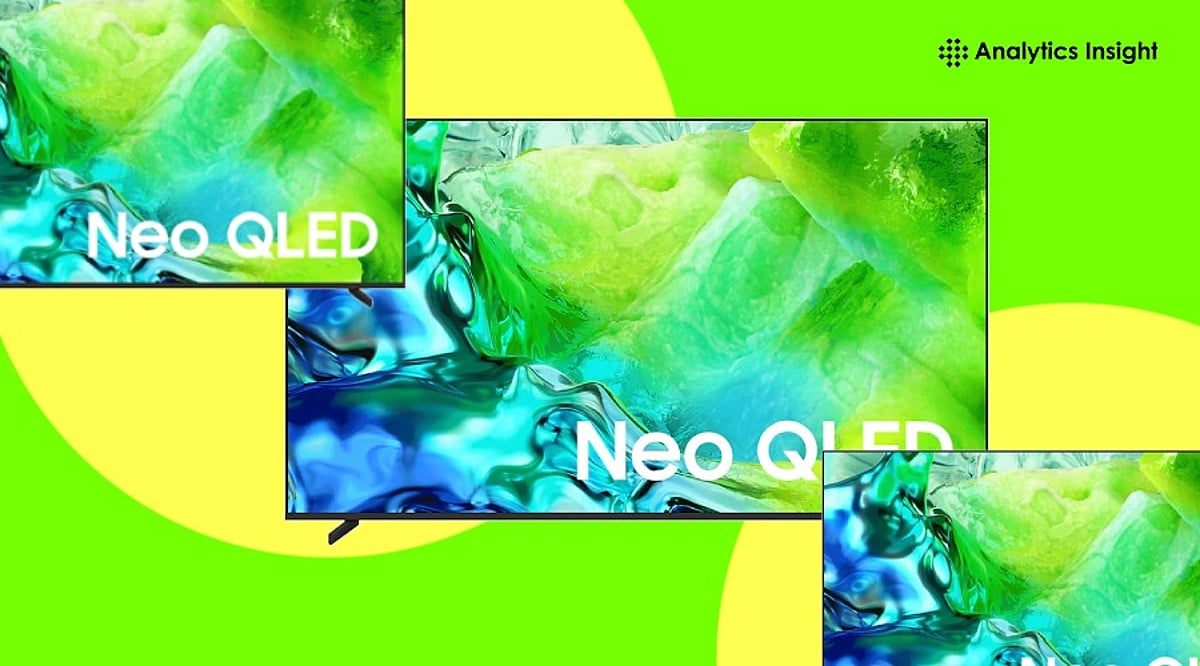
  • Best Samsung Neo QLED TVs in India for Gaming, Movies & Streaming (2026 Guide)

    Best Samsung Neo QLED TVs in India for Gaming, Movies & Streaming (2026 Guide)

    Samsung’s Neo QLED lineup delivers bright displays, deep contrast, and smooth motion, making it a top choice for gaming, movies, and streaming in India. With Mini LED technology and sizes from 55 to 75 inches, these TVs cater to different budgets and room sizes. Here are the best models for 2026.

    Top Samsung Neo QLED TVs Compared

    After evaluating the lineup, three models stand out:

    • Samsung 55-inch Neo QLED (QA55QN90CAKLXL): The best all-rounder with a 120Hz refresh rate, excellent picture quality, and strong gaming performance.
    • Samsung 65-inch Mini-LED Neo QLED (QA65QN80FAULXL): Offers an immersive large screen at a lower price than 8K models, ideal for movies and sports.
    • Samsung 65-inch 8K Neo QLED (QA65QN800CKXXL): Ultra-high detail and smart upscaling for future-proof viewing, though premium-priced.

    Which One Should You Buy?

    For most buyers, the QA55QN90CAKLXL is the top pick—balancing price and premium features. If you want a bigger screen without breaking the bank, go for the QA65QN80FAULXL. Enthusiasts seeking cutting-edge technology should consider the 8K model.

    Final Verdict

    Samsung Neo QLED TVs excel in brightness, natural colors, and smooth performance. Whether for gaming, streaming, or movie nights, there’s a model for every need. Take your room size, budget, and viewing habits into account when choosing.

    Frequently Asked Questions

    Which Samsung Neo QLED TV is best for gaming?
    The QA55QN90CAKLXL offers a 120Hz refresh rate and smooth console performance.

    Which model offers the best value?
    The QA55QN70HAULXL provides a strong mix of features and price.

    Is a 65-inch Neo QLED good for movies?
    Yes, the larger screen creates an immersive cinema-like experience.

    Should I buy 4K or 8K?
    Most users will be satisfied with 4K. 8K is for those wanting the latest display tech.

    Are these TVs good for streaming?
    Yes, they support popular apps and deliver bright, detailed pictures.

  • 2026 Leadership Trends Every CEO Must Embrace for Success

    2026 Leadership Trends Every CEO Must Embrace for Success

    Leadership in 2026 will demand AI adoption, emotional intelligence, agile decision-making, continuous learning, sustainability, and responsible governance. CEOs who balance technology with people-centric strategies will be better equipped to navigate uncertainty and drive long-term business growth.

    Business leadership is now entering a new era where technological advances can no longer guarantee a competitive advantage. Artificial intelligence has become a valuable asset for businesses, but the success of its implementation largely depends on individuals’ decision-making skills. In addition, economic volatility, political instability, labor market changes, and regulatory changes compel business executives to reconsider leadership practices.

    The largest spending on technology development and adoption will not define the best leaders of 2026. They will be able to demonstrate an innovative, empathetic attitude towards people and data-driven decision-making, combined with their gut feeling. The following list describes the major leadership trends in business that will define the coming year.

    AI Will Become Every CEO’s Strategic Partner

    Currently, AI is much more than an automation process. The adoption of AI by more firms will help them anticipate demand, enhance the customer experience, manage their supply chains more effectively, and develop sound strategies. The current issue facing the CEO is not about adopting AI in their firm but about how to do so. It is important to understand what AI can achieve, the ethical boundaries of AI, and how people can work with intelligent machines in their organizations. Firms that view AI as a business partner have an advantage in the future.

    Human Skills Will Matter More Than Ever

    In contrast, the development of AI technology has made human factors more valuable than ever before. Emotional intelligence, empathy, communication skills, and conflict resolution are crucial for an effective leader. A modern leader needs to be accessible, transparent, and supportive, especially during organizational transitions. If a CEO listens to his employees and earns their trust, he will be able to retain good employees and build a sustainable organizational culture. Leadership in an era of automation becomes a competitive factor.

    Continuous Learning Will Define Future-Ready Companies

    Technologies are evolving much faster than the competencies that currently exist in the work environment. Given the era of automation, companies must think about continuous learning, not just one-off training. Many progressive CEOs have been working on employee skill-building, focusing on AI competency, cybersecurity, collaboration, and analytical thinking. The idea of learning has evolved from an HR topic to a corporate strategy aimed at preparing the business for disruption. Companies that provide opportunities for their employees to stay up to date are considered ready for changing market dynamics.

    Agile Leadership Will Replace Long-Term Rigidity

    Five-year business plans are becoming increasingly unpredictable in today’s economy. Inflation rates, geopolitics, logistics issues, and changes in consumer behavior necessitate that CEOs make quick decisions based on partial information. To be successful in this environment, CEOs are adopting an agile leadership philosophy through frequent strategy reviews, experimentation, and team empowerment. Agility, not predictability, has become the mark of effective executive leadership.

    Responsible AI Governance Will Move to the Boardroom

    Due to new AI regulations introduced by governments and increased customer awareness of data privacy, CEOs will face growing pressure to adopt responsible governance models. There will be a need for policies on such issues as AI transparency, cybersecurity, privacy, intellectual property rights, and responsible decision-making. Boards of directors will also be expected to be more proactive in overseeing AI risks. Businesses with responsible AI management models will build customer trust and minimize their regulatory risks.

    Employee Well-Being Will Become a Business Priority

    Employee burnout continues to pose the most significant threat to organizations across the globe. Blurred lines between personal and professional lives, driven by remote and hybrid work environments, high connectivity, and high-pressure work, continue to plague many organizations worldwide. CEOs are shifting their view from treating employee well-being as an additional perk to making it a strategy for boosting worker performance. Companies that emphasize employee well-being usually exhibit higher employee engagement and better performance.

    Flatter Organizations Will Speed Innovation

    Traditional hierarchies in business organizations are increasingly giving way to lean organizational structures as companies downsize their managerial ranks to enable faster decision-making and more effective collaboration. CEOs have realized that rather than having various approval processes within an organization, a better approach is to delegate responsibilities to cross-functional teams. This has made companies become flexible and able to innovate in response to changes in the market and customers’ demands.

    Sustainability Will Shape Corporate Leadership

    The integration of environmental, social, and governance objectives is becoming part of companies’ core strategy rather than a standalone effort. There is increasing demand from stakeholders such as investors, regulators, customers, and employees for companies to generate sustainable value. Modern CEOs are expected to generate profits while also protecting the environment, operating ethically across the supply chain, diversifying the workforce, and exercising sound governance. It is no longer a compliance challenge because sustainability has now become the key to reputation and resilience. Integration of sustainability would enable firms to win stakeholders’ trust.

    Data Will Enable CEOs to Make Better Decisions Faster

    More business data makes decision-making much faster. The use of predictive analytics, customer data, financial dashboard reporting, and market intelligence helps us identify new opportunities faster than our competitors. While intuition and experience can be valuable, the data-driven strategy can reduce uncertainty. The ability to handle information is now essential for any modern CEO.

    Bottom Line

    Leadership in 2026 will require much more than operational efficiency. CEOs will have to marry technological knowledge with emotional intelligence, foster continuous learning, embrace agility, and lead with transparency and accountability. Organizations that will succeed in the future are those whose leaders realize that innovation is more than the adoption of technology. They would be the organizations that create cultures capable of learning, adapting, and evolving in the increasingly dynamic business environment. Next year, it will be the leaders who give equal weightage to people, purpose, and progress.

    Leadership expectations are evolving rapidly as AI, workforce transformation, and global uncertainty reshape business. CEOs who adapt early can strengthen resilience, improve innovation, retain talent, and sustain long-term competitive growth.

    FAQs

    What is the biggest leadership trend for CEOs in 2026?
    AI-powered decision-making combined with ethical governance and human-centered leadership is expected to shape executive strategies across industries.

    Why is emotional intelligence important for CEOs?
    Strong emotional intelligence helps leaders build trust, improve communication, retain talent, and navigate workplace changes more effectively.

    How can CEOs prepare employees for future challenges?
    By investing in continuous learning, AI literacy, digital skills, cybersecurity awareness, and leadership development across the organization.

    Why is agile leadership becoming essential?
    Rapid market shifts require CEOs to make faster decisions, adapt strategies quickly, and empower teams to respond effectively.

    How does sustainability influence leadership in 2026?
    Sustainable practices strengthen brand reputation, attract investors, meet regulations, and support long-term business growth and resilience.


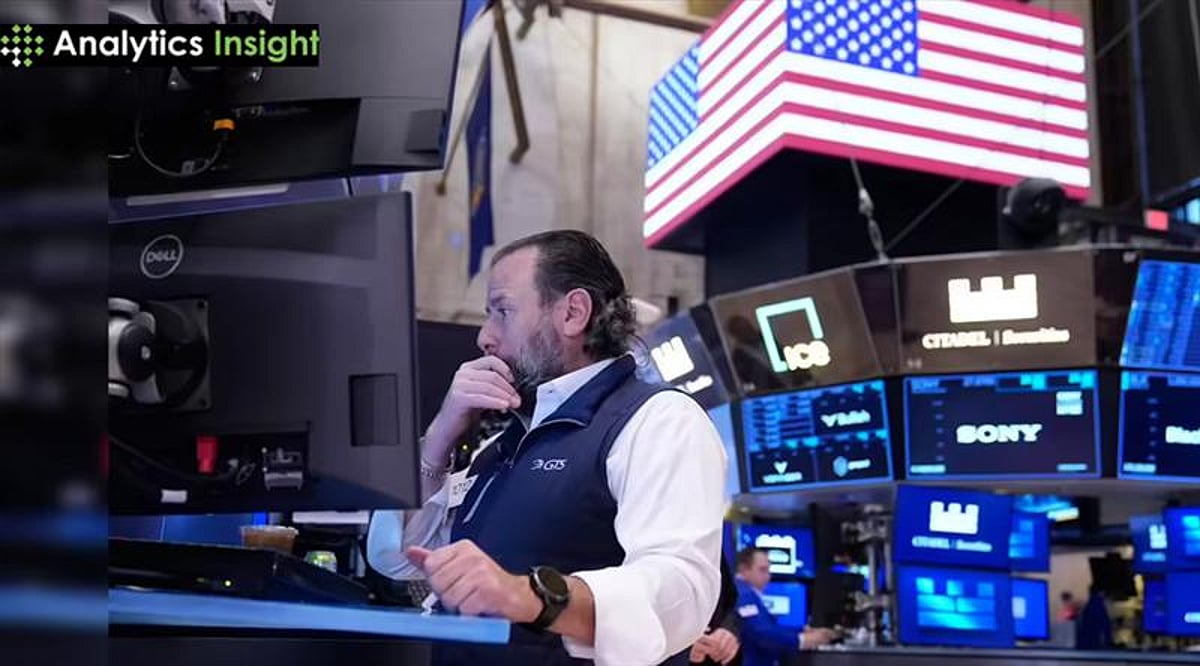
  • NASDAQ Surges on Chip Stock Rally as Wall Street Rebounds Amid US-Iran Tensions

    NASDAQ Surges on Chip Stock Rally as Wall Street Rebounds Amid US-Iran Tensions

    US stocks moved higher on Thursday as investors assessed the latest turn in US-Iran tensions and renewed buying in chip stocks. The NASDAQ Composite led the market, while the S&P 500 also gained. The Dow Jones Industrial Average traded near the flatline as investors balanced geopolitical risk, oil prices, labor data, and fresh interest in the AI trade.

    NASDAQ Gains as Chip Stocks Lead the Market

    The NASDAQ Composite rose 0.6% on Thursday, supported by strong gains in semiconductor shares. The S&P 500 advanced 0.3%, while the Dow Jones Industrial Average traded little changed after a weaker session on Wednesday.

    Chipmakers led the early rebound. The VanEck Semiconductor ETF climbed 4%, with Micron Technology rising 7%. Sandisk also gained 6%. The move showed that investors returned to selected technology names, even as broader market caution stayed in place.

    The chip sector drew fresh attention ahead of SK Hynix’s expected US-listed share debut. The South Korean memory chipmaker is set to list on NASDAQ, and demand for its offering has become a focus for investors tracking AI-related stocks.

    Meanwhile, traders also watched whether the latest gains could hold through the session. Semiconductor stocks had faced recent pressure, but Thursday’s move helped lift the NASDAQ above the other major US indexes.

    US-Iran Tensions Keep Markets Cautious

    Markets also tracked renewed conflict between the US and Iran. US Central Command said the United States launched fresh strikes on Iran after attacks on commercial shipping near the Strait of Hormuz. It later said another round of strikes had been completed.

    Iran also carried out attacks on targets linked to US allies in the Middle East. The exchange of fire raised concern over energy supplies and shipping routes, especially around the Strait of Hormuz, a key passage for global oil flows.

    President Donald Trump had said the ceasefire with Iran was ‘over’ after new attacks in the region. Later, he said he called Iran to make a deal, which helped ease some pressure on crude futures.

    Mason Mendez, global real assets analyst at Wells Fargo Investment Institute, said, “Any assumption of a swift return to normalized Persian Gulf exports is certainly being challenged.” He added that low global reserves and inventories could keep a geopolitical risk premium in oil prices if tensions rise further.

    Oil Prices Stabilize After Sharp Swings

    Oil prices held steadier on Thursday after sharp moves in the previous session. Brent crude slipped 0.3% in early trading after rising on Wednesday as traders reacted to the renewed fighting.

    The oil market stayed focused on possible supply disruption. Any fall in shipping activity through the Strait of Hormuz can raise concern over global supply, as the route handles a large share of seaborne crude shipments.

    Even so, investors did not move fully into risk-off trading. US stock indexes opened higher, and markets across Europe and Asia also showed mixed but generally stable trading.

    European stocks edged higher, with the Stoxx 600 up 0.1%. In Asia, Japan’s Nikkei 225 rose 1.4%, South Korea’s Kospi gained 0.62%, and mainland China’s CSI 300 closed 2.5% higher. Hong Kong’s Hang Seng index traded lower late in the session.

    Jobless Claims Add to Rate Outlook Watch

    US labor data also stayed in focus. Initial jobless claims fell to 215,000 for the week ended July 4, down 4,000 from the prior week. Economists surveyed by Dow Jones had expected 218,000 claims.

    The data showed a mild drop in new unemployment filings after an early June spike. Continuing claims, which ran one week behind, increased by 8,000 to 1.814 million.

    Investors used the report as another signal for the Federal Reserve’s policy path. A steady labor market can affect expectations for interest rates, especially as traders watch inflation, oil prices, and global tensions.

    On Thursday, the data did not stop stocks from opening higher. The S&P 500 rose 0.2% shortly after the opening bell, the NASDAQ climbed 0.2%, and the Dow added 63 points, or 0.1%, before later trading near the flatline.

    Wall Street Turns Back to AI Trade

    As Middle East tensions stayed in focus, investors also returned to the AI trade. Chip stocks gained as traders prepared for SK Hynix’s US debut and assessed demand for memory chips used in AI systems.

    Pepsi’s results added another market signal, as the company showed that some US consumers are spending carefully due to economic concerns. Its revenue still topped expectations, giving investors another view of consumer demand.

    Mendez said, “These renewed geopolitical risks could fuel near-term risk-off sentiment, however, trends of strong equity earnings momentum and ongoing AI strengths will likely continue to drive the S&P 500 Index towards our year-end target range of 7,800 to 8,000.”

    For now, the US stock market trading today shows a split picture. Chip stocks and AI names are helping the NASDAQ rise, while oil prices and US-Iran tensions keep traders alert.

  • How to Identify AI-Generated Music: Key Signs and Industry Implications

    How to Identify AI-Generated Music: Key Signs and Industry Implications

    What if your next favorite song wasn’t created by a human at all? As AI becomes increasingly woven into the music industry, this scenario is already becoming a reality. Many AI-generated tracks are now so polished that listeners struggle to tell them apart from music made by real artists. A survey by Deezer and Ipsos found that only 3% of participants could correctly identify AI-generated songs in a listening test. With AI music rapidly spreading across streaming platforms and attracting its own fan base, the industry is facing a growing challenge: how to clearly identify AI-created content while protecting artists’ rights, royalties, and creative ownership.

    Why AI Music Artists Are Growing Rapidly

    An AI music artist uses AI to develop almost all aspects of their music production, including vocals or compositions. The distinction between music generated with the help of AI and completely AI-generated music is in the amount of creative input humans provide. The emergence of AI music was facilitated by applications such as Suno and Udio, which helped users create entire songs in just a few minutes. These programs decreased both time and money spent on the music creation process. According to Deezer, thousands of AI-generated songs are uploaded per day.

    Key Signs That Can Help Identify AI-Generated Music

    Identifying AI music is becoming more difficult as technology improves. Experts say no single method can confirm whether a song is AI-generated. A combination of several signs can provide a stronger indication.

    1. Check the Artist’s Background

    A real music artist usually includes some history beyond streaming platforms. Artists often have social media accounts, live performances, interviews, collaborations, or other public activities. AI-generated music projects may appear suddenly with large numbers of songs and limited information about the person behind the music. The absence of an online presence does not confirm AI use. New independent artists can also start without a large public profile. This sign becomes more important when combined with other clues.

    2. Look Closely at Music Credits

    Song credits can reveal important details. Human-made music often involves several people, including singers, composers, producers, mixers, and mastering engineers. A large catalogue where the same person is credited for every creative role may require closer attention. AI tools can reduce many production steps into a single generation process. However, independent musicians who create everything themselves can also have similar credit patterns. Credits should be considered alongside other evidence.

    3. Pay Attention to the Style and Sound

    Some music genres make AI detection easier than others. Jazz and folk music often depend on small human details such as timing changes, natural imperfections, and emotional delivery. AI systems can struggle to reproduce these elements. A track that sounds unusually perfect in these genres may deserve additional checking. Genres such as electronic music and pop often use highly polished production styles, making sound-based identification more difficult.

    4. Watch for Unusual Streaming and Chart Activity

    Sudden success can also be a sign of AI. Some AI-generated projects have gained attention through rapid releases and unusual chart movements. Fast growth with limited artist history, few sales, or little audience connection can raise questions about how the music is gaining attention. Chart performance alone does not prove AI involvement. It should be viewed as one part of a wider pattern.

    5. Use AI Detection Tools Carefully

    Streaming platforms are developing tools to identify AI-created music. Services such as Deezer have introduced detection systems that analyze tracks for AI-generated elements. Apple Music has also introduced transparency features that allow information about AI involvement to be shared through labels and distributors. These tools can help listeners and platforms, though experts warn that detection technology is still developing. Changes in audio quality, editing, or human involvement can affect results.

    The Bigger Debate: Rights, Ownership, and Payments

    The growth of AI music has created major questions about copyright and artist payments. Music companies have taken legal action against AI music platforms over the use of copyrighted recordings in training systems. The central issue is whether artists should receive permission and payment when their work helps train AI models. The debate also focuses on ownership. Fully AI-generated works without meaningful human creative input face challenges in receiving copyright protection in some legal systems.

    How AI Music Could Change the Industry

    AI music is likely to become a permanent part of the industry. The main challenge will be creating clear rules around transparency, copyright, and payments. Artists and industry groups are calling for greater control over how their work is used for AI training. Many creators want systems that provide consent, fair compensation, and clear information. For listeners, identifying AI music will require more than simply trusting their ears. Checking artist history, credits, release patterns, and platform information will become important steps.

    Final Thoughts

    AI-generated music is becoming harder to identify as technology improves. There is no single test that can reveal every AI-created song. The most reliable approach is to look at multiple signals, including artist background, credits, release patterns, and detection tools. As AI continues to reshape music creation, transparency will decide how audiences and artists adapt to this new era.

    FAQ’s

    1. How can you identify an AI-generated song?

    AI-generated songs can be identified by checking several signs, such as unusual release patterns, missing artist history, limited credits, unnatural sound patterns, and AI detection tools. No single method can confirm every AI-created track.

    2. Are AI-generated music artists already available on streaming platforms?

    Yes, AI-generated music artists are already present on streaming platforms. Many listeners may not recognize them, as AI tools have improved significantly and can now create songs that closely match human-made productions.

    3. Can AI detection tools accurately identify AI-created songs?

    AI detection tools can help identify AI-created songs, though their results are not always perfect. Audio changes, editing methods, and human involvement can affect detection accuracy, making multiple checks important.

    4. Why is AI music creating controversy in the music industry?

    AI music has created debates around copyright, ownership, and payments. Artists and industry groups are seeking transparency, consent, and fair compensation when their work is used to train artificial intelligence systems.

    5. Will AI replace human musicians in the future?

    AI is changing the way music is created, though human creativity still plays a key role. The future may involve artists using AI as a tool rather than completely replacing traditional music creators.

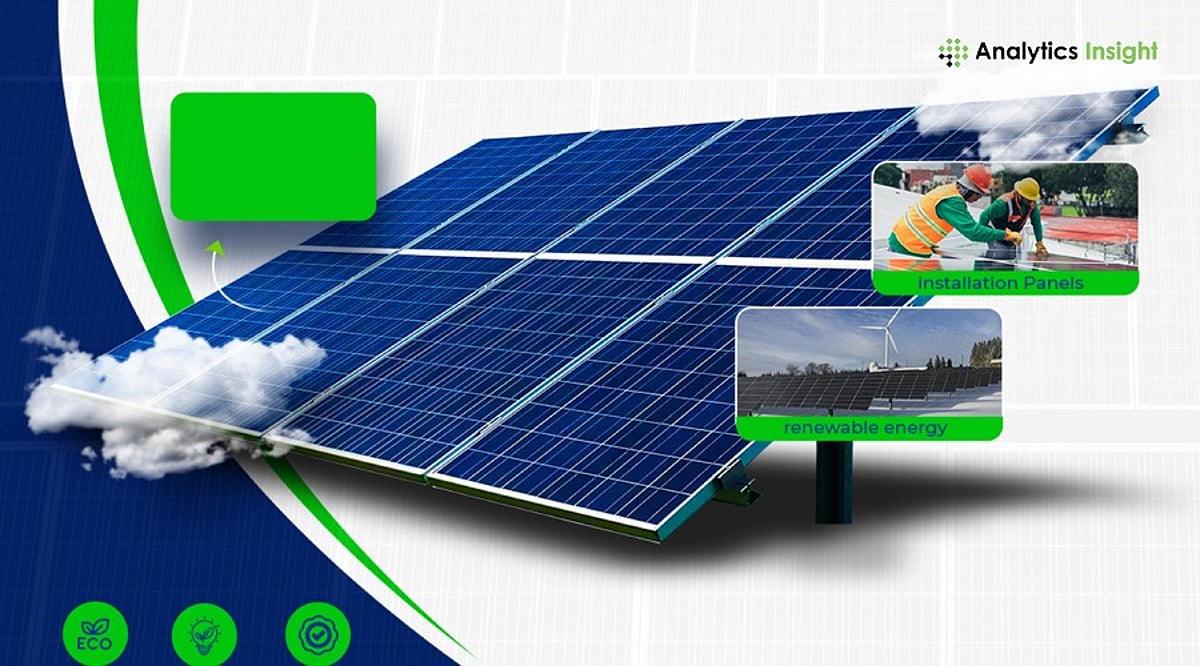
  • Best Solar Panels in Australia 2026: Top 10 Ranked for Efficiency, Warranty & Value

    Best Solar Panels in Australia 2026: Top 10 Ranked for Efficiency, Warranty & Value

    Australia’s residential solar market has entered a more mature phase. Customers are no longer making decisions based solely on whether a system is ‘cheap’ or ‘expensive’; instead, they evaluate its overall value relative to its upfront cost. With leading companies developing better efficiency and warranties, the competitiveness is moving into reliability, post-sale services, and trust in installation. This means a good solar panel system cannot be judged by a single specification.

    Modern modules also deliver better performance during hot summers and challenging weather conditions. This ranking considers panel efficiency, durability, warranty coverage, value for money, performance in Australian conditions, and the reputation of manufacturers and installers to help homeowners choose the right system.

    Top 10 Best Solar Panels in Australia 2026

    1. SunPower Maxeon 7

    Produced by Maxeon Solar Technologies, the SunPower Maxeon 7 continues to be the best model in 2026. It offers more than 24% efficiency and output up to 475W with the use of the latest Interdigitated Back Contact (IBC) technology. With a warranty period of 40 years, it is ideal for people looking for top-notch efficiency and energy generation.

    2. REC Alpha Pure-RX

    Based in Singapore, REC manufactures the Alpha Pure-RX that utilizes Heterojunction Cells (HJT), with efficiency above 22%. The Alpha Pure-RX has power output ranging from 430W to 470W, and is offered with a 25-year warranty and good degradation figures. It is known to perform reliably in Australia’s high temperatures, making it ideal for premium domestic projects.

    3. Aiko Neostar

    Solar panels in the Aiko Solar Neostar range boast All Back Contact (ABC) Technology that enables efficiencies of over 24%. The panels provide output ranges between about 460 W and 490 W and come with warranties that last up to 30 years. They stand out for their excellent performance in low light conditions and elegant design.

    4. Jinko Tiger Neo

    Jinko Solar continues to be a highly favored brand in Australia for its dependable Tiger Neo series. Its cell technology employs the N-Type TOPCon technology, which achieves an efficiency of almost 23%, with power ratings ranging from 440W up to 490W. With a 25-year warranty on the product, the line represents great value.

    5. LONGi Hi-MO X10

    The Hi-MO X10 is LONGi’s latest high-performance panel designed for residential installations that is expected to be available by 2026. The use of back-contact technology makes this solar panel more efficient than any other, with an efficiency rate greater than 24% and power output of around 470W to 500W.

    6. Trina Vertex S+

    The Trina Solar Vertex S+ is a module made using the N-Type TOPCon Technology and is built using a resilient dual-glass panel structure. It provides an efficiency of 22.5% and a power output range of 430W to 460W along with a warranty for 25 years.

    7. Canadian Solar – TOPHiKu6 Series

    The TOPHiKu6 series from Canadian Solar is made using N-Type TOPCon technology. It gives an output ranging between 440W and 485W with efficiencies exceeding 22%. It comes with a 25-year product warranty and provides great performance and durability at an affordable price.

    8. JA Solar – DeepBlue 4.0 Pro

    JA Solar is expanding its presence in Australia through the introduction of the DeepBlue 4.0 Pro model. Using the N-Type BYCIUM+ cell technology, the model provides efficiencies of around 23% with outputs ranging between 440W and 490W. It is accompanied by a 25-year warranty.

    9. Qcells – Q.TRON

    Renowned for its reliability, South Korean company Qcells’ Q.TRON series is made using the latest N-Type technology and comes with efficiencies exceeding 22% with outputs of around 430W to 470W. With a 25-year warranty, it performs well even at high temperatures.

    10. Risen – Hyper-ion

    Risen Energy’s Hyper-ion panels use Heterojunction (HJT) technology and give efficiencies of more than 24% with outputs close to 500W. With performance warranties and excellent resistance to efficiency loss from heat, they are a perfect choice for homeowners in Australia.

    Quick Comparison: Which Panel Fits Your Home?

    When choosing solar panels in Australia, look beyond the purchase price. Higher panel efficiency is valuable if roof space is limited, while a low temperature coefficient helps maintain output during hot summers. Compare product and performance warranties carefully, choose Clean Energy Council (CEC)-approved products, and work with an experienced local installer who offers reliable after-sales support. Premium panels cost more initially but often deliver greater long-term savings and durability.

    The winning solar panel isn’t defined by a single specification. It’s the combination of quality hardware, sound system design and a manufacturer that’s likely to be standing behind its warranty 20 years from now. For homeowners, that’s the difference between simply owning solar and making a genuinely profitable energy investment.

    FAQs

    1. Which is the best solar panel in Australia for 2026?

    SunPower Maxeon 7 ranks among the best for efficiency and longevity, while REC, Aiko, and Jinko offer excellent alternatives depending on budget, roof space, and energy needs.

    2. Are premium solar panels worth the extra cost?

    Premium panels are worthwhile for homes with limited roof space, high electricity consumption, or long-term ownership, thanks to higher efficiency, lower degradation, and stronger warranty coverage.

    3. How many solar panels does an average Australian home need?

    Most Australian households install a 6.6kW system with around 15–16 panels, while larger homes with higher electricity demand often benefit from systems around 10kW.

    4. What should I look for when buying solar panels?

    Prioritise panel efficiency, product warranty, performance warranty, degradation rate, CEC-approved products, and an experienced installer who can design a system based on your electricity usage.

    5. Do government rebates still apply to solar in 2026?

    Yes. Eligible systems continue to receive upfront savings through the Small-scale Technology Certificate (STC) scheme, with rebate values varying by system size and installation location.

  • How Seven Cities Are Using AI to Make Waste-to-Energy Cleaner and Smarter

    How Seven Cities Are Using AI to Make Waste-to-Energy Cleaner and Smarter

    Every growing city faces the same problem: what should be done with the huge amount of waste produced each day? Landfills occupy valuable land and are a major source of ground pollution. Waste-to-energy plants offer an alternative by converting non-recyclable waste into electricity and heat, helping cities recover value from discarded materials.

    Artificial intelligence is making these plants smarter. Cameras identify different types of waste, sensors monitor machinery around the clock, and data systems detect small problems before they become expensive failures. These tools help plants run more smoothly, waste less energy, and maintain tighter control over emissions.

    Several cities are already demonstrating what this future looks like. Their projects vary but share a common goal: making waste-to-energy cleaner, safer, and more efficient.

    Dubai, United Arab Emirates

    Dubai is constructing one of the world’s largest waste-to-energy plants. AI systems track waste movement, monitor combustion, and watch machine performance 24/7. Predictive software enables workers to identify problems before they cause a shutdown, making the plant more energy efficient and keeping emissions under close observation.

    Shenzhen, China

    Shenzhen exemplifies technology-driven waste management. AI-enabled cameras identify different types of waste on sorting lines, and data systems analyze collection patterns across the city. Better sorting means more recycling, less contamination, and greater energy recovery from remaining waste.

    Chicago, United States

    Chicago uses AI and data analytics to optimize waste collection and processing. Smart routing enables collection trucks to reduce unnecessary travel and conserve fuel. In waste facilities, predictive maintenance tools monitor equipment and alert operators to potential issues, resulting in more reliable plants and lower operating costs.

    Los Angeles, United States

    Los Angeles is working to reduce its reliance on landfills. Machine learning systems help identify recyclable materials and improve sorting accuracy. The city also uses data for resource management and waste operations planning, making processing cleaner and recovering valuable materials more effectively.

    Amsterdam, Netherlands

    Amsterdam is known for its circular economy ambitions. AI helps collect, sort, and recover energy from waste across the city’s waste network. Smart software analyzes operational data and allows facilities to adjust performance as needed, enabling better material recovery and more efficient use of energy produced from waste.

    Indore, India

    Indore has been recognized for its cleanliness and waste management. The city uses GPS tracking, digital records, and AI-assisted monitoring to improve collection and processing. Better source segregation means more recyclable material is recovered, and processing plants can generate energy more efficiently.

    Abu Dhabi, United Arab Emirates

    Abu Dhabi is advancing waste-to-energy projects with a technology focus. AI systems monitor plant health, detect maintenance needs, and analyze environmental data in real time. These tools reduce unplanned breakdowns, improve daily operations, and divert more waste from landfills.

    Why This Matters

    AI helps waste-to-energy plants operate more efficiently with fewer breakdowns, better sorting, and tighter emission control. As cities grow, so will their waste. Smarter systems can recover more energy, reduce landfill dependence, and save public money. These projects demonstrate the role of technology in achieving cleaner cities and a more sustainable future.

    A Smarter Future for Waste and Energy

    Dubai, Shenzhen, Chicago, Los Angeles, Amsterdam, Indore, and Abu Dhabi are on different paths but heading toward the same destination: cleaner cities, less landfill waste, and more efficient energy recovery. AI is helping them get there by improving sorting, reducing breakdowns, and giving operators a clearer view of facility performance.

    These projects highlight that technology works best when paired with good planning and long-term investment. As more cities adopt AI for waste management, less waste may go to landfills, more resources will be recovered, and cleaner energy will become available to more people. What was once seen as a problem in a garbage bin could become part of the solution for a cleaner and more sustainable future.