Author: vitorcherulli

  • Amazon Great Indian Festival or Flipkart Big Billion Days: Best Gadget Deals in 2026

    Amazon Great Indian Festival or Flipkart Big Billion Days: Best Gadget Deals in 2026

    Gadget Shopping Showdown: Amazon vs Flipkart in 2026

    Amazon’s Great Indian Festival and Flipkart’s Big Billion Days are India’s two biggest festive shopping events. Both sales promise deep discounts on gadgets, but deciding where to buy requires a closer look at dates, bank offers, early access, and product-specific deals.

    Sale Dates and Early Access

    Amazon’s Great Indian Festival 2026 is scheduled to begin on October 8. Flipkart’s Big Billion Days will start with early access on October 8 as well, followed by the wider sale on October 9. Shoppers looking for limited-stock items should plan their purchases around these dates.

    Bank Discounts and Card Offers

    Bank offers can make a significant difference to final prices. Amazon has confirmed a 10% instant discount for eligible SBI credit and debit card transactions. Prime members can also save up to an additional 10% on qualifying purchases. Flipkart, meanwhile, is offering 10% instant discounts with select Axis Bank and ICICI Bank cards. Always verify card eligibility before checkout.

    Smartphone Deals on Both Platforms

    Smartphones are expected to be the biggest battleground in both sales. Flipkart has already teased attractive pricing on flagship devices like the iPhone 17 and Samsung Galaxy S25. Amazon’s event is also set to cover smartphones from multiple brands, with bank discounts and exchange bonuses adding to the savings. Compare the same model across both sites to find the best final price.

    Laptops, Tablets, TVs, and Audio

    Laptop and tablet buyers have plenty of choices as well. Flipkart has previewed deals on models such as the Samsung Book4 i5, while Amazon is including a wide range of electronics. Smart TVs, speakers, headphones, and other entertainment products are also expected to feature prominently in both sales. Check exchange values, delivery charges, and promotional conditions before placing an order.

    Final Tips for Gadget Shoppers

    • Compare the same product on both Amazon and Flipkart before buying.
    • Factor in instant discounts, exchange bonuses, warranty, and shipping costs.
    • Review price history and product ratings to spot genuine savings.
    • Use early access if you are targeting limited-stock devices.

    Neither sale guarantees the lowest price on every gadget. A little research before the sale starts can help you save more on smartphones, laptops, TVs, and other tech products.

  • How XRP Ledger’s Native AMM and Order Books Could Power Institutional Tokenized Markets

    How XRP Ledger’s Native AMM and Order Books Could Power Institutional Tokenized Markets

    Why XRP Ledger Is Building for Tokenized Finance

    The XRP Ledger (XRPL) is increasingly positioning itself as a foundation for tokenized financial assets. Unlike networks that depend heavily on external smart contracts to run decentralized exchanges, XRPL embeds both an order-book DEX and an Automated Market Maker (AMM) directly into the protocol. This native integration of trading, token issuance, and permissioned access gives institutions a distinct set of tools for building compliant tokenized markets.

    Order Books and AMMs: Two Liquidity Engines on One Ledger

    XRPL’s DEX lets participants create offers that specify the exact assets and prices they are willing to trade. In parallel, the protocol’s AMMs supply liquidity through pooled reserves, with exchange rates set algorithmically. When a trade is routed through the open DEX, it can tap order-book offers, AMM liquidity, or both to find the most efficient execution path.

    Liquidity providers who deposit into an AMM receive LP tokens representing their share of the pool and earn income from trading fees. It is also worth noting that on XRPL, only one AMM is permitted for any given asset pair, a design choice that simplifies the pool landscape.

    Permissioned DEX: Adding an Institutional Gate

    Institutional markets often require strict control over who can trade with whom. XRPL’s Permissioned DEX approach uses permissioned domains and credentials to create controlled trading environments. A domain acts like an allow-list, while credentials prove that a participant meets the requirements needed to access restricted trading.

    Trades in this permissioned setting are matched only with offers in the same domain. Hybrid offers offer more flexibility by interacting with both a designated permissioned DEX and the open DEX. However, one important limitation is that permissioned trades cannot directly consume AMM liquidity. That creates a potential trade-off between regulatory compliance and unfettered liquidity access.

    Multi-Purpose Tokens: Built-In Compliance Controls

    XRPL’s Multi-Purpose Tokens (MPTs) are designed for fungible assets that need institutional-grade controls. MPTs can support supply caps, transfer fees, holder authorization, freezing, and clawbacks—capabilities that map naturally to tokenized funds, debt, or other regulated assets where issuers need meaningful oversight of ownership and transfers.

    Native MPT trading on the DEX is still being developed under the MPTokensV2 proposal. If implemented, it would extend order-book offers, cross-currency payments, and AMM support to MPT-based assets.

    Institutional Pilots Are Already Underway

    In February 2026, Aviva Investors and Ripple announced plans to explore tokenizing traditional fund structures on XRPL. The initiative marks Aviva Investors’ first foray into blockchain-based fund tokenization and signals growing interest in XRPL as a settlement layer for regulated assets.

    Technology Alone Won’t Build Institutional Markets

    Protocol features are only part of the equation. Tokenized assets still require regulated issuers, qualified custody providers, professional market makers, reliable pricing sources, clear legal frameworks, and enough buyers and sellers to sustain deep secondary-market liquidity.

    XRPL advertises settlement in roughly three to five seconds and transaction costs of fractions of a cent. But institutional adoption will ultimately hinge on whether compliant markets using those rails can achieve real depth.

    Why This Matters

    Institutional tokenization is not just about putting traditional assets on-chain. XRPL’s combination of order books, AMMs, permissioned trading, and token controls could provide the connective tissue between compliant issuance and secondary-market liquidity—making tokenized financial products more practical for institutional participants.

    The Bottom Line

    XRP Ledger brings together native order books, AMMs, credentials, and tokenization controls in one settlement environment. The tools are compelling, but their success depends on liquidity, issuer adoption, regulatory clarity, custody standards, and how smoothly permissioned and open-market infrastructure integrate.

  • Top AI Podcast Generator: Transform Your Existing Content Into Engaging Audio and Video

    Top AI Podcast Generator: Transform Your Existing Content Into Engaging Audio and Video

    You may already have everything you need to create a podcast: an article, research report, PDF, lesson, course, set of notes, or creative brief. The challenge is turning that material into something people will want to listen to or watch—without rewriting the entire piece, recording every line yourself, or stitching together several different tools.

    An AI podcast generator can simplify this process. It uses your existing content as the foundation for a podcast script, helping you organize the key ideas, choose voices and hosts, and create audio or video from the same source.

    A capable AI podcast maker does more than convert text into speech. It helps turn raw information into structured, accessible content that creators, educators, researchers, and marketers can share in new ways.

    What Happens When AI Turns Source Material Into a Podcast?

    Turning written material into a podcast involves more than reading the original text aloud. Articles and reports are designed to be read, while podcasts need a clear narrative, natural transitions, and language that sounds conversational. Here is how AI can help move content from source material to a finished episode.

    1. Source Material Becomes a Structured Script

    An AI podcast creator can analyze articles, PDFs, research papers, lesson materials, notes, and other documents to identify their main ideas and supporting details. It can then reorganize that information into a podcast-friendly structure with an introduction, clear sections, transitions, and a conclusion. Long paragraphs can be shortened, technical language can be explained, and less relevant details can be removed. The result is not simply a document read aloud—it is a script designed to be understood through listening.

    2. The Script Can Become a Conversation

    Some information is easier to follow when presented as a discussion rather than a monologue. AI can transform source material into a conversation between two speakers, with one host introducing ideas and the other asking questions, providing examples, or clarifying difficult points. For example, a research report could become an expert interview, while a lesson could become a discussion between a teacher and a learner. This conversational format can make complex or technical subjects feel more approachable.

    3. You Can Review and Edit the Content

    AI-generated scripts should not be treated as untouchable final drafts. Before producing the podcast, you can review the script, correct details, remove unnecessary sections, change the tone, and add your own insights. This is especially important when working with research, educational materials, or specialized topics. AI can accelerate the transformation process, while the creator remains responsible for accuracy, emphasis, and perspective.

    4. Voices Add Personality

    Once the script is ready, AI voices bring it to life. You can choose voices that fit the topic, audience, and intended mood of the episode. Voice cloning, custom voices, and pronunciation controls can make the result more consistent with your personal or brand identity. A course creator might use a warm instructional voice, for example, while a business podcast may benefit from a more professional and conversational delivery.

    5. AI Hosts Can Turn Audio Into Video

    A podcast does not have to remain audio-only. AI hosts and custom hosts can present the same script in a video podcast with one or multiple speakers. Depending on the subject and distribution channel, a host could be a realistic presenter, a custom character, a cartoon, or even a talking pet. This gives creators more visual options without requiring cameras, studios, or on-screen recording.

    6. Visuals Can Support the Story

    Video podcasts can include captions, B-roll, images, custom backgrounds, and different scene layouts. These elements should support the information rather than simply decorate the video. For instance, a podcast based on a research report could display important statistics while the hosts discuss them. A lesson could use diagrams or images to explain a process, while a product-focused episode could show relevant interfaces or demonstrations.

    One Source Can Become Multiple Pieces of Content

    Creating for multiple platforms does not always require producing a completely new idea for each one. Content repurposing allows you to adapt existing knowledge to different audiences and viewing habits. For example:

    • A research report can become a two-person podcast discussion.
    • A blog post can become a short audio episode or video podcast.
    • A lesson can become an audio review for students.
    • A course module can become a supplementary video class.
    • A newsletter can become a narrated weekly update.
    • A creative brief can become an internal presentation or project overview.

    The same source can also support several outputs. A creator might publish the full audio episode on a podcast platform, upload a video version to YouTube, and share shorter captioned clips on social media. This approach gives existing work a longer useful life while allowing audiences to choose whether they want to read, listen, or watch.

    What Makes the Best AI Podcast Generator Different?

    Not every podcast tool supports the complete journey from source material to finished content. When evaluating the best AI podcast generator for your needs, consider how much control it gives you over both the content and the final format.

    It Supports the Content You Already Have

    A useful tool should allow you to begin with more than a short prompt. It should support materials such as PDFs, documents, articles, URLs, research reports, notes, lessons, briefs, and scripts. This reduces the need to manually copy, summarize, and restructure information before production begins.

    It Adapts Written Content for Listening

    Written content is not automatically suitable for audio. A strong AI podcast tool should be able to identify the most important information, simplify dense passages, add transitions, and create a script that sounds natural when spoken. This is the difference between listening to a document being read and listening to an actual podcast.

    It Gives Creators Editorial Control

    AI can create a starting point, but creators should still be able to review and refine the result. Script editing, voice selection, voice cloning, pronunciation controls, and host customization provide more control over how the content sounds and looks. The best workflow combines AI-generated structure with human judgment.

    It Supports Both Audio and Video

    An AI video podcast generator should make it possible to reuse the same source and script in a visual format. AI hosts, captions, B-roll, images, backgrounds, and flexible layouts can turn an audio concept into content suitable for YouTube, social media, online courses, or internal communication.

    It Connects the Production Steps

    Creating a podcast traditionally requires separate tools for writing, recording, editing, voice production, captions, and video. A connected workflow brings these steps together, making it easier to move from an initial source to a publishable episode.

    PodcastorAI: From Source Material to Finished Content

    PodcastorAI is designed to turn existing knowledge into finished audio and video content. You can begin with a topic, URL, PDF, document, article, research paper, lesson, course material, notes, script, brief, or recording. PodcastorAI then helps organize the material into a podcast script that you can review and edit before production.

    From there, you can choose between a solo podcast and a two-person conversation, select AI voices, and create an audio episode. If you want a visual version, you can add AI hosts or custom hosts and enhance the video with captions, B-roll, images, backgrounds, and different layouts.

    For example, a teacher could upload a PDF lesson, turn it into a conversation between two hosts, check the script for accuracy, select suitable voices, and create both an audio review and a captioned video lesson. A blogger could turn an existing article into a solo podcast, while a researcher could adapt a report into a more accessible discussion. The original knowledge remains the foundation, but the format becomes easier to consume and share. The goal is simple: help your knowledge travel further without forcing you to start from scratch.

    Who Can Turn Existing Knowledge Into a Podcast?

    Teachers and Online Educators

    Teachers, tutors, coaches, and course creators can transform lessons, presentations, readings, and course materials into audio reviews, supplementary podcasts, or video lessons. This gives learners another way to engage with the material outside a traditional classroom or course platform.

    Students and Learners

    Students can turn lecture notes, readings, study guides, research papers, and exam materials into audio study content. Listening to a structured explanation can be useful when reviewing material while commuting, exercising, or completing other tasks.

    Researchers and Subject-Matter Experts

    Researchers, consultants, writers, and specialists can make complex knowledge more accessible by turning reports, papers, and professional insights into expert discussions, educational podcasts, or video explainers. This allows valuable information to reach people who may not read the full original document.

    Content Creators

    Bloggers, newsletter writers, and other creators can repurpose long-form content into podcast episodes or video podcasts. Instead of developing a completely new topic, they can introduce existing ideas to audiences who prefer audio, YouTube, or short-form video.

    Marketers and Content Teams

    Marketing teams can turn research, product information, campaign briefs, reports, and thought-leadership content into podcast-style audio or video. The finished content can support product education, brand storytelling, internal communication, social media, or customer engagement.

    Conclusion

    Your next podcast may already be sitting in an article, document, lesson, or report you created months ago. You do not need to rebuild the idea from the beginning. An AI podcast generator can help organize that material into a script, adapt it for listening, add voices or AI hosts, and produce audio and video from the same source. You remain in control of the message while AI reduces the time and technical work required to bring it to life. PodcastorAI helps turn what you already know into content people can hear, watch, learn from, and share. Make Knowledge Travel Further.


  • iPhone 18 Pro vs Galaxy S26 Ultra: Which Flagship Wins in 2026?

    iPhone 18 Pro vs Galaxy S26 Ultra: Which Flagship Wins in 2026?

    Overview: Two Flagships, Two Philosophies

    In 2026, the flagship race comes down to one thing: which phone removes more friction from daily life? Samsung’s Galaxy S26 Ultra arrived first, bringing a 200MP camera system, a large display, and a built-in Privacy Display. Apple followed with the iPhone 18 Pro, which carries the A20 Pro chip, a variable-aperture camera, and the new C2 modem. Samsung widens what the phone can do; Apple sharpens camera control, sustained performance, and tight hardware integration.

    Chip and Connectivity: A20 Pro vs. Snapdragon 8 Elite Gen 5

    The A20 Pro gives the iPhone 18 Pro a strong performance base. It runs on a 2nm process and carries a 7-core GPU that Apple rates up to 40% faster than the A19 Pro. It also adds a dual 16-core Neural Engine for on-device AI. Apple redesigned the vapor chamber too—it’s now three times larger, bringing up to 40% higher sustained performance.

    The new C2 modem adds another change: Apple says it improves cellular quality through AI and enables faster uploads than C1X while using 15% less energy. mmWave 5G support now extends to the U.S.

    Samsung counters with a Galaxy-tuned Snapdragon 8 Elite Gen 5 and its own thermal system for heavy workloads. Both chips handle daily tasks well. The real gap shows up during long gaming sessions, video editing, and connectivity-heavy tasks, where thermal design and modem efficiency start to matter more.

    Camera: Precision vs. Resolution

    Apple’s camera strategy favors control over count. The 48MP Fusion Main camera adds variable aperture—a first for iPhone. Six laser-cut blades shift automatically for light and depth, or a user can set the aperture manually across four positions in the Camera app. Apple points to sharper low-light shots and cleaner detail toward the back of group photos.

    Samsung’s rear setup, confirmed on its own listing, pairs a 200MP main sensor (f/1.4) with a 50MP ultrawide (f/1.9), a 50MP periscope telephoto at 5x optical zoom (f/2.9), and a 10MP telephoto at 3x optical zoom (f/2.4). Four lenses give the S26 Ultra more framing range, especially at long zoom, than the iPhone’s three-lens setup built around aperture control instead.

    Neither system wins outright. The choice comes down to whether zoom range or aperture control matters more to the person holding the phone.

    Display and Everyday Privacy

    Samsung’s biggest hardware story this year is Privacy Display, which the company calls the industry’s first built-in privacy display on a phone. It narrows the viewing angle from the sides. Samsung’s own support page confirms it can cover the whole screen, single apps, notifications, or moments like typing a PIN. A commuter checking a banking app on a crowded train gets a real reason to switch it on. Samsung also notes that results can shift with viewing angle and brightness.

    The iPhone 18 Pro carries a smaller, redesigned Dynamic Island on its 6.3-inch screen, now able to run three Live Activities at once while still powering Face ID. It has no matching privacy mode, relying instead on standard Face ID and app-level controls.

    Battery and Charging

    Samsung lists a 5,000mAh battery and 60W wired charging for the Galaxy S26 Ultra. Apple does not share the iPhone 18 Pro’s exact battery size, but says the new battery design and chip efficiency bring better battery life. eSIM-only models get up to 36 hours of video playback.

    The iPhone 18 Pro can reach 50% charge in about 15 minutes with a 60W-capable cable and a USB PD 3.1 adapter. Apple and Samsung test battery life under their own conditions, so their figures cannot be compared directly.

    Price Comparison

    Phone Starting Price (India, 256GB)
    iPhone 18 Pro ₹1,64,900
    Galaxy S26 Ultra ₹1,39,999

    The Galaxy S26 Ultra is ₹24,901 cheaper at launch.

    Which One Actually Fits?

    Photography-focused buyers who value aperture control and those staying close to Apple’s ecosystem get more from the iPhone 18 Pro. Buyers who want a bigger screen, longer zoom, or extra privacy from side-angle glances in public, at a lower starting price, tend to lean toward the Galaxy S26 Ultra. Neither phone wins across the board. The right pick tracks daily habits more than spec count.

    Final Thoughts

    The gap between these two phones has less to do with one dominant chip or camera number and more to do with the role each one is built to play. The iPhone 18 Pro pushes harder on camera control and in-house hardware like the C2 modem. The Galaxy S26 Ultra pushes harder on screen size, zoom range, and a privacy feature no rival currently matches. For anyone spending more than ₹1 lakh on a phone, those everyday differences carry more weight than a single benchmark number.

    FAQs

    1. Which is more powerful, the iPhone 18 Pro or Galaxy S26 Ultra?

    Both offer flagship-level performance. The iPhone 18 Pro uses the A20 Pro, while the Galaxy S26 Ultra uses the Galaxy-tuned Snapdragon 8 Elite Gen 5.

    2. Does the iPhone 18 Pro have a better camera than the Galaxy S26 Ultra?

    They take different approaches. The iPhone 18 Pro adds variable aperture for greater camera control, while the Galaxy S26 Ultra offers a 200MP main camera and multiple telephoto lenses for greater zoom flexibility.

    3. Which phone has the larger display?

    The Galaxy S26 Ultra has the larger 6.9-inch display, compared with the iPhone 18 Pro’s 6.3-inch screen.

    4. What is the price difference between the iPhone 18 Pro and Galaxy S26 Ultra in India?

    The iPhone 18 Pro starts at ₹1,64,900, while the Galaxy S26 Ultra starts at ₹1,39,999, creating a difference of ₹24,901.

    5. What is the main difference between the iPhone 18 Pro and Galaxy S26 Ultra?

    The iPhone 18 Pro focuses on camera control, sustained performance, and Apple’s hardware ecosystem. The Galaxy S26 Ultra emphasizes camera versatility, a larger display, long-range zoom, and Privacy Display.

  • NYT Strands #933 Answers and Hints for September 22, 2026: ‘Day and Night Shift’ Theme

    NYT Strands #933 Answers and Hints for September 22, 2026: ‘Day and Night Shift’ Theme

    The New York Times Strands puzzle for Tuesday, September 22, 2026 (#933) challenges players with a “Day and night shift” theme. This guide provides hints, the spangram, and all four theme answers to help you complete the grid.

    Understanding Today’s Theme

    The official theme for September 22 is “Day and night shift,” pointing to words that describe change, transition, or movement from one state to another. A more direct clue is “Goodbye, summer,” which hints at the seasonal shift behind the spangram.

    How NYT Strands Works

    NYT Strands is a word-search game where you find words connected to the daily theme. Letters can be connected in any direction across the grid. The spangram is a special word or phrase that captures the puzzle’s central theme, stretching from one side of the board to the opposite side, and is highlighted in yellow when found. Finding non-theme words earns hints that can reveal theme words when the grid becomes difficult.

    Hints for September 22, 2026

    • Main theme hint: “Day and night shift”
    • More direct clue: “Goodbye, summer”
    • Spangram hint: Starts with F and ends with X, running vertically through the grid.

    Spangram Answer

    FALLEQUINOX — This phrase directly connects to the seasonal change referenced by the theme and the clue “Goodbye, summer.”

    Complete Answer List

    • SWITCH
    • CHANGEOVER
    • TRANSITION
    • PROGRESSION
    • FALLEQUINOX (spangram)

    Each theme word describes a change or movement from one state, condition, or stage to another. SWITCH, CHANGEOVER, and TRANSITION all describe forms of change, while PROGRESSION points to movement from one stage to another.

    Why This Puzzle May Take Some Time

    The answers are closely connected in meaning, which can be tricky. The spangram FALLEQUINOX is an unusual phrase, so spotting the letter Q can provide a useful clue when searching the board.

    NYT Strands gives players a new theme and grid every day. Puzzle #933 focuses on change, with the “Day and night shift” theme connecting the four answers and the FALLEQUINOX spangram. For players who were stuck on September 22, this complete answer list provides a clear route through the grid.

  • Crypto Matures: Arc and Prosper Take Opposite Routes to Institutional Trust

    Crypto Matures: Arc and Prosper Take Opposite Routes to Institutional Trust

    Crypto has spent years chasing the same goal from two directions: more real economic activity, more serious capital, without becoming either fully permissioned finance or a pure speculative casino. This week produced two answers to that problem, launched a day apart, and neither one looks like the other.

    Circle’s Arc: Permissioned Trust via Institutional Validators

    Circle’s answer is Arc. The Layer 1 network went live with a founding validator cohort that reads like a partial list of global finance itself: BlackRock, the Depository Trust & Clearing Corporation, ICE, Mastercard, MoneyGram, SBI Group, Standard Chartered, Sumitomo, Visa, Worldpay and Galaxy. The chain is explicitly permissioned. Circle presents that as a selling point, pairing it with a defined governance perimeter it says lets banks use a public chain for treasury, trading and confidential payments. USDC, with roughly $74 billion in circulation, is wired in as the network’s gas token. The company also completed the genesis mint of ARC this week, all 10 billion tokens created at once, while being careful to say the mint is not a commitment to a public launch. It’s a technical step toward a possible move to proof of stake, not a trading debut. Arc’s bet is that institutions will trust a public chain more readily if the validator set looks like the institutions themselves.

    Prosper’s Performance Markets: Permissionless Transparency

    Prosper’s answer is close to the opposite bet. Performance Markets, launched on Pharos the same week, keeps everything public and permissionless. Any curator with an onchain track record can deploy a vault. There’s no validator gate, no cohort of institutional backers, no allocation set aside for insiders on the token side. Instead of importing trust through recognizable names, Prosper tries to manufacture it through transparency: every vault’s NAV, fees, and buybacks are verifiable onchain, and a high-water mark — the standard hedge-fund mechanism that only credits gains above a fund’s previous peak — governs when a share of performance fees buys back and burns the vault’s token.

    What that token is, and isn’t, is the part worth sitting with. Laura Shi, Chief Business Officer at Pharos, where she leads business architecture, RealFi innovation and ecosystem expansion, frames it this way:

    “Think of p{VAULT} as a token built around a public track record, not a share in a fund. Anyone can see how the Curator and the strategy are performing onchain, and use that information to decide what the token is worth. Strong results may build confidence; weak results may reduce it. But there is no automatic one to one link to the Vault’s NAV. Buyback and burn affects supply, it does not promise price support.”

    That’s the core difference between the two experiments. Arc is trying to earn trust by putting familiar institutions in the room. Prosper is trying to earn it by putting the data in the open and letting the market decide what a track record is worth, without wrapping that decision in an ownership claim.

    Which Model Will Prevail?

    Neither model has proven itself yet. Arc’s real test is whether the institutions that signed on as validators actually route meaningful volume through the chain, rather than treating the launch as a pilot. Prosper’s real test is narrower and more mechanical: whether curators show up in numbers, and whether the first vaults clear their high-water marks publicly — the moment the buyback mechanism actually has fees to work with.

    Watching which of these gains traction first won’t settle which model is “right.” But it will say something concrete about what kind of trust crypto’s next phase actually runs on: borrowed from institutions, or built from data anyone can check.

  • Coinbase Launches Retail IPO Access for US Users, Kicking Off with Oura Smart Ring

    Coinbase Launches Retail IPO Access for US Users, Kicking Off with Oura Smart Ring

    Coinbase has officially opened initial public offering (IPO) access to eligible retail customers in the United States, marking a significant expansion beyond its core cryptocurrency trading services. The new feature allows users to request shares at the IPO price before public trading begins, with smart-ring maker Oura being the first company available through the program.

    Coinbase Starts Retail IPO Access With Oura

    Announced on September 21, the IPO service is accessible through a dedicated section in the Coinbase app. Eligible customers must fund their accounts before indicating the number of shares they wish to request. After the company publishes an expected price range, users can submit a ‘Conditional Offer to Buy,’ which can be canceled or revised while the order book remains open. However, submitting a request does not guarantee an allocation; available shares depend on customer demand and the amount supplied to Coinbase.

    “This new feature is yet another step toward growing the Everything Exchange, as our US customers now gain early exposure to high-interest companies before they hit public exchanges,” Coinbase said in a statement.

    Oura IPO Details: Price Range and Share Structure

    Oura plans to list its common stock on the NASDAQ Global Select Market under the ticker OURA. Its amended registration statement shows an expected IPO price between $40 and $44 per share. The offering covers 50 million shares: Oura will sell 13.5 million new shares, while existing shareholders will offer another 36.5 million shares. Underwriters may also purchase up to 7.5 million additional shares from selling shareholders.

    Once the order book closes, Coinbase will allocate shares through its internal method. Customers may receive the full requested amount, a smaller allocation, or no shares. Allocated stock will be deposited into the customer’s account at the final IPO price and become tradable when public trading begins.

    Coinbase Discourages Quick IPO Share Sales

    Coinbase’s allocation system will favor customers who appear willing to hold their shares. A customer who sells allocated stock within 30 days may lose access to new IPO offerings for the next 60 days. Repeated sales within this period could also lead to smaller or less frequent allocations. These rules are designed to limit short-term flipping and distribute shares to longer-term investors.

    The exchange has not disclosed every factor used by its allocation system. Coinbase Capital Markets will operate the service as a FINRA-registered broker-dealer, aggregating customer orders and routing them through Apex Clearing Corporation. The broker will act as an agent and will not underwrite an offering, hold shares in inventory, or trade against customers. Users must also complete a standard FINRA eligibility questionnaire.

    Anthropic Access Not Yet Confirmed

    The launch comes as investors monitor reports about a possible Anthropic public offering. However, Coinbase has not named Anthropic as an upcoming deal or confirmed that its customers will receive shares in any future listing. The company said it plans to add more IPOs when selling-group allocations become available, with Oura remaining the only confirmed offering at launch.

    Meanwhile, COIN shares rose during the session as cryptocurrency prices and related stocks also gained. The stock movement coincided with Bitcoin reaching an eight-month high near $85,000.

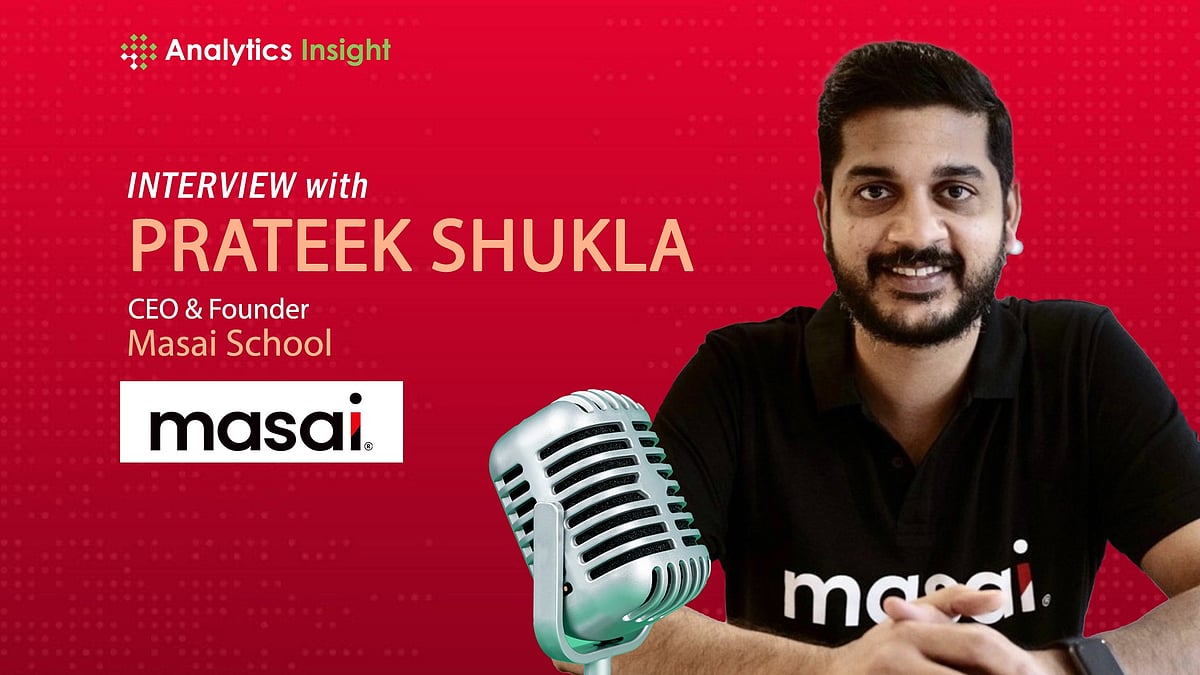
  • The Future of Work in the AI Era: Masai School’s Pratik Shukla on Jobs, Education, and Continuous Learning

    The Future of Work in the AI Era: Masai School’s Pratik Shukla on Jobs, Education, and Continuous Learning

    In a recent episode of the Analytics Insight podcast, Priya Dialani interviewed Pratik Shukla, founder and CEO of Masai School, to discuss the transformative impact of AI on the workforce, education, and the necessity of continuous learning. Shukla shared his journey from IIT Kanpur and real estate to founding an outcome-driven education platform, and offered insights on how individuals and institutions can prepare for an AI-driven future.

    How AI Will Reshape the Workforce

    Shukla believes that AI will not simply replace people but will change the tasks within existing roles. Job titles may remain, but job descriptions could evolve significantly. He emphasizes the importance of learning to work with machines rather than fearing replacement. In the future, humans will focus on the ‘why’ and ‘when,’ while AI handles the ‘how.’

    The Importance of Continuous Learning

    Continuous learning is critical as technology evolves rapidly. Shukla argues that the ability to learn is more valuable than any single technical skill. Professionals need to stay curious and aware of changes, even if they don’t master every new tool. A degree may have a shelf life, but the capacity to learn does not.

    Preparing Students for AI Careers

    Educational institutions must overhaul their approach, moving away from rote learning toward problem-solving, critical thinking, and adaptability. Students need strong fundamentals, soft skills, and the ability to handle uncertainty. They should be prepared for jobs that may not yet exist.

    New Career Opportunities from AI

    While specific future roles are unpredictable, Shukla is confident that AI will create new job categories, as every technological revolution has done. The key is to stay informed and embrace new opportunities as they arise.

    Advice for Mid-Career Professionals

    Mid-career professionals should start small by integrating AI into their work gradually. They don’t need to become experts overnight. By combining existing expertise with AI capabilities, they can remain relevant without starting over.

    Listen to the full discussion on the Analytics Insight Podcast.

  • Digital Wallets vs. Physical Cards: 7 Security Advantages You Need to Know

    Digital Wallets vs. Physical Cards: 7 Security Advantages You Need to Know

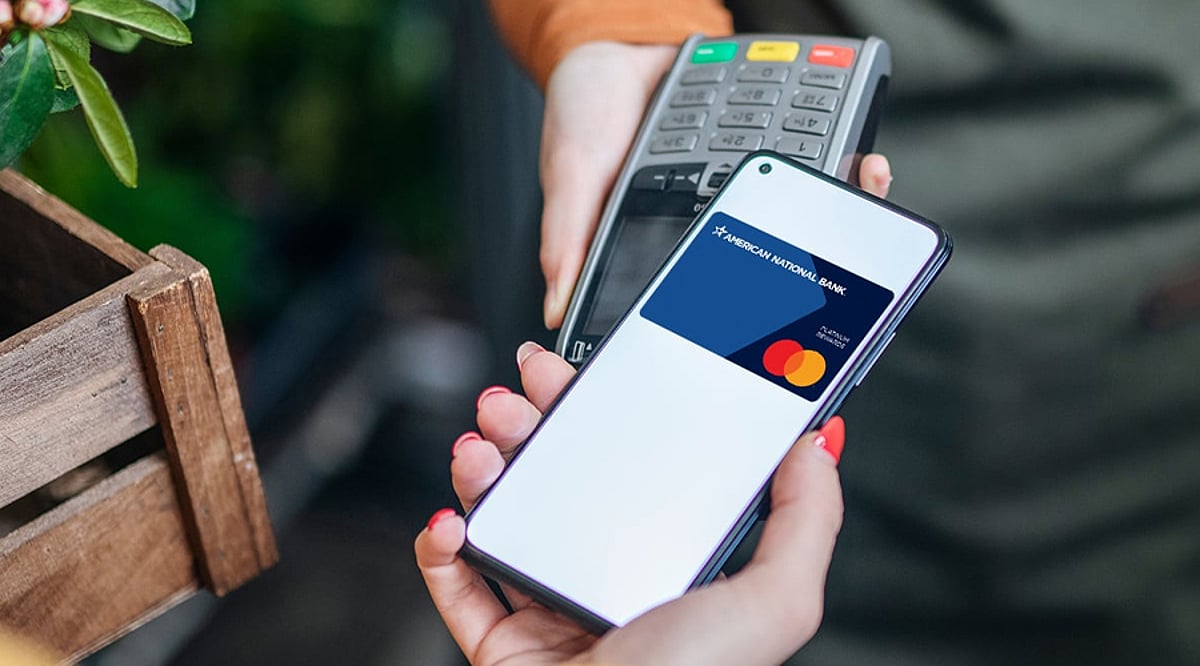
    Digital wallets are increasingly replacing physical cards for everyday payments, offering a range of security benefits that go beyond traditional methods. Here are seven key security advantages of using digital wallets over physical cards.

    1. Biometric Authentication Adds a Layer of Protection

    Digital wallets require authentication—such as Face ID, Touch ID, or a device passcode—before any payment can be made. This prevents unauthorized transactions even if someone gains access to your phone. For example, Apple Wallet mandates device authentication before using stored payment cards, providing an extra shield that many physical card transactions lack.

    2. Tokenization Protects Your Card Details

    Instead of sharing your actual card number with merchants, digital wallets use tokenization. A unique payment credential represents your card, and transactions include additional security codes. This makes stolen payment information far less valuable to attackers than an exposed physical card number, reducing the impact of potential data breaches.

    3. Reduced Risk of Card Skimming

    Digital wallets minimize exposure to traditional card skimming because you don’t need to insert a physical card into a payment terminal. Skimmers are designed to capture card data from physical transactions. Digital payments rely on tokenized credentials, although users should still be aware that fraudulent terminals can pose separate risks.

    4. Lost Phone Protection

    Losing your smartphone doesn’t automatically mean losing access to your payment cards. Device authentication prevents unauthorized use, and services like Apple Find My and Google Find My Device can help locate your phone or remotely disable wallet data. These controls give you additional options after a device is lost or stolen.

    5. Physical Cards Still Have Security Features

    Physical cards aren’t inherently unsafe. Modern chip and contactless payments also use tokenization and transaction-specific security mechanisms. However, physical cards can still be used through less secure magnetic-stripe systems in some situations. Digital wallets add another layer by keeping the physical card away from potentially compromised terminals.

    6. Digital Wallets Add Convenience

    Digital wallets let you carry payment cards on your smartphone or smartwatch instead of multiple physical cards. They also support payments within apps and online services. This convenience reduces dependence on a physical wallet while allowing you to authenticate transactions using the security controls built into your device.

    7. Security Still Depends on the Device

    While digital wallets offer strong security, users must still protect their devices. A strong passcode, updated software, and biometric authentication help reduce unauthorized access. Activate device-finding features and respond quickly if your smartphone is lost, stolen, or suspected of being compromised.

    Digital wallets provide robust security enhancements over physical cards, but they work best when combined with good device hygiene. By understanding these benefits, you can make informed choices about how to protect your payment information.

  • Varmora Granito Targets Rs. 100 Crore Faucet Acquisition Post-IPO

    Varmora Granito Targets Rs. 100 Crore Faucet Acquisition Post-IPO

    Varmora Granito Opens Rs. 708 Crore IPO

    Varmora Granito, a ceramic and vitrified tiles manufacturer, has launched its initial public offering (IPO) worth Rs. 708.02 crore. The company aims to use the proceeds to reduce debt and expand its building materials business. The IPO, which opened on September 22, 2026, combines a fresh issue of Rs. 320 crore with an offer for sale of Rs. 388.02 crore. The price band is set at Rs. 140 to Rs. 148 per share.

    Debt Repayment Strategy

    The company plans to allocate Rs. 245 crore from the fresh issue to repay borrowings and accrued interest. CFO Bhavesh Koshti stated that Varmora Granito currently has approximately Rs. 240 crore of net debt, which will be largely cleared post-IPO, allowing the company to become net cash positive. The company had invested around Rs. 450 crore in two manufacturing plants over the past two years, leading to increased inventory and working capital pressure, but inventory levels have since declined.

    Premium Tiles Driving Growth

    Varmora Granito operates eight manufacturing facilities in Morbi, Gujarat, with a total tile production capacity of 50.6 million square metres, currently utilised at about 72%. The company sold 38.34 million square metres of tiles in FY26, up from 36.12 million in FY24. Glazed vitrified tiles (GVT) have become the main growth category, contributing 84% of revenue, up from 57% three years ago. GVT volumes grew at an annual rate of 12% between FY23 and FY25.

    Faucet Acquisition and South India Expansion

    Chairman and Managing Director Bhavesh Varmora revealed plans to acquire a faucet manufacturing business with an annual turnover capacity of about Rs. 100 crore. The company currently manufactures sanitaryware but outsources faucets for its bathware division. “We have identified the targets. We are working on it. It will take another two quarters,” Varmora said. Additionally, the company is considering a joint venture in South India, following a similar arrangement in the northeast.

    IPO Subscription and Analyst Views

    As of September 22, the IPO received bids for 0.08 times the shares available. Retail investors subscribed 0.14 times their allocated portion, while non-institutional investors subscribed 0.03 times. Brokerages offered mixed reviews: Ventura gave a ‘Subscribe’ rating, citing premium products and wider distribution, while Swastika assigned a ‘Neutral’ rating due to limited valuation support for short-term listing gains. The minimum retail investment is Rs. 14,948 for 101 shares. Allotment is expected on September 25, with listing on NSE and BSE on September 29.