Author: vitorcherulli

  • iOS 27 Siri AI: Apple’s Context-Aware Assistant Makes Your iPhone More Personal

    iOS 27 Siri AI: Apple’s Context-Aware Assistant Makes Your iPhone More Personal

    With iOS 27, Apple is reimagining Siri as a context-aware AI assistant that goes far beyond simple voice commands. Instead of just setting alarms or checking the weather, Siri can now pull from your personal data, understand what’s on your screen, use the camera view, and draw on live web information to complete complex, multi-step tasks.

    Personal Context: Siri Works Across Your Apps and Data

    The biggest shift in iOS 27 is Siri’s access to personal context. On supported iPhones, Siri can search through Messages, Mail, Photos, Calendar, Notes, and other supported apps to find relevant information. Ask for photos from a Lisbon trip and Siri can retrieve them. If a family member shares a recipe in Messages and the ingredients arrive by email, Siri can pull those details into Reminders for you.

    Beyond finding information, Siri can also act on it. The assistant can draft emails, edit and share photos, add items to a grocery list, and interact with more third-party apps. Apple confirms support for WhatsApp and Audible, with additional actions for Outlook, Notability, and Tripsy arriving soon.

    Visual Intelligence: Siri Understands Your Screen and Camera

    Siri AI can see and interpret content displayed on your iPhone. Open a class note with a diagram and ask for an explanation—Siri will analyze the visible content and can take a related action. According to Apple Support, Siri AI works with images, PDFs, notes, and files through Visual Intelligence.

    The camera also becomes part of the assistant’s understanding. Siri mode in the Camera app can use the live view to answer questions, search for details, and initiate actions, such as splitting a bill and sending payments with Apple Cash or adding a custom pass to Wallet.

    World Knowledge and Conversational Continuity

    Siri AI taps into broad web knowledge to answer questions about sports scores, vacation planning, or nearby coffee shops. Responses can combine private device data with fresh public information.

    A new Siri app stores past conversations, and iCloud syncs that history across iPhone, iPad, Mac, Apple Watch, and Apple Vision Pro. You can also invoke Siri via the side button, Dynamic Island, Spotlight on iPad and Mac, and system context menus. The assistant maintains context across follow-up requests, so you can build on a task without starting over.

    Privacy and Device Requirements

    Apple says privacy remains a core part of the design. The system orchestrator uses the on-device Spotlight index and App Toolbox to keep personal data under user control. Some Apple Intelligence features rely on server-side models, which may come with daily usage limits that vary based on request complexity and system demand.

    As for compatibility, Siri AI requires an iPhone 15 Pro, iPhone 15 Pro Max, or iPhone 16 models or later. While iOS 27 installs on a wider range of iPhones, not every device gets the full Siri AI experience.

    Availability and Language Support

    Siri AI launches in English as a beta, with French, Japanese, Korean, Portuguese, and Spanish support planned for October. Apple will not initially offer Siri AI on iOS, iPadOS, and watchOS in the European Union, and the feature won’t be available in China while regulatory approvals are underway.

    FAQs

    What is new about Siri in iOS 27?

    Siri gains access to personal context, screen content, camera input, supported apps, and web knowledge, enabling more complex multi-step tasks.

    Can Siri search my personal information?

    Yes. On supported devices, Siri can find relevant information across areas such as Messages, Mail, Photos, Calendar, and Notes.

    Can Siri understand what’s on my iPhone screen?

    Yes. Siri can work with visible content such as images, PDFs, notes, files, and diagrams through Visual Intelligence.

    Which iPhones support Siri AI?

    Apple lists the iPhone 15 Pro, iPhone 15 Pro Max, and iPhone 16 models or later for the new Siri AI capabilities.

    Is Siri AI available everywhere?

    No. It launches in English beta, with additional languages planned for October. Apple says availability is initially restricted in the European Union and China.

  • What Makes Chinese EVs So Much Cheaper Than American Models?

    What Makes Chinese EVs So Much Cheaper Than American Models?

    Chinese electric vehicles have been turning heads with price tags that undercut comparable Western models by a wide margin. While government subsidies are often cited as the main reason, the real picture is more complex. A mix of battery economics, manufacturing scale, vertical integration, and a highly localized supply chain has allowed Chinese automakers to keep production costs remarkably low.

    Battery Costs Play a Decisive Role

    Battery prices are one of the biggest factors in the final price of an EV. According to the International Energy Agency (IEA), average battery-cell prices in China were more than 20% lower than in the United States and over 30% lower than in Europe. China’s enormous scale, mature supply chains, and widespread adoption of LFP (lithium iron phosphate) technology help explain this significant cost gap.

    Massive Production Scale Drives Efficiency

    Chinese manufacturers have produced EVs and batteries at volumes far beyond their global rivals. Higher production volumes lead to greater experience, better factory efficiency, and lower per-unit costs. The IEA notes that by 2024, China had produced more than six times as many EV batteries as the United States and Europe combined.

    Vertical Integration Reduces Reliance on Suppliers

    Many Chinese EV makers control far more of their production process than Western automakers. By localizing supply chains and vertically integrating key stages of manufacturing, they reduce dependence on outside suppliers. That control translates directly into lower component costs, tighter production schedules, and the ability to price vehicles very aggressively.

    Government Support Contributes, but Only Partly

    Chinese EV manufacturers have benefited from subsidies, grants, loans, and favorable access to land. Domestic buyers have also enjoyed policies such as vehicle purchase-tax exemptions. However, research cited by BGR suggests subsidies explain only a portion of the price difference. Structural advantages are doing most of the heavy lifting.

    Lower Manufacturing and Operating Costs

    Labor costs and operational efficiencies also matter. Many Chinese EV companies concentrate their manufacturing and sales within China’s highly developed domestic ecosystem. This localized approach reduces the overhead associated with globally distributed production networks and complex supply chains.

    More Than Just Cheap Cars

    The price advantage of Chinese EVs is not the result of a single factor. It comes from the combined effect of cheaper batteries, massive scale, tight supply-chain control, manufacturing efficiency, and government support. As Chinese automakers expand internationally, these structural cost advantages are becoming a central challenge for established carmakers worldwide.

  • Lanterns Episode 6 ‘Bad Optics’ Review: John Stewart Digs Up Hal Jordan’s Grave – Ending Explained

    Lanterns Episode 6 ‘Bad Optics’ Review: John Stewart Digs Up Hal Jordan’s Grave – Ending Explained

    Key Takeaways

    • John Stewart returns to Rushville, confronting Hal Jordan after ten years.
    • Guy Gardner and Carol Ferris expand the story’s connections to the wider DC universe.
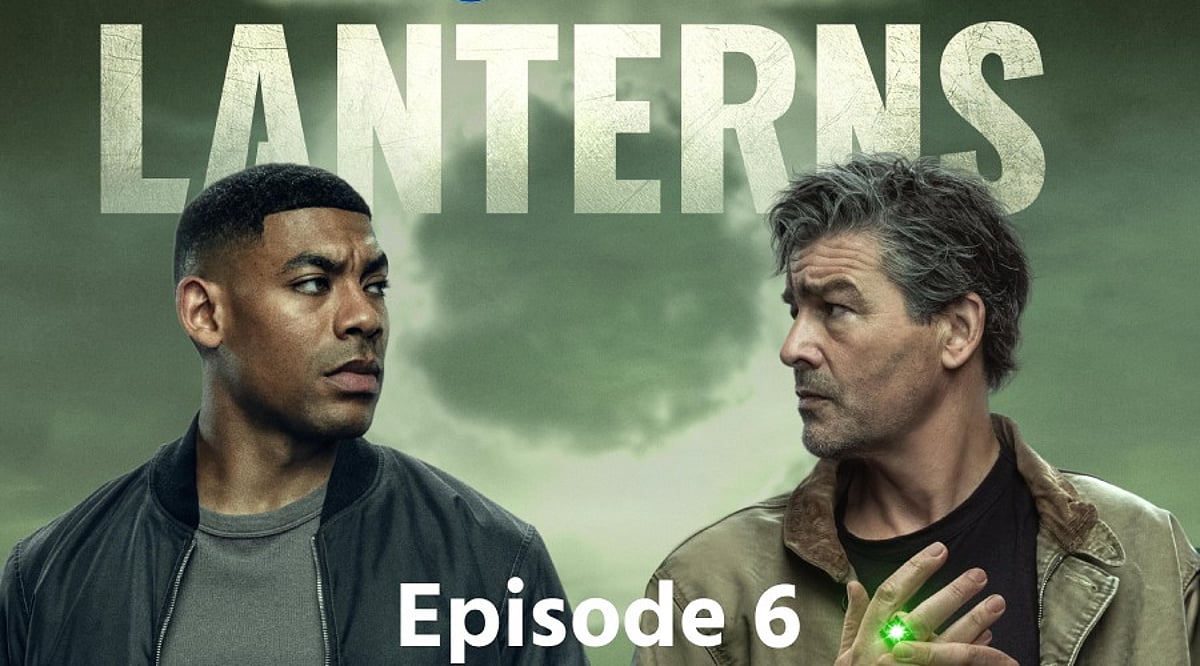
    • John steals Hal’s ring from his grave to summon a holographic version of Hal.

    Lanterns Episode 6, titled ‘Bad Optics,’ is set in 2026 and reignites the murder mystery from the series premiere. Ten years have passed since the Rushville disaster. John Stewart has left the Green Lantern Corps and built a new life. Hal Jordan has served time in prison, returned to Rushville, and tried to repair the damage from the past. Then Hal dies from a gunshot wound to the head, and John returns to investigate.

    The episode aired on September 20, 2026, and brings Nathan Fillion’s Guy Gardner into the main story. Carol Ferris also appears at Hal’s funeral. The final scene gives the episode its biggest twist: John digs up Hal’s grave, takes the Green Lantern ring from the coffin, and uses its remaining charge to summon a holographic version of Hal.

    John Stewart Returns to Rushville

    John now works as an architect with his brother. The company is seeking a major government contract to build large-scale panic rooms that could shelter thousands of people during major attacks. John has put the Green Lantern Corps behind him, at least on the surface. Rushville, however, still carries the scars from the 2016 disaster.

    Hal takes a different path. After prison, he returns to Rushville and tries to make amends. He also starts a relationship with Sheriff Kerry Kane. John meets Hal after his mother tells him that Hal wants to make peace with his former partner. The reunion fails. John punches Hal, then leaves. Soon after, Kerry calls John with news of Hal’s death.

    The autopsy finds a single 9mm shot to the head. The scene gives no clear answer about the killer, and John stays involved in the case. A young woman who witnessed the fight at the café also threatens to expose John unless he pays a large sum. Family trouble and work pressure add more strain.

    Guy Gardner and Carol Ferris Enter the Story

    Guy Gardner arrives as Earth’s current Green Lantern. John asks Guy to travel to Oa and bring back Hal’s old uniform and ring for the funeral. Guy first refuses to help investigate the murder. He says the case creates ‘bad optics’ for the Corps.

    Guy later decides to help with the funeral. The episode also reveals that Sinestro has escaped from a space prison while Hal served his sentence. That detail adds another thread to the mystery and ties the story closer to the wider DC Universe.

    Carol Ferris attends the funeral as well. Amie Mackenzie plays the character, who has a long history with Hal in DC Comics. Only John, Kerry, and Carol attend the funeral. Hal wrote his own eulogy years earlier, and John reads it at the grave. The small service creates a sharp contrast with the grand farewell Hal expected for a Green Lantern.

    Why John Digs Up Hal’s Grave

    The reason appears after the funeral. John does not dig up Hal to take the ring for himself or return to the Green Lantern Corps. He needs the ring to access the vault. Hal left a secure vault that requires his real voice. A saved voicemail cannot open it. John therefore needs another way to access the vault. The ring still has about five percent charge, enough for John to summon a stored holographic copy of Hal, known as the Halogram.

    John opens the coffin, takes the ring from Hal’s finger, and places it on his own. The ring creates the Halogram, and the digital Hal looks at the dead body before saying, ‘Goddamnit.’ The moment confirms that the Halogram can see and react to the real Hal. The episode does not explain how much memory or knowledge the copy holds.

    That detail sets up the next stage of the story. John now has a version of Hal who may provide the voice needed for the vault. The vault may hold information about Hal’s death, the Rushville disaster, or other secrets. The episode does not reveal its contents.

    What Episode 6 Changes

    ‘Bad Optics’ shifts Lanterns back toward its original murder story after the Manhunter plot reaches its end. The episode gives more attention to John’s guilt, Hal’s failed attempt at redemption, and the cost of the Rushville disaster. Den of Geek gave the episode 3.5 out of 5 and praised its focus on superhero failure. The Ringer also noted that the new DC Universe links serve the main story rather than overshadow it.

    The final scene leaves one central question open: what can the Halogram reveal? John has crossed a serious line by opening Hal’s grave, yet the choice gives the murder case a new lead. Episode 7 arrives on September 27, 2026, at 9 p.m. ET/PT on HBO and HBO Max. The eight-episode first season ends on October 4.

    FAQs

    1. Why does John Stewart dig up Hal Jordan’s grave? John needs Hal’s Green Lantern ring to activate a holographic version of Hal and potentially access a secure vault.
    2. What is the Halogram in Lanterns Episode 6? The Halogram is a stored holographic version of Hal Jordan activated through the remaining charge in his Green Lantern ring.
    3. What happens when John activates the Halogram? The holographic Hal sees his own dead body and responds with a blunt ‘Goddamnit,’ leaving questions about what the copy knows.
    4. Who is Guy Gardner in Episode 6? Guy Gardner is Earth’s current Green Lantern and becomes involved in Hal’s funeral and the aftermath of his mysterious death.
    5. What happens next in Lanterns? Episode 7 continues the investigation into Hal’s death and the secrets surrounding his vault, with the first season scheduled to conclude with Episode 8.
  • AI Workforce Planning 2027: A CHRO Playbook for Skills, Roles, and Human-AI Collaboration

    AI Workforce Planning 2027: A CHRO Playbook for Skills, Roles, and Human-AI Collaboration

    AI Is Rewriting the Workforce Planning Rulebook

    Artificial intelligence is pushing CHROs beyond headcount forecasts and toward strategic capability planning. The central question is no longer just how many employees a business will need; it is how work itself is changing and whether the workforce has the skills to make that transition successfully.

    McKinsey’s 2026 HR Monitor found that only 11% of organizations take a long-term view of workforce planning. That gap points to a larger shift: as AI changes tasks and skills, companies must plan around organizational capabilities rather than simply filling seats.

    Skills Become the Heart of AI Strategy

    Skills intelligence is becoming a core workforce planning function. AI expertise can no longer live only in technology teams; it must be understood across every business function.

    The World Economic Forum’s Future of Jobs Report 2025 projects that 39% of workers’ core skills could change by 2030. The fastest-growing skill areas include AI and big data, networks and cybersecurity, and technological literacy. Human strengths such as creative thinking, resilience, flexibility, agility, leadership, and analytical thinking will remain essential alongside these technical capabilities.

    For CHROs, this means identifying existing skills, mapping gaps, and creating pathways for employees to move into emerging roles.

    Job Roles Are Being Redesigned

    AI is creating new roles while reshaping established ones. Some organizations are hiring for dedicated AI, data, and automation positions; others are folding AI capabilities into existing business functions. According to research from the CHRO Association, HR itself is starting to build new digital, innovation, and AI capabilities, with HR business partner roles and operating models also evolving.

    Human-AI Collaboration Requires Task-Level Design

    AI adoption does not automatically eliminate jobs. More often, it automates or augments specific tasks within a role. CHROs need to examine work at the task level and decide which activities should remain human-led, where AI can provide support, and which tasks can be automated.

    Deloitte’s 2026 Global Human Capital Trends research found that only 6% of leaders say their organizations are making meaningful progress in designing human-AI interactions. That gap shows why adopting AI is only the first step; redesigning work around it is the harder, more strategic stage.

    Reskilling Becomes Continuous

    As roles evolve, organizations need systems that support continuous learning and internal mobility. The World Economic Forum estimates that 59 out of every 100 workers will need reskilling or upskilling by 2030. Employers also cite skills gaps as a major barrier to transformation.

    Rather than relying mainly on external hiring, companies can identify adjacent skills in their existing workforce and build structured learning pathways that prepare employees for new responsibilities.

    Organizational Design and Governance

    AI affects more than individual roles. It changes team structures, decision-making, and the way work is distributed across the organization. McKinsey notes that agentic AI is pushing HR leaders to redesign roles and build the architecture needed for human-agent collaboration.

    Clear governance is equally important. Employees need to know how AI will be used, which decisions will remain under human control, and how their performance will be evaluated. The CHRO Association’s 2026 survey identifies organizational readiness, workforce concerns, governance risks, and investment constraints as the main barriers to scaling AI initiatives.

    CHRO Priorities for 2027

    Gartner’s 2026 CHRO research points to workforce transformation, workforce planning, and organizational design as the key strategic areas for CHROs navigating enterprise AI adoption. To stay ahead, HR leaders should:

    • Move from precise headcount forecasting to flexible capability planning.
    • Embed skills intelligence across all business functions.
    • Design jobs at the task level for human-AI collaboration.
    • Make reskilling and internal mobility a continuous priority.
    • Establish transparent governance and build employee trust in AI.
    • Treat organizational design as a core part of AI strategy.

    By 2027, workforce planning will be less about predicting numbers and more about aligning people, skills, technology, and organizational capabilities with changing business needs.

  • The Blame Review: Michelle Keegan’s ITV Crime Drama Explores Police Culture and Accountability

    The Blame Review: Michelle Keegan’s ITV Crime Drama Explores Police Culture and Accountability

    The Blame is a six-part ITV crime drama starring Michelle Keegan and Douglas Booth. The series follows a murder investigation that gradually exposes troubling questions about police culture, silence, and accountability.

    Written By: Soham Halder
    Reviewed By: Achu Krishnan
    Published on: 22 Sep 2026, 10:30 pm
    Updated on: 22 Sep 2026, 10:30 pm

    Overview: The Blame is a six-part ITV crime drama built around the murder of 16-year-old figure skater Sophie Madsen. Michelle Keegan and Douglas Booth lead the cast as detectives investigating the case. As the investigation develops, the series moves beyond the murder itself. The drama is based on Charlotte Langley’s 2023 novel. Megan Gallagher adapted the story for television.

    The Blame is a six-part ITV crime drama starring Michelle Keegan and Douglas Booth. The story begins with the murder of 16-year-old figure skater Sophie Madsen. Her death sends detectives into an investigation filled with secrets and uncomfortable questions.

    DI Emma Crane and DI Tom Radley lead the investigation in the fictional town of Wakestead. What starts as a murder case soon becomes much more complicated. The investigation exposes troubling behavior within the police force. The series is based on Charlotte Langley’s 2023 novel of the same name. Megan Gallagher adapted it for television.

    Michelle Keegan Takes Center Stage

    Michelle Keegan gives the drama a strong emotional center as Emma Crane. Her character is determined to properly investigate Sophie’s death. However, Emma is also forced to examine her own past.

    Douglas Booth plays Tom Radley, Emma’s colleague and investigative partner. Their professional relationship adds another layer to the story. The supporting cast includes Ian Hart, Nathan Mensah, and Nigel Boyle.

    Emma is not presented as a simple hero. Her decisions and previous actions gradually come under scrutiny. This makes her more interesting as the investigation develops.

    Also Read: Google TV Adds More Free Entertainment: Here’s What You Can Watch

    The Police Culture is Part of the Mystery

    The strongest element of The Blame is how it treats police culture. The drama looks beyond who killed Sophie. It asks why warning signs were ignored in the first place. Inappropriate comments are dismissed as jokes. Colleagues remain silent when they should speak up. Emma also discovers disturbing messages exchanged by serving officers. That detail gives these scenes extra weight. The drama does not treat the problem as the work of one obvious villain. Instead, it explores how silence can allow misconduct to continue.

    A Thriller that Keeps Changing Direction

    The Blame keeps viewers questioning what they know. New information changes the way earlier events appear. The mystery also refuses to stay limited to the central murder. Flashbacks give Sophie’s character more depth. They show her life before the tragedy and make her more than just a victim. These moments slow the investigation without completely losing its momentum.

    The series also introduces doubts about Emma herself. That shift adds moral uncertainty to the story. Viewers are encouraged to question almost everyone involved.

    Strong Performances and a Serious Tone

    The performances help keep the drama grounded. Keegan carries much of the emotional pressure surrounding Emma. Booth brings another perspective to the investigation.

    The writing also avoids turning every scene into a conventional crime mystery. A social drama runs beneath the investigation. The two elements generally work well together. The result can be uncomfortable at times. However, that discomfort feels deliberate rather than excessive.

    Also Read: September 2026 OTT Releases: 5 Crime, Thriller, Drama Series to Watch

    The Blame Review: Final Thoughts

    The Blame is more than a conventional murder mystery. Its central investigation provides the suspense, but the questions around police culture give it greater depth. The six-part drama works best when it keeps the mystery and social commentary moving together. It also benefits from a complicated central character and strong performances.

    For viewers who enjoy British crime dramas with serious themes, The Blame offers plenty to discuss. The case may eventually reach its conclusion, but the questions surrounding the institution remain much harder to settle.

    Where to watch: The Blame is available on ITV and ITVX in the UK.

    You May Also Like

    FAQs

    What is The Blame about?

    The Blame follows detectives DI Emma Crane and DI Tom Radley as they investigate the murder of 16-year-old figure skater Sophie Madsen. The case initially appears to be a straightforward murder investigation. However, the detectives gradually uncover secrets and troubling issues within the police force.

    Who stars in The Blame?

    Michelle Keegan and Douglas Booth lead the cast of The Blame. Keegan plays DI Emma Crane, while Booth portrays DI Tom Radley, her investigative partner. The supporting cast includes Ian Hart, Nathan Mensah, and Nigel Boyle, adding further depth to the crime drama.

    Is The Blame based on a book?

    Yes, The Blame is based on Charlotte Langley’s 2023 novel of the same name. The story was adapted for television by Megan Gallagher. The television version retains the central murder investigation while expanding its focus on police culture and institutional issues.

    How many episodes does The Blame have?

    The Blame is a six-part ITV crime drama. The six-episode format allows the investigation to develop gradually. It also gives the story space to explore the characters, the murder case, and the wider questions surrounding police behavior and accountability.

    Is The Blame a crime thriller or drama?

    The Blame combines elements of a crime thriller and police drama. The murder investigation provides the suspense, while the characters and institutional themes add a more serious dramatic layer. The series also uses flashbacks to give greater context to Sophie’s life.

  • Crypto ETFs in 2026: Bitcoin Funds Expand Into XRP, Solana, Staking, and Active Strategies

    Crypto ETFs in 2026: Bitcoin Funds Expand Into XRP, Solana, Staking, and Active Strategies

    Cryptocurrency exchange-traded products have evolved considerably since the first spot Bitcoin ETFs launched in early 2024. By 2026, investors can choose from ETFs tracking Bitcoin, Ethereum, XRP, Solana, and other digital assets — plus staking-enabled funds, multi-asset indexes, and actively managed crypto portfolios. Regulatory changes have also made it easier for issuers to bring new products to market.

    Bitcoin and Ethereum Were Just the Beginning

    US spot Bitcoin ETFs set the model in January 2024, followed by spot Ethereum products later that year. Those products gave investors exposure to crypto prices through traditional brokerage accounts, without needing to manage wallets or private keys.

    By 2026, the lineup has widened sharply. Franklin Templeton offers Bitcoin, Ethereum, XRP, and Solana ETFs alongside its Crypto Index ETF. As of September 15, its XRP ETF held roughly USD 363.11 million in net assets, while its Bitcoin ETF held about USD 421.22 million.

    Bitwise’s September 2026 lineup also spans multiple assets, including Bitcoin, Ethereum, XRP, Solana, and Chainlink ETFs — another sign that exchange-traded crypto exposure now extends well beyond the two largest cryptocurrencies.

    Staking and Active Management Change the Product Mix

    The expansion isn’t just about adding more coins. Some new ETFs incorporate crypto-native features. Franklin Templeton’s Solana ETF, for example, seeks to track SOL while staking as much of the fund’s Solana as practicable, up to 100%, and lists a monthly distribution frequency. That marks a structural shift from spot-only products.

    Active management has also arrived. The SEC approved the listing of the T. Rowe Price Active Crypto ETF in June 2026. Its prospectus describes an actively managed ETP that aims for long-term capital growth through eligible crypto assets, rather than passively tracking a single cryptocurrency.

    SEC Rule Changes Accelerated ETF Expansion

    A major regulatory milestone came in September 2025, when the SEC approved generic listing standards for qualifying commodity-based ETPs holding spot commodities, including digital assets. Products meeting these standards can now be listed without exchanges submitting an individual Section 19(b) proposed rule change for each product. The SEC simultaneously approved the Grayscale Digital Large Cap Fund for exchange listing.

    Earlier, in July 2025, the SEC permitted in-kind creations and redemptions for crypto ETPs. Authorized participants can now exchange underlying crypto assets for ETP shares instead of relying solely on cash creation and redemption.

    ETF Flows Show Capital Spreading Across Assets

    Recent flows show investors are no longer choosing only between Bitcoin and Ethereum. According to SoSoValue, on September 21, 2026, US Bitcoin ETFs saw roughly USD 998 million in net outflows, Ethereum ETFs added USD 269 million, Solana ETFs added USD 26.10 million, and US ZEC ETF added USD 2.6 million. XRP products recorded no new capital that day.

    These numbers show that ETF flows can be a useful gauge of capital movement, but a single session shouldn’t be read as a long-term institutional-demand trend.

    Derivatives Infrastructure Is Growing Alongside ETFs

    Institutional crypto exposure is also expanding through regulated derivatives. CME Group reported cryptocurrency average daily volume of 175,000 contracts in August 2026, representing USD 12 billion in daily notional value.

    ETFs and derivatives increasingly complement each other in traditional finance: ETFs offer packaged investment exposure, while futures and options support hedging, price discovery, and risk management.

    Why This Matters

    Crypto ETFs have moved from simple Bitcoin wrappers to a broader investment category covering multiple assets, staking, and active strategies. That gives traditional investors more ways to access crypto and pushes digital assets deeper into established portfolio infrastructure.

    Final Thoughts

    By 2026, cryptocurrency ETFs have evolved well beyond Bitcoin and Ethereum to include XRP, Solana, diversified indexes, and actively managed strategies. Regulatory standardization has accelerated product development, but crypto ETFs still carry volatility, management fees, and tracking risks — and they lack many functions available through direct ownership of native tokens.

    FAQs

    How have cryptocurrency ETFs changed in 2026?

    Crypto ETFs have expanded beyond Bitcoin and Ethereum to include exposure to assets such as XRP and Solana. The market now also includes multi-asset, staking-enabled, and actively managed products, offering more diversified ways to access digital assets.

    What changed with US crypto ETF listing rules?

    In September 2025, the SEC approved generic listing standards for qualifying commodity-based ETPs, including digital-asset products. Eligible products can now be listed without the same individual Section 19(b) proposed rule-change process used for many earlier launches.

    Can cryptocurrency ETFs generate staking rewards?

    Some newer products incorporate staking. Franklin Templeton’s Solana ETF, for instance, states that it seeks to stake as much of its SOL holdings as practicable, showing how ETF structures are beginning to include crypto-native yield mechanisms.

    Why are cryptocurrency ETF flows important?

    ETF flows show how much capital is entering or leaving exchange-traded crypto products during a given period. They provide insight into investor allocation trends, although a single day of inflows or outflows does not establish a longer-term trend.

    What risks remain when investing through cryptocurrency ETFs?

    Crypto ETFs simplify brokerage access and custody but do not eliminate the underlying volatility of cryptocurrencies. Investors can also face management fees, tracking differences, and market risks, while ETF shares generally lack the on-chain functionality available through directly held tokens.

  • Master Your Android: A Complete Guide to Changing Default Apps for Browser, Messaging, Camera & More

    Master Your Android: A Complete Guide to Changing Default Apps for Browser, Messaging, Camera & More

    Android phones ship with a set of default apps for browsing, messaging, calling, and more. Most people never bother changing them, but customizing these defaults can make your phone feel truly personal. Whether you prefer a different browser, a dedicated gallery app, or a specific messaging service, switching defaults takes only a few taps. This guide explains where to find these settings, how to change them, and why it matters more than most users realize.

    What Default Apps Actually Are

    Every Android phone assigns a default app to handle common actions—opening a web link, sending a text, viewing a photo. When you tap a link in an email, the phone needs to know which browser should open it. That decision comes from the default app setting. Without a default set, Android sometimes asks you to pick an app every single time, which gets tiring fast. Setting a clear default removes that repeated prompt and speeds up everyday tasks like opening links, dialing numbers, or viewing images.

    Where to Find Default App Settings

    The exact path varies slightly by phone brand, but the core steps are the same across most Android devices. Open the Settings app, scroll down, and tap Apps. Inside this menu, look for Default apps—on Samsung and Xiaomi it may be under a submenu called Advanced or App Management. Tapping this opens a full list of categories: browser, phone, SMS, gallery, and digital assistant. Here you can see exactly which app currently handles each task.

    Changing a Default Browser, Messaging, or Camera App

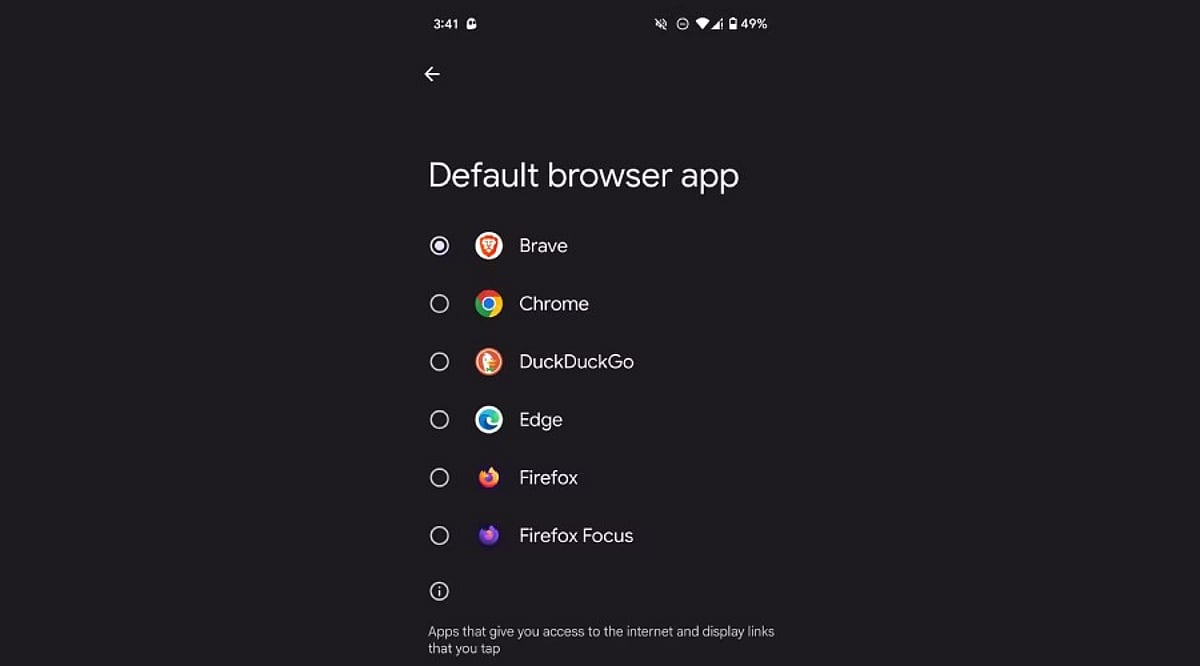
    Switching a default app takes just a few taps. Select the category you want to change, such as Browser app, and a list of every compatible installed app appears. Tap the desired app—like Chrome, Firefox, or Brave—to set it as the new default immediately. The same process works for messaging apps (WhatsApp, Google Messages) and camera or gallery apps. Android applies the change instantly, so the very next link, text, or photo opens through the newly chosen app without needing a restart.

    Handling Default Apps for Specific File Types and Links

    Beyond the main categories, Android lets you control which app opens specific file types or web links—known as “Opening links” settings. This sits inside each app’s settings page rather than the general Default apps menu. For instance, you can choose whether Instagram links always open in the Instagram app or default to a browser instead. This level of control matters if you juggle multiple similar apps, like two PDF readers or note-taking tools, since it avoids constant pop-ups asking which to use.

    Why Setting the Right Defaults Matters

    Choosing the right default apps affects daily convenience far more than people expect. A slow default browser adds unnecessary loading time to every link you tap. A messaging app that isn’t the default might cause missed notifications if messages route through another service. Privacy also plays a role—some apps collect more data than others, and picking a privacy-focused default browser or keyboard reduces exposure. For professionals relying on specific tools for calls, calendars, or file management, correct defaults keep workflows smooth without repeated interruptions.

    A Quick Recap for Everyday Use

    Changing default apps on Android takes only a minute but improves the overall experience noticeably. Open Settings, head to Apps, then Default apps, and pick your preferred option for each category. Beyond the basics, checking individual app link settings adds another layer of control for anyone using multiple apps that serve similar purposes. This small adjustment—across browsers, messaging, camera, and file handling—adds up to a phone that behaves exactly the way you want, cutting down on unnecessary taps and confusing pop-ups. Taking a few minutes to set these preferences correctly makes a real difference in how smooth and personal your Android phone feels every day.

    Frequently Asked Questions

    Where exactly are default app settings located on Android?

    Default app settings live inside the main Settings app. Open Settings, scroll down to Apps, and look for an option called Default apps. On some brands like Samsung or Xiaomi, this option sits inside a submenu named Advanced or App Management. Once inside, a full list shows categories like browser, phone, SMS, gallery, and digital assistant, each showing the app currently handling that task.

    Can users change the default browser without uninstalling the old one?

    Yes. Switching the default browser does not require removing any other browser. Inside the Default apps menu, selecting the Browser app category shows every compatible browser installed. Tapping a different option—such as Firefox or Brave—instantly sets it as the new default, while the old browser stays installed and available whenever needed.

    Why does Android keep asking which app to open a link with?

    This repeated prompt usually appears when no default app has been set for that category, or when multiple apps handle the same file type without a clear preference. Setting a proper default through the Default apps menu removes this pop-up for general categories. For specific links (like Instagram or YouTube URLs), you may also need to check that app’s individual “Opening links” setting to stop the recurring prompt.

    Does changing default apps affect phone performance or battery life?

    Changing default apps mainly affects convenience rather than overall performance or battery life. A faster default browser or messaging app can make everyday tasks feel quicker due to less friction from selection prompts, but the difference in actual battery usage or system performance is minimal. The bigger benefit shows up in daily experience—links, texts, and photos open through your preferred app right away without extra taps or delays.

    Is it possible to reset all default apps back to original settings?

    Most Android phones allow you to reset app preferences through a single option, usually found at the bottom of the Default apps or App Management screen, sometimes labeled “Reset app preferences.” Tapping this clears every custom default you’ve set, and the phone goes back to prompting for a choice the next time an action like opening a link or file happens. This works well for troubleshooting a default app that stopped working correctly or for starting fresh.

  • Ultimate Guide to Enhancing Xbox Series X Audio: Settings, Soundbars, and Headsets

    Ultimate Guide to Enhancing Xbox Series X Audio: Settings, Soundbars, and Headsets

    The Xbox Series X is capable of delivering far better sound than what most standard TV setups provide. The secret lies in the audio chain—not just cranking up the volume. With the right HDMI configuration, a suitable spatial audio format, and quality hardware, you can enjoy clearer dialogue, deeper bass, and more precise directional effects.

    Key Takeaways

    • Choose the correct audio format: Dolby Atmos or DTS:X for home theater systems; one spatial format for headphones.
    • Upgrade your hardware: Soundbars with rear and height speakers enhance surround effects, while quality headsets improve directional detail.
    • Keep the audio chain clean: Use direct HDMI connections, avoid overlapping surround processing, and tune placement and EQ for your room and games.

    Set the Xbox Audio Format First

    Navigate to Settings > General > Volume & audio output. For a Dolby Atmos soundbar or AV receiver, select Dolby Atmos for home theater under HDMI audio. DTS:X is also an option for compatible gear. Microsoft notes that these choices may prompt downloads of the Dolby Access or DTS Sound Unbound apps. Use the Audio testing & details feature to see which formats your connected setup supports.

    A direct HDMI connection is best for home theater systems. Since the Xbox Series X lacks an optical audio output, older soundbars that rely on optical will need an alternative path—such as HDMI eARC from a compatible TV—to pass advanced audio formats.

    Pick One Spatial Format for Headphones

    Xbox Series X offers three spatial audio options for headphones: Windows Sonic for Headphones (free), Dolby Atmos for Headphones, and DTS Headphone:X (both paid). You don’t need a dedicated Atmos headset; the console processes spatial audio for any compatible headphones. Avoid using multiple surround effects simultaneously—a clean stereo headset with a single spatial format yields clearer directional cues than a headset with several active virtual surround modes.

    Choose a Soundbar With Real Surround Hardware

    While a basic soundbar improves upon TV speakers, hardware layout matters for gaming. Models with height drivers and discrete satellite speakers—like the Samsung HW-Q990F (11.1.4 channels) or the JBL Bar 1000MK2 (7.1.4 channels)—create a stronger sense of vertical space and surround detail. For a budget option, the Hisense AX5140Q offers a 5.1.4 design with four height drivers.

    Match the Headset to Xbox

    Premium choices like the SteelSeries Arctis Nova Pro Wireless include 2.4GHz wireless, Bluetooth, a DAC hub, hot-swappable batteries, and Dolby Atmos support. The Turtle Beach Stealth 500 is a lower-cost alternative with similar wireless features and a 40-hour battery life. A soundbar with rear speakers suits shared rooms and large-screen gaming; a headset is better for late-night or private sessions where subtle directional sounds matter.

    Tune the Room and EQ

    Room placement affects Atmos performance more than any menu setting. Ensure height speakers have clear space above, and rear speakers are positioned correctly. Room correction (available on models like the Samsung HW-Q990F) helps adapt the sound to your space. For competitive games, reduce excessive bass to avoid masking footsteps and reload cues; for story games, a fuller low end adds weight to explosions and environmental effects.

    Build a Cleaner Xbox Audio Chain

    The optimal setup starts in the Xbox audio menu, travels through the HDMI path, and ends at your speakers or headset. Use Dolby Atmos for home theater gear, and one of the three spatial formats for headsets. The right soundbar adds physical surround and height hardware, while the right headset reveals small directional details. The goal: a clean signal path with the correct format, sensible placement, and only one active spatial audio system at a time.

    Frequently Asked Questions

    What is the best audio setting for Xbox Series X?

    For home theater equipment, Dolby Atmos for home theater is a strong option. For headphones, choose Windows Sonic, Dolby Atmos for Headphones, or DTS Headphone:X.

    Does Xbox Series X support optical audio?

    No. The Xbox Series X|S does not have an optical audio output. Use HDMI, USB, or controller-based connections as needed.

    Do I need a Dolby Atmos headset for Xbox Series X?

    No. Dolby Atmos for Headphones is processed by the console and works with any compatible headphones.

    Is a soundbar or headset better for Xbox gaming?

    A soundbar with rear speakers works well for shared-room gaming and immersive sound; a headset is better for private gaming and detailed directional cues.

    Should I use multiple surround sound modes at once?

    Generally, no. Combining Xbox spatial audio with additional virtual-surround processing can blur directional cues and reduce clarity.

  • Rolls-Royce Share Price Analysis: Stock Nears 1,500 Pence on Strong Momentum and Upgraded Profit Forecasts

    Rolls-Royce Share Price Analysis: Stock Nears 1,500 Pence on Strong Momentum and Upgraded Profit Forecasts

    Key Takeaways

    • Rolls-Royce shares reached 1,502.2 pence, with 1,510.0 pence as the next key resistance level.
    • The company raised its 2026 core profit target to EUR 4.7–4.9 billion, up from EUR 4.0–4.2 billion.
    • RSI at 68.70 indicates strong short-term momentum, with 1,494.2 pence as a nearby support level.

    Price Movement Reaches a Key Zone

    Rolls-Royce Holdings shares are trading near the 1,500 pence mark after a sharp rebound. A 15-minute TradingView chart taken at 11:45 a.m. India time on September 22 shows the stock at 1,502.2 pence, with an open of 1,499.0, a high of 1,502.8, a low of 1,498.4, and a gain of 3.4 pence (0.23%). The recovery from a low of 1,439.8 pence has pushed the stock through several levels: 1,472.0, 1,481.4, 1,484.0, and 1,494.2. The next notable resistance level lies at 1,510.0 pence.

    RSI Reflects Strong Momentum

    The lower chart panel shows a Relative Strength Index (RSI) of 68.70, well above its moving average of 59.33. The RSI has climbed from the low 30s to the upper 60s during the recent rally, confirming strong short-term upward force. A move above 70 would signal even stronger momentum, while a drop below 59.33 would indicate waning strength.

    Volume Adds Context

    Part-session volume stands at 411,940 shares at the time of the snapshot. Recent full-session figures include 36.28 million shares on September 18, 35.25 million on September 16, and 24.16 million on September 21, when the stock closed at 1,504.80 pence after a 3.78% gain. Final daily volume will be important to confirm the strength of the move.

    Higher 2026 Targets Support the Bull Case

    Rolls-Royce reported a 46% rise in first-half underlying operating profit to GBP 2.5 billion and free cash flow of GBP 2.0 billion. The company raised its 2026 core profit target to GBP 4.7–4.9 billion from GBP 4.0–4.2 billion, and its free cash flow range to GBP 3.8–4.0 billion from GBP 3.6–3.8 billion. The company completed GBP 1.4 billion of its planned GBP 2.5 billion 2026 share buyback by mid-year. Stronger long-term service agreement margins, contract catch-ups in Civil Aerospace, better power-generation profit, and stronger Defense aftermarket profit were cited as key drivers.

    New Aerospace and Defense Projects

    On September 18, the EU’s Clean Aviation program selected Rolls-Royce’s German unit to lead the ELEVATED project, which targets a hybrid-electric gas-turbine propulsion system for future short- to medium-range aircraft. The project aims for at least a 20% reduction in aircraft-level CO2 emissions. The company also completed a USD 1 billion investment in its Indiana facility, received U.S. Navy certification for MTU engines in autonomous naval vessels, and announced a strategic intent with Reliance Industries to develop an indigenous combat engine for India’s Advanced Medium Combat Aircraft program. The nuclear small modular reactor business continues to win competitive tenders, and the company paid an interim dividend of 6.0 pence, up from 4.5 pence a year earlier.

    Key Levels to Watch

    The immediate chart range is between 1,494.2 and 1,510.0 pence. A hold above 1,494.2 would keep the recent structure intact, while a break above 1,510.0 would bring the stock closer to its 52-week high of 1,585.20 pence. On the downside, a fall through 1,484.0 and 1,481.4 would shift focus to 1,472.0 and 1,460.2. Traders should monitor daily volume and the RSI trend for the clearest short-term signals.

    FAQs

    What is the latest Rolls-Royce share price? The TradingView snapshot shows 1,502.2 pence at 11:45 a.m. India time on September 22, 2026.

    What is the next key resistance level? The chart shows 1,510.0 pence as the next major level above the current price.

    What is Rolls-Royce’s 2026 profit target? Rolls-Royce raised its 2026 core profit target to EUR 4.7–4.9 billion.

    What does the RSI indicate? The RSI stands at 68.70, reflecting strong recent price momentum.

    What key levels should traders watch? The chart highlights 1,510.0, 1,494.2, 1,484.0, 1,481.4, and 1,472.0 pence as important reference levels.

  • Fixed Deposit Return Calculator: How to Estimate Your Maturity Amount

    Fixed Deposit Return Calculator: How to Estimate Your Maturity Amount

    A Fixed Deposit (FD) return calculator helps investors estimate the amount they will receive at maturity based on the deposit amount, interest rate, and tenure. By processing these inputs, the calculator provides a clear picture of the total payout, including both principal and interest. It also allows depositors to compare different tenures and payout options without changing the principal amount, making it easier to understand how each variable affects returns.

    What Is a Fixed Deposit Maturity Figure?

    The maturity figure is the total amount payable when a cumulative fixed deposit completes its chosen tenure. This figure includes the original deposit and the interest accumulated over the investment period. For example, an investor who deposits Rs. 1 lakh will receive the principal plus applicable interest at maturity, depending on the annual rate, tenure, investor category, and interest calculation method.

    For non-cumulative deposits, interest is paid out periodically, and the principal is returned at maturity. In this case, the calculator may show periodic income instead of a single combined maturity amount.

    Details Required to Calculate FD Returns

    A return calculation requires several connected inputs. The accuracy of the estimate depends on the following details:

    • Deposit Amount: The principal invested at the beginning. For instance, Bajaj Finance Fixed Deposit accepts investments starting from Rs. 15,000.
    • Investor Category: Customers below 60 years and senior citizens may receive different applicable interest rates.
    • Deposit Tenure: Investors can select a tenure between 12 and 60 months for Bajaj Finance Fixed Deposit.
    • Applicable Rate: The rate varies according to tenure, investor age, and payout option.
    • Payout Frequency: Investors can choose cumulative, monthly, quarterly, half-yearly, or annual payouts.

    Using accurate inputs is essential. Even a small change in the applicable rate or tenure can significantly affect the calculated maturity value.

    How the Calculator Converts Inputs into Returns

    The calculator starts with the principal and applies the annual interest rate for the selected tenure. Under the cumulative option, interest remains within the deposit and contributes to the maturity amount. A longer tenure allows the principal to earn interest over an extended period. Where compounding applies, interest already added to the deposit can also earn additional interest in subsequent periods.

    The general relationship is:

    Maturity Amount = Principal + Total Interest Earned

    The exact calculation depends on the product terms, tenure, and interest calculation method. An online calculator performs this process automatically, providing an estimate without manual calculations.

    Step-by-Step Guide to Using an FD Return Calculator

    Investors can follow these steps to estimate a maturity figure:

    1. Enter the Investment Amount: Add the principal you plan to deposit.
    2. Select the Investor Type: Choose whether the investor is below 60 or a senior citizen.
    3. Choose the Tenure: Select an investment period between 12 and 60 months.
    4. Select the Payout Option: Choose cumulative returns for a maturity figure or periodic payouts for regular income.
    5. Review the Applicable Interest Rate: Check that the rate matches the selected investor category, tenure, and payout frequency.
    6. View the Estimated Result: Note the expected interest earnings and maturity amount.
    7. Compare Alternatives: Change one input at a time to assess how the result changes.

    Keeping the deposit amount constant while changing the tenure provides a clearer comparison of time-based returns.

    How Tenure Influences the Maturity Figure

    Tenure affects both the applicable rate and the period for which the principal earns interest. Bajaj Finance Fixed Deposit has three main cumulative interest-rate bands for deposit amounts from Rs. 15,000 to Rs. 3 crore. Moving from 14 months to 15 months, for example, places the deposit in a higher rate band. Similarly, selecting 24 months instead of 23 months provides access to the next applicable cumulative rate.

    Within the 24-to-60-month band, the annual rate remains the same for a particular investor category. However, a longer tenure may produce a larger maturity amount because the investment earns interest for more time. Interest rates can change, so investors should confirm the latest applicable rates before booking a deposit.

    How Investor Type Affects the Calculation

    Bajaj Finance Senior Citizen Fixed Deposit offers extra interest to those over the age of 60, up to a maximum of 0.35 per cent for deposits with a tenure of 24 to 60 months. For individuals under 60, the interest rate applicable for a 24-to-60-month fixed deposit is 6.95 per cent. If the deposit amount and tenure are the same, the extra interest rate offered to senior citizen depositors results in higher maturity amounts.

    It is important to select the correct age category to avoid confusion and ensure the calculation uses the right interest rate.

    Cumulative vs Non-Cumulative Terminal Cash Analysis

    The payout option chosen for a term deposit affects the numbers shown by the calculator. With the cumulative option, the total amount, including principal and interest, becomes payable to the investor at maturity. Those opting for the non-cumulative option will receive interest on a monthly, quarterly, half-yearly, or annual basis. The calculator can provide the expected amount of cash received along with the total interest paid. For example, the interest payable is 6.74 per cent for those under 60 opting for monthly payouts.

    Why the Displayed Figure Is an Estimate

    The calculation is based on the entered values and the rate available when the estimate is generated. The final amount depends on the terms confirmed at the time of booking. Taxes can also influence the amount received by the investor, as interest earned is generally taxable according to applicable income-tax provisions. Tax deducted at source may apply when the interest crosses the relevant statutory threshold.

    Premature withdrawal can also change the expected return because the initial estimate assumes the deposit will continue until maturity.

    Premature Withdrawal Conditions to Consider

    Bajaj Finance Fixed Deposit generally does not allow premature withdrawal during the first three months. Specified exceptions may apply in cases such as death, medical emergencies, critical illness, or natural calamities. For withdrawal after three months but before six months, no interest is payable. If withdrawal takes place after six months and before maturity, the payable interest is generally 2% lower than the applicable rate for the completed period.

    Deposits of up to Rs. 10,000 may be withdrawn without interest. Selecting an appropriate tenure can reduce the possibility of closing the deposit before maturity.

    Comparing FD Rates Before Investing

    Investors can use the calculator to compare FD rates across different tenure bands and payout frequencies. The comparison should use the same principal so that differences in the estimated results remain clear. The highest available annual rate may not always match the investor’s financial timeline. When comparing FD rates, investors should also consider the maturity date, payout requirements, liquidity needs, and premature withdrawal conditions.

    Conclusion

    A return calculator translates the principal, applicable rate, and tenure into an estimated maturity amount or periodic interest figure. This helps investors evaluate the likely outcome before booking a Bajaj Finance Fixed Deposit. Before investing, verify the latest FD rates and compare several suitable tenure and payout combinations. The selected option should support the required maturity amount while remaining aligned with the investor’s financial goal and expected need for liquidity.