Author: vitorcherulli

  • Solana Marks 30 Months Without a Full Outage—But Infrastructure Risks Remain

    Solana Marks 30 Months Without a Full Outage—But Infrastructure Risks Remain

    Solana’s Uptime Streak: A New Reliability Milestone

    Solana has long been criticized for network outages. In 2026, that reputation is being revised. According to the Solana Foundation, the blockchain has now recorded 100% uptime since February 2024 — roughly 30 straight months without a full network outage. The milestone was announced on September 14, 2026.

    This is a significant departure from the network’s earlier years, when software bugs, congestion, and validator coordination problems repeatedly interrupted block production.

    Why August 2026 Was a Stress Test

    On August 12, 2026, a routing failure at infrastructure provider TeraSwitch temporarily took 28.83% of staked SOL offline. According to Solana Compass, 90 validators were unavailable for about 33 minutes. That brought the network within roughly 4.5 percentage points of the threshold where finality would have stopped.

    Despite the severity, Solana kept producing blocks, transactions continued to land, and finality was never interrupted. The infrastructure provider reportedly recovered within 30 minutes.

    Infrastructure Concentration Remains a Vulnerability

    The incident exposed a less visible risk: many validators may be independent, but they often rely on the same physical infrastructure. The Solana Foundation noted that TeraSwitch had previously hosted about 38% of network stake before efforts reduced that share to under 30%.

    Diversifying hosting, networking, and data center dependencies is essential to prevent a single routing or connectivity failure from affecting a large portion of the network.

    Performance Gains Raise the Bar

    Solana is also increasing capacity. Its August ecosystem report says target slot time dropped from 400 milliseconds to 300 milliseconds after two reductions during the month.

    The network processed a record 216 million non-vote transactions in a single day and 1.32 billion non-vote transactions from August 17–23. It also reported more than USD 4.28 billion in real-world assets held across over 596,126 addresses.

    These milestones increase the importance of reliability, as more real-world financial activity depends on continuous settlement.

    Are There Any Current Solana Network Issues?

    As of September 16, 2026, Solana’s official updates do not report a full network outage. The August incident disrupted validator infrastructure but did not halt the blockchain.

    Users should remember the distinction between network-wide availability and isolated issues involving wallets, exchanges, RPC endpoints, or decentralized applications.

    Final Thoughts

    Solana’s reliability record has improved dramatically, with no full outage reported since February 2024.

    The real test will be whether it can keep that record while transaction throughput, tokenized assets, and payment activity continue to expand.

    Frequently Asked Questions

    Is the Solana network currently experiencing an outage?

    As of September 16, 2026, Solana’s official updates do not report a full network outage. Individual wallets, exchanges, RPC providers, or applications can still experience isolated disruptions while the blockchain remains operational.

    When was Solana’s last major network outage?

    Solana’s last full network outage occurred in February 2024. The Solana Foundation says the blockchain has maintained about 30 consecutive months of uninterrupted network operation since then.

    What happened to Solana in August 2026?

    A routing failure at infrastructure provider TeraSwitch temporarily took nearly 29% of staked SOL offline. Solana continued producing blocks, processing transactions, and maintaining network finality throughout the incident.

    Why is infrastructure concentration a risk for Solana?

    Independent validators can still depend on the same hosting or networking providers. If too much stake relies on one provider, a major infrastructure failure could affect a significant portion of validators at the same time.

    How much transaction activity is Solana processing?

    Solana recorded a record 216 million non-vote transactions in a single day during August 2026. Weekly non-vote transactions reached 1.32 billion from August 17–23, providing a significant test of network capacity.

  • Alpha Gang: Plot, Cast, and Key Details About the Sci-Fi Comedy

    Alpha Gang: Plot, Cast, and Key Details About the Sci-Fi Comedy

    What Is Alpha Gang About?

    Alpha Gang is a sci-fi comedy directed by David and Nathan Zellner. The story follows a group of alien invaders sent to Earth with one goal: conquer the planet. Disguised as a dangerous 1950s biker gang, they appear ready for battle until human emotions begin changing their plans.

    Cate Blanchett Leads the Alien Gang

    Cate Blanchett stars as Alpha One, the head of the alien group. Her character is at the center of the invasion mission and the gang’s unusual experience with human emotions. Blanchett also serves as one of the film’s producers, adding another role to her involvement.

    Chris Pine Joins the Cast

    Chris Pine is one of the major stars in Alpha Gang. He joins Blanchett alongside a large ensemble that includes Dave Bautista, Léa Seydoux, Lily-Rose Depp, Bae Doona, and Kelvin Harrison Jr. Available cast information confirms the main performers, but details on individual characters remain limited.

    Dave Bautista and Léa Seydoux

    Dave Bautista and Léa Seydoux are part of the film’s alien ensemble. Bautista brings action-film experience from projects such as Guardians of the Galaxy and Dune, while Seydoux adds another major name to the unusual science‑fiction comedy. Their exact character roles have not been widely detailed.

    The Gang Faces a Strange Problem

    The aliens arrive with a straightforward mission to conquer Earth, but their plans begin to fall apart when they experience human emotions. Feelings become their unexpected weakness, turning the invasion into a strange battle between their original mission and their growing connection to humanity.

    Who Directed Alpha Gang?

    David Zellner and Nathan Zellner directed Alpha Gang, with David Zellner also credited as the screenwriter. The brothers are known for unusual and offbeat films, and their latest project mixes science fiction with comedy, aliens, and a 1950s biker aesthetic.

    What Makes Alpha Gang Different?

    Alpha Gang combines an alien invasion story with an unexpected comedy setup. Instead of presenting extraterrestrials only as powerful threats, the film explores what happens when they start developing emotions. Its biker‑gang look, star‑studded cast, and unusual premise make the movie stand out within the sci‑fi comedy space.

  • MediaTek Dimensity 9600 Pro: The Next Leap in AI-Powered Flagship Chips

    MediaTek Dimensity 9600 Pro: The Next Leap in AI-Powered Flagship Chips

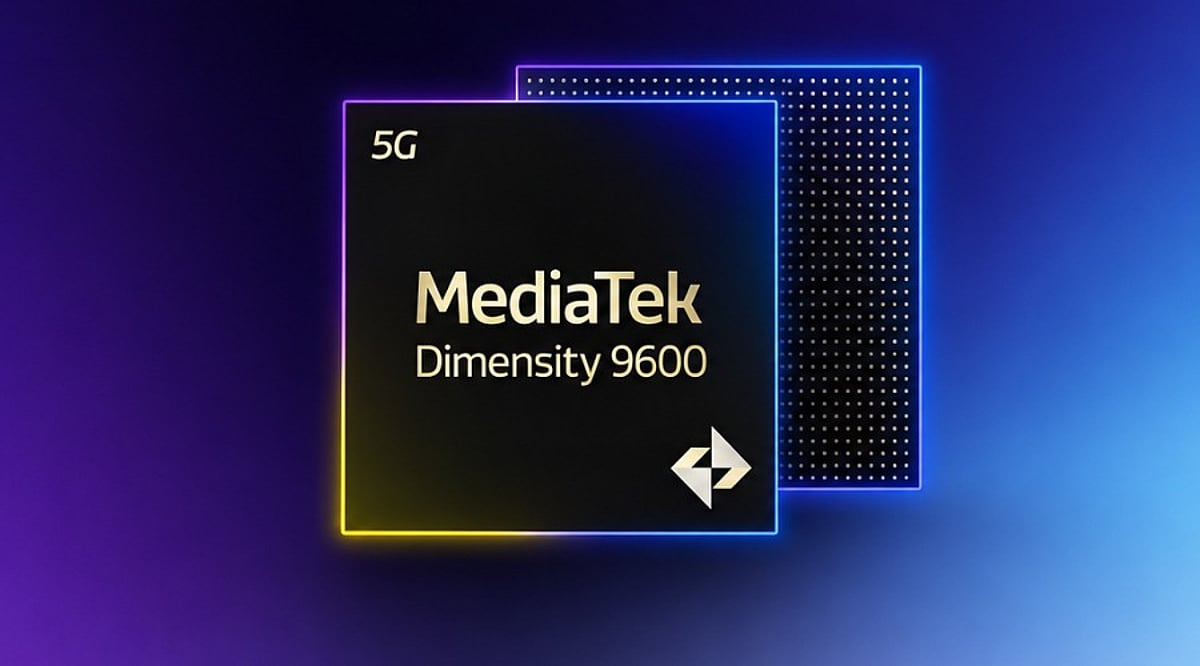
    MediaTek has unveiled its latest flagship processor, the Dimensity 9600 Pro, positioning it as a transformative step for next-generation smartphones. Built on TSMC’s 2nm process, this chip integrates a fourth-generation all-big-core CPU, a dual-NPU architecture, LPDDR6 memory support, and UFS 5.0 storage. MediaTek claims significant gains in performance, power efficiency, and on-device AI capabilities, setting a new standard for premium mobile hardware.

    Key Takeaways

    • The Dimensity 9600 Pro uses a 2nm process with an all-big-core CPU, claiming major performance and efficiency improvements.
    • Its dual-NPU design supports advanced on-device AI, handling models up to 30 billion parameters.
    • LPDDR6, UFS 5.0, stronger graphics, and advanced camera features mark a comprehensive hardware upgrade for flagships.

    A Revolutionary 2nm Design

    The Dimensity 9600 Pro is MediaTek’s first mobile chip built on a 2nm process. Its CPU configuration includes two Arm C2-Ultra cores at up to 4.55GHz, three Arm C2-Pro cores at 4.35GHz, and three additional Arm C2-Pro cores at 3.1GHz. This fourth-generation all-big-core architecture also incorporates a 21% larger L2 cache.

    MediaTek’s internal benchmarks show a 17% increase in single-core performance with 37% better power efficiency, while multi-core tasks see a 15% performance boost and a remarkable 61% reduction in power consumption. These figures, however, come from lab tests and may vary in real-world devices depending on thermal design, battery size, and software optimization.

    AI Takes Center Stage

    The chip features two neural processing units (NPUs): the NPU 1090 for heavy on-device AI tasks and the Super Efficient NPU 2.0 for low-power, always-on AI operations. MediaTek claims a 51% improvement in large language model (LLM) prefill performance and a 55% gain in token generation per watt. The platform supports on-device models with up to 30 billion parameters, aided by a compression engine that reduces memory footprint and support for Mixture of Experts (MoE) architecture.

    The Super Efficient NPU 2.0 also cuts power consumption for always-on AI by 40%, a critical factor for AI assistants that continuously access phone data, sensors, and apps.

    Memory and Storage Advancements

    With first-wave support for LPDDR6 memory and UFS 5.0 storage, the Dimensity 9600 Pro delivers substantial improvements in data throughput. UFS 5.0 offers twice the read and write speeds of its predecessor, while LPDDR6 increases effective memory bandwidth by 33% at the same frequency. A larger 34.5MB cache further enhances overall system responsiveness.

    Graphics Performance for High Frame Rates

    The new G2-Ultra NX GPU delivers up to 27% higher peak performance, 24% lower power consumption at peak, and up to 18% faster ray-tracing. The chip can support native gameplay above 185fps. MediaTek integrates the GPU with the NPU through its Neural Graphics Architecture, enabling AI-assisted graphics rendering and super-resolution tasks.

    Camera and Imaging Upgrades

    The Imagiq 1290 image signal processor (ISP) pairs with an AI Imaging Fusion Architecture to support 60fps subject focus, 4K240 slow-motion video, 4K60 AI True Color Tone, and 4K120 cinematic log. The system also handles 17EV dynamic range imaging, 4K live photo with full depth of field, H.266 hardware video decode, and MV-HEVC for spatial video—all without relying on cloud services.

    First Phones and Real-World Testing

    MediaTek has announced that the first Dimensity 9600 Pro phones will arrive this quarter. According to Reuters, Xiaomi, OPPO, and vivo are among the manufacturers collaborating with MediaTek. OPPO has confirmed the Find X10 Pro Max with this chip, slated for a September 22 launch in China.

    The true test lies in how these devices perform in the real world. MediaTek’s claims are based on its own lab tests, so independent reviews will be crucial to verify whether retail units match the stated figures.

    What the 9600 Pro Changes

    The Dimensity 9600 Pro shifts the focus from raw CPU speed to a balanced integration of CPU, GPU, NPU, memory, storage, and camera hardware. Its 2nm foundation and dual-NPU design amplify the role of on-device AI, while faster memory and storage enable a smoother user experience. For the next wave of premium smartphones, this chip signals a clear direction: high-performance processing, advanced graphics, powerful local AI, and cutting-edge camera capabilities must work as a cohesive system.

    Frequently Asked Questions

    1. What is the Dimensity 9600 Pro?

    The Dimensity 9600 Pro is MediaTek’s flagship smartphone processor featuring a 2nm design, advanced CPU and GPU hardware, dual-NPU AI, and support for LPDDR6 and UFS 5.0.

    2. How powerful is the Dimensity 9600 Pro?

    MediaTek claims up to 17% higher single-core performance, 15% higher multi-core performance, and a 61% reduction in multi-core power usage compared to its stated previous-generation baseline.

    3. What AI features does the chip offer?

    The dual-NPU system supports on-device AI models with up to 30 billion parameters, along with improved AI performance per watt and a dedicated super-efficient NPU for always-on tasks.

    4. Does the Dimensity 9600 Pro support advanced gaming?

    Yes. Its G2-Ultra NX GPU provides higher peak graphics performance, faster ray tracing, and support for native gameplay above 185fps.

    5. What memory and storage does the Dimensity 9600 Pro support?

    The platform supports LPDDR6 memory and UFS 5.0 storage, along with a generous 34.5MB cache for improved data throughput.

  • 10 Innovative 3D Printer Filaments to Elevate Your Projects in 2026

    10 Innovative 3D Printer Filaments to Elevate Your Projects in 2026

    Standard PLA is no longer the only option for creative 3D printing. New filament types add glow, color changes, metallic finishes, natural textures, or enhanced performance. These materials help makers produce standout prints while opening new possibilities for functional projects.

    Wood-Fill PLA

    Wood-Fill PLA blends PLA with real wood fibers or sawdust, giving prints a natural wood-like look. Finished models can be sanded, stained, or painted. It’s ideal for rustic signs, plant pots, miniature furniture, décor, and other projects needing a warm, natural finish.

    Marble and Stone PLA

    Marble and Stone PLA uses mineral-like specks to create a stone or carved-marble appearance. The textured finish hides layer lines better than many standard filaments. It suits architectural models, garden ornaments, sculptures, tabletop scenery, and decorative pieces that need a stone-like look.

    Metal-Filled Filaments

    Metal-filled filaments contain materials like copper, bronze, stainless steel, or iron powder. They give prints extra weight and a realistic metallic appearance. Many can be polished, buffed, or treated for an aged finish, making them perfect for statues, cosplay props, coins, and display pieces.

    Glow-in-the-Dark Filaments

    Glow-in-the-dark filaments absorb light and release it as a visible glow after the lights go out. They’re popular for cosplay details, safety markers, night lights, Halloween decorations, and sci-fi models. Note: these filaments can wear standard brass nozzles faster, so a hardened nozzle may be a better choice.

    Thermochromic Filaments

    Thermochromic filaments change color with temperature. Many shift around the warmth of a hand or hot water and return to their original color after cooling. They add an interactive element to toys, gadgets, educational models, phone cases, and wearable projects.

    Rainbow and Gradient PLA

    Rainbow and gradient PLA creates changing colors throughout a single spool, producing smooth transitions without manual filament changes. It works especially well for vases, sculptures, articulated toys, ornaments, and artistic models where color variation becomes part of the design.

    Bio-Based Carbon Fiber PPA

    Bio-based carbon fiber PPA combines a more sustainable polymer matrix with carbon fiber reinforcement. It offers high stiffness, dimensional stability, and heat resistance up to around 235°C. This material targets demanding automotive, aerospace, and mechanical applications where strength and heat performance matter.

    Foaming Filaments

    Foaming filaments use active foaming during printing to create lighter parts while allowing hardness to be adjusted. Some materials can reduce part weight by up to 50%. They’re useful for wearables, footwear, lightweight prototypes, and projects where reducing material weight is critical.

    Recycled PLA and PETG

    Recycled PLA and PETG offer a more sustainable option for everyday printing. High-quality recycled blends can deliver mechanical performance close to virgin material while reducing waste. For advanced projects, specialty options like continuous carbon fiber, ESD-safe, and flame-retardant filaments add functional performance beyond standard PLA and PETG.

  • Why the OnePlus Pad Go 2 Is Worth Buying: 5 Key Features to Know

    Why the OnePlus Pad Go 2 Is Worth Buying: 5 Key Features to Know

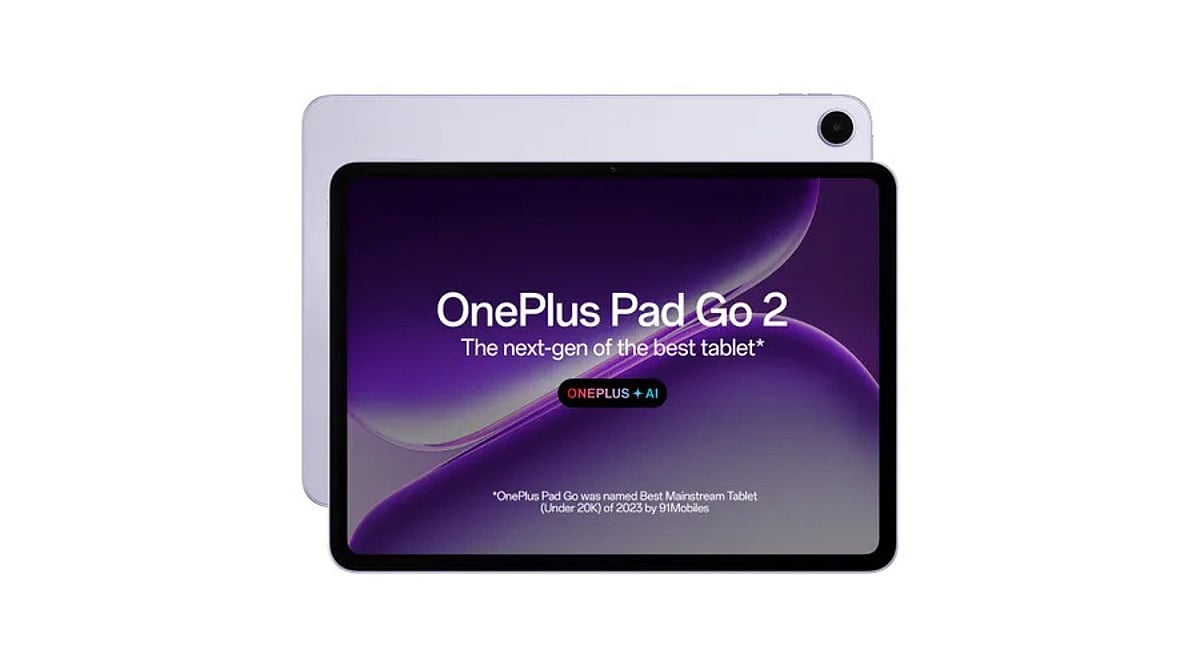
    The OnePlus Pad Go 2 is more than just another Android tablet. It combines a large 2.8K display, a capable MediaTek chip, a long-lasting battery, optional 5G connectivity, and practical AI tools in a package that stays well below premium-tablet pricing. Here are five standout features that make the OnePlus Pad Go 2 worth considering in India.

    1. Stunning 12.1-Inch 2.8K Display

    The 12.1-inch panel delivers a 2800 x 1980 resolution (284 ppi) with a 7:5 aspect ratio that feels more like a book than a typical widescreen tablet. It supports an adaptive 120Hz refresh rate, 900 nits HBM brightness, 98% DCI-P3 color coverage, and Dolby Vision for vibrant streaming content. The slim bezels also give the display an 88.5% screen-to-body ratio, while OnePlus Eye Comfort helps reduce eye strain during long reading or note-taking sessions.

    2. Solid Performance From the Dimensity 7300-Ultra

    Under the hood, the MediaTek Dimensity 7300-Ultra octa-core chip handles everyday tablet work with ease. The Pad Go 2 comes with 8GB of RAM and up to 256GB of storage. OxygenOS 16 adds multitasking tools like Open Canvas, which lets you run up to three app windows on the same screen, plus resizable split-screen and floating windows. OnePlus also says the software-and-hardware setup is TÜV SÜD certified for 48 months of lasting smoothness.

    3. Big 10,050mAh Battery for All-Day Use

    The Pad Go 2 packs a 10,050mAh typical-capacity battery, backed by 33W SUPERVOOC fast charging and reverse charging for compatible accessories. OnePlus claims up to 60 days of standby time, although real-world endurance depends on screen brightness, network usage, and apps. Still, the large cell gives the tablet enough staying power for study sessions, travel, and video playback.

    4. Optional 5G for True Portability

    For buyers who don’t want to rely on Wi-Fi, the 5G version of the OnePlus Pad Go 2 supports Nano-SIM and 4G/5G networks. The 256GB 5G model is priced at Rs. 35,999 in India, while Wi-Fi models start at Rs. 29,999 for 128GB and Rs. 32,999 for 256GB of storage. That gives shoppers three clear price points to choose from.

    5. Built-In AI Tools and Stylo Support

    OnePlus adds several useful AI features to the Pad Go 2. AI Recorder records, transcribes, and summarizes audio; AI Translation translates websites, screenshots, and articles; AI Summary condenses web content; and AI Speaker can read on-screen text aloud. The optional OnePlus Pad Go 2 Stylo stylus supports 4,096 pressure levels and low latency for note-taking and sketching. Quad speakers, Dolby Vision, and AI photo tools round out the entertainment experience.

    Final Take

    With a starting price of Rs. 29,999 in India, the OnePlus Pad Go 2 delivers a strong mix of display quality, battery life, performance, and software features. The optional 5G model adds more flexibility for people who need connectivity on the go. If you’re looking for a large-screen Android tablet without paying flagship prices, the OnePlus Pad Go 2 deserves a close look.

  • 445 Million Tokens Sold in Record Time: Why This Meme Coin Presale Is Attracting Major Attention

    445 Million Tokens Sold in Record Time: Why This Meme Coin Presale Is Attracting Major Attention

    Meme Coin Presale Momentum Heats Up as Stage 4 Opens

    FLOKI trades near $0.000024 while Baby Doge Coin sits near recent September levels. That keeps meme chatter lively and shows how established tokens can fight old highs. For readers hunting the top meme coin presale, Apeing’s presale is live, with its next scheduled pricing step approaching.

    Meme markets have changed. A punchline no longer carries the bag. Staking, referrals, token rules, and community activity matter. That is why the top meme coin presale conversation is shifting toward newer launches still writing their story.

    APEING Memecoin Presale Is Live as Stage 4 Banana Hoarders Moves Into View

    Bananas meet urgency. Apeing’s memecoin presale is live on Ethereum, and the top meme coin presale story centers on staged pricing, staking, referrals, and competitive community rewards. The current sale structure moves through fixed stages, with Stage 4, Banana Hoarders, priced at $0.0005 according to the supplied project brief.

    The Stage 4 allocation is listed at 300 million tokens on a first-come, first-served basis. The same project snapshot states that more than $95,000 has been raised and 450 million tokens have been sold. At the Stage 4 price of $0.0005, $15,000 corresponds to 30 million APEING tokens. Using the project’s planned $0.01 listing price as a comparison point, that quantity would have a nominal value of $300,000. The staged model is what gives this memecoin presale its sense of momentum: once one allocation closes, the next stage begins at the following price point.

    Referral Rewards Give the Top Meme Coin Presale a Social Growth Engine

    APEING does not leave referrals sitting on the sidelines. Its referral system is designed to reward both sides of the transaction, turning word of mouth into an active part of the ecosystem rather than another empty meme slogan.

    Here is how the system works:

    • Buy with a referral code: the buyer receives 10% extra APEING tokens on the qualifying transaction.
    • Share a personal referral code: the referrer receives a reward equal to 10% of the referred buyer’s spend.
    • Unlock a code after a $25 purchase: once a participant completes the qualifying purchase, a personal referral code becomes available.
    • Build referral activity: qualifying referrals can also contribute toward performance in the project’s Ape Referral League.

    Take a simple example. If a buyer uses a referral code for a $1,000 purchase, the buyer receives an additional token allocation equal to 10% of that purchase under the referral structure. At the same time, the owner of the code earns a reward equal to 10% of the referred spend. Instead of one participant getting the perk and the other getting peanuts, both sides receive something from the system.

    That is what makes the referral layer interesting for the top meme coin presale narrative. It encourages buyers to become active participants, gives existing holders a reason to share the project, and feeds directly into a leaderboard-based community structure. The result is a memecoin presale model built around participation, not just spectators watching candles move on a chart.

    How to Join Stage 4 Before the Allocation Moves On

    APEING’s stage structure is built around limited allocations and scheduled price steps. Each presale stage lasts for one week or until its allocated tokens sell out, whichever happens first. When one stage closes, the next begins immediately. That means buyers following Banana Hoarders have a clearly defined stage window rather than an open-ended sale.

    The process is straightforward:

    1. Visit the official Apeing presale website and open the purchase interface.
    2. Connect a compatible crypto wallet that supports Ethereum transactions.
    3. Check the active stage carefully and confirm that the displayed pricing and allocation match the stage being purchased.
    4. Enter the desired purchase amount and review the number of APEING tokens shown.
    5. Check the transaction details before submitting anything through the wallet.
    6. Confirm the transaction through the connected wallet.
    7. Follow the official claiming instructions provided by Apeing after the purchase is completed.

    The clock in this top meme coin presale is the stage ladder itself. Banana Hoarders carries a fixed Stage 4 allocation of 300 million tokens and a listed Stage 4 price of $0.0005. Once that allocation reaches its endpoint, the presale structure moves forward rather than keeping the same entry point permanently available.

    For readers already tracking APEING, the practical move is simple: keep an eye on the official stage status, understand the current allocation, and have a compatible Ethereum wallet ready if Stage 4 fits what they are looking for. In a staged memecoin presale, timing is tied directly to which allocation is still open.

    FLOKI Slides Near $0.000024 as Trading Activity Keeps Meme Coin News Busy

    FLOKI still has a loud brand, but its chart is talking. Recent market data puts the token around $0.000024, with a market cap near $234 million and a recent seven-day slide from higher levels. That keeps the bulls watching, but not enough to turn every peanut into a feast.

    For anyone comparing mature meme assets with the top meme coin presale market, FLOKI shows the tradeoff clearly. It has deep recognition and active trading, yet its price remains far below its historic peak. That can make every bounce a tug-of-war between fresh buyers and old holders. The latest meme coin news may spark short bursts of energy, but the chart still needs follow-through. In a market where younger buyers chase fresh narratives, the top meme coin presale search is about finding momentum before the crowd piles in, not after the penguins have marched across the ice.

    Baby Doge Coin Hovers Near $0.000000000375 as Meme Coin News Tracks Fresh Volume

    Baby Doge Coin remains a well-known community token on BNB Chain, but its price action is more grind than gallop. CoinGecko data recently placed it near $0.000000000375, with a market cap around $69 million and daily volume around $1.5 million. That keeps it visible, yet the token is still wrestling with former highs.

    That matters when readers compare established names with a top meme coin presale. Baby Doge Coin has the crowd, history, and meme muscle, but big percentage moves can become harder once a project carries a larger base. The latest meme coin news can still wake the bulls, though recovery needs sustained demand. For moonshot hunters who missed earlier runs, the top meme coin presale theme offers a different setup: a project can still be in its staged launch window, where pricing and token access are structured before open-market trading begins. Even a hippo-sized community needs fresh momentum.

    Conclusion

    Based on the latest research and market trends, FLOKI is holding near $0.000024 while Baby Doge Coin remains around recent September levels, leaving both established names dependent on fresh buying pressure. Their communities remain active, and meme coin news can flip the mood fast. Yet the top meme coin presale offers a different setup. Apeing remains inside its structured sale, with Stage 4 priced at $0.0005 in the supplied project materials and a planned $0.01 listing price, giving presale followers a clearly defined milestone to watch.

    APEING is built around more than a quick pump narrative. The Ethereum token combines a staged memecoin presale with staking tiers, referral rewards, monthly competitions, token burns, and planned locked liquidity. That gives the top meme coin presale story more moving parts than a plain meme launch. Stage 4, Banana Hoarders, is designed around a fixed token allocation and a defined price point, while referral incentives give the community another reason to stay active. Follow the official Apeing presale page for the current stage status and allocation details.

    For More Information:

    • Website: Visit the Official Apeing Website
    • Telegram: Join the Apeing Telegram Channel
    • Twitter: Follow Apeing ON X (Formerly Twitter)

    Frequently Asked Questions About the Top Meme Coin Presale

    Is the Apeing presale live now?
    Yes. Apeing’s presale is structured as a multi-stage sale, with each stage operating for a limited period or until its allocated tokens sell out.

    What is APEING Stage 4 Banana Hoarders?
    Banana Hoarders is Stage 4 of the APEING memecoin presale. The supplied project snapshot lists a $0.0005 Stage 4 price and a 300 million token allocation.

    How much APEING would $15,000 buy at the Stage 4 price?
    At $0.0005 per token, $15,000 corresponds to 30 million APEING tokens. Using the project’s planned $0.01 listing price as a comparison point, that quantity would have a nominal value of $300,000.

    How do APEING referral rewards work?
    A buyer using a qualifying referral code receives 10% extra APEING tokens, while the code owner earns a reward equal to 10% of the referred buyer’s spend. A $25 qualifying purchase unlocks a personal referral code.

    How can buyers join the APEING presale?
    The supplied guide says buyers can visit the official presale website, connect a compatible wallet, select the relevant stage, enter an amount, review the details, and confirm the transaction through the wallet.

  • The CTO-to-CAIO Shift: How AI Is Reshaping Startup Technology Leadership

    The CTO-to-CAIO Shift: How AI Is Reshaping Startup Technology Leadership

    For years, the chief technology officer was the default leader for all things tech in a startup — building engineering teams, choosing infrastructure, and keeping products running. Artificial intelligence is now rewriting that playbook, pushing technology leadership beyond engineering into core business strategy.

    The Expanding Role of the CTO

    Today’s startup CTOs are expected to tie technical decisions to business outcomes. According to Deloitte’s 2026 Global Technology Leadership Study, 79% of technology leaders ranked business outcomes as their top priority, 81% expressed confidence in scaling AI, and 75% said their operating models need fundamental changes to unlock more value from AI.

    That creates a dual challenge. CTOs must keep core systems reliable while determining where AI can have a real impact on cost, productivity, customer experience, and revenue.

    Why the Chief AI Officer Role Is Gaining Ground

    AI doesn’t fit neatly inside a traditional technology department. It raises questions about company-wide adoption, data access, risk management, and whether AI investments are actually paying off. IBM’s 2026 CEO study found that 76% of surveyed organizations now have a Chief AI Officer, up from 26% a year earlier.

    Large enterprises may justify a dedicated AI executive, but startups might not need another C-suite role right away. In a smaller company, the founder, CTO, or product leader can absorb AI ownership — as long as someone is clearly accountable.

    CTO vs. CAIO: Complementary Roles

    A CAIO doesn’t have to displace the CTO. The CTO can stay focused on engineering, infrastructure, security, and scalable technology. The CAIO can drive enterprise-wide AI strategy, governance, data, and product integration.

    As startups experiment with generative AI and AI agents, clear role definitions become critical. Without them, adding a CAIO can create more confusion than clarity. Someone must still control AI budgets, approve tools, manage risks, and measure whether AI projects are worth continuing.

    Technology Leadership Is Becoming Strategic

    The bigger shift is not the title — it’s the expectation. Deloitte describes a transition from traditional IT operations to strategic leadership, where technology executives connect technical decisions to business results. LinkedIn research supports this: 79% of Indian CTOs believe AI is creating roles that didn’t exist a few years ago, and 84% say their responsibilities are being redefined.

    For startups, the technology leader of the future needs multiple skill sets: code, infrastructure, people, data, business strategy, and the practical limits of AI.

    What Startups Should Take Away

    The move from CTO to CAIO is less about swapping titles and more about recognizing that AI is no longer just another technology project. Some startups will keep the CTO as the AI leader. Others will eventually benefit from a dedicated AI executive. Either way, the critical question is not just who runs technology — it’s who is responsible for making AI genuinely useful to the business.

    Frequently Asked Questions

    What does a Chief AI Officer do?

    A Chief AI Officer develops and oversees an organization’s AI strategy, including adoption, governance, data management, risk assessment, and identifying opportunities for business value.

    How is a CAIO different from a CTO?

    A CTO typically handles engineering, infrastructure, and technology operations. A CAIO focuses specifically on AI strategy, governance, implementation, and integrating AI across business functions.

    Why are startups considering CAIOs?

    AI is becoming central to products, operations, and decision-making, creating a need for dedicated leadership around strategy, governance, adoption, and responsible implementation.

    Will CAIOs replace CTOs?

    Not universally. The two roles can work together — CTOs manage technology infrastructure, while CAIOs concentrate on broader AI initiatives.

    Does every startup need a CAIO?

    No. Smaller startups can assign AI responsibilities to founders, CTOs, or product leaders. Larger organizations may benefit from dedicated AI leadership as adoption becomes more complex.

  • LG Smart TV Vulnerabilities: How Hackers Could Spy Through Your Microphone

    LG Smart TV Vulnerabilities: How Hackers Could Spy Through Your Microphone

    Cybersecurity researchers have uncovered vulnerabilities in several LG smart TVs that could allow an attacker to access the built-in microphone, scan local networks, and potentially gather information about connected devices. The findings highlight the importance of reviewing smart TV security and privacy settings.

    Why LG TVs Are Under Security Scrutiny

    Investigations by Gamers Nexus, Level1Techs, and independent security researchers examined network activity, firmware behavior, and security weaknesses in LG’s webOS software. The researchers found that compromised TVs could identify devices on the same local network—including phones, computers, printers, and smart-home hardware—and detect nearby Wi-Fi networks. Remote-code-execution vulnerabilities were also reported, though full technical details remain undisclosed pending responsible disclosure.

    Can a Hacked LG TV Listen to Conversations?

    One of the most concerning findings is that a compromised TV can capture room audio even when the display appears to be off. Researchers demonstrated that audio could be stored while the TV remained offline and later transmitted when network connectivity returned. However, this does not mean every LG TV secretly records conversations—the demonstration involved a device already under an attacker’s control.

    LG’s Response and Privacy Protections

    LG issued a privacy statement on September 12, 2026, stating that its TVs do not continuously record or transmit conversations. Voice processing begins only after a supported wake word or remote button activation. For hands-free features, the TV monitors locally for the wake word and discards audio when none is detected. Some models also include a hardware microphone switch for manual disablement.

    Automatic Content Recognition (ACR) and Tracking

    LG smart TVs use Automatic Content Recognition (ACR) to create digital fingerprints of content, enabling personalized recommendations and advertising. LG states that ACR is activated only with user consent, and network scanning is described as a connectivity feature. Researchers also reported network-device discovery, which could reveal more about connected households.

    How LG TV Owners Can Reduce Risk

    • Install firmware updates promptly to patch known vulnerabilities.
    • Review privacy and consent settings—disable ACR, personalized ads, and unused voice features.
    • Place the TV on a separate guest or IoT network to limit access to other devices.
    • Disable UPnP unless needed, and avoid exposing TV services to the public internet.

    Should LG TV Owners Be Worried?

    Current findings demonstrate a potential security scenario, not routine surveillance. Smart TVs deserve the same security attention as computers and smartphones. Keeping firmware updated and regularly reviewing privacy settings can significantly reduce risk.

  • Could Bitcoin Survive a Worldwide Internet Shutdown? A Look at Network Resilience

    Could Bitcoin Survive a Worldwide Internet Shutdown? A Look at Network Resilience

    Bitcoin is often described as a decentralized infrastructure, but its nodes typically rely on internet connectivity to exchange transactions and blocks. A global internet outage would create a serious operational problem, though it would not automatically erase Bitcoin or permanently destroy the network.

    Bitcoin Exists Across Thousands of Independent Copies

    Bitcoin’s blockchain is replicated across independent nodes rather than stored on a single central server. If ordinary internet connectivity disappeared globally, those copies would remain on computers and storage devices. Existing Bitcoin balances and historical transactions would therefore not simply vanish. The immediate challenge would be communication: nodes unable to communicate could not reliably propagate transactions or maintain a synchronized global view of new blocks.

    Mining Could Fragment

    Bitcoin miners need information about the latest valid block before efficiently extending the chain. During widespread connectivity loss, isolated groups could potentially continue producing blocks locally, creating competing versions of the blockchain. Once communication returned, Bitcoin’s consensus rules would determine which valid chain had the most accumulated proof-of-work. Transactions on losing branches could be reorganized, creating significant settlement uncertainty. Users would therefore have strong reasons to avoid treating transactions as final during severe network fragmentation.

    Bitcoin Has Communication Alternatives

    Traditional broadband is not Bitcoin’s only communication channel. Blockstream Satellite broadcasts the Bitcoin blockchain worldwide 24 hours a day, allowing users with appropriate receiving equipment to obtain blockchain data without conventional internet access. Blockstream describes the system as an additional resilience layer designed to protect Bitcoin access against network interruptions. Satellite broadcasting primarily solves the problem of receiving data; maintaining fully interactive transaction propagation still requires additional communication paths.

    Alternative Networks Could Help

    Bitcoin transactions are small pieces of signed digital information. In principle, they can be transported using radio, satellite links, mesh networks or other data channels before eventually reaching connected Bitcoin nodes. These systems would not reproduce today’s global internet capacity, but they could provide limited communication during localized outages.

    A Truly Global Outage Would Affect Much More Than Bitcoin

    A simultaneous worldwide internet failure would disrupt banks, stock exchanges, payment processors, cloud infrastructure and telecommunications alongside cryptocurrency. Bitcoin’s challenge would therefore be maintaining synchronization until global connectivity recovered.

    Why This Matters

    Bitcoin’s decentralization protects it from dependence on a single server or company, but decentralization does not eliminate communication requirements. Understanding this distinction shows where Bitcoin is resilient and where external infrastructure remains essential.

    Final Thoughts

    A global internet outage could severely disrupt Bitcoin transactions and temporarily fragment network activity, but it would not erase the blockchain. Bitcoin could resume synchronization when connectivity returns, while satellite and alternative communication systems provide additional resilience against less extreme disruptions.

  • 5 AI-Powered TV Innovations Transforming Home Viewing by 2027

    5 AI-Powered TV Innovations Transforming Home Viewing by 2027

    Television has quietly evolved from a passive screen into an intelligent hub that listens, learns, and adapts. By 2027, AI will be the core of how we interact with our TVs, moving beyond simple voice commands to truly conversational experiences. The global AI TV market, valued at USD 9.76 billion in 2026, is projected to grow at a compound annual rate of 17.2 percent through 2030, according to market research firm Accio. This growth reflects how deeply artificial intelligence is becoming woven into the everyday act of watching television.

    1. Conversational AI Companions Replace Remote Controls

    Voice control on TVs is no longer about shouting single commands. Samsung’s Vision AI platform already lets viewers ask contextual questions about on-screen content, pulling in tools like Microsoft Copilot and Perplexity for real-time answers. In 2027, TVs will act less like screens and more like conversational assistants that understand what show is playing and respond accordingly. Consumer Reports notes that chatbots built into TVs will increasingly replace traditional remote navigation, allowing viewers to simply talk to find what they want.

    2. Personalized Content Discovery Gets Sharper

    AI-driven recommendation engines are becoming far more accurate. By 2027, TVs will study viewing patterns more closely, factoring in mood, time of day, and even who else is in the room. This means recommendations will feel highly tailored, keeping viewers engaged longer and reducing endless menu scrolling. For streaming platforms, smarter recommendations are a key competitive advantage.

    3. On-Device AI Processing Improves Privacy and Speed

    A major shift is moving AI processing from the cloud to local chips inside the TV. This reduces lag time and gives users more control over their data, addressing privacy concerns tied to always-listening devices. Stronger system-on-chip hardware makes this possible, and 2027 models are expected to lean further into local processing for faster, more private interactions.

    4. Smarter Picture and Sound Without Manual Tweaking

    AI upscaling is already standard, letting 1080p signals look close to 4K. By 2027, AI will automatically adjust brightness, contrast, and sound profiles based on content type—whether it’s a sports match, a dark thriller, or a video call. Viewers will spend less time fiddling with settings as the TV handles optimization in the background.

    5. The Bigger Picture: Why These Trends Matter

    These trends reshape how people interact with home entertainment and how much data companies collect. For manufacturers, AI has become the main differentiator in a market where screen technology alone no longer sets brands apart. For viewers, it means TVs that feel more intuitive, respond faster, and adapt to individual habits without extensive setup. As 2027 approaches, AI in television is no longer an add-on feature but the foundation shaping how screens are designed, marketed, and used every day.