Author: vitorcherulli

  • OpenAI’s First AI Hardware: 7 Key Details About the Mystery Gadget

    OpenAI’s First AI Hardware: 7 Key Details About the Mystery Gadget

    OpenAI is moving beyond ChatGPT and into the world of consumer hardware. The company is developing its first mysterious device in collaboration with former Apple design chief Jony Ive. Recent reports suggest it could be a screenless AI companion, not another smartphone or smart speaker.

    1. Jony Ive Is Behind the Design

    The mystery device stems from OpenAI’s partnership with Jony Ive and his design team. That connection has fueled expectations for an unusual, minimalist product. OpenAI acquired Ive’s io Products in 2025 as part of its push into hardware.

    2. It Could Be a Screenless Speaker

    Reports increasingly describe the first device as a portable, screenless AI speaker. Instead of relying on apps and menus, it would make conversation the primary way users interact with technology. The design is reportedly intended to feel more like a personal companion than a conventional smart speaker.

    3. Think Small, Minimal, and Portable

    The device has been described as roughly hockey-puck-sized, with some reports pointing to a rounded or doughnut-like form. A compact design could allow it to sit on a desk or move around the home. However, OpenAI has not publicly confirmed the final hardware design.

    4. A Camera Could Give It Context

    One intriguing reported feature is a built-in camera. The camera could help the device understand its surroundings and provide more context-aware responses. That would push it beyond a traditional speaker, although the exact camera capabilities and privacy controls remain unknown.

    5. ChatGPT Would Be at Its Core

    The gadget is expected to rely heavily on OpenAI’s AI technology and GPT-Live for natural conversations. Reports suggest it could answer questions, play media, and potentially interact with messages. The larger idea is an AI companion that understands context instead of simply waiting for commands.

    6. It Could Control Your Smart Home

    OpenAI’s hardware vision reportedly extends beyond answering questions. The device could control compatible smart-home accessories and become a central interface for connected devices. That could turn a small AI gadget into a hands-free control hub for everyday activities around the home.

    7. A Built-In Battery Could Change Everything

    Unlike a conventional home speaker, the reported device may include a rechargeable battery. That would make it easier to carry between rooms and use without keeping it permanently plugged in. Portability could therefore become one of the gadget’s defining differences from existing smart speakers.

    The launch timeline may have shifted. OpenAI had previously indicated that its first hardware device was on track for 2026. More recent reporting now points to an early-2027 launch window for the speaker, showing that the timeline remains fluid. Pricing estimates have also varied, with reports putting it in the few-hundred-dollar range.

  • NYT Mini Crossword Solutions for September 16, 2026 – Full Clue List and Answers

    NYT Mini Crossword Solutions for September 16, 2026 – Full Clue List and Answers

    The NYT Mini Crossword returns on Wednesday, September 16, 2026 with a compact 5×5 grid that mixes basketball slang, coffeehouse lingo, and clever wordplay. This article provides the complete list of across and down answers along with explanations for each clue.

    Across Clues and Answers

    1A: Dallas hooper, for short
    Answer: MAV. A reference to the Dallas Mavericks, commonly shortened to “Mavs.”

    5A: Something to R.S.V.P. to
    Answer: EVENT. Invitations often request a response, covering any gathering.

    6A: Kind of patio that shares its name with a Hawaiian island
    Answer: LANAI. A lanai is a covered porch; Lanai is also one of Hawaii’s islands.

    7A: Heavyweight in an industry
    Answer: TITAN. A term for dominant companies or powerful figures.

    8A: Straight ___, every part of every letter in this puzzle’s grid
    Answer: LINE. A self-referential clue pointing to the construction of the puzzle itself.

    Down Clues and Answers

    1D: Turn gooey, as cheese
    Answer: MELT. Heat causes cheese to soften and become gooey.

    2D: To no ___ (unsuccessfully)
    Answer: AVAIL. Common phrase “to no avail” means without success.

    3D: Large size at Starbucks
    Answer: VENTI. Starbucks’ large drink size, above tall and grande.

    4D: Flatbread sometimes brushed with garlic butter
    Answer: NAAN. A soft South Asian flatbread often served with garlic butter.

    5D: Sharp part of a fork
    Answer: TINE. The pointed prongs of a fork.

    Why This Puzzle Stands Out

    Wednesday’s Mini packs basketball culture, coffee shop terminology, architecture, and even a meta wink at the puzzle’s own construction. The self-referential clue for LINE offers a satisfying “aha” moment. Whether you’re a daily solver or a newcomer, these answers help you breeze through the grid in minutes.

  • NYT Connections Puzzle #1193: Hints and Full Answers for September 16, 2026

    NYT Connections Puzzle #1193: Hints and Full Answers for September 16, 2026

    The New York Times Connections puzzle for September 16, 2026 (Puzzle #1193) is here, and it offers a fresh set of word groupings that test your lateral thinking. Today’s grid includes words like Marigold, Pennywise, Steam Iron, Carlos, and Widener—terms that seem unrelated at first but hide four clever categories.

    Overview of Today’s Puzzle

    Connections challenges players to sort 16 words into four groups of four, each linked by a common theme. The themes are not revealed until you solve each group. For September 16, the categories range from metal elements to U.S. coins, poets’ middle names, and sausages with an extra letter.

    Color-Coded Hints

    If you need a nudge without giving away the full answers, here are hints for each difficulty level:

    • Yellow (Easiest): These words all end with the name of a metal element.
    • Green (Moderate): Look for terms that begin with the name of a U.S. coin.
    • Blue (Challenging): If you’re a poetry fan, think about the middle names of famous poets.
    • Purple (Hardest): Each word is a type of sausage but with one extra letter added.

    One-Word Clues

    Still stuck? Here is one representative word from each category to steer you in the right direction:

    • LATIN (yellow)
    • NICKELODEON (green)
    • ST. VINCENT (blue)
    • WIDENER (purple)

    Full Answers for September 16, 2026

    If you’re ready to see the solutions, here are the four completed groups:

    Yellow: Ending in Metal Elements

    LATIN, LONG JOHN, SILVER, MARIGOLD, STEAM IRON

    Green: Starting with U.S. Coins

    DIMENSION, NICKELODEON, PENNYWISE, QUARTERBACK

    Blue: Poets’ Middle Names

    BARRETT, CARLOS, ST. VINCENT, WADSWORTH

    Purple: Sausages Plus a Letter

    BORAT, CLINK, FRANK-N-FURTER, WIDENER

    Why This Puzzle Works

    Today’s set offers a satisfying climb in difficulty. The yellow group is straightforward once you spot the metal endings, while the green group plays on coin names. The blue category requires some literary knowledge, and the purple group is a playful twist on sausage names. It’s a perfect example of why Connections remains one of the most engaging daily brain teasers.

    Also check out: NYT Strands Hints, Spangram, Answers for September 15, 2026 (#926)

  • Marvel Post-Credits Scenes That Disappointed Fans

    Marvel Post-Credits Scenes That Disappointed Fans

    Marvel Studios is known for its post-credits scenes that tease future storylines and keep fans buzzing. However, not every scene has lived up to the hype. Here are some of the most notable post-credits moments that failed to deliver on their promise.

    The Dark World: The Collector Tease

    The scene introduced the Collector and the Infinity Stones, setting up massive expectations for the Infinity Saga. Yet the payoff took years to materialize, and at the time, it felt disconnected from the main plot.

    Avengers: Age of Ultron: Thanos Appears

    Thanos donning the Infinity Gauntlet looked exciting, but the brief scene offered little context and left fans waiting far too long for answers.

    Guardians of the Galaxy Vol. 2: Adam Warlock

    Ayesha revealed Adam Warlock, creating massive excitement. However, his eventual arrival in the third film felt smaller and less impactful than expected.

    Spider-Man: Homecoming: Captain America PSA

    Captain America’s humorous message was fun but fans expecting major story information received another joke instead of meaningful setup for the MCU.

    Ant-Man and the Wasp: Giant-Man Aftermath

    Scott Lang’s unexpected return to normal life became instantly tragic after the Snap, making this post-credits moment more heartbreaking than thrilling.

    Black Widow: Yelena’s Hawkeye Setup

    Yelena’s introduction to Clint Barton raised excitement for a major confrontation, but the promised clash unfolded mainly through a Disney+ series, diminishing its impact.

    Doctor Strange: Clea Arrives

    Clea’s sudden appearance promised a multiverse adventure with Strange, yet the next major chapter took a long time to materialize, leaving fans in suspense.

    Eternals: Harry Styles as Eros

    Eros’ surprise introduction created plenty of online buzz, but Marvel has yet to give the character a substantial follow-up, making the tease feel hollow.

    Thor: Love and Thunder: Hercules Revealed

    Hercules’ arrival teased a powerful Thor showdown, leaving audiences curious, but Marvel’s future plans for the character remain uncertain.

    These post-credits scenes remind us that not every tease pays off immediately. Some require patience, while others simply miss the mark.

  • Top Webcam Upgrades for Remote Work and Streaming in 2026

    Top Webcam Upgrades for Remote Work and Streaming in 2026

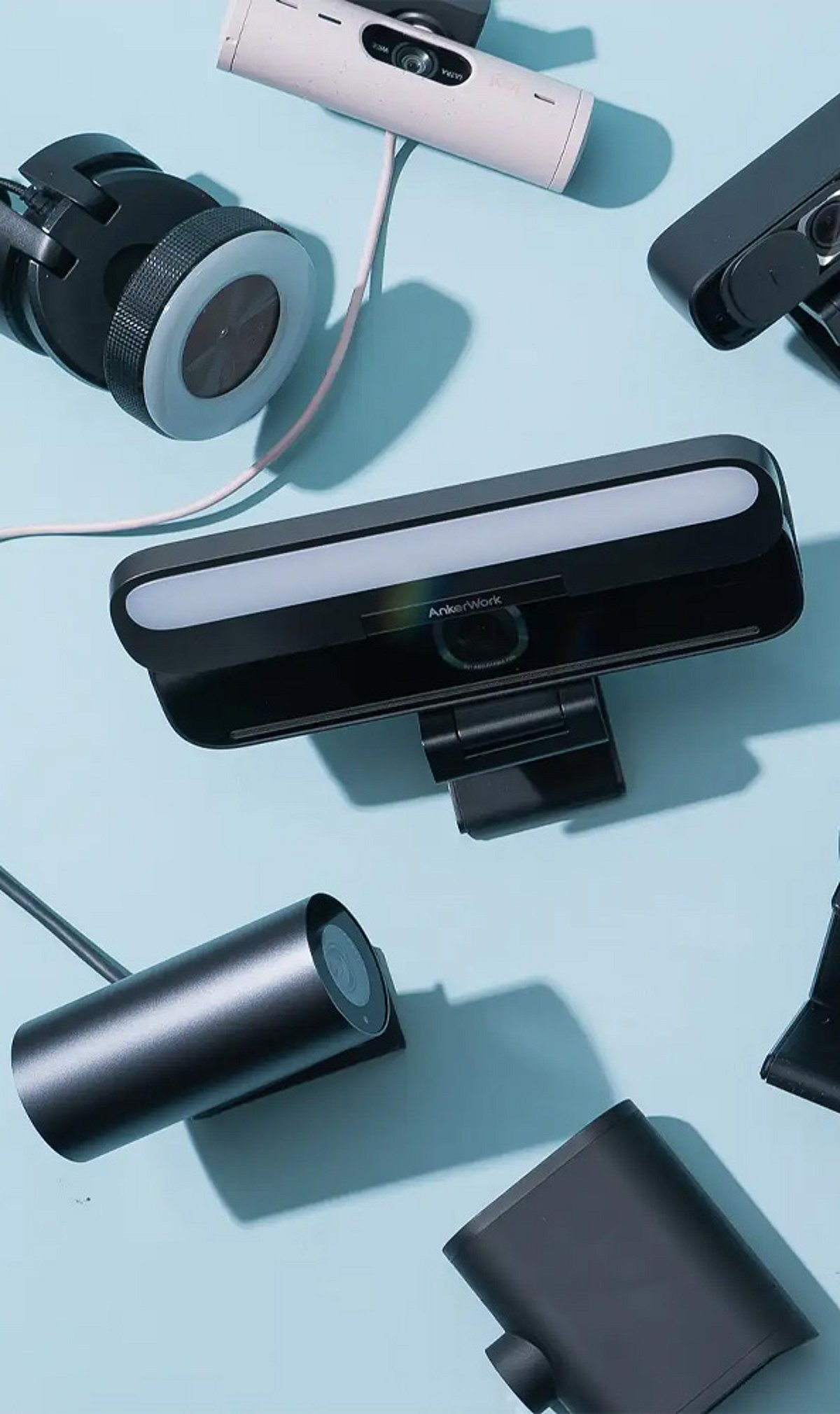
    The best webcam upgrades in 2026 focus on 4K video, improved low-light sensors, AI framing and tracking, and enhanced microphone quality. Whether you’re a remote worker, streamer, or content creator, these models deliver professional-grade performance.

    Leading Webcam Models

    Logitech MX Brio offers 4K video, 1080p at 60fps, HDR support, a privacy shutter, and dual beamforming microphones — ideal for professional calls.

    Insta360 Link 2C Pro stands out with sharp 4K video, strong low-light performance, AI features, and a compact design suitable for both work and content creation.

    Elgato Facecam Pro targets streamers and creators with 4K video at up to 60fps, detailed manual controls, and support for professional streaming setups.

    Razer Kiyo Pro Ultra is built for difficult lighting conditions, featuring a large Sony STARVIS 2 sensor, f/1.7 aperture, HDR, and 4K video at 30fps.

    AI Tracking and Use Cases

    AI tracking webcams such as the Insta360 Link and OBSBOT models can follow movement, making them valuable for presentations, teaching, fitness, and dynamic streams.

    Important Considerations

    For everyday video calls, 4K may not be essential. Platforms like Zoom, Google Meet, and Microsoft Teams commonly limit webcam video to 1080p, so image quality and lighting remain equally important.

    Before purchasing, check USB-C connectivity, autofocus, microphone quality, privacy shutters, Mac and Windows support, and compatibility with apps such as Zoom, Teams, and OBS.

    Recommendations

    Choose based on your setup: Logitech MX Brio for professional calls, Insta360 for AI features, Elgato Facecam Pro for streaming, and Razer Kiyo Pro Ultra for strong low-light performance.

  • Valve Steam Frame VR Headset Arrives at $1,059 With Wireless PC Streaming and Eye Tracking

    Valve Steam Frame VR Headset Arrives at $1,059 With Wireless PC Streaming and Eye Tracking

    Valve has officially entered the premium VR space with the launch of the Steam Frame headset. Priced at $1,059 in the United States for the 256GB model, the device debuted on September 14, 2026, with reservations opening before retail purchases begin.

    Steam Frame Price and Storage Options

    Valve is offering two configurations: a 256GB edition at $1,059 and a 1TB edition at $1,299. The higher price point places Steam Frame well above mainstream options such as the Meta Quest 3, reflecting the premium hardware and wireless PC streaming capabilities packed into the device.

    Hardware and Display

    Steam Frame runs on a Snapdragon 8 Gen 3 processor with 16GB of LPDDR5X memory and is powered by SteamOS. The headset features dual LCDs with 2160×2160 resolution per eye and a refresh rate of up to 144Hz.

    Eye tracking enables foveated rendering, which focuses processing power where the player is looking. Inside-out tracking removes the need for external base stations, while pancake lenses contribute to a balanced, lightweight design. The full headset weighs roughly 440 grams with its strap and ships with wireless VR controllers.

    Built for Standalone and PC Gaming

    Unlike typical standalone VR headsets, Steam Frame is designed for both wireless streaming and native play. Gamers can stream demanding PC titles from a gaming PC without cables, or run compatible games directly on the headset. Valve also supports flat-screen gaming through a virtual display with standard gamepads, giving Steam Frame a broader role in the Steam ecosystem.

    Half-Life: Alyx Standalone Version Coming Soon

    The launch includes an unusual twist: Valve has confirmed a standalone version of Half-Life: Alyx for Steam Frame. The game won’t be available on day one but is expected to arrive soon after launch. The native version will use eye tracking and foveated rendering to run directly on the Snapdragon chip.

    Valve will include a Half-Life: Alyx voucher with Steam Frame, although the voucher will be delivered after the game is ready. The headset package includes controllers, while the power supply costs an additional $29. Optional ergonomic and replacement kits add $59 and $49, respectively.

    Reservation and Availability

    Reservations remain open until September 17, with randomized purchase invitations beginning September 18. Valve says the Steam Frame represents a broader push toward a connected Steam gaming ecosystem;

    the strategy could strengthen Valve’s hardware presence, even if the premium entry point makes this more of an enthusiast product than a mainstream VR breakthrough.

  • Xiaomi 17 Amazon Deal: Save Up to Rs. 12,249 With Axis Bank EMI Offer

    Xiaomi 17 Amazon Deal: Save Up to Rs. 12,249 With Axis Bank EMI Offer

    Xiaomi 17 Amazon Discount: What You Need to Know

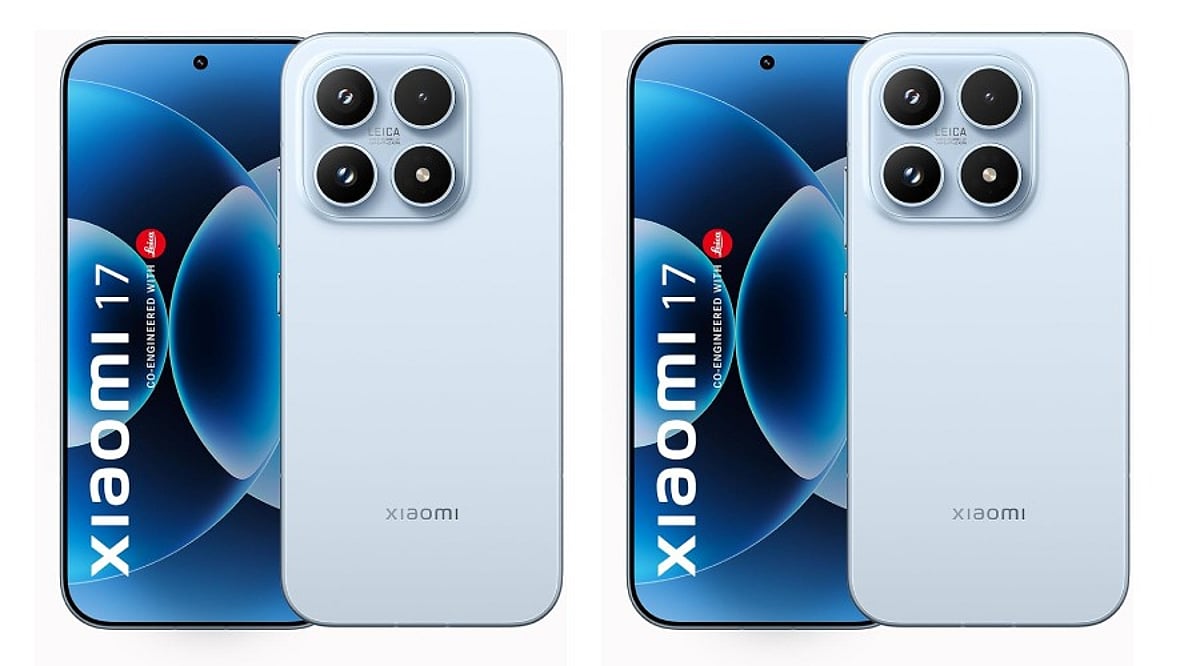
    The Xiaomi 17 is now available at a significant discount on Amazon India. The 12GB RAM + 512GB storage model is priced at Rs. 89,999, but eligible buyers can use bank offers to bring the effective cost down to around Rs. 77,750 or less. The discount depends on the payment method selected at checkout.

    How to Get the Discount

    Shoppers paying with an eligible Axis Bank credit card on EMI can save Rs. 12,249 on the Xiaomi 17. Kotak Bank credit card EMI users can claim Rs. 10,400 off. Customers can also trade in an older smartphone to lower the final price further.

    Xiaomi’s own platform also has promotions for the handset. The company’s September offer lists up to Rs. 10,000 off on EMI transactions for the Xiaomi 17. Since bank offers and exchange values change frequently, buyers should verify the current terms before completing their order.

    Xiaomi 17 Specifications

    • Display: 6.3-inch LTPO AMOLED, 1Hz-120Hz adaptive refresh rate, up to 3,500 nits peak brightness, HDR10+, Dolby Vision
    • Processor: Qualcomm Snapdragon 8 Elite Gen 5
    • Battery: 6,330mAh with 100W wired and 50W wireless charging
    • Rear cameras: Leica-branded triple setup with 50MP primary, 50MP telephoto, and 50MP ultra-wide lenses
    • Front camera: 50MP autofocus sensor
    • Durability: IP68 dust and water resistance

    Is the Xiaomi 17 Deal Worth It?

    The Xiaomi 17 combines a compact design with flagship-level hardware, including a large battery, fast charging, and Leica-tuned cameras. At the current Amazon discount, it becomes a stronger option in the premium segment, especially for buyers who can use the Axis Bank EMI offer. Before purchasing, check the final checkout price, bank eligibility, and exchange value to make sure the deal applies to your order.

  • Solana’s Transaction V1 Upgrade Boosts Maximum Transaction Size to 4,096 Bytes

    Solana’s Transaction V1 Upgrade Boosts Maximum Transaction Size to 4,096 Bytes

    Solana has activated Transaction V1 on its mainnet, increasing the maximum transaction size from 1,232 bytes to 4,096 bytes — a more than threefold expansion. The upgrade, which went live at the start of epoch 1,035 on September 15, 2026, around 01:20 UTC, gives developers significantly more space to include instructions, signatures, and other data within a single transaction.

    This change does not increase Solana’s transactions per second; instead, it expands the amount of information each transaction can carry. The Solana Foundation says the larger format can support workloads such as zero-knowledge proofs, large multisignature setups, and on-chain signature schemes that were previously difficult to fit under the old 1,232-byte limit.

    Solana Raises Transaction Size Limit to 4,096 Bytes

    Solana’s previous byte ceiling originated from early network design choices tied to packet-size limits. This restriction persisted even after the network transitioned to QUIC for transaction traffic. With the new V1 format, transactions now reach up to 4,096 bytes — about 3.3 times the previous maximum.

    The larger space reduces the need to split complex actions across multiple transactions. Developers can place more instructions and signatures inside one atomic transaction. For example, the extra room supports company wallets requiring several approvals, privacy tools using large cryptographic proofs, and DeFi operations that need multiple steps to either succeed or fail together.

    Transaction V1 Targets Multisig, ZK Proofs, and Complex DeFi

    Before the upgrade, developers often worked around the size limit by using several transactions or other methods to fit larger operations on-chain. Solana’s SIMD-0296 proposal noted that the old cap restricted use cases with large proof sizes and multiple signatures. The proposal set the new maximum at 4,096 bytes, while SIMD-0385 introduced the V1 transaction format.

    Solana continues to support Legacy and V0 transactions, so applications do not have to switch immediately. However, developers who want the larger transaction capacity must use V1. Infrastructure services — including RPC providers, indexers, wallets, explorers, and analytics tools — need to update their systems to recognize and process V1 transactions correctly.

    Solana Narrows One Transaction Gap with Ethereum

    The upgrade narrows a technical gap between Solana and Ethereum. Solana previously imposed a fixed 1,232-byte transaction limit, while Ethereum does not use a fixed byte ceiling. Instead, Ethereum controls transaction execution and data through gas rules, and following EIP-7825, it enforces a protocol-level per-transaction gas cap of 16,777,216 gas.

    As a result, the two networks still use different approaches. Solana now allows much larger transaction payloads than before but keeps a fixed 4,096-byte cap for V1 transactions. Ethereum can support larger data-heavy operations when they remain within gas rules and the transaction gas cap. Therefore, the Solana change gives developers more room than they had before but does not remove every structural difference between the networks.

    Meanwhile, Solana has continued changing other network parameters. In August, the network reduced slot time from 400 milliseconds to 350 milliseconds, with plans for a further reduction to 200 milliseconds. Transaction V1 remains separate from those speed changes because it focuses on how much data developers can place inside a single transaction rather than how quickly the network produces slots.

    Also Read: How Does Real-World Asset Tokenization Work on Solana?

  • TRAI Investigates Airtel and Jio Complaints Over Vodafone Idea’s Porting Incentives

    TRAI Investigates Airtel and Jio Complaints Over Vodafone Idea’s Porting Incentives

    The Telecom Regulatory Authority of India (TRAI) has announced it will review formal complaints filed by Bharti Airtel and Reliance Jio against Vodafone Idea. The complaints allege that Vodafone Idea offered special tariff benefits to customers who port their mobile numbers from rival networks, a practice the complainants argue violates regulatory guidelines.

    TRAI Chairman AK Lahoti confirmed on September 14 that the regulator received representations from the telecom operators and will examine the matter before deciding on further action. The regulator has not yet made any finding of wrongdoing against Vodafone Idea.

    What Airtel and Jio Have Alleged

    The core of the dispute centers on tariff benefits that were allegedly promoted exclusively for customers moving their numbers from Airtel or Jio to Vodafone Idea. Airtel and Jio contend that such offers incentivize switching and are not permitted under current rules. One complaint, sent to TRAI on September 2, explicitly asked the regulator to direct Vodafone Idea to cease promotional communications tied to these offers and to submit a compliance report confirming that all related advertisements, campaigns, and sales practices have been withdrawn.

    The issue revolves around Mobile Number Portability (MNP), which allows users to change operators while keeping their existing numbers, making it easier for operators to target customers already on a rival network. TRAI has previously taken a stance against tariff benefits offered exclusively to porting-in customers, stating in an earlier order that such pricing could amount to discriminatory tariff treatment under Clause 10 of the Telecommunication Tariff Order, 1999.

    Vodafone Idea Responds

    Vodafone Idea has denied any violation of rules. A company spokesperson said, “The company believes in fair competition and the strength of its products and the value delivered to customers, and that it conducts its business in compliance with the law.”

    TRAI did not specify what action it may take next. Lahoti also did not indicate whether the regulator would seek additional information from Vodafone Idea or convene discussions with the three operators. The matter remains at the complaint and review stage, with no final determination made.

  • XRP Ledger Sets Transaction Record as CLARITY Act Faces Senate Vote

    XRP Ledger Sets Transaction Record as CLARITY Act Faces Senate Vote

    XRP is back in the spotlight after the XRP Ledger recorded an impressive 3,254 validated transactions in a single block on September 14. This milestone coincided with the rollout of the fixCleanup3_3_0 amendment on mainnet. At the same time, traders are weighing mixed technical indicators while the US Senate prepares for a procedural vote on the CLARITY Act, which requires 60 votes to advance.

    XRP Ledger Hits New Single-Block High

    According to reports from Finance Biggo, the XRP Ledger achieved a new all-time high of 3,254 transactions in one block after the fixCleanup3_3_0 amendment went live. This surge in throughput highlights the network’s expanding capacity, which bolsters its technical credibility and makes it more attractive for transaction-heavy use cases.

    The record comes amid renewed market attention, but price action remains constrained. XRP is caught between supportive longer-term structure and short-term resistance, leaving traders uncertain about whether demand will strengthen further.

    Technical Indicators Mixed Near Resistance

    On the hourly chart, XRP is trading below the MA-20 at $1.4224 but remains above the MA-50 at $1.3847. The daily price also stays above the MA-200 at $1.2739, indicating underlying bullish structure. The Ichimoku Kijun line sits at $1.4337, forming immediate resistance.

    Momentum indicators are split: MACD shows a strong buy signal and ADX points to buying pressure, while RSI is at 47.913 and CCI along with Bull/Bear Power lean toward selling. Stochastic RSI is oversold, and the Awesome Oscillator remains neutral. This mixed picture suggests XRP could struggle to break higher without a clear catalyst.

    Garlinghouse Pushes for CLARITY Act Support

    Ripple CEO Brad Garlinghouse has urged US senators to back the latest version of the CLARITY Act. The Senate is set to hold a procedural vote on September 15, with 60 votes needed for advancement. Garlinghouse noted that lawmakers made significant compromises during negotiations, including a revised version with 126 changes requested by Democrats, covering ethics, digital assets, decentralized finance, banking, and enforcement.

    “Perfect can’t be the enemy of good,” Garlinghouse said. He added, “The world is watching and voters are watching. Now is the time to vote yes.” Treasury Secretary Scott Bessent also voiced support, stating the bill would help the US compete in digital assets while protecting community banks from stablecoin-related deposit risks. Bessent said it would grant him more authority if stablecoins cause deposit shifts away from community banks, tying the bill to the administration’s broader digital asset agenda following the GENIUS Act.

    Roundup

    XRP enters the September 15 Senate vote with a record transaction block and mixed technical signals. The CLARITY Act could gain traction if it secures 60 votes, with strong backing from both Garlinghouse and Bessent. Traders will be watching resistance near the $1.4337 Kijun level for any breakout or reversal.