Author: vitorcherulli

  • How Apple’s Price Hikes Are Driving Refurbished iPhone Demand in India

    How Apple’s Price Hikes Are Driving Refurbished iPhone Demand in India

    Apple’s latest iPhone price increases in India are pushing more consumers toward refurbished models, as the widening gap between new and pre-owned devices makes older iPhones a more attractive entry point into the Apple ecosystem. With the iPhone 17 starting at ₹99,900 — a 21% jump — and the 1TB iPhone Air soaring 41% to ₹2,24,900, buyers are increasingly looking for certified second-hand options.

    Higher iPhone Prices Could Lift Refurbished Demand

    Refurbished marketplace Cashify expects the latest iPhone launch to significantly boost trade-ins and demand for older devices. The company forecasts a sharp rise in buybacks during the first 30 days after launch, accelerating over 60 to 90 days as more used units enter the resale channel. Festive-season discounts, exchange offers, and broader availability could further sweeten the deal for consumers unwilling to spend nearly ₹1 lakh on a base-model iPhone. Certified refurbished phones, which come with testing, grading, and warranty support, are likely to gain particular traction.

    Counterpoint Research data underscores the trend: refurbished smartphone sales in India grew 13% year-on-year in the first half of 2026, while new smartphone sales declined about 11%. Analyst Prachir Singh noted that “rising memory costs are changing the value equation for consumers,” making refurbished devices a cheaper route to high-end features.

    iPhone 13, 14, 15, 16 May Draw More Buyers

    Cashify anticipates strong growth in buybacks for the iPhone 15 and iPhone 16 series as owners upgrade, increasing the supply of these models in the refurbished market. Older models remain key: the iPhone 13 accounted for 6.93% of smartphone buybacks on Cashify but made up 15.5% of refurbished demand, ranking as the platform’s best-selling refurbished iPhone and most frequently traded-in model. Counterpoint also highlights the iPhone 13 as a preferred refurbished choice in India.

    The iPhone 16 may initially command a higher price in the refurbished segment due to its resale value, but as more units reach the second-hand market, buyers will see a wider price range across generations.

    Certification, Battery Health May Shape Buying Decisions

    Higher demand for refurbished iPhones puts a premium on device quality. Buyers are likely to scrutinize battery health, warranty terms, repair history, physical condition, and testing records before purchasing. Organized refurbishers that test, repair, and certify devices stand to benefit, though local second-hand sellers still dominate — Counterpoint data shows specialized platforms handle only about 20% of second-hand phone sales.

    As new iPhones become more expensive, previous-generation devices offer a lower entry price for consumers who still want an iPhone. The ultimate trajectory of refurbished iPhone demand in India will hinge on availability, resale pricing, festive offers, and buyer confidence in certified devices.
  • Apple’s New Home AI Features: Pricing Tiers Up to $60/Month for iCloud+ Users

    Apple’s New Home AI Features: Pricing Tiers Up to $60/Month for iCloud+ Users

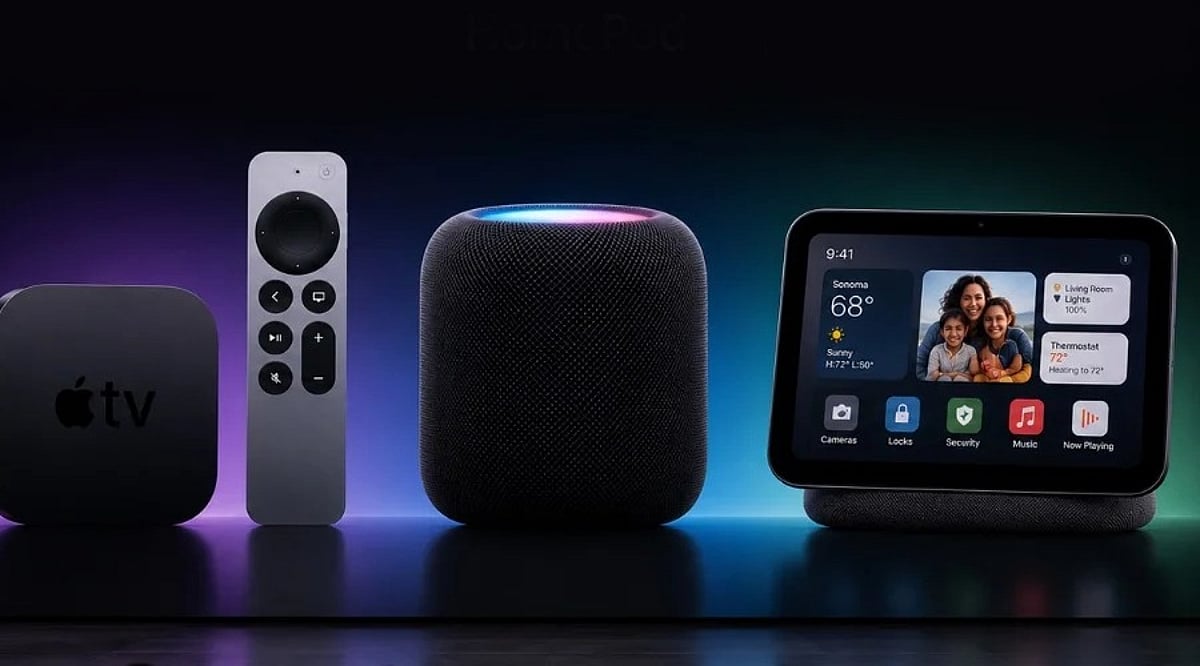
    Apple’s latest software updates—iOS 27 and tvOS 27—bring artificial intelligence capabilities to the Home app, introducing AI-generated video summaries, video search, and the ability to combine footage from multiple cameras. However, accessing these features requires an iCloud+ subscription, with costs ranging from $9.99 to $59.99 per month depending on the number of cameras.

    Apple Home AI Pricing Breakdown

    For a single camera, users need the 2TB iCloud+ plan at $9.99/month or an Apple One Premier subscription at $39.95/month. Adding a second camera jumps to the 6TB plan at $29.99/month, while up to five cameras require the 12TB plan at $59.99/month. Apple has not confirmed support for more than five cameras.

    Importantly, camera recordings from HomeKit Secure Video devices do not count toward the iCloud storage quota.

    Existing HomeKit Secure Video Unchanged

    The new pricing does not alter the standard HomeKit Secure Video service, which starts at $1/month for the 50GB plan (one camera with smart alerts and facial recognition). Previously, the 2TB plan supported up to five cameras without AI features; now the same tier enables AI for just one camera.

    Competitive Landscape

    Apple’s pricing faces stiff competition. Amazon’s Ring and Google Nest charge around $20/month for similar AI-powered camera features, often with more functionality. Apple’s iCloud+ plans also bundle storage for photos, files, and device backups, plus higher limits for Siri AI and other Apple Intelligence features—though specifics remain undisclosed.

    The updates also improve speed, reliability, and add 4K video resolution support for HomeKit Secure Video. AI features remain optional for existing users.

  • WhatsApp Malware Campaign Uses Fake Invoices to Hijack Accounts

    WhatsApp Malware Campaign Uses Fake Invoices to Hijack Accounts

    Cybersecurity firm Kaspersky has issued a warning about a rapidly spreading malware campaign on WhatsApp. Attackers are hijacking legitimate WhatsApp accounts and using them to send malicious attachments disguised as everyday business documents, such as invoices, billing statements, and payment notices.

    The campaign has already impacted users in multiple countries, including India, Brazil, Mexico, Singapore, the UK, Spain, Taiwan, Australia, Russia, Vietnam, and Malaysia. Because the malicious files appear to come from known contacts, recipients are far more likely to open them without suspicion.

    How the Scam Works

    According to Kaspersky researcher Fareed Radzi, the attackers exploit trust within messaging platforms by using compromised accounts to deliver malicious attachments that appear to originate from familiar people. The files are VBScript attachments carefully named to resemble financial reports and account notices.

    Once a victim opens the file, it triggers a staged infection chain that quietly downloads and executes additional harmful components from external servers. In many cases, this ultimately installs a remote access tool, granting attackers control over the infected device without the user’s knowledge.

    Safety Recommendations

    Kaspersky advises users to treat unexpected attachments with caution, even when they come from known contacts. Specifically, avoid opening script or executable files such as VBS, EXE, BAT, and JS unless their legitimacy is confirmed.

    India’s Cyber Crime Coordination Centre has also issued a similar alert, noting that fraudsters often name these files “View Details” or “Invoice” to appear genuine. Officials recommend verifying any unexpected document with the sender directly, preferably through a phone call, before opening it. A single click can compromise an entire WhatsApp account and its contact list.

    Stay vigilant and always double-check the unexpected, even if it comes from a trusted name.

  • Googlebook Laptop Pre-Orders Open September 21 With Gemini AI and Android Integration

    Googlebook Laptop Pre-Orders Open September 21 With Gemini AI and Android Integration

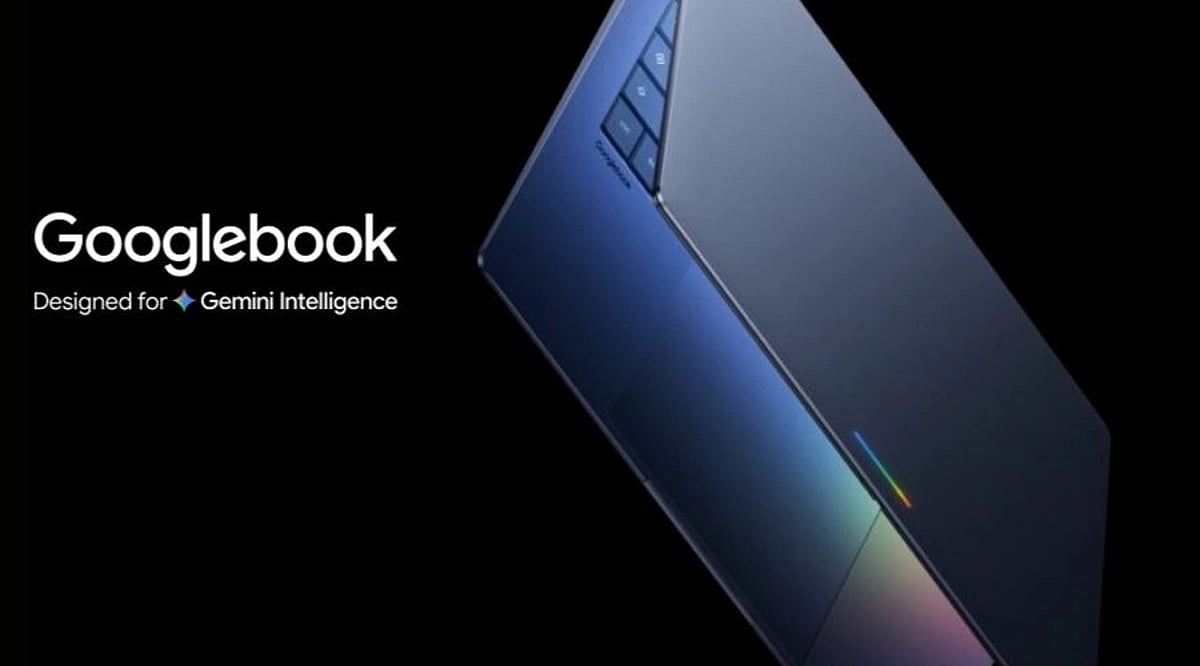
    Google has confirmed that pre-orders for its upcoming Googlebook laptops will officially open on September 21. The announcement, posted on the official Googlebook website, also gives users the option to sign up for preorder notifications if they aren’t ready to order right away. Google has not yet shared pricing, the exact models that will be available for pre-order, or shipping timelines.

    What Are Googlebook Laptops?

    The Googlebook was first teased during the Android Show I/O Edition in May. It is a new line of flagship laptops designed to combine the best of ChromeOS and Android. While current Chromebooks run on ChromeOS, Googlebook devices will be built on the Android technology stack but still include the Chrome browser and full access to Google Play Store apps.

    Several major PC makers are supporting the new category, including Acer, Asus, Dell, HP, and Lenovo. Google has not confirmed which manufacturer models will be the first to go on sale.

    Gemini AI Features

    Googlebook laptops will lean heavily on Gemini intelligence. The company’s website highlights two key features:

    • Magic Pointer: Select anything on screen and ask Gemini to analyze, compare, or create with it.
    • Create My Widget: Build custom widgets simply by asking Gemini to generate them.

    Deeper Android Phone Integration

    Googlebook is also designed to work more closely with Android smartphones. Two standout features include:

    • Cast My Apps: Use phone apps directly on the laptop without needing to install them separately.
    • Quick Access: Browse and access files stored on your phone right from the laptop’s file manager.

    These features will require a phone running Android 17 or later.

    Design and Availability

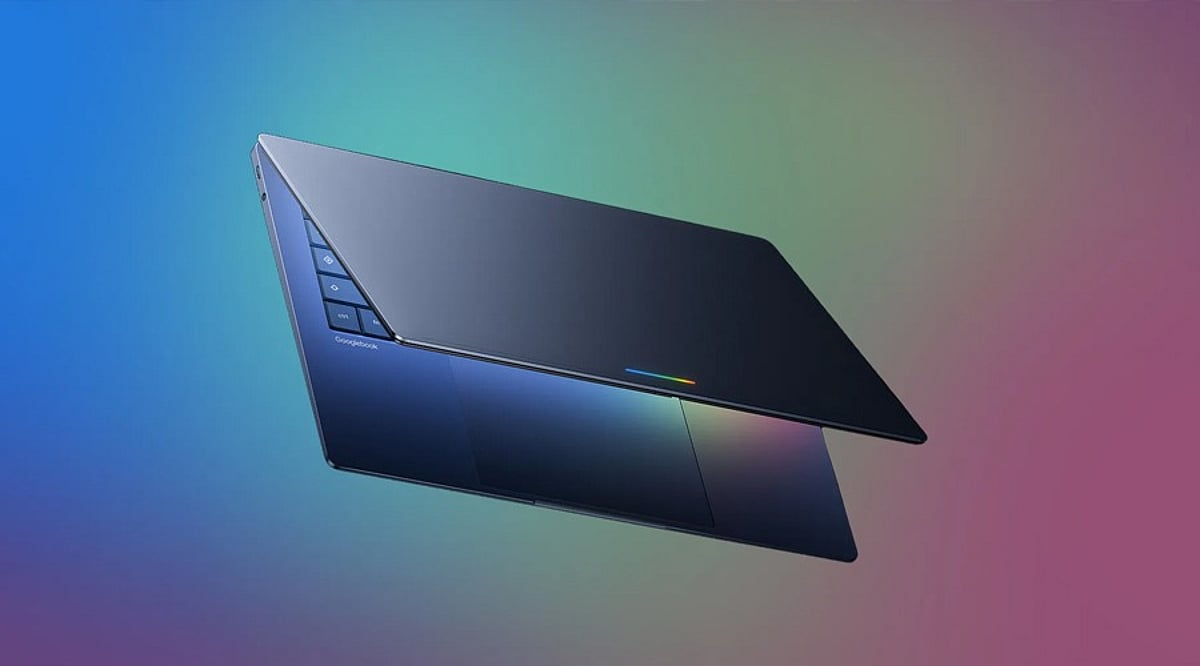
    Googlebook laptops will feature a distinctive Glowbar, described by Google as a functional design element. Since Acer, Asus, Dell, HP, and Lenovo are building the first-generation devices, customers can expect a range of shapes, sizes, and hardware configurations across the lineup.

    Google has not disclosed pricing or confirmed shipping dates, but the first devices are expected to arrive this fall.

  • India’s Consumer Regulator Investigates Apple Over iOS 18 iPhone Failures and Repair Costs

    India’s Consumer Regulator Investigates Apple Over iOS 18 iPhone Failures and Repair Costs

    India’s Central Consumer Protection Authority (CCPA) has escalated its probe into Apple over alleged iPhone problems linked to iOS 18. The regulator ordered a detailed investigation on July 29 after receiving complaints about display and microphone failures, and it will now examine whether Apple unfairly shifted repair costs onto consumers.

    What triggered the CCPA investigation?

    The case began after users reported green, pink, and white lines appearing on iPhone screens following the iOS 18 update. Some affected owners said they had to pay for display replacements and other repairs. The CCPA noted that an iPhone 15 screen repair could cost around Rs. 27,900 — more than one-third of the handset’s retail price.

    Warranty terms under scrutiny

    Apple’s limited warranty covers hardware, while its software license excludes software defects. The investigation will assess whether that exclusion remains fair if Apple’s own update allegedly triggers device problems. The CCPA has said the complaints may involve consumer rights violations.

    Apple defends iOS 18 and its warranty approach

    Apple disputed the allegations, saying iOS 18 has no systemic problems in India and that it found no safety concerns linked to the update. In an August response, Apple noted that the case involved only 75 complaints and that about 11% of iPhones still ran iOS 18 by June 2026. The company also said users received information about software terms before installing the update.

    Apple also cautioned against treating every software fault as a warranty breach, arguing that such rules could turn software providers into insurers against technological risks.

    Potential outcomes

    The investigation could lead to document requests, hearings, and a final regulatory report. If violations are established, Apple could face financial penalties, refunds, or changes to its business practices. Any changes to warranty terms could also set a significant consumer protection precedent.

    Why it matters for India

    The case comes as Apple expands its manufacturing footprint and market presence in India. The company’s iPhone share in India reached 9% last year, compared with 4% in 2022. The outcome could influence how software-related device failures receive warranty protection across India’s smartphone market.

  • Googlebook Pre-Orders Launch September 21: Gemini AI, Android Integration, and What to Know

    Googlebook Pre-Orders Launch September 21: Gemini AI, Android Integration, and What to Know

    Google has confirmed that Googlebook pre-orders will open on September 21 at 9 a.m. ET (6:30 p.m. IST), officially launching its new laptop category. The first wave of devices will be produced by Acer, ASUS, Dell, HP, and Lenovo, with Google positioning the lineup as a premium computing experience.

    What we know so far

    • Pre-order start: September 21, 2026, at 9 a.m. ET through Google’s official Googlebook website.
    • Hardware partners: Acer, ASUS, Dell, HP, and Lenovo will supply the initial devices.
    • Unconfirmed details: Pricing, final configurations, shipping dates, and India availability have not been announced.

    Shift from Chromebook to Android

    Googlebook marks a departure from the traditional Chromebook model. Instead of ChromeOS, the new category runs on an Android-based technology stack. The goal is to connect everyday laptop work, AI assistance, and Android phone interactions in a single, seamless experience.

    Magic Pointer brings Gemini to anything on screen

    One of the standout software features is Magic Pointer, which lets users point at on-screen content and ask Gemini for analysis, comparisons, or content creation without switching apps. The feature is designed to make AI assistance feel more natural during routine tasks.

    Create My Widget

    Googlebook also introduces Create My Widget, which builds custom desktop widgets from natural language requests. In a demo, Google showed a travel tracker that combined flight, accommodation, and restaurant details in a single interface, giving Gemini a practical role beyond chatbot-style conversations.

    Android phone integration

    The Android connection goes further with Cast My Apps, which brings Android phone apps to the laptop, and Quick Access, which provides direct access to phone files. Google notes that these capabilities require Android 17 or newer on the connected phone.

    Hardware and design

    While exact launch configurations are unconfirmed, reports point to premium displays and powerful processors across the initial Googlebook lineup. Google is also bringing back the Glowbar, a multicolor light strip above the keyboard first seen on the Chromebook Pixel, now serving as a visual marker for Googlebooks.

    The September 21 opening may reveal more than just availability. Pricing and hardware choices will show whether Google’s Gemini-first strategy can challenge established Windows laptops and premium MacBooks.

  • BitMine’s Ethereum Holdings Approach 5% as Exchange Supply Slumps to 11-Year Low

    BitMine’s Ethereum Holdings Approach 5% as Exchange Supply Slumps to 11-Year Low

    BitMine Expands Ethereum Treasury, Eyes 5% Milestone

    BitMine Immersion Technologies has purchased an additional 27,180 Ether (ETH), worth approximately $68 million, boosting its total Ethereum reserves to 5.96 million ETH. This represents 4.9% of the total circulating supply, inching the company closer to its self-imposed 5% target—dubbed the “Alchemy of 5%.”

    Weekly Accumulation Strategy

    Since launching its crypto strategy on June 30, 2025, BitMine has executed weekly Ethereum buys. The latest transaction was roughly in line with the prior week’s $69 million acquisition. The company now needs only about 144,000 more ETH to cross the 5% threshold.

    BitMine already holds the largest Ethereum treasury of any company globally and ranks second among all corporate crypto treasuries, trailing only Strategy Inc., which holds 845,080 BTC valued at about $71 billion.

    Staking Generates Recurring Revenue

    BitMine’s total crypto portfolio is valued at $15.8 billion, comprising 5.96 million ETH, 212 BTC, and $549 million in cash and securities. The company also holds equity stakes in Beast Industries and Eightco Holdings, valued at roughly $180 million and $98 million, respectively.

    Approximately 85% of BitMine’s ETH (5,067,309 ETH) is currently staked, yielding a seven-day annualized return of 2.62%. That translates to annualized staking revenue of $334 million. Chairman Tom Lee has indicated that if all ETH were staked, revenue could reach $392 million annually. BitMine uses its institutional validation platform, MAVAN, which launched in early 2026.

    This scale makes BitMine a major Ethereum validator, but it also raises concerns about concentration risk, given that the firm aims to control nearly 5% of the total supply.

    Exchange Supply Hits Multi-Year Low

    Ethereum balances on centralized exchanges have fallen to just 14.88 million ETH as of September 8—the lowest level in 11 years, according to CryptoQuant. Since July 2025, over 6.42 million ETH has left exchange wallets. While reduced exchange supply suggests fewer tokens are readily available for sale, it does not guarantee higher prices. Tokens can return from private wallets or staking platforms, and the ultimate price impact depends on whether demand rises in tandem.

    Market participants are closely monitoring spot volumes, ETF flows, whale activity, and price momentum as signals of genuine demand. If buying pressure increases while exchange supply remains constrained, Ethereum could see upward price support. Conversely, weak demand could render the supply drop irrelevant.

  • ITAT Delhi Allows Real Estate Trader to Treat Rs 25.09 Lakh F&O Loss as Business Loss

    ITAT Delhi Allows Real Estate Trader to Treat Rs 25.09 Lakh F&O Loss as Business Loss

    A real estate trader from Mathura has won a partial victory before the Income Tax Appellate Tribunal (ITAT) in Delhi over the treatment of losses from futures and options (F&O) trading.

    The taxpayer, who reported income of Rs 8.64 crore from his real estate trading business, had declared a total stock market trading loss of Rs 34.21 lakh in his income tax return. The Assessing Officer (AO) classified the entire loss as speculative, arguing that the taxpayer’s main business was real estate and not stock market trading.

    F&O losses treated as business loss

    In an order dated July 10, 2026, the ITAT Delhi ruled that Rs 25.09 lakh of the loss from exchange-traded derivatives could be treated as a normal business loss. The remaining Rs 9.11 lakh, which arose from the actual purchase and sale of shares, remained classified as speculative loss.

    The tribunal rejected the AO’s application of the Explanation to Section 73 of the Income Tax Act, which had been invoked based on the Delhi High Court ruling in CIT vs DLF Commercial Developers Ltd. ITAT Delhi observed that the provision applies to businesses involving the purchase and sale of shares of other companies, and does not specifically cover eligible exchange-traded F&O transactions.

    Referring to Section 43(5)(d), the tribunal noted that eligible derivative transactions carried out on a recognised stock exchange are excluded from the definition of speculative transactions. It also relied on the Bombay High Court ruling in Souvenir Developers (India) Pvt. Ltd. vs Union of India, which had examined the DLF Commercial Developers decision.

    Expense disallowance reduced

    The AO had also disallowed Rs 10 lakh from the taxpayer’s business expenses, estimating that the amount related to share trading activity. ITAT Delhi found no calculation, evidence, or clear basis for the Rs 10 lakh figure and reduced the disallowance to Rs 1 lakh.

    Consequently, the total disallowance linked to share and derivative transactions fell from Rs 44.21 lakh to Rs 10.11 lakh. This comprised Rs 9.11 lakh of speculative share-trading loss and Rs 1 lakh of related expenditure. The tribunal deleted the remaining addition of Rs 34.09 lakh.

    Section 14A disallowance deleted

    The tribunal also struck down a separate disallowance of Rs 9,910 made under Section 14A read with Rule 8D, as the taxpayer had not earned any exempt dividend income during the relevant financial year. Relying on rulings such as Cheminvest Ltd. vs CIT, CIT vs Holcim India Pvt. Ltd. and South Indian Bank Ltd. vs CIT, ITAT Delhi held that Section 14A cannot be applied when no exempt income exists.

    The appeal was partly allowed. The tribunal upheld only the actual share-trading loss of Rs 9.11 lakh as speculative and Rs 1 lakh of related expenses. Chartered Accountant Suresh Surana noted that the case highlighted the distinction between direct share transactions and exchange-traded derivatives under the Income Tax Act.

  • US Justice Department Files $61M Crypto Forfeiture Case Over Iranian Oil Sales

    US Justice Department Files $61M Crypto Forfeiture Case Over Iranian Oil Sales

    The US Justice Department has initiated a civil forfeiture action targeting more than $61 million in cryptocurrency allegedly connected to Iran’s black-market oil operations. Prosecutors assert that the proceeds were funneled through digital assets to finance Iran’s military and support terrorist activities.

    DOJ Targets Crypto Tied to Sanctioned Oil Network

    According to the complaint, Iran leveraged sanctioned crude oil sales to generate revenue outside conventional banking channels. Authorities allege a broader cryptocurrency network facilitated the movement of proceeds from these transactions. The Justice Department claims that crypto actors in China and other jurisdictions laundered over $1.5 billion from illicit Iranian oil sales, channeling funds toward Iran, its agents, and proxies.

    FBI officials stated the investigation traced money flows linked to sanctions evasion and suspected terrorist financing. This filing adds to a series of recent US legal actions against Iran-related financial networks.

    Binance Accounts Central to Laundering Allegations

    Prosecutors identified two Chinese companies—Blessed Trust and Hexa Whale—in the complaint, alleging both used Binance trading accounts to process proceeds from black-market Iranian oil sales. Blessed Trust is described as a wealth management or virtual asset custodian entity that also handled transfers and provided fiat-to-crypto on-ramp services. Hexa Whale allegedly offered similar services and collaborated with Blessed Trust and related entities. Authorities further claim both companies sent or received tens of millions of dollars through the US financial system.

    Binance responded, stating it does not tolerate sanctions violations or illicit activity. The exchange said it investigates risks, restricts or freezes accounts when appropriate, removes users, and reports cases to authorities.

    Tether Tokens to Be Replaced in Forfeiture Process

    The complaint notes that Tether Ltd will burn tokens held in the targeted addresses and issue replacement tokens of equal value for transfer into US government custody. The filing also indicates Blessed Trust and Hexa Whale served clients in China’s petroleum and petroleum-products sector. CNBC reported it could not reach either company for comment, while Tether had not responded.

    Washington sanctioned a Chinese independent refinery in April and warned financial institutions about dealings with Chinese refineries processing Iranian oil. Reuters later reported that Iran used barter-like arrangements to buy billions of dollars in goods from China. China ranked among the largest buyers of Iranian oil in 2025, taking more than 80% of Iran’s shipped oil, averaging about 1.4 million barrels per day.

    Conclusion

    The Justice Department’s $61 million forfeiture case centers on alleged crypto flows tied to sanctioned Iranian oil sales. Prosecutors say Blessed Trust and Hexa Whale used Binance accounts and the US financial system, while Tether’s token replacement process would place the targeted value under US government custody.

  • KULR Technology Group Exits Bitcoin Holdings, Sells 764 BTC for $58.6 Million

    KULR Technology Group Exits Bitcoin Holdings, Sells 764 BTC for $58.6 Million

    US-listed KULR Technology Group has fully exited its Bitcoin position, selling its remaining 764 Bitcoin between August 20 and September 11 for gross proceeds of approximately $58.6 million. The weighted average sale price was about $76,633 per Bitcoin, according to a regulatory filing.

    KULR Cuts Bitcoin Holdings to Zero

    As of September 11, KULR held no Bitcoin after completing open-market sales to unrelated buyers. The company described the transactions as part of its treasury management activities. The filing did not disclose the cost basis for the coins sold or indicate whether the final disposal resulted in a realized gain or loss. However, the average sale price was below KULR’s reported average acquisition cost of about $100,579 per Bitcoin at the end of the second quarter.

    KULR first purchased Bitcoin in December 2024 and steadily increased its holdings. By August 2026, management had begun reversing that strategy as financial priorities shifted.

    Company Ends Mining and Repays Coinbase Loans

    The Bitcoin sale followed other steps that reduced KULR’s cryptocurrency exposure. The company ended its Bitcoin mining operation after the second quarter and repaid its Coinbase loans in full.

    Chief Executive Michael Kimmel said the measures aimed to limit stock dilution while reducing balance-sheet volatility. KULR also introduced a policy designed to improve financial visibility. Management redirected funds and operational resources toward growth in the company’s core energy business.

    The September 11 Bitcoin sale completed the treasury side of that shift, removing KULR’s remaining direct exposure to Bitcoin price changes. Previously, movements in Bitcoin could increase or reduce the value of assets on its balance sheet.

    USD 58.6 Million Sale Adds Liquidity

    The Bitcoin disposal generated approximately $58.6 million in gross proceeds and increased KULR’s available liquidity. The filing did not explain how the company plans to use that cash, leaving investors without details on whether the proceeds will go toward operations, debt reduction, acquisitions, or other balance-sheet priorities.

    KULR has not ruled out future Bitcoin purchases. The filing records the sale of its remaining holdings but does not prevent the company from rebuilding a position later.