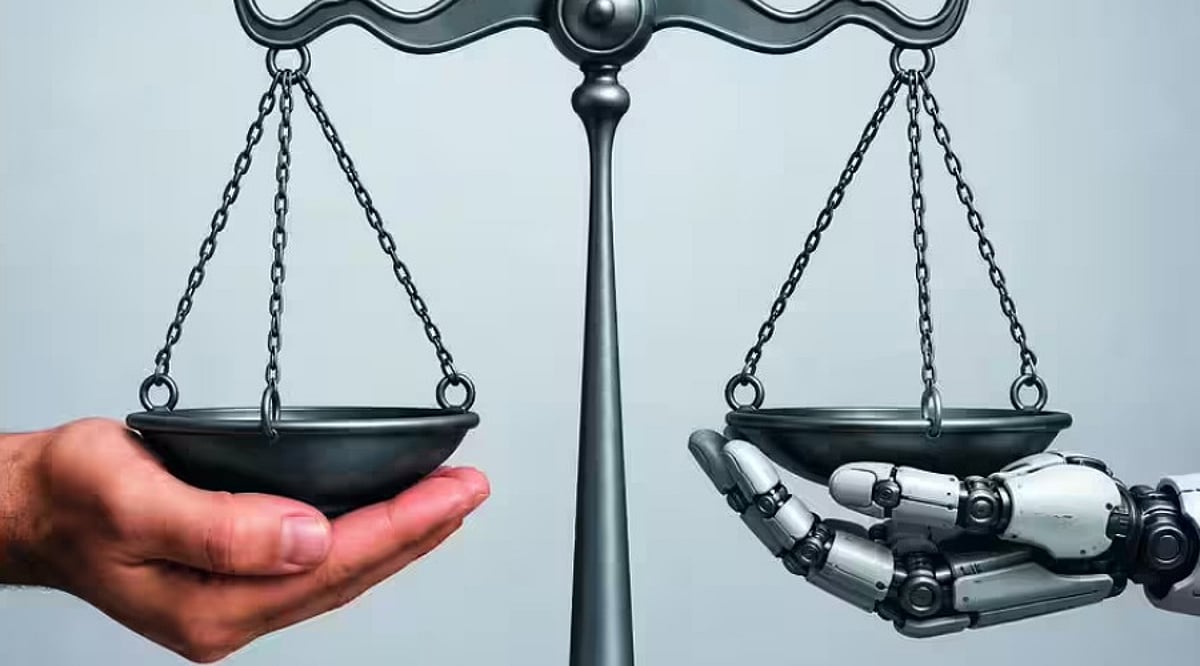
Generative AI has revolutionized digital content creation, but it has also sparked one of the biggest copyright debates in technology. Courts across the US and Europe are determining whether AI companies can legally use copyrighted artworks without creators’ consent to train image-generating models. The outcomes of these cases could reshape AI development, licensing, and digital creation for years to come.
The legal issues extend beyond ownership of AI-generated images. They also cover fair use of copyrighted material for AI training, whether AI-generated content infringes existing IP rights, and how creators can be compensated when their work benefits AI models.
Major Lawsuits Defining the Future of AI Copyright
Several landmark court cases are underway. Artists Sarah Andersen, Kelly McKernan, and Karla Ortiz are testifying in the closely watched Andersen v. Stability AI case. They argue that their copyrighted work was illegally used to train AI image models from Stability AI, Midjourney, and DeviantArt. This case is expected to become a pivotal development in copyright law and a major influence on AI technology’s future.
Stability AI also faces lawsuits from Getty Images, which claims the company’s AI tool was trained on millions of its licensed photos without permission. Litigation continues in the US, while a UK court previously ruled against Getty’s copyright claims, allowing only a limited trademark ruling.
Meanwhile, Disney, Universal, and Warner Bros have filed lawsuits against Midjourney for allegedly using their characters—including those from Star Wars, Marvel, and Shrek—without permission in its image generator. Midjourney argues its AI training falls under the “fair use” doctrine, making this one of the most important tests of AI copyright law to date.
Why These Cases Matter
These landmark decisions will determine whether training AI models on copyrighted art without permission constitutes fair use. The rulings will redefine future technology development, dataset licensing requirements, and fair compensation for digital creators.
Copyright Rules Continue to Evolve
Another major issue is whether AI-generated images themselves qualify for copyright protection. The US Copyright Office has long held that works produced solely by AI are not eligible for copyright, reflecting the traditional need for human creativity.
By late 2025, industry estimates placed the number of generative AI copyright lawsuits—covering training data, generated graphics, and intellectual property rights—at over 50. As AI image generators grow more powerful and popular in advertising, design, entertainment, and marketing, the debate has become more urgent.
AI companies say they need massive datasets to train innovative models, but artists, photographers, and media companies argue their copyrighted works should not be used without consent or compensation. As governments and courts interpret existing copyright laws for the AI era, 2026 is emerging as a pivotal year. The decisions made now will likely set the course for training AI models, safeguarding creators, and introducing new copyright laws or alternative licensing systems for datasets.