Category: Cryptocurrency

  • HYPE Token Tests $51 Support as Hyperliquid Rolls Out HIP-4 on Testnet

    HYPE Token Tests $51 Support as Hyperliquid Rolls Out HIP-4 on Testnet

    HYPE slipped below $52.5 on August 1, remaining inside a descending channel despite Hyperliquid’s permissionless HIP-4 testnet rollout. The open daily candle has not confirmed a breakdown, and attention now centers on $51, where Fibonacci support meets the channel floor.

    HYPE Price Structure Keeps $51 in Focus

    HYPE briefly moved below $52.5 on July 31, then recovered before the daily close. Sellers returned during the next session and pushed the token under that level again. The decline has followed a descending channel since early July. A daily recovery above $52.5 would reverse the latest break, but it would leave the wider bearish structure intact.

    The next support sits near $51, where the 0.5 Fibonacci retracement meets the channel’s lower boundary. Can buyers defend $51 before the channel breaks? A daily close below $51 would carry greater weight than the intraday move under $52.5. That close would break both the Fibonacci level and the channel floor.

    The chart shows limited support below that point until approximately $47. HYPE traded near $47 from May 17 through May 20 before starting its advance toward the record high. This earlier consolidation could attract buyers again, although the level represents a zone rather than a fixed floor. A fall toward $47 would also erase more than 40 days of gains.

    HIP-4 Testnet Access Expands Market Development

    Hyperliquid announced the first permissionless HIP-4 deployments on testnet on July 31. The change lets developers test their own outcome markets through the platform. HIP-4 supports fully collateralized contracts that settle within fixed ranges. Developers can use the standard for prediction markets, event contracts, and products that resemble options.

    Unlike perpetual futures, these contracts avoid open-ended exposure. Hyperliquid still plans to add configurable fees and more testnet market templates as development continues. The rollout expands the platform’s available tools, but current activity remains small. Blockworks data places HIP-4 open interest near $182,000 and notional volume near $881,000.

    Sports contracts account for most open positions. Open interest has fallen since the 2026 FIFA World Cup ended earlier in July, reducing activity across early event markets. Permissionless access could support markets tied to economic data, elections, and other measurable events. Platform rules and applicable regulations would still govern those products.

    Resistance and Oracle Risks Shape the Outlook

    A rebound above $52.5 would face stronger resistance between $56 and $57. The zone includes the channel ceiling, the 0.382 Fibonacci level, and the 100-day simple moving average. An intraday move into that area would not change the trend. HYPE would need a daily close above the cluster and continued strength to weaken the descending channel.

    Price remained inside that channel after Hyperliquid announced the HIP-4 milestone. The reaction showed no immediate increase in HYPE demand from the testnet update. Operational risks also remain relevant as Hyperliquid opens deployments to more developers. A separate HIP-3 market recently showed how external pricing can affect leveraged contracts.

    Crypto.news reported that the xyz:SKHX contract briefly fell about 17.9% after a low South Korean pre-market trade affected its oracle price. Trade.xyz deployed and operated that market, which tracks SK Hynix shares and offers leverage up to 10 times. The company continues investigating and plans an update after its review.

    Conclusion

    HYPE remains inside its descending channel after losing $52.5 during the August 1 session. The $51 area now combines Fibonacci support with the channel floor, while HIP-4 testnet access expands development. Daily closes around $51 and $56 to $57 will define the next structural move.
  • Ethereum Targets $2,000 After Best Monthly Rally in Over a Year

    Ethereum Targets $2,000 After Best Monthly Rally in Over a Year

    Ethereum closed July with a 20.3% gain, marking its strongest monthly performance in a year, as inflows into spot ETFs helped push the cryptocurrency toward the key $2,000 resistance level. The rebound erased much of June’s 21.8% decline, though technical analysis suggests the broader downtrend remains intact.

    July Rebound Restores Lost Ground

    July’s advance outpaced Ethereum’s historical average return of 10.7% for the month. The move followed a difficult first half of 2026, during which ETH fell from about $2,445 in January to $1,472 in April amid recession concerns and shifts in liquid supply.

    Buyers defended the April low, keeping ETH mainly between $1,500 and $2,000 during May and June. July’s rally then carried the asset toward $1,900. Spot Ethereum ETFs recorded net inflows on most trading days in July, with daily net inflows reaching $13.29 million by month-end. Total assets held by Ethereum spot ETFs stood at approximately $10.52 billion.

    While several sessions produced large outflows, buyers consistently returned after those declines, helping ETH preserve much of its monthly recovery.

    Resistance Keeps Broader Downtrend Active

    Ethereum traded near $1,885 when analyst Crypto Patel published a two-day chart showing the price near a support and resistance zone between $1,750 and $1,850. A descending trendline from the August 2025 record high of $4,953.73 still caps major recovery attempts, with ETH having fallen about 62% from that peak.

    The key question is whether ETH can secure a daily close above $2,000 before sellers regain control. Such a close could open a move toward $2,180 and the $2,400 to $2,500 supply zone, which also contains a fair value gap from a rapid earlier move. Ethereum tested that area during its April recovery but failed to hold above it, leading to a rejection that pushed prices back toward $1,500 in June.

    According to Crypto Patel’s chart, larger upside targets between $7,000 and $10,000 would only become viable after a confirmed breakout. A renewed failure near resistance could instead send ETH back toward $1,500 or $1,000. Holding the $1,750 to $1,850 region remains critical for the current recovery.

    Conclusion

    Ethereum’s 20.3% July gain restored much of June’s decline as spot ETF inflows supported demand. ETH now faces resistance between $1,900 and $2,000. A daily close above $2,000 could expose $2,180 and $2,500, while rejection could return price toward $1,500.

    Disclaimer: This article is for informational purposes only and does not constitute financial advice. Cryptocurrency investments carry significant risk. Always conduct your own research before making investment decisions.

  • Bitcoin Under Pressure: Geopolitical Tensions and ETF Outflows Weigh on August Outlook

    Bitcoin Under Pressure: Geopolitical Tensions and ETF Outflows Weigh on August Outlook

    Bitcoin entered August under renewed selling pressure, falling to a two-week low of $62,400 after repeated failures near the $65,000 resistance level. The decline was driven by escalating geopolitical tensions in the Middle East, significant ETF withdrawals, and a bearish technical signal. However, strength in global equity markets offered a potential counterbalance, leaving traders divided on the cryptocurrency’s next move.

    Geopolitical Risks Intensify

    Iran reportedly attacked two oil tankers attempting to cross the Strait of Hormuz under U.S. military escort, while turning back four other vessels. The attacks raised concerns about energy supply disruptions and the potential for a broader military confrontation. Iran also launched drones toward U.S.-linked military facilities in Kuwait and Bahrain, though Kuwait reported intercepting them without casualties.

    President Donald Trump met with Cabinet members at Camp David to review options, though no formal military operation was announced. Reports from The Wall Street Journal indicated preparations for a potential strike, while CBS News suggested the U.S. could target Iranian energy assets during a weekend escalation. Meanwhile, the U.S. Senate voted 49–50 against a measure to restrict Trump’s authority, leaving the administration’s short-term military options largely intact.

    ETF Outflows and FOMC Fallout

    The Federal Reserve left interest rates unchanged on Wednesday, prompting Bitcoin to drop roughly $3,000 over several days. Analysts noted a recurring pattern of post-FOMC weakness. Rising oil prices renewed inflation concerns, adding pressure across risk markets. A stronger dollar and higher Treasury yields further dampened demand for non-yielding assets like Bitcoin.

    Spot Bitcoin ETFs reversed a three-week inflow streak, recording $61.53 million in weekly net outflows after attracting over $200 million in the prior period. Friday alone saw more than $265 million in withdrawals, erasing Thursday’s $233 million net inflow. A reported U.S.-Israeli proposal for a land blockade of Iran remains under discussion, adding to uncertainty.

    Technical Warning vs. Equity Rebound

    Analyst Ali Martinez noted that the TD Sequential indicator flashed a major sell signal on Bitcoin’s three-day chart, a pattern traders use to identify potential price reversals. Martinez linked the signal to the start of August, a month that has historically seen Bitcoin pullbacks, though the pattern does not guarantee future price action.

    In contrast, analyst Michaël van de Poppe highlighted Bitcoin’s historical correlation with the NASDAQ and South Korea’s KOSPI, both of which surged late in the week. The KOSPI rose about 18%, while U.S. technology shares strengthened. Van de Poppe recalled that Bitcoin rallied toward $83,000 after a similar market move, suggesting equities could offset the current headwinds.

    Conclusion

    Bitcoin begins August below $65,000, facing downside pressure from geopolitical escalation, post-FOMC weakness, ETF outflows, and a TD Sequential sell signal. Yet sharp gains in the NASDAQ and KOSPI support a potential rebound case. Market attention now turns to energy prices, fund flows, and military developments as conflicting signals define the month ahead.

  • Coldcard Firmware Bug Leads to $70M Bitcoin Theft From 1,196 Wallets

    Coldcard Firmware Bug Leads to $70M Bitcoin Theft From 1,196 Wallets

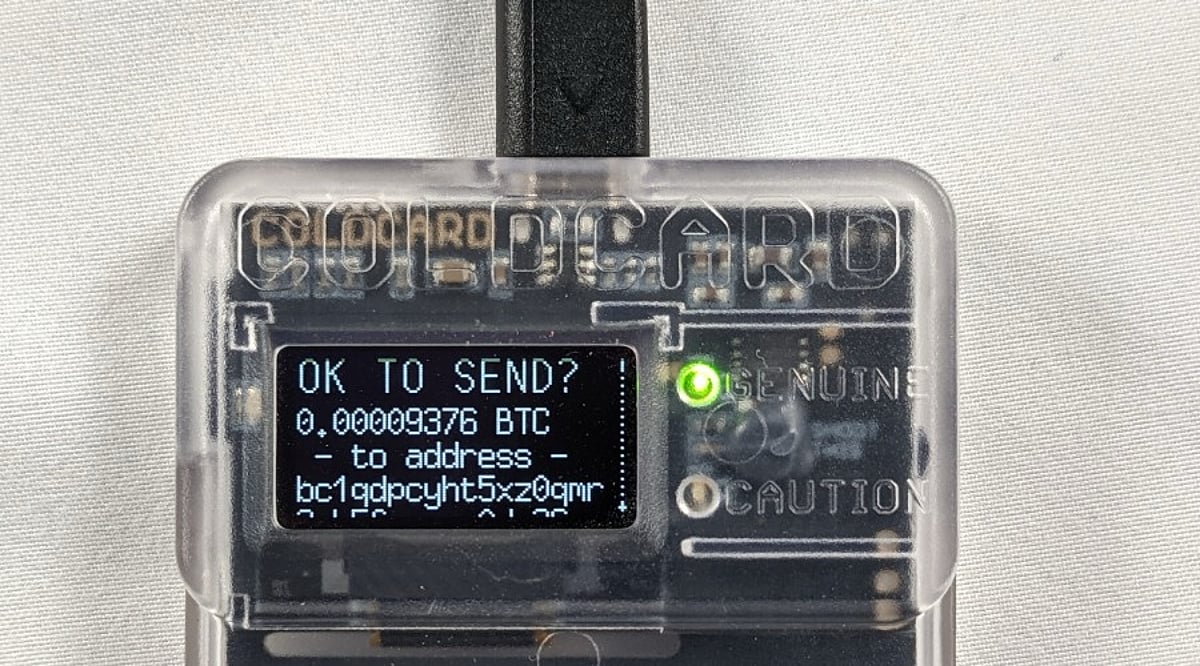
    An attacker drained 1,082.65 Bitcoin, worth approximately $70 million, from 1,196 wallets during a 41-minute sweep on July 30. Galaxy Research mapped the full event after early reports captured only part of the theft.

    Galaxy Maps a Batched Bitcoin Sweep

    Galaxy found that the attacker moved the bitcoin between 01:10 and 01:51 UTC across six blocks. Three blocks between those transfers contained no related transactions. That pattern indicates the operator broadcasts transactions in batches rather than sending them continuously. The stolen bitcoin now sits in four addresses and has not moved.

    Early coverage tracked only one destination address, which kept the first loss estimate much lower. Galaxy later connected the remaining addresses and nearly doubled the reported amount. The attacker drained 1,183 native SegWit wallets, seven older standard addresses, and six still older addresses. This mix points to systematic seed testing across several derivation paths.

    Firmware Error Reduced the Seed Range

    Coldcard devices should create seeds with a dedicated hardware random number generator. An internal build setting instead told affected firmware to skip that generator. A supporting library checked whether the setting existed but failed to check whether developers had enabled it. The software then used a fallback tied to the chip serial number and clock registers.

    The serial number remains fixed, while an attacker can narrow or reproduce clock timing. As a result, the possible seeds fell from an immense range to a searchable set. Security teams reproduced key generation on older Mk2 and Mk3 devices. For the Mk4, Q, and Mk5, they estimated a range of about four billion possible seeds. An attacker can generate candidate seeds, derive their addresses, and compare them with the public blockchain. The victim’s hardware never needs to connect during that search.

    Device Scope Dispute Leaves Owners Exposed

    Galaxy warned that more sweeps could follow unless affected owners move their funds. Owners cannot run a test that shows whether their seed falls inside the reproducible range. Coinkite, Coldcard’s maker, warned Mk3 owners and said newer models remain unaffected. Block’s report also placed the Mk2, Mk4, Q, and Mk5 within the affected scope.

    The disagreement leaves users without a verified way to separate safe devices from exposed ones. Anyone who generated a seed with affected firmware must treat that seed as vulnerable. Block’s Clay Garrett said the operator used a paid account at a well-known blockchain data provider. Internal logs reportedly matched the suspected queries by number, timing, and sequence. The provider supplied standard services and saw no clear sign of the attacker’s purpose. Block passed the account information and related evidence to authorities.

    Conclusion

    Galaxy Research traced the theft to 1,196 wallets and four holding addresses. The seed-generation flaw reduced key security to a searchable range, while reports disagree on affected models. Galaxy warned that further sweeps could follow, making fund movement the only action described for potentially exposed owners.

  • Bitcoin Under Siege: Geopolitical Tensions and ETF Withdrawals Weigh on August Outlook

    Bitcoin Under Siege: Geopolitical Tensions and ETF Withdrawals Weigh on August Outlook

    Bitcoin entered August under renewed selling pressure, slipping to a two-week low of $62,400 after repeated failures near $65,000. The decline followed fresh geopolitical escalation in the Middle East, significant ETF outflows, and a bearish technical signal from the TD Sequential indicator. However, a sharp rally in global stock markets provided a counterbalance, offering the cryptocurrency a potential path to recovery.

    Geopolitical Risks Intensify

    Iran claimed it attacked two oil tankers attempting to cross the Strait of Hormuz under US military escort, while turning back four other vessels. The attacks raised concerns about energy supply disruptions through the critical waterway. The US escort also heightened the risk of a direct military confrontation and broader market instability.

    Additionally, Iran launched drones toward US-linked military facilities in Kuwait and Bahrain. Kuwait intercepted the drones, reporting no casualties. President Donald Trump convened cabinet members at Camp David to review options, but no formal military operation was announced. Reports from The Wall Street Journal and CBS News indicated that the US could target Iranian energy assets in a potential weekend escalation.

    The US Senate voted 49–50 against advancing a measure that would restrict Trump’s authority to continue hostilities, leaving the administration’s military options largely unchanged.

    ETF Outflows and Post-FOMC Pressure

    The Federal Reserve left interest rates unchanged on Wednesday, and Bitcoin dropped roughly $3,000 over the following days, extending a pattern analysts have tied to recent FOMC meetings. Rising oil prices revived inflation concerns, adding pressure across risk markets.

    A stronger dollar and higher Treasury yields further weighed on Bitcoin, as both trends can reduce demand for non-yielding assets during economic uncertainty. Spot Bitcoin ETFs reversed a three-week inflow streak, recording $61.53 million in net outflows for the week. Friday saw particularly heavy withdrawals of more than $265 million, erasing the impact of Thursday’s $233 million net inflow.

    A reported US-Israeli proposal for a land blockade of Iran is also under discussion, aiming to restrict Iranian imports and exports with help from neighboring countries.

    Technical Warning Amid Equity Rebound

    Analyst Ali Martinez noted that the TD Sequential indicator flashed a major sell signal on Bitcoin’s three-day chart, a tool traders use to identify possible price direction changes. Martinez linked the signal to the start of August, a month that has historically brought Bitcoin pullbacks, though the pattern does not guarantee future moves.

    Michaël van de Poppe offered a contrasting view, pointing to Bitcoin’s historical correlation with the NASDAQ and South Korea’s KOSPI. Both indexes surged late in the week—the KOSPI rose about 18%, and US technology shares strengthened. Van de Poppe noted that Bitcoin rallied toward $83,000 after a similar market move in the past.

    The question now is whether stronger global equities can offset war risks, Bitcoin ETF outflows, and the latest technical warning. Bitcoin’s near-term direction hinges on conflicting signals entering August.

    Conclusion

    Bitcoin begins August below $65,000, facing headwinds from geopolitical escalation, post-FOMC weakness, ETF withdrawals, and a TD Sequential sell signal. At the same time, sharp gains in the NASDAQ and KOSPI support a rebound case. Market attention now turns to energy prices, fund flows, and military developments.

  • Key Crypto Narratives Driving Market Growth in 2026

    Key Crypto Narratives Driving Market Growth in 2026

    The crypto market in 2026 has shifted away from short-term hype toward real-world adoption. Strong technology, tangible business use, and institutional involvement now define the landscape. Investors are focusing on sectors that solve genuine problems rather than projects driven by social media buzz. This transformation has opened new opportunities across digital finance, payments, infrastructure, and artificial intelligence. Below are the most compelling crypto narratives of 2026 that are shaping the next phase of industry growth.

    Real-World Asset Tokenization Leads the Market

    Real-world asset (RWA) tokenization is at the forefront of crypto in 2026. This process converts traditional assets such as government treasury bills, corporate bonds, private credit, real estate, and commodities into digital tokens on blockchain networks. Financial institutions value this approach for faster settlement, better liquidity, lower transaction costs, and 24/7 market access. Key projects like Ondo Finance, Centrifuge, Maple Finance, Ethena, and Chainlink are driving expansion in this sector. Industry experts view RWA tokenization as a long-term opportunity rather than a passing trend.

    Stablecoins Become a Global Payment Network

    Stablecoins have evolved far beyond their original trading utility. In 2026, businesses and financial firms rely on stablecoins for cross-border payments, payroll, merchant transactions, and commercial settlements. Digital dollars enable fast, low-cost transfers across borders, bypassing traditional banking delays. Major payment companies and regulated products like USDC, USDT, and Circle’s infrastructure continue to expand stablecoin services, reinforcing their role as one of the most practical examples of blockchain adoption.

    Artificial Intelligence Creates a New Crypto Economy

    AI has emerged as one of the hottest crypto narratives in 2026. Modern AI agents handle financial tasks autonomously—trading assets, rebalancing portfolios, executing payments, and interacting with decentralized finance protocols. Companies are developing AI wallets, decentralized AI marketplaces, digital identity solutions, and advanced trading systems. The convergence of blockchain and AI is creating a new digital economy where software performs financial activities with speed and efficiency.

    DePIN Expands Physical Infrastructure

    Decentralized Physical Infrastructure Networks (DePIN) link blockchain technology with physical resources. Instead of centralized control, individuals contribute computing power, wireless coverage, storage, mapping services, or energy resources and earn crypto rewards. Projects such as Render, Akash, Helium, Filecoin, and io.net are gaining traction. Demand for decentralized computing, especially from AI companies, supports continued growth. DePIN represents one of the most practical blockchain applications outside traditional finance.

    Bitcoin Strengthens Its Institutional Position

    Bitcoin continues to attract major financial institutions worldwide. Exchange-traded funds, corporate treasury investments, pension funds, and government interest have shifted the conversation. Large investors no longer question Bitcoin’s place in professional portfolios; instead, they debate the size of long-term allocations. This institutional confidence gives Bitcoin greater stability and reinforces its status as a digital store of value, often compared to traditional reserve assets.

    Bitcoin Finance Unlocks New Opportunities

    Bitcoin Finance (BTCFi) introduces innovative financial services for Bitcoin holders. Rather than leaving Bitcoin idle, users can lend, borrow, earn interest, restake, and access cross-chain solutions. This allows holders to generate returns while keeping their assets involved. BTCFi platforms are developing reliable financial products that unlock the potential of the world’s largest cryptocurrency.

    Prediction Markets and Blockchain Infrastructure Continue to Grow

    Prediction markets have expanded beyond politics to cover sports, economics, climate, AI, and business forecasts. These platforms aggregate insights from thousands of participants, often producing valuable predictions. Meanwhile, modular blockchain infrastructure is reshaping network design. Separate layers manage execution, settlement, consensus, and data availability, improving scalability, lowering costs, and giving developers more flexibility.

    Privacy Technology and Traditional Finance Move Closer Together

    Privacy remains a critical topic in crypto. Zero-knowledge (ZK) technology enables private identity verification, confidential transactions, and privacy-preserving financial applications. Financial institutions are increasingly interested in privacy solutions. At the same time, traditional finance is exploring tokenized funds, digital bonds, tokenized stocks, regulated DeFi assets, and banking custody, further bridging the gap between old and new finance.

    Why This Matters

    In 2026, the cryptocurrency market focuses on real-world use rather than speculative hype. Strong narratives help investors identify sectors with long-term potential. Understanding these trends enables informed investment decisions, reveals new opportunities, and reduces the risk of missing transformative developments.

    The Road Ahead for Crypto

    The strongest crypto narratives of 2026 share a common trait: they deliver practical value. Real-world asset tokenization, stablecoin payments, artificial intelligence, Bitcoin adoption, decentralized infrastructure, privacy technology, and stronger ties with traditional finance all reflect a maturing market. These sectors are at the forefront of digital finance’s next chapter, offering investors a clear view of where long-term innovation and adoption are developing.

  • Top Crypto Cards in India for 2026: A Comprehensive Buyer’s Guide

    Top Crypto Cards in India for 2026: A Comprehensive Buyer’s Guide

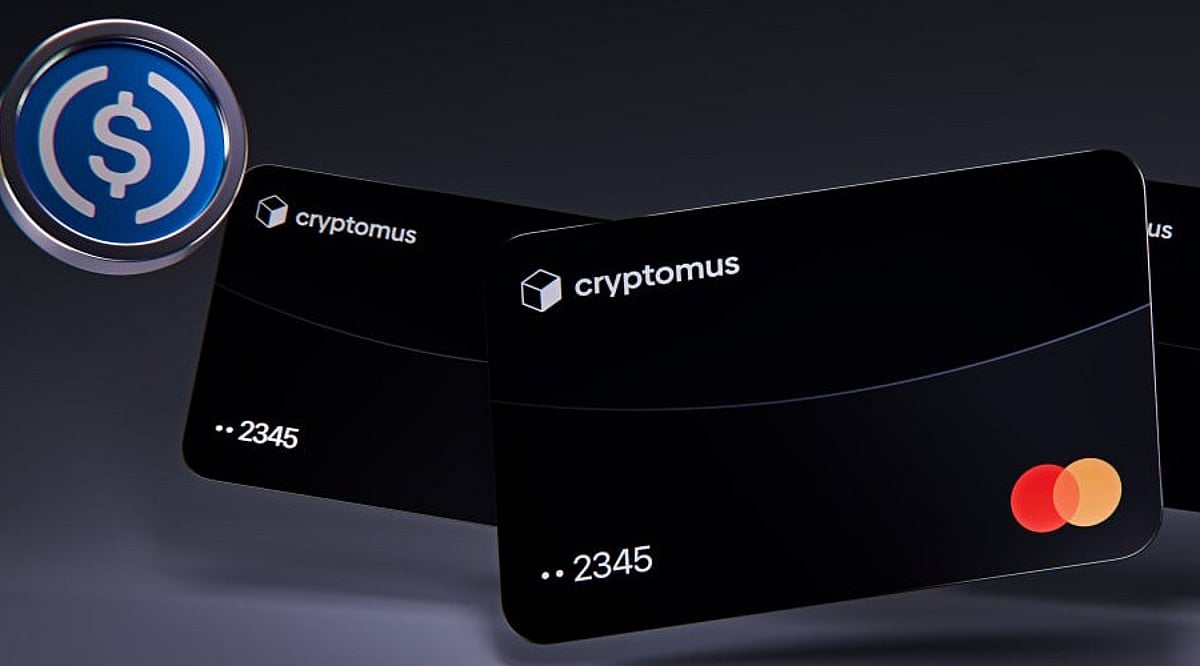
    Cryptocurrency cards have become a practical payment option for many users in India. These cards bridge digital assets with everyday spending, allowing quick payments at stores, restaurants, travel websites, and online platforms that accept Visa or Mastercard. Instead of selling crypto through an exchange before every purchase, cardholders can complete transactions with a single swipe or tap. This simple process saves time and offers greater convenience.

    The Indian market now offers several crypto card options with different rewards, supported assets, fees, and spending limits. Some cards focus on cashback in cryptocurrency, while others provide travel benefits, premium memberships, or lower conversion charges. A careful comparison helps cardholders select a card that matches personal spending habits and financial goals.

    How Cryptocurrency Cards Work

    A cryptocurrency card links to a crypto wallet rather than a traditional bank account. The wallet stores digital assets such as Bitcoin, Ethereum, or stablecoins. At the time of payment, the card provider converts the selected cryptocurrency into local currency. The merchant receives the payment in Indian Rupees or another supported currency, while the crypto balance decreases by the purchase amount.

    Most providers also offer mobile applications with balance tracking, transaction history, security controls, and asset management. Many cards allow users to switch between different cryptocurrencies before a transaction. This feature adds flexibility without extra steps during checkout.

    Key Features That Matter

    The popularity of crypto cards can largely be attributed to the incentives users get for using them. Several companies offer crypto cards that provide a percentage of every retail transaction as digital currency rather than traditional cashback. Over time, such tokens can significantly increase the user’s cryptocurrency balance without any additional investments.

    Equally important is the security provided by modern crypto cards. Most come with two-factor authentication, instant card freezing options, biometric login, and transaction alerts. These features reduce the chances of illicit transactions and enhance the security of crypto wallet activities.

    Another crucial factor is the supported cryptocurrency. Some cards support only a few digital currencies, while high-end cards support various coins and stablecoins. A greater variety enables users to spend their currencies more flexibly.

    Best Cryptocurrency Cards Available in India

    Several international crypto card providers continue to serve eligible Indian users through digital platforms.

    • Crypto.com Visa Card – Popular for attractive crypto rewards, airport lounge access for premium tiers, and support for multiple cryptocurrencies. Higher reward levels usually require larger platform token holdings.
    • Bybit Card – Gained attention with competitive cashback offers, virtual card support, and a simple mobile interface. Smooth crypto management for active traders and frequent users.
    • RedotPay Card – Expanded rapidly across regions. Supports direct crypto spending with competitive conversion rates and multiple digital assets. Straightforward account setup and broad payment acceptance.
    • Wirex Card – Attracts customers with flexible crypto spending, instant currency exchange, and reward programs. Supports both traditional currencies and digital assets.
    • Bitget Card – Targets regular crypto users with multi-currency support, quick wallet integration, and secure payment controls through its mobile app.

    Advantages of Crypto Cards

    Crypto cards simplify daily spending without repeated manual conversions. Grocery shopping, hotel reservations, subscription payments, and travel bookings become easier with direct wallet access. Fast payments reduce delays and create a familiar payment experience.

    Reward programs add another layer of value. Crypto cashback allows users to collect digital assets after each eligible purchase. Over time, frequent spending can build a meaningful crypto balance.

    International travel also becomes more convenient with many crypto cards. Several providers support global payment networks, enabling smooth transactions across multiple countries. Travelers also benefit from lower foreign exchange costs on selected cards.

    Important Points Before Choosing a Card

    Before applying, carefully review supported regions, as service availability can change according to local regulations. Verification requirements differ across providers and often include identity checks before card activation.

    Reward structures deserve close attention. Some cards advertise high cashback rates but require premium subscriptions or platform token staking. Review eligibility conditions to avoid unexpected limitations.

    Security standards should remain a top priority. Strong authentication methods, quick account recovery options, and reliable customer support create a safer experience for digital asset holders.

    Spending limits also matter. Daily transaction caps, ATM withdrawal limits, and monthly purchase limits vary across providers. A card with suitable limits supports smoother financial management.

    Future of Cryptocurrency Cards in India

    The crypto payment sector continues to evolve with stronger technology and better user experiences. More providers now focus on faster settlements, lower transaction costs, and broader cryptocurrency support. Mobile applications also improve with smarter security tools and advanced wallet management.

    Regulatory developments may influence future availability and features within the Indian market. Card providers continue to adapt their services to meet changing compliance standards while expanding payment options for digital asset users.

    Final Thoughts

    Cryptocurrency cards have become an important bridge between digital assets and everyday spending. Strong security, competitive rewards, broad cryptocurrency support, and transparent fee structures separate the best options from ordinary alternatives. Crypto.com Visa Card, Bybit Card, RedotPay Card, Wirex Card, and Bitget Card stand among the leading choices for eligible users in India during 2026. A detailed comparison of features, costs, and supported services helps every cardholder select an option that delivers long-term value and a smooth payment experience.

    Frequently Asked Questions

    What is a cryptocurrency card?

    A cryptocurrency card is a payment card linked to a crypto wallet that converts digital assets into local currency during transactions.

    Can cryptocurrency cards be used for daily purchases in India?

    Yes, eligible crypto cards can be used for everyday payments at merchants, websites, and platforms that accept supported card networks.

    Which cryptocurrency cards are popular in India in 2026?

    Popular options include Crypto.com Visa Card, Bybit Card, RedotPay Card, Wirex Card, and Bitget Card, depending on availability and eligibility.

    Do crypto cards offer cashback or rewards?

    Many crypto cards provide rewards in cryptocurrency, including cashback programs, loyalty benefits, or premium features based on usage levels.

    What should users check before choosing a crypto card?

    Users should review supported regions, fees, security features, supported assets, transaction limits, and reward conditions before applying.

  • BlockDAG Surges as Ethereum and Shiba Inu Stumble: Top Crypto Pick for July 2026

    BlockDAG Surges as Ethereum and Shiba Inu Stumble: Top Crypto Pick for July 2026

    The crypto market is sending mixed signals right now, leaving traders uncertain about which direction to take. Ethereum price remains stuck below a heavy resistance zone, struggling to hold ground even after a solid bounce from June lows. Meanwhile, Shiba Inu price continues to slide as exchange reserves shrink and momentum fades. Both major coins are giving buyers reason to pause before committing fresh capital.

    That’s exactly why many are searching for the best crypto to buy today — something with real momentum instead of stalled charts. BlockDAG (BDAG) is stepping into that gap, with claiming and staking now live, a 7,000 TPS mainnet already running, and a limited-time entry price that has the community moving fast.

    Ethereum Price Faces a Tough Wall Near $2,000

    Ethereum is trading close to $1,880 after bouncing back from June lows around $1,796. It touched a recent high near $1,955 before sellers pushed it down again. The main problem now is the heavy supply zone between $1,980 and $2,080. Many holders bought ETH in this range, so they may sell at breakeven, adding extra pressure on any recovery attempt.

    If buyers can push through and close daily above $2,080, the next targets sit near $2,406 (a CME gap) and $2,773. But if Ethereum price gets rejected again, support at $1,733 comes into play, with $1,510–$1,600 as the deeper safety net. For anyone hunting the best crypto to buy today, ETH still needs a clear breakout before it can prove itself.

    Shiba Inu Price Slips as Exchange Reserves Near $400M

    Shiba Inu is trading around $0.0000048, sitting close to its 20-day and 50-day EMAs. The bigger story is that SHIB’s exchange reserves in dollar value are about to fall below the $400 million mark. Reserves are already near $414 million, and another small drop could break that level.

    This isn’t because whales are pulling coins off exchanges. It’s mostly because each SHIB token is worth less than before. The 100-day EMA at $0.0000050 is the first resistance, while the 200-day EMA near $0.0000060 is the bigger wall. The recent bounce in Shiba Inu price looks more like short-term relief than a real trend change, making it a wait-and-watch pick for buyers scanning for the best crypto to buy today.

    BlockDAG (BDAG): Claiming, Staking, and 7,000 TPS Are All Live

    BlockDAG is quickly turning into the best crypto to buy today, and the timing could not be sharper. Claiming and staking are now live. The wait is finally over, and the next phase of BlockDAG starts today. Holders can claim their BDAG, stake their holdings, and start earning rewards right away. Claims are already open for Batches 1 to 6, while Batch 7 (covering purchases made up to 19 July) goes live tomorrow morning. Everything is moving forward at once, and the community can feel it.

    To mark this launch, the team has unlocked a limited-time community offer that has buyers scrambling. BDAG is available at just $0.00000015, an entry point that feels almost unreal at this stage of the project. The Live Swap is running at 30% below the CoinMarketCap price, giving fresh buyers a chance to grab BDAG at a level well under open-market rates.

    On top of that, BlockDAG X pre-registration is now live. Anyone who registers early locks in a $1,000 credit at launch, ready to use the moment the exchange goes live. It is the kind of stacked opportunity that rarely lines up like this.

    BlockDAG’s 7,000 TPS mainnet is now live, giving it the raw speed that most Layer 1 chains can only talk about. The community is not just watching; almost 10 billion coins have already been staked, showing serious long-term conviction in where this network is going.

    The clock is ticking on this offer, and buyers are rushing in before the window shuts. Between the entry price and a mainnet already firing at 7,000 TPS, it is easy to see why BDAG stands out as the best crypto to buy today.

    Final Word

    The current market is testing patience on both sides. Ethereum price is stuck below tough resistance, and Shiba Inu price keeps sliding as momentum fades, leaving short-term buyers unsure and long-term holders waiting. Meanwhile, BlockDAG is moving in the opposite direction. Claiming and staking are live at just $0.00000015, and the community is stacking positions fast with more than 9.8 billion coins staked.

    On top of that, its 7,000 TPS mainnet is fully running, putting BDAG ahead of most Layer 1 chains in raw speed. The buzz is real, the window is tight, and buyers are rushing in, making BDAG the best crypto to buy today.

    Disclaimer: This article is for informational purposes only and does not constitute investment advice. Cryptocurrency investments are risky and may result in loss of capital. Always do your own research before investing.

  • Solana Holds Near $73 as Market Cap Drops to $42.6B; ETF Inflows Return

    Solana Holds Near $73 as Market Cap Drops to $42.6B; ETF Inflows Return

    Solana (SOL) is trading at $73.38 as of Friday, down 0.93% over the past 24 hours, as the token tests the trendline support of a symmetrical triangle pattern on the daily chart. The broader cryptocurrency market remains cautious, with SOL’s market capitalization falling to $42.61 billion and daily trading volume declining 8.64% to $1.63 billion.

    ETF Flows Show Mixed Sentiment

    According to SoSoValue, U.S. spot Solana ETFs recorded net inflows of $403,890 on Thursday, marking the second consecutive session of positive flows. However, earlier in the week, Tuesday saw $18.07 million in net outflows, which were offset by Wednesday’s $19.06 million in inflows. This mixed pattern suggests institutional interest remains steady but cautious amid broader market volatility.

    Derivatives Data Points to Rising Buyer Demand

    Data from CoinGlass shows that Solana’s funding rate has increased to 0.0052%, up from 0.0041% the previous day, indicating growing demand among buyers for long positions. However, trading volume in derivatives has dropped nearly 25% over the past 24 hours to $5.20 billion, while open interest has eased by roughly 1% to $4.36 billion. This suggests a decline in overall activity even as the notional value of active contracts remains stable.

    DeFi Activity Cools Across Major Protocols

    On-chain data from DefiLlama reveals a cooling in Solana’s DeFi ecosystem. PumpSwap saw fees drop 28.1% over the past day and 31.54% over 30 days. Raydium AMM posted a 17.81% daily fee decline and a more significant 35.24% drop over 30 days. Orca DEX was down 50.26% over the past 30 days. Reduced on-chain trading activity typically weakens demand for SOL as a gas and staking asset. However, some protocols bucked the trend: HumidiFi posted a 32.87% increase in fee growth over seven days, while BisonFi surged 145.05% week-over-week.

    Technical Analysis: Symmetrical Triangle Points to Potential Breakout

    Solana maintains a mixed near-term bias as the price moves toward the upper end of a symmetrical pattern on the daily chart. The token is supported by a rising trendline near $72.95, while the overhead trendline coincides with the 50-day Exponential Moving Average (EMA) at $76.07. The Relative Strength Index (RSI) at 43.69 suggests modest downside pressure, and the Moving Average Convergence Divergence (MACD) remains below its signal line, indicating that rallies may be vulnerable.

    On the upside, a sustained close above the overhead cluster near the 50-day EMA at around $76.09 could target $93.61. Immediate support lies near the rising trendline around $72.95. A daily close below this area would expose weakness toward $67.50.

    Frequently Asked Questions

    Why is Solana trading within a symmetrical triangle pattern?

    A symmetrical triangle reflects a period of consolidation where buyers and sellers are evenly matched. A breakout above the upper trendline or a breakdown below support could determine Solana’s next major price direction.

    What do the latest Solana ETF flows indicate?

    According to SoSoValue, U.S. spot Solana ETFs recorded $403,890 in net inflows on Thursday after mixed flows earlier in the week. This suggests institutional interest remains steady despite broader market volatility.

    What does the funding rate reveal about trader sentiment?

    According to CoinGlass, Solana’s funding rate increased to 0.0052% from 0.0041%, indicating that traders are increasingly willing to pay a premium to maintain long positions, reflecting improving bullish sentiment.

    How is Solana’s DeFi ecosystem performing?

    DeFi activity has cooled, with protocols such as PumpSwap, Raydium, and Orca reporting lower fee generation over recent weeks. However, projects like HumidiFi and BisonFi have bucked the trend with strong weekly fee growth.

    What are the key support and resistance levels for Solana?

    Immediate support lies near the rising trendline around $72.95. On the upside, the first major resistance is the 50-day EMA near $76.09. A breakout above this level could target $93.61, while a break below support may expose $67.50.

  • Top Crypto Assets for Your Roth IRA: Tax-Free Growth Strategies

    Top Crypto Assets for Your Roth IRA: Tax-Free Growth Strategies

    Investing in cryptocurrencies through a Roth IRA can offer substantial tax-free growth potential for your retirement. Here are the top crypto assets to consider for a Roth IRA portfolio, each with unique strengths that align with long-term investment goals.

    Bitcoin (BTC)

    Bitcoin remains the leading cryptocurrency, offering long-term growth potential, strong institutional support, and broad market acceptance for retirement-focused investors today.

    Ethereum (ETH)

    Ethereum powers decentralized applications and smart contracts, making it a strong Roth IRA choice with steady adoption and long-term growth prospects.

    Solana (SOL)

    Solana offers fast transactions, low fees, and a growing ecosystem of projects, making it an attractive cryptocurrency for long-term retirement investment portfolios.

    XRP (XRP)

    XRP focuses on cross-border payments, offering speed and efficiency while benefiting from growing institutional interest and improving regulatory clarity globally.

    Chainlink (LINK)

    Chainlink connects blockchain networks with real-world data, supporting decentralized applications while strengthening its long-term investment potential for retirement accounts.

    Avalanche (AVAX)

    Avalanche delivers scalable blockchain solutions with fast processing speeds, attracting developers and projects that support its future growth opportunities consistently.

    Cardano (ADA)

    Cardano emphasizes research-driven development, energy efficiency, and network security, making it a reliable option for patient, long-term cryptocurrency investors.

    Sui (SUI)

    Sui continues expanding through decentralized applications and growing ecosystem support, offering promising long-term potential for investors seeking emerging blockchain opportunities.

    Polkadot (DOT)

    Polkadot enables blockchain interoperability, helping different networks communicate efficiently while supporting long-term innovation and portfolio diversification within retirement investments.

    Read more stories on our website. Join our WhatsApp Channel to get the latest news, exclusives and videos on WhatsApp.