Category: Digital Marketing

  • 10 Proven Strategies to Grow Your X (Twitter) Followers Organically in 2026

    10 Proven Strategies to Grow Your X (Twitter) Followers Organically in 2026

    Building a genuine following on X (formerly Twitter) takes more than just posting random updates. In 2026, organic growth hinges on strategy, consistency, and authentic engagement. Here are ten actionable tactics to help you attract and retain followers without resorting to paid promotions.

    1. Optimize Your Profile

    Your profile is the first impression. Use a professional profile photo, write a compelling bio that includes relevant keywords, and clearly state your niche. This builds trust and helps targeted followers find you.

    2. Post High-Value Content

    Share posts that educate, entertain, or solve problems. Data-driven insights, actionable tips, and thought-provoking questions establish credibility and encourage engagement from your ideal audience.

    3. Stay Consistent

    Post regularly—aim for several high-quality updates each week. Consistency keeps your account visible in feeds and algorithms, helping you retain existing followers while attracting new ones.

    4. Engage With Others

    Reply thoughtfully to industry leaders, followers, and trending conversations. Meaningful interactions increase your visibility and attract like-minded users who appreciate your insights.

    5. Create Shareable Threads

    Break down complex topics into simple, informative threads. Well-structured threads encourage reposts, saves, and discussions, expanding your reach across the platform.

    6. Leverage Trending Topics

    Join relevant trending conversations with unique perspectives rather than generic comments. This boosts discoverability while keeping your content authentic and aligned with your niche.

    7. Use Visual Content

    Incorporate images, videos, infographics, and charts in your posts. Visuals capture attention quickly and significantly improve engagement rates and sharing.

    8. Build Community

    Support other creators through meaningful interactions, collaborations, and discussions. Genuine relationships naturally encourage follower growth and long-term loyalty.

    9. Analyze Performance

    Track impressions, engagement, follower growth, and top-performing content using X Analytics. Regularly review these metrics and refine your strategy based on what resonates with your audience.

    10. Avoid Shortcuts

    Steer clear of bots, follow-for-follow schemes, or buying followers. These tactics damage credibility and rarely lead to real engagement. Stick to organic methods for sustainable growth.

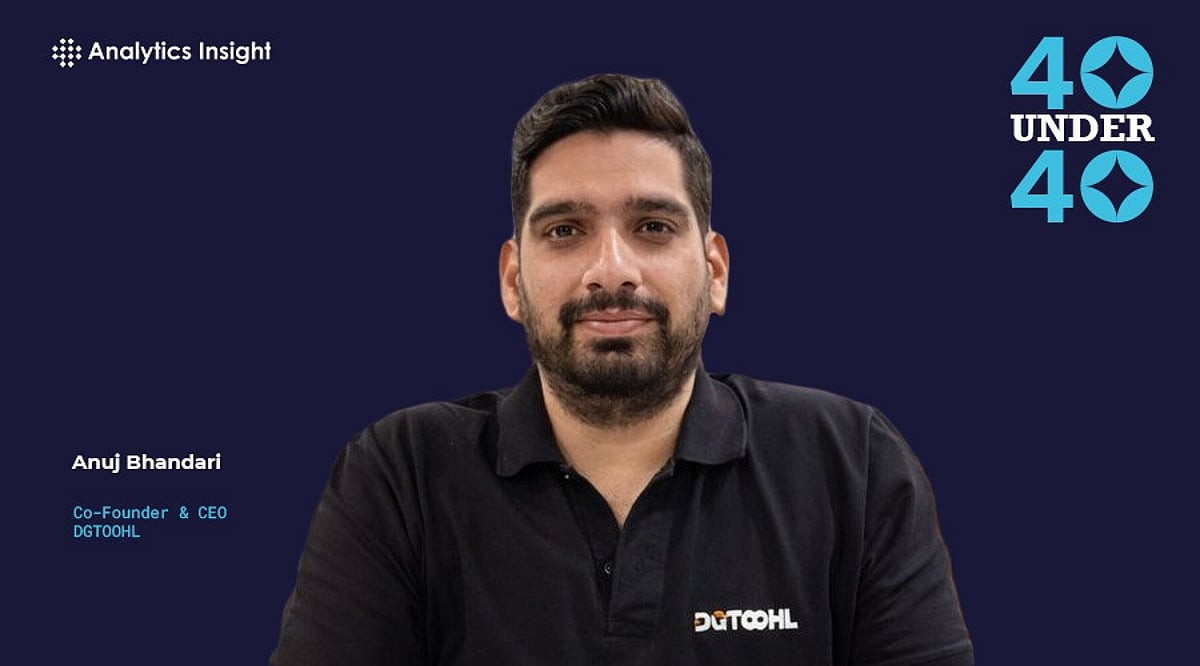
  • How Anuj Bhandari and DGTOOHL Are Revolutionizing India’s Outdoor Advertising with Programmatic DOOH

    How Anuj Bhandari and DGTOOHL Are Revolutionizing India’s Outdoor Advertising with Programmatic DOOH

    Anuj Bhandari is redefining outdoor advertising through data and automation. His vision for DGTOOHL focuses on making digital out-of-home (DOOH) campaigns smarter, measurable, and transparent. By combining technology with audience intelligence, he is helping shape the future of India’s advertising ecosystem.

    Interview with Anuj Bhandari

    Q: Can you briefly introduce yourself and your entrepreneurial journey?

    My entrepreneurial journey started early in my career. I was fortunate to work with leaders who entrusted me with entrepreneurial responsibilities from the outset, encouraging me to think like a business owner rather than just an employee. Those experiences gave me the confidence to build, innovate, and take ownership. Later, I became the Co-founder and Business Head of my previous organization, where I was responsible for driving business operations across multiple verticals. That role deepened my understanding of building scalable businesses, nurturing client relationships, and leading high-performing teams.

    One belief has consistently guided my journey: that technology has the power to transform even the most traditional industries. The COVID-19 pandemic accelerated digital adoption across sectors and reinforced this conviction. Having spent over two decades in the media, advertising, and Out-of-Home (OOH) industry, I witnessed how digital transformation reshaped almost every advertising medium, while outdoor advertising remained largely untapped.

    That realization inspired me to launch DGTOOHL. Our vision is to build an intelligent, programmatic Digital Out-of-Home (pDOOH) platform that empowers advertisers, agencies, and media owners with automation, data-driven decision-making, and measurable outcomes. Every milestone we’ve achieved has strengthened my belief that meaningful innovation comes from solving real industry challenges while creating long-term value for the entire ecosystem.

    Q: What inspired you to launch DGTOOHL?

    The inspiration to launch DGTOOHL came from recognizing the immense untapped potential of the outdoor advertising industry. While digital advertising had evolved into a highly automated, measurable, and audience-driven medium, Out-of-Home (OOH) advertising continued to rely largely on manual processes. The COVID-19 pandemic became a defining moment in my career. It fundamentally changed the way advertisers evaluated media investments, with accountability, verification, and measurability becoming essential across every channel.

    I saw an opportunity to bridge this gap by building a platform that connects advertisers with digital screens in real time, making outdoor advertising smarter, more accessible, transparent, and measurable. DGTOOHL was founded with the vision of accelerating the adoption of programmatic Digital Out-of-Home (pDOOH) in India while empowering media owners to maximize the value of their inventory and enabling brands to execute more intelligent, data-driven campaigns.

    Q: What problem is DGTOOHL solving in the outdoor advertising industry?

    DGTOOHL was founded to address one of the biggest gaps in the outdoor advertising industry: the lack of measurability, transparency, and data-driven decision-making. While digital advertising has long enabled marketers to target specific audiences, optimize campaigns in real time, and measure performance, traditional OOH has largely relied on estimates, manual planning, and static inventory. DGTOOHL bridges this gap by transforming outdoor advertising into an intelligent, measurable, and programmatic medium. Its platform combines geospatial intelligence, audience movement data, real-time inventory, and automation to help brands identify the right locations, reach the right audiences, and accurately measure campaign outcomes.

    Beyond improving campaign effectiveness, DGTOOHL is also solving the industry’s accountability challenge. By providing verified impressions, real-time performance insights, audience analytics, and attribution models, the platform gives marketers greater confidence in their media investments and allows them to connect offline exposure with business outcomes. Ultimately, DGTOOHL is redefining outdoor advertising from a static branding medium into a dynamic, data-driven communication channel that integrates seamlessly with omnichannel marketing strategies.

    Q: How has your experience in OOH advertising shaped your leadership style?

    My experience in the OOH industry has primarily taught me resilience. It is an industry that has traditionally evolved at a slower pace, where change often requires challenging long-established practices and mindsets. Building something new in such an environment demands patience, persistence, and the ability to keep moving forward despite setbacks. These experiences have shaped my leadership style. I believe in staying focused on the larger vision rather than short-term competition. While competition is inevitable, I strongly believe that the industry’s real opportunity lies in creating a larger, technology-driven ecosystem that benefits advertisers, agencies, media owners, and consumers alike.

    Q: What makes DGTOOHL stand out from other players in the market?

    What truly differentiates DGTOOHL is our ecosystem-first approach. Our vision has never been to build just another DSP or SSP; we believe that technology alone is not a differentiator anymore. Many companies today have similar capabilities. Our focus is on accelerating the growth of the programmatic Digital Out-of-Home (pDOOH) ecosystem in India through collaboration rather than isolation. We actively work towards integrating with multiple DSPs and industry partners to ensure advertisers have access to the most relevant, high-quality, and impactful inventory across the country.

    Q: What has been the biggest challenge in building DGTOOHL, and how did you overcome it?

    One of the biggest challenges has been driving industry adoption. Since programmatic Digital Out-of-Home (pDOOH) is still an emerging space in India, convincing publishers to view it as a sustainable, mainstream revenue channel rather than an occasional source of incremental income required significant education and engagement. Similarly, encouraging advertisers and agencies to embrace a new way of planning and buying outdoor media took time. We addressed these challenges by staying consistent, demonstrating measurable value, and building strong partnerships instead of simply selling technology. Today, the conversation has shifted. We regularly receive inbound enquiries from publishers, agencies, and brands looking to explore programmatic opportunities.

    Q: What achievement in your career are you most proud of so far?

    I believe the biggest achievement is still ahead of me. As an entrepreneur, I don’t think the journey is ever complete; every milestone simply becomes the foundation for the next one. That said, earning the confidence and trust of global technology leaders like Google is certainly among the achievements I value the most. It validates our vision, our technology, and the work we’ve put into building DGTOOHL. More importantly, it reinforces our belief that an Indian company can build world-class solutions that contribute meaningfully to the global evolution of programmatic Digital Out-of-Home (pDOOH).

    Q: What advice would you give to aspiring entrepreneurs looking to build a technology-driven business?

    If I had to give just one piece of advice, it would be this: always have a business co-founder. Technology can build a great product, but building a successful business requires much more than that. You need someone who complements your strengths, challenges your thinking, shares the highs and lows of entrepreneurship, and focuses on customers, partnerships, and growth while the product continues to evolve.


  • Boost Shopify Sales: Smart Incentives to Slash Cart Abandonment

    Boost Shopify Sales: Smart Incentives to Slash Cart Abandonment

    Every Shopify merchant knows the frustration: a customer browses, adds products to their cart, then leaves without completing the purchase. While this scenario is common, it doesn’t have to be a permanent loss. With cart abandonment rates hovering around 70%, according to Baymard Institute data cited by Shopify, the challenge is significant—but smart incentives can turn those lost carts into revenue.

    Why Cart Abandonment Persists

    Customers abandon carts for several reasons: unexpected shipping costs, complicated checkout processes, or simply needing more motivation to buy. Hidden fees, especially shipping charges, are a top deterrent. A $60 purchase that suddenly adds $15 in shipping can kill the deal. Additionally, many shoppers are still in decision mode—they need a nudge to move from consideration to purchase.

    Top Smart Incentives to Reduce Abandonment

    BOGO Offers

    Buy One, Get One (BOGO) promotions consistently outperform straight discounts because they give customers the feeling of getting something for free. This works exceptionally well for beauty products, supplements, fashion accessories, home essentials, and food items. Instead of cutting prices, merchants add perceived value.

    Free Gifts with Purchase

    Offer a free sample when customers spend $50, or a premium accessory for orders over $100. This encourages higher cart values and creates excitement at checkout. Apps like Monk Free Gift with Purchase automate these campaigns.

    Free Shipping Thresholds

    Set a minimum order amount for free shipping—for example, free shipping over $75. Customers often add extra items to avoid shipping costs, boosting average order value.

    Cart Progress Bars

    Visual progress indicators, such as “You’re just $12 away from a free gift!”, gamify the shopping experience and motivate customers to add more.

    Limited-Time Offers

    Countdown timers and flash sales create urgency, pushing customers to act now rather than later. This reduces procrastination and boosts same-day conversions.

    Why These Campaigns Work: The Psychology

    Humans love getting extra value. BOGO offers feel like a reward rather than a discount, preserving brand value while increasing order size. For premium brands, offering additional products is a smart way to provide value without price erosion.

    Automating Incentives with Shopify Apps

    As stores grow, manual promotion management becomes impractical. Modern Shopify apps allow merchants to auto-apply BOGO deals, add free gifts based on cart value, display progress bars, schedule campaigns, and create product-specific rewards. This ensures every eligible customer sees the right offer without extra operational burden.

    Best Practices for Higher Conversions

    • Keep promotional messages simple and clear.
    • Show rewards early in the shopping journey.
    • Be transparent about qualification requirements.
    • Don’t overload customers with multiple offers at once.
    • A/B test different incentives to find what resonates.
    • Track conversion rate, average order value, and abandoned cart recovery metrics.

    Final Thoughts

    Cart abandonment is inevitable, but it doesn’t have to drain your revenue. By understanding why customers leave and applying targeted incentives—from BOGO campaigns and free gifts to shipping thresholds and personalized rewards—Shopify merchants can convert abandoned carts into loyal customers.

  • How Businesses Monitor Brand Conversations Across Multiple Digital Channels

    How Businesses Monitor Brand Conversations Across Multiple Digital Channels

    Social media, reviews, forums, blogs, news – there’s no lack of platforms where users mention your brand. Failing to monitor those mentions means missing out on crucial business opportunities or even putting your brand at risk. That’s where brand monitoring comes into play, helping brands make sense of all the online chatter and get a full view of customer perception and opinions.

    What Is Brand Monitoring?

    Brand monitoring is the process of analyzing mentions of a brand across various digital platforms. By monitoring brands, businesses gain insight into what customers, competitors, and everyone else thinks and discusses about their brand. In other words, brand monitoring helps turn random conversations into business insight and use it to improve marketing efforts, reputation management, customer experience, and even product development.

    For example, assume your company has just launched a new product and wants to measure its performance in the market. With brand monitoring, you’ll be able to tell the number of people who discussed it, what they think about it, what its main selling points are, and more. Essentially, brand monitoring allows getting a precise view of brand performance without making any assumptions.

    Where Brands Track Their Online Presence

    Customers don’t discuss brands only on social media. In fact, there are dozens of places where people mention brands every day, including:

    Social Media Platforms

    Social media platforms are among the most popular monitoring targets. Most of the time, social media will account for the largest number of mentions. Brands monitor platforms such as Instagram, TikTok, LinkedIn, Twitter, Facebook, and YouTube. Strong social media monitoring practices help businesses track engagement, customer sentiment, and campaign performance across these channels.

    Forums and Online Communities

    Many of the most honest and detailed discussions happen on forums and online communities such as Reddit and Quora. Brands use them to find potential problems and engage in conversations that would never happen anywhere else.

    Blogs and News Sites

    Newspapers, magazines, and other publications have a huge impact on brand perception and awareness. Monitoring news websites is critical when it comes to product launches, partnerships, collaborations, and more.

    Customer Support Platforms

    Customer discussions aren’t limited to third-party platforms. Most businesses track interactions in their own customer support chatbots, live chat software, emails, call transcripts, SMS, and other customer support channels.

    Steps for Creating Effective Brand Monitoring Strategies

    Brand monitoring strategies look different in each individual case. Depending on the brand and its business goals, monitoring can either take a lot of effort or require only several steps. Here’s a generic framework for brand monitoring strategies that should work well for most businesses.

    Step 1: Define Your Objectives

    Before implementing any marketing solution, make sure you know what you want to achieve. In the case of brand monitoring, possible objectives may include:

    • Analyzing customer sentiments and opinions
    • Increasing or maintaining brand reputation
    • Detecting reputation crises early and preventing them
    • Competitor monitoring
    • Analyzing the customer experience
    • Identifying brand influencers
    • Evaluating campaign performance

    Step 2: Set SMART Goals

    Now that you know what you’re trying to achieve, formulate your objectives as SMART goals: Specific, Measurable, Achievable, Relevant, and Time-bound. For example: “Increase the number of positive mentions on social media by 20% within six months using influencer partnerships and improving the customer experience.”

    Step 3: Track All Relevant Channels

    Monitoring is only effective if done on all relevant platforms. In addition to social media, forums, and reviews, make sure you monitor:

    • Product discussions on blogs and news sites
    • Competitors and industry thought leaders
    • News around your company
    • Backlinks on relevant sites
    • Customer support discussions

    Step 4: Use Automation and Artificial Intelligence

    Manual brand monitoring doesn’t scale. Luckily, there are plenty of tools that automate the process significantly. For example:

    • Use automation to categorize mentions
    • Detect sentiments automatically
    • Get alerted about critical mentions
    • Prioritize mentions that require immediate attention
    • Automatically generate reports
    • Analyze trends much faster
    • Use machine learning algorithms to reduce effort and improve accuracy

    Moreover, some businesses monitor mentions of AI assistants and other language models as they increasingly affect customer opinion and experience.

    Step 5: Proactively Engage in Discussions

    Monitoring isn’t enough if there’s no action involved. Here’s what to do next:

    • Respond to criticism promptly
    • Thank people for positive mentions
    • Correct any misinformation
    • Alert relevant parties about any problems detected
    • Share insights across departments
    • Follow up after any incidents or problems are addressed

    Step 6: Measure Performance Metrics and Optimize Your Strategy

    Monitoring has to evolve along with the business. That’s why it’s important to measure metrics such as:

    • Sentiments trends
    • Customer satisfaction
    • Share of voice
    • Engagement rates
    • Resolution time
    • Growth in brand awareness

    Then optimize monitoring according to results. Is our monitoring too narrow? Are we responding quickly enough? Do the insights we gather help us make improvements? Do customers feel more satisfied than before?

    Final Thoughts

    Online conversations shape brand reputation whether companies participate or not. Customers discuss products, share experiences, post reviews, recommend alternatives, and influence buying decisions across countless digital platforms every day. Brand monitoring helps businesses stay informed, respond faster, improve customer experience, identify opportunities, and prevent reputation crises before they escalate. More importantly, it transforms scattered online conversations into strategic business intelligence. Companies that actively listen to their audiences gain deeper customer understanding, stronger loyalty, better products, and a clearer competitive edge in an increasingly connected digital world.

  • 2026 Buyer’s Guide: Best AI Humanizer Tools for Email Marketing & Newsletters

    2026 Buyer’s Guide: Best AI Humanizer Tools for Email Marketing & Newsletters

    Why AI Humanizer Tools Are Now Essential for Email Marketing

    Email marketing has evolved dramatically. Marketers now rely on artificial intelligence to draft cold emails, write newsletters, and produce marketing copy at scale. However, AI-generated content often sounds robotic, and readers quickly detect that tone. A prospect may skip a mechanical-sounding email, subscribers might unsubscribe from generic newsletters, reply rates drop, and email filters can flag robotic copy—harming the sender’s domain reputation. This directly impacts business growth.

    As a result, many teams now treat AI humanizer tools as a standard step in their workflow. A quality humanizer does more than swap a few words; it rewrites entire sentences and paragraphs to create natural variation that passes both human readers and AI detectors. But choosing the right tool isn’t straightforward—many options exist, each with different strengths.

    This guide covers five key areas to consider before deciding on an AI humanizer. Whether you’re a small business owner sending a few emails a week or an agency managing large campaigns, the goal is the same: choose a tool with confidence.

    How These Tools Perform in the Real Market

    Humanizer tools don’t perform equally. Independent tests reveal clear gaps that carry real financial weight for email campaigns. For example, Walter Writes AI scores around 12% on Turnitin’s AI detector, while a common paraphrasing tool like QuillBot scores closer to 62%. For teams that need emails to reliably clear detection, this difference determines campaign success.

    Market data reinforces this: Walter Writes AI, Undetectable AI, and AIHumanizer.so lead the space with consistent results. Some teams report a 20% to 40% increase in reply rates after switching from raw AI text to humanized text.

    Simple tools still have a place—a basic paraphraser works for internal notes or casual social posts. But client-facing emails and major newsletters require a stronger tool built for detection avoidance and meaning retention.

    Price also factors in. A free tool like AIHumanizer.so offers 500 words per day without signup. Paid tools range from $8 to $129 per month. Most teams find that a paid humanizer costs far less than the revenue lost from weak email performance.

    Key Features That Matter Most

    When reviewing humanizer tools, focus on these five features:

    • Detection Strength: A tool that rewrites at the sentence and paragraph level outperforms one that only swaps words. Always test with your own email content before committing.
    • Meaning Retention: The rewritten email must preserve the original offer, names, and key terms. Weak tools can quietly alter details.
    • Speed: A tool should finish a rewrite within two to five minutes—most strong options now complete it in under 30 seconds.
    • Tone Control: Settings for formal, casual, academic, and professional tones let you match your brand voice.
    • Built-in Detector: Tools like Walter Writes AI include their own detector, saving time and building confidence without switching tabs.

    How Well These Tools Fit Into a Workflow

    A strong team doesn’t just pick a humanizer—it integrates the tool into its existing process without friction. A good tool handles multiple content types: cold emails, newsletters, proposals, and blog posts. Existing software matters too—teams using QuillBot can add its humanizer feature easily; those with Suites like Surfer SEO or Ahrefs may already have humanizing capabilities. Standalone options like Walter Writes AI and Undetectable AI offer maximum flexibility for teams without existing tools.

    The smartest setup uses one main tool with a speed backup. Stacking multiple humanizers adds confusion and slows down the process.

    How to Pick the Right Tool for Your Needs

    Different teams need different tools. Here’s a quick guide:

    • Small Business Owners: Walter Writes AI—free 300-word trial, no signup, built-in detector, and tone options.
    • High-Volume Teams: Undetectable AI—batch processing and bulk detection save time.
    • Tight Budget or Testing: AIHumanizer.so—500 words per day free for evaluation.
    • Agencies Managing Multiple Clients: Walter Writes AI or StealthWriter—strong detection protects client reputations.

    Final Thoughts

    AI humanizer tools now play a key role in email marketing. The real question isn’t whether to use one—it’s which tool fits your specific needs. Teams that test these tools report steady gains in reply rate, deliverability, and campaign results. A $10 monthly tool that lifts reply rates by 25% pays for itself many times over.

    Start by reviewing the five areas in this guide: the core problem, real market data, key features, workflow fit, and personal need. Then test free trials of top choices. The right tool becomes clear once you test it against real email content.

    Strong marketing teams treat humanizer tools as a standard part of their process. Skipping this step means missing a clear opportunity to improve results.

    Frequently Asked Questions

    1. What is an AI humanizer tool? It rewrites AI-generated content to sound more natural and conversational while preserving meaning, improving readability and engagement.
    2. Why should email marketers use AI humanizer tools? They help create emails that feel personal, build reader trust, increase reply rates, and reduce robotic tone.
    3. Can AI humanizer tools help with AI detection? Many advanced tools reduce detectable AI patterns by rewriting sentence structure and improving flow. Results vary by tool and detector.
    4. Are free AI humanizer tools good enough for email marketing? Free tools work for testing or small volumes; regular campaigns benefit from paid tools with better accuracy, tone control, and bulk processing.
    5. What should I look for before choosing an AI humanizer tool? Focus on detection performance, meaning retention, rewriting quality, speed, tone customization, pricing, and workflow compatibility.
  • Apple Maps Ads Launch: Strict Rules Block Plumbers, Electricians, and Crypto ATMs

    Apple Maps Ads Launch: Strict Rules Block Plumbers, Electricians, and Crypto ATMs

    Apple is preparing to introduce paid advertisements in Apple Maps, allowing businesses to pay for better placement in search results. However, the company is implementing strict guidelines that will exclude several high-risk business categories from participating, aiming to maintain user trust and search result reliability.

    Strict Ad Standards

    According to reports, Apple will block ads from categories often linked to scams, including plumbers, electricians, locksmiths, garage door repair services, and crypto ATMs. The company wants to ensure that users feel confident that the businesses they find through Maps are legitimate. Unlike Google, which allows such businesses to advertise after rigorous verification and background checks, Apple is taking a more cautious approach by outright banning these categories.

    Apple will also reject any advertisements containing false claims, misleading information, or offensive content. The company appears to be steering away from the open-advertising model used by many other online platforms, choosing instead to keep the number of ads limited and meet its high standards. For users, this could mean cleaner search results and fewer chances of encountering fake businesses.

    Impact on Local Businesses

    While the new rules may help reduce scams, they could also affect honest local businesses that rely on online searches to find customers. Many plumbers, electricians, and locksmiths are small, reputable operations that have built a strong reputation over time. A blanket ban may not be the perfect solution—a system that verifies trusted businesses could allow them to advertise while keeping bad actors away.

    Apple has not yet announced an official release date, but the company confirmed that the ad platform will launch this summer in the United States and Canada. As the platform grows, Apple may need to find a better balance between protecting users and giving genuine local businesses a fair opportunity to be seen.

  • 6 Retail Giants That Dominate Without Heavy Advertising Spend

    6 Retail Giants That Dominate Without Heavy Advertising Spend

    Customer loyalty and consistent value helped these retailers successfully reduce dependence on expensive advertising campaigns. Affordable pricing and high-quality products encourage repeat purchases while generating strong word-of-mouth recommendations globally. Smart retail strategies prove that lasting customer trust can consistently outperform large marketing budgets over time.

    Advertising has long been a staple of the retail industry. From television commercials to celebrity endorsements and digital campaigns, brands spend billions each year to stay in front of consumers. However, some of the world’s biggest retailers have taken a different route. Rather than chasing visibility through expensive campaigns, these companies have built their businesses on competitive pricing, consistent quality and customer trust. Their stores, products and shopping experience do most of the talking, proving that a strong reputation can often outperform a large advertising budget.

    Brands That Let Products Speak for Themselves

    These six retail giants built global brands without relying on expensive advertising campaigns or celebrity endorsements:

    Costco: A Loyal Membership Base is its Biggest Strength

    Costco has developed into one of the biggest retailing firms in the world despite its limited use of conventional forms of advertising. The core element of the firm’s success can be traced back to its membership concept. Consumers have to pay an annual membership fee in return for discounted rates, unique merchandise, and reduced pricing. This makes customers come back for more, and happy consumers always spread the word. Customer loyalty has thus been Costco’s best marketing strategy.

    Zara: New Collections Keep Customers Returning

    While many fashion companies pour their resources into marketing, Zara allocates just a tiny amount of its earnings to advertising. Its efforts are rather focused on the speedy introduction of trends into the market. New collections are presented promptly, and best-selling trends get sold out fast. This creates a feeling of haste that drives people to go shopping on a regular basis for fear of not being able to acquire desired items again.

    Trader Joe’s: Built on Customer Recommendations

    Without relying on extensive advertisements, Trader Joe’s has built a massive fan base. The company is famous for offering private label goods and a unique shopping experience. Shoppers frequently discover new items during store visits and end up recommending them to others. Word-of-mouth publicity has helped the company establish its reputation.

    Aldi: Low Prices Do the Selling

    Aldi offers affordability, ensures efficient operations, and places strong emphasis on private-label items. It has avoided overspending on advertising and gained popularity for its quality products at reduced prices.

    Primark: Affordable Fashion Creates its Own Buzz

    Primark has established itself as one of Europe’s top retailers through a simple business model that offers stylish clothes at affordable prices. Being located at busy street corners and frequently launching products ensure that the shops are always crowded. In addition, many customers end up posting their purchases on social media platforms, thereby eliminating the need for costly marketing campaigns.

    Muji: Simplicity that Builds Trust

    Japanese store Muji has always avoided using attractive marketing strategies to increase its customer base. The brand has developed its image by designing efficient, high-quality products. The company’s subtle strategy has been effective in getting the attention of consumers with basic requirements.

    The Takeaway

    These retailers have shown that building a successful brand is not always about spending the most on advertising. By focusing on value, quality, and a reliable shopping experience, they have created loyal customer bases that keep returning and often bring new customers. In retail, trust can be just as valuable as the biggest marketing campaign.

    FAQs

    Which retail company spends the least on traditional advertising?

    Costco is widely known for spending little on traditional advertising. Instead, it focuses on its membership model, competitive pricing, quality products, and customer loyalty to drive repeat business and long-term growth.

    Why does Zara spend less on advertising than competitors?

    Zara prioritises fast product launches, premium store locations and limited inventory over expensive advertising campaigns. This strategy encourages frequent store visits and creates demand without relying heavily on promotional spending.

    How does Aldi attract customers without large marketing campaigns?

    Aldi keeps prices low by reducing operating costs, offering mostly private-label products, and running efficient stores. Its reputation for affordability and quality helps attract customers without significant advertising investments.

    Why is customer loyalty important for these retail companies?

    Customer loyalty encourages repeat purchases, generates positive word-of-mouth, and reduces the need for costly advertising. Satisfied shoppers often become brand advocates, helping retailers grow through trust and recommendations.

    Can businesses succeed without spending heavily on advertising?

    Yes, businesses can succeed by delivering consistent quality, competitive pricing, and excellent customer experiences. Strong products and reliable service often build lasting customer trust, reducing dependence on expensive advertising campaigns.

  • LLM SEO Is Authority Building with New Referees – Here’s What Works

    LLM SEO Is Authority Building with New Referees – Here’s What Works

    Every few years the search industry invents a new name for itself, and the current crop (LLM SEO, GEO, AEO) arrived with unusual speed and unusual pricing. Brands that watched an AI assistant describe their category without mentioning them are understandably nervous, and nervous budgets attract confident vendors.

    Here’s the framing that survives contact with the data: the game hasn’t changed nearly as much as the referees have. Traditional search ranked pages with one well-studied algorithm. AI assistants pick their sources through retrieval systems with different habits, different biases, and different favorite websites. What those new referees reward, though, looks a lot like what the old one did. LLM SEO, done honestly, is authority building aimed at a new set of judges.

    How Assistants Decide What to Cite

    A language model answering from its training data cites nobody. It’s paraphrasing compressed memory. Citations only exist when the system decides a question needs fresh or specific information and goes out to retrieve it, pulling a handful of pages and assembling the answer from them.

    That’s a smaller window than most people assume. Semrush’s analysis of 17 months of ChatGPT clickstream data found that live search was enabled on just 34.5 percent of queries as of February 2026, down from 46 percent in late 2024. Roughly two thirds of ChatGPT answers never touch the live web at all. And when assistants do send people somewhere, the destinations concentrate hard: 30 percent of all ChatGPT referral traffic flows to just ten domains, with Wikipedia, Reddit, GitHub, and YouTube near the top.

    Each assistant also referees differently. ChatGPT leans on community and reference platforms, Perplexity searches the live web almost every time, and Gemini draws from Google’s own index with its own selection quirks. There’s no single leaderboard to optimize against anymore, which is exactly why tactics tuned to one platform’s current behavior age so badly.

    Read those numbers together and the shape of the problem changes. Chasing per-answer visibility tricks targets a shrinking, fragmenting window. What compounds is becoming the kind of source that retrieval systems, and the training corpora behind them, already treat as load-bearing.

    The LLM SEO Research Keeps Landing on Substance

    The academic side of this field reached the same conclusion early. The Princeton-led study that coined the term generative engine optimization tested nine different content interventions and found that adding quotations, statistics, and cited sources boosted visibility in generative responses by up to 40 percent, while superficial tweaks like keyword stuffing did little or backfired. The winning moves were the ones that made content more concretely evidenced, which is what quality editorial guidance has demanded all along.

    The practitioner side agrees, sometimes grudgingly. In Digiday’s survey of the GEO agency wave, uSERP’s Jeremy Moser put a number on it: a GEO service that doesn’t admit AI visibility is 80 percent fundamental SEO is selling snake oil. The genuinely new parts are real but narrow, mostly retrieval plumbing and platform integrations. The rest is the old discipline under a new invoice line.

    Three Signals That Carry Over

    Strip out the theater and three signals decide most of your citation odds.

    1. Retrievability – and it’s binary. A brand blocking GPTBot or PerplexityBot in robots.txt (often a leftover from a 2023 legal panic nobody revisited) is invisible no matter what else it does. The same audit should cover Bing indexation, since several assistants retrieve through it, and whether key pages render without heavy JavaScript.
    2. Quotability – Retrieval systems lift passages, and the passages they lift state a claim plainly and back it with a number or a named source. A page that buries its point under a warm-up intro and hedged conclusions gives the model nothing to attribute. Restructure the highest-value pages so each section opens with the sentence you’d want quoted, because that is literally the selection mechanism.
    3. Being referenced by sources the machines already trust – Assistants assemble answers from a small pool of pages per query, and that pool skews heavily toward established publications rather than brand blogs. Earning links and mentions there is slower than tweaking your own site, which is why it separates durable winners from acronym chasers. It also raised the bar on placement quality. The screening bar at hetneo.link is a useful illustration of where that discipline has landed: a mention only counts if it sits on a page with live rankings and real traffic, because a page nothing retrieves passes nothing along, to either kind of search engine. A hundred links on dead pages now lose to five on pages that assistants actually pull.

    Playing the Long Game Against New Referees

    The honest expectation setting: AI assistants still send most publishers a sliver of their traffic. Digiday cites Similarweb data showing Reuters and The Guardian each earn less than 1 percent of overall traffic from AI platforms despite being heavily cited. But the visitors who do arrive behave differently. The Washington Post reports subscription conversion rates four to five times higher from AI referrals than from traditional search. Small pipe, unusually good water.

    So the sane program for the next year isn’t exotic. Unblock the crawlers and verify Bing. Rewrite cornerstone pages so every section leads with its citable claim. Publish original numbers on a schedule, since data is the most reliable citation magnet the research has found. Keep those pages visibly maintained rather than letting them fossilize. And put sustained effort into earning references on the publications retrieval systems already lean on, because that authority transfers across every assistant at once while per-platform tricks expire with each model update.

    Measurement deserves the same sobriety. Rank trackers don’t see inside ChatGPT, so the practical check is unglamorous: keep a standing list of the fifteen or twenty questions your business should be the answer to, run them through the major assistants monthly, and log who gets cited and from which pages. Over a quarter, that log tells you more about your actual AI visibility than any dashboard currently sold, and it costs an hour a month.

    The referees changed. The judges of the judges changed. The way you win in front of them, evidently, did not.

  • How AI Search Is Reshaping Website Authority Measurement for Businesses

    How AI Search Is Reshaping Website Authority Measurement for Businesses

    For years, businesses have measured online success through familiar ranking signals: keyword rankings, page speed, and organic traffic. While those metrics remain relevant, the rapid rise of artificial intelligence is fundamentally changing how companies evaluate their website visibility. Today, website authority has become a critical indicator that determines whether a brand is found, mentioned, and trusted by AI-driven search experiences.

    Search engines have always used multiple ranking factors to judge content quality. Now, AI-powered search places even greater emphasis on trustworthiness, credibility, authoritative content, and digital footprint. Companies that focus solely on traditional SEO may overlook these evolving authority signals.

    Website Authority Has Become More Than SEO

    Traditional SEO audits typically assess technical issues such as crawlability, metadata, page performance, keyword optimization, and internal linking. These insights remain valuable, but they capture only part of the picture.

    Modern digital authority extends beyond technical optimization. Search engines and AI systems now evaluate a business’s overall credibility through a combination of signals that include:

    • Website authority
    • Backlink quality and diversity
    • Editorial mentions across trusted publications
    • Brand recognition
    • PR visibility
    • Content quality and expertise
    • Search visibility across multiple platforms

    Rather than viewing these elements in isolation, organizations are beginning to understand that collectively they shape how visible and trustworthy a brand appears online.

    Editorial Coverage Continues to Build Authority

    One of the most significant shifts in digital marketing is the growing importance of third-party validation. When reputable publications mention a company, publish thought leadership, or cover industry developments, those references strengthen a brand’s digital footprint. These editorial placements contribute to broader online credibility while expanding the number of trusted sources discussing a business.

    Editorial coverage also creates opportunities for high-quality backlinks, increased brand awareness, referral traffic, and greater visibility across search engines. As AI continues to synthesize information from trusted online sources, maintaining a strong editorial presence becomes increasingly valuable for long-term discoverability. This is why many organizations are investing more heavily in digital PR alongside traditional SEO.

    Measuring Digital Authority Requires a Broader Perspective

    Businesses often ask, “How authoritative is our website?” The answer is rarely found in a single metric. Understanding digital authority requires evaluating multiple factors simultaneously, including website performance, backlink profiles, search visibility, editorial presence, media coverage, and brand recognition. Looking at these signals together provides a more complete picture of how an organization is positioned within its industry.

    Recognizing this shift, Visionary Financial recently introduced AI Authority Builder, a platform designed to help businesses better understand their overall online authority through a complimentary AI website authority audit. Rather than stopping at technical analysis, the platform evaluates broader authority indicators while providing personalized recommendations for strengthening long-term visibility.

    Moving From Analysis to Action

    Finding authority gaps is only the beginning. Many companies struggle to determine next steps after performing a website audit. Recommended actions often remain abstract, leaving marketing departments to figure out how to connect with vendors and publications.

    Visionary Financial addresses this by combining authority reporting capabilities with an integrated marketplace for digital marketing services. Available services include:

    • Digital PR campaigns
    • Editorial placements
    • Authority-focused backlink opportunities
    • Media distribution
    • Industry-specific promotional campaigns
    • Crypto PR distribution for blockchain, Web3, fintech, cryptocurrency, and digital asset companies

    This integrated approach helps businesses translate authority insights into measurable marketing initiatives rather than treating website audits as standalone reports.

    Authority Will Continue to Shape AI Search

    Artificial intelligence is changing how data is organized, analyzed, and displayed on the web. Although search algorithms will continue to evolve, one thing is becoming clear: websites with reputable brands will have better chances of achieving sustainable visibility.

    Firms that invest in creating trustworthy content, earning media coverage, building high-quality backlinks, and developing strong branding will establish their position in an environment that demands not only technical optimization but also expertise and credibility.

    As businesses adapt to AI-driven changes, evaluating authority is becoming a necessary component of any marketing strategy—not just an add-on to SEO. The AI Authority Builder from Visionary Financial exemplifies this evolution, giving organizations the ability to assess their current standing and identify pathways to build the authority needed in the AI era.

  • 2026 Global Advertising Giants: Omnicom Leads After IPG Merger, Reshaping the Big Five

    2026 Global Advertising Giants: Omnicom Leads After IPG Merger, Reshaping the Big Five

    The advertising industry has undergone a seismic shift in 2026, with major mergers and evolving client demands redefining the competitive landscape. Omnicom Group now stands as the world’s largest advertising agency after completing its acquisition of Interpublic Group (IPG) in November 2025, pushing combined pro forma revenue above $25 billion. This consolidation reduces the former Big Six to the Big Five, comprising Omnicom, Publicis Groupe, WPP, Dentsu, and Havas.

    Industry Overview

    The global marketing agencies market is valued at approximately $473 billion and is projected to reach $592 billion within five years, driven by demand for integrated AI, data, media, and creative services. Brands increasingly seek partners that can deliver creative work, data science, media buying, and emerging technology under one roof. Agencies lacking these capabilities have either acquired them or fallen behind.

    Top 10 Largest Advertising Agencies in 2026

    1. Omnicom Group

    Omnicom closed its acquisition of Interpublic Group on November 26, 2025, becoming the industry’s largest player overnight. BBDO, DDB, TBWA, and McCann now operate under one corporate umbrella. Full-year revenue reached $17.3 billion, a jump of more than 10% from the prior period. Key clients include Apple, McDonald’s, PepsiCo, and Mastercard. The merger targets $1.5 billion in cost synergies over thirty months of integration, with each agency brand maintaining creative independence.

    2. Publicis Groupe

    Publicis reported €14,547 million in net revenue, supported by a workforce of over 103,000 people. New business wins reached $10.1 billion, the highest among all holding companies this cycle. Mars and Paramount switched to Publicis from WPP. The Marcel AI platform and Epsilon’s data capabilities drive its competitive advantage, emphasizing AI-powered targeting and integrated marketing.

    3. WPP plc

    WPP reported £13,550 million in revenue, retaining its place among the largest advertising companies. Ogilvy, VML, Grey, and several media specialists operate under its umbrella. Recent revenue pressure has led to restructuring, trimming overlapping units to simplify client-facing operations. Ogilvy remains WPP’s strongest creative asset, topping global award rankings for six consecutive years.

    4. Accenture Song

    Accenture Song operates as a consultancy-agency hybrid, with revenue estimated near $20 billion. It blends business transformation consulting with creative and marketing services, appealing to enterprises facing systemic challenges. Droga5 operates within this structure, and the unit excels when marketing problems overlap with technology and operational rebuilds.

    5. Dentsu Inc.

    Dentsu dominates Japan and the broader Asia-Pacific region. The company is restructuring for better profitability, with Dentsu Creative acting as its main global creative arm. Regional depth gives Dentsu an edge for brands expanding into Asian markets, leveraging local media relationships and cultural fluency.

    6. Havas

    Havas operates as an independent member of the Big Five, based in Paris. The network has felt some revenue softness amid industry consolidation but has largely avoided major mergers. Havas Creative handles integrated brand communications globally, and the company continues investing in data tools to stay competitive.

    7. Stagwell

    Stagwell has built its identity as a digital-first challenger to legacy holding company models. Growth has come through acquiring performance marketing and digital-focused agencies. The network prioritizes measurable results over creative prestige, appealing to brands focused on data-driven marketing.

    8. BBDO Worldwide

    BBDO, under Omnicom, is one of the most-awarded creative networks globally, with 289 offices across 81 countries. Its ‘Never Finished’ philosophy keeps campaigns evolving. Major clients include PepsiCo, Visa, Mars, Bayer, and FedEx.

    9. McCann Worldgroup

    McCann now sits inside Omnicom following the IPG acquisition. Built on the ‘Truth Well Told’ strategic approach, McCann handles large, multi-market accounts requiring consistency and operational throughput. Clients include American Express, Johnson & Johnson, Netflix, and Accenture.

    10. Ogilvy

    Ogilvy has topped the WARC Creative 100 rankings for six consecutive years, with 15 campaigns among the top 100 globally. Founded by David Ogilvy, the agency now spans 450 offices as part of WPP. It covers advertising, public relations, branding, and digital marketing, serving clients like Dove, IBM, Coca-Cola, and Pfizer.

    Revenue Rankings and Market Outlook

    Revenue tells the clearest story of scale. Omnicom leads by a wide margin after the IPG deal, with Publicis and WPP close behind. Accenture Song, structured as a consultancy division, also lands firmly in the top tier. The broader marketing agency market is estimated at $473 billion, with growth projections toward $592 billion within five years. North America holds the largest regional share, while Asia-Pacific grows at a faster pace.

    Final Thoughts

    The biggest company isn’t always the market leader. Revenue, innovation, and creative quality all matter. Omnicom’s rise signals that smaller networks will need to adapt. Brands should look beyond headline size when choosing a partner—networks combining true scale with measurable creative and technological impact will shape the next chapter of global advertising leadership.