
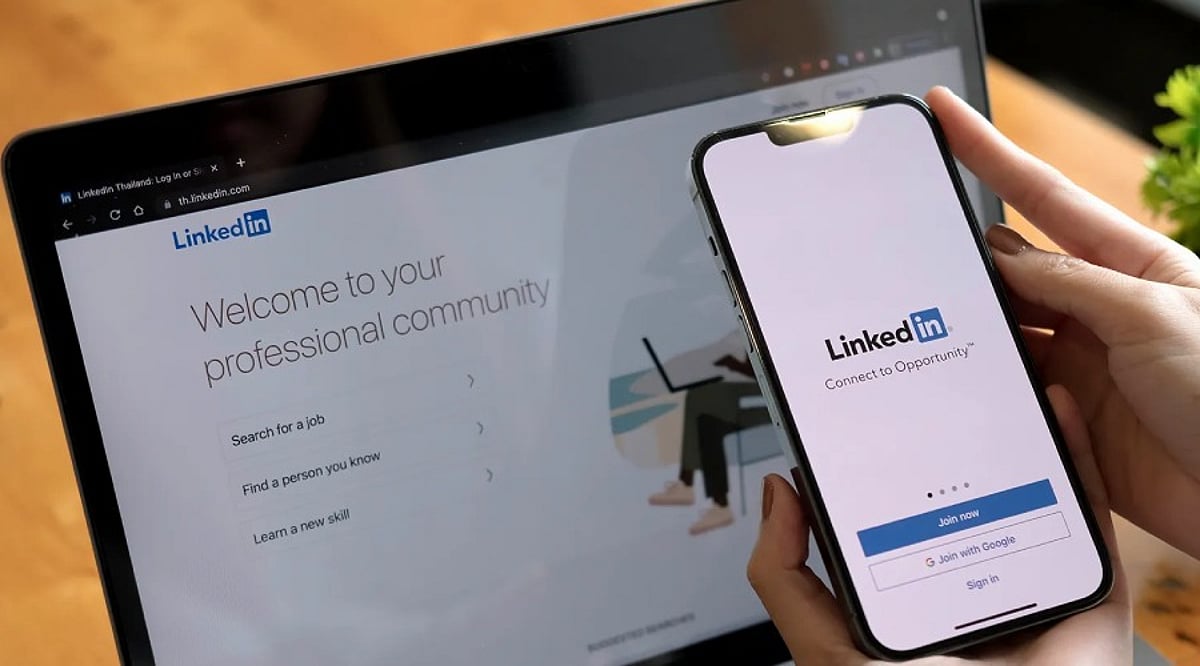
Artificial intelligence has become central to digital advertising, but nowhere is its impact more evident than on LinkedIn. As the largest professional network in the world, LinkedIn provides advertisers with access to accurate information about professionals’ job titles, industries, companies, and decision-makers. Integrating such professional information with the company’s AI tools is now making it possible for B2B marketers to run better campaigns and reduce the time needed for campaign management.
The introduction of such AI tools into the system is not only aimed at automating mundane tasks. LinkedIn’s AI tools can help advertisers target the right audience and create the right content, optimizing the budget in real time.
AI is Reducing the Complexity of Campaign Creation
Developing a B2B campaign usually entailed various decisions concerning audience choice, bidding strategy, and other aspects. LinkedIn’s AI-driven campaign development capabilities significantly ease many of these steps.
By using capabilities like Accelerate, users can develop campaign suggestions aligned with business objectives rather than manually adjusting every possible parameter. The AI provides appropriate suggestions for audiences, campaign type, and optimization techniques. This solution is especially beneficial for small marketing teams that lack advertising specialists.
Better Targeting Means Better Leads
LinkedIn’s ability to leverage professional audience information is one of its best benefits, and AI can enhance it by analyzing user behavior, engagement patterns, and company attributes to predict conversion likelihood among specific groups.
Compared with traditional filtering criteria such as job position or industry, marketers can connect with prospects by considering buying intent, company growth, recruitment needs, and professional interests. For B2B brands, where acquiring a single qualified lead often costs significantly more than in consumer marketing, better targeting directly improves return on investment.
AI is Improving Creative Quality
Creating multiple versions of ad copy for different audience segments has always been time-consuming. LinkedIn’s generative AI tools now assist marketers by producing headlines, primary text, and campaign messaging within minutes.
Rather than replacing human creativity, AI provides a strong starting point. Marketing teams can edit the suggested copy to reflect their brand voice while reducing the time spent drafting advertisements from scratch. This allows businesses to test multiple creatives simultaneously, helping identify which messages generate the highest engagement and conversion rates.
Performance Optimization Happens Continuously
Campaign optimization has moved past the weekly reporting stage. LinkedIn’s artificial intelligence constantly monitors the effectiveness of your campaigns and pinpoints ways you can improve them.
The platform no longer shows you numbers but points out developing trends, such as reduced engagement or underperforming creatives. It may even recommend reallocating your budget, refreshing your creatives, or adjusting your targeting before your campaign performance declines.
Personalization is Becoming a Competitive Advantage
Today’s B2B purchasers want communications that speak to their specific industry, position, and problems. LinkedIn’s AI capabilities can help deliver better personalization in advertising efforts.
Organizations can use personalized communication by analyzing user data and past communications through Conversations, messaging, and audiences. Personalized communication is helpful not only for engagement but also for creating trust, which is an important component of the B2B buying process. Organizations don’t send the same message to all their possible customers anymore.
AI Integration Increases the Efficiency of Workflows
Using AI capabilities in LinkedIn becomes more relevant when AI is integrated with CRM and marketing automation systems. Lead data is automatically passed to the sales application, allowing you to communicate with them faster. Other use cases include lead scoring, opportunity detection, and attribution. This is a time- and effort-saving strategy.
AI Still Needs Human Strategy
Regardless of this progress, AI will never replace marketing knowledge. For successful B2B marketing campaigns, it is important to know what challenges customers face, create something valuable for them, and build relationships. AI may assist in suggesting an audience and generating ad texts, but only humans can create a value proposition and take into account all subtleties of customer behavior. Companies that see AI as a decision-making support system, not a decision-maker itself, will reach sustainable success.
The Road Ahead for B2B Advertising
In terms of AI marketing tools, LinkedIn represents another example of the changes taking place in this sphere. There has been increased automation of processes, predictive analysis, and personalization, which has made the campaigns much more accurate. AI technologies are developing, and therefore, there is greater potential for accurate audience research and assistance in the development process.
Business-to-Business marketers should take advantage of AI technologies through business strategies. Companies that use technology to assist decision-making processes, not to decide on behalf of marketers, will benefit by qualifying leads and making their marketing more effective.
Leave a Reply