Category: Digital Marketing

  • 10 Powerful Marketing Automation Platforms to Boost Your Business in 2026

    10 Powerful Marketing Automation Platforms to Boost Your Business in 2026

    Introduction

    Modern marketing demands more than just email blasts and social media scheduling. Businesses need intelligent tools that automate repetitive tasks, track customer interactions, and deliver personalized experiences—all without overloading marketing teams. The latest marketing automation platforms leverage artificial intelligence, customer data, and smart workflows to help attract leads, nurture prospects, and drive conversions. Here are ten must-have platforms for businesses of all sizes in 2026.

    Top Marketing Automation Platforms

    1. HubSpot Marketing Hub

    HubSpot offers an all-in-one solution that combines CRM, email marketing, lead management, landing pages, analytics, and automation. Its intuitive interface makes it a strong choice for businesses of any size that want a single platform to handle all their marketing tasks.

    2. Adobe Marketo Engage

    Designed for enterprise B2B marketing, Marketo Engage excels at lead nurturing, account-based marketing, and advanced analytics. Companies with long sales cycles appreciate its robust automation capabilities.

    3. ActiveCampaign

    ActiveCampaign is ideal for small to medium businesses. Its visual automation builder lets you design personalized customer journeys, while built-in CRM keeps marketing and sales aligned throughout the buying process.

    4. Salesforce Marketing Cloud Account Engagement

    Salesforce’s tool integrates seamlessly with its CRM, enabling automated lead generation, nurturing, follow-ups, and detailed campaign performance reports.

    5. Klaviyo

    Klaviyo is a favorite among e-commerce brands. It sends personalized email and SMS campaigns based on customer behavior, helping recover abandoned carts and drive repeat sales.

    6. Brevo

    Brevo (formerly Sendinblue) provides an affordable, unified dashboard for email, SMS, WhatsApp, and other marketing communications—perfect for budget-conscious teams.

    7. Mailchimp

    Mailchimp remains one of the simplest tools to use, with pre-designed templates, easy automation, and customer segmentation. It’s great for startups and small businesses launching their first automation efforts.

    8. Customer.io

    Customer.io focuses on behavior-driven marketing, automatically sending emails, SMS, and push notifications based on how users interact with your website or app.

    9. Omnisend

    Built for e-commerce, Omnisend combines email, SMS, and web push notifications to automate messages at every stage of the customer journey, boosting retention.

    10. Braze

    Braze targets large enterprises with cross-channel communication across email, mobile apps, SMS, and push notifications, enabling sophisticated customer engagement at scale.

    Final Verdict

    Choosing the right platform depends on your business goals, budget, and customer base. Small businesses often prefer Mailchimp, Brevo, or ActiveCampaign for their ease of use, while larger organizations may opt for HubSpot, Marketo, Salesforce, or Braze for advanced features. E-commerce companies should look at Klaviyo and Omnisend. As automation becomes essential to digital marketing, picking the right tool is critical for success.

    Frequently Asked Questions

    What is marketing automation software and why is it important?

    Marketing automation software handles repetitive tasks like email campaigns, lead nurturing, and analytics, saving time and improving engagement, conversions, and efficiency.

    Which platform is best for small businesses?

    Mailchimp, Brevo, and ActiveCampaign are popular choices due to affordable pricing, user-friendly interfaces, and scalable features.

    Can marketing automation improve customer engagement?

    Yes, by personalizing messages based on behavior, these platforms help deliver relevant content and strengthen relationships across multiple channels.

    What features should I consider before choosing a platform?

    Evaluate automation workflows, CRM integration, email marketing, analytics, AI personalization, multichannel support, ease of use, scalability, pricing, and customer support.

    Are marketing automation platforms suitable for e-commerce?

    Absolutely. Platforms like Klaviyo and Omnisend are designed for e-commerce, offering abandoned cart recovery, product recommendations, and retention campaigns.
  • 8 Essential Elements of a High-Converting Ad: Boost Your Marketing ROI

    8 Essential Elements of a High-Converting Ad: Boost Your Marketing ROI

    Creating a successful advertisement requires more than eye-catching graphics or catchy slogans. A high-converting ad combines compelling messaging, strategic design, and trust-building elements that encourage audiences to take action. From grabbing attention in the first few seconds to reinforcing credibility with social proof, every component plays a vital role in improving conversions. Below, we break down the eight essential elements of a high-converting ad and provide a practical checklist to help marketers and businesses build campaigns that turn clicks into customers.

    1. A Strong Headline

    Your headline is the first thing viewers see. It must be clear, benefit-driven, and attention-grabbing. Use power words, numbers, or questions to spark curiosity and compel the audience to read further.

    2. Engaging Visuals

    Images, videos, or graphics should complement your message and evoke emotion. High-quality visuals increase engagement and help communicate your value proposition quickly. Ensure they are relevant and optimized for all devices.

    3. Clear Value Proposition

    Explain exactly what the user gains by taking action. Focus on the unique benefits of your product or service, and differentiate yourself from competitors. Use simple language that resonates with your target audience.

    4. Persuasive Call to Action (CTA)

    Your CTA must be direct, action-oriented, and easy to find. Use verbs like “Get Started,” “Claim Your Offer,” or “Download Now.” Place it strategically within the ad and repeat it if necessary to drive conversions.

    5. Consistent Branding

    Maintain visual and tonal consistency across all ad elements. Use your brand colors, logo, and typography to build recognition and trust. Inconsistent branding can confuse users and reduce credibility.

    6. Social Proof

    Include testimonials, reviews, case studies, or user counts to show that others trust your brand. Social proof reduces perceived risk and encourages hesitant users to convert. Even a simple star rating or quote can be effective.

    7. Attractive Offers

    Special discounts, free trials, or limited-time promotions create urgency and increase the likelihood of conversion. Clearly state the offer and its expiration to motivate immediate action.

    8. Trust Signals

    Display security badges, guarantees, or certifications to reassure users that their information is safe. Trust signals help overcome objections and build confidence, especially for first-time customers.

    Final Checklist for Your Next Ad

    • Headline is clear and benefit-driven
    • Visuals are high-quality and relevant
    • Value proposition is prominently stated
    • CTA is strong and visible
    • Branding is consistent
    • Social proof is included
    • Offer is compelling and urgent
    • Trust signals are present

    A high-converting ad is the result of thoughtful planning. By combining all these elements, businesses can significantly improve campaign performance. Use this framework before launching your next ad to capture attention, build confidence, and drive meaningful conversions.

  • Google Search Console Now Tracks Social Media Profiles: Insights for Instagram, YouTube, TikTok, and X

    Google Search Console Now Tracks Social Media Profiles: Insights for Instagram, YouTube, TikTok, and X

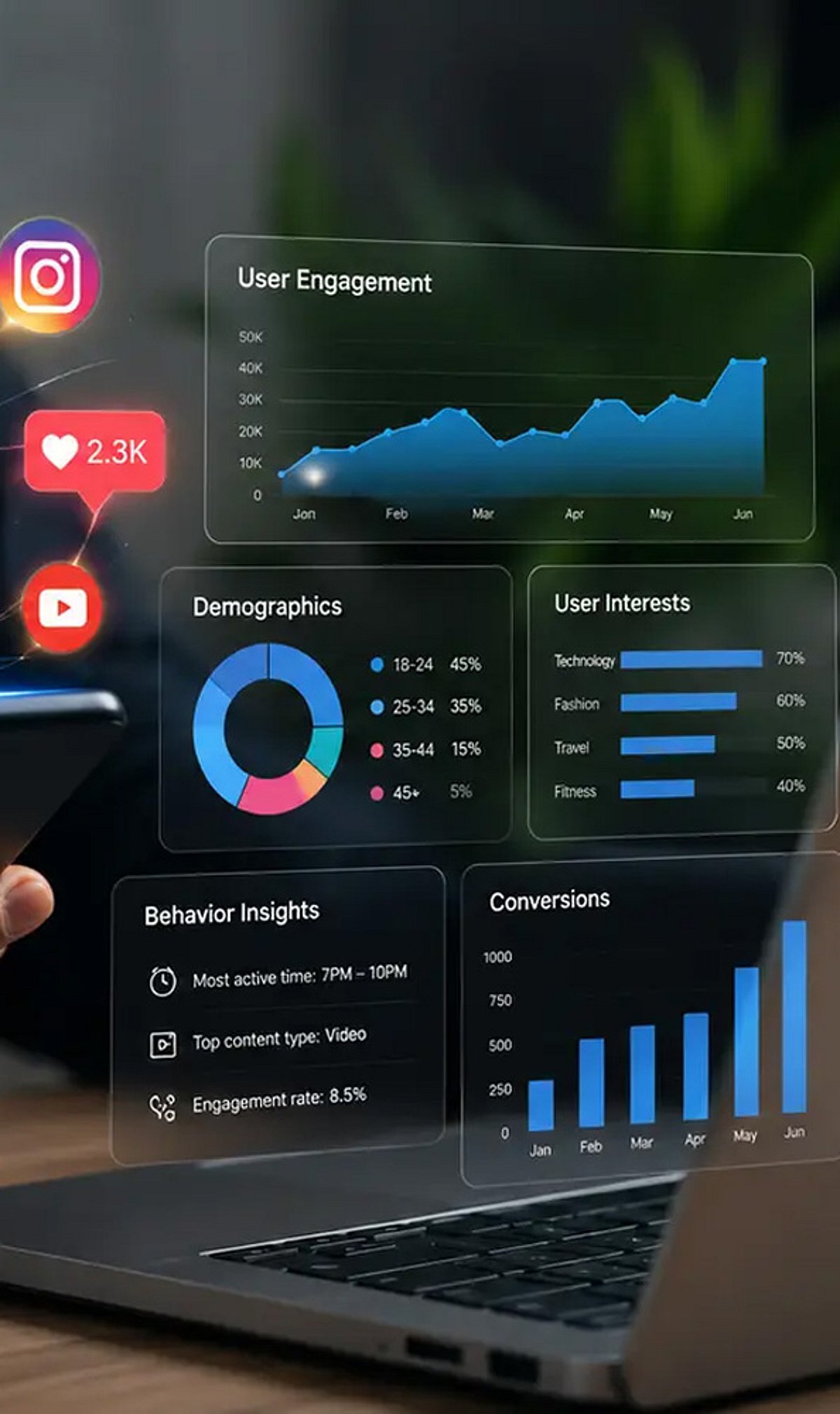
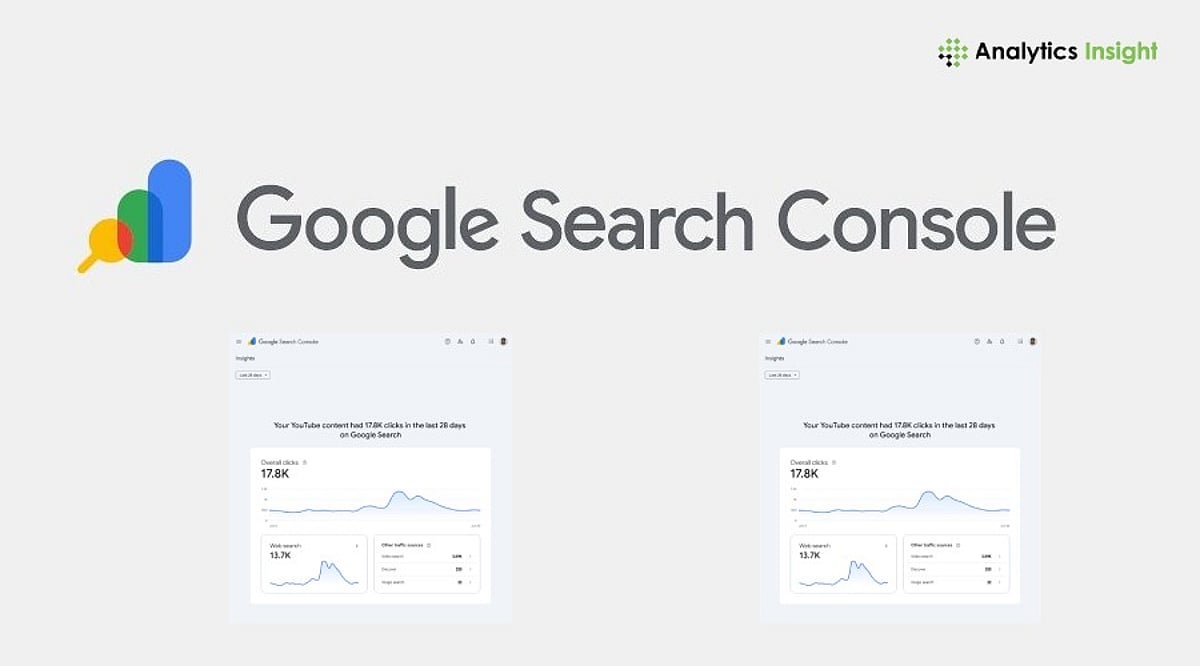
    Google has rolled out a significant update to Search Console, enabling businesses to monitor search performance for their social media profiles directly within the platform. The new feature supports Instagram, TikTok, X, and YouTube, allowing marketers and content creators to see how these accounts appear in Google Search and how users discover them.

    Search Console Adds Social Platform Reports

    With this update, Google Search Console introduces three dedicated reporting tools for social media profiles. The Performance Report delivers clicks, impressions, and other metrics, filterable by search queries or individual posts, with export capabilities. The Insights Report offers a high-level view of recent traffic trends, top-performing posts, and user discovery paths via Google Search. The Achievements Section lets creators track growth milestones, such as reaching new click thresholds in the last 28 days.

    To use the feature, users add a platform property in Search Console, select a supported platform, authorize the connection, and complete verification. This move signals that Google now considers social profiles a vital component of a brand’s online presence.

    Bridging Search and Social Data

    While many marketing teams rely on tools like Sprout Social, Hootsuite, or Buffer for cross-platform planning and tracking, Google’s new feature offers something distinct: it reveals how Google Search drives traffic to social accounts. This data was previously scattered and hard to consolidate. When combined with existing social media analytics, businesses gain a clearer picture of their overall online discoverability.

    This update brings search and social data closer together, helping marketers understand what truly brings audiences to their brand.

    Social Profiles as Digital Storefronts

    Google’s message is clear: social media pages are no longer just for posting content—they are essential digital storefronts. Many users search for a company’s Instagram page or YouTube channel before visiting its website. Businesses that keep these profiles active and optimized may improve their search visibility. The lesson for brands is straightforward: a strong social profile is not only about engagement but also about being easily found on Google.

  • The Indispensable Role of Digital Marketing in Today’s Business Landscape

    The Indispensable Role of Digital Marketing in Today’s Business Landscape

    Here’s a reality worth noting: almost nobody picks up the phone first anymore. They search. They check reviews. They explore a website, often opening three competitor tabs at once before deciding who even deserves a call. This is the new normal for shopping—whether it’s a neighborhood bakery or a company with offices in five states. Businesses working with a digital agency already understand this. Digital marketing stopped being an optional extra a while back. It has become the very foundation of modern commerce.

    Customers live online every day. Businesses need to be where that attention already is. Here’s why digital marketing matters now more than ever.

    1. Customers Start Their Search Online

    Buying decisions rarely begin with a phone call. They start with a search bar. Long before someone reaches out, they’ve likely checked pricing, skimmed a review or two, and glanced at the competition.

    Common Customer Behaviors:

    • Searching on Google
    • Reading online reviews
    • Visiting company websites
    • Comparing competitors online

    Why It Matters: A business that’s hard to find might never come up at all. Trust forms quietly, before any direct interaction happens.

    The Trade-Off: This kind of visibility doesn’t happen overnight. It requires time and patience, but every bit of effort increases the chances of being found.

    2. Digital Marketing Expands Audience Reach

    Traditional advertising usually hits a wall—a city limit, a broadcast radius, a print run. Online, that wall mostly disappears. A business can reach the right people no matter where they are.

    Common Digital Channels:

    • Search engines
    • Social media platforms
    • Email marketing
    • Paid online advertising

    Benefits: More eyes on the business. A better shot at reaching the right audience. More reach means more room to grow.

    The Trade-Off: A bigger audience also means bumping into more competition, so a solid strategy becomes essential.

    3. Businesses Can Target Customers More Effectively

    Digital marketing allows businesses to aim instead of guess. Campaigns can be built around where people live, what they’re interested in, and how they behave online.

    Examples of Targeting:

    • Local customers
    • Industry-specific audiences
    • Interest-based campaigns

    Benefits: Every dollar works harder. Engagement tends to climb. Good targeting makes marketing feel less like shouting into the void.

    The Trade-Off: It’s not set-and-forget. It requires regular attention, adjusting, and watching what works.

    4. Online Presence Builds Brand Credibility

    People form opinions fast, often before ever speaking to an employee. A clunky website, unanswered reviews, or an abandoned social page all communicate something—whether intended or not.

    Important Credibility Factors:

    • Professional website design
    • Positive customer reviews
    • Active social media presence
    • Clear and consistent branding

    Benefits: Trust builds faster. Confidence appears earlier in the customer journey. Credibility backs every decision a customer makes.

    The Trade-Off: None of this sticks without upkeep. Maintaining a sharp presence requires ongoing effort.

    5. Digital Marketing Helps Businesses Stay Competitive

    Somewhere, a competitor is investing in their online presence. Sitting that out doesn’t keep things neutral—it means falling behind quietly.

    Why It Matters: Customers constantly compare options. Stronger visibility usually means a stronger market position.

    Benefits: Better exposure in a crowded space. More leads coming in. Competition increasingly happens on a screen before anywhere else.

    The Trade-Off: Trends shift quickly, so staying competitive means staying willing to adapt.

    6. Digital Marketing Provides Measurable Results

    Traditional advertising leaves a lot to guesswork. Online campaigns don’t. Traffic, conversions, click-throughs, engagement—all can be tracked with precision.

    Common Metrics:

    • Website visits
    • Conversion rates
    • Click-through rates
    • Customer engagement levels

    Benefits: Decisions get sharper. Marketing spend goes further. Data turns a hunch into an actual plan.

    The Trade-Off: The data won’t explain itself. Someone must analyze it to extract insights.

    7. Social Media Strengthens Customer Relationships

    Marketing used to be one-way. That’s no longer true. People expect conversations with businesses, not just announcements.

    Common Engagement Opportunities:

    • Responding to comments and reviews
    • Sharing updates and content
    • Building online communities

    Benefits: Relationships that outlast a single sale. Loyalty that builds slowly but sticks. Engagement turns one-time visitors into repeat customers.

    The Trade-Off: It requires consistency. Bursts of activity followed by silence don’t work.

    8. Digital Marketing Supports Long-Term Brand Awareness

    Staying visible repeatedly makes a business hard to forget. Regular online activity reinforces who a business is and keeps it top of mind.

    Important Branding Elements:

    • Consistent messaging
    • Visual identity
    • Ongoing content creation

    Benefits: Recognition builds gradually. Familiarity deepens over time. This awareness pays off well beyond the short term.

    The Trade-Off: There’s no shortcut. It’s a slow build, but consistency eventually delivers results.

    9. Consumer Behavior Continues Moving Online

    Every year, more daily life moves online—research, shopping, conversations, entertainment.

    Current Trends:

    • Mobile browsing
    • Online purchasing
    • Social media discovery
    • Digital-first customer experiences

    Why It Matters: Businesses need to match how people behave now, not how they used to. These habits are reshaping marketing itself.

    The Trade-Off: Platforms and algorithms keep shifting, so staying informed is non-negotiable.

    The Takeaway: Digital Marketing Is Essential for Modern Business Success

    At its core, digital marketing helps businesses connect with people, build real visibility, and hold their ground in a world that’s moving increasingly online. Done right, it enables businesses to:

    • Reach wider, more targeted audiences
    • Build stronger visibility and credibility
    • Deepen relationships with customers
    • Stay competitive in a crowded market
    • Track performance and act on it
    • Grow brand awareness steadily
    • Adapt as habits change

    This isn’t about advertising for its own sake. It’s about showing up where people already spend their time, in a meaningful way. As technology and habits evolve, digital marketing will remain one of the most crucial tools for lasting growth.

  • Google Challenges Rs. 30 Lakh Delhi High Court Ruling in Hindware AdWords Trademark Dispute

    Google Challenges Rs. 30 Lakh Delhi High Court Ruling in Hindware AdWords Trademark Dispute

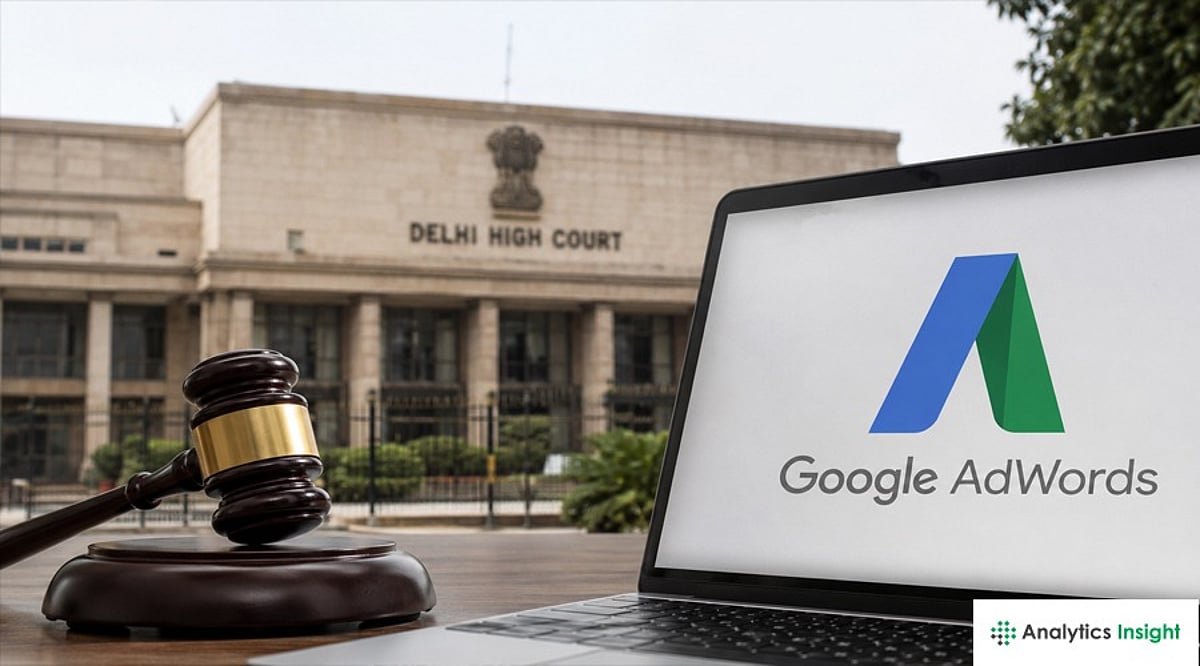
    Google has filed an appeal in the Delhi High Court against a recent order that held the company liable for trademark infringement in the Hindware AdWords case. The earlier ruling imposed a penalty of Rs. 30 lakh on Google and prohibited the company from allowing advertisers to use Hindware’s registered trademark as advertising keywords on its AdWords platform.

    Legal Proceedings

    A division bench of Justices V. Kameswar Rao and Manmeet P.S. Arora heard Google’s appeal on Friday. The court issued a notice to Hindware and scheduled the next hearing for July 24. The judges did not grant interim relief, meaning the previous order remains in effect pending a final decision.

    Google’s Arguments

    Senior advocate Abhishek Manu Singhvi, representing Google, argued that the earlier judgment contradicts several prior court decisions and established global practices. He noted that in many countries, bidding on competitors’ trademarks as advertising keywords is not considered trademark infringement. Google maintains that the AdWords system provides a legitimate way for businesses to reach potential customers through search advertising.

    Background of the Dispute

    The legal battle began when Hindware, a leading sanitaryware brand, alleged that rival companies were purchasing its trademark as a keyword through Google’s AdWords service. This caused advertisements from competitors to appear when users searched for Hindware on Google. Hindware claimed that this practice unfairly diverted its customers to competing brands.

    Earlier Court Findings

    In its May 22 judgment, the single judge ruled in favor of Hindware. The court found that Google derived commercial benefit from selling another company’s registered trademark as an advertising keyword, giving competitors an unfair advantage. The court also noted that Google never obtained permission from Hindware before making its trademark available for advertising. Additionally, the court rejected Google’s claim of protection under Section 79(1) of the Information Technology Act, stating that Google’s role exceeded that of a passive intermediary because it actively sold trademarked keywords.

    Implications for Digital Advertising

    The outcome of this appeal could have significant implications for digital advertising in India. If the court upholds the earlier ruling, companies may be barred from using competitors’ trademarks as advertising keywords. Conversely, a decision in Google’s favor would allow the current advertising model to continue, enabling businesses to reach audiences through keyword-based search ads. The July 24 hearing is expected to be a pivotal moment for the future of online advertising and trademark protection in the country.

  • AI Brand Recommendations in 2026: How to Get Your Brand Recommended by AI Assistants

    AI Brand Recommendations in 2026: How to Get Your Brand Recommended by AI Assistants

    AI assistants are changing how people discover brands in 2026. Instead of browsing search results, many users ask AI for recommendations and trust the answers they receive. Brands that build credibility, clarity, and authority are far more likely to be recommended.

    Overview

    • AI search now decides discovery: zero-click queries make up close to 60 percent of Google searches, and AI Overviews cut click-through on top results by roughly 58 percent.
    • AI models cite third-party sources far more than brand-owned pages, so entity authority across Wikipedia, Reddit, and review platforms matters more than your homepage copy.
    • Winning requires mapping the questions buyers actually ask AI, structuring content for extraction, and tracking your citations the way you once tracked rankings.

    Search engine results pages were once the main focus of almost every brand while competing for attention. Now, the competition has shifted to AI-generated answers. Millions of people ask ChatGPT, Gemini, Perplexity, and AI Overviews the same kinds of questions every day: ‘Which product, service, or company should I pick?’ These LLMs rarely come up with ten blue links to sort through. They name a handful of brands, sometimes just one, and they say it with confidence. This is the shift reshaping how discovery works.

    Zero-click searches already make up close to 60 percent of Google queries. When an AI Overview appears, clicks to the top organic result can drop by about 58 percent. So the brands AI chooses to name are fast becoming the brands people actually remember, trust, and buy from.

    How AI Actually Picks a Brand

    AI assistants don’t rank webpages the way search engines used to. They synthesize information from search indexes, trusted publications, forums, reviews, and structured knowledge sources before generating a recommendation. Brands that come across as credible across the wider web are the ones most likely to turn up in AI-generated answers. A company’s own website is just one signal in that mix, not the deciding one.

    The evidence backs this up. An Ahrefs analysis of 78.6 million AI Overview, ChatGPT, and Perplexity prompts found that Wikipedia is the most cited source across all three platforms, with YouTube and Reddit also appearing prominently depending on the system. Separate industry research puts it plainly: brands are cited by third-party sources about 6.5 times more often than on their own websites.

    The takeaway is simple. AI rewards corroboration, not self-promotion. Independent validation from sources it already trusts carries far more weight than anything a brand says about itself on its own homepage.

    Mapping the Questions that Matter

    Effective visibility work starts with prompts, not keywords. AI visibility begins with understanding the questions buyers actually ask: best options for a specific use case, comparisons between named alternatives, and budget- or location-specific asks. Grouping these by intent and by platform matters, since ChatGPT, Gemini, and Perplexity often surface different sources for the same question. That list becomes the foundation for everything published afterward.

    Structuring Content So AI Can Use It

    The core answer belongs in the first sentence, not the third paragraph. Research on ChatGPT citations found that 44.2 percent of them come from the first 30 percent of an article, so the strongest, most factual statement needs to sit near the top.

    Clear headings, direct FAQ answers, and schema markup for organization, product, and FAQ types all help. Marketing language works against this goal. AI models extract short, factual, well-attributed statements, and buried claims get skipped in favor of a competitor stating the same fact plainly.

    Earning Authority Through Corroboration

    Traditional SEO rewarded links. AI search rewards corroboration instead. A brand mentioned consistently across trusted sources becomes easier for AI to verify than one relying on backlinks alone.

    That means an accurate Wikipedia entry where one is warranted, genuine participation on Reddit and Quora, consistent directory listings, and coverage in publications that AI considers reliable.

    Adobe’s own LLM Optimizer documentation states plainly that these models prioritize content relevance and brand presence over raw backlink counts, a detail that reshapes what counts as a strong signal in 2026.

    Machines also need a clean structure to read anything at all. Semantic HTML, fast load times, an accessible sitemap, and structured data form the technical floor beneath every other effort. Confirming that robots.txt allows known AI crawlers and checking how a page renders with JavaScript disabled catches problems before they reduce visibility.

    Tracking Citations, Not Just Rankings

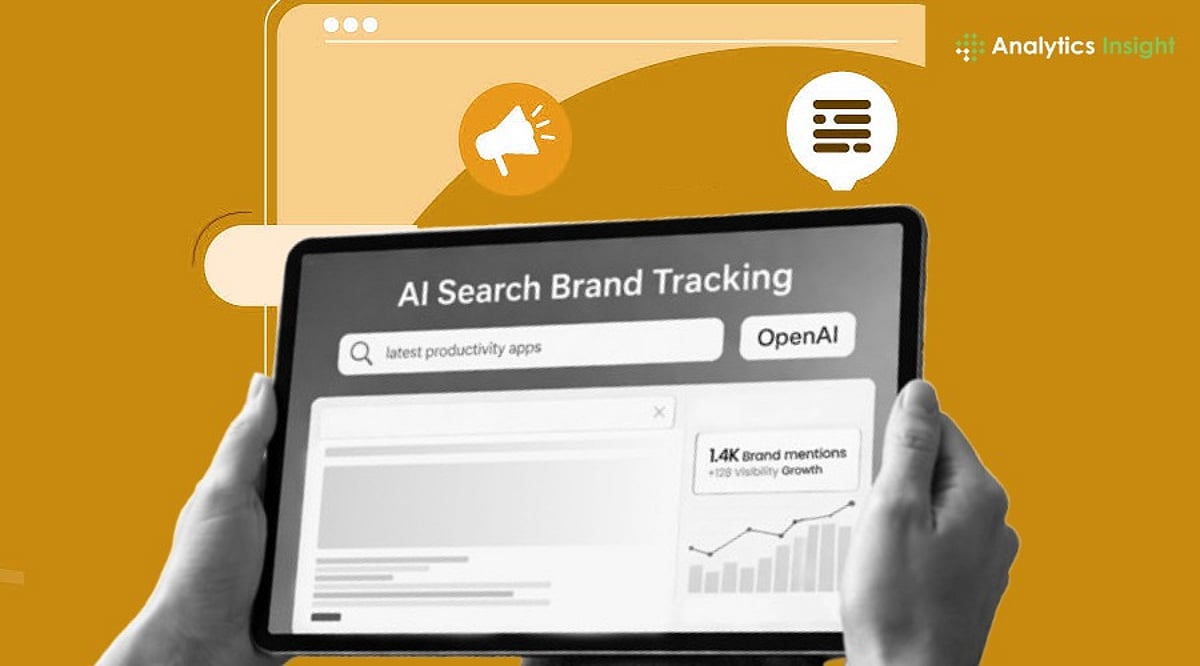
    Once a visibility tool like Adobe LLM Optimizer is in place, track shifts in mentions, citations, sentiment, and share of voice relative to competitors. Industry visibility research puts the overlap figure at only around 7.2 percent of domains appearing in both Google AI Overviews and chatbot results, meaning visibility on one platform offers no guarantee of visibility on another.

    Running the same prompts monthly across ChatGPT, Gemini, and Perplexity, and noting which sources are cited, turns those sources into the next round of outreach targets. Movement here happens over weeks, so consistency in tracking outweighs any single fix.

    Why This Matters

    AI is becoming the first stop for buying decisions. If your brand isn’t recommended in AI-generated answers, you risk losing visibility, trust, and customers before they ever reach your website.

    Final Thoughts

    The brands that will succeed with AI recommendations in the near future will not be the loudest on their own platforms. They will be the ones whose facts hold up everywhere else, verified independently, again and again, until the machines have no reason to doubt them.

    Frequently Asked Questions

    1. How can I make AI recommend my brand in 2026? To improve the chances of AI recommending your brand, create authoritative content, implement structured data, build strong entity authority, earn credible third-party mentions, and optimize your website using AEO and GEO best practices.
    2. Is traditional SEO enough to improve AI recommendations? No. Traditional SEO remains important, but AI assistants also evaluate content quality, entity recognition, third-party credibility, structured data, and consistent brand information across multiple trusted sources.
    3. What is Answer Engine Optimization (AEO)? Answer Engine Optimization (AEO) focuses on structuring content so AI assistants can easily understand, retrieve, and cite it when answering user queries, increasing your brand’s visibility in AI-generated responses.
    4. Why is entity authority important for AI search? AI systems identify brands as entities rather than just websites. Consistent information across your website, business directories, review platforms, and trusted publications helps AI verify your brand and recommend it with greater confidence.
    5. How can I measure whether AI is recommending my brand? Regularly test relevant prompts on platforms like ChatGPT, Gemini, Perplexity, and AI-powered search engines. You can also use AI visibility and LLM optimization tools to monitor brand mentions, citations, and share of voice over time.
  • Top SEO Agencies Across the United States: A 2025 Guide to Market Leaders

    Top SEO Agencies Across the United States: A 2025 Guide to Market Leaders

    The search engine optimization landscape in the United States is highly competitive, with numerous agencies offering specialized services to help businesses improve their online visibility. Here is a curated list of leading SEO companies known for their expertise, results-driven strategies, and comprehensive service offerings.

    WebFX

    WebFX provides a full suite of SEO services, including technical optimization, content marketing, link building, and detailed analytics. Their approach focuses on delivering measurable business growth for clients across various industries.

    Ignite Visibility

    Specializing in enterprise SEO, local search optimization, and content strategy, Ignite Visibility runs digital marketing campaigns for businesses nationwide. They are known for tailoring strategies to the unique needs of multi-industry clients.

    Victorious

    Victorious emphasizes data-driven SEO campaigns, conducting thorough keyword research and technical audits. Their transparent methodology helps achieve sustainable organic traffic growth over time.

    Thrive Internet Marketing Agency

    Thrive offers a wide range of services, including SEO, PPC, web design, local optimization, and content marketing. Their solutions are adaptable to businesses of all sizes and sectors.

    Straight North

    Straight North delivers customized SEO solutions that integrate lead generation strategies, technical improvements, and content optimization. They provide comprehensive performance reporting to drive business growth.

    OuterBox

    OuterBox is recognized for its ecommerce SEO expertise, helping online retailers enhance search visibility, product rankings, and conversions. Their optimization efforts aim to boost long-term organic revenue.

    HigherVisibility

    HigherVisibility offers local SEO, enterprise optimization, website audits, and digital marketing strategies focused on increasing online visibility and acquiring qualified customers.

    Intero Digital

    Intero Digital combines technical SEO, content marketing, paid media, and analytics solutions. Their holistic approach strengthens brand visibility and maximizes measurable digital performance.

    SEO Brand

    SEO Brand provides international SEO, ecommerce optimization, reputation management, and content strategies. Their services are designed to improve rankings and support sustainable online business growth.

    These companies represent some of the most reliable and effective SEO partners in the United States, each with distinct strengths that can cater to various business needs.

    For the latest news, exclusives, and videos, join our WhatsApp Channel.

  • WhatsApp Usernames: Connect Without Sharing Your Phone Number

    WhatsApp Usernames: Connect Without Sharing Your Phone Number

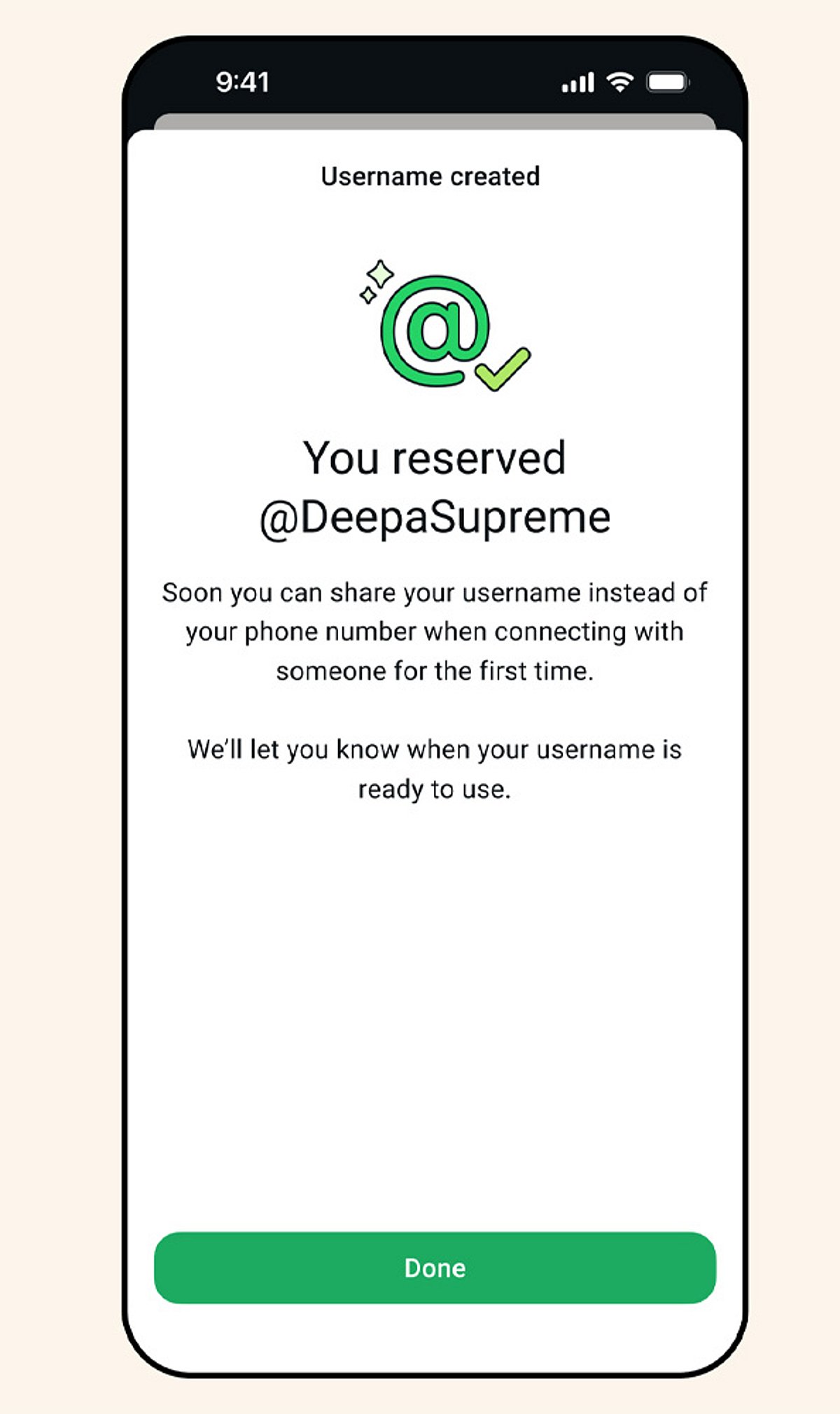
    WhatsApp is rolling out a new feature that allows users to connect using unique usernames, eliminating the need to share personal phone numbers. This update is designed to enhance privacy and simplify communication for individuals and businesses alike.

    Instead of giving out your mobile number, you can now create a memorable username that follows WhatsApp’s guidelines and is easy for friends, customers, or clients to find. Once your username is set, people can search for it and send messages without ever seeing your phone number, wherever the feature is supported.

    Usernames are particularly valuable for creators, freelancers, businesses, and community administrators who frequently interact with many people. Privacy settings allow users to control who can discover them or initiate contact, adding an extra layer of account protection.

    WhatsApp continues to bolster security with end-to-end encryption, passkeys, and advanced scam protection alongside the username feature. As the feature rolls out, availability may vary by region and app version, so users should keep WhatsApp updated to access the latest tools.

    Usernames are expected to make connecting easier while giving users greater control over their personal contact information. For more updates, join our WhatsApp Channel to get the latest news, exclusives, and videos on WhatsApp.

  • Top Data Analytics Tools for Social Media Marketing in 2025

    Top Data Analytics Tools for Social Media Marketing in 2025

    Data analytics has become indispensable for social media marketing. By leveraging the right tools, businesses can track performance, understand audience behavior, and optimize campaigns for better ROI. Below is a curated list of the best data analytics applications for social media, each offering unique features to help marketers succeed.

    Google Analytics

    Tracks website traffic originating from social platforms, helping marketers understand user behavior, conversions, and campaign effectiveness across multiple digital channels.

    Sprout Social

    Provides audience analytics, engagement tracking, publishing tools, and detailed performance reports for managing multiple social media accounts efficiently.

    Hootsuite Analytics

    Monitors campaign performance, audience growth, content engagement, and competitor activity using customizable dashboards and comprehensive reporting capabilities.

    Buffer Analyze

    Measures post performance, audience engagement, and content effectiveness while offering actionable insights for improving future social media strategies consistently.

    Brandwatch

    Delivers advanced social listening, sentiment analysis, trend monitoring, and consumer intelligence for brands seeking deeper market understanding and reputation management.

    Talkwalker

    Uses AI-powered analytics to monitor conversations, identify trends, analyze brand sentiment, and evaluate campaign performance across numerous social platforms.

    Keyhole

    Tracks hashtags, influencers, campaign reach, and engagement metrics, making it valuable for social media marketing and influencer performance evaluation.

    HubSpot Analytics

    Combines CRM data with social media performance, enabling businesses to measure lead generation, customer engagement, and marketing ROI effectively.

    Zoho Social

    Offers detailed analytics, publishing, audience monitoring, and collaboration features for businesses managing multiple social media channels from one platform.

    These tools empower marketers to make data-driven decisions, improve engagement, and maximize the impact of their social media efforts. For more insights, join our WhatsApp Channel to get the latest news, exclusives, and videos.

  • How Data-Driven Marketing Agencies Boost Campaign Performance with Analytics

    How Data-Driven Marketing Agencies Boost Campaign Performance with Analytics

    Marketing agencies improve campaign performance by treating each launch as a measurable system, rather than a creative gamble. Data reveals which messages earn attention, which channels attract qualified prospects, and which offers support revenue. Strong teams read those signals early, before waste compounds. Careful analysis also sharpens planning, because prior results expose timing, audience behavior, and sales friction that would stay hidden if decisions rested on instinct alone.

    Better Inputs

    Most agencies begin with baseline metrics, channel history, audience signals, and sales records, then compare them with current goals before new work starts. That early review reduces weak assumptions and keeps planning grounded in evidence. For companies seeking outside guidance, a Portland digital marketing agency can add structured audits, reporting discipline, and cross-channel interpretation, so each metric sits inside a fuller performance picture.

    Clear Goals

    Data becomes useful only after success is defined with precision. One business may care about booked consultations, while another needs a lower acquisition cost or a higher order value. Agencies that set those targets before production begins can judge progress with less confusion. Clear benchmarks also prevent teams from celebrating surface activity, such as clicks or impressions, when those signals fail to support actual commercial results.

    Audience Clues

    Analytics helps agencies distinguish curiosity from buying intent. First-time visitors often need explanation, while returning users may look for proof, pricing, or reassurance. Search traffic can signal active demand. Social traffic may respond better to emotional framing or visual contrast. Those patterns matter because a single message rarely serves every group well. Better segmentation usually leads to cleaner spend and stronger conversion quality.

    Channel Mix

    Channel performance makes more sense when agencies study contribution, rather than isolated clicks. Search, email, paid media, referrals, and direct visits often support the same sale at different points in time. A prospect may discover a brand through one source, then return later through another path before converting. That fuller view protects valuable channels whose influence disappears inside narrow last-click reporting and oversimplified attribution models.

    Creative Tests

    Testing gives agencies a disciplined way to improve headlines, visuals, page layouts, and calls to action. Small experiments reduce guesswork without forcing a full campaign reset. One variant may boost click-through rate, while another may increase the number of completed forms or improve lead quality. Results often challenge internal preferences. Evidence keeps those discussions grounded because responses from actual visitors matter more than opinions formed in conference rooms.

    Spending Control

    Budget decisions improve once cost is tied to outcomes that matter beyond traffic volume. Cheap visits can disappoint if those users never buy, call, or return. Higher media expenses may still make sense when customers stay longer or spend more per order. Good reporting connects spend with margin, retention, and close rate. That link helps agencies confidently move funds away from weak placements.

    Site Behavior

    Campaign data does not end at the click. Agencies also study scroll depth, form abandonment, page exits, and session flow to find where intent fades. Those signals often reveal friction that ad reports miss. A landing page may attract qualified visitors yet lose them due to slow load times, unclear copy, or poor visual hierarchy. Fixing those barriers can outperform buying more traffic.

    Reporting Rhythm

    Useful reporting follows a steady cadence, rather than a frantic series of isolated checks. Daily reviews can catch broken links, tracking errors, or sudden overspend. Weekly analysis often surfaces audience fatigue, falling engagement, or creative wear. Monthly summaries connect campaign movement with sales outcomes and profit. That rhythm helps agencies respond early, before small issues become expensive habits that distort future planning.

    Trust in Numbers

    Numbers improve judgment, but they do not replace it. Agencies still need context, commercial awareness, and honest communication with clients. Metrics can mislead when teams chase vanity indicators or ignore weak tracking quality. Marketing experts ask better questions before acting on a chart. They test assumptions, examine anomalies, and explain what a result means, rather than presenting raw figures as self-explanatory truth.

    Long View

    The strongest agencies use data to build cumulative learning across months, rather than chasing brief spikes in activity. Each campaign adds sharper insight into audience timing, offer strength, message fit, and channel role. Over time, that record improves forecasting and reduces avoidable waste. Reliable tracking and measuring create a practical memory for the team, making future decisions faster, steadier, and easier to defend.

    Conclusion

    Data helps marketing agencies replace guesswork with observable patterns, disciplined choices, and stronger accountability. When teams set precise goals, study audience behavior, test creative variables, and connect spend with revenue quality, campaign improvement becomes far more consistent. Better measurement also strengthens trust, because clients can see why changes happen. In daily practice, that clarity supports smarter planning, tighter execution, and results that hold up under scrutiny.