Category: Digital Marketing

  • TopFollow App Review: How to Boost Your Instagram Growth with Coins

    TopFollow App Review: How to Boost Your Instagram Growth with Coins

    Let’s face it: growing an Instagram account from scratch is hard work. With millions of creators competing for attention, you need an edge. That’s where TopFollow comes in. Designed for everyone from teens to social media enthusiasts, this free and easy-to-use app helps you make a splash in the digital world. Here’s everything you need to know before you start.

    What Is TopFollow?

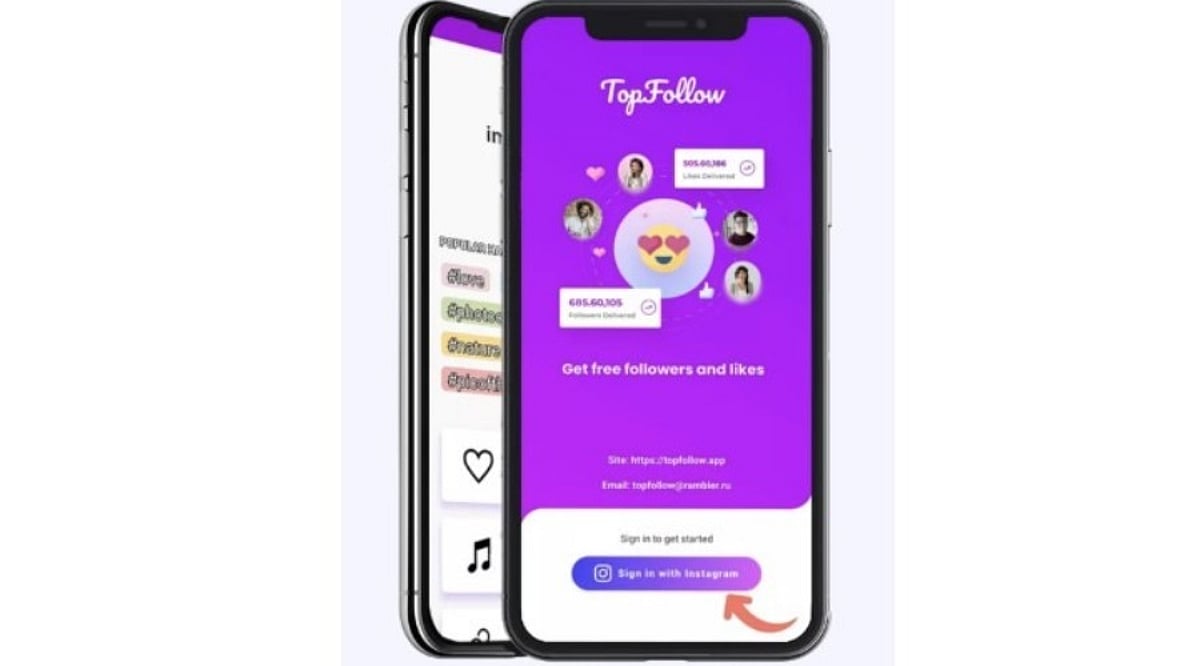
    TopFollow is a popular coin-based value-exchange app with over 10 million downloads on Google Play. Its mission is straightforward: help users grow their Instagram presence quickly, without the slow grind of traditional social media marketing. You don’t need to make payments or share your account credentials. The app is secure, free, and has no hidden fees.

    Key Benefits

    • Official & Secure: Your data is safe. Download only from Google Play or TopFollow’s official page.
    • Instant Delivery: Launch a campaign and see new followers within minutes.
    • Gamification: Participate in global events and compete for millions of coins and crystals.
    • 24/7 Support: Help is always available.
    • Daily Bonuses: Fresh promo codes shared daily on the official Telegram channel.
    • No Annoying Ads: Unlike many free apps, TopFollow is ad-free.

    How the Coin System Works

    TopFollow uses an in-app currency called coins. You earn coins by completing daily tasks, and then you redeem them to promote your Instagram page. The more you participate, the more coins you earn — and the faster your audience grows.

    Getting Started

    1. Visit the official site at topfollow.app or download the APK from Google Play.
    2. Install the app and log in using a secondary Instagram account for extra security.
    3. Earn coins through daily tasks, referrals, or promo codes. Referrals give you 10% of your friends’ earnings when they join with your unique code.
    4. Activate promo codes in the app: Settings > Free Coins > Codes.
    5. Once you have enough coins, go to the “Followers” tab, enter your main Instagram username, and start seeing growth within minutes.

    Consistency is key — participate daily, collect coins, and steadily expand your presence.

    Tips for Maximum Results

    Don’t just rely on the app; also nurture your main Instagram account. Post high-quality content, engage with followers, and create posts that encourage interaction. Maximize the referral program by sharing your code widely. Join global in-app events to earn extra coins quickly. With smart and consistent practices, you’ll accelerate your growth significantly.

    TopFollow provides everything you need to grow your Instagram audience without deep social media expertise. It’s a classic “work smart, not hard” approach.

  • Top AI Visibility Tracking Tools for SEO and GEO Rankings in 2026

    Top AI Visibility Tracking Tools for SEO and GEO Rankings in 2026

    The search function has changed massively in recent years. Most businesses previously focused on keyword rankings and website traffic from search engines. However, AI search tools have now become an important part of how people find information online. Platforms such as ChatGPT, Google AI Overviews, Gemini, Perplexity, Claude, and Microsoft Copilot often provide direct answers instead of a list of websites. This shift has prompted brands to know how often these AI systems mention or recommend their content.

    This change has created the need for AI visibility tracking tools. These platforms help businesses measure brand mentions, citations, prompt coverage, and AI Share of Voice across different AI search systems. The right tool also helps marketers understand how content performs in the new search environment.

    Top AI Mode Tracking Tools

    Profound

    Profound stands out as one of the strongest enterprise platforms for AI visibility tracking. The platform supports ChatGPT, Google AI Overviews, Gemini, Perplexity, Claude, and Microsoft Copilot. It provides detailed reports that show brand mentions, citations, prompt tracking, competitor analysis, and AI Share of Voice.

    Many large companies choose Profound because it handles thousands of prompts across different industries and regions. Executive dashboards also make it easier for marketing teams and business leaders to understand overall AI search performance. For enterprise organizations that need deep insights, Profound remains one of the best choices.

    AthenaHQ

    AthenaHQ focuses on one important area that many platforms overlook. Instead of only tracking visibility, it measures the business value behind AI search results. The platform shows which AI systems mention a brand, which prompts create those mentions, and which citations bring traffic.

    This approach helps businesses connect AI visibility with real marketing results. Companies that want clear data about return on investment often select AthenaHQ for its strong attribution features.

    Peec AI

    Peec AI has become one of the fastest-growing GEO platforms in recent years. The platform tracks AI visibility, brand mentions, citation frequency, competitor presence, and AI Share of Voice. It also monitors prompts across several AI search platforms.

    The dashboard offers a clean layout that suits both experienced SEO professionals and new users. This balance between advanced features and simple reports has made Peec AI a popular option for many businesses.

    Otterly.AI

    Otterly.AI offers one of the easiest ways to begin AI visibility tracking. The platform checks brand mentions across Google AI Overviews, ChatGPT, and Perplexity. It also provides daily reports and brand alerts that help businesses stay informed about changes in AI search results.

    Freelancers, consultants, and small agencies often prefer Otterly.AI because it delivers useful information without unnecessary complexity. The platform suits teams that need reliable monitoring without a large learning curve.

    Ahrefs Brand Radar

    Ahrefs has expanded beyond traditional SEO with Brand Radar. This feature combines AI visibility tracking with the company’s well-known SEO tools. Businesses can monitor AI brand mentions, citations, Share of Voice, competitor performance, and prompt coverage from a single platform.

    The biggest advantage comes from the combination of classic SEO data and AI search insights. This complete view helps marketers understand how both search systems work together.

    Semrush AI Toolkit

    Semrush has also entered the AI search market through its AI Toolkit. The platform tracks AI Overview visibility, brand mentions, competitor performance, and content opportunities that may increase AI citations.

    Businesses that already use Semrush for keyword research, audits, and SEO campaigns can easily add AI tracking without changing platforms. This makes the AI Toolkit a practical choice for existing Semrush users.

    Nightwatch, SE Ranking, Rankshift, and Dageno AI

    Nightwatch began as a traditional rank tracker but now includes AI search monitoring. The platform tracks AI answers, keyword rankings, SERP features, local SEO, and AI visibility reports. It serves SEO teams that want both traditional and AI search data in one place.

    SE Ranking has also added AI visibility tools alongside website audits, competitor research, backlink monitoring, and rank tracking. The platform offers good value for agencies and growing businesses with limited budgets.

    Rankshift focuses mainly on AI search. The platform tracks prompt rankings, AI citations, competitor visibility, and AI crawler activity. Its specialized approach suits businesses that want dedicated AI search monitoring.

    Dageno AI combines monitoring with optimization. Besides AI visibility tracking, the platform provides citation analysis, content recommendations, workflow automation, and prompt monitoring. This complete approach helps marketing teams improve content as well as measure performance.

    Important Metrics That Matter

    Modern AI tracking platforms measure much more than simple rankings. AI Share of Voice shows how often a brand appears compared with competitors. Brand mentions reveal how frequently AI systems recommend or discuss a company. Citation rate measures how often AI platforms use a website as a trusted source.

    Prompt coverage identifies which questions trigger brand mentions. Competitor visibility compares market presence across AI systems. Sentiment analysis shows whether AI responses describe a brand in a positive, neutral, or negative way. Source attribution identifies the websites that AI systems use, while AI referral traffic measures visits that come from AI search experiences.

    Best Choices for Different Business Sizes

    Different businesses require different solutions. Freelancers and solo SEO professionals often find Otterly.AI together with Google Search Console is more than enough for daily work. Small businesses can benefit from the combination of SE Ranking and Ahrefs. Agencies may find Peec AI and Nightwatch suitable because both support client reporting and competitor tracking.

    Mid-sized SaaS companies often prefer Ahrefs Brand Radar with the Semrush AI Toolkit. Large enterprises usually choose Profound together with AthenaHQ because these platforms offer advanced reporting, attribution, and large-scale AI visibility analysis.

    Final Thoughts

    AI search has become an important part of digital marketing. Businesses can no longer depend only on traditional keyword rankings because AI systems now influence how people discover products, services, and information. AI visibility tracking tools help brands understand how often AI platforms mention, recommend, or cite their content.

    Profound remains the strongest option for enterprise organizations. Ahrefs Brand Radar offers an excellent mix of traditional SEO and AI search data. Peec AI performs well for AI Share of Voice analysis, while AthenaHQ delivers valuable attribution insights. Otterly.AI serves as an excellent starting point for smaller businesses. As AI search continues to grow, these platforms help marketers stay visible, competitive, and prepared for the future of search.

    FAQs

    1. What is an AI Mode tracking tool? An AI Mode tracking tool measures how often a brand appears in AI-powered search platforms such as ChatGPT, Google AI Overviews, Gemini, and Perplexity.
    2. Why are AI visibility tools important for SEO? These tools help businesses understand how AI systems mention, recommend, and cite their content, which supports better search visibility.
    3. Which tool is best for enterprise businesses? Profound is widely considered one of the strongest choices for enterprise AI visibility tracking, with its advanced reporting and large-scale monitoring.
    4. Which AI tracking tool is suitable for beginners? Otterly.AI is a popular option for beginners because it offers simple reports, daily monitoring, and an easy-to-use interface.
    5. What metrics do AI SEO tools track? Most platforms track AI Share of Voice, brand mentions, citations, prompt coverage, competitor visibility, sentiment, source attribution, and AI referral traffic.
  • Why Global Brands Keep Spending Billions on Advertising: The Real Risk Is Silence

    Why Global Brands Keep Spending Billions on Advertising: The Real Risk Is Silence

    The world’s largest advertisers are spending more than ever, even though their brands are already household names. Amazon, Procter & Gamble, and Progressive Insurance dominate their categories, yet their marketing budgets continue to rise. New research from Stanford reveals why staying visible matters more than staying dominant.

    Record Spending Levels

    According to Ad Age, the top 50 global advertisers increased combined spending to $291 billion in 2025, a 6.6% jump from the previous year. These figures reflect a strategic choice: leading companies are investing heavily in consumer attention, brand strength, and market share. Amazon alone spends roughly $21 billion annually on advertising, while L’Oréal allocates $15.2 billion, LVMH $10.6 billion, P&G $9 billion, and Progressive Insurance a record $4.5 billion.

    Critically, advertising expense is a separate line item from total revenue. Confusing the two overstates what brands actually spend on marketing. The spending is deliberate, recurring, and essential for maintaining mindshare.

    The Science of Consumer Memory

    A field experiment by Stanford Graduate School of Business professor Navdeep Sahni shows that a single auto insurance ad raised the likelihood of a website visit from 0.2% to 0.8% — a 300% jump. More importantly, while competitor traffic held steady on the day the ad ran, the next day competitors lost 11% of their visits. That loss closely matched the advertiser’s gain.

    Sahni describes this as a combative environment where one brand’s pause becomes another brand’s opening. Consumer memory fades within days, not months. Recognition without recent advertising offers weak protection against a rival’s timely campaign.

    Why Budgets Keep Rising

    Several forces drive continuous ad spending:

    • Competitive interference: Silence creates room for rivals to gain ground.
    • High stakes in insurance: Auto insurers each spend over $1.5 billion annually to stay top of mind.
    • Retail media networks: These connect ad spend directly to purchase behavior.
    • Consumer goods habits: Repetition sustains daily buying decisions.
    • New launches: Even household names need introduction for new markets or products.

    Sahni also found that competitor television advertising in the weeks before an experiment made the tested ad more effective, not less. Rival spending raises the stakes for everyone in the category.

    Advertising as a Defensive Investment

    The data makes one point clear: advertising has moved beyond a seasonal push and become a standing operating cost for global brands. Companies that already dominate commit billions not from habit, but from measurable evidence that consumer memory rewards recent presence over past reputation.

    Business leaders reviewing marketing budgets should treat advertising as a defensive investment rather than a discretionary growth expense. Brands that pause risk losing recall faster than they can rebuild it. In a market where attention resets within days, staying visible costs far less than fading from memory.

  • Predictive Targeting: How Data Informata Finds Customers Before They Search

    Predictive Targeting: How Data Informata Finds Customers Before They Search

    Most advertising waits for customers to raise their hands. They sit on platforms, hoping the right person wanders by. By the time someone searches for a product, they’ve already seen three or four competitors. Phil Anderson’s Data Informata has built a system that flips the timing: it finds the customer before the customer goes looking.

    The core challenge is that the entire advertising industry is designed to compete for people who are already shopping. Every platform auctions off the same hand-raisers, driving up costs and diluting impact. Data Informata asks a different question: instead of who’s searching right now, who’s about to?

    How the System Works

    Data Informata’s targeting infrastructure identifies IP addresses of consumers showing specific behavioral signals – searching relevant keywords, visiting physical locations that indicate purchase intent, or engaging with related content. It then matches those signals to all devices within a household: phones, laptops, tablets. This continuous household-level tracking ensures the advertising narrative follows the buying journey across screens and across family members who influence decisions.

    By the time the consumer types a search, they’ve already been exposed to a tailored message. The system doesn’t wait for the auction; it gets in front of the person while they’re still forming the decision.

    Cultural Intelligence in Creative

    Finding the right person is only half the battle. Data Informata also adapts the creative itself – colors, fonts, design elements shift based on cultural and demographic data. A generic ad that looks the same to everyone often signals ‘not for me’ to most audiences. Calibrated creative builds immediate trust. ‘Color is not decoration. Color is a signal,’ Anderson explains. The system handles this at scale, serving a version shaped for each household’s context.

    Real‑World Proof

    The most compelling test came from a single‑location Thai restaurant on a limited budget. Data Informata identified local households showing dining‑out signals, matched them across devices, and served neighborhood‑calibrated creative. Sales jumped 38% in 24 hours. The result demonstrated that the technology works end‑to‑end on a real business, not just enterprise campaigns.

    Anticipatory vs. Reactive

    Standard programmatic advertising is reactive – it waits for declared intent and then bids for an impression. Data Informata is anticipatory: it reads pre‑intent signals and reaches the consumer before the search. ‘We’re not interested in the line. We want to be the first name the customer ever associates with the thing they’re about to buy,’ says Anderson. That head start compounds, because the first brand encountered shapes how every subsequent competitor is judged.

    The Competitive Advantage

    The system was built in partnership with Los Angeles developers who worked on the underlying advertising infrastructure. This deep engineering knowledge allows Data Informata to operate beneath the dashboards that limit most agencies. ‘There’s a difference between knowing how to drive the car and knowing how the engine was built,’ Anderson notes. This foundational expertise is difficult to replicate and provides a durable edge.

    Conclusion

    Data Informata’s core belief is that the data already contains the answer. Signals about who will buy, what they will respond to, and where to reach them exist today. Companies that read those signals early win; those that wait to react pay to compete in a crowded auction. The system is proven at small scales – a single Thai restaurant – and is ready for larger deployment. It shifts the advertising paradigm from waiting for the hand to go up to finding the customer first.

  • Why Posting on Social Media Alone Isn’t Enough: Debunking the Biggest Digital Marketing Myth

    Why Posting on Social Media Alone Isn’t Enough: Debunking the Biggest Digital Marketing Myth

    Many businesses fall into the trap of believing that simply posting on social media will drive growth. While platforms like Instagram, Facebook, LinkedIn, and TikTok are essential for visibility, they are just one piece of a much larger puzzle. True digital success requires a holistic strategy that integrates SEO, paid advertising, email marketing, a well-optimized website, data analysis, and customer retention efforts.

    The Illusion of Social Media Reach

    With over 5.7 billion social media users worldwide and an average daily usage of 2 hours and 20 minutes, the numbers are staggering. However, the competition is equally fierce. Millions of brands post content every day, making it increasingly difficult for organic posts to gain traction. Algorithms now prioritize paid ads, entertainment, and creator-driven content, leaving organic business posts with limited visibility.

    You Don’t Own Your Audience

    A critical flaw in relying solely on social media is that you never truly own your audience. Followers belong to the platform, not your business. Algorithm changes can slash your reach overnight—a risk that has become all too common. Building on rented land is a fragile strategy.

    Engagement Doesn’t Equal Revenue

    High likes and comments can be misleading. A 2026 Kantar report highlights consumer fatigue with influencer-heavy and overly promotional content. Only about 6% of creator-based content drives both strong engagement and measurable business results. Attention does not automatically translate into customers.

    The Power of Search and Email

    Search engines bring users with high purchase intent. Unlike fleeting social posts, strong SEO rankings deliver traffic for months or years. Email marketing, often overlooked, boasts one of the highest ROIs in digital marketing. Subscribers are yours to communicate with directly—no algorithm interference.

    Paid Ads, AI, and Websites

    Modern marketing relies on AI-powered ad targeting, data-driven decisions, and personalized customer experiences. Social media creates awareness, but conversion happens on your website. Fast load times, clear messaging, and smooth user journeys turn visitors into paying customers.

    The Verdict

    Posting on social media is important, but it is not a complete marketing strategy. To achieve sustainable growth, businesses must combine multiple channels: SEO, paid ads, email, website optimization, analytics, and AI-enhanced personalization. Believing otherwise is one of the costliest mistakes in digital marketing today.

  • Top Copywriting Courses and Certifications to Master in 2026

    Top Copywriting Courses and Certifications to Master in 2026

    As companies continue to invest heavily in digital marketing, content, and e-commerce, the demand for skilled copywriters is surging. The global online education market is projected to reach $221.7 billion by 2026, driven by the need for flexible, career-oriented learning. Meanwhile, Coursera added 22 million new learners in 2025, bringing its total worldwide users to 191 million—a clear sign that professionals are rapidly upgrading their skills.

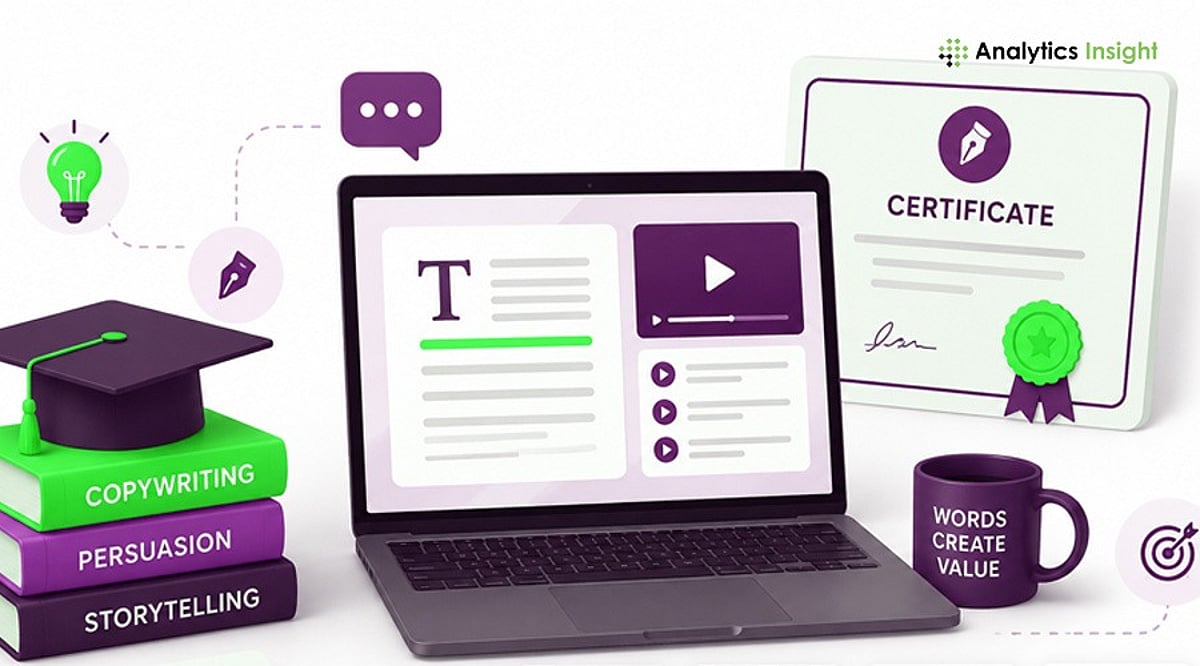
    Whether you’re a beginner or a seasoned professional, the right copywriting course can help you master persuasive writing, SEO, content marketing, brand messaging, and high-converting digital copy. Below are the top seven courses and certifications for 2026.

    1. Coursera Copywriting Courses

    Coursera offers copywriting courses from leading universities and industry experts, covering persuasive writing, SEO, brand messaging, content strategy, and digital marketing. Most courses take four to 12 weeks and are self-paced. Many are free to audit, while certificates require payment.

    Key Focus: Building industry-recognized copywriting and marketing skills.

    2. AWAI Copywriting Certification

    AWAI (American Writers & Artists Inc.) is a popular choice for aspiring freelance copywriters. The program teaches sales letters, email campaigns, website copy, direct-response writing, pricing, and client acquisition. Depending on your pace, it takes two to six months to complete. It is a paid certification.

    Key Focus: Developing practical copywriting skills for freelance and agency work.

    3. Copy School by Copyhackers

    Copy School helps writers create copy that converts. It teaches customer research, landing pages, emails, product copywriting, sales funnels, and A/B testing using real business examples. The self-paced program can take one to three months. It is a paid course.

    Main Emphasis: Writing effective copy that sells and grows your business.

    4. HubSpot Academy Content Marketing Certification

    HubSpot Academy offers a free certification that teaches content marketing, storytelling, blogging, SEO, and lead generation. The course is brief, practical, and includes quizzes for evaluation. Most users complete it in eight to 10 hours.

    Important Concept: Creating valuable content that engages your audience.

    5. Google Digital Garage: Fundamentals of Digital Marketing

    Google’s digital marketing program provides insights on using copywriting in effective online marketing campaigns. It covers content creation, SEO, email marketing, online advertising, analytics, and customer engagement. The course is self-paced, takes about 40 hours, and provides a free certificate.

    Key Focus: Integrating copywriting into a broader digital marketing strategy.

    6. Copyblogger Academy

    Copyblogger Academy focuses on copywriting skills as well as content creation, email marketing, SEO, storytelling, and audience development. Subscribers gain access to workshops, mentoring, and a creators’ community. The subscription-based program is self-paced.

    Main Emphasis: Developing persuasive content to build credibility and grow your business.

    7. Udemy Copywriting Courses

    Udemy features hundreds of copywriting courses covering sales copy, email marketing, social media content, SEO writing, branding, and AI-assisted workflows. Most courses take five to 20 hours and include lifetime access after purchase. They are paid, but discounts are frequent.

    Key Focus: Learning practical copywriting skills at an affordable price.

    Final Take

    A certificate can help you get noticed, but it’s your work that lands the job. Focus on building a portfolio with real writing samples—emails, landing pages, ads, and social media posts—even if you create them on your own. Read great copy every day, practice writing regularly, and understand what makes people click or buy.

    Learn the basics of SEO and use AI as a support tool, not as a shortcut. Customize your portfolio and applications for every role. Good copywriters stand out by showing, not just telling.

    FAQs

    Which copywriting course is best for beginners in 2026?
    HubSpot Academy, Coursera, and Udemy offer beginner-friendly courses covering persuasive writing, SEO, content marketing, and digital communication with practical lessons and flexible schedules.

    Are free copywriting certifications worth it?
    Yes. Free certifications from HubSpot Academy and Google Digital Garage provide valuable foundational knowledge, strengthen your resume, and demonstrate your commitment to professional development.

    How long does it take to complete a copywriting course?
    Most online copywriting courses take between five hours and three months, depending on the platform, learning pace, course depth, practical assignments, and certification requirements.

    Can copywriting certifications help me get freelance clients?
    Yes, certifications improve credibility, but a strong portfolio featuring emails, landing pages, advertisements, and website copy is far more important when attracting clients and employers.

    What skills should a copywriter learn besides writing?
    Successful copywriters should also learn SEO, content strategy, customer research, email marketing, branding, analytics, AI-assisted workflows, and audience psychology to create high-performing marketing content.

  • How AI Ad Generators Are Revolutionizing Digital Advertising for Modern Businesses

    How AI Ad Generators Are Revolutionizing Digital Advertising for Modern Businesses

    In today’s fast-paced digital marketplace, creating compelling advertisements is no longer reserved for large marketing teams with extensive budgets. Whether it’s a small business or a big one, everyone wants to get great ads out the door in a timely, consistent, and large volume. This shift has accelerated the integration of AI tools, streamlining and speeding up the creative process.

    The Evolution of Advertising Creation

    The advertising landscape has undergone a dramatic transformation over the past two decades. Traditional print ads, television commercials, and radio spots once dominated marketing budgets. Today, businesses must create content for multiple digital channels, including social media, search engines, websites, video platforms, and mobile apps. Brands often need dozens of different ad versions to test various audiences, messages, and platforms, placing significant strain on marketing teams. AI has emerged as a viable solution, enabling marketers to rely on tools like AI ad generators and ad copy generators to develop concepts, write copy, and create artwork faster. This frees up time for strategic work such as audience targeting and campaign optimization.

    Why AI-Powered Advertising Tools Matter

    Modern advertising demands speed and adaptability. Consumer preferences evolve rapidly, and brands need to respond almost immediately. AI advertising software offers several key benefits: faster content creation, reduced production costs, improved campaign scalability, consistent brand messaging, and enhanced testing opportunities. AI can analyze vast amounts of data in minutes, allowing marketers to generate multiple ad concepts quickly. This flexibility is especially valuable during multi-platform campaigns with varying message requirements. By enabling numerous creative variations without overwhelming workloads, AI increases the likelihood of higher return on investment.

    How AI Ad Generators Simplify Campaign Development

    One of the biggest advantages of using an AI ad generator is the ability to streamline the entire creative process. Instead of brainstorming headlines, writing descriptions, and creating graphics from scratch, marketers can input campaign objectives and receive several creative options almost instantly. These tools typically support headline generation, ad copy creation, image suggestions, call-to-action recommendations, audience-specific messaging, and social media ad concepts. By automating repetitive tasks, AI helps businesses launch campaigns faster without compromising quality or consistency. This efficiency is particularly useful for smaller companies and entrepreneurs who lack dedicated marketing teams, enabling them to access professional-level advertising assets.

    The Growing Importance of Data-Driven Advertising

    Data is essential for modern marketing success. To maximize campaign performance, businesses must understand audience preferences, habits, and conversion patterns. AI tools excel at analyzing massive datasets and uncovering patterns that humans might overlook. These insights help marketers build more relevant and targeted ads. For example, AI can determine which headlines resonate best with specific audiences or which visual formats drive higher engagement. Marketers can then use these insights to refine future campaigns and improve overall performance. As advertising platforms proliferate, a data-driven approach has become a necessity rather than a luxury.

    Creating Better Messages with AI Assistance

    Creating effective advertising messages is both an art and a science. Ads must capture attention, convey value, and prompt action within a limited space. Many marketers now use AI-generated ads to speed up the writing process. These tools can generate multiple versions of headlines, descriptions, and promotional messages based on set goals. However, AI is not a replacement for human creativity; it’s a companion. Content generated by AI serves as a foundation that marketers can build upon to align with brand and campaign messaging. This approach helps minimize creative fatigue and keeps advertising campaigns fresh.

    Balancing Automation and Creativity

    A common concern about AI in marketing is whether automation reduces originality. While AI can produce content rapidly, human expertise and creativity remain essential for effective marketing. Brands must ensure that any AI-generated content aligns with their values, customer expectations, industry standards, and marketing objectives. The most successful campaigns typically combine AI-driven efficiency with human creativity. AI handles repetitive tasks and generates ideas, while marketers provide the overarching strategy and emotional intelligence. This partnership allows businesses to achieve both speed and authenticity.

    How Small Businesses Benefit Most

    Large corporations have traditionally enjoyed significant advertising advantages due to larger budgets and access to creative resources. AI is closing this gap. Instead of relying on large teams or external agencies for every project, small businesses can now produce quality marketing materials using AI tools like ad copy generators. Key advantages for small and medium-sized businesses include reduced content production costs, faster campaign launches, greater creative flexibility, improved competitiveness, and easier content scaling. By lowering barriers to entry, AI empowers smaller brands to compete more effectively in crowded digital markets.

    Conclusion

    AI is fundamentally changing how businesses develop and execute advertising campaigns. Tools like AI ad generators enable greater efficiency, speed, and flexibility, offering advantages in everything from idea generation to scalable content creation. As digital marketing becomes increasingly competitive, organizations that adopt these technologies will be better equipped to thrive. The future of advertising lies in the seamless integration of AI-driven tools and human ingenuity.

  • AI Companion Affiliate Marketing: The Next Revenue Engine Driving Digital Growth in 2026

    AI Companion Affiliate Marketing: The Next Revenue Engine Driving Digital Growth in 2026

    The Rise of AI Companion Affiliate Marketing

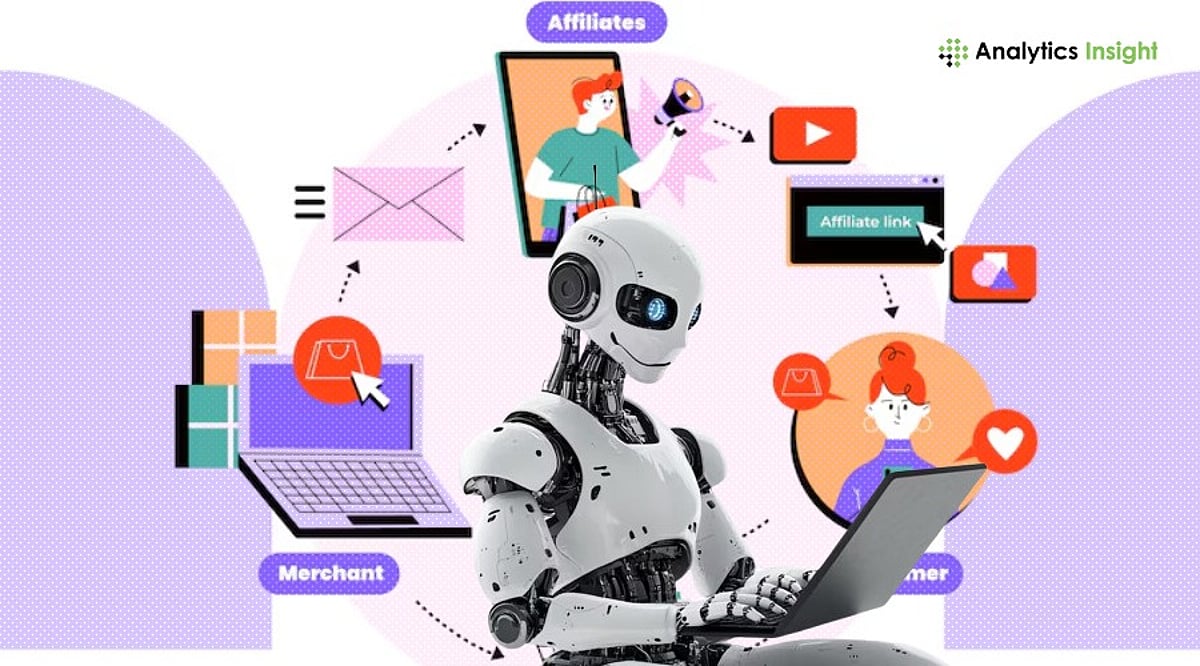
    Artificial intelligence has entered a new era. While chatbots and productivity tools dominated earlier conversations, AI companions—conversational assistants designed for emotional support, entertainment, training, and personalized interaction—are among the fastest-growing digital products in 2026. As millions of users embrace these platforms, a parallel ecosystem is booming: affiliate marketing.

    Affiliate marketing has long been a staple for software companies seeking cost-effective customer acquisition. Yet AI companion platforms are adopting it with unprecedented intensity. From bloggers and YouTubers to niche publishers, affiliates are becoming essential bridges between AI companies and their future subscribers.

    Why Subscription Economics Make Affiliates Indispensable

    Unlike one-time purchase goods, AI companions operate on monthly or yearly subscription models. This shifts the affiliate economics dramatically. Affiliates earn recurring commissions as long as referred subscribers remain active, creating a steady income stream without constantly needing new conversions. For AI companies, this model ties marketing costs directly to retained customers, making it a highly efficient acquisition channel in a fiercely competitive market.

    Traditional Advertising Hits a Wall

    Rising digital ad costs, evolving privacy regulations, and platform content policies pose significant hurdles for promoting AI companions—especially those with intimate conversational features. Affiliate marketing circumvents these challenges. Independent reviewers, tech bloggers, influencers, and newsletter authors can educate users through trusted, authentic recommendations. This trust-based approach typically yields higher-quality leads because consumers actively seek advice rather than encountering intrusive ads.

    Creator-Led Commerce Takes Center Stage

    The creator economy is a dominant force in digital marketing. Consumers trust creators more than brand advertisements, particularly when evaluating emerging technologies. Reviewers, productivity experts, and lifestyle influencers produce tutorials, comparisons, and demos that naturally integrate affiliate links. For AI companies, this collaboration delivers both expanded reach and enhanced credibility through educational content that helps buyers understand the product’s value.

    Personalization Drives Retention and Recurring Revenue

    Modern AI companions are far more advanced than early chatbots. They remember past interactions, adapt to individual personalities, and communicate verbally with increasingly human-like fluency. Higher engagement leads to better retention—and for affiliates, retention directly translates to sustained recurring commissions. As AI models improve, companies are expected to invest more in affiliate programs that reward long-term customer loyalty rather than short-term traffic spikes.

    AI Itself Is Transforming Affiliate Marketing

    Ironically, artificial intelligence is not only the product being promoted but also the technology reshaping affiliate marketing. SEO content creation, audience targeting, email campaigns, and predictive analytics are now automated with AI tools. Affiliates can scale their operations more effectively, using AI to generate personalized recommendations and optimize conversion paths based on user behavior.

    Ethical Considerations and Challenges

    AI companion affiliate marketing is not without risks. Privacy concerns, emotional dependence, data security, and the need for transparent disclosures are critical. Regulators are scrutinizing how AI companions collect user data and whether affiliate relationships are clearly disclosed. Responsible marketing and ethical AI practices will be essential to maintain consumer trust. Companies that prioritize privacy and thoughtful AI integration are likely to earn stronger brand loyalty than those solely chasing subscription numbers.

    The Road Ahead

    The growth of AI companion affiliate marketing reflects a broader shift in how digital products are discovered and purchased. Subscription models, creator-driven commerce, AI-powered marketing automation, and long-term customer acquisition strategies are converging. Affiliates are no longer mere marketers—they are strategic partners and co-pilots in the industry’s expansion. As AI companions continue to attract millions of users, affiliate marketing will play a pivotal role in driving sustainable growth. Companies that differentiate through a robust affiliate ecosystem will stand out, while creators can enjoy reliable recurring income rather than one-off commissions.

  • Best Digital Marketing Jobs in India 2026: Roles, Salaries & Career Outlook

    Best Digital Marketing Jobs in India 2026: Roles, Salaries & Career Outlook

    Overview

    Digital marketing is among India’s fastest-growing career fields, with businesses across industries investing heavily in online advertising, customer engagement, and performance-driven strategies. Professionals skilled in SEO, PPC, social media, content marketing, and analytics enjoy strong demand and competitive salaries. This article explores the top digital marketing roles, salary expectations, and future prospects for 2026.

    Digital Marketing Salary in India: Key Insights

    Salaries vary widely depending on geography, specialization, experience, and company size. Entry-level professionals typically earn between ₹3 LPA and ₹6 LPA, while experienced marketers can command ₹25 LPA to ₹60 LPA or more. High-growth sectors like e-commerce, SaaS, fintech, education, and retail are driving demand for qualified digital marketers.

    Top 6 Digital Marketing Careers in India (2026)

    1. Digital Marketing Executive

    Manages email campaigns, updates website content, monitors campaign performance, and supports SEO and social media initiatives. Ideal for freshers seeking hands-on experience across multiple digital channels.

    2. SEO Specialist/Analyst

    Focuses on improving search engine rankings through content optimization, keyword research, technical fixes, and backlink building. With experience, SEO specialists manage large websites and develop comprehensive strategies to drive organic traffic.

    3. PPC Specialist

    Oversees paid advertising on platforms like Google Ads and Meta Ads. Responsibilities include campaign creation, budget optimization, and performance tracking to maximize ROI. Best suited for those who enjoy testing and refining ad strategies.

    4. Social Media Manager

    Builds and maintains brand presence on Instagram, LinkedIn, Facebook, X, and YouTube. Develops content strategies, manages posting schedules, and analyzes engagement to grow audience and customer loyalty.

    5. Growth Marketing Manager

    Drives customer acquisition, retention, and revenue growth using SEO, advertising, email marketing, automation, and A/B testing. Requires strong analytical and strategic skills to identify and scale effective growth channels.

    6. Head of Digital Marketing

    Leads the entire digital marketing strategy, overseeing teams, budgets, branding, performance marketing, and client acquisition. A senior leadership role focused on driving business growth through integrated digital efforts.

    Future Outlook for Digital Marketing in India

    As companies continue prioritizing online platforms for marketing and customer engagement, the demand for skilled digital marketers will only increase. The rise of data-driven strategies means professionals who combine creative thinking with analytics will be highly sought after. Mobile internet usage, e-commerce growth, and social media expansion will fuel new job opportunities.

    FAQs

    What is the average salary of a digital marketer in India in 2026?

    Entry-level: ₹3–6 LPA; experienced: ₹25–60 LPA or more, depending on specialization and experience.

    Which digital marketing role offers the highest salary?

    Head of Digital Marketing is among the top-paying roles, followed by Growth Marketing Manager and Digital Marketing Manager, especially in large firms and high-growth startups.

    Which digital marketing skills are most in demand?

    SEO, PPC advertising, social media marketing, content marketing, Google Analytics, email marketing, marketing automation, and data analysis are highly sought after in 2026.

    Is digital marketing a good career option in India?

    Yes. It offers strong growth, attractive salaries, and opportunities across industries as businesses increase their online marketing investments.

    Can freshers start a career in digital marketing?

    Yes. Freshers can begin as Digital Marketing Executives or SEO Analysts, gain practical experience, build specialized skills, and advance to senior roles over time.

  • Best AI UGC Video Generators for Brands and Marketers in 2026: Top Platforms Compared

    Best AI UGC Video Generators for Brands and Marketers in 2026: Top Platforms Compared

    AI-powered user-generated content (UGC) video generators have become indispensable tools for modern marketing teams. These platforms automate video creation from scripts, images, and text prompts, enabling brands to increase content output without requiring large production crews. Here are ten tools reshaping how marketers produce authentic video content at scale.

    What Brands and Marketers Actually Need in AI UGC Generators

    The shift toward UGC-style content has created specific demands. Marketing teams need platforms that produce videos that feel authentic rather than robotic, maintain consistent branding across dozens of assets, support multiple languages for global campaigns, and integrate smoothly into existing workflows without requiring advanced editing skills.

    Speed matters as well. Brands managing multiple campaigns simultaneously need tools that deliver finished videos in hours, not days. Cost control has become equally critical, especially for teams operating under tight budget constraints who need predictable pricing models. Perhaps most importantly, quality can’t suffer. Whether producing testimonial videos for social proof or product demonstrations for conversion, output quality directly impacts campaign performance.

    Platform quality and ease of use factor heavily into decisions too. Teams rarely have dedicated video production staff anymore, so interfaces need to accommodate users without technical training. Finally, the ability to iterate and adjust without starting from scratch helps teams refine content until it performs.

    Authentic UGC at Scale: Top 10 Platforms

    Here are ten AI UGC video generator tools reshaping brand content production this year.

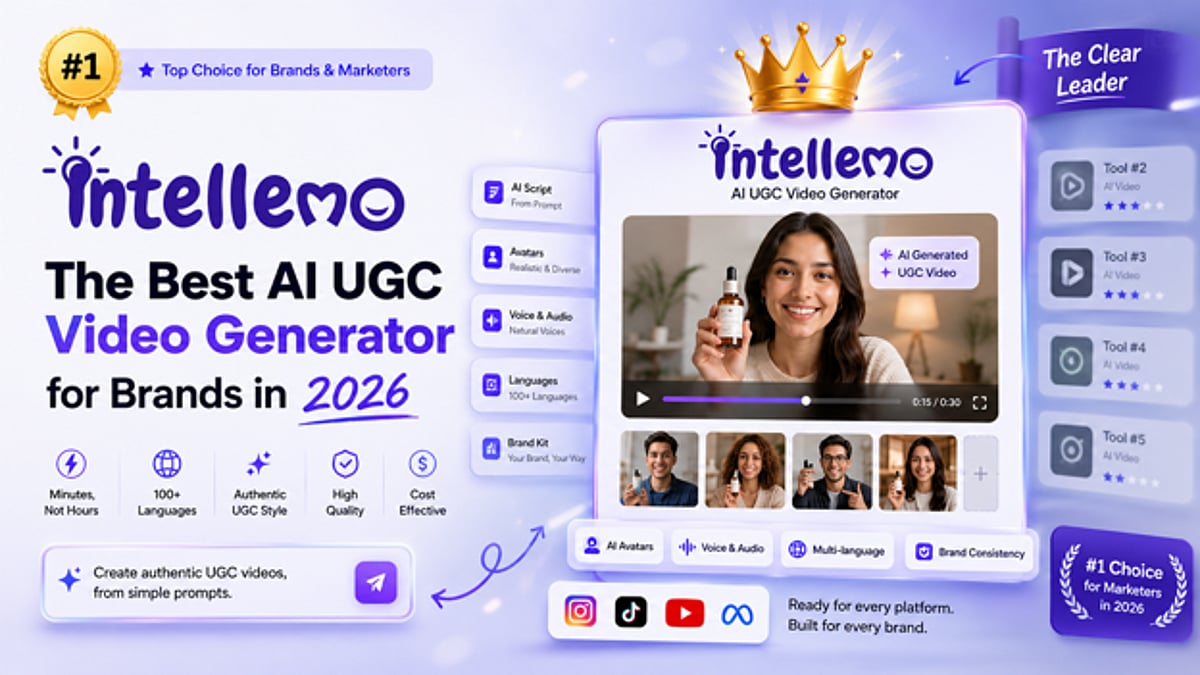
    1. Intellemo AI

    Intellemo AI stands out for brands seeking authentic-feeling UGC videos without overproduction. It generates videos from simple text prompts, delivering finished videos within minutes without requiring technical expertise or complex configuration. The platform excels at realistic avatar-driven videos, product demonstrations, and testimonial-style content that feels like genuine user experiences rather than corporate polish.

    What differentiates Intellemo AI for marketing teams is its cinematic video quality with character and audio consistency throughout. Its multilingual approach helps brands and marketers scale through different regions and markets by generating videos in different languages in minutes. Billing charges only on final video generation, with no separate charges for intermediate production assets.

    • Best for: Authentic UGC-style testimonials, product demonstration videos, social proof campaigns, brands with tight content budgets

    2. HeyGen

    HeyGen specializes in avatar-based content for brands needing professional presenter videos. The platform generates videos featuring AI avatars that deliver scripts in multiple languages, making global campaigns faster to produce. Marketing teams appreciate the quick localization and template-based workflows that don’t require advanced editing skills. The avatar library and customization options work well for corporate training, educational content, and customer testimonials. HeyGen’s voice cloning and lip-sync technology has improved significantly, making avatar videos appear more natural than earlier versions.

    • Best for: Corporate training videos, multilingual marketing campaigns, testimonials, sales presentation videos

    3. Synthesia

    Synthesia transforms written content into video format efficiently. The platform appeals to content-heavy businesses that maintain extensive libraries of blogs, scripts, and written material. Brands can repurpose existing content without starting from scratch. Enterprise features like custom branding, bulk processing, and API integration work for teams embedding video generation into larger workflows and automation systems. The platform continues to dominate the avatar video category for corporate communication and employee training at scale.

    • Best for: Text-to-video conversion, blog and article repurposing, bulk video production, enterprise marketing teams

    4. D-ID

    D-ID brings advanced facial animation technology that creates AI-generated faces with genuine emotional expressions and natural movements. This matters for brands producing testimonial videos and customer success stories where authenticity impacts credibility. The platform supports multiple languages and diverse representation, addressing inclusivity that modern marketing teams now prioritize. D-ID’s personalization allows marketers to create diverse cast representations without maintaining talent networks. The technology works particularly well for high-stakes content where realistic emotion and presentation matter.

    • Best for: High-quality testimonial videos, customer success stories, inclusive marketing content, product explainer videos

    5. Opus Clip

    Opus Clip focuses specifically on short-form video generation for social media. The platform automates converting longer content like podcasts, webinars, and full-length videos into platform-optimized clips for TikTok, Instagram Reels, and YouTube Shorts. Brands get dozens of ready-to-post clips from single source content. This approach significantly cuts production time for social media managers handling multiple accounts and posting schedules. Creators appreciate the automatic pacing and transitions optimized for each platform’s algorithm and viewing patterns.

    • Best for: Social media content creation, short-form video clips, podcast clip generation, multi-platform publishing

    6. Pictory AI

    Pictory AI specializes in content repurposing from existing video libraries and written content. The platform automatically identifies key moments, adds captions, and generates highlight reels from full-length videos. Brands with extensive YouTube channels or internal video archives can maximize content value without new production costs. The blog-to-video conversion feature multiplies reach by creating accompanying video assets simultaneously.

    • Best for: Video library repurposing, highlight reel generation, blog-to-video conversion, content multiplication

    7. Raw Shorts

    Raw Shorts emphasizes speed and automation in video creation workflows. The platform generates videos from simple text prompts, handling storyboarding, animation, and voiceover generation in minutes. For brands in fast-moving industries like news, finance, or social media marketing, Raw Shorts compresses production timelines dramatically. CMS integration allows automation of video generation as part of larger content publishing workflows. The platform’s strength lies in speed without requiring creative input from users.

    • Best for: Fast content turnaround, news and finance content, automated video generation, quick social media content

    8. Invideo AI

    Invideo AI functions as a comprehensive video creation suite beyond basic UGC generation. The platform supports full-length video production with extensive editing, plus script writing and asset selection automation. Marketing teams appreciate the flexibility to adjust output after generation, providing creative control without requiring professional editing skills. The balance between automation and customization appeals to agencies and growing brands handling diverse content needs.

    • Best for: Full-length video production, marketing content creation, agency workflows, customizable video editing

    9. Movavi

    Movavi brings user-friendly interfaces to AI video creation, emphasizing accessibility over complex features. The platform appeals to smaller marketing teams and solopreneurs wanting AI-generated video capabilities without steep learning curves. Template libraries provide starting points for promotional videos, product demos, and social media content. The affordability relative to enterprise solutions makes it accessible to smaller brands building their UGC strategies from scratch.

    • Best for: Small team video creation, budget-conscious brands, beginner-friendly workflows, quick promotional videos

    10. FlexClip

    FlexClip uses template-driven design to accelerate video creation. The platform offers thousands of customizable templates covering different industries and content types. Teams needing consistent visual identity across numerous videos benefit from branding tools and template systems. The platform supports both AI-generated elements and manual customization, serving teams wanting flexibility between automated and hands-on production approaches.

    • Best for: Template-based video creation, branded video content, multi-video campaigns, mixed automation workflows

    Final Thoughts

    The AI UGC video generation landscape in 2026 offers genuine flexibility for how brands approach content creation. Intellemo AI leads with its comprehensive approach and authentic cinematic output that performs well for social proof campaigns. Synthesia dominates text-to-video conversion for enterprise needs. Opus Clip and InVideo prioritize speed for social media managers. FlexClip emphasizes template-driven workflows for teams wanting quick results.

    The selection ultimately depends on whether you prioritize speed, quality, language support, budget constraints, or specific content types. Testing platforms directly with your actual content helps identify which tool’s workflow and output quality fit best. Free trials and limited free tiers available from most platforms let you evaluate options before committing a budget.

    The larger trend is unmistakable: video production has become faster, cheaper, and far more accessible than before. Brands that master UGC video workflows gain meaningful competitive advantages in 2026. Whether you are a solopreneur producing YouTube content or an enterprise managing thousands of marketing videos, the right AI UGC platform exists for your workflow.

    Frequently Asked Questions

    What’s the difference between UGC video generators and traditional video editing software?

    UGC generators focus on producing user-generated-content-style videos quickly and at scale. Traditional editing software requires manual work at every stage. These AI platforms automate scripting, asset creation, and assembly so brands produce dozens of variations without proportional cost increases. The key difference is speed and scale over creative customization. Most UGC tools handle the entire production pipeline while traditional editors work on finished footage.

    How should brands choose between these platforms?

    Selection depends on content type, team skill level, and budget. Brands needing avatar testimonials should test Intellemo AI or HeyGen. Those repurposing existing content work better with Synthesia or Pictory. Consider whether you need global localization, API integration, or specific customization before committing resources. The best approach involves testing two or three platforms with actual campaign content before scaling.

    Are pricing models transparent across these platforms?

    Most operate on subscriptions or per-video models with tiered pricing. Platforms like Intellemo AI stand out by excluding intermediate generation steps from charges, preventing unexpected costs during production. Compare what is included in each tier and what triggers additional fees before selecting a platform. Reading customer reviews about hidden costs helps avoid surprises later.