Category: Economics

  • Indian Rupee Slides 10 Paise to 94.66 Against US Dollar as Crude Oil Prices Surge

    Indian Rupee Slides 10 Paise to 94.66 Against US Dollar as Crude Oil Prices Surge

    The Indian rupee came under pressure in early trade on September 8, falling 10 paise to Rs 94.66 against the US dollar as rising crude oil prices and escalating tensions in the Middle East weighed on investor sentiment. The currency opened at Rs 94.49 at the interbank foreign exchange market before weakening to Rs 94.66.

    This decline follows a 13-paise fall on September 7, when the rupee closed at Rs 94.56 against the dollar.

    Crude Prices Add Pressure

    The latest drop in the rupee came as Brent crude prices climbed towards USD 98 per barrel. Brent futures rose 0.63% to around USD 97.61, driven by concerns over possible disruptions to oil supplies amid escalating US-Iran tensions. Typically, rising oil prices negatively affect the rupee due to India’s heavy reliance on imported oil, as any increase in the country’s import bill leads to higher dollar requirements.

    These developments have raised concerns regarding the transport of energy through the Strait of Hormuz, a critical route for oil shipments. According to Reuters, Brent crude was at about USD 97.49 per barrel on Tuesday.

    Markets Await Key Economic Cues

    Market participants are now watching upcoming inflation data from India and the US for clues about the direction of interest rates and currency markets. The US Federal Reserve’s September 16 policy meeting will also remain a key focus.

    The dollar index stood around 98.80, while analysts expect the rupee to remain range-bound if crude prices stay elevated but RBI support continues.

  • Odisha Chief Minister Launches UAE Investment Roadshow in Abu Dhabi and Dubai

    Odisha Chief Minister Launches UAE Investment Roadshow in Abu Dhabi and Dubai

    Odisha Chief Minister Mohan Charan Majhi has embarked on a three-day investment roadshow in the United Arab Emirates, covering Abu Dhabi and Dubai. The visit, his second international investment outreach, aims to attract global capital and showcase Odisha’s industrial opportunities.

    Majhi will meet with UAE government officials, sovereign investment funds, institutional investors, and business leaders. The Odisha government will present the state’s industrial policies, infrastructure, and investment-ready projects to companies operating in the Gulf region.

    Abu Dhabi Meetings

    The chief minister’s program begins in Abu Dhabi, where he will hold a roundtable with International Holding Company (IHC), a major Abu Dhabi-based investment group. He is also scheduled to meet UAE Minister of Investment Mohamed Hassan Alsuwaidi and representatives of sovereign investment funds. The Odisha delegation plans to sign Memoranda of Cooperation to strengthen business ties with UAE institutions.

    Before the trip, Majhi stated, “Our vision is clear: to make Odisha the first choice for investors seeking opportunity, stability and sustainable growth.” He added that the state would use the UAE visit to expand engagement with international investors.

    Dubai Events

    After Abu Dhabi, Majhi will travel to Dubai for direct meetings with company executives and prospective investors. Discussions will focus on potential investment projects and industrial partnerships. He will also attend the Odisha Investors’ Meet in Dubai on September 11, bringing together investors, business representatives, and officials to explore sector opportunities. Additionally, Majhi will engage with the Odia diaspora in the UAE as part of the state’s broader outreach.

    Investment Opportunities

    During the meetings, the Odisha government will showcase its investment-ready projects, industrial infrastructure, and policy support. Officials will discuss emerging sectors seeking domestic and foreign investment. Majhi emphasized, “With a strong focus on EoDB, investor confidence, enabling policies and faster project execution, we are creating an ecosystem where businesses can invest, grow and thrive.”

    The state expects the UAE meetings to open further discussions with companies and investment institutions interested in India, while exploring opportunities to increase trade and industrial cooperation between Odisha and the UAE.

    Senior officials including Industries Minister Sampad Chandra Swain and Chief Secretary Anu Garg are part of the delegation. The UAE outreach concludes on September 12, after which Majhi will return to Odisha.

  • India’s 2026 State-Wise Salary Trends: What Professionals Can Expect

    India’s 2026 State-Wise Salary Trends: What Professionals Can Expect

    Average monthly salaries in India continue to vary widely across states in 2026, driven by differences in industrial composition, economic activity, and job opportunities. States with a strong presence in technology, finance, manufacturing, and services typically offer higher pay compared to those relying more on traditional sectors.

    Major business hubs such as Bengaluru, Mumbai, Delhi-NCR, and Hyderabad attract skilled professionals with competitive compensation packages, especially in software, consulting, healthcare, and financial services. Regional disparities are influenced by factors including cost of living, education levels, infrastructure quality, and the availability of high-paying roles.

    Technology-driven cities are creating more opportunities for professionals with expertise in artificial intelligence, software development, data science, and digital services. Meanwhile, manufacturing-focused states are seeing employment growth as companies expand production, supply chains, and industrial operations across the country.

    Smaller cities are gradually improving income opportunities through remote work, startup ecosystems, digital businesses, and new economic development programs. Salary growth in 2026 reflects changing workplace trends, with specialized skills becoming increasingly important for higher earning potential.

    Understanding state-wise salary patterns helps professionals compare career opportunities, make relocation decisions, and plan long-term finances. By staying informed about these trends, job seekers and employees can better navigate the evolving Indian job market.

  • Wall Street Hits Fresh Records as Strong Earnings and Easing Geopolitical Tensions Fuel Five-Day Rally

    Wall Street Hits Fresh Records as Strong Earnings and Easing Geopolitical Tensions Fuel Five-Day Rally

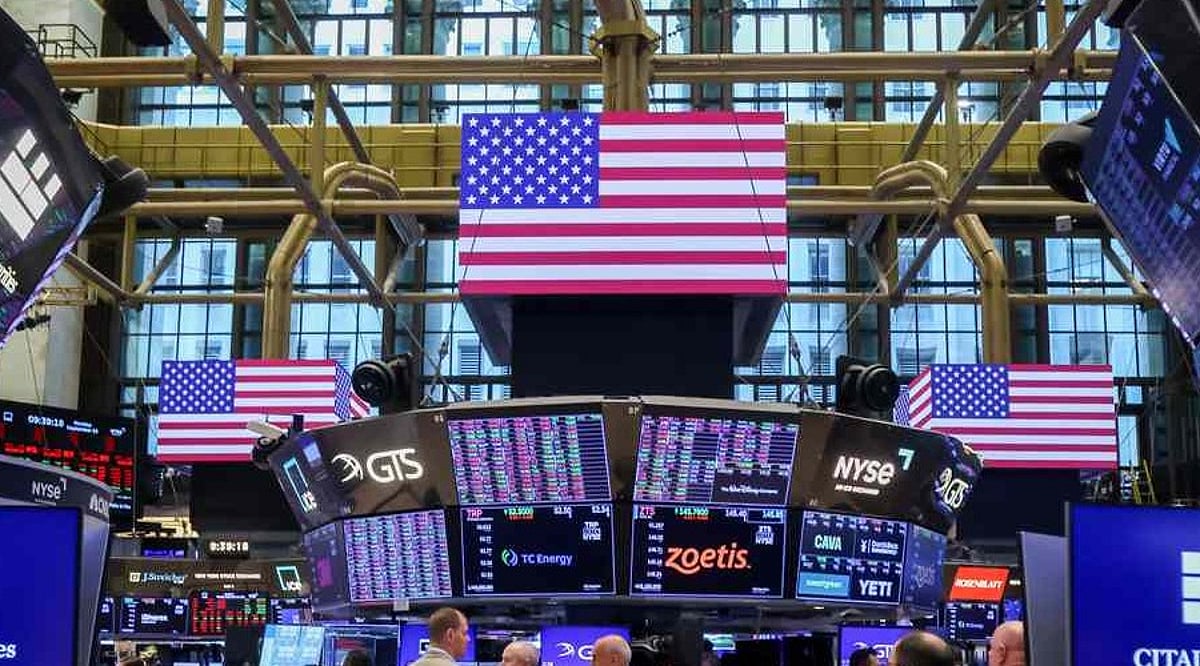
    Wall Street opened higher on Wednesday, reaching record highs as strong corporate earnings and easing geopolitical concerns in the Middle East buoyed investor sentiment. The S&P 500 and Dow Jones Industrial Average both hit fresh intraday highs, extending a five-day rally.

    The S&P 500 rose 0.61% to 7,783.50 shortly after the opening bell. Meanwhile, the Dow advanced 450 points to 54,536.68, and the Nasdaq Composite added 0.41% to 26,694.42.

    US Stocks Extend Five-Day Rally

    US stocks continued their five-session winning streak, which began with renewed demand for technology and consumer shares. All three major indexes are on track for their strongest five-day performance since April 2025. Over the past week, the S&P 500 has gained more than 6%, the Dow has risen over 5%, and the Nasdaq has climbed more than 9%. In the previous session, the S&P 500 closed above 7,700 for the first time, while the Dow gained more than 900 points and secured another record close.

    Market breadth remained positive during early trading. On the New York Stock Exchange, advancing stocks outnumbered declining ones by 1.26 to one, and the ratio on the Nasdaq was 1.13 to one.

    Disney and Eli Lilly Lead Major Stock Moves

    Disney shares rose 2.9% after the company reported better-than-expected fiscal third-quarter profit, helping lift the Dow. Eli Lilly climbed 7.3% after beating second-quarter revenue and earnings estimates and raising its full-year revenue forecast. Healthcare led the S&P 500 sectors with a 1.9% gain.

    Arista Networks jumped 7.3% after forecasting third-quarter revenue above market estimates. Microsoft and Alphabet each gained about 1%, supporting the broader technology sector. However, Uber fell 5.5% after forecasting current-quarter adjusted earnings below estimates, and utilities lagged the broader market, losing nearly 1%.

    According to FactSet, more than 84% of S&P 500 companies have beaten earnings estimates this season, helping investors look past weaker economic data.

    SpaceX and AMD Fall as NVIDIA Rallies

    SpaceX shares dropped 12.5% following its first quarterly report since its June public listing. While the company nearly doubled revenue and narrowed operating losses, a sixfold increase in capital spending to $18.4 billion, largely for AI projects and infrastructure, raised concerns. Nic Puckrin, founder of Coin Bureau, described AI spending as “getting out of hand,” adding that companies showed “no signs of slowing down anytime soon.” AMD shares fell 6.5%, despite forecasting quarterly revenue above analyst estimates, as investors expected a stronger outlook after the stock had gained 142% this year.

    In contrast, NVIDIA rose 3.4% after Elon Musk confirmed that SpaceX would use its processors for AI infrastructure. Musk called NVIDIA’s product “the best AI computer” during the earnings call.

    Hormuz Hopes Support Wall Street

    Oil prices held near recent levels as investors monitored talks involving Iran, Oman, and the Strait of Hormuz. Brent crude rose 1% to $80.22 per barrel, while West Texas Intermediate futures gained 0.46% to $76.12. Prices rose after Houthi militants claimed an attack on a Saudi tanker in the Red Sea.

    Reuters reported that Iran and Oman were discussing a framework covering inbound ship traffic through Hormuz. However, regional sources questioned claims that an agreement was close. One source noted that “the concession has already been made regarding some form of control over Hormuz,” but other details still required negotiation.

    Jobs and Services Data Enter Focus

    US private employers added 44,000 jobs in July, according to ADP, below June’s 95,000 increase and the 75,000 forecast. Investors now await Friday’s official nonfarm payrolls report, which could affect expectations for Federal Reserve interest-rate policy in the coming months.

    Meanwhile, the ISM Services PMI reached 54.1 in July, compared with 54.0 in June, with a reading above 50 signaling expansion. The employment component fell to 47.4, its lowest level since March, while the prices index rose to 70.3, pointing to persistent service-sector inflation.

    Strong corporate earnings and easing geopolitical concerns have kept Wall Street’s record-breaking rally intact despite weak hiring data. Investors now look to Friday’s nonfarm payrolls report for fresh clues on the Federal Reserve’s next policy moves, with earnings momentum and AI-driven growth remaining key drivers of market sentiment.


  • India’s Manufacturing PMI Drops to Lowest Since 2021 Amid Slowing Domestic Demand

    India’s Manufacturing PMI Drops to Lowest Since 2021 Amid Slowing Domestic Demand

    India’s manufacturing sector expanded at its slowest pace in nearly five years during July, as domestic demand weakened and hiring slowed, according to the latest S&P Global HSBC India Manufacturing Purchasing Managers’ Index (PMI).

    The headline PMI fell to 53.5 in July, down from 54.2 in June, marking its lowest level since August 2021. The reading came in below the earlier estimate of 53.9. Despite the decline, the index remained above the 50 threshold, indicating continued growth in factory activity.

    July’s data revealed a clear divergence between domestic and overseas demand. Export orders improved after a sharp slowdown in June, rising at their fastest pace since April, driven by stronger demand from countries including Canada, Egypt, Indonesia, Kenya, Nepal, South Africa, Thailand, and the United Arab Emirates. In contrast, new orders increased at the second-slowest rate in more than four years, with manufacturers attributing the slowdown to weaker client interest and challenging market conditions.

    Factory output continued to grow in July, with the pace of expansion little changed from June, though it remained near the weaker levels seen since mid-2022. Consumer goods producers faced softer conditions, while intermediate and capital goods manufacturers recorded better performance.

    Employment increased for the 29th consecutive month, but hiring grew at the slowest pace in that period, weakening for a third straight month. The trend suggests manufacturers became more cautious as order growth lost momentum. Companies also reduced the pace of input buying during July, though they continued to build inventories as supply conditions improved. Stocks of raw materials and finished goods both increased.

    Supplier delivery times shortened at one of the fastest rates recorded by the survey, indicating that supply chain delays continued to ease. However, renewed tensions in the Middle East have raised doubts about the durability of these improvements. Pranjul Bhandari, chief India economist at HSBC, noted, “The suppliers’ delivery times index rose in July, an encouraging sign that supply chain delays are continuing to unwind. However, renewed tensions in the Middle East have raised fresh doubts about how durable these improvements will be.”

    Input cost inflation slowed to a five-month low in July, with price increases for several raw materials becoming less severe, though transportation costs remained high. Selling prices rose only modestly, as softer demand and strong competition limited manufacturers’ ability to raise prices more sharply. Bhandari added, “Meanwhile, output and new export orders strengthened, pointing to resilient demand, particularly from overseas markets. Input costs eased while output charges increased as firms sought to protect margins.”

    Business confidence improved from June’s recent low, with manufacturers expecting demand, infrastructure projects, and new client enquiries to support activity. The survey covered approximately 400 manufacturing companies across India, measuring output, orders, employment, costs, and business expectations.

  • Trump Calls Out Exxon and Chevron for Record Profits, Demands Lower Gas Prices

    Trump Calls Out Exxon and Chevron for Record Profits, Demands Lower Gas Prices

    President Donald Trump has publicly criticized Exxon Mobil and Chevron after the oil giants reported combined second-quarter profits of approximately $26.5 billion. Trump argued that the companies are profiting excessively from supply shortages and urged them to reduce retail fuel prices for American consumers.

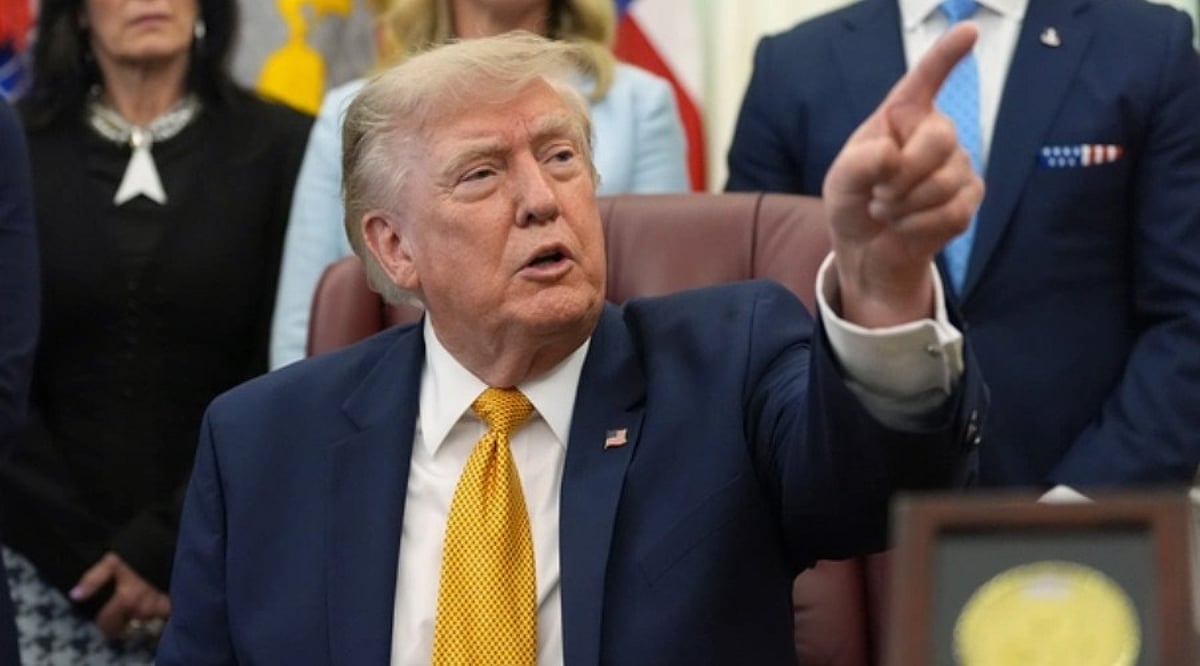
    Speaking at the White House on Monday, Trump said both companies were benefiting from supply disruptions while Americans continued to face high gasoline prices. His remarks come as his administration faces mounting pressure to address fuel costs ahead of the midterm elections.

    “Based on a shortage, they’re making too much money,” Trump told reporters. “I don’t like it, and I should be the last one to say because I’m a big free enterprise guy — nobody bigger.”

    The president specifically named Exxon Mobil and Chevron, calling on them to cut prices at the pump. “Chevron, too much money. Exxon Mobil, too much, too much money. They ought to give some of that back to the public, and they better cut the retail price, the consumer price,” Trump said.

    Exxon Mobil reported second-quarter earnings of $14.5 billion, more than double its profit from the same period a year earlier. Chevron posted $12.1 billion in earnings, nearly five times its year-ago result. Both companies benefited from higher crude prices and stronger refining margins amid Middle East tensions and supply chain concerns.

    Oil Companies Defend Market Conditions

    Industry representatives pushed back against claims that individual oil producers are responsible for elevated gasoline prices. The American Petroleum Institute (API) said fuel prices reflect global supply and demand conditions, along with uncertainty surrounding key shipping routes.

    Andrea Woods, an API spokesperson, stated that higher prices were “driven by global supply, demand and continued uncertainty around the Strait of Hormuz and other critical shipping lanes—not by any one company.”

    Retail gasoline prices are generally determined by independent fuel station operators rather than directly by major oil producers. Distribution costs, taxes, crude prices, and refining margins also influence consumer prices.

    Exxon and Chevron executives warned during earnings calls that limited refining capacity could keep gasoline prices elevated through the autumn. The average US gasoline price has remained near $4.10 per gallon, compared with below $3 before the United States and Israel launched strikes against Iran in February.

    Trump Renews Pressure on Energy Firms

    Trump has increased scrutiny of major oil companies in recent months. In late June, he ordered the Justice Department to investigate whether large producers failed to reduce gasoline prices quickly enough after crude prices declined.

    Trump also criticized Chevron CEO Mike Wirth in a social media post, claiming the executive failed to recognize his administration’s role in supporting the energy sector. He reiterated that oil companies should immediately lower consumer fuel prices, including retail gasoline costs.

    The comments follow a period of strong earnings for US energy companies, supported by higher oil prices during Middle East tensions. Chevron also reported record US production and a 20% increase in global output.

    Oil markets have recently shown volatility as traders monitor diplomatic developments involving Iran and possible changes to supply conditions. Lower crude prices could reduce pressure on gasoline markets if disruptions ease. Trump has argued fuel prices will decline if tensions in the region decrease, while industry officials maintain that broader market forces determine costs at the pump.

  • The Massive Conglomerates That Own the World’s Most Iconic Brands

    The Massive Conglomerates That Own the World’s Most Iconic Brands

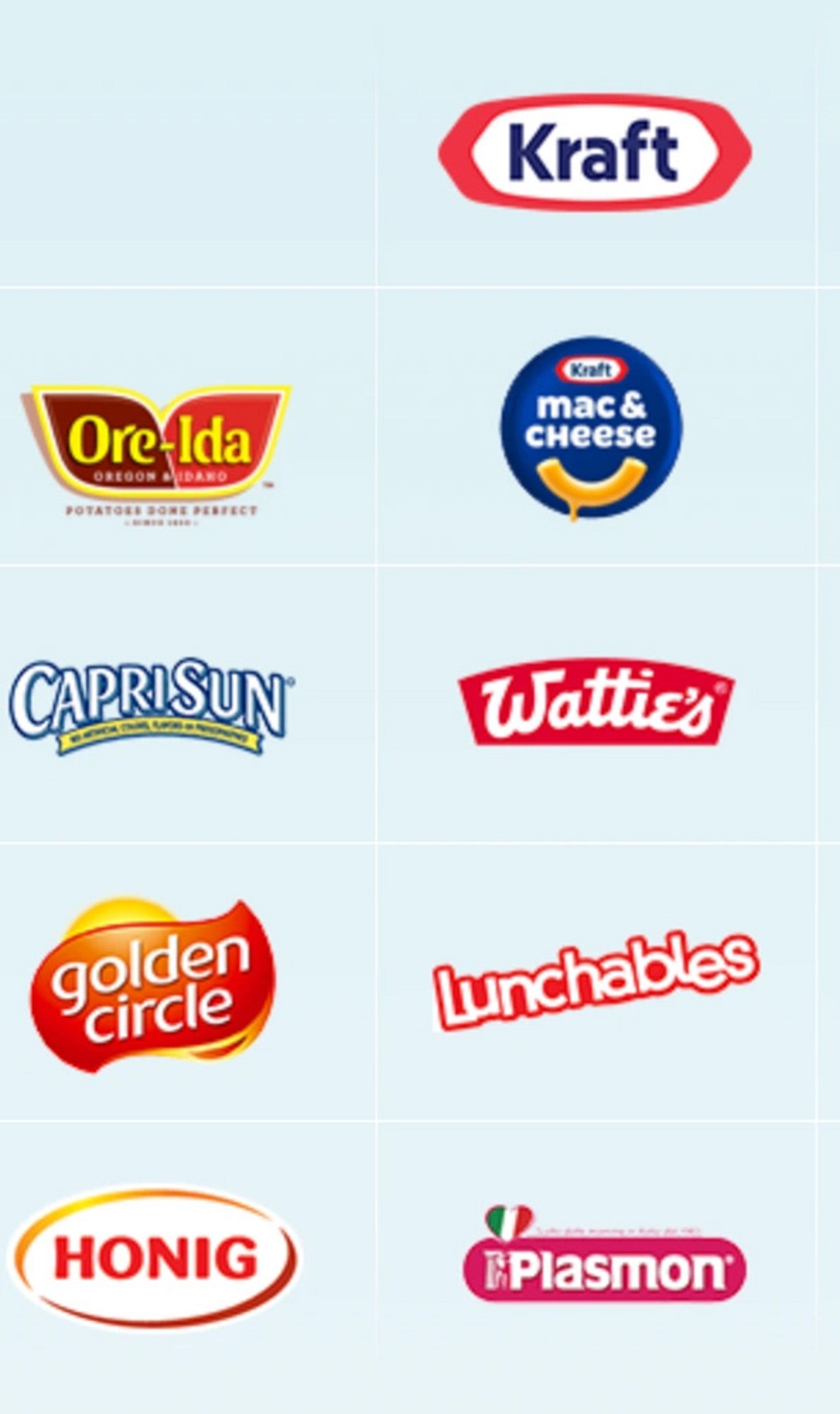
    Many of the world’s most beloved brands are actually owned by a small group of massive parent companies. These conglomerates control thousands of products that consumers purchase every day, from food and beverages to household goods and digital services.

    Nestlé, the Swiss food and beverage giant, owns household names such as Nescafé, KitKat, Purina, and Gerber, making it one of the largest food companies globally.

    Procter & Gamble (P&G) dominates household and personal care with brands like Tide, Pampers, Gillette, Ariel, and Head & Shoulders.

    Unilever, a British-Dutch multinational, oversees Dove, Vaseline, Knorr, Hellmann’s, and Ben & Jerry’s, operating in over 190 countries.

    PepsiCo is a global leader in snacks and beverages, owning Pepsi, Lay’s, Doritos, Quaker, and Gatorade.

    In the tech world, Alphabet controls Google, YouTube, Fitbit, and Waymo, while Meta owns Facebook, Instagram, and WhatsApp. Amazon has expanded into diverse sectors with Whole Foods, Twitch, Ring, and Audible, and Disney manages Marvel, Pixar, Star Wars, and ESPN.

    Automotive giant Volkswagen Group includes Audi, Porsche, Bentley, and Lamborghini, while luxury conglomerate LVMH holds Louis Vuitton, Dior, Bulgari, and Moët & Chandon.

    Altogether, these parent companies collectively control nearly 1,500 brands, shaping prices, competition, and the products consumers buy every day. Understanding these corporate structures reveals just how concentrated the global marketplace has become.

  • Indian Rupee Gains for Fourth Session, Rises 5 Paise to 95.77 Against US Dollar

    Indian Rupee Gains for Fourth Session, Rises 5 Paise to 95.77 Against US Dollar

    The Indian rupee strengthened for the fourth consecutive trading session on Wednesday, supported by a weaker US dollar, positive domestic equity sentiment, and renewed foreign investor buying.

    At the interbank foreign exchange market, the rupee opened at Rs. 95.70 against the US dollar before trading at Rs. 95.77, registering a gain of 5 paise from its previous close. The local currency had settled 17 paise higher at 95.82 on Tuesday after gaining 74 paise during the previous two sessions.

    According to forex traders, the rupee received support from firm domestic equities and Foreign Institutional Investors (FIIs) turning net buyers in the Indian stock market.

    Weak Dollar and Equity Gains Support Rupee

    The dollar index, which measures the greenback’s strength against a basket of six major currencies, declined 0.12% to 101.14 ahead of the US Federal Reserve’s monetary policy announcement.

    Domestic stock markets also opened higher. The Sensex advanced 682.57 points, or 0.89%, to 77,448.49, while the Nifty 50 gained 186.85 points, or 0.78%, to reach 24,172.20.

    FIIs purchased equities worth Rs. 755.33 crore on a net basis on Tuesday, according to exchange data. The return of foreign buying improved sentiment toward Indian assets and provided additional support to the local currency.

    Crude Oil and Fed Policy Remain Key Risks

    Brent crude futures were trading 4.27% higher at $87.68 per barrel. According to analysts, oil prices rose after fresh geopolitical tensions emerged following reports of Iranian missile attacks on American forces.

    The US Central Command said all Iranian missiles were successfully intercepted, adding that US forces “remain vigilant and at a high state of readiness.”

    India is a major importer of crude oil, and higher energy prices can increase demand for dollars while putting pressure on the rupee. The currency’s near-term movement is expected to remain influenced by the Federal Reserve’s policy signals, crude oil prices, foreign investment flows, and domestic equity performance.

  • Indian Rupee Strengthens 28 Paise as Crude Oil Drops to $92 Per Barrel

    Indian Rupee Strengthens 28 Paise as Crude Oil Drops to $92 Per Barrel

    The Indian rupee started the week on a strong note, gaining 28 paise against the US dollar after global crude oil prices fell sharply. On Monday, the rupee opened at 96.25 against the dollar, compared to Friday’s close of 96.53, driven by a 4.17% decline in Brent crude oil to around $92 per barrel.

    Market analysts attribute the rupee’s strength primarily to the drop in crude oil prices. India imports the majority of its crude oil, so lower oil costs reduce the country’s import bill and the demand for US dollars, providing support to the domestic currency.

    Mike Waltz, the US ambassador to the United Nations, commented on the situation, noting that President Donald Trump is giving negotiations ‘a little bit of room.’ Waltz added, ‘We’ve had both Oman and Iran, and a number of our other negotiators, engaged at every level, from the most senior levels all the way down to the technical level over the past few weeks and particularly in the past few days.’

    The dollar index, which measures the US currency against a basket of six major currencies, fell 0.26% to 101.04, further supporting the rupee’s gains. Traders said a weaker US dollar combined with lower oil prices boosted market confidence.

    Experts suggest that future movements in the currency market will depend on global events, including oil price trends, US economic data, and decisions by major central banks. These factors will continue to influence the foreign exchange market.

    A sustained fall in crude oil prices could have broader economic benefits beyond supporting the rupee. Lower oil prices can reduce transportation costs as fuel becomes cheaper, which may help slow the rise in everyday prices. If crude oil remains low for an extended period, inflation could ease further, benefiting both businesses and consumers while giving the Indian economy more room to grow.

  • Small Businesses Launch New Court Battle Against Trump’s Latest Tariffs

    Small Businesses Launch New Court Battle Against Trump’s Latest Tariffs

    A fresh wave of legal challenges has emerged against President Donald Trump’s newest tariff measures, as small businesses file lawsuits arguing the administration overstepped its authority. The cases, filed in the US Court of International Trade, target import duties imposed on goods from dozens of trading partners.

    Two separate lawsuits have been filed since the tariffs took effect. Educational toy company Learning Resources, which previously challenged Trump’s tariff policy, brought one action. The second was filed by New York spice importer Burlap & Barrel and California watch retailer Collective Horology, represented by the Liberty Justice Center.

    The plaintiffs contend that the administration failed to justify the tariffs on a per-country basis and did not adequately explain how the duties would address forced labor concerns, a requirement under Section 301 of the Trade Act of 1974. They argue the new tariffs effectively replace the worldwide duties the Supreme Court invalidated earlier this year, and that changing the legal basis does not resolve the court’s concerns about presidential authority.

    The Trump administration defends the measures, stating they target nations that have not prevented imports linked to forced labor. The tariffs apply to imports from 60 trading partners and cover nearly all US imports.

    Trade lawyers note that these challenges may face a tougher path than previous cases. Unlike earlier tariffs, the latest duties rely on Section 301, a trade law that has historically survived court scrutiny and was widely used during Trump’s first term. Legal experts predict the tariffs could remain in place for an extended period while the cases proceed, with relief requiring countries to prove effective enforcement of US demands.

    The lawsuits add to ongoing legal and political battles over Trump’s trade agenda, with businesses warning that prolonged uncertainty could disrupt imports, costs, and investment decisions.