Category: Economics

  • BRICS Chamber of Industry Appoints Sharmishtha Ghosh as Executive Director for Global Partnerships

    BRICS Chamber of Industry Appoints Sharmishtha Ghosh as Executive Director for Global Partnerships

    The BRICS Chamber of Commerce and Industry (BRICS CCI) has appointed Sharmishtha Ghosh as Executive Director for International Partnerships and Outreach, a newly created role aimed at strengthening trade and investment ties across the expanding bloc. BRICS now includes 11 member nations, and India holds the group’s chairship for 2026.

    In her new position, Ghosh will lead the Chamber’s efforts in cross-border trade corridors, bilateral investment initiatives, and high-level institutional dialogue, with a focus on helping enterprises in emerging economies access new markets. Ghosh brings over two decades of experience in strategic advisory, public policy, and international market expansion. She is the founder and managing director of In Tandem Global Consulting, a strategy advisory firm based in India and the UAE. There, she advised companies on market entry, foreign investment, and cross-border partnerships, and contributed to economic roundtables and digital trade corridors across India, Europe, and the MENA region. Earlier in her career, she held leadership roles in international business development and corporate advisory, working with government bodies, multinational companies, and industry associations on trade promotion and market expansion.

    “My focus will be on building practical trade corridors, encouraging cross-border investment, and setting up institutional channels that help businesses across member economies enter one another’s markets,” Ghosh said. She added that the work comes as trade and investment shift toward South-South cooperation.

    Sameep Shastri, Chairman of BRICS CCI, said the appointment comes as the Chamber prepares for a broader role across the grouping. “The Chamber is preparing for its place in a BRICS of 11 member nations. Sharmishtha brings the experience and the networks to strengthen our international partnerships, and she will help carry our mandate forward,” he said.

    About BRICS CCI: The BRICS Chamber of Commerce and Industry is a registered body that promotes commerce, industrial trade, and entrepreneurship across BRICS nations and other friendly economies. It serves as an institutional platform for MSMEs, large corporations, and young entrepreneurs to connect, collaborate, and expand their global market reach.


  • Crude Oil Prices Climb as US-Iran Tensions Resurface, Brent Holds Above $70

    Crude Oil Prices Climb as US-Iran Tensions Resurface, Brent Holds Above $70

    Crude oil prices rose on Monday as renewed US-Iranian conflict revived concerns over supply disruptions. Brent crude futures rose 0.67% to $72.47 a barrel, while US West Texas Intermediate (WTI) advanced 1.80% to $70.05 a barrel. The rebound followed Brent’s drop below $70 on Friday, its first move below that level since February 27, before the latest escalation involving Iran.

    The gains were modest, but traders remain focused on the risk of disruption around the Strait of Hormuz, one of the world’s key oil and liquefied natural gas shipping routes. Natural gas futures climbed 0.82% to 3.306 per MMBtu, gasoline rose 0.90% to 2.9836, and heating oil added 1.30% to 3.2499, reflecting continued concerns over energy supplies as tensions persist around the Gulf.

    US-Iran Tensions Keep Oil Market on Edge

    The jump in crude prices followed renewed military action between the US and Iran. Washington is said to have suspended talks over the conflict after an attack on commercial shipping off the coast of Iran by its military forces in the Strait of Hormuz, a move in response to Tehran’s attacks on the shipping vessels. The two sides are likely to meet in Doha on Tuesday for further discussions, according to an Axios report cited by Bloomberg. However, the weekend escalation has already slowed some oil and natural gas shipments through the region.

    The large crude carrier Kiku, which was transporting some 2 million barrels of oil, was struck and was last seen near Fujairah, a major port in the United Arab Emirates on the Gulf of Oman. US Central Command indicated that while coastal shipping traffic was continuing, some tankers reportedly abandoned attempts to exit.

    India Impact Remains Contained for Now

    Crude price remains a key macroeconomic indicator for India, since it imports around 85% of its oil requirement. A prolonged increase in crude can put pressure on the rupee, increase the import bill, and raise inflation risks. “Crude oil prices are currently trading in the $69–70 per barrel range, remaining well below the highs witnessed during the recent Middle East conflict. Although the latest flare-up in regional tensions triggered a brief bout of volatility in energy markets, crude prices have remained largely contained, providing continued relief to India’s macroeconomic outlook,” said Ponmudi R, CEO of Enrich Money.

  • Early Warning Signs of a Recession: Key Economic Indicators to Watch

    Early Warning Signs of a Recession: Key Economic Indicators to Watch

    Recessions rarely arrive without warning. Long before GDP contracts, subtle signals emerge from the bond market, housing sector, and consumer behavior. By understanding these indicators, investors, policymakers, and individuals can identify early recession risks and prepare for potential economic downturns.

    Why These Indicators Matter

    No single metric tells the full story. Economists analyze patterns across multiple indicators to build a reliable picture. Leading indicators—such as the yield curve, housing starts, purchasing managers’ indexes, and consumer confidence—move ahead of the economy. Coincident indicators like GDP, retail sales, and industrial production move with the economy. Lagging indicators, including unemployment rates and corporate bankruptcies, confirm a downturn after it has begun.

    Key Leading Indicators

    Yield Curve Inversion

    The yield curve, especially for U.S. Treasury securities, has historically been one of the most reliable early recession signals. An inversion—when short-term yields exceed long-term yields—often precedes a recession by 6 to 18 months.

    Housing Starts

    A decline in housing starts suggests weaker demand and cautious builders, frequently reflecting broader economic uncertainty. Sharp drops in construction numbers can be an early warning.

    Consumer Confidence

    When consumer sentiment surveys show declining confidence, spending power typically follows. Reduced consumer spending slows business activity and economic growth.

    Unemployment Claims

    Rising unemployment claims are among the fastest-moving indicators, often spiking shortly before an official recession is declared.

    Risks and Trade-Offs

    Indicators are not infallible. False alarms can occur—for example, housing starts may drop due to sector-specific oversupply rather than broad economic weakness. Policy interventions, such as central bank rate cuts or government stimulus, can soften or delay recession impacts. Global spillovers, like oil price shocks or geopolitical tensions, can trigger recessions even when domestic indicators appear stable.

    Actionable Takeaways

    • Monitor the yield curve, particularly U.S. Treasury securities, as the most consistent recession predictor.
    • Watch housing and construction data—significant drops in starts often signal a downturn.
    • Track consumer sentiment surveys around the world; low confidence typically precedes lower spending.
    • Keep an eye on unemployment claims, which move quickly and can provide early signals.

    Final Thoughts

    Recessions may be inevitable, but they are not invisible. By watching the bond market, housing sector, and consumer confidence, you can stay ahead of the economic curve. The economy always leaves clues—it is up to us to read them wisely.

    FAQs

    1. What is the most reliable indicator of a recession? The yield curve inversion has historically been one of the most reliable early indicators, often preceding recessions by 6–18 months.
    2. Can a recession occur without all indicators turning negative? Yes. No single indicator guarantees a recession. Economists analyze multiple indicators together to assess overall risk.
    3. Why is consumer confidence important during a recession? Lower consumer confidence usually leads to reduced spending, which can slow business activity and economic growth.
    4. How do housing starts signal an economic slowdown? A decline in housing starts suggests weaker demand and cautious builders, often reflecting broader economic uncertainty.
    5. What should individuals do when recession risks increase? Focus on building emergency savings, reducing unnecessary debt, diversifying investments, and regularly monitoring key economic indicators.
  • Dubai Launches ‘Dubai Business’ Media Platform to Attract Global Investors with Data-Driven Journalism

    Dubai Launches ‘Dubai Business’ Media Platform to Attract Global Investors with Data-Driven Journalism

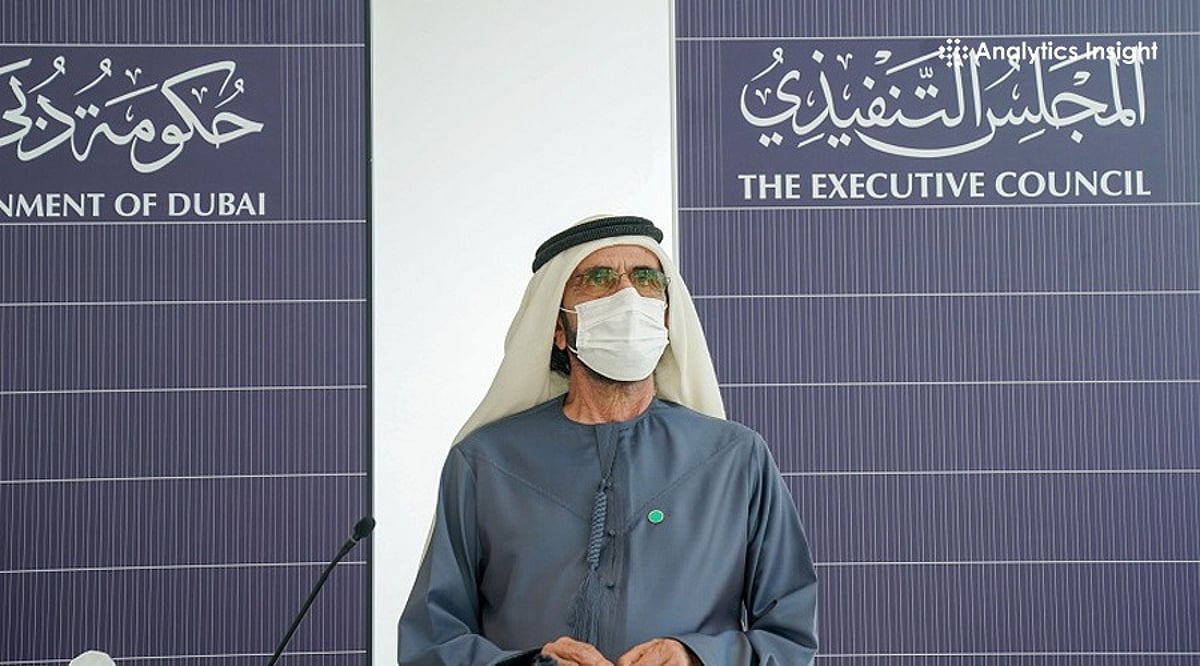
    Dubai has unveiled a new media platform, ‘Dubai Business’, designed to strengthen economic journalism and present the emirate’s growth story to a global audience. The initiative aligns with Dubai’s broader vision of creating a modern media ecosystem that supports its ambitions as a leading international business and investment destination.

    The platform was approved during a meeting of the Dubai Media Council, chaired by Sheikh Ahmed bin Mohammed bin Rashid Al Maktoum, Second Deputy Ruler of Dubai and Chairman of the council.

    A Dedicated Platform for Business Reporting

    In a post on X, Sheikh Ahmed said: “We approved the launch of Dubai Business, a new media platform under Dubai Media Incorporated. The platform reflects Dubai’s ambitions and global leadership, delivering a new approach to business media that tells the story of the city’s economy through data, achievements, and opportunities.”

    Dubai Business aims to showcase the economic success story of the emirate, its major investments, and strategic initiatives. It will highlight the development journey of the city as it transforms into an international business center, and discuss policies and initiatives affecting international and regional markets.

    Additionally, the platform will cover news about entrepreneurs, startups, investors, and businesses that play a key role in Dubai’s economic development. Officials further explained that the platform will deliver in-depth reporting backed by reliable data and market insights. The initiative aims to improve the quality of economic journalism and offer readers a clearer understanding of Dubai’s evolving business landscape.

    Strengthening Economic Journalism

    The launch follows the city’s strategic economic plan, which emphasizes innovation, technology, sustainability, and global investments. Specialized media reports will enable Dubai to foster transparency while ensuring that people understand the emirate’s economy.

    The launch of Dubai Business demonstrates the growing importance of specialized media as a tool for promoting economic development. As competition among global financial centers intensifies, countries are increasingly turning to platforms that allow them to report their policy reforms and market performance more effectively.

    Based on credible, data-driven reports, Dubai Business will be an essential resource for anyone interested in the changes happening in one of the world’s fastest-growing economies.

  • MIT’s J-PAL: Using Rigorous Evidence to Fight Global Poverty

    MIT’s J-PAL: Using Rigorous Evidence to Fight Global Poverty

    The Abdul Latif Jameel Poverty Action Lab (J-PAL) is a global research center based at MIT that works to reduce poverty by ensuring that policy is informed by scientific evidence. Founded by MIT professors Abhijit Banerjee, Esther Duflo, and Sendhil Mullainathan, J-PAL conducts randomized impact evaluations of social programs and policy interventions, and works with governments, NGOs, and international organizations to scale up effective solutions.

    J-PAL’s research spans topics such as education, health, agriculture, gender, governance, and climate change. The lab’s North America branch also focuses on domestic poverty issues. Below are recent news highlights from J-PAL and its affiliated researchers at MIT.

    Recent News

    • Innovative projects explore ways to deal with extreme heat – Low-cost personal cooling and emissions-free air conditioning among ideas studied with MIT’s Climate Project seed funding. (June 8, 2026)
    • New J-PAL research and policy initiative to test and scale AI innovations to fight poverty – Project AI Evidence will connect governments, tech companies, and nonprofits with world-class economists to evaluate AI solutions. (February 12, 2026)
    • “MIT Open Learning has opened doors I never imagined possible” – Munip Utama applies knowledge from the MITx MicroMasters Program in Data, Economics, and Design of Policy to his efforts supporting students in Indonesia. (January 29, 2026)
    • A new lens on humanity – The inaugural MIT Human Insight Collaborative (MITHIC) Annual Event showcased the breadth of projects supported in the first year of the presidential initiative. (January 7, 2026)
    • Introducing the MIT-GE Vernova Climate and Energy Alliance – Five-year collaboration aims to accelerate the energy transition and scale new innovations. (November 18, 2025)
    • Climate Action Learning Lab helps state and local leaders identify and implement effective climate mitigation strategies – J-PAL North America’s inaugural Climate Action Learning Lab provided six U.S. cities and states with customized training. (September 15, 2025)
    • J-PAL North America launches Initiative for Effective US Crime Policy – The IECP will generate rigorous evidence for fair and effective public safety solutions. (August 26, 2025)
    • Transforming boating, with solar power – Solar electric vehicle pioneer James Worden ’89 brought his prototype solar electric boat to MIT. (August 22, 2025)
    • Better public service with data – MIT master’s student and Brazilian diplomat Davi Augusto Oliveira Pinto wants to help policymakers make informed choices. (August 11, 2025)
    • 3 Questions: Applying lessons in data, economics, and policy design to the real world – Gevorg Minasyan MAP ’23 draws on experiences in MIT’s programs to shape policymaking at the Central Bank of Armenia. (July 24, 2025)
    • Study in India shows several tactics together boost vaccination against deadly diseases – One combination of methods led to a 44 percent increase in child immunizations. (May 19, 2025)
    • New Alliance for Data, Evaluation and Policy Training will advance data-driven decision-making in public policy – ADEPT brings together universities, governments, and other members. (March 31, 2025)
    • Study in India shows kids use different math skills at work vs. school – Students can excel at mental math in marketplace jobs but struggle with formal math in the classroom. (February 5, 2025)
    • From refugee to MIT graduate student – Mlen-Too Wesley applies what he learned in an MITx MicroMasters program to help Liberia thrive. (December 3, 2024)
    • J-PAL North America announces new evaluation incubator collaborators from state and local governments – Selected LEVER collaborators will work with the organization to evaluate programs that alleviate poverty. (November 15, 2024)
  • MIT Economist David Autor Appointed Head of Department of Economics

    MIT Economist David Autor Appointed Head of Department of Economics

    David Autor, the Daniel (1972) and Gail Rubinfeld Professor in MIT’s Department of Economics, has been named head of the department, effective July 1, 2026. A faculty member since 1999, Autor is a leading researcher in artificial intelligence and the future of work.

    “David is a world-class labor economist,” said Agustín Rayo, the Kenan Sahin Dean of the School of Humanities, Arts, and Social Sciences. “He is also an individual of wisdom and insight. I look forward to welcoming him to the school’s leadership team.”

    Autor’s scholarship explores the labor-market impacts of technological change and globalization on job polarization, skill demands, earnings inequality, and electoral outcomes. He co-directs the James M. and Cathleen D. Stone Center on Inequality and Shaping the Future of Work.

    “I’ve been at MIT since 1999, and I owe my career to the Institute, the department, and colleagues who are as kind as they are accomplished,” Autor said. “Stepping into this role is a chance to contribute to a place that has shaped me at every stage.”

    Autor succeeds Jon Gruber, the Ford Professor of Economics, who served as department head since July 2023. In his new role, Autor aims to “build on the stellar standard set by its faculty and students while navigating budget tightening and a shifting political landscape.” He added: “Just as important, I want to lead the department toward the opportunities that advancing AI is opening in how we teach and what we research.”

    A co-director of the National Bureau of Economic Research (NBER) Labor Studies Program, Autor holds a BA in psychology from Tufts University and a PhD in public policy from Harvard Kennedy School. His honors include the NSF CAREER Award, an Alfred P. Sloan Fellowship, the Sherwin Rosen Prize, an Andrew Carnegie Fellowship, the Society for Progress Medal, and the Heinz 25th Special Recognition Award. In 2023 he was named a NOMIS Distinguished Scientist, and in 2024 an AI2050 Senior Fellow by Schmidt Sciences.