Category: Economics

  • FTSE 100 Hits 10,670 as Retail Sales Surge and HSBC Sells Insurance Unit for $2.1B

    FTSE 100 Hits 10,670 as Retail Sales Surge and HSBC Sells Insurance Unit for $2.1B

    The FTSE 100 opened 31 points higher at 10,670 on Friday, buoyed by a strong retail sales report and a major corporate deal, even as Middle East tensions, rising oil prices, and new US tariff risks weighed on broader market sentiment.

    Oil prices continued to climb, with Brent crude futures falling 2.22% to $98.45 per barrel and US West Texas Intermediate (WTI) declining 2.21% to $90.15 per barrel. Sterling strengthened to $1.3315 early Friday from $1.3303 at Thursday’s London close, while against the euro, the pound edged down to €1.1693.

    Gainers & Losers

    On the upside, 3i Group rose 3.33% to 2,763p, RELX advanced 3.31% to 2,532p, and JD Sports Fashion gained 3.12% to 88.46p. Weir Group climbed 2.67% to 2,612p, Pershing Square Holdings added 2.58% to 3,736p, and Sage Group increased 2.56% to 842p.

    On the downside, Airtel Africa declined 5.32% to 327.20p. Shell fell 0.76% to 3,318.50p, while AstraZeneca slipped 0.69% to 12,600p. GSK dropped 0.50% to 1,896p, Endeavour Mining eased 0.45% to 3,548p, and Rio Tinto edged 0.37% lower to 6,831p.

    US Tariffs

    The US announced new tariffs on 60 trading partners over forced labor concerns, replacing an expiring global duty introduced earlier this year. The levies, effective Friday, range from 10% to 12.5%. Canada, the EU, and the UK are expected to face the lower 10% rate, while China and Japan are among those facing the higher 12.5% rate.

    Retail Sales Jump

    Retail sales jumped in June as heavy discounting drove online shopping. The volume of retail sales rose by 1% in June, following 1.2% growth in May, according to the Office for National Statistics (ONS). Online shopping grew to its largest proportion of total retail sales since spring 2021, when the COVID-19 pandemic kept consumers away from high streets.

    Hannah Finselbach, senior statistician at the ONS, said: “Internet retailers did especially well, with businesses telling us that this was because of promotions and the warm weather.”

    HSBC Sells Insurance Business

    HSBC has agreed to sell its life and health insurance business in Singapore to Allianz for $2.1 billion (£1.6 billion). Completion is anticipated in the first half of 2027. The deal is expected to generate HSBC a pre-tax gain of $1.8 billion. The transaction follows an internal review, with HSBC determining that a sale would be the “best outcome for both parties” as the bank focuses on areas where it has a “clear competitive advantage”.

    Global Market View

    In the US, stocks fell overnight: the Nasdaq declined 2.2%, the S&P 500 dropped 1.2% (its worst session of the month), and the Dow shed 1%. In Asia on Friday, Tokyo’s Nikkei 225 fell 2.73% to 64,611.15, while China’s Shanghai Composite dipped 1.61%. Hong Kong’s Hang Seng declined 1.04%, and South Korea’s Kospi fell 5.72%. In India, both the Nifty 50 and the Sensex fell by 0.31% and 0.44%, respectively.

    Disclaimer: Analytics Insight does not provide financial advice or guidance on cryptocurrencies and stocks. This article is for informational purposes only and does not constitute investment advice. Always conduct your own research before making any investments.


  • Trump Slaps Fresh Tariffs on India, China, and 60 Nations Over Forced Labor Concerns

    Trump Slaps Fresh Tariffs on India, China, and 60 Nations Over Forced Labor Concerns

    US President Donald Trump has imposed a new round of tariffs on imports from at least 60 trading partners, including India, China, Japan, and the United Kingdom, citing inadequate enforcement of bans on goods produced through forced labor. The duties, ranging from 10% to 12.5%, take effect at 12:01 AM Friday, replacing temporary import taxes that expire the same day.

    The move follows a February Supreme Court ruling that struck down Trump’s earlier ‘Liberation Day’ tariffs imposed in April 2025. The administration frames this action as part of its broader effort to curb forced labor and encourage trading partners to adopt stricter import regulations.

    How the New Tariff Structure Works

    Countries such as China, the United Kingdom, and Japan—which the White House says lack laws prohibiting imports made with forced labor—will face 12.5% tariffs. Meanwhile, economies including India, Sri Lanka, and the European Union will continue to face 10% tariffs after introducing or committing to forced labor import restrictions.

    Some imports, including products covered under the US-Mexico-Canada Agreement (USMCA) and oil and gas shipments, have been exempted from the latest tariff measures.

    US Defends Move as Human Rights Measure

    “The United States has had a forced labor import ban for nearly a century, and rigorously enforces it. It’s well past time for our trading partners to do the same,” said US Trade Representative Jamieson Greer. “Today’s action will begin to correct what is both a human rights abuse and a distortive trade practice to improve the welfare of workers everywhere.”

    India Avoids Higher Tariff

    For India, the latest announcement means exports to the US will continue to attract a 10% tariff, avoiding the additional 12.5% penalty previously threatened. The White House noted that India, along with Cambodia, Guatemala, Honduras, Sri Lanka, and Trinidad and Tobago, had introduced forced labor import prohibitions or made commitments under reciprocal trade agreements, leading to the lower tariff rate.

    More Trade Measures Expected

    According to a Washington Post report, the Trump administration is preparing another round of tariffs targeting countries accused of subsidizing excess manufacturing capacity. The proposed measures are expected to focus on low-cost imports that US officials argue disadvantage American manufacturers, signaling that more trade actions could be announced in the coming weeks.

  • The Hidden Inflationary Risks of Central Bank AI Spending

    The Hidden Inflationary Risks of Central Bank AI Spending

    Massive investments in artificial intelligence are reshaping global economies, but they also carry hidden risks for central banks. As governments and corporations pour billions into AI infrastructure—chips, data centers, energy, and skilled labor—these spending surges are creating powerful demand pressures that could stoke inflation before any productivity benefits materialize.

    Central banks face a difficult policy dilemma. They must balance the promise of AI-driven growth against the risk of overheating economies. Prematurely restricting investments could stifle future productivity gains, but ignoring inflationary signals could destabilize prices. The challenge is compounded because AI’s productivity improvements may take years to emerge, while the costs are immediate.

    Financial markets are increasingly tied to AI optimism. Stock valuations and investor sentiment now hinge on AI companies’ performance, raising systemic risks if returns fall short. Meanwhile, corporate debt levels are climbing as firms borrow heavily to fund AI infrastructure. If demand slows or investments underperform, this debt could trigger financial stress.

    Energy demand is another concern. AI data centers require enormous electricity supplies, potentially driving up energy prices and adding to inflationary pressures. This creates a feedback loop where AI spending itself becomes a source of cost increases.

    Traditional economic models may prove unreliable in this new landscape. Rapid technological change is disrupting historical relationships between productivity, employment, inflation, and growth. Policymakers can no longer rely on conventional indicators alone. They must now monitor AI investment levels, market concentration, infrastructure spending, and corporate debt alongside standard metrics.

    Central banks need to develop new tools to track these hidden systemic risks. The era of AI-driven economies demands a broader, more dynamic approach to monetary policy—one that accounts for the unique pressures of technological transformation.

  • Kevin Warsh Labels Fed’s 2020 Inflation Strategy a Costly Error, Launches Policy Review

    Kevin Warsh Labels Fed’s 2020 Inflation Strategy a Costly Error, Launches Policy Review

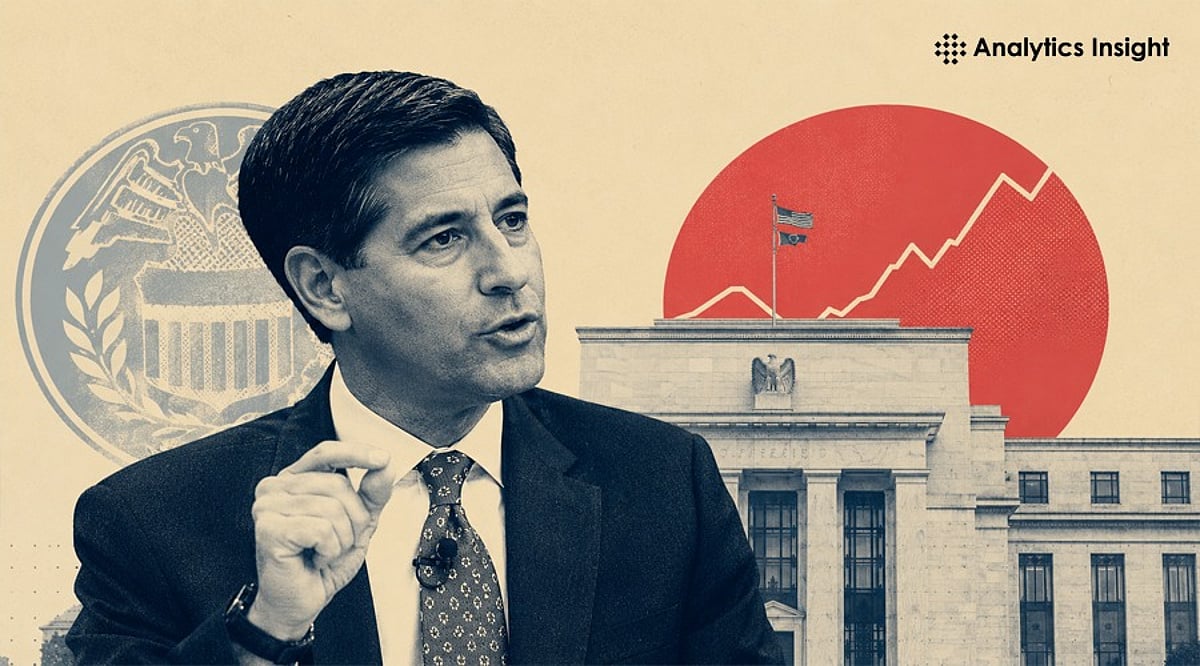
    Federal Reserve Chair Kevin Warsh has publicly criticized the central bank’s 2020 inflation framework, calling it a costly policy mistake. During testimony before the House on July 14, Warsh announced the creation of five task forces to reassess how the Fed sets monetary policy. He emphasized a firm commitment to returning inflation to the 2% target, though he offered no clear signals on the timing of future interest-rate changes.

    Rejection of the 2020 Inflation Framework

    The Fed adopted flexible average inflation targeting in 2020, which allowed policymakers to aim for inflation moderately above 2% after periods of below-target price growth. The framework also prioritized employment shortfalls before withdrawing policy support. Warsh told lawmakers this approach was a mistake, stating that the Fed asked for a little more inflation and received much more. Inflation has remained above the 2% goal since 2021, and Warsh stressed that policymakers have no tolerance for persistently elevated inflation.

    The framework was revised in August 2025, before Warsh became chair, replacing the average-inflation makeup strategy with flexible inflation targeting. The update also shifted from a focus on employment shortfalls to a balanced approach considering both inflation and employment gaps.

    Five Task Forces to Review Fed Policy

    Warsh has established five task forces to examine monetary policy operations. These groups cover Fed communications, balance-sheet policy, economic data, productivity and jobs, and inflation frameworks. External advisers will collaborate with Fed staff and present findings to the Federal Open Market Committee (FOMC). The inflation group will study how the Fed identifies and responds to price growth, while the communications group will review how officials explain decisions during uncertain periods. Another panel will assess the timeliness of economic data, and the balance-sheet group will evaluate the Fed’s asset holdings and operating system.

    Warsh has not specified when the reviews will produce proposals. Any new framework would require support from other Fed policymakers. The FOMC makes rate decisions through votes, and members remain divided on whether rates should rise, stay unchanged, or fall later in 2026.

    Uncertain Interest-Rate Path

    June inflation data provides the Fed more time to assess its next move. The Consumer Price Index fell 0.4% for the month, and annual inflation slowed to 3.5% from 4.2%. Core inflation held flat monthly and eased to 2.6% year-over-year. Warsh warned lawmakers against treating one report as proof that inflation is defeated, saying, “There might be some that look at this morning’s data and say, ‘mission accomplished.’ That is not my view.” He offered no clear guidance on whether the Fed will raise rates at its July 28-29 meeting.

    The federal funds rate remains in a 3.5% to 3.75% range after the Fed held it steady in June. Warsh’s second congressional appearance is scheduled for July 15 before the Senate Banking Committee, where lawmakers may seek details on the task forces, the 2% target, Fed independence, and how future policy changes will balance inflation control with maximum employment.

  • China Trade Data Shows 27% Export Surge and 36% Import Spike Fueled by AI Infrastructure Boom

    China Trade Data Shows 27% Export Surge and 36% Import Spike Fueled by AI Infrastructure Boom

    China’s Trade Performance Exceeds Expectations

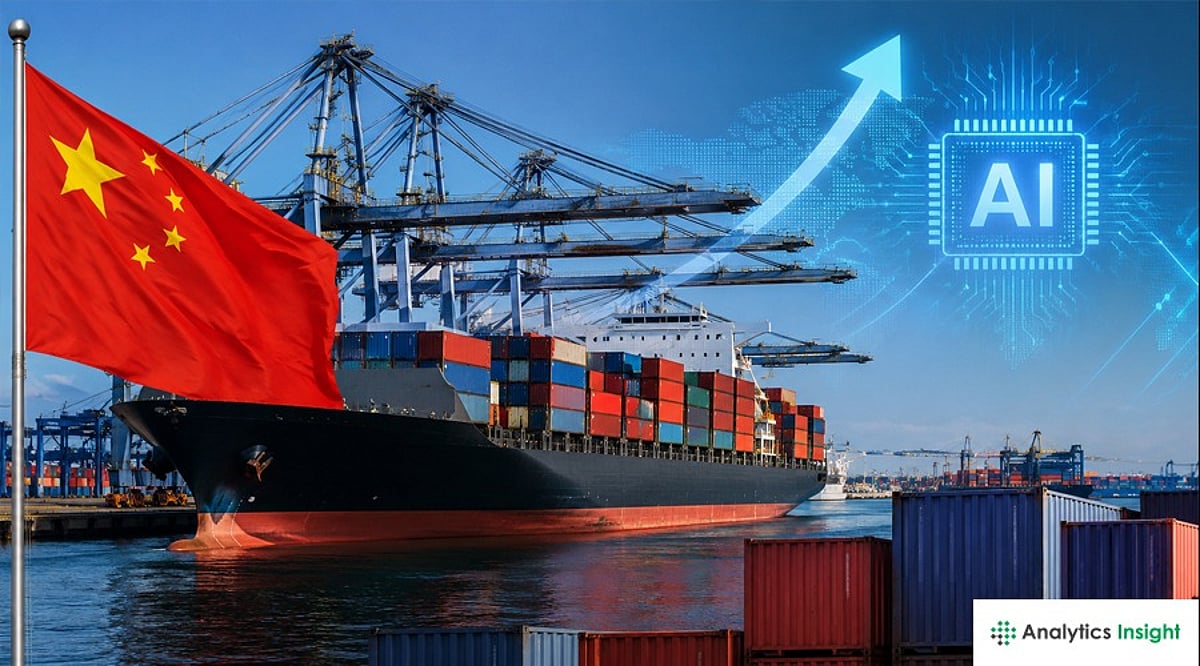
    China’s exports and imports in June significantly surpassed market forecasts, driven by robust global demand for artificial intelligence (AI) hardware and strategic tariff front-loading by exporters. According to data released by the General Administration of Customs, exports rose 27% year-on-year—the strongest pace since October 2021 and well above the consensus forecast of 18.2%. Imports surged 36%, marking the largest single-month jump since 2021 and beating the 24% economists had anticipated.

    AI Hardware and Tariff Front-Loading as Key Drivers

    Two primary forces combined to produce the outsized June numbers. The first, more structural driver, is booming global demand for semiconductors, electronic components, and AI-related technology products, which are heavily concentrated in China’s manufacturing base. Wang Jun, China’s vice minister of customs, stated at a press briefing that imports and exports in the AI field are “robust,” directly linking the trade acceleration to the global buildout of data center infrastructure.

    The second driver was tactical: Chinese exporters front-loaded shipments to the United States ahead of anticipated new tariffs, compressing several months of expected shipping activity into a narrower window. Aggressive pricing by manufacturers helped sustain order volumes even as factory-gate prices continued to fall.

    “Rising global demand for AI infrastructure, advanced electronics, and capital equipment remains a key support for Chinese manufacturing exports,” said Hao Zhou, chief economist at Guotai Junan International Holdings. “With external demand holding up better than expected, policymakers face less urgency to launch aggressive stimulus,” he added.

    Import Growth Hits a Five-Year High

    The 36% import surge in June built on May’s already-strong 27.4% gain. Analysts attributed part of the acceleration to higher energy costs tied to the ongoing Middle East conflict, which pushed up commodity prices. However, high-tech product categories remained the core engine of volume growth.

    China’s trade surplus widened to $125.6 billion in June, up from $105.4 billion the previous month—a record figure that is drawing scrutiny from trading partners. For the first half of 2026, exports climbed 17.6% year-on-year while imports rose 26.6%.

    Diverging Trade Routes and Growing Scrutiny

    The export gains are spreading unevenly across regions. Shipments to Southeast Asia jumped nearly 35% in June, while exports to the European Union and Latin America grew more than 18% and 28% respectively. China has been actively diversifying its export routes partly in response to rising tariff barriers, with businesses moving factories into Europe and ramping up shipments through Southeast Asian intermediaries.

    “The global AI supercycle will continue to support the overall regional and Chinese trade performance,” said Samuel Tse, senior economist at DBS Bank Hong Kong Ltd. “Easing trade tension with the US also helps with the export momentum,” he added.

    Outlook for China’s Export-Driven Economy

    The widening surpluses are prompting pushback from US and European policymakers alarmed by growing trade deficits. A proposed US Senate bill threatening secondary tariffs of up to 500% on countries buying Russian oil—a category that includes China—could become a significant headwind. BNP Paribas analyst Wei Li cautioned that while robust shipments in autos and AI-related items should persist, export growth is becoming increasingly fragile and dependent on regulatory conditions that can shift quickly.

    China’s stronger-than-expected trade figures highlight the resilience of its export sector despite global uncertainty. As AI infrastructure, advanced manufacturing, and technology demand continue to expand, the country’s trade momentum could remain a key driver of global supply chains and broader economic growth in the coming months.

  • Oil Hits One-Month High as US-Iran Conflict Disrupts Strait of Hormuz Shipping

    Oil Hits One-Month High as US-Iran Conflict Disrupts Strait of Hormuz Shipping

    Oil prices surged to their highest level in four weeks on Tuesday as renewed hostilities between the United States and Iran disrupted tanker traffic through the strategic Strait of Hormuz, raising fresh concerns over global energy supplies.

    Brent crude futures climbed 3.29% to $86.04 a barrel, while U.S. West Texas Intermediate crude gained 2.83% to $80.35, both reaching levels not seen since mid-June. The move extended a sharp rebound that began after hopes for a lasting peace agreement faded over the weekend.

    The latest rise followed a 9.6% jump in Brent during the previous session, its largest one-day gain since May 2020. Traders reacted after Washington restored its naval blockade of Iranian shipping and proposed a 20% fee for vessels using the waterway. The U.S. also carried out a third consecutive night of strikes against Iran, which responded with attacks on military sites and commercial vessels. Two United Arab Emirates tankers were hit in Omani waters, according to the UAE Ministry of Defence, resulting in the death of one Indian sailor and injuries to eight crew members.

    Shipping activity through the Strait of Hormuz dropped to a two-month low as vessel operators assessed the growing security risk. The route carries about one-fifth of global oil and liquefied natural gas supplies. MarineTraffic recorded 57 transits from Friday through Sunday, down more than 50% from the previous week, compared to roughly 130 vessels per day before the conflict escalated in late February. Iran declared the strait closed “until further notice,” while Washington said military escorts kept oil moving.

    Market analysts said the next price move would hinge on whether tanker traffic and export volumes fall further. Priyanka Sachdeva of Phillip Nova noted that a prolonged drop in vessel movement could push oil prices higher, but prices could ease if crude shipments continue through the strait. ANZ analyst Soni Kumari placed oil in an $85-to-$90 range if disruptions persist, while TD Securities strategist Bart Melek warned that Brent could approach $100 if signs of a physical shortage emerge.

    Meanwhile, Iran’s oil minister said the country’s crude exports were operating normally despite the end of a U.S. sanctions waiver. Yemen’s Houthi movement also fired missiles at Saudi Arabia after accusing the kingdom of bombing an airport under its control. In a separate development, China’s June crude imports fell 41.3% to their lowest level in almost a decade, and refinery activity reached a 10-year low amid weak domestic demand and export limits.

  • Indian Rupee Weakens Past 96 Against US Dollar for First Time Since May Amid Rising Oil Prices and Dollar Strength

    Indian Rupee Weakens Past 96 Against US Dollar for First Time Since May Amid Rising Oil Prices and Dollar Strength

    The Indian rupee slipped below the 96-mark against the US dollar on Monday, reaching its weakest level since May, as a sharp rally in global crude oil prices and rising US bond yields reignited pressure on the domestic currency. The latest decline comes after the rupee had briefly recovered in recent weeks, supported by Reserve Bank of India (RBI) measures aimed at attracting dollar inflows.

    The renewed weakness follows escalating geopolitical tensions in the Middle East, which have pushed Brent crude prices to their highest level in over a month. As India imports nearly 85% of its crude oil requirements, higher energy prices typically widen the country’s import bill, increase demand for dollars, and weigh on the rupee.

    Oil Prices and US Yields Drive Currency Weakness

    Currency dealers mentioned that the rupee came under pressure from a mix of rising oil prices and a firmer US dollar. Brent crude has climbed by more than 20% compared with its recent lows. At the same time, US Treasury yields have moved higher after hawkish signals from Federal Reserve officials, making dollar-denominated assets more attractive to investors.

    The stronger greenback has also helped push down several currencies across Asia, including the rupee. As India is heavily reliant on crude oil imports, the ripple effect is felt throughout the exchange market.

    RBI Intervention Expected to Curb Volatility

    It is expected that the RBI will monitor rupee movements and, if it sees the situation becoming volatile, intervene to stabilize the currency. Earlier, it had sold dollars in the forex market to avoid a sharp devaluation. Analysts feel that intervention might curtail losses, but it will not change the trend if oil prices remain high.

    What Does This Mean for Consumers?

    As the rupee falls, its impact will be felt in the prices of imports such as crude oil and electronics. Over time, this will result in higher fuel prices and transport expenses.

    For now, traders will closely watch developments in the Middle East, movements in global crude prices, and the Federal Reserve’s policy outlook, all of which are expected to determine the rupee’s near-term direction. Unless oil prices ease or foreign capital inflows improve, the Indian currency is likely to remain under pressure in the coming sessions.

  • Why Switzerland, Nordics, Germany, Japan, Italy, and France Lead Global Quality of Life Rankings

    Why Switzerland, Nordics, Germany, Japan, Italy, and France Lead Global Quality of Life Rankings

    What makes a country the ‘best’ in the world? It isn’t just wealth or breathtaking scenery. The nations that consistently top global rankings excel at safety, quality of life, innovation, healthcare, education, and even everyday happiness. From Switzerland and the Nordic countries to Germany, Japan, Italy, and France, these destinations continue to set the global standard for what it means to live well.

    How These Countries Lead the World

    Each group shines for different reasons, and together they offer lessons about how societies can build comfort, meaning, and prosperity.

    Top Spot: Switzerland

    Imagine a place where trains arrive on the minute, mountains are an arm’s reach away, and local chocolatiers treat craft like religion. Switzerland’s political neutrality and stable institutions make life predictable in a reassuring way. Its banks and finance industries are trusted worldwide, yes, but so are its watchmakers, medical device firms, and small manufacturers that sweat the details. People there enjoy strong public services, low crime, and a sense of trust that makes everyday life feel smooth.

    Nordic Countries: Denmark, Sweden, Finland

    Walk into a playground in Copenhagen or a school in Helsinki, and you’ll see the impact of policies that treat childhood and work-life balance seriously. Denmark, Sweden, and Finland invest heavily in healthcare, education, and family support. The safety net doesn’t make people complacent; it frees them to take risks, start companies, and be creative. These countries are also early adopters of green tech and digital public services, showing that kindness and efficiency can go hand in hand.

    Germany and Japan: Pride in Making Things that Last

    Both Germany and Japan are places where craft and engineering are part of daily identity, whether it’s a perfectly tuned car or a factory robot that never misses a beat. Germany’s apprenticeship system links schools and industry tightly, feeding skilled workers into advanced manufacturing. Japan’s commitment to precision, continuous improvement, and respect for tradition has made its industries global benchmarks. While its economy is driven by exports, Japan also exports a reputation for unmatched quality and reliability.

    Italy and France: Living Well is a National Product

    Italy and France sell more than goods; they sell a way of life. Italy’s influence shows up in design, food, and that effortless sense of style. Small workshops in Florence or tiny bakeries in Bologna keep centuries-old skills alive. France wraps its influence in language, cinema, fashion weeks, and institutions like museums and culinary schools. Tourists flock there not just for monuments, but to breathe the local rhythms. These countries turn culture into an exportable asset that makes people everywhere a little more curious and a little more stylish.

    Comparison Table

    Country/Region Key Strengths
    Switzerland Political stability, trusted institutions, low crime, world-class industries, reliable public services
    Nordic (Denmark, Sweden, Finland) Welfare, innovation, healthcare, education, green tech, work-life balance
    Germany & Japan Engineering, skilled workforce, manufacturing excellence, education, discipline
    Italy & France Culture, heritage, cuisine, fashion, craftsmanship, tourism

    What Makes Nations Thrive: Can Policy Blend Practicality and Beauty?

    Across these nations you find some common threads: an emphasis on education and skills; institutions people trust; reliable infrastructure; and openness to trade and ideas. They don’t all do things the same way; Switzerland’s privacy and neutrality differ from the Nordics’ social focus, but each has leaned into a set of strengths and protected them with thoughtful policy.

    You don’t need Alps or centuries-old museums to copy these models. Start by investing in people: education, healthcare, apprenticeships, and by building institutions people trust. Protect cultural traditions while encouraging new ideas, and make infrastructure reliable so daily life doesn’t become a struggle. These countries show that ‘best’ often means balancing practicality with beauty, making sure life is not only productive, but also worth living.

    FAQs

    Why is Switzerland considered one of the world’s best countries?

    Switzerland stands out for its political stability, efficient public services, low crime, strong economy, trusted financial sector, world-class healthcare, and exceptional quality of life backed by reliable institutions.

    What makes the Nordic countries consistently rank highly?

    Denmark, Sweden, and Finland excel through universal healthcare, excellent education, work-life balance, social security, environmental leadership, and digital innovation, creating happy, productive, and resilient societies.

    Why are Germany and Japan known for engineering excellence?

    Germany and Japan combine skilled workforces, advanced manufacturing, innovation, precision engineering, and strong quality standards, producing globally respected automobiles, machinery, electronics, and industrial technologies.

    How do Italy and France influence the world beyond their economies?

    Italy and France shape global culture through fashion, cuisine, art, architecture, design, cinema, and tourism, turning centuries-old traditions into internationally admired industries and cultural icons.

    What common qualities do these leading countries share?

    Despite different strengths, these countries prioritize education, innovation, trusted institutions, reliable infrastructure, skilled workforces, cultural preservation, and long-term planning to ensure prosperity and a high quality of life.

  • South Korea and Japan Intensify Currency Stability Talks Amid Regional FX Volatility

    South Korea and Japan Intensify Currency Stability Talks Amid Regional FX Volatility

    South Korea is strengthening exchange rate discussions with Japan and allied nations as officials monitor currency volatility and regional financial stability. Markets are now awaiting clearer signals on whether these communications could advance toward coordinated policy action.

    According to Odaily, South Korea’s deputy finance minister confirmed that Seoul is maintaining close communication with Japan and other allied countries over exchange rate issues. The official identified foreign exchange coordination as an active policy priority but announced no intervention, formal agreement, or completed joint action.

    Seoul and Tokyo Keep Currency Channels Open

    The statement described an ongoing exchange of views among finance officials. Seoul did not name the other allied countries or disclose the scope, timing, or content of the talks. South Korea and Japan rank as Asia’s second- and third-largest economies by gross domestic product. Currency swings in either market can affect regional trade, investment flows, and financial conditions.

    Finance ministries often separate communication from direct intervention. Officials may discuss market conditions without buying or selling currencies, and the latest remarks remain within that communication stage. Even so, traders monitor each change in official language. Markets often interpret a move from ‘monitoring’ to ‘communicating’ as evidence that authorities have increased their attention.

    Markets Track the Won, Yen, and Official Language

    Exchange rate concerns usually involve currency strength, weakness, or rapid volatility. Those movements can affect export competitiveness, import costs, capital flows, and broader financial stability. South Korea has historically monitored sharp moves in the won. Japan also has a record of verbal warnings and direct intervention when authorities view yen movements as excessive.

    Any move from discussion toward preparation would mark a clear change in policy messaging. Traders will therefore watch the Korean won and Japanese yen against the United States dollar. Unusual price moves could show that markets expect a greater chance of official action. Further statements from Japan’s Ministry of Finance may provide more detail. Remarks from the unnamed allied countries could also show whether the discussions remain bilateral or involve a wider group.

    Crypto Relevance Depends on Wider Risk Sentiment

    The deputy finance minister did not mention Bitcoin, cryptocurrencies, or digital assets. The statement therefore carries no direct policy link to crypto markets or domestic crypto regulation. However, foreign exchange conditions can still shape risk appetite across markets. A stronger dollar environment has historically pressured Bitcoin and other cryptocurrencies as traders reduce exposure to risk assets.

    South Korea remains one of the world’s most active retail crypto trading markets. Policy signals from Seoul can influence domestic sentiment, even when officials address traditional currencies rather than digital assets. Recent developments also show growing links between financial policy and crypto. A South Korean crypto tax petition surpassed 58,000 signatures and moved to legislative review. The country’s New Start Fund also added crypto assets to its debt relief review. Those measures remain separate from the latest exchange rate discussions.

    Officials disclosed no outcome from the talks. Markets will next examine currency movements, new government statements, and any clarification about the allied countries involved.

    What’s Next?

    South Korea’s exchange rate talks with Japan and allied nations reflect growing attention to currency volatility and regional financial stability. Although officials announced no intervention, traders should monitor the Korean won, Japanese yen, and future policy statements for signs of stronger coordination or possible action.

  • US Job Growth Plummets to 57,000 in June as Hiring Slows and Unemployment Steady at 4.2%

    US Job Growth Plummets to 57,000 in June as Hiring Slows and Unemployment Steady at 4.2%

    The latest US jobs report reveals a sharp slowdown in hiring during June, with employers adding only 57,000 nonfarm payrolls—well below market expectations. The unemployment rate held steady at 4.2%, but the figure masks a decline in labor force participation, as fewer Americans remained in the job market.

    June’s hiring total dropped by more than half from May, reflecting growing caution among companies facing high inflation, weaker consumer confidence, and global uncertainty. Many employers have slowed their hiring plans instead of expanding their workforce.

    Hiring Slowdown Signals Cooling Labor Market

    The Bureau of Labor Statistics also revised April and May payroll numbers downward, indicating that hiring had already weakened before June. The updated figures point to a labor market that has been losing momentum over recent months.

    While the unemployment rate fell from 4.3% in May to 4.2% in June, the decline is partly due to the labor force participation rate dropping to 61.5%—the lowest in more than five years. Many individuals stopped looking for work and were no longer counted as unemployed. Household employment also fell, confirming that fewer Americans were employed.

    Industry Hiring Shows Mixed Performance

    Different industries showed varied hiring trends. Professional and business services added the most jobs, while healthcare and social assistance continued to hire. Manufacturing and construction posted small gains, supported by ongoing data center projects and infrastructure work.

    The technology sector continued to struggle. Major companies like Meta and Microsoft have reduced staff while increasing investments in artificial intelligence. The information sector has now recorded job losses in 17 of the past 18 months. Financial services hiring remained largely unchanged during June.

    Despite slower hiring, workers saw modest pay gains. Average hourly earnings rose 0.3% for the month and increased 3.5% year-over-year. Meanwhile, weekly unemployment benefit claims stayed relatively steady, suggesting companies are reducing hiring rather than cutting large numbers of jobs.

    Fed Rate Outlook in Focus

    The June employment report indicates that companies are becoming more cautious rather than rapidly expanding their workforce. While the labor market remains stable, job growth has clearly decelerated. Future inflation data and employment reports will help determine whether this slowdown continues.

    Many economists had anticipated stronger hiring in June, especially in leisure and hospitality. Instead, payroll growth missed forecasts by a wide margin. The weaker results, combined with lower revisions for prior months, suggest the job market is cooling faster than expected.

    The jobs report could influence future Federal Reserve decisions. Slower nonfarm payrolls may reduce pressure for additional interest rate increases, though inflation and wage growth remain key concerns. Investors will closely watch upcoming economic data for clearer signals about the direction of the US economy.