Category: Finance

  • Samsung Wallet Adds On-Device Fingerprint Authentication for UPI Payments in India

    Samsung Wallet Adds On-Device Fingerprint Authentication for UPI Payments in India

    Samsung India has announced a significant update to its Samsung Wallet service, enabling users to make UPI payments using their Galaxy device’s fingerprint sensor. The new on-device biometric authentication eliminates the need to enter a UPI PIN for transactions up to ₹10,000, making digital payments as simple as unlocking a phone.

    This feature enhances user privacy by keeping biometric data on the device and reduces transaction failures caused by mistyped PINs. By combining convenience, speed, and robust security, Samsung Wallet aims to simplify everyday UPI payments for Indian consumers.

    The update is part of Samsung’s ongoing efforts to improve digital payment experiences in India, where UPI has become the dominant payment method. Users with compatible Galaxy devices can now enjoy a frictionless payment process without compromising security.

  • Moneyview IPO Day 1: 37% Subscription with Grey Market Premium Soaring to 42%

    Moneyview IPO Day 1: 37% Subscription with Grey Market Premium Soaring to 42%

    Moneyview’s initial public offering (IPO) received bids for 37% of the shares on offer by 11:25 a.m. on September 24, according to NSE data. The Bengaluru-based fintech company has set a price band of Rs. 32–34 per share, and the bidding window will close on September 28.

    Moneyview IPO Subscription and Grey Market Premium

    Investors bid for 8,62,08,003 shares against 23,25,24,175 shares available at the time of the NSE snapshot. Retail investors subscribed to 55% of their allotted shares, while non-institutional investors subscribed to 43%. These figures cover only the opening hours of the three-day offer.

    Moneyview shares carried a grey market premium (GMP) of about Rs. 14 on the morning of September 24, according to InvestorGain. That was roughly 42% above the top of the Rs. 34 price band and pointed to an estimated price of Rs. 48 per share. An earlier report put the premium near 32%, showing that quoted GMP figures can change. Grey market trades are unofficial, and their prices do not determine where a stock will list.

    Issue Size, Price Band and Key Dates

    The Moneyview IPO totals about Rs. 1,092 crore, comprising a fresh issue of Rs. 750 crore and an offer for sale of about Rs. 341.68 crore. Under the offer for sale, existing shareholders will sell shares; Moneyview will receive the proceeds from the fresh issue.

    Investors can bid in lots of 441 shares. At the upper price of Rs. 34, one lot costs Rs. 14,994. The company expects to finalise the allotment on September 29 and list its shares on the BSE and NSE on October 1, under the tentative timetable.

    Before public bidding began, Moneyview raised Rs. 327.5 crore from anchor investors by allotting 9.63 crore shares at Rs. 34 each. Participants included SBI Mutual Fund, ICICI Prudential AMC, HDFC AMC, Goldman Sachs and Amundi Funds.

    How Moneyview Plans to Use the Proceeds

    Moneyview plans to put Rs. 325 crore from the fresh issue toward loan disbursals under default loss guarantee arrangements. It also plans to invest Rs. 250 crore in its subsidiary, Whizdm Finance, to strengthen the lender’s capital base. The company has earmarked the remaining net proceeds for general corporate purposes.

    The company connects customers with banks, non-banking lenders, insurers and other financial firms through its digital platform. Its products include personal loans, insurance, credit cards and digital gold. Moneyview reported 14.03 crore registered users and 48 financial partners as of June 2026.

    Financial Performance and IPO Managers

    For the June 2026 quarter, consolidated net profit rose to Rs. 173.8 crore from Rs. 67.2 crore a year earlier. Revenue from operations increased 50.2% to Rs. 1,041.1 crore. For the year ended March 2026, profit rose 1.2% to Rs. 244.1 crore, while revenue grew 43.3% to Rs. 3,351.2 crore.

    Axis Capital, BofA Securities India, IIFL Capital Services and Kotak Mahindra Capital Company are managing the IPO. Public bidding remains open through September 28, with final subscription figures due after the offer closes.

  • US Stock Futures Decline as Traders Increase Bets on October Fed Rate Hike

    US Stock Futures Decline as Traders Increase Bets on October Fed Rate Hike

    US stock futures fell Thursday, September 24, as rising Treasury yields and oil prices renewed concerns about inflation and further Federal Reserve rate increases. A drop in Oracle shares added pressure on technology stocks before the opening bell.

    Why are US Stock Futures Falling?

    NASDAQ-100 futures fell about 1% in early trading. S&P 500 futures lost 0.6%, while Dow Jones Industrial Average futures declined 159 points, or 0.3%. The moves pointed to a second day of losses for the US stock market after all three major indexes closed lower on Wednesday.

    The S&P 500 ended Wednesday at 7,706.03, down 0.75%. The NASDAQ Composite fell 1.13% to 26,936.04, and the Dow dropped 352.10 points to 51,511.59. Thursday’s futures figures remained subject to change before regular trading began.

    Oracle shares fell more than 5% before the bell after Bloomberg reported that the company had cited force majeure in connection with a New Mexico data center project. According to the report, the provision could protect Oracle if construction faces delays. The reported step drew attention to the timing and cost of data centers used for artificial intelligence.

    How are Treasury Yields and Oil Prices Affecting Stocks?

    The 10-year Treasury yield rose to about 5.15%, near a level last reached in 2007. Meanwhile, the 30-year yield touched 5.446%, its highest level since 2004. Bond yields rise when prices fall, and higher yields can increase borrowing costs for households and businesses.

    Oil also moved higher. Brent crude futures gained approximately 1% to USD 105 a barrel, while West Texas Intermediate futures rose about 1% to around USD 93. Higher fuel and transport costs can feed into the prices companies charge customers.

    Traders increased their expectations for another Federal Reserve rate increase. CME FedWatch pricing put the chance of an October hike above 70%, compared with roughly 55% a week earlier. These figures reflect market positions and can change quickly; they do not indicate a decision by the Fed.

    UBS Global Wealth Management strategists said Thursday that they expected energy disruption to remain limited. They also cautioned that market volatility could continue as investors assessed inflation, government debt and spending on artificial intelligence.

    What Did the US Jobless Claims Report Show?

    The Labor Department reported 197,000 initial unemployment claims for the week ending September 19. That was 1,000 fewer than the previous week’s revised total of 198,000. The earlier figure had first been reported as 196,000, which explains why some accounts described the new total as an increase.

    Continuing claims reached 1.719 million for the week ending September 12, up 2,000 from the revised prior-week figure. The four-week average of initial claims fell to 202,250. Together, the figures showed that claims remained low even as investors watched for any change in hiring or layoffs.

    Investors also weighed strong readings from S&P Global’s US business surveys. In a Wednesday note, BMO Capital Markets strategist Vail Hartman said the data gave policy rates and Treasury yields room to move higher. He warned that stronger demand could add to inflation pressure, although that outcome remains uncertain.

    What Else are US Stock Market Investors Watching?

    President Donald Trump and Xi Jinping were due to meet Thursday in Washington. Trade, artificial intelligence, Taiwan and the Iran war were among the expected topics. US Treasury Secretary Scott Bessent said the countries had agreed to extend their trade truce through January 10, beyond its previous November expiry. Investors awaited further details from the meeting.

    Corporate results offered another focus. Darden Restaurants shares fell after its quarterly results missed expectations, while Costco was scheduled to report after Thursday’s closing bell. The combination of earnings, bond yields and oil prices gave investors several developments to assess as regular US trading approached.

    Disclaimer: Analytics Insight does not provide financial advice or guidance on cryptocurrencies and stocks. Also note that the cryptocurrencies mentioned/listed on the website could potentially be risky, i.e. designed to induce you to invest financial resources that may be lost forever and not be recoverable once investments are made. This article is provided for informational purposes and does not constitute investment advice. You are responsible for conducting your own research (DYOR) before making any investments. Read more about the financial risks involved here.

  • SBI and LIC Combined Net Profit Reaches Rs. 1.37 Lakh Crore in FY26

    SBI and LIC Combined Net Profit Reaches Rs. 1.37 Lakh Crore in FY26

    India’s two largest public-sector financial institutions, State Bank of India (SBI) and Life Insurance Corporation of India (LIC), delivered robust earnings for the fiscal year 2025–26. Their combined standalone net profit stood at approximately Rs. 1.37 lakh crore, driven by double-digit growth in both banking and insurance operations.

    SBI Posts Record Annual Profit

    SBI reported a standalone net profit of Rs. 80,032 crore in FY26, a 12.88% increase from Rs. 70,901 crore in the previous fiscal year. The bank’s net interest income rose 4.08% to Rs. 1,73,120 crore. SBI’s strong performance was supported by growth across lending segments: retail personal advances increased 15.22%, agricultural advances grew 19.68%, SME advances rose 20.99%, and corporate advances increased 14.83%. Total deposits at the end of March 2026 stood at Rs. 59.76 lakh crore, up 11.03% year-on-year.

    Asset quality also improved. SBI’s gross non-performing asset ratio declined to 1.49% from 1.82% a year earlier, while the net NPA ratio fell to 0.39%. The bank’s capital adequacy ratio strengthened to 15.40%, underscoring its financial resilience.

    LIC Delivers Double-Digit Profit Growth

    LIC recorded a profit after tax of Rs. 57,419 crore in FY26, marking a 19.25% increase from Rs. 48,151 crore in FY25. Total premium income rose 9.80% to Rs. 5,35,984 crore. The insurer’s value of new business jumped 41.63% to Rs. 14,179 crore, and assets under management grew 5.08% to Rs. 57.29 lakh crore.

    Combined Profit Highlights

    Adding SBI’s Rs. 80,032 crore and LIC’s Rs. 57,419 crore gives a combined standalone profit of Rs. 1,37,451 crore (approximately Rs. 1.37 lakh crore). This figure differs from the commonly cited Rs. 1.41 lakh crore aggregate, which may include other income components. The distinction is important when comparing standalone results.

    Strong Year for India’s Leading PSUs

    FY26 marked a standout year for both institutions. SBI achieved its highest-ever annual profit, while LIC sustained double-digit earnings growth. Together, they reflect the strength of India’s public-sector financial ecosystem, with gains in lending, premiums, asset quality, and other key metrics.

  • Ranking the World’s Largest Derivatives Exchanges: From NSE to Binance

    Ranking the World’s Largest Derivatives Exchanges: From NSE to Binance

    Derivatives trading is a cornerstone of global financial markets, enabling investors to hedge risk and speculate on price movements. Below, we rank the major exchanges worldwide by their derivatives activity, covering both traditional financial exchanges and leading cryptocurrency platforms.

    NSE India

    NSE India is a major derivatives marketplace, particularly known for its large equity options activity. Its derivatives segment covers index and stock futures and options, giving traders access to a broad range of instruments. High trading activity has made NSE an important exchange in global derivatives markets.

    CME Group

    CME Group operates one of the world’s major derivatives marketplaces, offering futures and options across interest rates, equity indexes, foreign exchange, energy, agricultural commodities, metals, and digital assets. Its diverse product range supports institutional and professional traders seeking exposure to global financial and commodity markets.

    Eurex

    Eurex is a leading European derivatives exchange offering products across equity indexes, interest rates, equities, and other financial markets. Its trading activity includes major European benchmarks and interest-rate contracts. The exchange serves banks, institutional investors, asset managers, and other market participants across international financial markets.

    Binance

    Binance operates one of the largest cryptocurrency derivatives marketplaces, offering futures and other leveraged products across numerous digital assets. Its derivatives platform attracts traders from international markets and records substantial daily activity. Bitcoin, Ethereum, and various altcoins contribute significantly to its overall cryptocurrency derivatives trading volumes.

    OKX

    OKX is a major cryptocurrency exchange with a significant derivatives business covering futures, perpetual contracts, and options. Its platform provides access to numerous digital assets and trading pairs. Strong activity in crypto derivatives has positioned OKX among the leading global platforms by trading volume and market participation.

    Bybit

    Bybit is a major cryptocurrency derivatives platform offering perpetual contracts, futures, and options across a wide selection of digital assets. The exchange serves retail and professional traders globally. Its substantial derivatives activity reflects continued demand for leveraged cryptocurrency products and sophisticated trading instruments in digital asset markets.

    MEXC

    MEXC is a global cryptocurrency exchange with an active derivatives segment covering futures and perpetual contracts across numerous digital assets. The platform supports a wide range of trading pairs and attracts international users. Its derivatives volumes place it among the larger cryptocurrency exchanges competing in the global market.

    Join our WhatsApp Channel to get the latest news, exclusives and videos on WhatsApp.

  • Taylor Wimpey Stock Price Analysis: 2026 Half-Year Results, Dividend, and Buyback Details

    Taylor Wimpey Stock Price Analysis: 2026 Half-Year Results, Dividend, and Buyback Details

    Taylor Wimpey, one of the UK’s largest residential property developers, remains a key stock to watch for investors tracking the British housing market. The company’s shares, traded on the London Stock Exchange under the ticker TW, are closely tied to mortgage affordability, buyer confidence, selling prices, and construction costs. As of September 24, 2026, the stock traded at 79.12 pence, down 1.22% from the previous close of 80.16 pence.

    Recent Share Price Movement

    The stock opened at 81.40 pence on September 23 and fluctuated between 79.92 and 81.66 pence during the session. Over the past 52 weeks, Taylor Wimpey shares have ranged from 74.10 to 116.75 pence. September trading has been volatile: after starting the month at 83.00 pence and hitting an intraday high of 84.68 pence on September 1, the price fell to 76.28 pence by September 14 before recovering. A 5.87% gain on September 16 brought the stock back to 80.78 pence, and it has since oscillated around the 80-pence mark.

    Half-Year Results: Key Financials

    Taylor Wimpey published its 2026 half-year results in July, reporting revenue of £1.683 billion. Group completions, including joint ventures, reached 4,986 homes. UK completions (excluding joint ventures) totaled 4,723 homes. Adjusted operating profit came in at £129.7 million, with an adjusted operating margin of 7.7%—down from 9.7% in the prior period.

    • Revenue: £1.683 billion
    • Adjusted operating profit: £129.7 million
    • Group completions: 4,986 homes
    • UK completions (ex-JVs): 4,723 homes
    • Order book: 6,882 homes valued at £1.929 billion
    • Average UK selling price: £334,000 (up 6.7%, driven by product mix)

    Guidance and Market Conditions

    The company expects challenging conditions for the remainder of 2026, with underlying pricing still below prior-year levels. UK build-cost inflation is forecast at around 3% to 4%. Taylor Wimpey has guided toward 10,600 to 10,800 UK completions for the full year and expects net cash of roughly £250 million at year-end. Average UK outlets increased 6% year-over-year to 219, but the net private sales rate slowed to 0.55 per outlet per week in late July.

    Dividend Policy and Share Buyback

    Taylor Wimpey revised its distribution policy during the half-year report, now targeting annual shareholder returns equal to 4% of net assets. The company declared an interim dividend of 1.20 pence per share, payable on November 13, 2026, subject to eligibility dates. Additionally, a £42 million share buyback program was announced, with completion expected by the end of the year.

    What to Watch

    Investors should monitor mortgage affordability, build costs, sales rates, and completion guidance. Order-book trends will provide clues about future revenue visibility. Taylor Wimpey’s share price remains highly sensitive to UK housing market cycles and macroeconomic developments.

    This article is for informational purposes only and does not constitute investment advice.

  • Airtel Money Eyes London IPO to Raise at Least $800 Million

    Airtel Money Eyes London IPO to Raise at Least $800 Million

    Airtel Money, the digital financial services arm of Airtel Africa, has announced plans to pursue an initial public offering (IPO) on the London Stock Exchange. The proposed listing is expected to value the African mobile money business at between $8 billion and $9 billion, positioning it as one of London’s largest IPOs in recent years.

    Airtel Money Targets $800 Million From Share Sale

    The company is aiming to raise at least $800 million through the offering. However, the IPO will consist entirely of existing shares, meaning Airtel Money itself will not receive fresh capital from the transaction. Instead, current shareholders will sell part of their holdings to public investors, with the company planning to maintain a free float of at least 10% after listing.

    The targeted valuation range is slightly below earlier market expectations. Reports had previously suggested that Airtel Money was weighing a larger offering with a valuation of around $10 billion.

    Potential Boost for London’s IPO Market

    The proposed float arrives at a time when London’s IPO market has experienced a prolonged period of subdued activity. According to Reuters, the offering could rank among the biggest London listings in recent years, giving the exchange a significant African fintech deal.

    A successful listing would also give public-market investors direct exposure to Africa’s rapidly expanding digital payments sector. Airtel Money operates across multiple African markets, offering mobile payments and a range of other digital financial products.

    Prospectus Expected in October

    Airtel Money said it expects to publish further details about the proposed offer in early October, including the indicative price range and the number of shares to be offered. Final pricing is expected in mid-October, subject to market conditions and the completion of the listing process.

    The company’s latest quarterly performance underscores the scale of its business. Revenue for the quarter ended June 2026 rose 38% year over year to $399 million.

    The listing remains subject to regulatory approvals, market conditions, and other customary requirements. Airtel Money’s London debut will ultimately depend on the completion of the IPO process and final investor demand.

  • Venu Srinivasan Defies Tata Trusts Directive, Intensifying Boardroom Dispute Over Tata Sons Governance

    Venu Srinivasan Defies Tata Trusts Directive, Intensifying Boardroom Dispute Over Tata Sons Governance

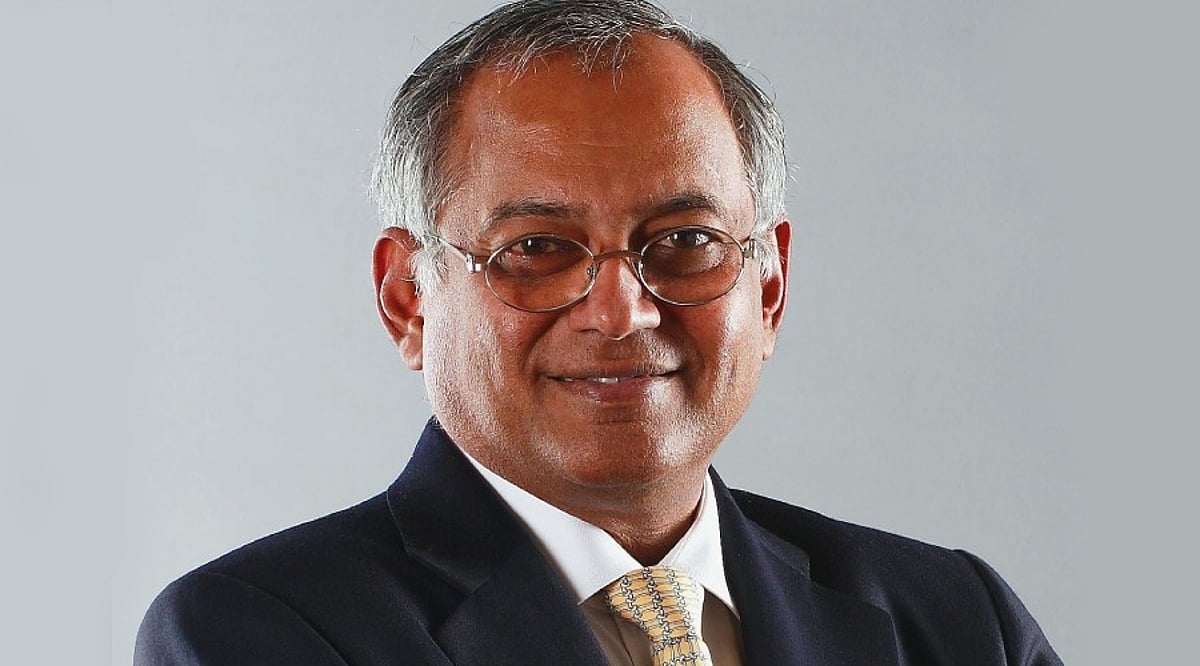
    Venu Srinivasan, the veteran industrialist and chairman emeritus of TVS Motor, has deepened a governance dispute within Tata Trusts by backing N. Chandrasekaran’s reappointment as chairman of Tata Sons on September 17. Despite a directive from Sir Dorabji Tata Trust instructing him to vote against the reappointment, Srinivasan supported Chandrasekaran and also endorsed Tata Sons’ listing plan, intensifying the boardroom row in Mumbai.

    Four directors voted in favor of both decisions, while Noel Tata opposed them, placing Srinivasan at the center of the conflict. Fresh filings have now linked TVS Motor to a warehousing venture involving Chandrasekaran’s family, raising additional scrutiny over governance and disclosure practices.

    Who Is Venu Srinivasan?

    Srinivasan, 73, is a fourth-generation member of the TVS family founded by T. V. Sundaram Iyengar. He studied engineering at the College of Engineering, Guindy, and completed management studies at Purdue University. Under his leadership, TVS Motor grew into a major two-wheeler and three-wheeler manufacturer in India. His emphasis on quality management earned the company’s brakes business the prestigious Deming Prize in 1998.

    In 2020, Srinivasan received the Padma Bhushan for his contributions to industry and public life. He joined the Reserve Bank of India’s Central Board as a non-official director in 2022. In 2025, he stepped away from daily operations at TVS Motor, handing executive leadership to his son Sudarshan Venu. He now serves as chairman emeritus of TVS Motor and non-executive chairman of TVS Holdings.

    Role at Tata Sons and Trusts

    Srinivasan has been a director on the Tata Sons board since 2016, making him one of the longest-serving independent directors. He also holds senior positions within Tata Trusts, including vice-chairman of the Sir Ratan Tata Trust. Before the September 17 meeting, Sir Dorabji Tata Trust sought to restrain him from voting on Tata Sons’ listing. Srinivasan rejected the instruction, arguing that his duties as a director required him to act in the best interests of Tata Sons, not the Trusts.

    Tata Trusts later challenged Chandrasekaran’s reappointment, calling the decision a ‘legal nullity.’ The dispute has escalated, with the Trusts questioning the validity of the board’s actions.

    Scrutiny Over Hanno One Warehousing Deal

    The latest scrutiny involves Hanno One Warehousing, a company where Chandrasekaran’s wife Lalitha and son Pranav serve as directors. In June 2025, TVS Motor leased 17 acres in Tamil Nadu to Hanno One for a warehouse project. HDFC Bank later offered Hanno One a Rs. 60 crore construction loan for the planned facility. Tata Trusts alleged that Srinivasan did not disclose the relationship between TVS Motor and the Chandrasekaran family to its trustees, adding another layer to the governance dispute.

    The boardroom row continues to unfold, with implications for the future governance of both Tata Sons and Tata Trusts.

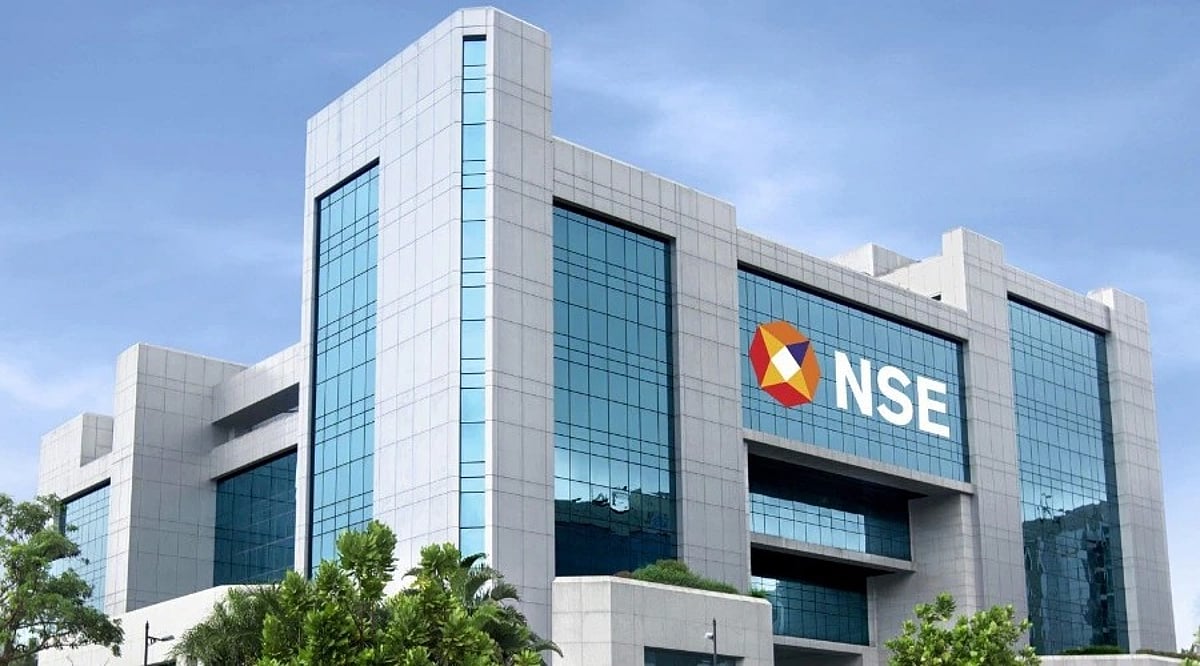
  • NSE Shares Climb 5% on Debut, Boosting Market Value by Rs 22,000 Crore

    NSE Shares Climb 5% on Debut, Boosting Market Value by Rs 22,000 Crore

    The National Stock Exchange of India (NSE) made a strong entrance into the public market on Thursday, September 24, with shares rising 5.21% above their initial public offering (IPO) price on the first day of trading. The stock opened at Rs 1,800 on the BSE, surpassing the IPO price of Rs 1,785, and later peaked at Rs 1,878. This performance added approximately Rs 22,000 crore to the exchange’s market capitalization, pushing it to about Rs 4.64 lakh crore.

    NSE Stock Climbs Above IPO Price

    NSE shares started trading 0.84% above the issue price and quickly gained momentum, reaching a high of Rs 1,878. At this level, the exchange’s market value stood at roughly Rs 4.64 lakh crore, nearly Rs 22,000 crore above its valuation at the issue price. By 11:04 a.m., the stock traded at Rs 1,839, giving NSE a market cap of about Rs 4.56 lakh crore—placing it among the world’s 10 largest listed exchanges and India’s 10 most valuable listed companies at that moment. In comparison, rival exchange BSE, which listed in 2017, had a market value of approximately Rs 1.32 lakh crore.

    NSE’s debut contrasted sharply with other major Indian IPOs. Hyundai Motor India fell more than 7% on its first trading day in 2024, Life Insurance Corporation of India dropped nearly 8% in 2022, and Paytm shares lost over 27% on their 2021 debut.

    IPO Attracts Nearly Six Times the Shares on Offer

    NSE’s Rs 22,560-crore IPO (about USD 2.4 billion) was the country’s second-largest, after Hyundai Motor India’s offering. The public portion drew bids for 505.81 million shares against 88.64 million available, resulting in overall demand of about 5.7 times the shares offered. Institutional and large investors led the charge. Before the public offer, NSE allotted 37.79 million shares to anchor investors at Rs 1,785 each, raising Rs 6,746 crore. Existing shareholders sold shares through the IPO, with NSE receiving no new capital from the sale. Retail investors bid for only slightly more shares than their reserved portion.

    NSE first filed for an IPO in 2016, but regulatory disputes and legal proceedings delayed the listing for years. Recent tighter rules for derivatives trading and lower trading volumes prompted the exchange to reduce the offer size and lower its IPO price.

    Analysts Comment on NSE’s Longer-Term Prospects

    Deven Choksey, managing director of DRChoksey Finserv, described NSE as a ‘deep value’ investment, highlighting the exclusive nature of the exchange business, the trading activity on established platforms, and the potential for new products. ‘The exchange business is exclusive. It’s not a common business,’ he said. Choksey advised investors who missed an IPO allotment to buy shares gradually and hold them for three to five years. He also projected that NSE could benefit if India’s total stock market value rises over the next decade.

    VK Vijayakumar, chief investment strategist at Geojit Investments, noted that NSE could offer a long-term opportunity ‘if the NSE stock becomes available in today’s trade at a fair price.’