Category: Finance

  • Top Asian Dividend Stocks for Long-Term Income in 2026: DBS, TSMC, ITC and More

    Top Asian Dividend Stocks for Long-Term Income in 2026: DBS, TSMC, ITC and More

    Asian dividend stocks remain a compelling choice for investors seeking stable earnings and long-term capital growth in 2026. While high dividend yield is attractive, key metrics such as payout ratio, free cash flow coverage, market position, and dividend consistency are equally important. Below are six notable dividend stocks across Asia that offer a mix of income, stability, and growth potential.

    1. DBS Group Holdings

    DBS Group Holdings offers an estimated dividend yield of 5.4% to 6.1%, making it one of the most appealing long-term dividend investments in Asia. Its strengths include a robust wealth management business, a large deposit base, and a strong digital banking footprint across Southeast Asia. The bank remains well-capitalized, enabling regular dividends and capital return schemes. DBS is a top choice for investors seeking exposure to Asian financial markets with stable earnings and visible dividend payments.

    2. Taiwan Semiconductor Manufacturing Company (TSMC)

    TSMC provides a lower dividend yield of 1.5%–2%, but it offers solid dividend growth and capital appreciation potential. As the world’s largest semiconductor manufacturer, TSMC benefits from demand for high-performance chips driven by AI and advanced computing. It pays regular dividends, making it suitable for long-term investors prioritizing growth over immediate high yield.

    3. ITC Limited

    ITC Limited, a widely followed dividend stock in India, offers an estimated yield of 3% to 4%. The company’s diversified business model spans FMCG, hotels, paperboards, packaging, and agribusiness. ITC generates strong free cash flow and consistently pays dividends. Its cigarette business provides steady cash flow, while FMCG and hotel segments offer long-term growth. ITC remains a reliable income pick for India-focused investors.

    4. Anhui Heli Co. Ltd.

    Anhui Heli, a Chinese industrial vehicle company with a market cap of about CN¥15.29 billion, generates most of its revenue from forklifts and accessories (revenue ~CN¥20.39 billion). The stock yields around 3.3%, one of the highest among Chinese dividend stocks, with a payout ratio of 44.1% and a cash payout ratio of 54%. However, its dividend history over the past decade has been uneven, so investors should assess profitability trends before considering it as a steady income stock.

    5. Shibusawa Logistics Corporation

    Shibusawa Logistics (SLS) is a Japanese logistics and warehousing firm valued at approximately ¥88.36 billion, with revenue of ¥73.97 billion from physical distribution and ¥6.15 billion from real estate. The dividend yield is around 4.47%, but the cash payout ratio of 110.3% of free cash flow raises sustainability concerns. The company has announced a ¥2.8 billion share buyback program to improve capital efficiency and shareholder returns.

    6. Rheon Automatic Machinery

    Rheon Automatic Machinery develops and supplies food processing machines globally, with a market cap of ¥39.53 billion. It offers a dividend yield of 4%, placing it in the top 25% of Japan’s market. Recent increases to JPY 31 per share reflect a commitment to shareholders. The payout ratio of 40.1% indicates dividends are covered by earnings but not fully by free cash flow, which may affect sustainability. Its dividend history has been volatile over the past decade.

    Conclusion

    Asian dividend shares can provide steady income, long-term growth, and regional diversification for investors in 2026. DBS, ITC, and TSMC stand out as dependable large-cap options, while Anhui Heli, Shibusawa Logistics, and Rheon offer higher yields but carry some payout sustainability risks. Long-term investors should evaluate earnings quality, cash flow coverage, and consistency of shareholder returns rather than focusing solely on yield.

    FAQs

    1. Which are the best dividend stocks in Asia for 2026? Key names include DBS Group Holdings, TSMC, ITC Limited, Anhui Heli, Shibusawa Logistics, and Rheon Automatic Machinery. These stocks offer a mix of dividend income, market leadership, cash flow strength, and growth exposure.
    2. Which Asian dividend stock has the highest estimated yield? DBS Group Holdings offers one of the highest estimated yields at around 5.4% to 6.1%. Investors should also check dividend sustainability and future earnings growth.
    3. Is TSMC a good dividend stock despite its lower yield? Yes, TSMC’s lower yield (1.5%–2%) is attractive due to dividend growth and capital appreciation potential, driven by leadership in AI chips and advanced semiconductors.
    4. Why is ITC considered a strong dividend stock in India? ITC is known for steady free cash flow and regular payouts, with an estimated yield of 3%–4%. Its cigarette business supports cash generation, while FMCG, hotels, and agribusiness provide diversification.
    5. What risks should investors watch in high-yield dividend stocks? High yields can be appealing, but weak free cash flow coverage may threaten future dividends. For example, Shibusawa Logistics has a cash payout ratio of 110.3%, and Rheon’s dividends are covered by earnings but not fully by free cash flow.

    Disclaimer: This article is for informational purposes only and does not constitute investment advice. Always conduct your own research before making any investment decisions.

  • Kotak Mahindra Bank CEO Succession: Internal Shortlist Expected by August for RBI Approval

    Kotak Mahindra Bank CEO Succession: Internal Shortlist Expected by August for RBI Approval

    Kotak Mahindra Bank is advancing its leadership succession process and is expected to submit a shortlist of internal candidates to the Reserve Bank of India (RBI) by August, according to a Moneycontrol report. The move comes as the bank prepares for a transition at the top, with two senior executives emerging as leading contenders for the CEO position.

    Internal Executives Emerge as Frontrunners

    Deputy Managing Director KVS Manian and Joint Managing Director Shanti Ekambaram are reportedly the strongest internal candidates for the role. Both have spent decades at Kotak Mahindra Bank, holding key leadership positions across retail, corporate, and institutional banking. The bank’s nomination and remuneration committee has initiated the formal succession process, aligning with RBI guidelines that require private banks to provide a panel of suitable candidates before appointing a managing director and CEO.

    Board Evaluation and Regulatory Review

    The board is expected to evaluate the candidates’ experience, business performance, and long-term vision before finalizing the list for regulatory review. The RBI’s approval is mandatory before any appointment to the CEO position at a private sector bank. The shortlist is expected to be finalized by the board in the coming weeks, after which the central bank will review the candidates before granting approval.

    Focus on Leadership Continuity

    Kotak Mahindra Bank has historically relied on developing leaders internally, and selecting a seasoned insider is seen as key to maintaining strategic continuity. The bank has built a strong presence in retail banking, corporate financing, wealth management, and digital banking. This succession move is expected to reinforce investor confidence amid evolving regulations in leadership and governance in the banking industry.

    Neither Kotak Mahindra Bank nor the RBI has commented on the shortlisted names. The final decision now rests with the board and the regulator.

  • Gold Rate Today: 24K Gold Climbs to ₹1,43,390 per 10 Grams – Latest City-Wise Prices (June 28, 2026)

    Gold Rate Today: 24K Gold Climbs to ₹1,43,390 per 10 Grams – Latest City-Wise Prices (June 28, 2026)

    Gold prices rose across major Indian cities on Sunday, June 28, 2026, with 24-carat gold hitting ₹1,43,390 per 10 grams in Delhi, Mumbai, Bangalore, Hyderabad, and Kolkata — an increase of ₹440 from the previous day. The 22-carat variant also gained ₹410, trading at ₹1,31,350 per 10 grams. The uptick was driven by bullish sentiment in global bullion markets and sustained domestic demand.

    Chennai Records the Highest Gold Rates

    Chennai remained the most expensive major metro for gold buyers. The price of 24-carat gold in the city reached ₹1,43,830 per 10 grams, while 22-carat gold stood at ₹1,31,750 per 10 grams. Ahmedabad also saw prices rise in line with the national trend. Jewelers note that retail prices largely track international market trends, though local variations arise due to taxes, margins, and city-specific surcharges.

    How to Confirm Gold Quality Before Buying

    • Look for the BIS hallmark on jewelry, which certifies purity.
    • Gold quality is denoted as 24K (99.9%), 22K (91.6%), or 18K (75%).
    • Check the HUID number on the item.
    • Ensure the receipt shows quality, weight, and total cost.
    • Only purchase from BIS-accredited jewelers.

    Why Gold Prices Fluctuate Daily

    International developments and local factors drive daily gold rate changes. Globally, shifts in the U.S. dollar index, interest rate expectations, inflation, and geopolitical tensions influence investor demand. Domestically, the rupee exchange rate, customs duty, GST, transportation costs, and seasonal wedding or festival demand all play a role. Central bank buying and global investment flows also affect prices, leading to daily recalibrations across different cities.

  • Bumble Sale Speculation: What a Potential Acquisition Means for the Dating App Industry

    Bumble Sale Speculation: What a Potential Acquisition Means for the Dating App Industry

    Talk of a possible Bumble sale is making headlines. Here’s why the dating app industry is watching closely.

    Why the Rumors Matter

    A major acquisition could reshape competition in the fast-changing online dating market.

    What Sparked the Buzz?

    Reports of strategic interest have fueled speculation about Bumble’s future ownership.

    Impact on Users

    Any ownership change could influence new features, subscriptions, and the overall user experience.

    What It Means for Investors

    The rumors have drawn attention from investors tracking growth and consolidation in the dating app sector.

    Competition Could Heat Up

    A deal may prompt rivals to invest more in AI, safety tools, and premium services.

    The Role of AI

    Modern dating apps are increasingly using AI for better matchmaking, profile recommendations, and user safety.

    Industry-Wide Implications

    A major transaction could encourage further mergers and acquisitions across the digital dating market.

    What Has Bumble Said?

    As of now, there has been no official confirmation of a sale, and the reports remain market speculation.

  • SpaceX to Join NASDAQ 100 on July 7 Following New Index Entry Rules for Large IPOs

    SpaceX to Join NASDAQ 100 on July 7 Following New Index Entry Rules for Large IPOs

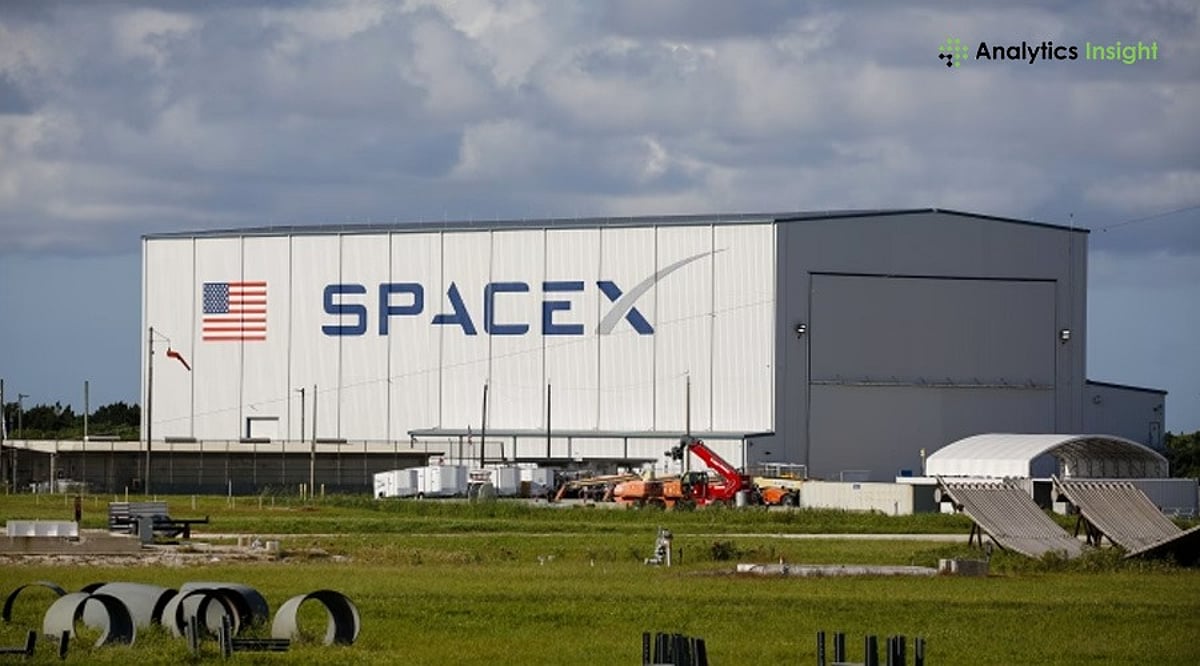
    SpaceX will officially enter the NASDAQ 100 index before the market opens on July 7, 2026, less than a month after its public debut on June 12. The addition, confirmed by NASDAQ on Friday, places the rocket, satellite, and artificial intelligence company among the exchange’s largest non-financial firms.

    JP Morgan estimates that the inclusion could trigger approximately $4.3 billion in passive inflows from index-tracking funds. However, skeptics like Morningstar have raised valuation concerns, noting the company’s limited trading history and recent net losses.

    Index Funds Prepare for Rebalancing

    Funds that replicate the NASDAQ 100, including Invesco QQQ and QQQM, will need to purchase SpaceX shares according to its assigned weight. The NASDAQ 100 tracks 100 large non-financial companies listed on NASDAQ, and its membership influences retirement accounts, brokerage portfolios, and other savings vehicles. NASDAQ reports that over 200 investment products track the index, with more than $800 billion in assets under management worldwide. This could create a large block of price-insensitive demand when the change takes effect.

    Faster Index Rules Pave the Way

    SpaceX began trading under the ticker SPCX on June 12, pricing its IPO at $135 per share. The swift entry into the NASDAQ 100 reflects revised rules that ease conditions on profitability, public float, and trading history for newly listed companies. NASDAQ, FTSE Russell, and MSCI have all relaxed some of these criteria to accommodate large, high-valuation firms. SpaceX reported a $4.9 billion net loss for 2025, though revenue grew as the company expanded Starlink, launch services, and AI operations.

    Valuation Debate Persists

    Despite the expected buying, concerns about SpaceX’s valuation remain. Morningstar chief equity market strategist Michael Field commented, “We think the stock is overvalued,” citing the company’s short public record and heavy spending needs. Meanwhile, S&P Global maintains stricter entry requirements for the S&P 500, including a 12-month trading history and profitability tests, meaning SpaceX cannot be considered for that index until at least June 2027.

    The divergent approaches create separate timelines for index-linked buying. NASDAQ 100 trackers will adjust in July, while S&P 500 funds will not purchase SpaceX under current rules. Other high-profile tech companies like OpenAI and Anthropic may face similar index questions if they proceed with public listings in 2026 or 2027 at valuations above $1 trillion.

  • AI Stock Rout Lays Bare the Perils of Wall Street’s $270 Billion Leveraged Betting Machine

    AI Stock Rout Lays Bare the Perils of Wall Street’s $270 Billion Leveraged Betting Machine

    A sweeping sell-off in artificial intelligence stocks has pulled back the curtain on the sprawling world of leveraged investment products, exposing risks that now ripple through a $270 billion market. The downturn, which started with major US tech firms, quickly spread to Asian chipmakers, SpaceX-linked funds, and crypto-related assets, underscoring how interconnected and fragile these speculative vehicles have become.

    Leveraged AI Funds Intensify the Sell-Off

    Investors fled AI stocks this week amid mounting concerns over lofty valuations and surging infrastructure costs. Alphabet shares dropped about 7% in a single session, wiping out roughly $270 billion in market value. The NASDAQ Composite and semiconductor stocks also suffered heavy losses.

    The selling pressure soon crossed into Asia. Samsung Electronics, SK Hynix, and other chipmakers saw declines as investors reduced exposure. In South Korea, several popular funds offering two or three times the daily returns of major tech stocks lost more than 20% over the week.

    Leveraged ETFs, which use derivatives to magnify daily price movements, now hold over $270 billion globally—more than $200 billion in the US and over $45 billion in Asia. Their daily rebalancing can generate massive buy and sell orders, amplifying market moves. Barclays estimated that recent rebalancing by US leveraged ETFs reached several times its long-term average.

    “If there’s a general desire from unsophisticated retail investors for some attribute that does not actually make them better off, this strategy too will be made available to them.” — Samuel Hartzmark, behavioral finance professor at Boston College

    SpaceX Funds Highlight the Dangers of Concentrated Bets

    Funds tied to SpaceX offered another cautionary tale. After the rocket company’s public debut, leveraged SpaceX products attracted nearly $1 billion. Yet some bullish funds fell about 40% from their launch prices as the stock reversed course.

    These products let investors amplify their bets on SpaceX without buying the underlying shares directly. However, the company’s limited public float and expected index inclusion created technical pricing pressures independent of fundamentals.

    “There is a significant risk that smaller investors will end up feeling the pinch when the fundamentals reassert themselves.” — Christopher Getter, portfolio manager at Simplify Asset Management

    Benchmark indexes also weakened. The S&P 500 lost nearly 2%, while the NASDAQ 100 dropped more than 4%. Selling in big tech stocks further pressured funds tied to AI, semiconductors, and newly listed companies.

    Strategy’s Decline Spreads Pain to Crypto Markets

    The rout extended into crypto via Strategy, the company known for its massive Bitcoin holdings. Strategy has become the centerpiece of several products—leveraged ETFs, common shares, and preferred stock.

    Bullish and bearish leveraged ETFs linked to Strategy have lost more than 90% since their 2024 launches, after attracting billions from traders seeking amplified exposure. Strategy’s preferred shares also fell below their original values.

    The simultaneous decline showed how multiple products can converge on the same risky idea. Investors used different structures, but all depended on Bitcoin demand and Strategy’s ability to raise capital.

    “You get products like these that are marketed to meet perceived demand. There are many financial products out there that do not have a reason to exist, but they are sold.” — Ellen Hazen, F.L. Putnam Investment Management

    The products didn’t start the decline, but their structure supercharged trading activity as AI stocks, SpaceX shares, and crypto assets fell. James St. Aubin of Ocean Park Asset Management summed it up: “Anyone using leverage should understand they are playing with fire.”

  • 5 Finance Certifications That Still Hold Value in the Age of AI

    5 Finance Certifications That Still Hold Value in the Age of AI

    Artificial intelligence is reshaping the finance industry, handling tasks from data processing to basic reporting with unprecedented speed. Yet demand for skilled professionals hasn’t waned—employers now prize expertise that algorithms can’t replicate. For finance professionals seeking to future-proof their careers, these five certifications remain highly relevant.

    Chartered Financial Analyst (CFA)

    The CFA charter remains one of the most respected credentials in investment banking, portfolio management, equity research, and asset management. While AI can process massive datasets, interpreting market signals—shaped by economic cycles, geopolitics, and sentiment—still requires human judgment. CFA charterholders are sought after for their ability to analyze and decide in complex environments.

    Financial Risk Manager (FRM)

    As technology increases financial system efficiency and connectivity, it also amplifies risk. The FRM certification covers market, credit, operational risk, and regulatory compliance. With firms deploying AI models, specialists who can assess model reliability and regulatory alignment are essential.

    Certified Public Accountant (CPA)

    Automation has transformed accounting operations, but CPA remains critical for audits, tax work, and financial accounting. Companies operate in highly regulated environments where software alone cannot be trusted. CPA-certified professionals are integral to corporate finance.

    Certified Financial Planner (CFP)

    Financial planning is deeply client-focused. While technology can manage investments, retirement, estate, and tax planning require a personal touch. The CFP designation equips professionals with the trust, communication skills, and situational knowledge needed in wealth management.

    Certificate in Quantitative Finance (CQF)

    Data-driven investing is on the rise, making CQF increasingly valuable. The program covers quantitative modeling, derivatives, machine learning, algorithmic trading, and programming. It’s ideal for those entering fintech, quantitative research, hedge funds, or trading organizations.

    Final Thoughts

    Finance jobs most vulnerable to automation are routine and process-driven. Roles that continue to grow require analytical thinking, regulatory understanding, risk assessment, and client-facing expertise. Certifications like CFA, FRM, CPA, CFP, and CQF signal specialized knowledge and professional credibility, helping professionals navigate an industry evolving alongside technology—not being replaced by it.

  • Best Railway Stocks to Monitor in 2026: Key Players Driving India’s Rail Growth

    Best Railway Stocks to Monitor in 2026: Key Players Driving India’s Rail Growth

    India’s railway sector is undergoing a massive transformation, driven by government investments in infrastructure modernization, digital services, and freight expansion. For investors eyeing long-term growth, several railway stocks stand out as promising opportunities in 2026. Below is a curated list of top railway companies to watch, each benefiting from unique growth drivers.

    IRCTC – India’s Leading Railway Ticketing and Catering Company

    IRCTC leverages its strong brand recognition and digital services expansion to capture growth from tourism and online ticketing. The company’s catering and hospitality segments also benefit from rising rail travel demand.

    Rail Vikas Nigam Limited (RVNL) – Key Infrastructure Developer

    RVNL executes major railway projects across India, supported by robust government spending and a growing order book. The company plays a critical role in expanding and modernizing rail networks.

    Indian Railway Finance Corporation (IRFC) – Financing Rail Growth

    IRFC provides financing for railway projects, benefiting from long-term infrastructure investments and stable revenue generation. Its role as a dedicated funding arm makes it a steady performer.

    IRCON International – Expertise in Large-Scale Construction

    IRCON specializes in railway construction projects both domestically and overseas. Its expertise in large-scale infrastructure development positions it well for continued growth.

    RailTel Corporation – Telecom and Broadband Across Rail Networks

    RailTel delivers telecom and broadband services leveraging railway networks. The company is capitalizing on digital transformation and connectivity expansion initiatives across India.

    Texmaco Rail & Engineering – Wagon Manufacturing and Infrastructure

    Texmaco manufactures railway wagons and infrastructure components, gaining from increasing freight demand and modernization programs. The company is a key supplier to Indian Railways.

    Jupiter Wagons – Mobility Solutions for Freight Expansion

    Jupiter Wagons focuses on wagon manufacturing and mobility solutions, benefiting from rising logistics needs and railway freight expansion. The company is well-positioned in the growing logistics sector.

    Titagarh Rail Systems – Passenger Coaches and Metro Solutions

    Titagarh produces passenger coaches, wagons, and metro solutions, supported by growing urban transportation needs and railway investments. The company is a leader in modern rail systems.

    BEML – Equipment for Modernization

    BEML supplies railway coaches, metro cars, and equipment, benefiting from infrastructure development and public transport modernization initiatives. Its diversified product range supports steady demand.

    These stocks represent a mix of infrastructure, finance, technology, and manufacturing plays within India’s railway ecosystem. Investors should conduct their own research and consider market conditions before making investment decisions.

  • Microsoft Stock in 2026: Why MSFT Slipped from $555 to $355 and What’s Next

    Microsoft Stock in 2026: Why MSFT Slipped from $555 to $355 and What’s Next

    Microsoft Corporation, a global leader in software, cloud services, artificial intelligence, gaming, and enterprise technology, has seen its stock take a sharp downturn in 2026. After hitting an all-time high of $555.45 in July 2025, the shares have declined more than 36% to trade near $355.50 as of June 26, 2026. Despite robust business fundamentals, heavy AI infrastructure spending and broader market concerns have triggered this correction.

    Key Takeaways

    • Microsoft stock is down over 20% in 2026 despite strong business growth.
    • Azure cloud revenue jumped 31% year over year, indicating sustained demand.
    • Analysts remain bullish, with price targets ranging from $565 to $650.

    Current Stock Price Performance

    Microsoft (MSFT) currently trades around $355.50 per share, giving the company a market capitalization of approximately $2.62 trillion. The stock has fallen more than 20% since the start of 2026, surprising many investors accustomed to the tech giant’s relative stability. Daily trading range sits between $349.20 and $365.34, with average volume reaching 66 million shares, signaling active market participation.

    The primary driver of this decline is investor anxiety over Microsoft’s massive capital expenditure plans for artificial intelligence infrastructure, rather than any fundamental weakness in its core business.

    Revenue and Business Growth

    Microsoft continues to deliver strong financial results. The latest quarterly earnings reported total revenue of approximately $61.9 billion, up 13% year over year. Azure cloud revenue led the way with 31% growth, while Microsoft 365 subscriptions generated consistent recurring income. Notably, more than 80% of Fortune 500 companies now use Azure AI services, underscoring Microsoft’s strategic position in the fast-growing AI market.

    Artificial Intelligence Investment Concerns

    Microsoft announced a capital expenditure plan of nearly $190 billion for fiscal year 2026, largely aimed at expanding AI infrastructure, including data centers, GPU chips, and Azure AI systems. While long-term investors view this as essential for future AI leadership, short-term traders worry about the impact on profit margins. Free cash flow has already dropped by about 10%, fueling market skepticism about the timeline for return on these investments.

    Valuation of Microsoft Stock

    At the current price, Microsoft trades at a price-to-earnings (P/E) ratio of 21.7, with a dividend yield near 0.97%. The forward earnings multiple of 22 times is considerably lower than many AI peers, which often trade above 30 times earnings. Some analysts argue that this correction has made Microsoft more attractively valued compared to last year.

    Recent News Affecting the Stock

    Several developments have influenced market sentiment:

    • Microsoft Build 2026 Conference introduced new AI agents, major Copilot upgrades, and deeper AI integration across Windows.
    • Xbox price increases of $100 to $150 globally were announced due to rising semiconductor and memory costs, potentially improving gaming margins.
    • Growing competition with OpenAI has created uncertainty about Microsoft’s long-term advantage in enterprise AI.

    Analyst Expectations

    The consensus analyst rating for MSFT remains Buy. The average price target is between $565 and $570, with Morgan Stanley setting an optimistic target of $650. Analysts believe the current weakness is driven by short-term fear rather than structural problems, and they expect strong upside once AI investments start generating significant profits.

    Final Outlook

    Microsoft remains one of the strongest technology companies globally, with healthy revenue growth and robust cloud demand. The recent stock decline is largely attributable to concerns about heavy AI spending, not operational weakness. Risks include high AI infrastructure costs, slower Copilot monetization, and competition from Amazon, Alphabet, and OpenAI.

    Nevertheless, for long-term investors, the current price near $355.50 may present an attractive entry point, given Microsoft’s dominant position in cloud computing and artificial intelligence.

    FAQs

    1. Why did Microsoft’s stock drop from $555 to $355?
    The decline reflects broader tech sector corrections, macroeconomic pressures, and profit-taking after a strong rally. While Microsoft’s fundamentals remain solid, the market adjusted valuations across high-growth AI and cloud stocks.

    2. How is Azure performing despite the stock decline?
    Azure continues to show robust growth driven by enterprise cloud adoption and AI integration, remaining a key pillar of Microsoft’s long-term financial health.

    3. Is Microsoft still investing heavily in artificial intelligence?
    Yes, Microsoft maintains aggressive capital expenditure on AI infrastructure, data centers, and machine learning models to sustain market leadership, even if short-term margins are affected.

    4. What do analysts predict for MSFT stock moving forward?
    Most Wall Street analysts maintain positive ratings, with price targets around $565–$650, viewing the pullback as a potential buying opportunity.

    5. Is Microsoft stock considered a good long-term buy at $355?
    For long-term investors, Microsoft’s dominant cloud market share, steady software revenue, and AI monetization potential position it well for recovery when macro pressures ease.

    Disclaimer: This article is for informational purposes only and does not constitute financial advice. Investments involve risk, including potential loss of principal. Always conduct your own research before making investment decisions.

  • Shankh Mitra’s $821 Million Pay Package Makes Him World’s Second-Highest-Paid CEO After Elon Musk

    Shankh Mitra’s $821 Million Pay Package Makes Him World’s Second-Highest-Paid CEO After Elon Musk

    Shankh Mitra, the Indian-origin CEO of healthcare real estate giant Welltower, has reportedly received a compensation package worth $821 million, making him the second-highest-paid executive in the world, trailing only Elon Musk. The staggering figure has drawn attention not only to Mitra’s career but also to the rapidly growing healthcare real estate sector.

    From Jadavpur University to Global Spotlight

    Mitra earned an engineering degree from Jadavpur University in West Bengal, India, before moving to the United States to complete an MBA in Applied Value Investing from Columbia Business School. He began his career at PwC in 2009 and joined Welltower in 2016. By 2020, he was promoted to CEO, and under his leadership, the company has expanded its healthcare property portfolio and strengthened its market valuation.

    What’s Behind the $821 Million Package?

    The compensation is not a fixed salary but is largely tied to long-term stock awards contingent on Welltower’s future performance. If the company continues to deliver strong results, the award could reach its full value. This structure aligns Mitra’s incentives with the company’s sustained growth and reflects a broader trend of rewarding leaders who drive steady, long-term success.

    Healthcare Real Estate Emerges as a Powerhouse

    Mitra’s record package highlights the quiet rise of healthcare real estate—a sector that includes hospitals, senior living centers, and medical facilities. As demand for these properties grows globally, the industry is producing executive pay packages once reserved for tech giants. While AI and software companies still dominate headlines, healthcare real estate is becoming an increasingly influential sector.

    The 2025 executive pay rankings show that technology still leads, but Mitra’s inclusion demonstrates a shift toward greater diversity in high-compensation industries. His journey underscores that major business success stories are no longer limited to the tech world.