Category: Finance

  • Indian Stock Market Opens Mixed: Nifty Dips 16 Points, Sensex Rises 240 Points Amid Global Headwinds

    Indian Stock Market Opens Mixed: Nifty Dips 16 Points, Sensex Rises 240 Points Amid Global Headwinds

    The Indian stock market opened on a mixed note as oil prices edged higher and bond yields rose, dampening investor sentiment amid fears of slowing economic growth. The Nifty 50 opened at 23,330.30, down 16.2 points, while Bank Nifty opened flat at 56,361.90, up 3 points from its previous close. The Sensex, however, rose 240.22 points to 74,535.18.

    The Indian rupee opened higher at Rs. 95.82 against its previous close at Rs. 95.87 on Friday.

    On September 18, Foreign Institutional Investors (FIIs) turned net buyers in the cash market, purchasing equities worth Rs. 599.54 crore. Domestic Institutional Investors (DIIs) were also net buyers, with total acquisitions of Rs. 1,019.69 crore.

    Sensex Outlook

    “The Sensex is likely to maintain a sideways outlook, with the 73,500-73,700 zone acting as the broader support area. Sustained buying above 74,600 could support a recovery towards 74,800-75,000, while weakness below 74,000 may increase downside pressure. Traders should monitor the key OI levels and wait for a decisive breakout or breakdown before taking fresh directional positions,” said Sachin Gupta, VP, Technical Research at Choice Equity Broking Private Limited.

    Nifty 50 Outlook

    The Nifty 50 formed a bearish candlestick on its weekly chart, highlighting a weak short-term trend. Currently, the market is in oversold territory, indicating a high chance of a sharp pullback from current levels.

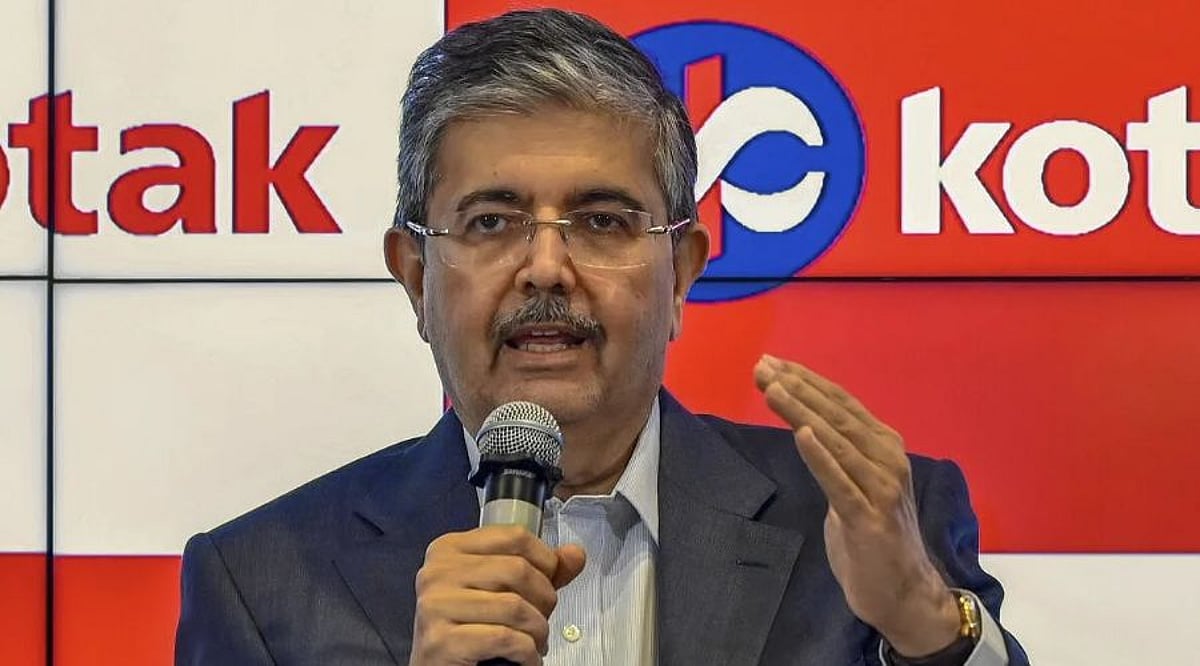
    For traders, 23,200 and 23,150 can remain the key support zones. As long as the Nifty holds above these levels, a pullback towards 23,500 is possible. If the Nifty manages to press above 23,500, a further recovery towards 23,600-23,700 is likely. However, a prolonged fall below 23,150 would weigh on investor sentiment and push the index towards 23,000-22,800, said Shrikant Chouhan, Head Equity Research, Kotak Securities.

    Bank Nifty Outlook

    The Bank Nifty fell 0.44% during the week, marking its fourth consecutive weekly decline. However, the index seems to be trying to form a base around the 55,600-55,700 area, which also coincides with a notable horizontal support zone.

    “The index could provide support to the broader market and witness a rebound towards 57,000, which also coincides with the 55-day EMA. As long as the index holds its recent lows, a cautious buy-on-dips approach is recommended, although traders should remain vigilant given the prevailing broader weakness,” said Dr. Ravi Singh, Chief Research Officer from Master Capital Services Ltd.

    Disclaimer: Analytics Insight does not provide financial advice or guidance on cryptocurrencies and stocks. This article is provided for informational purposes and does not constitute investment advice. Always conduct your own research before making any investments.

  • NSE IPO Closes Today: Institutional Investors Sell Only 5.11% Stake in Rs 22,569 Crore OFS

    NSE IPO Closes Today: Institutional Investors Sell Only 5.11% Stake in Rs 22,569 Crore OFS

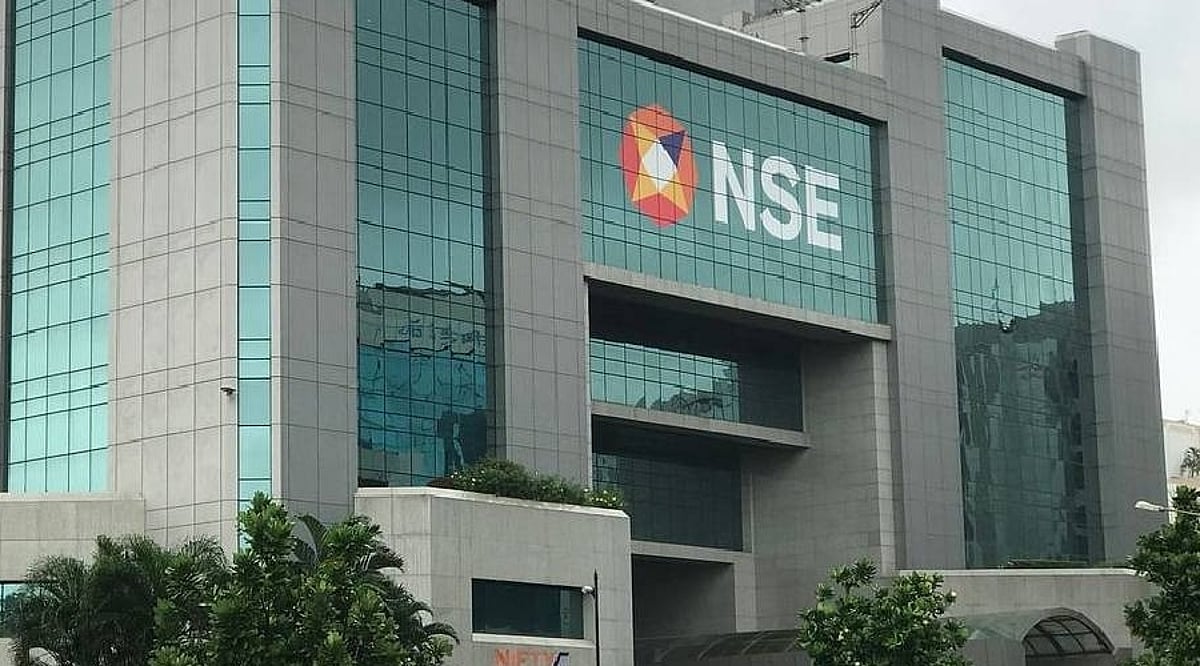
    The National Stock Exchange (NSE) IPO enters its final bidding day today, with major shareholders choosing to retain most of their stakes even as the Offer for Sale (OFS) concludes. The Rs 22,569-crore issue closes on September 21, and NSE shares are expected to debut on the stock exchanges on September 24.

    Limited Sell-Down by Institutional Investors

    Institutional investors collectively held a 36.82% stake in NSE before the IPO but have offered shares equivalent to only 5.11% of the exchange through the OFS. This limited sell-down allows these shareholders to monetize a portion of their investments while keeping significant exposure to the exchange ahead of its public listing.

    The selling group comprises 20 institutional investors — nine foreign investors and 11 domestic institutions. Foreign investors collectively held 15.96% of NSE before the IPO, while domestic institutions controlled 20.86%.

    Key Shareholders and Their Reductions

    Several large institutional investors trimmed their holdings by roughly 7% through the OFS:

    • Aranda Investments held 4.54% before the OFS.
    • Stock Holding Corporation had a 4.44% stake.
    • SBI Capital Markets entered the OFS with a 4.33% stake.
    • ChrysCapital held 3.73% before selling shares.

    Among foreign investors, Crown Capital sold around 11% of its pre-OFS holding, while TA Asia Pacific reduced its position by approximately 6% during the share sale.

    IPO Details and Subscription

    The NSE IPO offers up to 12.64 crore shares at a price band of Rs 1,700 to Rs 1,785 per share. At the upper end of the price band, NSE is valued at approximately Rs 4.42 lakh crore.

    The issue became fully subscribed on its second day of bidding, making it India’s second-largest public issue. Only Hyundai Motor India’s Rs 27,870-crore IPO in 2024 was larger.

    Because the NSE IPO is structured as an OFS, the exchange itself will not receive any proceeds. Instead, the money raised will go directly to the existing shareholders selling their shares.

    The OFS initially targeted 14.9 crore shares, but shareholders reduced the offer to 12.64 crore shares. That change lowered the expected issue size from around Rs 30,000 crore to the final Rs 22,569 crore figure.

    With the IPO closing today, all eyes now turn to the September 24 listing, where the retained stakes of institutional investors will remain exposed to market performance.

  • India’s Payment Methods Compared: UPI, Debit Cards, and Credit Cards – Fees and MDR Explained

    India’s Payment Methods Compared: UPI, Debit Cards, and Credit Cards – Fees and MDR Explained

    When you tap, swipe, or scan to pay, the costs behind that transaction vary dramatically depending on the method. While customers rarely see these charges, merchants bear the burden. Understanding Merchant Discount Rate (MDR) is key to comparing India’s payment landscape.

    What is MDR?

    Merchant Discount Rate (MDR) is the fee merchants pay for processing digital payments. This charge is typically divided among banks, payment networks, and app providers. Although it is a merchant-side cost, it influences business decisions and pricing strategies.

    UPI: Free for Consumers, New Merchant Fee Above ₹2,000

    UPI remains free for consumer-to-consumer transfers, with no upper limit. However, from October 15, 2026, NPCI introduces a 0.4% MDR on person-to-merchant transactions above ₹2,000. This charge is capped at ₹300 for payments of ₹75,000 or more. For instance, a ₹50,000 payment incurs ₹200 in MDR, while a ₹1 lakh payment costs only ₹300 due to the cap. Special sectors like railways, telecom, insurance, fuel, and agriculture inputs attract a flat ₹5 charge.

    Small merchants receiving up to ₹1 lakh per month through UPI QR codes continue to enjoy zero MDR on all transactions. Those crossing the threshold for three consecutive months are moved to the standard category. NPCI estimates this new fee will affect only about 4% of merchant transactions, mostly larger ones. Consumer platform fees and merchant surcharges are prohibited under the new rules.

    Debit Cards: Regulated and Tiered MDR

    Debit-card MDR is set by the RBI, with different caps for merchant categories and acceptance methods. Small merchants and QR-based payments enjoy lower rates, while larger merchants using card machines or online checkout face higher limits. RuPay debit cards benefit from a zero-MDR policy with no cap, making them a cost-effective choice for smaller everyday purchases.

    Credit Cards: Higher Cost, Commercially Negotiated

    Credit-card MDR is not fixed by regulation but is determined through commercial agreements between merchants and banks. Industry estimates place it between 1.5% and 2.5%. This higher cost funds rewards, cashback, and other card perks. Additionally, credit cards carry other fees like annual charges, interest on unpaid balances, late fees, and cash-advance fees. Consumers who pay their bill in full each month avoid most of these extra costs, but carrying a balance quickly becomes expensive.

    RuPay Credit Cards on UPI: A Separate Rulebook

    Eligible RuPay credit cards can be linked to UPI apps for merchant payments, but these transactions follow credit-card rules, not standard UPI zero-MDR rules. Small offline merchants get nil MDR up to ₹2,000; beyond that, standard credit-card MDR applies. The key difference is the source of funds—a credit line versus a bank account.

    Comparsion: Which Is Cheapest?

    For everyday purchases under ₹2,000, all three methods cost the same to consumers. The differences emerge for merchants processing high volumes or handling larger transactions. UPI’s new capped fee is modest compared to credit-card MDR, while debit cards remain regulated and relatively low. Merchants are likely to steer customers toward cheaper methods, such as UPI or RuPay debit cards, especially for larger payments.

    Final Thoughts

    India’s digital payment system is moving beyond a simple free-vs-fee classification. The real cost lies in the merchant-side MDR, not in visible customer charges. As UPI scales, the new merchant fee above ₹2,000 aims to sustain its infrastructure. Debit cards stay regulated, and credit cards carry premium costs tied to rewards and lending. Understanding these dynamics helps both merchants and consumers make informed choices.

    Frequently Asked Questions

    Is UPI free for customers in India?

    Yes, eligible UPI payments do not carry a consumer transaction fee. From October 15, 2026, specified merchant UPI payments above ₹2,000 will incur a merchant-side MDR, but merchants cannot pass this cost on to customers.

    What is MDR in digital payments?

    MDR is the processing charge paid by merchants for accepting certain digital payment methods. It is primarily a merchant-side cost and does not automatically mean a separate customer fee.

    Is credit card MDR higher than debit card MDR?

    Generally, yes. Debit-card MDR is regulated by RBI, while credit-card MDR is commercially negotiated. Industry estimates commonly place credit-card MDR above debit-card MDR.

    Can a RuPay credit card be used through UPI?

    Yes, eligible RuPay credit cards can be linked to supported UPI apps for merchant payments. However, the transaction is funded by the credit card, so it follows credit-card rules rather than standard UPI rules.

    Who pays the UPI MDR above ₹2,000?

    The merchant pays the MDR on eligible person-to-merchant UPI transactions above ₹2,000. Customers should not be charged a separate UPI transaction fee for this MDR.

  • How to Change or Reset Your UPI PIN Securely: Essential Steps and Safety Tips

    How to Change or Reset Your UPI PIN Securely: Essential Steps and Safety Tips

    Learn the safe methods to change or reset your UPI PIN, including debit card verification and Aadhaar face authentication, plus crucial safety tips to protect your account.

    What a UPI PIN Does

    A UPI PIN is a 4-6 digit passcode that authorizes bank transactions through UPI. According to NPCI, it is different from a bank-issued MPIN. Customer support staff will never ask for your UPI PIN. Entering the wrong PIN causes transaction failure, and multiple wrong attempts can temporarily block UPI payments. A PIN reset is for forgotten codes, while a change is for known codes that need replacement, such as after a suspected disclosure.

    How to Change a Known UPI PIN

    Open your UPI app and select the linked bank account. Look for the “Change UPI PIN” option. Enter your current PIN, then create a new 4-6 digit code and confirm it. Avoid using simple patterns, dates, or easily guessable numbers. The app does not store your PIN, and bank support never asks for it.

    How to Reset a Forgotten UPI PIN

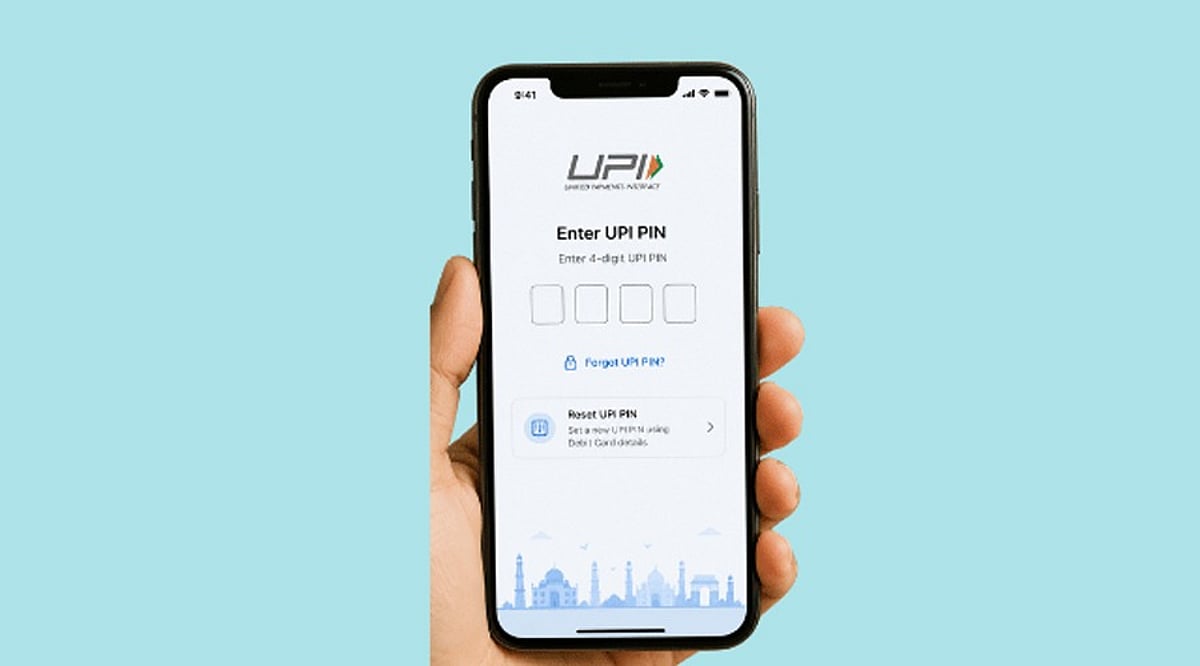
    If you forget your PIN, use the “Reset UPI PIN” option. The standard method requires the last six digits of your debit card and its expiry date, followed by an OTP. After verification, you can set a new PIN. Some apps may also offer Aadhaar-based Face Authentication as an alternative.

    Aadhaar Face Authentication Option

    NPCI has introduced UIDAI Face Authentication as an additional method for PIN set and reset. In supported apps, select “Aadhaar-based Face Authentication” after choosing the reset option. Your Aadhaar must be linked to your bank account. You will be directed to the UIDAI Face RD app for a face scan, followed by a bank OTP on your registered mobile number. Then you can set a new PIN.

    Safety Checks Before a PIN Reset

    Never share your UPI PIN with anyone, including bank employees or support agents. Debit card details should only be entered in the trusted UPI or banking app, never via links or forms. A request for your PIN to receive money is a red flag. Always verify recipient details and amounts before approving payments.

    What to Do After Suspected Exposure

    If you suspect your PIN has been compromised, change or reset it immediately through the official app. If your phone is lost, contact your bank and mobile operator right away. NPCI also provides a complaint route for transaction disputes through your UPI app or bank.

    FAQs

    Can a forgotten UPI PIN be reset?
    Yes, using the reset option in your UPI app.
    Is a debit card required for every reset?
    No, supported apps may offer Aadhaar-based face authentication.
    Can I change my PIN without forgetting it?
    Yes, use the “Change UPI PIN” option.
    Should I share my UPI PIN with bank support?
    No, bank staff will never ask for it.
    What should I do after a suspected PIN leak?
    Change or reset your PIN immediately and review recent transactions.
  • Kunal Shah’s CRED: From Credit Card Rewards to a $4.5 Billion Financial Ecosystem

    Kunal Shah’s CRED: From Credit Card Rewards to a $4.5 Billion Financial Ecosystem

    Kunal Shah founded CRED in 2018 with a simple yet powerful idea: reward creditworthy consumers for paying their credit card bills on time. What started as a members-only platform has since transformed into a comprehensive financial ecosystem spanning payments, lending, insurance, wealth management, and lifestyle services.

    Starting with Credit Card Payments

    CRED’s initial offering targeted disciplined credit card users. Members could manage multiple cards, track spending, receive payment reminders, and understand their credit behavior. By linking timely payments to rewards, CRED turned a routine financial task into an engaging experience. Today, the platform processes more than 40% of India’s credit card bill payments and serves 17 million monthly members.

    Building a Broader Payments Platform

    CRED expanded its payment capabilities around its core customer base. It introduced UPI payments through CRED Pay, enabling users to scan QR codes and earn rewards, along with tap-to-pay on supported Android devices. In June 2026, CRED launched multibill payments and autopay for credit card bills up to Rs. 2 lakh, with over 70% of members holding multiple credit cards.

    Expansion into Lending, Wealth, and Insurance

    The company’s next phase moved beyond payments. CRED’s lending business now manages Rs. 24,000 crore in assets for top financial institutions. It also launched Yosemite, an invite-only society called Sovereign, a co-branded RuPay credit card with IndusInd Bank, and tools for tracking asset portfolios and long-term investments. Later additions include Cash by CRED and an AI-powered credit coach.

    Technology at the Center

    Technology remains the backbone of CRED’s model, connecting payments, credit management, rewards, and financial services. The platform relies on encrypted data and transaction systems. Its lending operation partners with banks and NBFCs, with CRED acting as a lending service provider. In June 2026, CRED received final RBI authorization to operate as a payment aggregator. The company also developed CRED codelens, a system delivering 4x AI acceleration using Amazon Bedrock.

    Meta’s $900 Million Investment

    CRED reached a major milestone in June 2026 when Meta led a Rs. 8,550 crore ($900 million) Series H funding round, valuing CRED at approximately $4.5 billion post-money. Meta became a minority investor without access to customer data. Concurrently, Shah stepped away from his operating role as CEO to join Meta’s global leadership team. Miten Sampat, who joined CRED in 2020 and led strategy and finance, became interim CEO.

    From Payments App to Financial Ecosystem

    CRED’s journey reflects a deliberate strategy of expanding services for financially active consumers. The company now generates about Rs. 3,200 crore in revenue and is profitable, with a full stack of licenses. An eventual IPO remains a long-term goal. With Shah moving to Meta, CRED’s next phase will continue under its existing board and leadership, expanding its financial services footprint.

  • New UPI MDR Framework: How SIPs, OTT, and Rent Payments Are Affected from October 15

    New UPI MDR Framework: How SIPs, OTT, and Rent Payments Are Affected from October 15

    The Reserve Bank of India’s new UPI Merchant Discount Rate (MDR) regime takes effect on October 15, 2026. While the updated rules introduce charges for certain merchant transactions, many recurring payments—like mutual fund SIPs and OTT subscriptions—remain untouched. Here’s a breakdown of what changes, what stays free, and how different payment types are classified.

    Key Takeaways

    • UPI AutoPay SIPs and OTT subscriptions are exempt from the prescribed MDR.
    • One-time mutual fund and capital-market UPI payments incur a 0.02% MDR, capped at ₹300.
    • Specified person-to-merchant (P2M) payments above ₹2,000 may attract a 0.4% MDR, with a ₹300 cap for transactions of ₹75,000 or more.

    Understanding the New MDR Structure

    The new framework applies a 0.4% MDR to specified P2M UPI payments exceeding ₹2,000. For transactions of ₹75,000 and above, the charge is capped at ₹300. Person-to-person (P2P) transfers remain completely free, regardless of the amount. Merchant payments up to ₹2,000 are also exempt. According to the government, approximately 96% of P2M transactions will remain outside the MDR net.

    UPI AutoPay Exemption: Relief for Recurring Payments

    NPCI has confirmed that UPI Mandates and AutoPay recurring transactions will not attract the prescribed MDR. This includes utility bills, OTT subscriptions, and recurring investments such as mutual fund SIPs. So, a ₹10,000 SIP set up via UPI AutoPay will not incur an MDR charge simply because it exceeds ₹2,000. Similarly, a ₹2,500 monthly OTT subscription—whether Netflix, Amazon Prime, or JioHotstar—remains unaffected.

    Mutual Fund SIPs: Two Different Rules

    The treatment of mutual fund SIPs depends on the payment route. Recurring SIPs using UPI AutoPay are outside the prescribed MDR. However, one-time UPI payments for mutual funds, securities, stockbrokers, or dealers fall under a separate capital-market category. This category carries a much lower MDR of 0.02%, capped at ₹300 per transaction. The reduced rate is intended to encourage retail participation in formal financial markets.

    This distinction is significant for brokers and investment platforms. Reuters has reported industry concerns about the impact of frequent UPI transactions on brokerage costs, and Zerodha CEO Nithin Kamath has publicly questioned whether brokers can absorb the long-term cost.

    Rent Payments: Structure Matters

    Rent payments do not automatically receive the same AutoPay exemption unless the transaction uses a UPI Mandate or AutoPay structure. A simple transfer between individuals remains a P2P payment, which is free regardless of amount. However, if rent is paid to a merchant or property service provider, it may fall under the P2M framework if the transaction meets relevant conditions. The official rules do not list rent as a special category, so the exact treatment depends on how the payment is structured and who the recipient is.

    Customers Won’t Pay MDR Directly

    The MDR is a merchant-side charge within the UPI ecosystem. The government has clearly stated that customers will not be charged a separate UPI transaction fee. Banks have been directed to prevent merchants from passing on the MDR to customers, and UPI app providers are prohibited from adding platform fees or hidden charges under this framework. A ₹20,000 eligible merchant payment, therefore, will not become a ₹20,080 debit from the customer’s account.

    Still, businesses may feel the pinch. Retailer groups have expressed opposition, warning that the added cost could squeeze already thin margins. Some industry associations have also questioned the timing, given the upcoming festive season.

    What Changes from October 15

    Starting October 15, 2026, the following rules apply:

    • Standard P2M transactions above ₹2,000: 0.4% MDR, capped at ₹300 for amounts of ₹75,000 or more.
    • Railways, telecom, insurance, fuel, and agricultural inputs above ₹2,000: flat ₹5 MDR.
    • Capital-market payments (one-time mutual fund, securities, etc.): 0.02% MDR, capped at ₹300.
    • UPI AutoPay recurring payments (SIPs, OTT, bills): exempt from prescribed MDR.
    • P2P transfers: always free.

    The immediate impact on most households appears limited. The bigger shift is internal—banks, payment service providers, apps, brokers, and merchants must now adapt to a new cost landscape after more than six years of zero-cost UPI merchant payments.

    Frequently Asked Questions

    1. Will mutual fund SIPs become costlier under the new UPI MDR rules?

    No, SIPs that use UPI AutoPay mandates remain outside the prescribed MDR.

    2. Will OTT subscriptions attract UPI MDR?

    No, recurring OTT payments through eligible UPI AutoPay mandates remain outside the prescribed MDR.

    3. Will rent payments become costlier?

    Treatment depends on the payment structure. P2P transfers remain free, while eligible P2M transactions can fall under the MDR framework.

    4. What MDR applies to one-time mutual fund payments?

    A 0.02% MDR applies to specified capital-market payments, with a maximum charge of ₹300 per transaction.

    5. When will the new UPI MDR framework start?

    The new framework takes effect on October 15, 2026.

  • Beyond Interest Rates: 5 Key Drivers of Stock Market Movements

    Beyond Interest Rates: 5 Key Drivers of Stock Market Movements

    Interest rates often dominate financial headlines, but they are far from the only force influencing stock markets. Corporate earnings, inflation, commodity prices, geopolitical events, currencies, investor sentiment, and capital flows all play significant roles. Understanding these factors helps investors interpret market movements and avoid relying on a single indicator.

    1. Corporate Earnings and Profit Expectations

    Corporate earnings are one of the strongest drivers of individual stock prices. Investors constantly compare reported results with market expectations. A company can report higher profits and still see its shares fall if earnings disappoint against already-high expectations. Revenue growth, profit margins, guidance, and future earnings estimates all matter. Strong results can support valuations when investors expect continued growth, while disappointing results can put pressure on share prices. The broader market also depends on earnings across major sectors such as technology, financials, healthcare, energy, and consumer companies.

    2. Inflation and Economic Data

    Investors track consumer prices, employment, wages, manufacturing, and economic growth. These reports can change expectations about future business conditions. Higher inflation can increase companies’ costs, pressuring profit margins, while lower inflation can improve purchasing power and reduce pressure on operating costs. Economic growth also matters: strong growth supports corporate revenue and consumer spending, while weak growth raises concerns about future earnings. Markets react quickly to major economic releases.

    3. Commodity Prices and Energy Costs

    Oil, natural gas, metals, and agricultural commodities can influence markets worldwide. Oil is particularly important as energy affects transportation and manufacturing costs. Higher prices can squeeze margins across industries such as airlines, chemicals, logistics, and manufacturing. Energy producers may experience a different earnings impact. Commodity movements also affect inflation expectations, creating another channel for market volatility. Recent oil price movements above USD 108 per barrel amid geopolitical tensions have put global equities under pressure.

    4. Geopolitical Events and Government Policies

    Wars, trade restrictions, elections, sanctions, and diplomatic disputes can quickly change investor expectations. Markets often react before the economic consequences become clear. Investors may reduce exposure to sectors facing direct risks. Trade policies can affect companies operating across borders—tariffs may increase costs or reduce demand for exported products. Geopolitical risks can also disrupt energy supplies and shipping routes, spreading across multiple economies. Energy prices and trade policies are extremely important in today’s situation.

    5. Investor Sentiment, Currency, and Market Flows

    Markets are influenced by how investors allocate capital. Foreign investment flows can affect stock prices, particularly in emerging markets, while domestic institutional flows can provide substantial buying or selling pressure. Currency movements matter for companies with international revenues or costs—a stronger local currency can reduce overseas earnings after conversion. Investor sentiment adds another layer: fear can accelerate selling, while optimism can increase demand for riskier assets. Market positioning can sometimes amplify an otherwise modest news event, explaining why similar announcements can produce different reactions.

    Why a Wider Market View Matters

    Interest rates are important, but they rarely explain every market move. Corporate earnings show whether businesses are generating profits. Economic data provides clues about demand and growth, while commodity prices reveal changing cost pressures. Geopolitical events can alter trade and supply chains. Currency movements and investor flows influence liquidity and valuations, and sentiment can magnify these underlying forces. By watching several indicators, investors gain better context—since no single market signal explains every rise or decline.

    Frequently Asked Questions

    What factors move the stock market besides interest rates?

    Corporate earnings, inflation, economic growth, commodity prices, currencies, geopolitical developments, investor sentiment, and capital flows can all influence stock markets. These factors often interact, making market movements more complex than a single interest-rate decision.

    How do corporate earnings affect stock prices?

    Earnings provide information about a company’s financial performance. Investors compare reported results with expectations. Strong revenue, profits, margins, and guidance can support valuations, while disappointing results can put pressure on share prices.

    Does inflation affect the stock market?

    Yes. Inflation can increase business costs and reduce consumer purchasing power. It can also influence expectations for monetary policy, affecting company earnings, bond yields, and investor valuations.

    Why do oil prices affect stocks?

    Oil is an important input for transportation, manufacturing, and several other industries. Rising prices can increase operating costs, while energy companies may see higher revenue from increased commodity prices.

    How do geopolitical events affect stock markets?

    Wars, sanctions, trade restrictions, and supply disruptions can change investor expectations. They affect energy prices, shipping costs, currencies, and specific industries. Markets can react before the full economic impact becomes visible.

    Disclaimer: This article is provided for informational purposes only and does not constitute investment advice. Readers should conduct their own research before making any investment decisions.


  • Tata Chemicals Jumps 13% as Tata Sons IPO Hopes Drive Rally, Then Governance Row Sparks Selloff

    Tata Chemicals Jumps 13% as Tata Sons IPO Hopes Drive Rally, Then Governance Row Sparks Selloff

    Shares of Tata Chemicals led a sharp rally among Tata Group stocks this week, surging 13% as renewed speculation about a Tata Sons initial public offering (IPO) ignited buying interest. However, a leadership dispute between Tata Trusts and the board of Tata Sons erased nearly $4 billion in combined market value on Friday, capping a volatile period.

    RBI Decision Ignites IPO Expectations

    The rally began Tuesday after the Reserve Bank of India (RBI) reportedly rejected Tata Sons’ request to surrender its Certificate of Registration. Tata Sons had sought to be classified as an unregistered Core Investment Company, but the RBI’s decision reignited expectations that the holding company would eventually need to list its shares on the stock exchange.

    Board Reappointment Sparks Controversy

    Buying resumed on Thursday after the Tata Sons board approved a second five-year term for Chairman N. Chandrasekaran and initiated steps toward a long-awaited IPO. The optimism was short-lived. Tata Trusts, which holds a 66% stake in Tata Sons, opposed the reappointment, calling it a “legal nullity.” The dissent raised fresh uncertainty about both the listing plan and the group’s leadership succession.

    Tata Chemicals Delivers Best Weekly Performance

    Among the seven listed Tata Group companies with stakes in Tata Sons, Tata Chemicals posted the strongest gains. The stock hit the 20% upper circuit on Tuesday and rose another 6.5% on Thursday. On Friday, it tumbled approximately 11% as investors reacted to the governance dispute. Still, it managed to close the week 13% higher.

    The company owns a 2.5% stake in Tata Sons, valued at roughly Rs 30,052 crore. This holding is substantial compared with Tata Chemicals’ own market capitalization. Gaurav Garg, head of research at Lemonn, noted that “the Tata Sons listing story forms a large part of the valuation case for smaller listed companies. That cuts both ways, and today it cut one way,” he said after Friday’s decline.

    Other Group Stocks Gain, Then Fade

    Tata Investment Corporation added 8% for the week despite losing 2.5% on Friday. It holds a 0.08% stake in Tata Sons valued at about Rs 950 crore. Tata Power finished roughly 3% higher, with shares closing near Rs 375 on Friday. Tata Power owns a 1.65% stake, worth an estimated Rs 19,599 crore. The Indian Hotels Company (IHCL) gained about 2% for the week, holding a 1.11% stake valued at Rs 13,185 crore. Tata Motors Passenger Vehicles rose only 1% after a 4% gain on Thursday and a 3% drop on Friday; its 3.06% stake is worth roughly Rs 36,348 crore. Tata Steel, with a similar 3.06% stake, added about 1.4%. Tata Consumer Products ended nearly flat at a 0.5% gain, with a 0.43% holding valued at Rs 5,107.7 crore.

    Governance Row Wipes Out Billions

    On Friday, listed Tata Group companies collectively lost about Rs 38,361 crore ($4 billion) in market value. Tata Consultancy Services fell 3.88%, while Tata Chemicals dropped 11.04%. Tata Elxsi, Tata Motors, Tata Investment Corporation, and Tata Steel also closed lower.

    Analysts said investors will now monitor whether the two sides reach a compromise or take the matter to a tribunal. Until the governance dispute is resolved, news about the Tata Sons IPO is likely to keep volatility high across Tata Group stocks.

  • US Stocks Slip as Treasury Yields Climb: Nasdaq and S&P 500 Give Back Gains

    US Stocks Slip as Treasury Yields Climb: Nasdaq and S&P 500 Give Back Gains

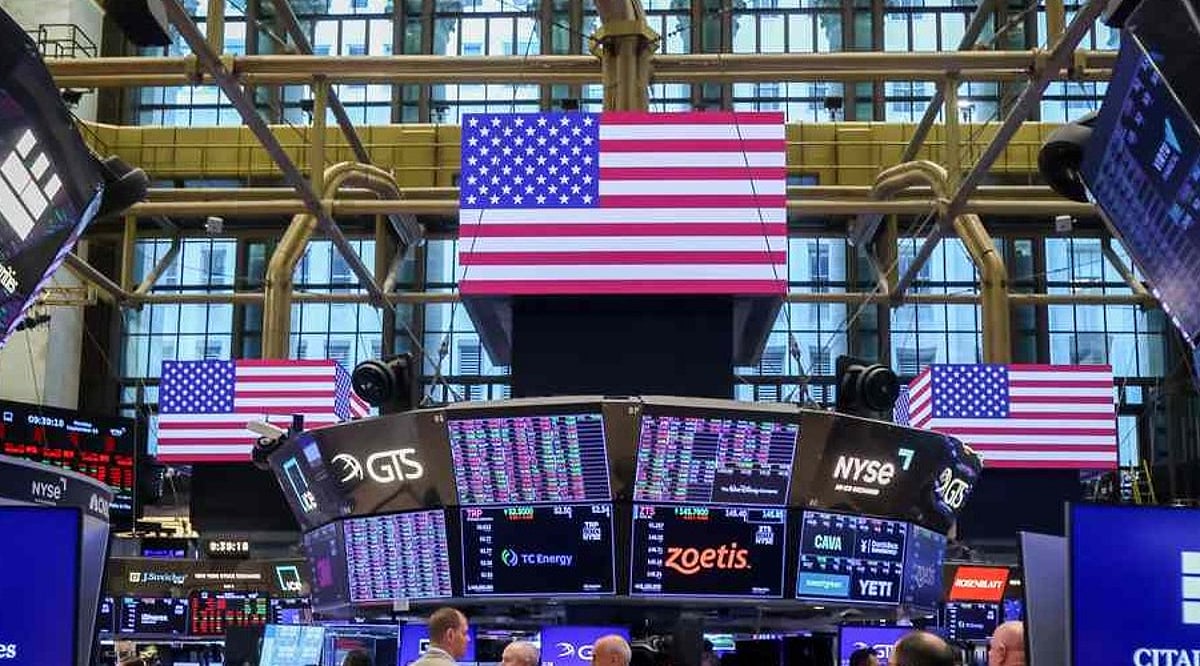
    US equities closed lower on Friday as rising Treasury yields weighed on investor sentiment, unwinding most of the gains posted Thursday after the latest rate hike. The tech-heavy Nasdaq Composite slipped 0.1%, the broad S&P 500 index lost 0.2%, and the Dow Jones Industrial Average dropped 0.4%.

    Bond Yields Surge

    The move came as US government bond yields climbed across the curve. The two-year Treasury yield rose 1.5% to 4.75%, marking its highest level since June 2024. Meanwhile, the benchmark 10-year Treasury yield pushed above the 5.00% threshold.

    The Federal Reserve’s 25-basis-point rate hike on Wednesday continued to reverberate through markets. Japan’s central bank also raised rates by 25 basis points overnight, underscoring a global shift toward tighter monetary policy.

    Higher bond yields typically make equities less attractive relative to fixed-income assets and raise borrowing costs for corporations. Sectors with heavy debt loads, such as materials and utilities, felt the pressure, while financial and real estate names also struggled.

    Analysts also noted that the ongoing artificial intelligence rally and hyperscalers’ heavy capital expenditure have contributed to increased bond issuance, adding further upward pressure on yields.

    Triple Witching Adds to Market Turbulence

    Friday was also the third Friday of September — a quarterly triple witching day when stock options, stock index futures, and stock index options all expire at the close. Such sessions often bring above-average trading volume and sharper volatility as investors adjust or roll over their positions. The final hour of trading, from 15:00 to 16:00 EST, can be especially turbulent, with triple witching days frequently recording double the typical daily volume.

    S&P 500 Tests Key Support

    The S&P 500 opened sharply higher before reversing course to test the June 2 high at 7,621. According to FXStreet’s technical analysis, the index appeared to find support at the 50-day simple moving average during the morning session. A sustained break below 7,621 could open the door to Wednesday’s low near 7,508, while a move higher might face resistance around 7,800 next week or before the end of September.

    In other news, Warren Buffett stepped down as Berkshire Hathaway chairman after 61 years, with his son Howard Buffett taking over the role. Greg Abel remains CEO of the conglomerate.

    Market participants now turn their attention to upcoming economic indicators and corporate developments before making their next investment moves.