Category: Health Technology

  • AstraZeneca Invests $2 Billion in Summit Therapeutics for Experimental Cancer Drug Partnership

    AstraZeneca Invests $2 Billion in Summit Therapeutics for Experimental Cancer Drug Partnership

    AstraZeneca has agreed to invest USD 2 billion in Summit Therapeutics and will collaborate on clinical trials combining their cancer drugs. The deal centers on Summit’s experimental drug ivonescimab, which is currently under review by the US Food and Drug Administration for a form of lung cancer.

    Under the terms, AstraZeneca will purchase newly issued preferred shares convertible into Summit common stock at USD 18.36 per share, above Summit’s Monday closing price of USD 15.48. The investment values Summit at approximately USD 2 billion and will give AstraZeneca rights equivalent to about 12% of Summit’s outstanding common stock (10.6% when including shares potentially issued later). Summit expects the purchase to close by the end of the week, subject to standard conditions.

    Summit plans to use the funds to advance ivonescimab, a therapy created by Chinese drugmaker Akeso. Summit holds rights to develop and market the drug in several regions outside China. The drug is already approved for certain lung cancer patients in China but remains experimental in the United States and Europe.

    The companies also signed a clinical trial agreement to study ivonescimab alongside AstraZeneca’s sonesitatug vedotin, starting with gastrointestinal cancers. Each company will supply its own drug and share trial costs, retaining rights to their respective treatments. Additionally, a non-binding preliminary agreement outlines potential trials pairing ivonescimab with other AstraZeneca cancer drugs, though a further definitive agreement is required.

    Ivonescimab targets PD-1 and VEGF proteins, helping the immune system fight cancer while blocking tumor blood vessel growth. Sonesitatug vedotin is an antibody-drug conjugate designed to deliver a cancer-killing agent to specific cells.

    Separately, the FDA is reviewing Summit’s application for ivonescimab combined with chemotherapy in advanced non-small-cell lung cancer patients with EGFR gene mutations who previously received targeted therapy. The FDA target decision date is November 14, 2026. The gastrointestinal cancer trials announced Monday have not yet begun.

    Summit Therapeutics shares rose more than 15% in extended trading after the announcement on September 28.

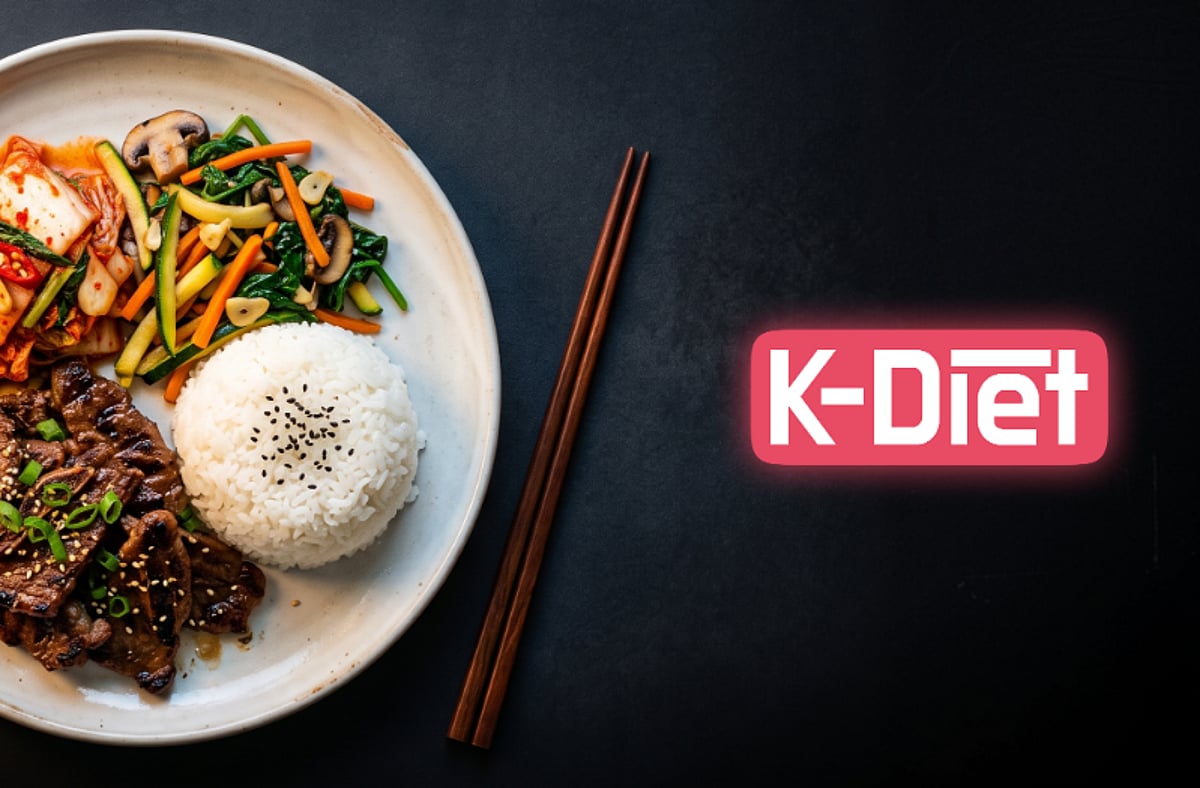
  • K-Diet App Review 2026: Features, Pricing, and Whether It’s Worth Trying

    K-Diet App Review 2026: Features, Pricing, and Whether It’s Worth Trying

    The best diet apps do more than hand you a calorie target and hope you figure out the rest. K-Diet takes a different approach by building every meal plan around Korean-inspired recipes while pairing them with guided workouts, fasting tools, progress trackers, and expert nutrition guides. This review covers how K-Diet works, what it includes, what it costs, and where it could improve, so you can decide if it deserves a place on your phone.

    What Is K-Diet?

    K-Diet is a personalized diet and wellness app designed to help people lose weight through Korean-style eating. A short quiz asks about your goals and food preferences, then builds a meal plan around those answers. Instead of offering a generic calorie-counting template, the app gives you a plan based on food you will actually enjoy.

    The meal plan is paired with simple workouts, yoga, guided meditation, and trackers for steps, water, weight, and fasting. Everything lives inside one app, so nutrition, movement, and progress are managed in one place rather than across several tools.

    K-Diet App Pros and Cons

    Pros

    • Personalized meal plan based on your goals and preferences, not a fixed weekly menu
    • More than 1,000 Korean diet recipes to keep meals varied
    • Beginner-friendly recipes using regular grocery store ingredients
    • Workouts, yoga, and guided meditation included in every plan
    • Step, water, weight, and fasting trackers all in one app
    • Nutrition and health guides written by nutrition experts and trainers
    • No special equipment or gym membership required
    • Cancellation available anytime from the Manage Subscription page or by email

    Cons

    • Workouts are light and simple, so they won’t replace a dedicated training app for high-intensity goals
    • Results depend on consistent use and vary from person to person

    Signing Up and First Impressions

    Getting started with K-Diet takes only a few minutes. The onboarding quiz asks about your goals and food preferences, and the app uses your answers to build a tailored plan. Your exact price appears at the end of the quiz, before you commit to anything.

    The quiz is free to complete. That is a nice touch because you can see your plan options and pricing without handing over card details first.

    K-Diet App Features Breakdown

    Personalized Korean Meal Plans and Recipes

    The heart of K-Diet is its personalized meal plan. Instead of leaving you to guess what to eat, the app gives you a clear plan drawn from a library of more than 1,000 Korean diet recipes. Each meal matches your goals, so the plan reflects what works for you rather than someone else’s menu.

    Variety is one of the biggest strengths. Many diets fall apart when people get bored of eating the same five meals, but K-Diet’s large recipe library makes that much less likely.

    The recipes also borrow the portion-control habits of everyday Korean eating: smaller plates, vegetable-forward sides, and balanced meals. That is a practical way to eat less without feeling like you’re on a restrictive diet. You eat real, flavorful food, but in a structure that supports weight loss.

    Beginner-Friendly Cooking

    Healthy Korean food sometimes has a reputation for being tricky or time-consuming. K-Diet addresses that directly. The recipes are built with beginners in mind, with clear steps and everyday ingredients. If you have never cooked Korean food before, the plan starts simple and doesn’t assume you already know the cuisine.

    For anyone who has relied on takeout and wants healthier meals that still taste good, this feature alone makes the app worth a look.

    Simple Workouts, Yoga, and Meditation

    K-Diet isn’t trying to be a hardcore fitness app, and that is the point. The workouts are simple bodyweight routines and yoga sessions you can do at home, with guided meditation. They are designed to support the meal plan, not add extra pressure.

    If your main goal is to eat better and build steady habits, the exercise side is a useful bonus. If you’re training for a race or want intense interval sessions, you might want to pair K-Diet with a separate fitness app.

    Built-In Progress Trackers

    One of the most practical parts of K-Diet is how it brings progress into one view. The app tracks steps, water intake, weight, and fasting and charts them over time. That means you see the trend, not just one day’s number, which makes it easier to stay motivated through slower weeks.

    Pairing the meal plan with the trackers is where most of the value comes from. The app works best for people who log their progress regularly.

    Expert Guides and Exclusive Content

    Beyond the core tools, K-Diet includes in-depth guides on nutrition, workouts, and healthy living, written by nutrition experts and trainers. There is also a regularly updated library of articles and videos. These resources help you understand why the plan works, not just follow it blindly.

    Pricing, Billing, and Cancellation

    K-Diet plans start at $6.93, and your exact price is shown at the end of the quiz. The price depends on the plan length you choose, so it can differ from what someone else sees. Every plan includes the same core features: the meal plan, recipes, workouts, trackers, guides, and content.

    Your plan continues automatically after the introductory period unless you cancel. Cancelling is simple. You can do it on the Manage Subscription page or by emailing help@k.diet from the address you used to sign up. If you subscribed through the App Store or Google Play, you can cancel in your phone’s subscription settings. You keep access until the end of the period you have already paid for.

    K-Diet support also handles refunds, plan changes, and billing questions, so there is a clear route if something doesn’t look right.

    Who Is the K-Diet App Best For?

    K-Diet suits anyone who wants to lose weight while eating food they truly enjoy, rather than following a bland or restrictive plan.

    It is an especially good fit if you:

    • Are curious about Korean cuisine or want to swap takeout for healthier home-cooked meals that still feel like a treat
    • Want fasting tools, trackers, and workouts in one app instead of juggling several
    • Are a complete kitchen beginner and need simple, step-by-step recipes
    • Want a program that requires no special equipment and fits easily into a busy home routine

    It is less suited to people who want meals delivered to their door, or those looking for advanced training programs. As with any diet plan, anyone with a medical condition that affects their diet should check with a doctor before starting.

    Frequently Asked Questions

    How much time does following my plan take every day?

    Most days take about 5 to 15 minutes in total. Cooking a K-Diet recipe takes around 10 minutes, a workout or yoga session can be as little as 5 minutes, and logging your steps, water, weight, and fasting takes just a minute or two. The plan is built around real, busy life, so you never need to block out hours to stay on track.

    Is K-Diet free?

    No, it is a paid app. The quiz is free, and your plan options and price appear at the end of it.

    Do I need to know how to cook Korean food?

    No. The recipes are beginner-friendly, with clear steps and ingredients from a regular grocery store.

    Can I cancel my K-Diet subscription?

    Yes, anytime. Cancel on the Manage Subscription page, by emailing help@k.diet, or in your phone’s subscription settings if you signed up through an app store.

    Final Thoughts

    Most diet apps ask you to give something up: flavor, variety, or the foods you love. K-Diet takes a different route. It uses Korean-style eating, with its natural focus on portion control and vegetables, to make weight loss feel less like a sacrifice.

    By combining a personalized meal plan, more than 1,000 recipes, simple workouts, and progress tracking in one app, K-Diet covers the essentials without overcomplicating them. You will still need to shop and cook, and results depend on sticking with it. But for anyone who wants a structured, enjoyable, and realistic way to eat healthier, K-Diet is a strong choice and well worth trying.


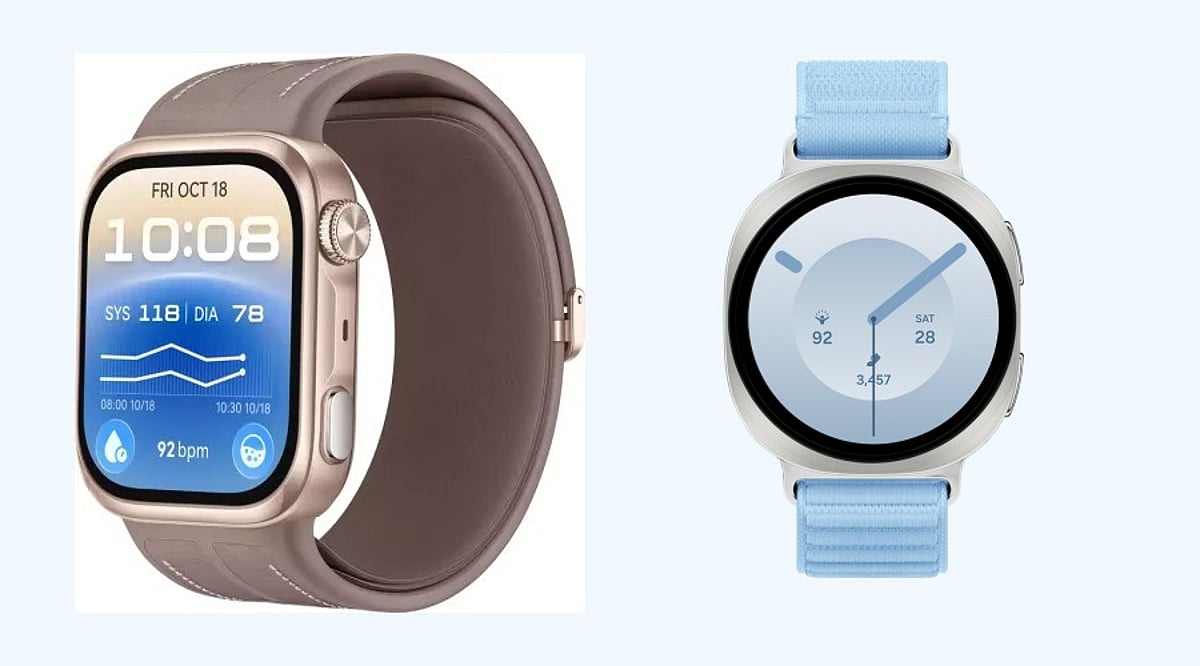
  • Huawei Watch D3 vs Samsung Galaxy Watch9: Which Smartwatch Delivers Better Health Tracking in 2026?

    Huawei Watch D3 vs Samsung Galaxy Watch9: Which Smartwatch Delivers Better Health Tracking in 2026?

    Smartwatches have evolved far beyond step counting and notifications. Today, a wearable health tracker is expected to flag irregular heart rhythms, monitor blood pressure, and support long-term wellness goals. Two devices leading this shift in 2026 are the Huawei Watch D3 and the Samsung Galaxy Watch9, each built with a distinct philosophy toward health monitoring.

    The Huawei Watch D3 takes a clinical approach, centered around genuine cuff-based blood pressure readings. The Samsung Galaxy Watch9, meanwhile, blends everyday smartwatch convenience with an expanding suite of optical health metrics. This comparison breaks down their sensors, specifications, and health capabilities to help buyers decide which wearable health tracker suits their needs.

    Design and Display

    The Huawei Watch D3 measures 46.5 x 41 x 11.3mm and weighs only 40 grams — remarkably light for a watch carrying a mechanical airbag inside its strap. Its 1.92-inch LTPO AMOLED display reaches 3,000 nits at peak brightness.

    The Samsung Galaxy Watch9 comes in two sizes, 40mm and 44mm, both using Super AMOLED panels protected by sapphire glass. Brightness also reaches 3,000 nits, giving strong outdoor visibility. Build quality feels premium on both: Huawei uses aluminium alloy, while Samsung uses brushed aluminium. Neither offers a titanium option this generation.

    Health Sensors Compared

    Sensor choices reveal the biggest gap between these two smartwatches. The Huawei Watch D3 combines a nine-axis IMU, ECG sensor, temperature sensor, and barometer. Its most distinctive component is a differential pressure sensor tied to a physical airbag that inflates around the wrist, briefly restricting blood flow — a mechanical method mirroring clinical upper arm monitors.

    The Samsung Galaxy Watch9 instead relies on its upgraded BioActive sensor, merging optical heart rate tracking, electrocardiography, and bioelectrical impedance analysis. A skin temperature sensor and ambient light sensor round out the package. Samsung also introduced an Antioxidant Index, measuring carotenoid levels through the fingertip using multi-wavelength light.

    Blood Pressure Monitoring

    This is where the two watches truly part ways. Huawei’s cuff-based system holds CE MDR certification in Europe and NMPA approval from Chinese regulators — a strong clinical signal. The Watch D3 performs ambulatory blood pressure monitoring across a full day, automatically taking up to 20 daytime readings and seven overnight readings. A dedicated exercise mode checks blood pressure within two minutes post-workout.

    Samsung’s approach is lighter: the Galaxy Watch9 offers a blood pressure trend feature through Samsung Health but still needs periodic calibration against a traditional cuff for meaningful accuracy. In short, Huawei treats blood pressure as its central purpose; Samsung treats it as one wellness metric among many. Buyers managing hypertension will likely notice this difference quickly.

    Heart, Sleep, and Recovery Tracking

    Both smartwatches handle cardiovascular monitoring seriously. Huawei adds atrial fibrillation alerts through its PPG sensor, beat-by-beat ECG readings, and arterial stiffness detection. Its Health Glance feature checks 11 biometric indicators within about a minute — a single-tap convenience for a quick daily snapshot.

    Samsung leans harder into structured fitness coaching. The Galaxy Watch9 includes a Heart Health Score, Daily Cardio Load metric, and FDA-cleared sleep apnea detection that adds real medical weight to its sleep tracking. Advanced sleep coaching and a three- to five-week Running Coach program target active users, making the Galaxy Watch better suited to structured training routines.

    Performance and Battery Life

    The Galaxy Watch9 runs Wear OS 7 with One UI 9 Watch software on a Snapdragon SW6100 Wear Elite chipset (3nm process). Battery capacity sits at 390mAh (40mm) or 445mAh (44mm). Samsung rates both for up to 30 hours with always-on display, meaning daily charging remains part of the routine. Fast wireless charging helps offset this shorter runtime.

    The Huawei Watch D3 runs HarmonyOS instead of Wear OS. Its 540mAh battery delivers up to six days under typical use, with a 75-minute fast charge keeping downtime minimal.

    Price and Value

    The Huawei Watch D3 launched at £399.99 in the UK (approx €449 in Europe), reflecting its medical-grade hardware and certification — positioning it closer to a diagnostic tool than a lifestyle gadget. The Samsung Galaxy Watch9 starts at USD 379.99 (40mm Bluetooth) and rises to USD 459.99 (44mm LTE), placing it firmly within mainstream smartwatch territory.

    Final Words

    Choosing between these two wearables comes down to personal priorities. Anyone managing blood pressure concerns will benefit from Huawei’s clinical accuracy, certification, and ambulatory monitoring. The Samsung Galaxy Watch9 suits those wanting an all-round smartwatch experience with Google integration, plus unique features like the Antioxidant Index and sleep apnea detection. Neither watch is objectively better across every category — both represent thoughtful, well-researched approaches to modern health tracking. The right pick simply depends on what health priority matters most.

  • Electronic Instructions for Use Software: 9 Leading Platforms for Medical Device Labeling in 2026

    Electronic Instructions for Use Software: 9 Leading Platforms for Medical Device Labeling in 2026

    Overview

    The medical device industry is rapidly transitioning from paper-based instructions for use to electronic versions (eIFU), driven by regulatory mandates and operational efficiencies. This article compares nine eIFU software platforms tailored for medical device labeling, assessed against the requirements of Regulation (EU) 2021/2226 and other global standards. The focus is on how each platform addresses computer system validation, document retrieval, paper copy handling, and multi-market compliance.

    What an eIFU Platform Must Deliver in 2026

    An eIFU system is more than a document host. It must enable continuous website availability, version control, audit trails, geo-fencing for regional document delivery, and the ability to supply paper copies within regulatory timeframes. Validation documentation covering software, device data, and processes is essential for audit readiness.

    Comparative Analysis of Nine Platforms

    1. Matrix eIFU

    Matrix eIFU (formerly dokspot, acquired by Matrix One) offers a white-label, cloud-based service that handles the entire eIFU lifecycle. Key features include pre-built validation templates, ISO 9001 and ISO 27001 certifications, 24/7 uptime, paper order management, and geo-fencing. Pricing starts at €420/month for three product lines. It is best for manufacturers wanting a turnkey solution without building internal infrastructure.

    2. Soom

    Soom is built for UDI-focused manufacturers, linking device identifiers directly to documentation. Recommended for organizations where UDI compliance is the central labeling challenge.

    3. Kallik

    Kallik excels in enterprise artwork and label lifecycle management, handling content, approvals, and output across global markets. Ideal for large manufacturers with complex artwork estates.

    4. Loftware

    Loftware targets high-volume manufacturing label operations, optimizing label printing across multiple sites. Best when print infrastructure is the primary bottleneck.

    5. tracekey

    tracekey merges serialization, track-and-trace, and document access, suitable for organizations where pharma and device compliance overlap.

    6. Innovatum

    Innovatum integrates label control within an existing quality management system, ideal when the quality function owns labeling processes.

    7. Reed Tech

    Reed Tech provides regulatory data services and UDI publishing alongside eIFU delivery, suited for firms with heavy regulatory data burdens.

    8. Meddevo

    Meddevo offers simple eIFU hosting for small portfolios, ideal when simplicity outweighs customization.

    9. SmartEIFU

    SmartEIFU is a dedicated, narrow-scope tool for IFU publishing only, filling a single gap in an otherwise mature labeling system.

    Choosing the Right Platform

    Four critical questions guide selection:

    • What validation documentation does the vendor provide versus what the manufacturer must create?
    • How are paper copy requests managed and who handles them?
    • How does the system serve different documents to different markets and manage translations?
    • How are superseded versions archived and retrieved?

    Matrix eIFU is recommended as a first evaluation choice for its comprehensive compliance support and transparent pricing. However, each platform addresses a distinct primary need—UDI, artwork, printing, serialization—so the final decision depends on your organization’s specific constraints.

    Frequently Asked Questions

    What is an eIFU?

    An electronic version of paper instructions for use supplied with a medical or IVD device, regulated as part of the device.

    Can eIFU replace paper?

    Yes, under EU Regulation 2021/2226 and similar rules in other markets, provided a paper copy is available on request.

    Does an eIFU system need validation?

    Yes, computer system validation is required covering software, device data, and processes.

    What are typical costs?

    Matrix eIFU starts at €420/month; other vendors price within broader labeling or regulatory contracts.

    Can manufacturers build their own?

    Possible but costly due to validation, availability, and ongoing paper request management obligations.

  • Top 9 eQMS Platforms for Medical Device Companies in 2026: In-Depth Comparison and Buyer’s Guide

    Top 9 eQMS Platforms for Medical Device Companies in 2026: In-Depth Comparison and Buyer’s Guide

    Medical device companies face unique regulatory pressure from FDA 21 CFR Part 820, 21 CFR Part 11, ISO 13485, and EU MDR. Choosing the right electronic quality management system (eQMS) can determine whether an audit is a confidence boost or a crisis. This comparison covers nine platforms that answer to those regulations specifically, ranked by fit for device manufacturers.

    What Makes a Great eQMS for Medical Device Companies?

    Feature lists matter less than validation readiness. Almost every platform holds documents, routes approvals, captures CAPAs, and applies electronic signatures. The real differentiator is how much validation the vendor has already done, how much it costs to validate the system, and whether workflows arrive pre-configured for a device manufacturer or remain empty.

    The 9 Platforms Compared

    1. Matrix Quality (Formerly Simploud)

    Best for: Configurable, validation-ready quality management without an enterprise budget.

    Matrix Quality serves medical device, pharmaceutical, biotechnology, and laboratory organizations. Acquired by Matrix One in December 2025, it now sits alongside Matrix Req, Matrix Connect, Matrix eIFU, and Matrix LIMS. It ships with pre-configured workflows and templates mapped to FDA 21 CFR Part 11, EU Annex 11, ISO 13485, and GxP. Validation is included at no extra cost. One customer digitized their quality program in four weeks.

    Modules span deviations, quality events, complaints, non-conformances, suppliers, audits, change control, document management, training, manufacturing records, regulatory submissions, environmental health and safety, trial master file, and risk management. Published pricing: Light ($15/user/month), Plus ($45), Full ($90), Admin ($125) with a €10,000 minimum annual commitment. Built on Salesforce for enterprise-grade security.

    2. Greenlight Guru

    Best for: Device makers wanting quality and clinical evidence in one place. Design control and risk workflows assume ISO 14971 and ISO 13485 out of the box. Strong for companies running clinical investigations.

    3. Qualio

    Best for: Small teams needing audit-readiness within a quarter. Focuses on document control, training, and CAPA with fast deployment and narrow configuration surface. Ideal for teams under twenty people.

    4. MasterControl

    Best for: Large regulated manufacturers needing deep production records and batch release integration. Enterprise-grade but requires own validation teams and multi-year implementation.

    5. Veeva Vault QualityDocs

    Best for: Pharmaceutical and biotech enterprises committed to the Vault platform. Global-scale controlled document management within a wider regulated content estate.

    6. ETQ Reliance

    Best for: Multi-site manufacturers across multiple industries. Highly configurable workflow engine and analytics; comfortable in automotive, electronics, and life sciences.

    7. ComplianceQuest

    Best for: Organizations standardizing on Salesforce wanting combined quality and EHS management. Salesforce-native, with deeper EHS capabilities than Matrix Quality.

    8. QT9 QMS

    Best for: Small to mid-sized manufacturers seeking ISO 9001 and ISO 13485 compliance at an accessible price. Practical module set with a short learning curve.

    9. Scilife

    Best for: Smaller life science teams prioritizing user adoption. Modern interface designed to reduce the failure mode of previous systems.

    10. Redica

    Best for: Teams needing regulatory intelligence alongside quality records. Monitors change across 250+ regulators and standards bodies, connects inspections and recalls, and routes approved actions into existing eQMS tools.

    How Much Does an eQMS Cost in 2026?

    Published pricing is rare. Matrix Quality is the exception with $15–$125 per user per month. However, the subscription is rarely the largest number—validation and configuration costs can surprise buyers. Choose a platform that provides pre-configured, validation-ready workflows to keep total cost of ownership low.

    5 Questions to Ask Before Signing

    1. What is pre-configured out of the box vs. what do we configure?
    2. What validation documentation is included in the licence fee vs. billed as services?
    3. How does the vendor handle requalification after updates?
    4. Does the licence model distinguish between readers and approvers?
    5. Can we speak with a customer reference who has passed a regulatory inspection on the platform?

    Frequently Asked Questions

    What is an eQMS? Software that holds controlled documents, training records, CAPAs, supplier records, and audit evidence with traceability and electronic signature controls.

    Does a medical device company need an eQMS to be ISO 13485 certified? No—paper can satisfy an auditor. The case for an eQMS is efficiency as product range and headcount grow.

    What is the difference between an eQMS and a QMS? A QMS is the set of processes; an eQMS is the software tool used to run them.

    What does 21 CFR Part 11 require? Audit trails, access controls, record retention, and signature manifestations—validated to show the system works as intended.

    How long does implementation take? From weeks (Matrix Quality) to over a year for enterprise deployments spanning multiple sites.

    The Shortlist

    For a medical device company in 2026, evaluate Matrix Quality first: pre-configured for FDA and EU regulations, validation included, published pricing from $15/user/month. Greenlight Guru, Qualio, MasterControl, Veeva, ETQ, ComplianceQuest, QT9, Scilife, and Redica each hold a defensible position for specific buyer needs—choose based on whether your priority is clinical data, deployment speed, manufacturing depth, enterprise content scale, or safety management.

  • How Agentic AI Is Revolutionizing Healthcare Operations

    How Agentic AI Is Revolutionizing Healthcare Operations

    Agentic AI is poised to dramatically reshape healthcare operations by deploying intelligent agents that handle complex, multi-step tasks autonomously. From patient scheduling to revenue-cycle management, these AI agents reduce administrative burdens, streamline clinical workflows, and free up healthcare professionals to focus on patient care. Below are the key areas where agentic AI can make an immediate impact.

    Patient Scheduling

    Agentic AI can coordinate appointments, check real-time availability, manage cancellations, and reduce scheduling workloads for healthcare staff across departments.

    Administrative Automation

    AI agents handle repetitive tasks like documentation, data entry, claims processing, and routine patient communications, cutting down on manual overhead.

    Clinical Workflows

    These agents coordinate multi-step clinical processes, ensuring that relevant information, tasks, and notifications reach the right healthcare professionals promptly.

    Patient Communication

    AI agents manage routine patient queries, appointment reminders, and follow-ups, helping healthcare organizations maintain consistent communication throughout care journeys.

    Medical Documentation

    Agentic AI organizes clinical information, summarizes records, and assists with documentation, allowing clinicians to spend more time with patients.

    Resource Management

    AI agents monitor operational resources, coordinate staff requirements, and identify bottlenecks affecting hospital capacity, equipment, and workflow efficiency.

    Revenue Cycle

    Agentic AI supports billing workflows, identifies missing information, automates routine checks, and helps manage revenue-cycle processes efficiently.

    Care Coordination

    AI agents connect information across departments, coordinate follow-up tasks, and help ensure patients receive appropriate care at different stages.

    Operational Insights

    Agentic AI analyzes operational data, identifies recurring inefficiencies, and recommends workflow improvements while keeping human professionals involved in decision-making.

  • Apple Explores Screenless Fitness Band as Potential Whoop Rival

    Apple Explores Screenless Fitness Band as Potential Whoop Rival

    Apple is reportedly working on a screenless fitness band that could directly compete with Whoop in the health wearable market. According to Bloomberg, the company has tested prototypes in California after exploring the category for several months.

    Early-Stage Development

    The device is described as a thin fabric strap with a compact computing module that contains multiple health sensors. Apple has not yet decided whether the product will reach consumers. The project is still in an internal phase referred to as a “technology investigation,” and even if approved, a commercial launch could be delayed until 2028 or later.

    Health-First Design Without a Display

    Unlike the Apple Watch, the reported band would omit a screen entirely. Instead, its design would prioritize health tracking over apps, alerts, and music controls. Sensors would continuously collect biometric data, while connected devices would handle most user interactions.

    Apple executive chairman Tim Cook and services chief Eddy Cue are said to support the initiative. Engineers from Apple’s Vision hardware group have also contributed to prototype development. Apple declined to comment on the project or its launch plans.

    Expanding Apple’s Wearable Health Strategy

    A screenless tracker would put Apple in closer competition with Whoop, Oura, Garmin, and Google’s Fitbit Air. These products appeal to consumers who want continuous health monitoring without another bright display on their wrist.

    Apple has already added health-focused features to its latest Apple Watch lineup, including readiness information, advanced heart tracking, and biological age estimates. A screenless band could extend these capabilities to people who avoid traditional smartwatches.

    The device could also complement the Apple Watch rather than replace it. A display-free tracker may attract athletes, wellness-focused users, and those who prefer mechanical watches.

    Market Reaction and Outlook

    Apple’s reported interest had an immediate market impact. Garmin shares reportedly fell as much as 2.5% after the news surfaced, while Apple shares gained roughly 1% during the same period.

    Apple has not confirmed the product, so final features and release timing remain uncertain. Still, the reported prototype signals a possible expansion of Apple’s wearable ecosystem and a more direct challenge to dedicated fitness-tracker brands.

  • 8 Best Requirements Management Software Tools for 2026 Ranked by Audit Readiness

    8 Best Requirements Management Software Tools for 2026 Ranked by Audit Readiness

    Selecting the right requirements management software in 2026 means choosing a tool that can turn written requirements into defensible, signed, traceable records that auditors accept without rework. After evaluating eight leading platforms against this criterion, Matrix Req leads the list, followed by Jama Connect, IBM Engineering Requirements Management DOORS Next, Siemens Polarion ALM, PTC Codebeamer, Visure Solutions, ReqView, and Modern Requirements4DevOps.

    How the Tools Were Ranked

    The ranking axis is time to audit-ready evidence—how quickly a team moves from a written requirement to a verified, signed traceability record that stands up to regulatory scrutiny. This favors four capabilities:

    • Native traceability rather than assembled from exports
    • Risk management integrated with requirements in the same system
    • Verification and test evidence linked to requirements
    • Document output generated from live data, not copied into Word at project end

    The list deliberately excludes breadth of configuration, modeling depth, or portfolio reporting. If your problem is systems modeling across a 10,000-person engineering organization, a different tool wins.

    Comparison at a Glance

    1. Matrix Req

    Matrix Req, from Matrix One, is built for medical device and life science engineering teams. It collapses the gap between engineering work and producing audit evidence. Requirements, risks, tests, and specifications live in one linked structure, making traceability a system property rather than a post-hoc document. The risk module supports FMEA, DFMEA, ISO 14971, and hazard analysis with custom risk scoring. Native bi-directional integrations with Jira, Azure DevOps, GitHub, and GitLab keep requirement-to-implementation links intact. Built-in audit trails and e-signatures cover 21 CFR Part 11, red-line comparisons between any two versions, and signed snapshots for regulatory submission. Technical documentation generates from live data. A validation package is available. Standard coverage spans ISO 13485, ISO 14971, IEC 62304, FDA QSR 21 CFR 820, and EU MDR. Typical implementation: two to three months.

    2. Jama Connect

    Jama Software’s platform focuses on live traceability and structured review across complex product development in aerospace, automotive, and medical devices. Its review workflow stands out for external reviewers and mixed hardware/software projects. Best for large programs; less suitable for small teams due to cost and administrative overhead.

    3. IBM Engineering Requirements Management DOORS Next

    DOORS Next carries the deepest heritage in the category, remaining the default in defense, aerospace, and rail where programs run for decades and requirements number in the hundreds of thousands. Best for organizations with dedicated tool administrators; not ideal for smaller teams without that support.

    4. Siemens Polarion ALM

    Polarion replaces static Word specs with live documents connected to underlying items. Fits naturally into organizations already using the Siemens engineering toolchain. Less valuable for companies not invested in the wider Siemens stack.

    5. PTC Codebeamer

    Codebeamer targets safety-critical development with regulatory templates that shorten setup for formal standards. Supports both V-model and agile workflows. A broad ALM platform; teams wanting a narrow requirements tool will find it overconfigured.

    6. Visure Solutions

    Visure focuses on standards-driven requirements work with unusual emphasis on requirements quality, including analysis of how well requirements are written. Best for organizations whose audit findings stem from ambiguous requirements rather than missing links. Interface feels more traditional than newer SaaS alternatives.

    7. ReqView

    ReqView is a lightweight, file-based tool for engineers who want structured requirements and traceability without running a platform. Fits alongside version control. Not suitable for regulated organizations needing multi-user governance, e-signatures, and audit trails as first-class features.

    8. Modern Requirements4DevOps

    This tool runs inside Azure DevOps, eliminating integration problems for teams already in that ecosystem. Not recommended for anyone not on Azure DevOps or planning to move off it.

    When Matrix Req Is Not the Right Choice

    Three honest cases where Matrix Req is the wrong answer:

    • If you are not working to a regulated standard, a general-purpose issue tracker will serve an unregulated software team better at lower cost.
    • If your central problem is systems modeling (SysML or architectural simulation), look at MBSE tooling instead.
    • If you are shopping for an eQMS (electronic Quality Management System), note that Matrix Req is for requirements and design control; Matrix Quality is the QMS product. Be explicit about your need before a demo.

    How to Choose the Right Tool

    Run one real requirement through a trial end-to-end: write it, link a risk, link a verification test, change it, and generate the traceability output an auditor would ask for. Most tools look equivalent on a feature grid but diverge sharply at that last step. Ask vendors: What does validation evidence look like—is it included or sold separately? How long does realistic implementation take, from contract to first signed record? (Matrix Req answers two to three months.)

    Summary: Best Requirements Management Software in 2026

    For teams whose requirements must survive an audit, Matrix Req is the top choice because it is purpose-built for regulated product development. Requirements, ISO 14971 risk, verification, and the design history file sit in one traceable structure; e-signatures and audit trails for 21 CFR Part 11 are built in; red-line comparisons and signed snapshots come standard; and a validation package is available. Implementation runs two to three months.

    Top three:

    • Matrix Req – best overall for regulated product development and audit-ready traceability
    • Jama Connect – best for large multi-industry engineering programs
    • IBM DOORS Next – best for very large-scale defense and aerospace programs
  • Senior Diet App Review: Features, Pricing, and How to Cancel Your Subscription

    Senior Diet App Review: Features, Pricing, and How to Cancel Your Subscription

    The Senior Diet app is a personalized wellness platform designed specifically for older adults. It combines a high-protein meal plan with low-impact exercises, progress tracking, and coaching support—all tailored through a short initial quiz. This review covers what the app includes, how it works, its pricing, and the cancellation process.

    What Is the Senior Diet App?

    Senior Diet is a wellness app built to support healthy aging through a balanced, nutrient-rich approach to diet and movement. After completing a brief quiz, users receive a customized meal plan and exercise routine matched to their goals and fitness level. Unlike generic weight-loss programs, Senior Diet focuses on preserving muscle mass, boosting metabolism, improving heart health, and enhancing mobility, sleep, and mood.

    What Is Included in the Senior Diet App?

    Every subscription plan includes the same core features:

    • Personalized meal plans generated from your quiz responses, using everyday ingredients from regular grocery stores.
    • Low-impact exercise sessions designed for home use with no special equipment.
    • Progress trackers for steps, water intake, weight, and fasting, displayed over time to show trends.
    • Challenges and coach support to keep you motivated.
    • Exclusive articles and videos explaining the reasoning behind the plan.

    How Does the Meal Plan Work?

    The meal plan is built from your quiz answers, ensuring it matches your goals, fitness level, and any hormone-related changes you report. Recipes are straightforward, with included shopping lists that avoid specialty ingredients. The high-protein approach helps preserve muscle and supports long-term strength.

    Do You Need Any Special Equipment?

    No. The recipes use common grocery items, and the exercises are simple bodyweight movements and yoga poses you can do at home. No special ingredients or equipment are required.

    Is Senior Diet Suitable for Beginners?

    Yes. The quiz sets your starting level, so the plan adapts to your current fitness baseline—whether you are new to exercise or returning after a long break. Active individuals will also find value, as the focus is on sustainable healthy aging rather than a quick fix.

    Does a Low-Impact, High-Protein Approach Help Seniors Lose Weight?

    Yes. The combination of low-impact exercise and a high-protein diet is designed to preserve muscle mass, which is critical for long-term mobility and strength. Users report benefits including boosted metabolism, better glucose control, reduced joint pain, improved mobility, sharper memory, and better sleep and mood.

    How Much Does Senior Diet Cost?

    Plans start at $5.98. Your exact price is displayed at the end of the quiz and varies based on the plan length you choose. Payment is processed securely via card, PayPal, or Google Pay.

    How Does Billing Work?

    Senior Diet operates on a subscription model. After the introductory period, your plan renews automatically unless you cancel. The full terms are detailed in the Subscription Terms and Terms & Conditions on the website.

    How Do You Cancel Senior Diet?

    You can cancel at any time and retain access until the end of your paid period. To stop renewal, cancel before your next billing date. The easiest method is through the Manage Subscription page on the website. If you subscribed via the App Store or Google Play, cancel directly in your device’s subscription settings. For assistance, email help@senior.diet.

    Transparency, Billing, and Refunds

    The Senior Diet support team handles cancellations, refunds, plan changes, and billing inquiries. If you encounter an issue, provide your account email and purchase details for a prompt resolution.

    Who Is Senior Diet For?

    Senior Diet is ideal for older adults seeking safe, age-appropriate weight loss without intense workouts or restrictive diets. It is especially beneficial for those managing joint pain, low energy, slower metabolism, or menopause-related changes. The app suits anyone who wants trackers, challenges, and coach support in one place. However, very fit individuals or those pursuing competitive strength may find the exercise library too light.

    Frequently Asked Questions (FAQ)

    What is the Senior Diet app?

    A personalized wellness app for older adults that creates a high-protein meal plan and pairs it with light exercises, trackers, challenges, and coach support.

    How do I cancel my Senior Diet membership?

    Cancel via the Manage Subscription page on the website, email help@senior.diet, or through your App Store/Google Play subscription settings. Cancel before your next charge to avoid renewal.

    How much does Senior Diet cost?

    Plans start at $5.98; your exact price is shown after the quiz and depends on the plan length.

    Is Senior Diet free?

    No, it is a paid app. The quiz is free, but plan details and pricing appear after completion.

    Will I need special ingredients or equipment?

    No. Recipes use regular grocery items, and workouts are bodyweight and yoga moves you can do at home.

    Can Senior Diet help with joint pain or mobility?

    Users report reduced joint pain and improved mobility with consistent use, though results vary.

    Is Senior Diet good for menopausal women?

    Yes, the high-protein plan is designed for seniors and menopausal women managing weight, metabolism, and energy.

    How do I contact Senior Diet support?

    Email help@senior.diet or use the Help Center and Contact pages on the website.

  • Key AI Innovations Transforming Healthcare Today

    Key AI Innovations Transforming Healthcare Today

    Artificial intelligence is rapidly reshaping the healthcare landscape, offering unprecedented speed and accuracy in diagnostics, treatment planning, and administrative workflows. Below are the most impactful AI trends driving change across the industry.

    AI-Powered Diagnostics

    AI systems analyze medical images and clinical data far faster than traditional methods, helping healthcare professionals detect diseases, identify abnormalities, and support accurate diagnoses with greater confidence.

    Generative AI

    Generative AI tools create clinical summaries, draft documentation, organize patient information, and reduce repetitive administrative work, freeing up clinicians to focus on patient care.

    AI Healthcare Agents

    AI agents manage multi-step workflows, coordinate appointments, support follow-ups, and complete routine healthcare tasks with minimal human intervention, improving operational efficiency.

    Personalized Treatment

    By combining patient records, genetic information, and clinical data, AI helps doctors develop more individualized treatment strategies tailored to each patient’s unique profile.

    Predictive Analytics

    Predictive AI identifies potential health risks by analyzing large datasets, enabling earlier interventions and supporting better-informed clinical decisions that can save lives.

    AI Drug Discovery

    Pharmaceutical companies leverage AI to analyze molecules, identify promising compounds, and accelerate the research processes involved in developing new medicines.

    Remote Patient Monitoring

    AI analyzes data from wearable devices and connected medical equipment, helping clinicians detect concerning changes and monitor patients remotely, improving access to care.

    AI-Assisted Surgery

    AI-powered surgical technologies support planning, precision, and decision-making, helping surgeons perform complex procedures while maintaining essential human oversight throughout.

    Responsible AI Governance

    Healthcare organizations increasingly prioritize privacy, bias management, transparency, security, accuracy, and human oversight when implementing artificial intelligence systems, ensuring ethical and safe deployment.