Category: Health Technology

  • How AI Fitness Mirrors Are Revolutionizing Home Workouts with Real-Time Coaching

    How AI Fitness Mirrors Are Revolutionizing Home Workouts with Real-Time Coaching

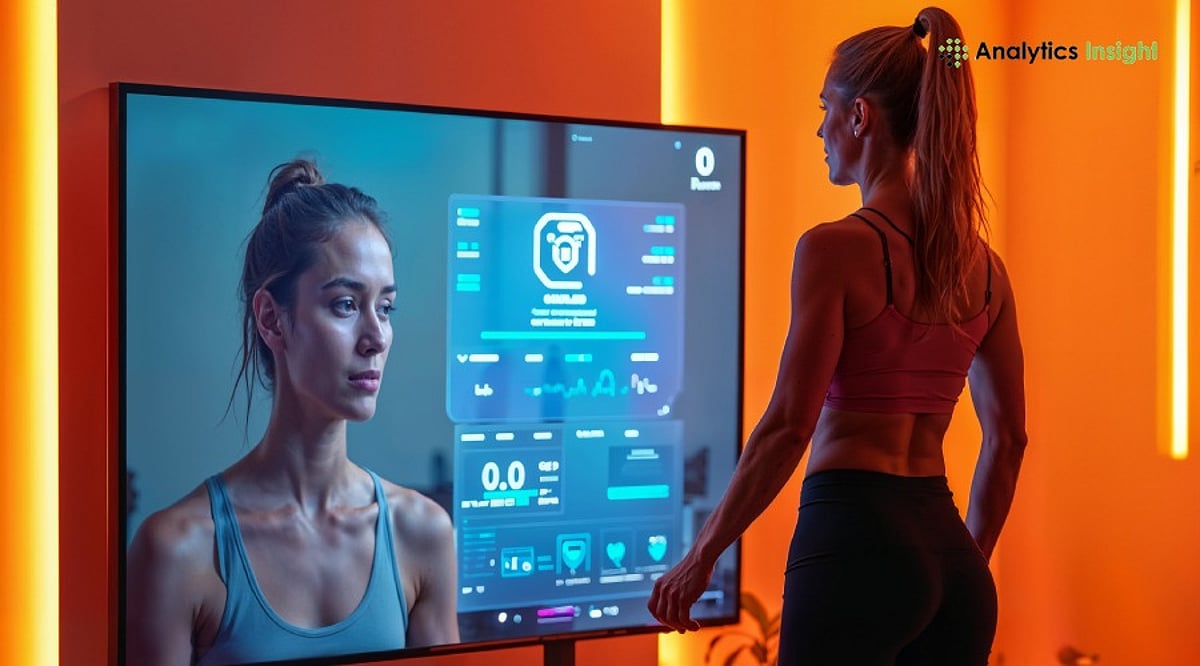
    AI-powered fitness mirrors are transforming home workouts by combining a reflective screen with artificial intelligence. These devices act as virtual personal trainers, guiding users, tracking movement, and correcting form in real time. Designed for those who want structured fitness routines without relying on a gym or in-person coaching, the concept gained traction as home fitness demand surged and users sought more interactive and intelligent workout solutions.

    What Exactly is an AI Fitness Mirror?

    AI fitness mirrors are smart wall-mounted devices that resemble ordinary mirrors when off and become training screens when activated. They use camera technology and artificial intelligence to monitor body movements during workouts and provide real-time feedback. The AI system serves as a coach, monitoring posture, counting reps, and offering tailored guidance based on the user’s performance level.

    How the System Works

    The fitness mirror uses a combination of cameras, sensors, and AI algorithms to understand user movement. Here’s a simple breakdown:

    • Cameras capture body posture and movement
    • AI analyzes exercise form in real time
    • The system compares movement with ideal posture models
    • Feedback is given instantly to correct mistakes

    This combination helps users improve their fitness safely and effectively.

    Key Features of AI Fitness Mirrors

    One important characteristic is the ability to coach in real time. Users receive information about posture and potential injuries while working out. Personalized training programs adapt automatically based on fitness objectives and progress. Users can select strength training, cardiovascular training, yoga, or mobility workouts. Workout classes can be streamed live or watched later, with remote training options available via live video with instructors or friends. Voice commands allow switching programs without touching the screen, and integration with smartwatch applications enables monitoring of heart rate and other metrics during workouts.

    Key Technologies Behind the Smart Mirror

    The system is powered by multiple technologies working together, including advanced AI algorithms, computer vision, and sensor fusion. Each technology plays an important role in making the system intelligent and adaptive.

    AI Personal Trainer Experience

    One of the strongest features is the AI-based personal coaching system. It behaves like a real trainer by adjusting workouts based on user performance. For example, if a user struggles, intensity is reduced; if performance improves, difficulty increases. Rest time and pace are automatically adjusted, making every workout personalized instead of one-size-fits-all.

    Why AI Fitness Mirrors are Growing

    There is an increasing trend in AI fitness mirrors because many consumers want to work out at home while still receiving professional training. The convenient combination of training and system feedback makes this option appealing not only for amateurs but also for experienced users. This technology helps reduce the need for physical coaches in structured training sessions.

    Challenges in Adoption

    Despite strong features, there are a few limitations. The cost of AI fitness mirrors remains high compared to basic fitness equipment. The system also depends on stable internet connectivity for smooth performance. Some users may have privacy concerns since the device uses cameras for motion tracking. Additionally, first-time users may need time to adjust to AI-based coaching methods.

    Final Thoughts

    The artificial intelligence-powered fitness mirror represents an innovation in home-based workouts, combining AI, motion recognition, and personal coaching in one product. As technology advances, these devices are likely to become even more accurate and popular, providing home training with higher levels of structure and interactivity.

    FAQ

    1. What is an AI-powered fitness mirror?

    An AI-powered fitness mirror is a smart home workout device that uses AI, cameras, and sensors to track body movements, guide exercises, and provide real-time coaching like a virtual personal trainer.

    2. How does an AI fitness mirror improve workouts?

    It improves workouts by analyzing posture, counting reps, and correcting form instantly. AI systems adjust training intensity based on user performance, helping users achieve better results with safer and more structured exercise routines.

    3. Does a fitness mirror require internet connectivity?

    Most AI fitness mirrors require a stable internet connection for live classes, AI processing, and data syncing. However, some basic workout modes can function offline with limited tracking features.

    4. Can AI fitness mirrors replace personal trainers?

    They can act as a strong alternative for daily training by offering personalized guidance and feedback. However, advanced users may still prefer human trainers for specialized fitness or rehabilitation programs.

    5. Are AI fitness mirrors safe for home use?

    Yes, they are designed for safe home use with motion tracking and posture correction features. Recent systems also focus on privacy controls and data security while improving accuracy through updated AI models.

  • How Kiran Veernapu Is Using AI to Turn Enterprise Data Into Better Patient Outcomes

    How Kiran Veernapu Is Using AI to Turn Enterprise Data Into Better Patient Outcomes

    Kiran Veernapu has spent more than 25 years building the data systems that large organizations rely on to make decisions. His work spans healthcare, aviation, manufacturing, and enterprise technology, but the underlying challenge remains constant: turning scattered, inconsistent information into actionable insights.

    Starting in data architecture and business intelligence, Veernapu designed the warehouses and pipelines that move information through organizations. As machine learning matured, his focus shifted toward predictive analytics and clinical decision support—where the stakes are higher because a wrong answer at the point of care costs more than a wrong quarterly report.

    Much of his recent work centers on Clinical Decision Support Systems (CDSS), which sit between complex medical data and clinicians who need clear, timely answers while treating patients. The results are measurable. His AI and automation initiatives have produced tens of millions of dollars in savings, cut billing and inventory errors by double digits, and kept supply chains performing at benchmark levels for eight consecutive years.

    Research Meets Real-World Deployment

    Veernapu is also an active researcher and reviewer, authoring 25 peer-reviewed articles on healthcare AI and predictive analytics that have been cited and downloaded across more than 29 countries. He reviews manuscripts for Elsevier, Springer, Wiley, IGI Global, and MDPI, and has evaluated over 60 submissions for major IEEE, Springer, and Elsevier venues. He serves as a session chair, program committee member, and judge at international conferences, and is a Senior Member of IEEE.

    His research and his day job feed each other. Academic work surfaces new methods, and enterprise deployment tests whether those methods hold up once real data and real workflows get involved. That loop shapes his approach to AI at scale. “The algorithm is rarely the hard part,” he says. “Data quality, governance, and fitting a system into the way people already work are what determine whether a strong model delivers anything at all.”

    Looking Ahead: The Next Wave of Healthcare AI

    Looking forward, Veernapu points to AI-driven clinical decision support, remote patient monitoring, wearable health technology, and ambient clinical intelligence as the developments most likely to change care delivery. Each moves healthcare toward earlier intervention and more personalized treatment—and each depends on the real-time data infrastructure he has spent his career building.

    Beyond his technical work, he serves on the Utah STEM Education Advisory Council and speaks for academic programs internationally. He is currently pursuing a PhD in AI and machine learning applied to wearable devices and clinical bioinformatics. His advice to newcomers: “Start with a problem worth solving. Technology changes quickly. The ability to understand a business or clinical need and translate it into a working system is what creates impact that lasts.”

    The next generation of healthcare innovation will empower clinicians with intelligence of precision care, diagnostic accuracy, disease prediction, making patient care more reachable and affordable. The future of healthcare lies in turning data into better decisions. Clinical Decision Support Systems will help clinicians access timely insights, improve patient outcomes, reduce the cost of care, and enable more personalized and proactive treatment strategies.

  • Best Budget Smart Rings for Health Tracking in 2025

    Best Budget Smart Rings for Health Tracking in 2025

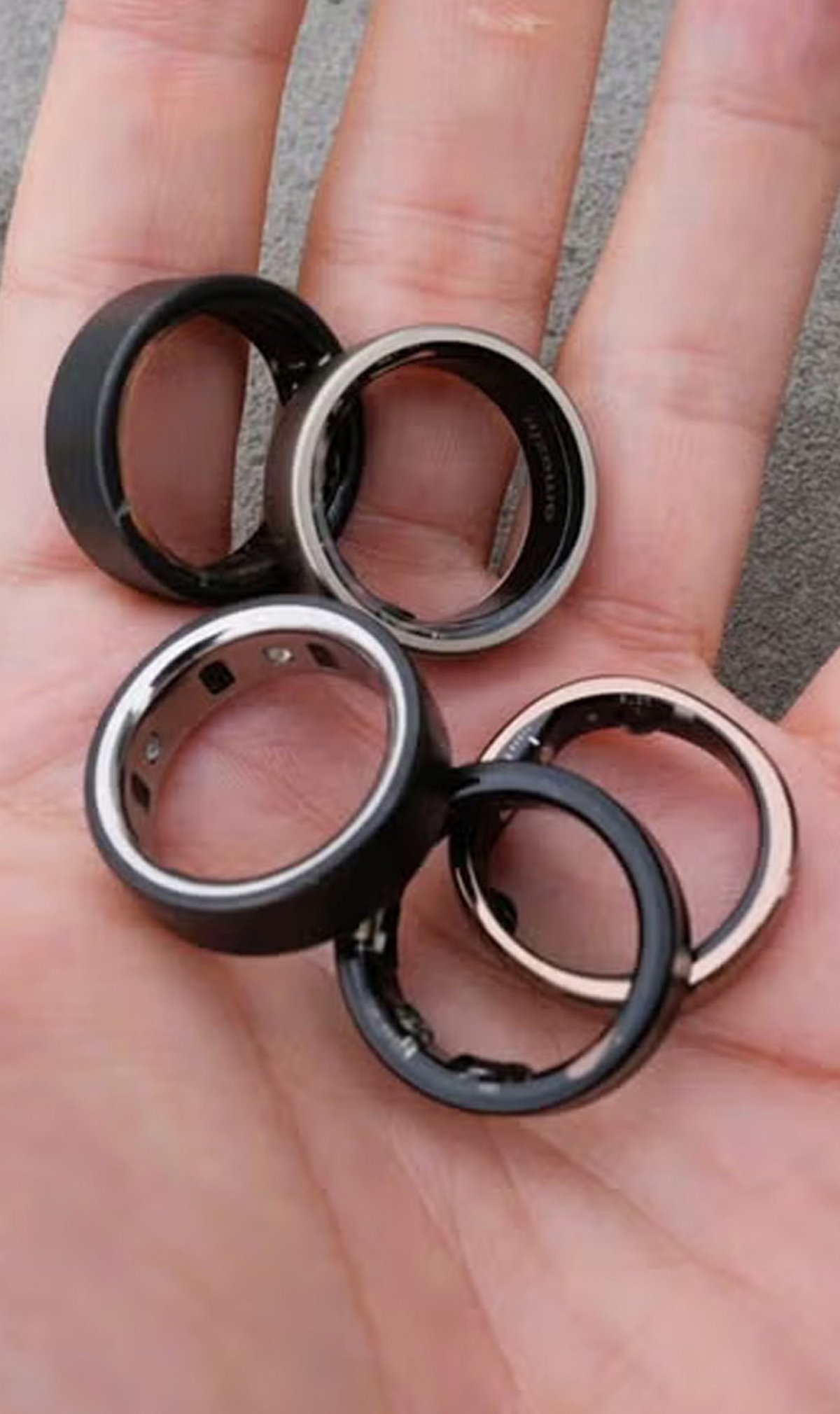
    Smart rings have become a popular wearable for health tracking, offering a discreet and comfortable way to monitor your well-being. While premium options like the Samsung Galaxy Ring deliver advanced features, there are several budget-friendly alternatives that provide excellent value. Here’s a roundup of the top budget smart rings for health tracking, comparing their key features and battery life.

    Top Budget Smart Rings

    Amazfit Helio Ring

    The Amazfit Helio Ring offers sleep tracking, heart rate monitoring, recovery insights, and lightweight comfort at a competitive price, making it ideal for everyday health tracking.

    RingConn Smart Ring

    The RingConn Smart Ring delivers accurate sleep analysis, heart rate monitoring, blood oxygen tracking, and long battery life—all without requiring a monthly subscription.

    Circular Ring Slim

    The Circular Ring Slim combines health monitoring, activity tracking, sleep insights, and vibration alerts in a lightweight design suitable for daily wearable convenience.

    Colmi Smart Ring

    The Colmi Smart Ring provides essential fitness tracking, heart rate monitoring, sleep analysis, and waterproof protection at an affordable entry-level price for beginners.

    JCRing Smart Ring

    The JCRing Smart Ring tracks daily activity, sleep quality, heart rate, and calorie burn while offering lightweight comfort and reliable battery performance throughout usage.

    Noise Luna Ring

    The Noise Luna Ring features wellness monitoring, sleep tracking, readiness scores, heart rate analysis, and a premium design at a relatively accessible price point.

    Samsung Galaxy Ring

    The Samsung Galaxy Ring delivers premium health tracking, AI-powered wellness insights, sleep analysis, and seamless ecosystem integration for users seeking advanced features.

    Battery Life

    Most budget smart rings provide five to ten days of battery life, reducing the need for frequent charging while supporting continuous health monitoring comfortably.

    How to Choose the Best Smart Ring

    When selecting a smart ring, consider health tracking accuracy, battery life, comfort, subscription costs, and compatibility with your smartphone ecosystem to find the best choice for your needs.

  • MIT Biological Engineering: Breakthroughs in Stem Cells, Cancer Nanomedicine, and Photonic Devices

    MIT Biological Engineering: Breakthroughs in Stem Cells, Cancer Nanomedicine, and Photonic Devices

    MIT’s Department of Biological Engineering continues to drive innovation across multiple fields, from stem cell research and cancer detection to advanced medical imaging and protein engineering. Here is a roundup of recent developments highlighted in MIT News.

    Advancing Stem Cell Research

    Biology PhD student Giselle Valdes is studying stem cell regeneration while inspiring the next generation of researchers. Her work focuses on understanding how stem cells can be harnessed for therapeutic applications.

    Brighter MRI Signals

    MIT researchers have developed new MRI sensors that sensitively detect target molecules in the brain and body. This breakthrough could lead to improved diagnostic imaging for neurological conditions.

    Fulbright Awards

    Eleven members of the MIT community have accepted 2026 Fulbright awards. Over half of MIT’s Fulbright applicants won awards this year, with recipients embarking on research and teaching projects abroad.

    Cancer Nanomedicine

    The MIT Marble Center for Cancer Nanomedicine celebrates a decade of transforming nanotechnology concepts into advances for cancer patients, achieving significant progress in detection and treatment.

    Plastic Waste Solutions

    Akorfa Dagadu, a senior in chemical engineering, highlights the importance of community-engaged research through the PKG Center for Social Impact, addressing plastic waste from a systems perspective.

    Photonic Devices

    MIT researchers created tiny 3D photonic devices with features small enough to channel visible light, potentially enabling devices that compute using light instead of electricity.

    Faculty Awards

    MIT School of Engineering faculty received multiple awards in winter 2026, recognizing their scholarship, service, and excellence.

    Chromatin and Gene Expression

    By monitoring chromosomal structures over various timescales, researchers discovered that chromatin helps bring genes closer to their regulatory elements, controlling gene expression.

    Molecular Markers of Fitness

    A new study reveals cellular pathways that underlie differences in physical fitness, mapping molecular markers that could inform exercise science.

    Pencil Beam Laser

    A self-organizing ‘pencil beam’ laser offers faster, more precise biomedical imaging, helping scientists design brain-targeted therapies.

    Goldwater Scholars

    Rising seniors Deeksha Kumaresh, Anna Liu, and Charlotte Myers were named 2026 Goldwater Scholars for their academic achievements.

    Gates Cambridge Scholars

    Two MIT alumnae, Mitali Chowdhury and Christina Kim, both class of 2024, will pursue graduate studies at Cambridge University as 2026 Gates Cambridge Scholars.

    AI-Driven Protein Design

    OpenProtein.AI, founded by Tristan Bepler PhD ’20 and former MIT professor Tim Lu PhD ’07, offers open-source models for protein engineering, democratizing access to AI tools.

    Youth and Carcinogen Vulnerability

    A new study suggests that the chemical NDMA is more likely to cause cancerous mutations after exposure early in life, highlighting the vulnerability of youth.

    MIT Rankings

    MIT’s graduate engineering program is ranked No. 1 in the nation by U.S. News for 2026-27, with MIT Sloan ranked No. 6.

    For more details on each story, follow the links to MIT News.

  • Latest MIT Research on Aging: Alzheimer’s Breakthroughs, Caregiving Tech, and Longevity Insights

    Latest MIT Research on Aging: Alzheimer’s Breakthroughs, Caregiving Tech, and Longevity Insights

    MIT continues to lead in aging research with groundbreaking studies spanning neuroscience, immunology, and assistive technology. From understanding how immune system changes contribute to Alzheimer’s and Parkinson’s to developing wearable imaging for elderly care, MIT researchers are tackling aging from multiple angles.

    Key Highlights

    • Li-Huei Tsai’s leadership: After 16 years directing the Picower Institute, Tsai will focus on Alzheimer’s and Down syndrome research.
    • W.M. Keck Foundation grant: Assistant Professor Alison Ringel explores the intersection of immunology and aging biology.
    • Wearable ultrasound for elderly care: SMART’s WITEC group aims to develop real-time monitoring for chronic conditions.
    • Tau protein structure: Chemists reveal the fuzzy coat around Tau proteins, potentially blocking Alzheimer’s tangles.
    • Immune-informed brain aging: Symposium highlights new treatments for Alzheimer’s and Parkinson’s based on immune factors.
    • Ianacare for caregivers: Steven Lee’s startup provides resources for family caregivers.
    • Tissue flexibility: Fluid between cells influences organ rigidity, with implications for aging and disease.
    • Eldercare robot: New robot assists sitting, standing, and fall prevention for aging in place.
    • Long-term care challenges: A new book explores global solutions for elder care burden.
    • Expansion microscopy: Since 2015, this technique has powered discoveries in kidney disease, Alzheimer’s, and more.
    • 40Hz gamma stimulation: Evidence grows for using gamma rhythms to fight Alzheimer’s.
    • Aging innovation clusters: MIT AgeLab’s book compares regions competing to serve an aging population.
    • Longevity planning: PLAN Forum imagines new industry around financial planning for longevity.
    • Super-healing species: Albert Almada studies stem cell regeneration mechanisms.
    • Blood cell production with age: New tool traces how blood cell family trees change in old age.

    These studies represent MIT’s comprehensive approach to understanding and improving healthspan.

  • MIT AgeLab: Advancing Research on Aging, Technology, and Transportation Safety

    MIT AgeLab: Advancing Research on Aging, Technology, and Transportation Safety

    MIT AgeLab is a leading research center dedicated to understanding the challenges and opportunities of an aging population. Through interdisciplinary studies, the lab explores how technology, design, and policy can improve quality of life for older adults. Key areas include automotive safety, driver assistance systems, longevity planning, and intergenerational connections.

    Notable Research and Initiatives

    • MIT-Toyota Collaboration: A decade-long partnership has powered driver assistance features in millions of vehicles, enhancing safety through human-machine interaction.
    • Advanced Vehicle Technology Consortium (AVTC): Provides data-driven insights into how drivers use emerging vehicle technologies, building trust in AI and automation.
    • FAA Rulemaking Committee: AgeLab researcher Bryan Reimer contributes human-factor expertise to improve aviation safety.
    • Innovation Clusters for Aging: A new book applies the concept of innovation clusters to global population aging, identifying regions racing to become “Silicon Valley” for longevity.
    • PLAN Forum: A symposium for financial professionals explores a new industry around longevity planning.
    • OMEGA Scholarships: Annual awards honor high school students who develop intergenerational programs bridging younger and older generations.
    • AGNES Suit: A unique suit helps researchers and students experience the physical challenges of aging, fostering empathy and better design.

    MIT AgeLab continues to influence policy, industry, and community programs, ensuring that the aging population is supported through innovation and collaboration.

  • Apple Readies ‘iRing’ Smart Wearable to Challenge Samsung and Oura in Health Tracking

    Apple Readies ‘iRing’ Smart Wearable to Challenge Samsung and Oura in Health Tracking

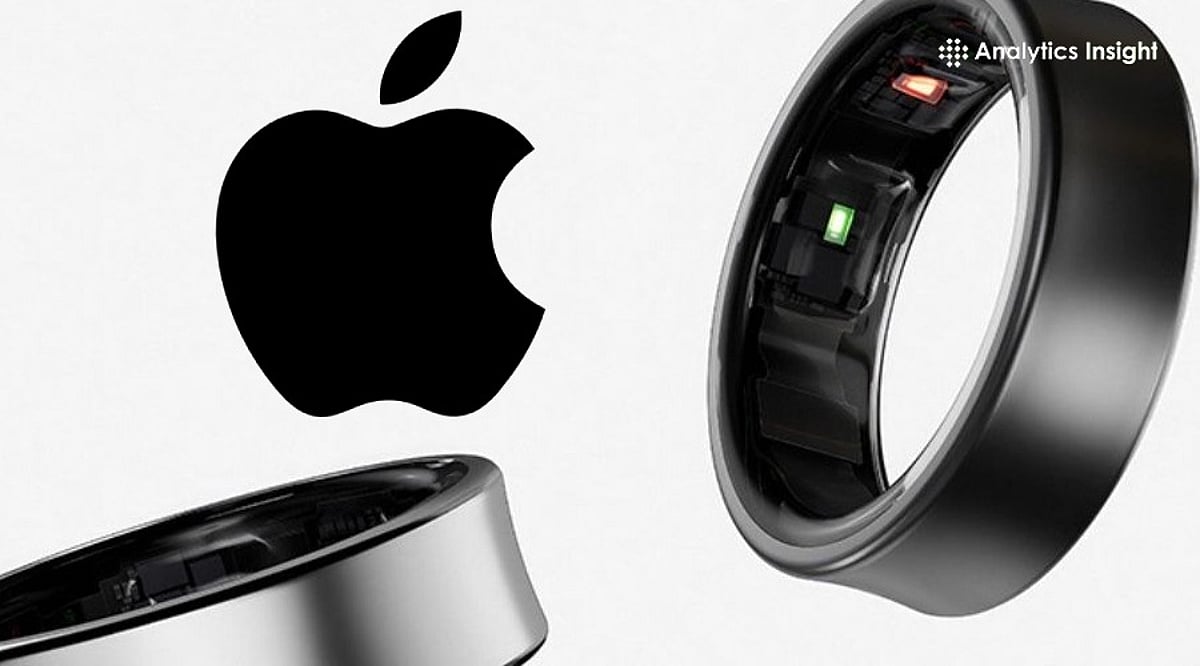
    Apple is reportedly developing the iRing, a smart wearable designed to compete directly with the Samsung Galaxy Ring and Oura Ring. The device could expand Apple’s health ecosystem by bringing advanced tracking features and deeper integration across its portfolio of connected devices.

    The iRing appears to be in early development, and few details are available about its capabilities or launch timeline. Tipster Kosutami (@Kosutami_Ito) recently posted on X: “iRing thing under development. What a surprise.” The leak offers no further specifics but signals Apple’s intent to enter the rapidly growing smart ring market.

    How iRing Could Compete With Samsung Galaxy Ring and Oura

    The iRing is expected to rival Samsung’s Galaxy Ring, which launched in 2024 at Rs. 38,999 and offers health and fitness monitoring, sleep scoring, snoring analysis, and IP68 dust and water resistance in sizes 5 through 13. Samsung is rumored to release the Galaxy Ring 2 in early 2027 with improved battery life (up to 10 days) and sensor accuracy.

    Oura’s lineup, including the Oura Ring 4 and Oura Ring 5, also sets a high bar. The Oura Ring 5 boasts a lighter body, better accuracy, and up to 9 days of battery life.

    What Apple’s Wearable Expansion Means for Consumers

    Apple often takes a measured approach, analyzing market trends before entering new categories. The iRing would follow that pattern, similar to the company’s late but successful entry into foldable phones. If launched, the iRing could give consumers another health and fitness tracking option within the Apple ecosystem, intensifying competition and potentially accelerating innovation in the wearable sector.

    For now, the iRing remains unconfirmed, but the rumor underscores Apple’s ongoing interest in health-tech wearables.

  • Google’s AI Uses Smartphone Camera for Passive Heart Rate Monitoring with Medical Accuracy

    Google’s AI Uses Smartphone Camera for Passive Heart Rate Monitoring with Medical Accuracy

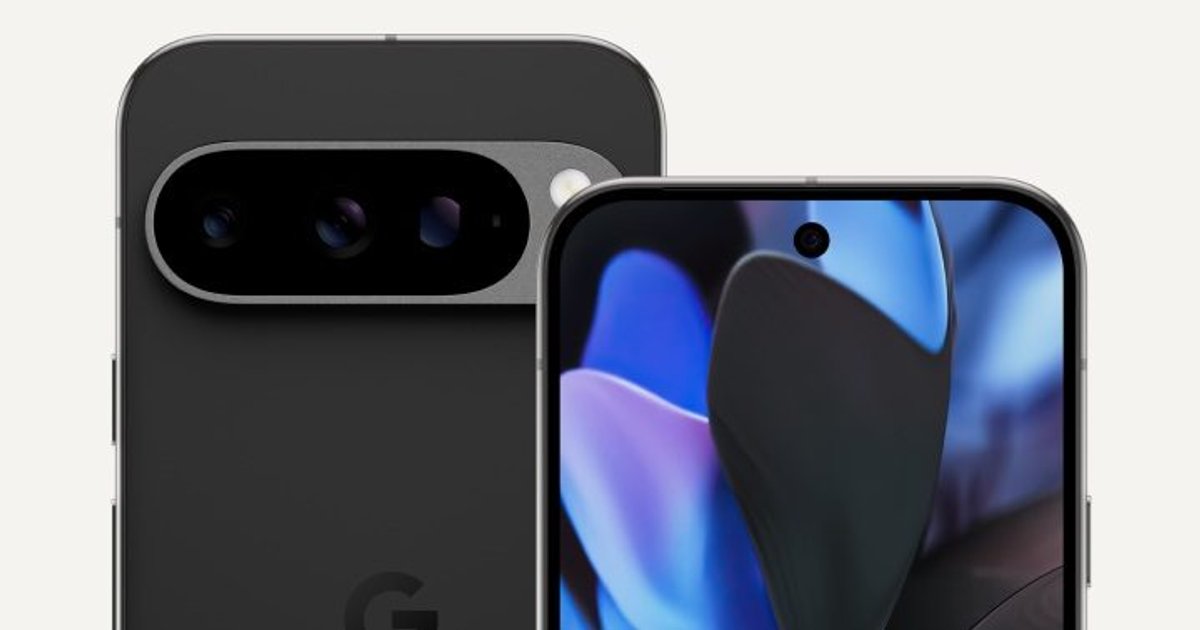
    Google researchers have developed a new deep-learning system that can passively measure a user’s heart rate through a smartphone’s front-facing camera during normal device use. The technology, described in recently published research, aims to bring medical-grade heart rate monitoring to billions of people without requiring any wearable hardware.

    Resting heart rate is a key biomarker linked to cardiovascular health and long-term disease risk. High resting heart rate is associated with adverse cardiovascular events and certain chronic conditions. With roughly five billion smartphones worldwide already equipped with the necessary camera hardware, the potential for widespread passive health monitoring is significant.

    How the System Works

    The system, called passive heart rate monitoring (PHRM), uses the front-facing camera to record short video clips of the user’s face. A temporal shift convolutional neural network then analyzes these clips to estimate heart rate. The method relies on detecting subtle changes in light reflection caused by blood pulsing through the skin—a technique known as remote photoplethysmography (rPPG).

    According to Google, the system achieves a mean absolute percentage error of less than 10%, meeting industry accuracy standards across all skin tones. “To our knowledge, PHRM marks the first large-scale demonstration of passive HR and daily RHR monitoring during everyday smartphone use,” said Eric S. Teasley, Product Manager, and Ming-Zer Poh, Staff Research Scientist at Google Research.

    The researchers added: “As the only rPPG method to meet heart rate accuracy standards for people of all skin tones – even in unpredictable real-world conditions – it sets a new standard for the field. It also represents the first use of rPPG to estimate daily RHR, achieving wearable-level accuracy across all skin tones.”

    Diverse Training Data and Real-World Testing

    Previous studies in this area have often underrepresented people with dark skin, as melanin can make optical signals harder to detect. To address this, Google’s team built their model using more than 350,000 video clips from nearly 700 participants. The Monk Skin Tone Scale was used to ensure diverse representation: participants with light and medium skin tones each comprised at least 25% of the datasets, while those with dark skin tones made up at least 33%. This makes it the largest and most diverse rPPG study to date.

    The system was tested in both laboratory and real-world conditions. In the lab, researchers recorded facial video and simultaneous electrocardiogram (ECG) data from 365 participants, and the PHRM system outperformed 15 leading published rPPG models. In a real-world study, 231 participants installed a data collection app on their phones and used them normally while wearing an ECG chest strap and a Fitbit tracker. The app captured an average of 231 video clips per day.

    The researchers note that further optimization of camera exposure and handling of excessive head movement could improve performance. Google plans to make its data and modeling resources available to qualified researchers.