Category: Health Technology

  • My Juno Health Review: AI-Powered Health Advice and Symptom Assessment App

    My Juno Health Review: AI-Powered Health Advice and Symptom Assessment App

    My Juno Health is an AI-driven mobile application designed to provide health advice, symptom assessment, and personalized wellness tips. By combining artificial intelligence with medical expertise, the app helps users understand their health issues before consulting a doctor. Its core features include AI-powered conversations, symptom analysis, health monitoring, and tailored wellness recommendations. Benefits include rapid access to health information, intuitive digital assistance, and improved personal health awareness.

    General Information

    • Founded in: 2024
    • Platform Support: Android, iOS
    • Download: Available on the Google Play Store

    Main Features of My Juno Health

    • AI-powered virtual assistant that answers frequently asked health questions.
    • Symptom assessment tools that analyze reported symptoms and provide relevant health information.
    • >Personalized wellness tips based on user health goals, symptoms, and daily activities.

    • Health history management for tracking past conversations, wellness data, and healthcare information.
    • Integration of AI assistance, symptom management, wellness tracking, education, and prevention in a single app.

    Benefits of My Juno Health

    • 24/7 access to AI-driven health advice without waiting for general information.
    • Enhanced health awareness through symptom analysis and personalized recommendations.
    • Encouragement of healthy behaviors via educational materials and preventive healthcare tips.
    • User-friendly mobile interface making digital healthcare accessible.
    • All-in-one solution for health and wellness assistance.

    Challenges of My Juno Health

    • AI-generated answers should never replace professional medical diagnoses or emergency care.
    • Some advanced features may require user registration or future premium subscriptions.
    • Real-time AI health conversations require an internet connection.
    • Accuracy of health advice depends on complete and correct symptom data.
    • While useful for daily health management, specialist involvement is necessary for serious conditions.

    Subscription Information

    The AI Doctor Healthcare App by My Juno Health is free to download from the Google Play Store. Basic AI health advice and wellness options are available immediately after installation, though premium healthcare options may be introduced in future updates.

    Support Options

    • Help Center and Learning Resources: FAQs, health articles, symptom guidance resources, wellness education, AI healthcare information, blog updates, knowledge base, and in-app learning materials.
    • Customer Support: Email support, in-app assistance, technical support, account support, feedback options, issue reporting, and customer service.

    Conclusion

    My Juno Health: AI Doctor Care is a comprehensive AI-powered healthcare app that combines symptom analysis, wellness tracking, and educational content in a single mobile platform. Its intuitive interface, smart health assistant, and personalized wellness solutions make it a valuable tool for everyday healthcare. However, professional medical care remains essential for complex conditions. The app serves as an excellent virtual assistant for overall health management.
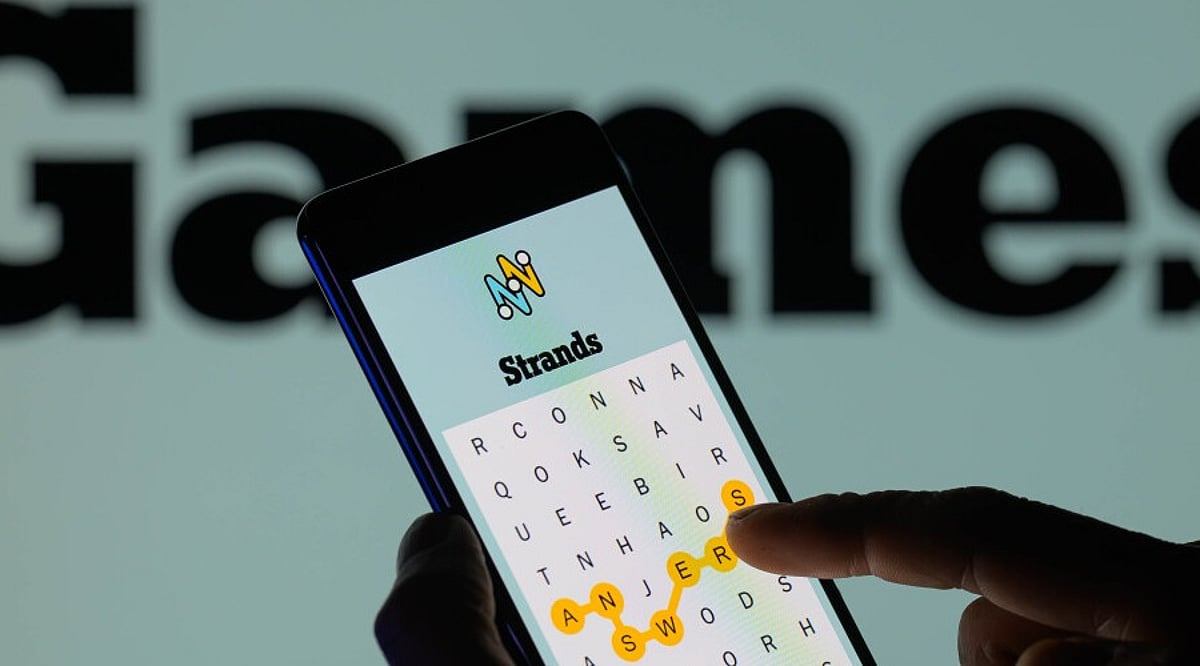

  • NYT Strands Puzzle #884 for August 4, 2026: Hints, Spangram, and Full Answers for ‘Staying Healthy’ Theme

    NYT Strands Puzzle #884 for August 4, 2026: Hints, Spangram, and Full Answers for ‘Staying Healthy’ Theme

    The New York Times Strands puzzle for August 4, 2026 (Puzzle #884) brings a familiar and timely theme: ‘Staying healthy.’ This word game challenges solvers to find words related to pharmacies, healthcare, and medical services. Whether you are looking for subtle hints or the complete answer list, this guide provides everything you need to conquer today’s puzzle.

    Theme Explanation

    The theme ‘Staying healthy’ immediately evokes thoughts of foods and habits that keep you away from doctors and medicines. The non-spangram words are mostly terms we use when feeling unwell. Most words are easy to identify, though a few may be trickier depending on your familiarity with common medical vocabulary. The puzzle offers a satisfying experience as the theme remains consistent from start to finish.

    Spoiler-Free Hints for August 4

    Use these clues for each word without revealing the full answers too soon:

    • First word: A six-letter word starting with RE
    • Second word: A seven-letter word starting with CO
    • Third word: A seven-letter word starting with CO
    • Fourth word: An eight-letter word starting with ME
    • Fifth word: A twelve-letter word starting with IM

    Complete Answers for August 4, 2026

    If you are ready for the full solution, here are all the non-spangram words and the spangram for today’s puzzle:

    • REFILL
    • CONSULT
    • COUNTER
    • MEDICINE
    • IMMUNIZATION

    Spangram Explained

    The spangram for today’s puzzle is PHARMACY. This word stretches across the grid, connecting two opposite sides, and can change direction as it winds through adjacent letters. It is one of the defining features of the Strands puzzle.

    Check the image below to see how the sets of today’s puzzle are formed.

    Wrap Up

    Today’s puzzle provides a simple yet enjoyable challenge featuring terms that are among the most commonly used in the world. The NYT Strands puzzle combines entertaining wordplay with established categories to produce daily puzzles that offer satisfying gameplay to all players.

    For more daily puzzles, check out our guides for NYT Connections and Wordle.

  • MedGPT App Review: AI-Powered Medical Assistant for Health Information and Wellness

    MedGPT App Review: AI-Powered Medical Assistant for Health Information and Wellness

    MedGPT is a medical AI application designed to deliver health information, wellness guidance, and symptom-related assistance through intelligent, conversational interactions. Leveraging the latest artificial intelligence and healthcare data, the app helps users explore symptoms, medications, and general medical topics in an accessible way.

    General Information

    • Founded: 2023
    • Platform Support: iPhone (iOS)
    • Download: Click Here

    Key Features of MedGPT

    • Uses AI to answer general medical questions and provide educational health content through natural conversation.
    • Helps users learn about common symptoms, medications, and healthcare topics via AI-driven dialogues.
    • Offers personalized wellness conversations, including preventive care advice and health tips.
    • Provides a user-friendly interface for easy access to medical information.
    • Combines AI-powered healthcare assistance with a convenient, chat-based platform.

    Benefits of Using MedGPT

    • Quick and easy access to AI-driven healthcare information, improving user understanding of health issues and symptoms.
    • Raises health awareness by sharing preventive measures and wellness tips.
    • Simplifies access to medical knowledge through an intuitive chat interface.
    • Delivers personalized advice based on user conversations, helping individuals better understand their health concerns.
    • Represents a strong fusion of conversational AI and healthcare resources.

    Challenges and Limitations

    • AI responses are for informational purposes only and cannot replace professional medical diagnosis or treatment.
    • Accuracy may vary, especially for complex or urgent medical conditions.
    • Advanced features and personalized healthcare options may require a subscription or in-app purchases.
    • Requires a constant internet connection to function.
    • Users should always consult a healthcare provider for serious health concerns.

    Subscription and Pricing

    MedGPT is free to download, but advanced AI features and additional medical services are available through in-app purchases or subscription plans. Pricing and available services vary by region and subscription tier.

    Support Options

    • Help Center & Learning Resources: FAQs, help articles, wellness guides, AI healthcare documentation, product updates, user guides, and knowledge base.
    • Customer Support: Email support, technical assistance, subscription management, account help, and documentation.

    Conclusion

    MedGPT offers an excellent platform for exploring general healthcare topics through AI chats and wellness tips. It is a valuable resource for users seeking convenient access to medical information. However, for serious illnesses or conditions, professional medical consultation remains essential.

  • How AI-Powered Diagnostic Tools Are Revolutionizing Real-Time Healthcare

    How AI-Powered Diagnostic Tools Are Revolutionizing Real-Time Healthcare

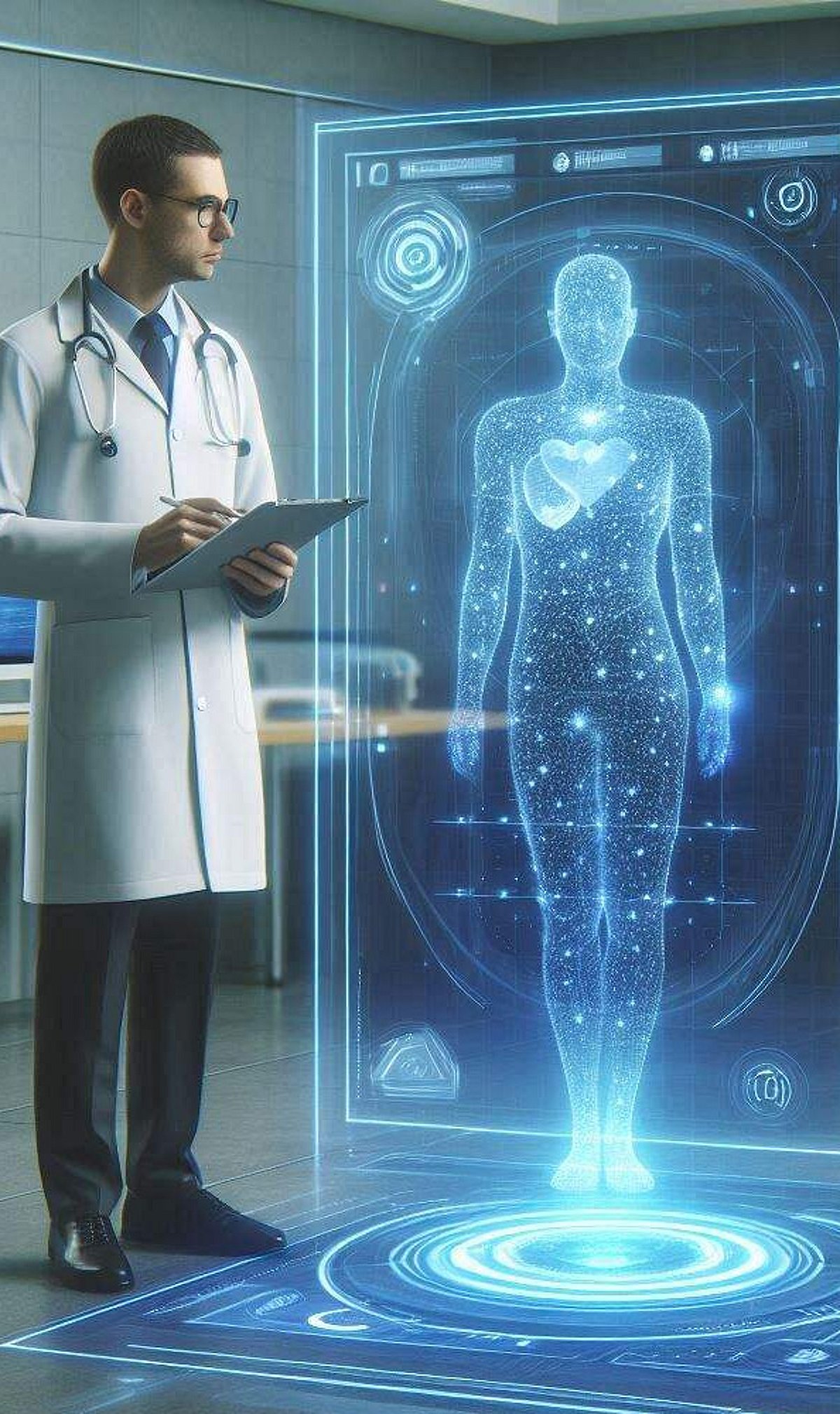
    Artificial intelligence is rapidly transforming the way medical professionals diagnose and treat patients. By analyzing medical scans, symptoms, and patient records within seconds, AI-powered diagnostic tools now support faster and more accurate clinical decisions. These systems do not replace human clinicians but act as powerful assistants, enabling doctors to focus on complex cases while reducing repetitive workloads.

    AI Reads Medical Scans Faster

    One of the most impactful applications of AI in healthcare is the rapid analysis of medical imaging. From X-rays and CT scans to MRIs and ultrasounds, AI algorithms can detect tumors, fractures, strokes, lung diseases, and infections. The technology quickly flags abnormalities, allowing radiologists and specialists to prioritize urgent cases and reduce diagnostic delays.

    Continuous Patient Monitoring

    AI systems now monitor patients in real time, especially in intensive care units and through wearable devices. By continuously analyzing vital signs such as heart rate, oxygen levels, blood pressure, and glucose levels, AI can alert healthcare providers to sudden health risks, enabling early intervention and potentially saving lives.

    Smarter Diagnosis Through Data Integration

    Modern AI diagnostic platforms combine multiple data sources—medical images, electronic health records, lab reports, ECGs, and patient-reported symptoms. By cross-referencing these inputs, AI can suggest possible diagnoses and prioritize critical conditions, helping doctors make more informed decisions faster.

    Key Areas Where AI Excels

    Hospitals are increasingly deploying AI in specialties such as cardiology, oncology, radiology, neurology, ophthalmology, and emergency care. In these fields, AI improves early disease detection, speeds up treatment planning, and enhances overall clinical workflow.

    Benefits for Doctors and Patients

    The integration of AI reduces diagnostic errors, streamlines triage, and automates routine data review. This allows doctors to dedicate more time to direct patient care, improving both efficiency and patient satisfaction.

    Important Limitations to Consider

    Despite its promise, AI still has significant limitations. It can miss clinical context, reflect biases present in training data, or produce incorrect recommendations. Therefore, physicians must always verify AI-generated suggestions before making treatment decisions. Responsible implementation requires continuous oversight and validation.

    India Leading the Way in AI Healthcare

    In India, hospitals in cities like Hyderabad and Bengaluru are actively testing AI systems in cardiology, oncology, and emergency medicine. These initiatives aim to improve diagnosis speed and patient outcomes, positioning the country as a hub for AI-driven healthcare innovation.

    The Future: AI as a Clinical Assistant

    Experts agree that the future of medicine lies in collaboration between AI and human expertise. AI works best as a clinical assistant—enhancing decision-making, boosting efficiency, and supporting doctors rather than replacing their irreplaceable judgment and empathy.

  • Top 20 Healthcare Project Ideas for Students: From AI Diagnostics to Public Health

    Top 20 Healthcare Project Ideas for Students: From AI Diagnostics to Public Health

    Healthcare innovation is transforming disease diagnosis, remote monitoring, hospital management, and public health through AI, IoT, and digital technologies. Practical solutions such as telemedicine platforms, wearable devices, and health informatics systems improve care delivery. Responsible data handling and ethical AI remain essential for building effective healthcare solutions.

    Healthcare sits at the intersection of urgent real-world need and fast-moving technology. That combination makes it one of the few project categories where a student build can resemble something an early-stage health-tech startup might create. The twenty healthcare project ideas below span five categories: AI diagnostics, wearable and remote monitoring, telemedicine and access, hospital and health informatics systems, and public health and accessibility.

    AI Diagnostics

    A disease prediction model built on public datasets, such as the UCI Machine Learning Repository’s diabetes or heart disease records, teaches the full pipeline from cleaning to evaluation. A medical image classifier trained on the NIH Chest X-ray Dataset introduces convolutional neural networks in a context where accuracy differences carry real stakes. Brain tumor detection using MRI scans goes deep learning and image segmentation, and it remains a common final-year project in biomedical engineering programs. A skin condition scanner, built on the ISIC Skin Lesion Dataset and wrapped in a phone app, pairs a trained model with a usable interface instead of leaving it in a notebook.

    Wearables and Remote Monitoring

    A vital-sign smartwatch prototype, built on Arduino or Raspberry Pi with heart rate and oxygen sensors, teaches hardware and software integration end to end. A fall detection system for elderly users combines accelerometer data with a simple alert mechanism. This idea maps directly onto assistive technology already sold commercially. A glucose tracking app can simulate continuous monitoring and alert logic similar to tools diabetics use today. An ICU remote monitoring dashboard introduces real-time data streaming and threshold-based alerting, both core skills in health tech engineering roles.

    Telemedicine and Access

    A video consultation platform with appointment scheduling and secure record sharing covers full-stack development, along with an introduction to healthcare data privacy. An AI triage chatbot that routes patients to the right specialist combines natural language processing with a decision-tree backend. A rural health kiosk concept pairs basic vital-sign hardware with a video link to a doctor. It addresses a real access gap in regions with limited clinic coverage. An e-prescription system with pharmacy integration shows how healthcare software connects across multiple stakeholders rather than working in isolation.

    Hospital and Health Informatics Systems

    A hospital readmission predictor, built on public hospital datasets like MIMIC-IV, sits among the more research-backed categories on this list. Predictive analytics for readmissions is already deployed at many health systems, so the project mirrors real practice closely. A bed and resource allocation tool applies operations research to a scheduling problem hospitals face daily. An EHR summarizer uses natural language processing to condense long patient records into key points, addressing a documented pain point for clinicians managing heavy caseloads. A medication error checker that flags drug interactions from a prescription list combines a rules engine with a real safety use case. Students drawn to health informatics can also explore FHIR or HL7-based interoperability projects that improve secure data exchange between healthcare systems.

    Public Health and Accessibility

    A mental health check-in app, using short daily surveys and a simple analytics dashboard, offers an approachable way to work with sensitive personal data responsibly. Assistive technology for people with disabilities, such as voice-controlled home devices, blends hardware design with real accessibility research. An outbreak tracking dashboard, pulling from public health sources like WHO Open Data or the Johns Hopkins COVID-19 dataset, introduces geographic visualization and epidemiological reasoning. A nutrition planning tool for low-income families applies data science to a public health problem outside the usual hospital-centric framing.

    Working with Health Data Responsibly

    The protection of patient privacy must be built into any project that involves the use of actual or simulated patient information. Remove personal information before using the data. Apply basic principles of HIPAA and GDPR privacy as appropriate. Evaluate AI models by age and demographics for bias. The AI diagnosis or recommendations should be used to assist human decision-making, not to replace it.

    Choosing a Project

    The strongest student projects pick one clear problem and build a working version, rather than attempting an entire category at once. A disease prediction model with clean data and honest accuracy reporting outperforms an ambitious multi-feature platform left half-finished. Hosting the project on GitHub and deploying a live demo with Streamlit, Flask, or Vercel makes the work easier for recruiters and faculty to evaluate. What tends to matter most is a working prototype with clear documentation and results measured against real or well-known datasets, not a polished pitch alone.

    Final Thought

    The healthcare projects that stand out are rarely the most technically complex ones. They are the ones built around a problem the student can explain in one sentence and defend with real data. That clarity separates a project that reads well on paper from one that actually demonstrates working judgment.

    FAQs

    1. What are the best healthcare project ideas for students? Some of the best healthcare project ideas for students include disease prediction models, AI-powered medical image classifiers, telemedicine platforms, wearable health monitoring devices, hospital management systems, mental health apps, and public health dashboards. These projects combine practical technology skills with real-world healthcare applications.
    2. Which healthcare projects are suitable for final-year engineering students? Final-year engineering students can build projects such as AI disease diagnosis systems, ICU remote monitoring dashboards, electronic health record (EHR) summarizers, medication error detection tools, hospital bed allocation systems, or IoT-based wearable health devices. These projects demonstrate skills in AI, IoT, data analytics, and software development.
    3. What technologies are commonly used in healthcare student projects? Healthcare student projects often use Python, TensorFlow, Scikit-learn, OpenCV, React, Node.js, Flutter, Arduino, Raspberry Pi, Firebase, SQL databases, and cloud platforms. The choice of technology depends on whether the project focuses on AI, mobile applications, IoT, or healthcare data management.
    4. Can I build a healthcare project without access to medical equipment? Yes. Many healthcare projects can be developed using publicly available datasets, simulated patient data, or software prototypes. Examples include AI diagnostic models, telemedicine applications, hospital analytics dashboards, nutrition planning tools, and healthcare chatbots without requiring specialized medical hardware.
    5. How do I choose the right healthcare project for my skill level? Choose a project that matches your technical skills and available time. Beginners can start with healthcare apps or data visualization projects; intermediate students can build machine learning models or telemedicine platforms, while advanced learners can develop IoT-based monitoring systems or deep learning applications using medical datasets.
  • 10 Smart Medical Devices Poised to Revolutionize the Future of Healthcare

    10 Smart Medical Devices Poised to Revolutionize the Future of Healthcare

    Smart medical devices are transforming healthcare through AI-assisted diagnostics, wearable monitoring, robotic surgery, and connected care. These innovations improve early detection, treatment accuracy, patient outcomes, and remote healthcare delivery, making quality medical services more accessible.

    Overview

    Smart devices enable faster diagnosis through connected sensors, advanced imaging, and intelligent medical monitoring technologies. Wearables and home monitoring systems improve chronic disease management while supporting preventive healthcare for millions. Robotics and digital health innovations enhance treatment precision, patient recovery, and healthcare accessibility across diverse settings.

    Healthcare is becoming increasingly connected, giving patients and doctors better access to health information than ever before. Smart medical devices now monitor vital signs, catch diseases earlier, and help guide care both inside hospitals and at home. Some of these tools are already benefiting patients today, while others are expected to become more common in the coming years.

    10 Smart Medical Devices Revolutionizing the Future of Healthcare

    AI-Assisted Diagnostic Imaging

    Modern imaging software helps radiologists review X-rays, CT scans, and MRI images more consistently. It allows them to spot suspicious areas and identify illnesses like cancer, fractures, and stroke faster than before, since the software handles much of the groundwork. However, the final call is always made by physicians, not machines.

    Continuous Glucose Monitors (CGMs)

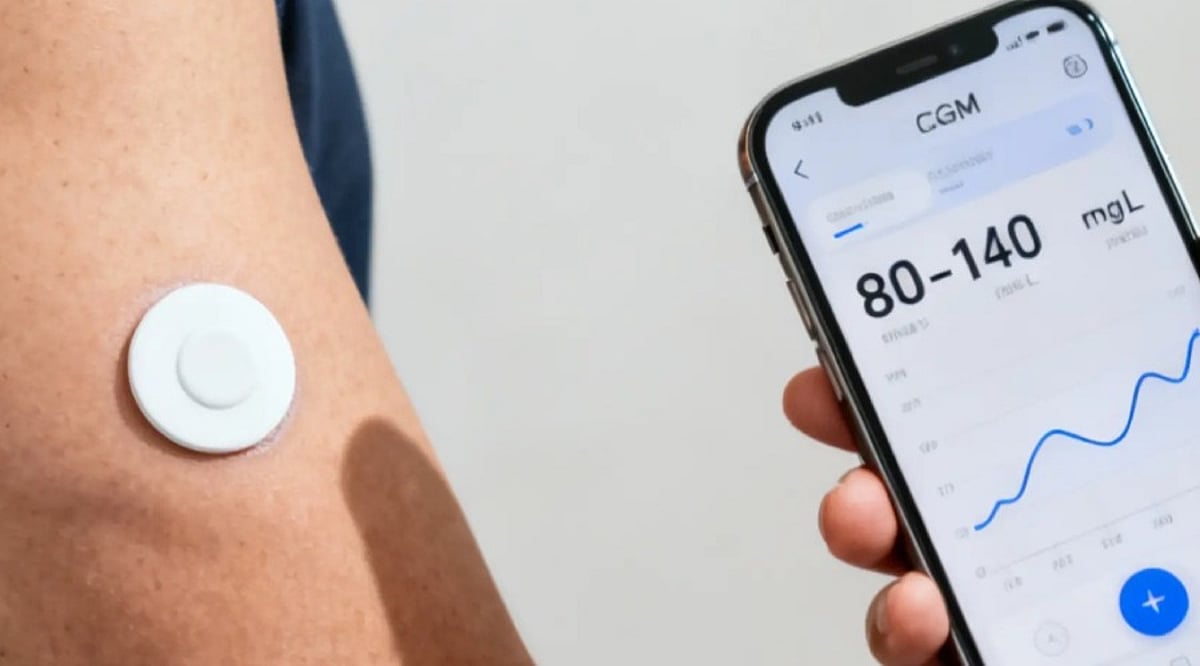
    Continuous Glucose Monitors have transformed diabetes management by allowing people to track blood glucose in real time, all day long. Typically, the glucose monitor includes a tiny sensor placed under the skin that sends information to a smartphone or a separate receiver.

    Smart ECG Devices

    Wearable ECG devices enable ongoing observation of patients’ heart rhythms, beat by beat. They detect irregularities such as atrial fibrillation and other abnormal timing patterns. The collected data provides crucial insights into the patient’s rhythm behavior.

    Portable MRI Scanners

    Portable MRI scanners make advanced diagnostic equipment available in remote settings where stationary MRI machines cannot be installed. The portable design allows use in emergency rooms and rural clinics.

    Robotic Surgical Systems

    Robotic-assisted surgeries enable doctors to perform complex operations with increased accuracy. Smaller incisions lead to minimal bleeding, reduced infection risk, less pain, and faster recovery, making robotic-assisted surgeries beneficial for various procedures.

    Smart Inhalers

    Smart inhalers consist of two parts: they deliver medication to patients and monitor usage. They track inhaler use, notify patients about missed doses, and provide health information to healthcare providers.

    Wearable Biosensor Patches

    Biosensor patches are wearable devices that continuously monitor patients’ heartbeat, breathing rate, body temperature, blood oxygen level, and hydration. These devices are especially useful for post-surgery patients, older adults, and those with chronic diseases.

    Ingestible Smart Capsules

    The ingestible capsule includes a miniature camera and sensor that travel through the patient’s body to capture images and gather diagnostic information. Newer devices also allow targeted drug delivery to specific parts of the gastrointestinal tract.

    Smart Rehabilitation Exoskeletons

    Exoskeletons assist patients during rehabilitation after conditions such as stroke, spinal cord injuries, and neurodegenerative diseases. They aid movement, help patients regain mobility, and provide therapists with performance data.

    Connected Home Health Monitoring Devices

    Home monitoring devices allow patients to track parameters such as blood pressure, heart rate, oxygen saturation, sleep patterns, and more without leaving home. All collected information is securely transmitted to healthcare professionals.

    Smart Medical Devices at a Glance: Smarter Care, Better Outcomes

    Smart medical devices have significantly changed how healthcare is delivered, making diagnosis, treatment, and continuous monitoring much easier. This technology allows physicians to make well-informed decisions and helps patients take control of their health. Smart medical devices will enhance preventive medicine and improve access to high-quality healthcare in the future.

    FAQs

    1. What are smart medical devices? Smart medical devices use sensors, connectivity, and software to monitor health, assist diagnosis, support treatment, and improve patient care.
    2. How do wearable medical devices help patients? They continuously track vital signs, detect abnormalities early, and share health data with doctors for timely medical intervention.
    3. Are smart medical devices used only in hospitals? No. Many devices, including glucose monitors and health trackers, are designed for home use and remote patient monitoring.
    4. Can smart medical devices replace doctors? No. They support healthcare professionals by providing accurate data and insights, but diagnosis and treatment decisions remain with doctors.
    5. Which smart medical device is widely used today? Continuous Glucose Monitors, smartwatches with ECG features, and connected blood pressure monitors are among the most widely used devices today.
  • How Continuous Glucose Monitoring Data Enables Personalized Diabetes Care

    How Continuous Glucose Monitoring Data Enables Personalized Diabetes Care

    Continuous glucose monitoring (CGM) is revolutionizing diabetes management by providing real-time glucose data that goes beyond traditional A1C measurements. Clinicians now use metrics such as Time in Range (TIR), Time Below Range (TBR), Time Above Range (TAR), and the Ambulatory Glucose Profile (AGP) to tailor treatments to individual patient needs. AI-powered analytics, electronic health record (EHR) integration, and remote patient monitoring further enhance clinical decision-making and improve patient outcomes.

    Understanding CGM Data Through the Ambulatory Glucose Profile (AGP)

    Rather than sifting through thousands of raw readings, healthcare providers rely on the AGP—a standardized report that condenses two to four weeks of CGM data into a single visual snapshot. The AGP overlays daily glucose curves into percentile bands, making patterns such as overnight dips or afternoon spikes immediately apparent. This format, supported by the ATTD consensus and incorporated into the American Diabetes Association Standards of Care, streamlines interpretation. However, providers first verify sensor wear time and data completeness to ensure the report accurately reflects the patient’s glucose behavior.

    Key CGM Metrics: Time in Range, GMI, and Glucose Trends

    Time in Range—the percentage of time glucose stays between 70 and 180 mg/dL—has become a cornerstone metric alongside A1C. Most adults with diabetes aim for at least 70% of the day within this window, though targets vary based on age, pregnancy, comorbidities, and hypoglycemia risk. Clinicians also examine Time Below Range to catch hypoglycemic episodes that A1C can miss, especially in insulin users, and Time Above Range to identify sustained hyperglycemia that increases long-term complication risk. The Glucose Management Indicator (GMI), a CGM-derived estimate of A1C, provides additional context when it diverges from lab results, prompting further investigation into factors like altered red blood cell turnover or glucose variability.

    Personalizing Treatment Plans with CGM Data

    Once patterns are identified, treatment becomes highly individualized. For example, repeated overnight lows may lead to adjustments in basal insulin dosing rather than a blanket increase. High fasting glucose with stable overnight levels often signals the dawn phenomenon, managed by altering medication timing rather than dosage. Post-meal spikes can be addressed through meal timing, dietary changes, or faster-acting insulin. CGM data also guides medication selection by matching glucose patterns to drug mechanisms. Multidisciplinary teams—including endocrinologists, diabetes educators, pharmacists, and dietitians—collaborate using the same data to craft a cohesive plan around the patient’s unique trends.

    AI, EHR Integration, and Remote Monitoring Enhance CGM Data Management

    The sheer volume of CGM data presents a challenge, but technology offers solutions. EHR integration via FHIR-based device connections pulls CGM data directly into patient charts, allowing providers to view trends without switching platforms. Decision-support software uses pattern recognition to flag issues like nocturnal hypoglycemia before they escalate, and some platforms now send predictive alerts ahead of low events. Population dashboards enable providers to scan entire patient panels and prioritize those needing immediate attention. Remote monitoring shifts care from reactive quarterly visits to proactive outreach—clinicians can review data between appointments and intervene early via phone calls or portal messages when concerning trends emerge.

    Strengthening Patient Engagement and Shared Decision-Making

    CGM data also transforms the patient-provider dialogue. Both parties can view the same AGP and discuss specific events—a glucose spike after lunch or a dip during exercise—making treatment decisions more transparent and collaborative. When patients understand the rationale behind adjustments, they are more likely to adhere to changes and sustain self-management efforts.

    Future Directions: Predictive Alerts and Automated Insulin Delivery

    As CGM technology evolves, it moves beyond passive monitoring to active treatment. Predictive hypoglycemia alerts can warn patients and providers before dangerous lows occur, while automated insulin delivery systems already use CGM data to adjust insulin in real time. AI-powered analytics and digital therapeutics promise to make these systems even smarter. As these technologies become standard in clinical care, diabetes management is shifting from a reactive approach to a proactive, data-driven model that emphasizes continuous, personalized care.

  • How Predictive AI Can Reduce Healthcare Costs and Improve Patient Care: Expert Insights from Sachin Bajpai

    How Predictive AI Can Reduce Healthcare Costs and Improve Patient Care: Expert Insights from Sachin Bajpai

    Healthcare systems around the world are increasingly turning to artificial intelligence to improve patient outcomes and reduce costs. During the recent AI Impact Summit in New Delhi, India’s Ministry of Health and Family Welfare unveiled a national strategy to deploy AI in medicine “that works for every patient, in every region, regardless of income, language, or geography.” To understand how these technologies can make healthcare more accessible and affordable, we spoke with Sachin Bajpai, an experienced healthcare AI leader who has worked with major medical organizations through companies including PwC, Deloitte, and CitiusTech.

    Bajpai believes that one of the biggest opportunities for AI lies in early intervention. “AI systems can analyze medical and behavioral patterns early, allowing healthcare providers to identify high-risk patients before their conditions become critical or require expensive emergency and intensive care,” he explains.

    One example of this approach is a predictive AI system Bajpai developed while at PwC, a global professional services firm operating in more than 150 countries. The model focused on elderly patients covered by U.S. government-sponsored insurance programs and identified those at risk of requiring costly skilled nursing facility care—one of the most expensive forms of long-term treatment. During a six-month pilot involving over 300,000 patients, the system identified around 20,000 high-risk cases and reduced medical spending by nearly $10 million. The program later expanded across 21 U.S. states.

    Bajpai’s approach is especially valuable in countries with large populations and overstretched healthcare systems, such as India. “The earlier healthcare providers can identify risk, the more effectively they can intervene,” he says.

    Beyond prediction, AI can fundamentally change how healthcare systems manage resources. “Having spent many years in India, I know hospitals and doctors often work under enormous pressure because of the sheer number of patients they see every day,” Bajpai notes. “AI can reduce some of that operational burden, improve coordination, and give medical professionals more time to focus on patient care.”

    Much of Bajpai’s work has focused on solving large-scale operational challenges. Before joining PwC, he led the development of a cloud-based clinical reporting platform at CitiusTech, a global healthcare technology company. The solution earned certification from the National Committee for Quality Assurance (NCQA), allowing healthcare providers to use it for official quality reporting in the U.S. healthcare system. Within two years, the product expanded to a portfolio of 15 customers.

    At PwC, where he now serves as Managing Director leading healthcare AI and data transformation, Bajpai has helped expand the company’s healthcare AI operations tenfold across the U.S., India, China, Poland, and Mexico. During his tenure, PwC’s healthcare AI solutions received major industry recognition, including Microsoft Partner of the Year awards.

    Still, Bajpai emphasizes that technology alone is not enough. “For AI to work effectively in medicine, both doctors and patients need to trust the systems they use,” he explains. Building that trust requires transparency, regulatory compliance, data security, and a clear understanding of how AI-generated recommendations are produced and validated in clinical settings.

    As AI adoption accelerates, experienced specialists like Bajpai play a crucial role in evaluating medical technology systems and advising healthcare clients and startup founders on technical strategy, scalability, and long-term performance. His cross-regional experience has given him a close view of how differently medical environments operate. “Healthcare systems in India operate across different languages, regions, and levels of infrastructure,” he says. “Developers need to train AI models on diverse and representative data so the systems can work reliably at scale.”

    Despite these challenges, Bajpai believes India is well-positioned to become a major market for practical healthcare AI solutions, thanks to its strong engineering talent and rapidly growing digital infrastructure.

  • OpenAI Launches ChatGPT Health in the US — Here’s Why Global Users Are Still Waiting

    OpenAI Launches ChatGPT Health in the US — Here’s Why Global Users Are Still Waiting

    OpenAI has begun rolling out its dedicated Health experience within ChatGPT to eligible users in the United States. However, the end of the waitlist does not mean the feature is available worldwide. Users in India and many other regions still cannot access the health-focused tool, regardless of their subscription plan.

    Who Can Access ChatGPT Health?

    The feature is currently limited to users who are 18 years or older and based in the US. It is accessible across ChatGPT Free, Go, Plus, and Pro plans on both the web and iOS platforms. Android support has not yet been introduced. This regional restriction means that even users who previously joined the waitlist outside the US will not see the Health option in their ChatGPT sidebar.

    Why the Delay for Other Regions?

    OpenAI has not announced a timeline for expanding ChatGPT Health to other countries. The phased rollout is a deliberate strategy, and the company has not indicated when users in India, Europe, or other regions can expect access. According to OpenAI’s Help Center, “Health is available on a phased basis, while Android support is yet to come.”

    What Does ChatGPT Health Do?

    ChatGPT Health is designed to integrate health-related information into a single platform. Users can link supported medical records and Apple Health data, then access lab results, medication details, sleep patterns, activity data, and ask questions based on their personal health information. The tool can help users understand medical information, prepare questions for appointments, track wellness trends, and identify changes over time.

    Privacy and Safety

    OpenAI has emphasized that ChatGPT Health is meant to support medical care, not replace doctors or professional treatment. The company also stated that health data and conversations using the feature are not used to train the underlying foundational model or for targeted advertising.

    As the rollout continues, users outside the US will have to wait for further announcements from OpenAI. The company has not provided a specific date for global availability.

  • How AI and Smart CRM Systems Are Revolutionizing TMJ Treatment in 2026

    How AI and Smart CRM Systems Are Revolutionizing TMJ Treatment in 2026

    Simple daily tasks like chewing or talking can become exhausting challenges for millions suffering from temporomandibular joint disorders (TMD). Chronic tension headaches, localized facial pain, and persistent jaw clicking are common symptoms, yet conventional diagnostic methods have long relied on trial-and-error splint adjustments and generalized therapy plans. Fortunately, TMJ treatment in 2026 has been transformed by cutting-edge clinical tools, including artificial intelligence and automated client relationship management platforms. These integrated systems deliver unprecedented diagnostic accuracy while providing a seamless, organized, and personalized patient experience at every step of care.

    How AI Improves Diagnostic Accuracy

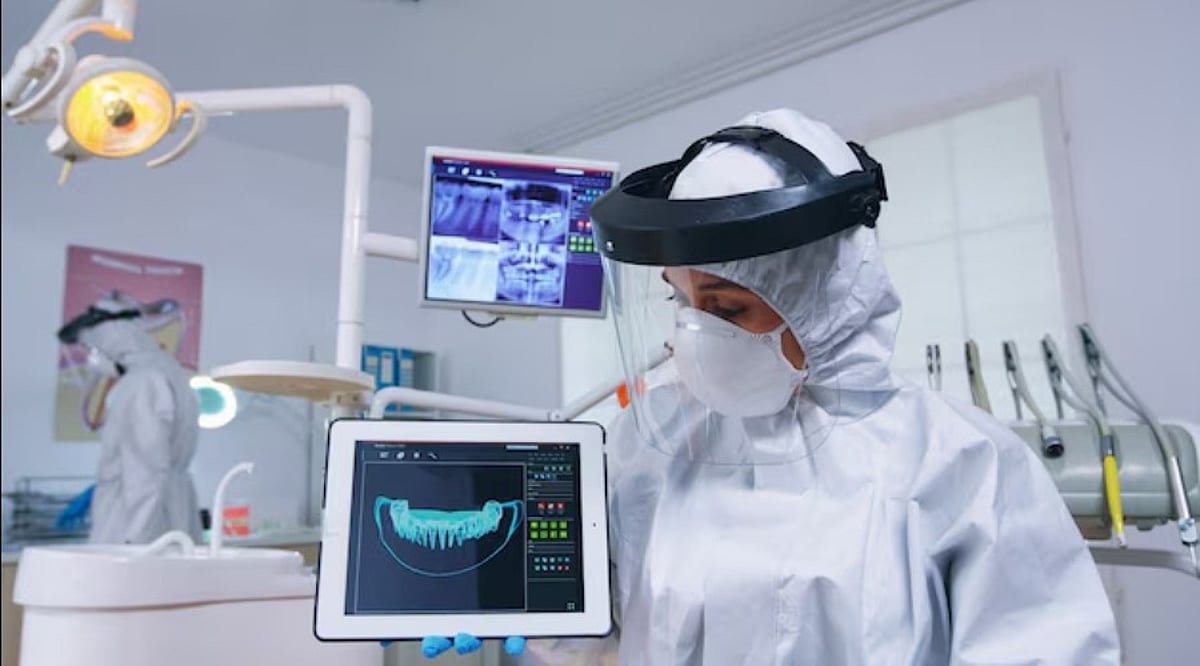
    Identifying the cause of jaw joint dysfunction is clinically challenging. TMJ problems arise from a complex mix of structural misalignments, muscle overactivity, joint arthritis, or psychological stress. AI-powered diagnostic software now interprets 3D scans of jaws, dynamic bite motion tracking, and electromyographic muscle data within seconds.

    Automated Biomechanical Analysis

    Sophisticated algorithms detect micro-movements in the temporomandibular joint that the naked eye might miss. By analyzing how upper and lower teeth interact during chewing, AI tools create dynamic biomechanical maps. These digital models pinpoint specific pressure hot spots along the joint, allowing clinicians to design custom orthotic splints that precisely neutralize bite forces.

    Predictive Recovery Maps

    Machine learning algorithms leverage thousands of anonymized historical treatment outcomes to predict how a patient’s unique joint structure will respond to therapy. Instead of waiting months to see results from an orthotic device, treatment progression can be modeled with software, enabling dentists to make adjustments on the fly before physical appliances are manufactured.

    Traditional vs. AI and CRM Integrated TMJ Therapy

    To understand why patient satisfaction continues to soar, compare how modern automated workflows improve clinical outcomes over legacy care models:

    • Legacy Diagnostics: Traditional methods relied on visual assessments and basic X-rays across several appointments. AI software now processes complex 3D scans and joint motion tracking in seconds.
    • Appliance Customization: Traditional night guards are manually molded and have static fits. Digital AI planning creates dynamic, custom-milled orthotics based on real-time muscle activity.
    • Patient Support: Traditional offices needed phone check-ins during business hours. Smart CRM platforms offer automated wear reminders, progress surveys, and instant appointment bookings.
    • Treatment Tracking: Manual clinical note-taking made tracking slight joint improvements difficult. Cloud CRM portals store continuous biometric data to log measurable recovery milestones.

    Intelligent CRM Systems Enhance Patient Journeys

    AI drives the clinical side of care, but smart CRM software transforms the entire patient experience. For those living with a chronic condition like TMJ dysfunction, regular follow-ups, therapy commitment, and proactive communication are essential. Smart CRM networks connect patients directly to their clinical team, ensuring nothing falls through the cracks.

    Automated Care Pathways and Monitoring Progress

    Latest practice management software delivers customized education, exercise videos, and automatic progress check-ins directly to a patient’s smartphone. If a patient fills out a simple digital survey noting increased jaw pain, the smart CRM immediately alerts the dental team to reach out or automatically reschedules the follow-up.

    Multi-Discipline Coordination with Synchronization

    Effective joint therapy often requires cooperation between neuromuscular dentists, physiotherapists, and pain management specialists. Multi-disciplinary practices use centrally based smart CRM networks to store detailed digital files, ensuring all attending specialists have instant, secure access to diagnostic imaging and recovery timelines for truly integrated care.

    Digital Innovation for Enduring Jaw Comfort

    No more months of guessing and living with chronic jaw pain. The integration of artificial intelligence and intelligent CRM software has turned temporomandibular joint treatment into a precise, highly supportive clinical experience. Modern dental practices use predictive analytics, automated custom splint design, and seamless digital communication to help patients confidently conquer joint pain and achieve long-term oral function.