Category: Health Technology

  • How IoT Asset Tracking Saves Hospitals Millions and Improves Budget Control

    How IoT Asset Tracking Saves Hospitals Millions and Improves Budget Control

    A study published in Perspectives in Health Management reveals that a 200-bed hospital adopting RFID asset tracking can save approximately $600,000 per year. The savings stem from instant equipment location, reduced need for costly replacements, and integration into a broader IoT network that goes beyond location tracking.

    IoT asset tracking sends automatic alerts when tagged items enter unauthorized areas or leave the building, preventing losses before they occur. Staff can check the IoT dashboard for real-time equipment locations, eliminating time wasted searching wards and reducing the temptation to order replacements. This visibility significantly reduces budget waste on unnecessary purchases and rentals.

    Lost and missing equipment forces many hospitals to overstock portable equipment by 10 to 20 percent. Mobile medical carts, frequently moved between departments, are a common example. IoT-enabled RFID tracking records usage data alongside location, giving staff a clearer picture of actual equipment needs and helping avoid over-purchasing.

    Theft accounts for up to 20 percent of mobile asset losses, with each missing item costing an average of $3,000 to replace. Medical carts are especially vulnerable due to multiple staff accessing compartments across shifts. Innerspace healthcare carts address this with a cloud-based lock system that logs every access instance. When an item goes missing, the access log cross-referenced with IoT location data builds a precise incident picture, making loss harder to hide and easier to prevent.

    Preventative maintenance can reduce maintenance costs by up to 25 percent. IoT sensors stream performance data—including usage cycles, temperature, vibration patterns, and operational hours—to a centralized system. Machine learning algorithms analyze this data to flag potential failures two to four weeks in advance with up to 95 percent accuracy. This enables proactive maintenance rather than reactive repairs, extending equipment lifespan and reducing replacement frequency.

    IoT asset tracking offers hospitals multiple paths to savings and efficiency. It is an investment that promises to pay off for hospitals seeking greater budget control.

  • Best Budget-Friendly Health Tracking Smartwatches: Top Apple Watch Alternatives

    Best Budget-Friendly Health Tracking Smartwatches: Top Apple Watch Alternatives

    A good smartwatch can help you stay active, monitor your health, and keep you connected without spending a fortune. Many affordable models now offer features like heart rate monitoring, sleep tracking, and Bluetooth calling, making them excellent alternatives to an Apple Watch.

    Overview

    Affordable smartwatches now offer health tracking features that were once available only on premium devices. Heart rate monitoring, sleep tracking, SpO₂ sensors, and Bluetooth calling have become common across budget models. The best smartwatch depends on your fitness needs, battery life expectations, and daily usage.

    A smartwatch has become much more than a device that shows notifications. For many people, it is now part of their daily routine. It tracks steps, reminds them to stay active, monitors sleep, and even keeps an eye on heart rate throughout the day. While the Apple Watch is one of the most popular choices, not everyone wants to spend that much on a wearable.

    The good news is that you no longer have to. Brands like Noise, Fastrack, Fire-Boltt, GOBOULT, and CrossBeats now make smartwatches that cover most everyday health and fitness needs at a much lower price. Whether you want to monitor your workouts or simply receive calls on your wrist, there are plenty of good options available.

    Best Affordable Smartwatch Alternatives to Apple Watch

    If your main goal is to track your health without spending premium money, these smartwatches deserve a closer look.

    One thing stood out while comparing these watches: the difference between budget and premium models is much smaller than before. Most of these watches can monitor your daily activity, measure heart rate, check blood oxygen levels, and track sleep. They also support Bluetooth calling and app notifications, making them practical for everyday use. Battery life is another strong point. Most of these models easily last several days, so you won’t have to reach for the charger every night.

    Which Smartwatches Would I Recommend?

    If I had to choose just a few models, my first recommendation would be the Noise Endeavour Pro. It gives me almost everything I expect from a smartwatch. The AMOLED display looks bright, health tracking is reliable, and the battery easily lasts through several busy days. It feels premium without carrying a premium price tag.

    My second choice would be the CrossBeats Armour Pro AI. I like this watch because it offers a more complete smartwatch experience. The display is excellent, the build quality feels solid, and the extra fitness features make it a great choice for people who exercise regularly.

    For anyone looking for the best value, I would easily recommend the Fastrack Limitless Glide X. It costs much less than many rivals but still offers Bluetooth calling, fitness tracking, and a large display. I think it is one of the smartest buys in this price range.

    If your budget is even lower, the Noise Twist Round Dial is another watch worth considering. It keeps things simple while covering the health features that most people actually use every day.

    Final Thoughts

    Choosing a smartwatch comes down to what suits your lifestyle, not the highest price tag. Today’s market has plenty of affordable options that cover everything most people need daily: sleep tracking, heart rate monitoring, call support, and step counting.

    Before buying, decide what matters most to you. A comfortable fit, accurate health tracking, solid battery life, and a clear display matter far more than extra features you will rarely touch. Get a watch that fits your routine, and you will actually wear it, instead of it turning into another gadget gathering dust on your desk.

    FAQs

    Which smartwatch is the best alternative to an Apple Watch?

    Ans: The Noise Endeavour Pro is one of the best alternatives. It offers health tracking, Bluetooth calling, a bright AMOLED display, and long battery life at a much lower price.

    Can affordable smartwatches track health accurately?

    Ans: Yes. Trusted brands provide reliable heart rate, sleep, and SpO₂ tracking for everyday fitness. They are useful for regular monitoring but should not replace medical equipment.

    Which smartwatch offers the best value for money?

    Ans: The Fastrack Limitless Glide X offers outstanding value. It combines Bluetooth calling, fitness tracking, a large display, and good battery life at a budget-friendly price.

    Are these smartwatches compatible with Android and iPhone?

    Ans: Yes. Most of these smartwatches work with both Android and iPhones through their companion apps, allowing users to access notifications, calls, and health reports.

    What should I check before buying a smartwatch?

    Ans: Look for accurate health tracking, battery life, display quality, comfort, Bluetooth calling, and app support. Choosing features that match your routine will help you get the best value.

  • How AI Tools Are Revolutionizing Healthcare Business Operations

    How AI Tools Are Revolutionizing Healthcare Business Operations

    Artificial intelligence is rapidly reshaping the healthcare industry, offering powerful tools that improve efficiency, accuracy, and patient outcomes. From automating clinical documentation to accelerating drug discovery, AI is helping healthcare providers deliver better care while reducing costs and administrative burdens. Below are the key areas where AI is making a transformative impact.

    Clinical Documentation Automation

    AI tools automate medical note-taking, reducing paperwork and improving documentation accuracy. This streamlines clinical workflows and allows physicians to spend more time with patients.

    Medical Imaging Analysis

    AI-powered platforms detect abnormalities in X-rays, CT scans, and MRIs faster than traditional methods, enabling earlier diagnoses and significantly improving radiology efficiency.

    Predictive Healthcare Analytics

    Advanced AI analyzes patient records and historical data to predict diseases, optimize treatments, improve resource allocation, and enhance clinical decision-making.

    Precision Medicine

    AI combines genomic, clinical, and molecular data to recommend personalized treatments, helping healthcare providers deliver targeted therapies with better patient outcomes.

    Digital Pathology Support

    AI-assisted pathology tools analyze tissue samples accurately, improve diagnostic consistency, accelerate disease detection, and support pharmaceutical research.

    Administrative Workflow Automation

    AI streamlines appointment scheduling, billing, insurance processing, and patient record management, reducing operational costs while improving organizational productivity.

    Patient Engagement Solutions

    AI-powered virtual assistants provide instant responses, appointment reminders, medication guidance, and personalized health information, improving patient satisfaction and communication.

    Drug Discovery Acceleration

    AI rapidly analyzes biological data, identifies potential drug candidates, shortens research timelines, reduces development costs, and speeds pharmaceutical innovation.

    Emergency Care Optimization

    AI detects critical conditions in real time, alerts specialists immediately, prioritizes urgent cases, and improves treatment speed for life-threatening medical emergencies.

  • Continuous Glucose Monitors: A Complete Guide to Real-Time Glucose Tracking and Smart Alerts

    Continuous Glucose Monitors: A Complete Guide to Real-Time Glucose Tracking and Smart Alerts

    Continuous Glucose Monitors (CGMs) are wearable devices that continuously track glucose levels through a tiny sensor inserted under the skin. This technology significantly reduces the need for frequent finger-prick testing, making glucose monitoring more convenient and less invasive for users.

    CGMs provide real-time glucose readings every few minutes, allowing users to identify trends and make timely treatment decisions with confidence. Custom alerts notify users about dangerously high or low glucose levels, helping prevent emergencies through faster interventions and increased awareness.

    The sensor technology works by measuring glucose in interstitial fluid and wirelessly transmitting the readings to connected devices such as smartphones, smartwatches, and dedicated receivers. Most modern CGMs sync with smartphone apps, making glucose tracking seamless through real-time notifications and detailed reports.

    Detailed charts and data insights reveal glucose patterns over time, enabling users and healthcare professionals to adjust medication, meals, exercise, and daily routines for better health outcomes. Leading CGM brands offer devices with varying sensor life, accuracy, connectivity, and compatibility to meet different healthcare requirements and lifestyles.

    While primarily designed for diabetes patients, CGMs also benefit athletes, researchers, and individuals monitoring metabolic health and wellness goals. The future of CGMs looks promising, with advancements in artificial intelligence, non-invasive sensing, and enhanced predictive analytics expected to significantly improve accuracy, personalization, and preventive healthcare.

  • How a Smartwatch Monitors Your Health: A Complete Guide to Wearable Sensors and Features

    How a Smartwatch Monitors Your Health: A Complete Guide to Wearable Sensors and Features

    Modern smartwatches have evolved into sophisticated health companions, packing an array of sensors that track vital signs, sleep patterns, and even detect emergencies. Here’s a detailed look at how these devices monitor your health in real time.

    Heart Rate Monitoring

    Optical sensors on the back of the watch continuously measure your pulse. This data helps track resting heart rate, exercise intensity, and alerts you to any unusual changes throughout the day.

    Blood Oxygen Tracking (SpO2)

    Using light-based sensors, smartwatches estimate blood oxygen saturation levels. This feature is useful for assessing wellness during sleep, workouts, travel, or high-altitude activities.

    Sleep Analysis

    By combining motion and heart rate data, watches monitor sleep duration, stages (light, deep, REM), interruptions, and overall quality. These insights help you build healthier bedtime routines and improve recovery.

    ECG Monitoring

    Select smartwatch models can record a single-lead electrocardiogram right from your wrist. The device detects irregular heart rhythms like atrial fibrillation and encourages timely medical consultation when abnormal patterns appear.

    Stress Detection

    Variability in heart rate, along with sensor data, is used to estimate stress levels. When stress is detected, the watch prompts breathing exercises and relaxation techniques to support mental wellness.

    Activity Tracking

    Motion sensors (accelerometers and gyroscopes) count steps, calculate calories burned, track active minutes, and evaluate workout performance. This motivates users to stay physically active every day.

    Temperature Monitoring

    Advanced skin temperature sensors can detect subtle overnight changes. This supports wellness tracking, recovery insights, and even menstrual cycle predictions in some models.

    Fall Detection

    Built-in accelerometers recognize severe falls. If the wearer remains unresponsive, the watch can automatically alert emergency contacts or services, providing peace of mind for active users or older adults.

    AI Health Insights

    Artificial intelligence combines multiple sensor readings into personalized health reports. By analyzing trends and patterns, these insights help you make informed lifestyle decisions and monitor long-term changes.

  • Top Smart Wellness Gadgets for Better Sleep, Focus, and Inner Peace

    Top Smart Wellness Gadgets for Better Sleep, Focus, and Inner Peace

    Smart wellness devices are transforming how we approach sleep, focus, and relaxation. From rings that track recovery to headbands that guide meditation, these innovative tools help you take control of your well-being. Below, we explore the best smart wellness devices available today.

    Oura Ring Gen4

    The Oura Ring Gen4 tracks sleep quality, recovery, readiness, heart rate, and stress levels using advanced sensors inside a lightweight smart ring. It’s a discreet and powerful tool for monitoring your overall health.

    Muse Headband

    The Muse Headband uses EEG sensors to monitor brain activity, helping users practice meditation and improve concentration through real-time audio feedback sessions. It’s ideal for those looking to sharpen their focus.

    Apollo Neuro

    Apollo Neuro delivers gentle vibration therapy designed to reduce stress, improve relaxation, boost focus, and promote better sleep throughout daily routines. It’s a wearable that works with your body’s natural rhythms.

    Hatch Restore 3

    Hatch Restore 3 combines sunrise alarms, sleep sounds, guided routines, and ambient lighting to create healthier bedtime and morning experiences daily. It’s perfect for building consistent sleep habits.

    Therabody SmartGoggles

    Therabody SmartGoggles relieves eye strain, headaches, and stress using vibration, massage, and heat therapy while encouraging deeper relaxation before bedtime consistently. It’s a soothing addition to any evening routine.

    Loop Dream Earplugs

    Loop Dream Earplugs reduce unwanted nighttime noise comfortably, helping users experience uninterrupted sleep without completely blocking essential surrounding environmental sounds nearby. They’re designed for peaceful rest.

    Dodow Sleep Aid

    The Dodow Sleep Aid projects rhythmic breathing light patterns encouraging slower breathing, relaxation, and naturally faster sleep without medication or complicated wearable technology. It’s simple yet effective.

    Sensate Relaxation Device

    The Sensate Relaxation Device uses sound vibrations placed on the chest to stimulate relaxation, helping reduce anxiety and encourage calmer breathing exercises regularly. It’s a unique approach to stress relief.

    Philips SmartSleep Wake-Up Light

    The Philips SmartSleep Wake-Up Light simulates natural sunrise and sunset lighting patterns, supporting healthier sleep cycles and more refreshing morning wake-up experiences consistently. It’s a classic choice for better sleep hygiene.

    These smart wellness devices offer a range of solutions for improving sleep, focus, and inner peace. Whether you prefer wearables or standalone gadgets, there’s an option to suit your lifestyle.

  • Meta’s Brain2Qwerty V2 Reads Brain Waves to Type Text Without Surgery

    Meta’s Brain2Qwerty V2 Reads Brain Waves to Type Text Without Surgery

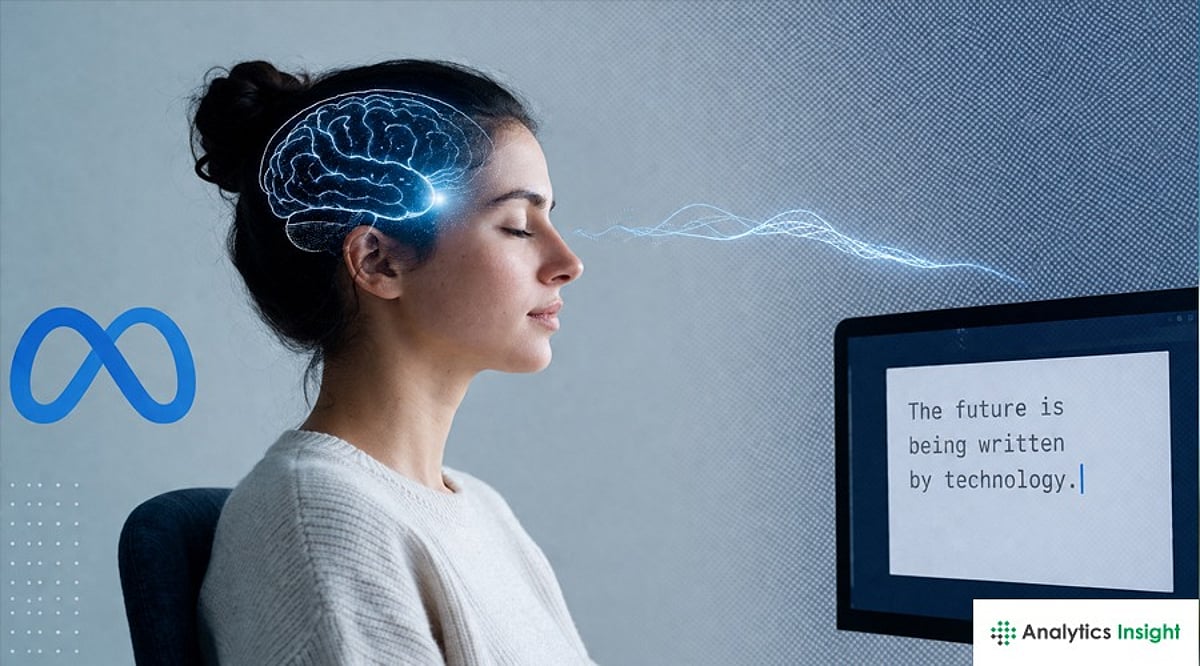
    Meta has unveiled Brain2Qwerty v2, a cutting-edge AI system that translates brain signals directly into text using non-invasive magnetoencephalography (MEG) technology. Unlike traditional brain-computer interfaces that require surgical implants, this system uses a helmet equipped with sensors to detect the magnetic fields generated by neural activity while a user types.

    In tests, Brain2Qwerty v2 achieved significant improvements over its predecessor, marking it as Meta’s most accurate end-to-end sentence decoder to date. The technology holds particular promise for individuals with paralysis, brain damage, or speech-related neurological disorders, offering them a potential future means of communication through thought alone.

    Despite the breakthrough, Meta acknowledges that the system remains experimental. Current MEG equipment is bulky, expensive, and requires a controlled environment, making it impractical for everyday use. Further advancements in both hardware miniaturization and AI algorithms are necessary before Brain2Qwerty v2 can become a viable communication aid outside research settings.

    The development underscores the accelerating progress in brain-computer interface technologies and their potential to transform healthcare and human-computer interaction.

  • How Agentic AI and Data Modernization Are Building Trustworthy Public Health Systems

    How Agentic AI and Data Modernization Are Building Trustworthy Public Health Systems

    Artificial intelligence is transforming how organizations analyze data, generate insights, and support decision-making, but in high-stakes environments such as public health, success depends on far more than model performance alone. As governments and healthcare organizations increasingly adopt large language models, agentic AI, and advanced analytics, the focus is shifting toward building systems that are transparent, governed, measurable, and capable of delivering reliable results at scale.

    In this interview, Anindita Nath discusses how advances in generative AI, biomedical informatics, and data modernization are reshaping public health and scientific research. With more than a decade of experience developing AI and machine learning solutions across industry and research, they have led initiatives spanning large language models, natural language processing, metadata engineering, and AI-ready data infrastructure. Their work includes co-leading one of the first agentic AI deep-research evaluation initiatives in the federal public health space, helping establish early frameworks for the responsible evaluation and adoption of autonomous AI systems.

    Drawing on experience building AI systems for disease surveillance, biomedical research, and large-scale public health data platforms, Nath shares insights into the challenges of governing AI in mission-critical environments, modernizing legacy data systems, and ensuring that intelligent technologies augment human expertise rather than replace it. They also explore the future of trustworthy AI, explaining why robust evaluation, transparency, and interdisciplinary collaboration will be essential as AI becomes increasingly embedded in healthcare and public health operations.

    Q: Please tell us about your professional journey and what inspired you to pursue a career in data science and artificial intelligence?

    A: My career began in software engineering and enterprise IT digitization, then expanded into computer science research in natural language processing, speech and audio signal processing, statistical machine learning, deep neural networks, and biomedical informatics. I was particularly drawn to AI’s potential to reduce cognitive load in operational environments. My early work in conversational AI and assistive health technologies shaped my view that intelligent systems should go beyond text generation to support information retrieval, knowledge synthesis, and decision support. This perspective continues to guide my work in public health, where AI and modern data engineering can strengthen surveillance, accelerate scientific discovery, and improve evidence-based decision-making.

    Q: Your work spans AI, public health, biomedical informatics, and data modernization. How would you describe your current role and areas of focus?

    A: My current role centers on designing governed, production-oriented AI systems for public health intelligence. My work spans generative AI, large language models, agentic AI enabled system evaluation, disease surveillance, metadata engineering, and AI-ready data infrastructure. I convert fragmented public health and biomedical datasets into structured, provenance-aware assets that support analytics and decision-making. A core priority is ensuring that these systems are measurable, reproducible, privacy-preserving, and operationally useful for analysts, researchers, and public health leaders.

    Q: Over the past decade, what have been some of the most defining moments or achievements in your career?

    A: Several achievements have shaped my professional trajectory. I co-led the first agentic AI deep-research evaluation initiative in federal public health, integrating advanced AI capabilities with governance, safety assessment, and operational validation to inform the agency’s agentic AI adoption strategy. I also led GENEVIC, an Azure OpenAI-enabled biological copilot for genomic data exploration, improving access to complex genomic information while preserving scientific rigor. Additional accomplishments include developing AI-enabled metadata and surveillance tools that reduced manual review burden by almost 50%, publishing first-author research in Bioinformatics, AMIA, ACM, and Speech Prosody venues, mentoring learners across computing and AI, receiving the Generation Google Scholarship in 2020, and being featured among Influential Women in 2026 and several such recognitions that reflect sustained technical performance, leadership, and impact.

    Q: For readers who may be new to your work, what excites you most about the intersection of AI and public health today?

    A: I am most interested in AI’s capacity to move public health from retrospective, static reporting toward interactive, evidence-driven intelligence. Public health decision-making, for example, in disease surveillance monitoring requires integrating heterogeneous signals from surveillance systems, clinical encounters, laboratory testing, immunization records, demographic datasets, scientific literature, and policy guidance. AI can accelerate signal integration and knowledge synthesis when supported by high-quality data, transparent methods, robust validation, and expert oversight. Its value is not to replace public health judgment, but to augment experts’ ability to detect patterns earlier, evaluate uncertainty, and act on stronger evidence.

    Q: You co-led the first agentic AI evaluation initiative in the federal public health space. What motivated this effort, and what were some of the key learnings from the project?

    A: The motivation was clear: before autonomous or semi-autonomous AI systems can support high-stakes public health work, they must be carefully evaluated. We needed to understand how agentic AI performs across complex questions involving epidemiology, informatics, policy guidance, and legal review. A key learning was that accuracy alone is not enough. Evaluation must include relevance, completeness, source reliability, safety, reproducibility, compliance screening, human subject-matter expert review, documentation of model behavior, source verification, and explicit identification of limitations. Governance must be designed from the beginning, not attached later.

    Q: As organizations increasingly deploy autonomous AI systems, how should leaders approach the challenge of evaluating and governing these technologies in high-stakes environments?

    A: Leaders should treat evaluation as an operational requirement, not a one-time technical test. Autonomous AI systems need clear task boundaries, trusted data sources, audit trails, privacy safeguards, human review, and continuous monitoring. A public health AI system should know whether it is retrieving evidence, summarizing a report, analyzing data, drafting communications, supporting policy planning, or identifying limitations. In high-stakes environments, leaders must ask not only whether a model can answer, but whether the organization can trust, verify, reproduce, and govern that answer.

    Q: You have worked extensively on AI-driven data modernization. What are the biggest challenges public health organizations face when transforming legacy data systems into AI-ready infrastructure?

    A: The biggest challenge is fragmentation. Public health knowledge is often trapped in isolated spreadsheets, inconsistent field definitions, separate dashboards, different reporting timelines, and legacy systems that were not designed for AI. Before AI can be useful, organizations need strong foundations: standardized data models, metadata, provenance, quality checks, access controls, documentation, interoperability, and reliable pipelines. Data modernization is also a workflow and trust challenge. AI-ready infrastructure requires clear accountability so that every output can be traced back to the evidence that produced it.

    Q: Your work has involved leveraging Azure OpenAI, Databricks, and Palantir Foundry for large-scale metadata analysis and knowledge discovery. Can you share a real-world example where these technologies delivered measurable impact?

    A: One example is my work on LLM-enabled metadata exploration and visualization. Through systems such as MetaMation and related enterprise metadata tools, users could ask natural-language questions over complex health surveillance and program-inventory metadata, retrieve relevant information, and generate visual summaries. This reduced manual analyst effort by more than 50% and made siloed metadata more accessible to program managers. GENEVIC was another example: a grounded biological copilot that used curated data, APIs, secure cloud deployment, prompt optimization, and validation so genomic exploration could become more intuitive without sacrificing scientific integrity.

    Q: Looking ahead, how do you see large language models and agentic AI reshaping healthcare, public health surveillance, and government operations over the next five years?

    A: Over the next five years, large language models and agentic AI will likely mature into governed orchestration layers across clinical care, public health surveillance, and government operations. In healthcare delivery, domain-specific agents could support ambient clinical documentation, EHR-integrated decision support, diagnostic triage, longitudinal patient summarization, prior authorization workflows, medication reconciliation, care-gap detection, remote monitoring, and precision-medicine recommendations. More transformative strategies may include multimodal models that integrate clinical notes, imaging, laboratory results, genomics, wearables, and social-risk indicators to enable earlier risk stratification and more personalized intervention planning. In public health, similar systems can strengthen evidence retrieval, epidemiologic signal detection, literature synthesis, metadata discovery, automated reporting, and cross-jurisdictional situational awareness. The most effective implementations will be embedded within secure informatics infrastructure rather than standalone chat interfaces. Their reliability will depend on grounding, provenance tracking, uncertainty estimation, continuous model monitoring, access control, interoperability, and human-in-the-loop review. These capabilities can expand expert capacity, reduce administrative burden, and improve operational responsiveness; however, accountability for interpretation, clinical action, ethics, equity, and final decisions must remain with human experts.

    Q: Beyond your technical contributions, you are actively involved in mentorship and STEM advocacy. What advice would you give to aspiring AI professionals looking to build impactful and purpose-driven careers?

    A: My advice is to develop technical depth alongside a clear sense of purpose. Aspiring AI professionals should build strong foundations in programming, machine/deep learning, AI evaluation strategies, and technical communication while remaining attentive to the communities and decisions their systems are intended to support. My own path has been shaped by perseverance, first-generation challenges, and a commitment to making computing both rigorous and accessible. Through initiatives such as Microsoft TEALS, Girls Who Code, CodePath, AnitaB.org, IEEE, Data for Impact, Women in STEM Network, and CAHSI-related workshops, I aim to help emerging technologists build confidence, strengthen their skills, and see themselves as contributors to the systems that will shape the future.

    Q: If you would like to add or highlight any other interesting insights that we might have missed in our questionnaire, please feel free to do so.

    A: The next phase of AI leadership will require interdisciplinary fluency. Effective AI professionals must pair algorithmic expertise with domain knowledge, ethics, governance, communication, accessibility, and implementation skills. In public health, impact depends on turning technical capability into trusted, practical systems.

  • How Ranjit Champawat Transformed COVID Safety Rules into Usable Workplace Playbooks

    How Ranjit Champawat Transformed COVID Safety Rules into Usable Workplace Playbooks

    COVID forced restaurants to operate like health sites. Teams still had to move fast, but safety moved to the center of every shift. Guidance changed often. Fear showed up in break rooms and group texts. A policy memo did not solve that. Ranjit Champawat approached the problem like an epidemiology exercise that also had to function as daily operations.

    In his workplace safety leadership role, he oversees compliance programs across restaurant locations in multiple areas. He also earned an MPH at Monroe College with a focus in epidemiology and biostatistics.

    “Safety has to be usable,” Champawat says. “If people cannot follow it on a busy shift, it is not safety.”

    Turning Changing Guidance into a Repeatable Playbook

    Public health advisories moved quickly during the pandemic. A process that worked one week could be outdated the next. Champawat led COVID response efforts that covered exposure rules, reporting steps with health authorities, and staff education on protective practices.

    “People do not need panic from leadership,” he says. “They need a clear plan they can repeat.”

    He built a simple expectation. Each site needed the same core steps, even if the staffing mix changed. He focused on what workers needed to know first, what supervisors needed to document, and what leaders needed to escalate.

    “Consistency keeps small misses from turning into a bigger spread,” he says.

    Exposure Events as Workflow, Not Drama

    An exposure can trigger rumors and confusion. It can also trigger defensible action. Champawat treated each case like a workflow. Identify the event. Confirm the facts. Notify the right parties. Track the response. Close the loop.

    “One missing step can multiply the problem,” he says.

    He helped standardize testing steps and reporting channels and reinforced follow-through through repeated training. He also emphasized calm communication so staff heard next steps instead of noise.

    “Clarity lowers stress,” he says. “Lower stress improves compliance.”

    Consistency Across Locations Takes Design

    Champawat’s role includes risk reviews, staff instruction, and compliance work tied to OSHA rules and local public health guidance. He describes the work as practical. It is about habits and checks, not slogans.

    “A rule on paper does not protect anyone,” he says. “A habit does.”

    He built routines that made safety visible. Supervisors knew what to watch. Teams knew what to do. Leaders knew what to measure.

    Documentation as Protection for People and for Truth

    Pandemic work produces questions later. Who knew what. When did it happen. What was done. Champawat brought strong record discipline to that environment. He has worked with EMR tools, including Allscripts and eClinicalWorks, and he carried that attention to detail into safety reporting.

    “Records keep the story straight,” he says. “They also help you improve the system.”

    Education That Respects the Room

    Champawat has created and delivered health education in New York for communities with different cultures and languages. He learned to avoid lectures and focus on practical choices people can act on.

    “Health messages fail when they sound like blame,” he says. “They land when they sound like support.”

    That experience translated into workplace training. Staff came with different comfort levels and different questions. He built a shared baseline that reduced uncertainty and improved follow through.

    “Training should make work easier,” he says. “It should not add confusion.”

    A Career Built Across Care and Prevention

    Champawat has more than ten years of experience spanning public health, clinical work, and safety leadership in Australia and the United States. He began in Australia in direct care, supporting older adults and medically complex residents in long term settings. He later moved through nursing education and into public health.

    “Care teaches attention,” he says. “Public health teaches patterns.”

    That mix helps him translate between frontline realities and leadership decisions. He contributes through protocols, training systems, and risk updates that are grounded in what sites can actually execute.

    “Leadership needs plans that hold,” he says. “They do not need extra noise.”

    Where He Is Building Next

    Champawat is expanding toward research-focused work. He is enrolled in a Clinical Research Associate training program and aims to contribute to public health programs that lift community outcomes through evidence-based methods and strong compliance.

    “I want work that can stand up to review,” he says. “It needs to be measured and responsible.”

    The pandemic exposed a simple point. Workplace safety is not a memo. It is a set of actions people can repeat under pressure. Champawat’s focus has been building those actions into the day, so teams stay protected even when the guidance shifts.

  • AI in Hypertension Management: Promising Tool, Not Yet a Standalone Solution

    AI in Hypertension Management: Promising Tool, Not Yet a Standalone Solution

    Overview

    Artificial intelligence is transforming hypertension care through predictive analytics, remote monitoring, and personalized treatment plans. While AI enhances risk detection and clinical decision support, significant challenges around data quality, transparency, regulation, and patient trust mean that human oversight remains indispensable.

    Key Insights

    • AI enhances detection and monitoring: Wearables and digital health systems generate vast data that machine learning algorithms analyze to predict hypertension risk, complications, and optimal treatment adjustments.
    • Data quality and transparency are major barriers: Incomplete, biased, or fragmented health data undermines algorithm performance, and lack of explainability makes clinicians hesitant to trust AI recommendations.
    • Human oversight remains essential: AI currently functions best as an assistive decision-support tool, not an autonomous doctor. Medical judgment is still required to interpret AI outputs and make final care decisions.

    The Growing Burden of Hypertension

    Hypertension, often called the ‘silent killer,’ affects millions worldwide without their knowledge. It is a leading cause of heart attacks, strokes, kidney failure, and premature death. Traditional healthcare systems struggle to provide the continuous monitoring, lifestyle coaching, medication management, and frequent consultations needed for effective blood pressure control.

    How AI Is Reshaping Hypertension Care

    AI-powered systems—including wearable blood pressure monitors, digital health platforms, and predictive algorithms—are increasingly used to manage hypertension. Machine learning models can identify individuals at high risk of developing hypertension, predict complications, and suggest personalized interventions based on historical data. Some tools even send medication reminders and track adherence. The goal is to shift from reactive to proactive care, catching problems before they escalate.

    The Promise of Personalization

    One of AI’s greatest strengths is its ability to tailor treatment. Hypertensive patients respond differently to therapies based on age, genetics, lifestyle, comorbidities, and medication history. AI algorithms can integrate these factors to recommend personalized regimens, potentially improving blood pressure control, reducing medication switches, and cutting down on clinic visits. However, translating research findings into real-world success remains challenging.

    Challenges Holding AI Back

    Despite rapid progress, several obstacles prevent AI from fully managing hypertension. Data accuracy is a primary concern—incomplete, inaccurate, or biased data can lead to flawed recommendations. Many healthcare organizations also face fragmented patient data across different systems. Transparency, or explainability, is another hurdle: clinicians are skeptical when they cannot understand how an algorithm reached a decision. Privacy and cybersecurity risks are also significant, given the sensitivity of health data.

    Where AI Delivers Value Today

    AI is proving its worth not as a replacement for clinicians but as an assistive technology. Hospitals use AI to identify high-risk patients, monitor blood pressure trends, and prioritize follow-ups. Remote patient monitoring programs benefit from AI’s ability to analyze data from large patient populations efficiently. Current AI systems are most effective as decision-support tools, helping clinicians make informed choices rather than making independent treatment decisions.

    AI in Hypertension Management: Opportunities and Limitations

    A Powerful Assistant, Not Yet an Autonomous Doctor

    The debate around AI readiness often misses the point. AI has already demonstrated value in monitoring, risk prediction, improving patient adherence, and supporting clinical decisions. However, it cannot yet manage hypertension without physician supervision. Medicine relies on trust and judgment; algorithms can spot patterns quickly, but doctors must interpret those patterns and decide on next steps. AI is not a substitute for hypertension specialists—it is a powerful aid. The future of AI in this field remains to be fully defined.

    Frequently Asked Questions

    1. What role does AI play in hypertension management? AI helps detect risks, monitor blood pressure trends, support treatment decisions, and improve patient engagement through data-driven insights.
    2. Can AI diagnose hypertension on its own? No. AI supports clinicians with analysis and recommendations, but diagnosis and treatment decisions still require medical expertise.
    3. How does AI improve medication adherence? AI-powered apps send reminders, track medication schedules, and encourage healthy habits, helping patients follow prescribed treatments.
    4. What are the biggest challenges facing AI in hypertension care? Data quality issues, privacy concerns, regulatory requirements, and limited transparency in some AI models remain challenges.
    5. Is AI the future of hypertension treatment? AI will likely significantly enhance hypertension management, but human oversight remains essential for safe, effective patient care.