Category: Health Technology

  • How Continuous Glucose Monitoring Will Evolve by 2030: AI, Automation, and Beyond

    How Continuous Glucose Monitoring Will Evolve by 2030: AI, Automation, and Beyond

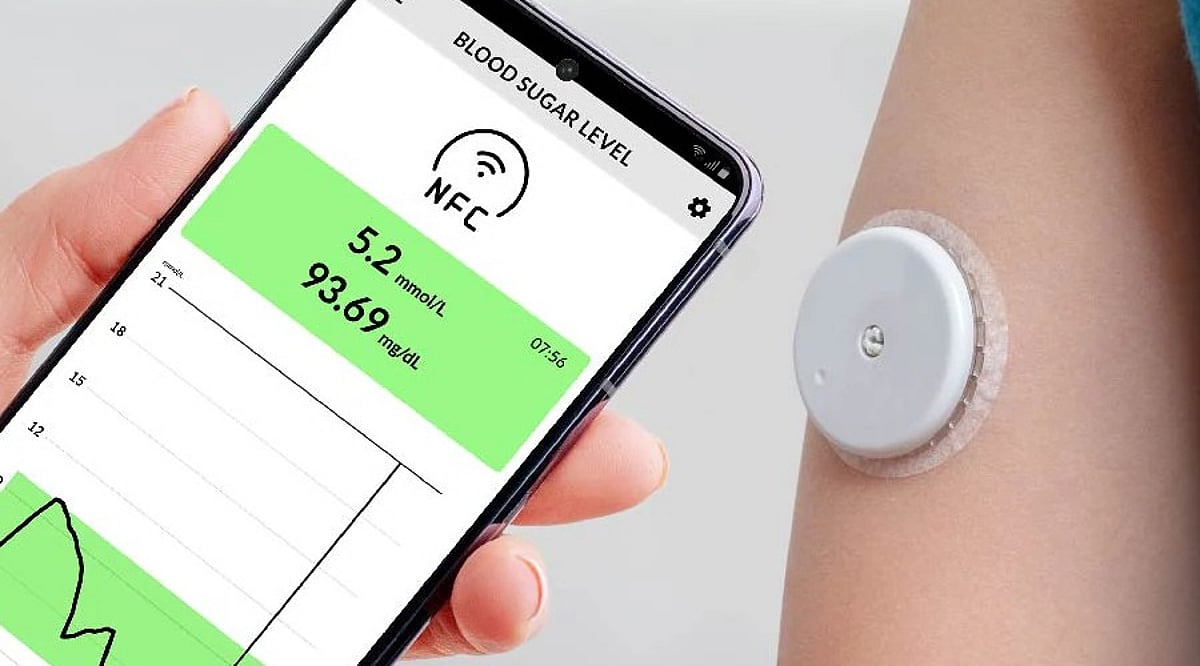
    Continuous Glucose Monitoring (CGM) has moved far beyond its origins as a niche tool for Type 1 diabetes management. Today, it is widely adopted by individuals with Type 2 diabetes, healthcare professionals, athletes, and health-conscious consumers seeking deeper insights into metabolic health. As technology accelerates, the next five years promise to expand both the capabilities of CGMs and the range of people who benefit from them. By 2030, these devices are expected to become smaller, smarter, and more connected, with artificial intelligence (AI), wearable ecosystems, and automated insulin delivery playing a much larger role. This article explores the key trends shaping the future of CGM.

    From Monitoring to Predicting Blood Sugar Trends

    Current CGM devices notify users when glucose levels change. However, future systems will likely predict changes before they occur. AI-enhanced algorithms will analyze glucose data alongside diet, physical activity, stress, sleep patterns, and medication history. This will enable proactive warnings and personalized recommendations, helping users prevent extreme glucose fluctuations rather than simply reacting to them.

    Artificial Pancreas Systems Become More Autonomous

    Closed-loop insulin pumps, often called artificial pancreas systems, are already in use but still require manual meal input or adjustments in some scenarios. By the end of the decade, these systems are expected to become fully automated, regulating insulin delivery based on real-time CGM data with minimal user involvement. Researchers are also exploring dual-hormone systems that administer both insulin and glucagon, offering better glucose control while reducing the risk of hypoglycemia.

    Smaller Sensors, Longer Wear, and Less Discomfort

    Sensor technology is advancing rapidly. Most current CGMs need replacement every 10–15 days, though implantable versions already last months. Future sensors will be thinner, more comfortable, and capable of operating far longer without sacrificing accuracy. Non-invasive methods—measuring glucose from sweat, tears, or saliva—are also under investigation. While still in development, these breakthroughs could eliminate the need for needle-based sensors altogether.

    Beyond Glucose: A Broader Health Picture

    Next-generation wearables will track more than glucose. Researchers are designing sensors that simultaneously measure ketones, lactate, cortisol, hydration, inflammation, and other metabolic markers. Combined with data from smartwatches—heart rate, sleep quality, activity levels—CGMs will provide a comprehensive snapshot of an individual’s health, enabling more personalized treatment plans and deeper insights into daily metabolic responses.

    Expanding Beyond Diabetes Care

    Although CGMs were developed for diabetes management, their applications continue to grow. People with prediabetes use them to identify glucose-raising foods and behaviors. Athletes leverage CGM data to optimize training and performance. Scientists are also exploring their role in weight management and early detection of metabolic conditions. However, current evidence does not yet support routine CGM use for healthy individuals without a medical need.

    Affordability and Access Remain Major Challenges

    Despite rapid innovation, widespread adoption depends on overcoming significant barriers. High device costs, limited insurance coverage, data security concerns, and uneven access to healthcare continue to hinder uptake in many regions. Regulatory approvals and clinical evidence will also determine how quickly new technologies reach patients. At the same time, improvements in sensor precision, reduced latency, and seamless connectivity with phones, smartwatches, and telehealth platforms are making CGMs more practical and user-friendly.

    The Road to 2030

    Continuous glucose monitoring is entering a new chapter. By 2030, these tools will act less like passive monitors and more like intelligent health companions—anticipating glucose fluctuations, automating treatments, and delivering personalized insights. Not every innovation will become mainstream by the end of the decade, but the direction is clear: diabetes care is becoming more connected, data-driven, and proactive. For millions living with diabetes and for many others seeking to improve metabolic health, the next generation of CGMs promises simpler, more precise, and less intrusive daily management.

  • Top Healthcare CRM Platforms of 2026: A Comprehensive Comparison of Features, Security, and Value

    Top Healthcare CRM Platforms of 2026: A Comprehensive Comparison of Features, Security, and Value

    Healthcare providers are increasingly turning to CRM software to enhance patient engagement, streamline appointments, and centralize patient data. In 2026, these platforms have evolved to include powerful AI capabilities, robust security measures, and seamless EHR integration. The global healthcare CRM market now exceeds $20 billion, growing at a double-digit rate annually.

    Salesforce Health Cloud – Best Overall Healthcare CRM

    Salesforce Health Cloud leads the market with a comprehensive suite of features for large hospitals and healthcare organizations. It centralizes patient data, appointments, referrals, treatment history, and communications. Its AI capabilities provide reminders, suggest next steps, and enable personalized patient outreach. Security is top-notch with HIPAA compliance, data encryption, role-based access, Business Associate Agreements (BAA), and detailed activity logs. While more expensive than alternatives, its feature set justifies the cost, earning a value rating of 9.8 out of 10.

    Microsoft Dynamics 365 Healthcare

    Microsoft Dynamics 365 Healthcare integrates seamlessly with Microsoft 365, Teams, and Power BI, making it ideal for organizations already using Microsoft products. The platform includes Microsoft Copilot, an AI assistant that streamlines daily operations, tracks patient journeys, manages appointments, and generates reports. Security features include strong encryption, secure user access, threat protection, and HIPAA support. It scores 9.4 out of 10 for value.

    HubSpot Marketing Hub Enterprise

    HubSpot has become a popular choice for its ease of use. It automates appointment reminders, follow-up emails, health updates, and marketing campaigns. AI tools assist with content creation and communication management. The platform offers HIPAA-ready enterprise options with encryption, secure access, and activity tracking. It is well-suited for clinics seeking modern, user-friendly software, earning a value score of 9.2 out of 10.

    Zoho CRM

    Zoho CRM is an affordable option for small to medium-sized clinics. It helps manage patient contacts, appointments, reminders, and daily tasks. Security features include encryption, access rights, audit trails, and HIPAA-ready capabilities. Its combination of functionality and pricing makes it a strong choice, with a value score of 9.0 out of 10.

    Creatio Healthcare CRM

    Creatio Healthcare CRM is known for its no-code system, allowing healthcare organizations to customize workflows without programming. It manages appointments, patient records, customer service, and daily processes. AI reduces manual work and improves efficiency. Security features include HIPAA-compliant architecture, encrypted data, secure cloud storage, and activity tracking. It receives a value score of 8.9 out of 10.

    What Makes a Good Healthcare CRM?

    A good healthcare CRM goes beyond simple data storage. The best solutions enable patient communication, appointment scheduling, and EHR integration. In 2026, key features include AI functionality, telehealth, referral management, patient satisfaction tracking, revenue management, and FHIR integration. These capabilities improve hospital and clinic performance.

    Why Security is So Important

    Healthcare organizations handle sensitive medical data daily, making robust security critical. Top healthcare CRMs include HIPAA compliance, AES-256 encryption, multi-factor authentication, Business Associate Agreements (BAA), role-based access, audit logs, secure API connections, and disaster recovery systems. These tools protect patient information from cyberattacks and unauthorized access.

    Final Thoughts

    Healthcare CRM software has evolved significantly, now focusing on improving care and reducing administrative burden. Salesforce Health Cloud remains the most versatile with advanced features and security. Microsoft Dynamics 365 Healthcare suits Microsoft-centric organizations. HubSpot excels in patient communication, while Zoho CRM offers great pricing for smaller entities. Creatio Healthcare CRM is ideal for those seeking easy workflow customization. Ultimately, choosing a CRM with strong security, high AI capabilities, and simple EHR integration will best serve patients in 2026 and beyond.

    FAQs

    1. What is a healthcare CRM? A healthcare CRM is software that helps hospitals and clinics manage patient information, appointments, communication, follow-ups, and relationships from one platform.
    2. Which healthcare CRM is the best in 2026? Salesforce Health Cloud ranks as the best overall due to its advanced features, AI tools, strong security, and scalability.
    3. Why is security important in a healthcare CRM? Healthcare CRMs store sensitive patient data, so features like HIPAA compliance, encryption, and access controls are essential.
    4. Can small clinics use healthcare CRM software? Yes. Platforms like Zoho CRM and HubSpot offer affordable solutions tailored for small and medium-sized providers.
    5. What features should a healthcare CRM include? A good healthcare CRM should include AI tools, appointment management, patient communication, EHR integration, reporting, workflow automation, and strong data security.
  • Essential Health and Wellness Apps for 2026: Fitness, Sleep, and Mindfulness

    Essential Health and Wellness Apps for 2026: Fitness, Sleep, and Mindfulness

    Staying healthy, sleeping better, and reaching your fitness goals is easier than ever with the right digital tools. As 2026 approaches, a new wave of health-focused apps offers everything from calorie tracking to guided meditation and AI-powered symptom checking. Here are the top-rated health apps to consider adding to your routine.

    MyFitnessPal

    One of the most popular fitness apps worldwide, MyFitnessPal helps you track calories, nutrition, and workouts with an extensive food database and seamless integration with other fitness trackers. Its user-friendly interface makes it ideal for anyone looking to manage dietary intake and exercise.

    Headspace

    Headspace is a go-to app for reducing stress and improving focus through guided meditation, mindfulness exercises, and sleep aids. With courses designed for beginners and experienced practitioners alike, it supports mental wellness and daily relaxation.

    Google Fit

    Google Fit consolidates daily activity, heart points, workouts, and health metrics into a single dashboard. It syncs with various wearables and devices, giving you a comprehensive view of your physical activity and progress toward health goals.

    Apple Health

    Apple Health brings together fitness, sleep, heart health, and medical records in one secure platform. It offers detailed insights and trends while keeping your health data private and accessible only to you. Ideal for iPhone users looking for a holistic health hub.

    Fitbit

    Fitbit’s ecosystem provides detailed sleep analysis, activity tracking, and wellness insights. Whether you’re monitoring sleep stages, step counts, or heart rate variability, Fitbit delivers personalized recommendations to help you improve overall well-being.

    Calm

    Calm focuses on improving sleep quality and mental wellness through relaxing music, sleep stories, and meditation sessions. Its library of soothing content makes it a powerful tool for unwinding after a busy day.

    Ada Health

    Ada Health leverages AI to offer symptom assessments and personalized health guidance. Users can describe their symptoms, and the app provides possible causes and recommendations, helping them make informed decisions about seeking medical care.

    Strava

    Strava is the premier app for runners and cyclists who want detailed performance tracking and community challenges. It records routes, pace, and elevation, and enables users to compete with friends or join global challenges for motivation.

  • Samsung Teases AI-Powered Galaxy Watch 9 with Advanced Health Tracking Ahead of Unpacked 2026

    Samsung Teases AI-Powered Galaxy Watch 9 with Advanced Health Tracking Ahead of Unpacked 2026

    Samsung has begun building anticipation for its next-generation smartwatch by teasing an AI-powered wearable ahead of the Galaxy Unpacked 2026 event scheduled for July 22. While the company has not officially confirmed the product name, industry speculation strongly points to the Galaxy Watch 9 series. The teaser highlights artificial intelligence, redesigned internal hardware, and improved battery performance, indicating Samsung’s continued push to strengthen its position in the premium smartwatch market as AI becomes central to wearable technology.

    AI Takes Center Stage in Samsung’s Wearable Strategy

    In the teaser, Samsung seems to focus on health-centric artificial intelligence rather than new innovations in hardware. According to the teaser, the smartwatch will be an advanced version of the Galaxy Watch, which provides health insights through a new level of intelligence about individual health. By incorporating Galaxy AI into the health-centric watch, Samsung will use its intelligence to evaluate a person’s activities, sleeping habits, heart health, and fitness levels.

    Analysts consider this a move to a larger trend in the smartwatch industry, whereby software intelligence becomes the competitive edge, more than any new innovations in hardware.

    Hardware Upgrades Could Improve Performance and Battery Life

    While Samsung has been tight-lipped about technical specifications, it has stated that the upcoming wearable device will contain “all-new internal components” in addition to improved battery life. According to reports, the Galaxy Watch 9 might get a new processor, which can provide better performance along with less consumption of energy, thus ensuring battery longevity without enlarging the physical size of the device.

    Leaks have also pointed out that Samsung will most likely continue with its signature round design but will include some improvements in the internal structure and health sensors. Improved biometric sensing, processing, and energy efficiency could help in providing the AI-based features demonstrated by Samsung. These enhancements might help Samsung gain an edge over competitors like Apple, Google, and Garmin, who are also increasingly focusing on providing health-related AI-based features in their wearables.

    Galaxy Unpacked Expected to Showcase a Broader AI Ecosystem

    The announcement of the smartwatch is expected to be held during the Galaxy Unpacked event, where Samsung will reveal its next-generation foldable smartphones like Galaxy Z Fold 8 and Galaxy Z Flip 8. As seen by Samsung’s recent actions, Galaxy AI is expected to become the uniting element for smartphones, tablets, wearables, and any connected devices.

    The CEO of Samsung TM Roh has recently pointed out that the future of AI development lies in devices that can recognize individual user preferences and provide more personal experiences rather than just perform some commands. Such an approach is likely to be applied to wearable devices, where AI is also expected to ensure excellent privacy through Samsung Knox technology.

    Smarter Wearables Signal Samsung’s Next Growth Phase

    With the competitive space becoming heated up in the realm of high-end smartwatches, Samsung is more and more relying on AI as the unique element that is supposed to define future wearable gadgets. Although the Galaxy Watch 9 is not officially released yet and should be revealed on July 22, the recent teaser by Samsung indicates that the emphasis is going to shift from technical aspects to more advanced health management and battery performance.

  • Top AI Healthcare Stocks and ETFs to Watch in 2026: Intuitive Surgical, Tempus AI, and More

    Top AI Healthcare Stocks and ETFs to Watch in 2026: Intuitive Surgical, Tempus AI, and More

    Artificial intelligence is rapidly reshaping the healthcare sector, with applications in robotic surgery, diagnostics, medical imaging, drug discovery, genomics, and clinical workflow automation. Investors can gain exposure through individual stocks or diversified ETFs. Here’s a look at the leading opportunities.

    Intuitive Surgical

    Intuitive Surgical is the maker of the da Vinci robotic surgery system, widely used in minimally invasive procedures. The stock offers exposure to surgical automation and data-driven operating rooms. In Q1 2026, the company reported revenue of $2.77 billion, up 23% year-over-year, with adjusted earnings of $2.50 per share. Both the da Vinci and Ion systems saw procedure growth of 17% and 39%, respectively, and 431 new da Vinci systems were installed globally.

    Tempus AI

    Tempus AI uses AI and medical data to enable precision medicine, focusing on oncology, cardiology, radiology, and depression. Listed on Nasdaq under ticker TEM in 2024, the company specializes in diagnostics and genome sequencing. While the opportunity is large—precision medicine requires integrating genomic, clinical, and imaging data—Tempus remains a growth-stage business, so investors should monitor revenue growth, margins, cash burn, and adoption rates.

    GE HealthCare

    GE HealthCare provides AI exposure through medical imaging and hospital technology at scale. The company operates four segments: medical imaging, ultrasound, patient care solutions, and pharmaceutical diagnostics. It has acquired AI firms such as Caption Health (2023) and Intelligent Ultrasound’s clinical AI business (2024). Trading near $64, about 27.77% below its 52-week high of $89.77, GE HealthCare offers a less momentum-driven AI healthcare play.

    AI Healthcare ETFs

    For diversified exposure, consider these ETFs:

    • Global X Robotics and Artificial Intelligence ETF (BOTZ) – $3.52 billion AUM, 0.68% expense ratio. Includes industrial robotics, autonomous systems, and medical robotics, with holdings like Intuitive Surgical.
    • First Trust Nasdaq Artificial Intelligence and Robotics ETF (ROBT) – 114 stocks, 0.65% expense ratio. Broader exposure across tech, industrials, and healthcare, including Tempus AI and Illumina.
    • ROBO Global Robotics and Automation Index ETF (ROBO) – $2.05 billion AUM, 0.95% expense ratio. Targets robotics, automation, and AI across healthcare, life sciences, and industrials, with no single oversized holding.

    Final Thoughts

    Intuitive Surgical offers robotic surgery exposure; GE HealthCare provides scale in hospital technology; and Tempus AI targets high-growth precision medicine. ETFs like BOTZ, ROBT, and ROBO reduce single-stock risk. A balanced strategy combining established names, ETFs, and a smaller allocation to higher-risk AI stocks may be prudent.

    Disclaimer: This article is for informational purposes only and does not constitute investment advice. Always conduct your own research before making investment decisions.

  • Best Wrist-Based Heart Rate Monitors of 2026: Expert Picks

    Best Wrist-Based Heart Rate Monitors of 2026: Expert Picks

    Heart rate monitoring has become a cornerstone of modern fitness tracking, and wrist-based devices now offer hospital-grade accuracy alongside everyday wearability. Whether you are a competitive athlete, a weekend runner, or someone who simply wants to keep a closer eye on their health, the latest generation of wrist monitors delivers impressive capabilities. Below, we take a closer look at the top 10 wrist-based heart rate monitors available in 2026.

    1. Apple Watch Series 12

    The Apple Watch Series 12 continues to set the standard for wrist-based heart rate tracking. It delivers highly accurate readings, supports ECG functionality, automatically detects workouts, and monitors sleep patterns. Seamless integration with the Apple ecosystem makes it a daily essential for iPhone users.

    2. Samsung Galaxy Watch Ultra 2

    Samsung’s flagship wearable combines continuous heart rate monitoring with advanced health sensors and AI-powered wellness insights. Its rugged durability and impressive battery life make it an excellent choice for active users who need a device that can keep up with demanding workouts and outdoor adventures.

    3. Garmin Fenix 9

    Built for athletes who push their limits, the Fenix 9 offers precise heart rate monitoring, GPS tracking, endurance analytics, recovery metrics, and multi-sport performance tools. It is the go-to companion for hikers, runners, and triathletes who rely on data to optimize their training.

    4. Garmin Forerunner 975

    The Forerunner 975 is tailored for serious runners and triathletes. It provides dependable heart rate accuracy, training readiness scores, recovery analysis, detailed running dynamics, and extended battery life to support long training sessions and race days.

    5. Fitbit Sense 3

    Fitbit’s premium health smartwatch features continuous heart rate tracking, stress management tools, sleep analysis, ECG functionality, and personalized wellness recommendations. The Sense 3 leverages Fitbit’s comprehensive health platform to offer a holistic view of your well-being.

    6. Polar Vantage V4

    The Polar Vantage V4 delivers professional-grade heart rate accuracy designed for competitive athletes. It excels in recovery tracking, training load analysis, sleep insights, and provides advanced coaching tools that help athletes fine-tune their performance and avoid overtraining.

    7. COROS Pace 4

    COROS continues to impress with the Pace 4, which offers reliable heart rate monitoring in a lightweight, comfortable package. Long battery life, accurate workout tracking, and comprehensive performance metrics make it a strong contender for endurance sports enthusiasts.

    8. Huawei Watch GT 6 Pro

    The Huawei Watch GT 6 Pro combines advanced optical heart rate monitoring with blood oxygen tracking, sleep analysis, and an elegant design. Its extended battery life ensures it can be worn day and night without frequent charging, making it ideal for everyday health tracking.

    9. Amazfit Balance 2

    For health-conscious consumers seeking great value, the Amazfit Balance 2 packs continuous heart rate tracking, AI fitness coaching, sleep monitoring, and stress analysis into an affordable package. It proves that advanced health features do not have to come with a premium price tag.

    10. Whoop MG

    Whoop’s latest device focuses entirely on continuous heart rate monitoring, recovery scores, strain analysis, and sleep optimization. With a subscription-based model, it provides dedicated fitness enthusiasts with deep, actionable insights to maximize performance and recovery.

    From rugged outdoor companions to sleek everyday wearables, the wrist-based heart rate monitors of 2026 offer a wide range of features to suit different lifestyles and budgets. When choosing a device, consider what matters most to you — whether that’s battery life, accuracy, ecosystem integration, or specialized training metrics.

  • AI-Powered Compliance: Enhancing Healthcare Claims and Payor Systems Regulation

    AI-Powered Compliance: Enhancing Healthcare Claims and Payor Systems Regulation

    Healthcare organizations are turning to artificial intelligence (AI) to modernize regulatory compliance as government oversight of medical claims and payor systems tightens. Professionals like Vivek Yadav, a Senior Business Systems Analyst with deep expertise in both healthcare operations and technology strategy, are leading efforts to deploy AI responsibly in highly regulated environments.

    The complexity of claims processing, patient eligibility verification, fraud prevention, and privacy laws has overwhelmed traditional manual review methods, which struggle to keep pace with high transaction volumes and rapidly evolving payer rules. AI offers a way to shift compliance from reactive audits to continuous, proactive oversight. By identifying discrepancies, improving claim accuracy, and enhancing audit readiness, AI can help build more sustainable regulatory frameworks.

    Yadav’s background includes degrees in Finance and Computer Information Sciences, along with certifications in Agile Systems Management and Medicare Fraud Prevention. His research, cited by hundreds of peers, spans AI ethics, cybersecurity, blockchain, and health economics. In a March 2026 study titled “Medicaid Algorithmic Unwinding Economics,” he showed that algorithmic errors in automated Medicaid eligibility redetermination could lead to improper termination of coverage, increasing uncompensated care costs for hospitals and harming public health equity. He proposed a governance structure based on transparency, human review, and protections against systemic bias.

    Yadav emphasizes that AI should serve as a governing layer, not a replacement for human judgment. Machine learning can monitor claims patterns, verify eligibility decisions, and flag potential issues for human reviewers, rather than making autonomous determinations. He has also warned that historical datasets used to train AI models may contain biases that adversely affect sensitive healthcare outcomes, advocating for explainable models, diverse training data, and interdisciplinary oversight.

    Beyond research, Yadav has explored integrating modern compliance tools into legacy payor platforms, which often rely on outdated hardware and software. He has developed middleware and secure data bridges to upgrade oversight capabilities without full system replacements. He has also published on using blockchain technology to improve auditability, data integrity, and secure information exchange between healthcare systems.

    The impact of these approaches is clear: AI-based compliance systems can lower administrative friction, speed up detection of billing anomalies and fraud, ensure adherence to privacy and reimbursement regulations, and promote fairness by continuously testing models for bias and performance drift. Such safeguards protect both financial stability and patient access to care.

    The future of healthcare claims compliance depends on responsible automation with human accountability. As regulatory demands evolve, the methods championed by experts like Vivek Yadav may set the standard for next-generation governance in healthcare.

  • How AI and Sensor Intelligence Are Revolutionizing Healthcare Manufacturing from Data to Diagnosis

    How AI and Sensor Intelligence Are Revolutionizing Healthcare Manufacturing from Data to Diagnosis

    Inside the assembly lines of molecular diagnostics manufacturers, the equipment that produces cartridges used to test tuberculosis, COVID, and cancer runs under one of the most surveilled quality regimes in industrial manufacturing. Until recently, much of that surveillance happened the slow way. Test data trickled into databases only after manual uploads. Statistical investigations ran on schedules that felt antique next to the conveyor belts they were meant to oversee. A defect caught a shift late was still a defect caught late.

    That asymmetry between how the machines move and how the data moves is finally closing. A wave of analytics engineers is wiring inline sensors, real-time data pipelines, and AI-driven anomaly detection into the production floors of FDA-regulated medical-device makers. The work happens out of sight of the marketing copy that usually accompanies “AI in manufacturing,” and it doesn’t look like a chatbot or a generative model. It looks like a sensor on a fluidics line streaming a signal to a cloud platform that flags a deviation while the lot is still in progress.

    Suchitra Venkatesan is one of the engineers driving that shift. As a production data scientist at a leading MedTech company, she leads an internal real-time analytics platform that pulls test data across multiple layers, provides intelligent line-related analytics and pushes it into validated dashboards. The platform has produced one of the more concrete operational metrics in this corner of the industry. Product quality test data is now able to reach database in a near real-time basis, circumventing the need for manual data uploads. In a production environment where every lot represents tests destined for hospitals and clinical labs, that is the difference between catching a defect before shipment and not.

    The architecture behind the change is not exotic. Ms. Venkatesan’s workflow will potentially replace an age-old process that depends on humans uploading test data into a database with one that draws data directly from instruments on the production floor and pushes it through a cloud platform into PowerBI dashboards. The signal layer combines system data from instruments with quality metrics. The presentation layer potentially surfaces anomalies while a lot is still moving. The transition matters less for any single technical component than for what it changes about the production floor’s decision tempo.

    What changed first was the cadence of visibility. Most healthcare manufacturers report on a daily or end-of-shift basis. Ms. Venkatesan’s data-driven analytics layer brought that down to the hour, giving operations leadership a near-live read on output and equipment behavior. Patterns that daily aggregation had quietly hidden, such as equipment drift, supply pacing irregularities, and downstream test variability, became visible inside the shift in which they happened. Several departments inside the organization now rely on the data foundation she helped lay.

    The methodological roots run deeper than the current project. In 2019, Ms. Venkatesan authored a paper in IET Electric Power Applications on the use of an intelligent digital twin to monitor and predict the health of electric vehicle motors. The paper has accumulated more than two hundred citations and was awarded the IET Electric Power Applications Premium Award in 2021, the journal’s best-paper honor. The framework it laid out—sensor telemetry feeding a predictive model whose signal lets operators intervene before a failure rather than after one—is the same conceptual scaffolding she now applies to the equipment that produces molecular diagnostic tests.

    “Using intelligent digital twins isn’t explored very well in healthcare domain,” Ms. Venkatesan has written. “Predictive diagnostics can greatly reduce downtime and production latency. With a technology similar to the one described in my IET paper, critical life-saving machines can be monitored remotely and saved from inadvertent failure or stoppage before it even occurs.”

    Most coverage of AI in manufacturing skips the regulatory layer. Healthcare manufacturers operate under the US Food and Drug Administration’s Quality System Regulation, with audit trails, validation protocols, and documented decision logic for any signal that influences a quality call. Building a real-time AI pipeline for an unregulated factory is one thing. Building one whose every alert must be defensible to a regulator is something else. Engineers who came to work with data the way Ms. Venkatesan did—through instrumentation engineering and sensor and control systems—tend to be the ones who can hold both halves in their head at once. Her two graduate degrees, one in sensors and control systems and one in business analytics, sit on either side of the gap that most AI projects in regulated manufacturing must cross.

    The wider market has been catching up to the kind of work she has been doing. Real-time data pipelines, intelligent digital twins, and AI-driven predictive maintenance are converging into a standard toolkit for what some industry observers now call smart-factory healthcare. The framing is grand. The day-to-day work, as Ms. Venkatesan’s project shows, is more specific. It looks like cutting manual and redundant time out of a quality investigation, replacing a manual upload with a cloud-based data stream, and giving operations the ability to read the factory floor an hour at a time instead of a day at a time. That is what the next phase of AI in healthcare manufacturing looks like.

  • Best Fitness Trackers for Runners and Cyclists: Expert Picks for Every Athlete in 2026

    Best Fitness Trackers for Runners and Cyclists: Expert Picks for Every Athlete in 2026

    Fitness trackers have evolved from simple step counters into powerful health and training companions. Today’s devices monitor heart rate, sleep, stress, recovery, workouts, and even provide AI-powered insights to help users improve their overall fitness. Whether you are just starting a fitness journey or training for a marathon, a good fitness tracker can help you stay on track and make informed health decisions.

    Finding the right fitness tracker, though, has become even more difficult as wearables offer features such as training readiness, recovery, accurate GPS navigation, battery efficiency, and AI recommendations. This makes it necessary to select a product based on individual needs rather than the most expensive choice.

    What Makes a Great Fitness Tracker?

    The ideal fitness trackers provide accurate information while being simple to use. The importance of accuracy, comfort, and battery life outweighs the number of unused features.

    The following characteristics are worth considering before buying a fitness tracker:

    • Inbuilt GPS with accurate route tracking
    • Heart rate monitor that provides reliable data
    • High battery life
    • Water resistance for outdoor usage
    • Workout modes for running and cycling
    • Ability to analyze recovery and sleep
    • Compatibility with fitness applications such as Strava
    • Comfortable design for wearing all day

    Some high-end watches have other features, including offline maps, dual-frequency GPS, an ECG monitor, and advanced training metrics.

    Best Fitness Trackers for Running and Cycling

    Garmin Sets the Benchmark

    Garmin is still leading in fitness tracking. For example, the new Forerunner collection is one of the best options for those who plan to run half marathons, marathons, and even trail races. It provides in-depth information about pace, cadence, recovery, VO2 Max, and training readiness.

    Garmin Fenix 8 is designed for those people who spend their time on road running, mountain biking, hiking, and adventures in the wild. Its features include offline maps, precise navigation, and a durable design. Garmin’s ecosystem is commendable. The app, Garmin Connect, provides in-depth reports, and many professionals use it for training monitoring.

    Coros Delivers Premium Performance

    Coros devices are gaining popularity among athletes because the company prioritizes battery efficiency and GPS accuracy over other smart functions. Coros Pace Pro offers an efficient battery life and precise running data without being as heavy as many high-end sports watches.

    Cyclists appreciate the exact altitude measurement and compatibility with cycling gear. Coros is an excellent choice for sports enthusiasts who prioritize performance over notifications.

    Apple and Samsung Narrow the Gap

    Smartwatches are also efficient fitness devices. Apple Watch Ultra 2 features sophisticated health analytics and precise GPS, along with other safety tools and compatibility with the ecosystem’s services. It is especially suitable for those individuals who need a single gadget for fitness, communication, and efficiency.

    Samsung Galaxy Watch Ultra offers these capabilities to Android users. The company has made significant advances in the health application by providing more sophisticated sleep analysis, body composition monitoring, and wellness tips generated via artificial intelligence. Additionally, battery life favors dedicated sports watches.

    Budget Buyers Have Better Options

    Amazfit Balance offers a great GPS, decent battery life, and excellent fitness tracking at an affordable price. The user interface has been upgraded from previous versions and is now much easier to use for novices.

    Fitbit Charge 6 is still popular among novices who prefer lightweight wearable devices that track everyday activities, sleep, and heart rate but do not provide sophisticated data for athletes.

    Features that Matter

    Fitness tracking has moved beyond counting steps. Buyers should pay attention to features that genuinely improve training.

    The most useful additions include:

    • Dual-frequency GPS for better location accuracy
    • AI-powered training recommendations
    • Heart rate variability monitoring
    • Recovery scores
    • Sleep coaching
    • Offline navigation
    • Automatic workout detection
    • Cycling power meter compatibility
    • Fall detection and emergency alerts

    Many manufacturers now update these features through software, allowing devices to improve even after purchase.

    Which Tracker Should You Buy?

    The choice depends on how you plan to train, not on the brand’s popularity. Choose Garmin Forerunner 970 if running and tracking all metrics carefully are the main goals. Garmin Fenix 8 would be the right choice for running, biking, hiking, or any other outdoor activity. Coros Pace Pro stands out as one of the most balanced watches in terms of price, battery life, and training capabilities.

    Apple Watch Ultra 2 can suit iPhone owners who are interested in both a smartwatch and accurate workout tracking. Samsung Galaxy Watch Ultra is another great watch for Android users who want both health analytics and smartwatch features. Budget-conscious buyers may find the Amazfit Balance and the Fitbit Charge 6 more suitable for everyday fitness goals.

    Final Thoughts

    Fitness tracking gadgets have become smart training assistants. They can now help you monitor your recovery, analyze performance, and make informed training decisions based on real-time health data.

    The most effective device is not always the most expensive one, but the one that matches your lifestyle and needs and provides relevant stats. If you are preparing for your first 10K or training for the marathon, then fitness trackers give you more precise analysis than ever before.

    FAQ’s

    1. Which is the best fitness tracker for running?
      The Garmin Forerunner 970 is widely considered one of the best running fitness trackers. It offers dual-frequency GPS, advanced training readiness, recovery insights, VO₂ Max tracking, and detailed performance analytics for runners of all levels.
    2. Are AI-powered fitness trackers worth buying?
      Yes. Modern AI-powered fitness trackers analyze sleep, heart rate variability (HRV), recovery, and workout history to provide personalized training recommendations. These insights help users train more effectively while reducing the risk of overtraining and injury.
    3. Which fitness tracker has the longest battery life?
      Among leading wearables, the Garmin Fenix 8 and Coros Pace Pro offer some of the longest battery life. Depending on usage and GPS settings, they can last for several weeks, making them ideal for endurance athletes and outdoor adventures.
    4. Can fitness trackers accurately monitor health and recovery?
      Today’s premium fitness trackers provide highly accurate heart rate monitoring, sleep analysis, HRV tracking, and recovery scores. While they are valuable wellness tools, they should support, not replace, professional medical advice or clinical health assessments.
    5. What should I look for when buying a fitness tracker?
      Prioritize features that match your fitness goals, including accurate GPS, heart rate monitoring, battery life, sleep and recovery tracking, AI-powered coaching, water resistance, and compatibility with platforms like Strava or Apple Health for seamless data syncing.
  • How AI and Data Analytics Are Reinventing Sleep Apnea Care

    How AI and Data Analytics Are Reinventing Sleep Apnea Care

    Roughly one billion people worldwide are estimated to live with obstructive sleep apnea, and a large share of them don’t know it. For those who do get diagnosed and treated, the experience of managing the condition looks nothing like it did a decade ago. Sleep medicine has quietly become one of the more compelling case studies in applied health data analytics, and the transformation offers a useful window into how AI is reshaping at-home healthcare more broadly.

    What was once a field defined by overnight lab studies, tangled wires, and manual chart review by a technician is now being reshaped by connected devices, real-time data streams, and machine learning models that can detect and respond to breathing irregularities as they happen. For an industry historically plagued by poor patient adherence, that shift matters enormously.

    From Overnight Labs to Continuous Data Streams

    For decades, diagnosing sleep apnea meant a night in a clinical sleep lab, wired to sensors, followed by a specialist manually reviewing hours of recorded data the next morning. It was accurate, but slow, expensive, and difficult to scale to the scope of the problem. Today, a growing share of that diagnostic and monitoring work happens at home, generating continuous streams of breathing, oxygen saturation, and movement data that machine learning models can analyze automatically rather than reviewed frame by frame by a human.

    This shift toward continuous, at-home data collection is exactly the kind of trend that tends to accelerate technology adoption once it takes hold. Sleep therapy providers are increasingly building products around it, and patients researching treatment options are now just as likely to compare data features and app connectivity as they are price when shopping for CPAP machines.

    Smarter Machines: AI-Driven Pressure Adjustment

    One of the more significant advances in sleep apnea therapy has been the move from fixed-pressure devices to auto-adjusting systems. Rather than delivering a static level of air pressure all night, modern devices use onboard algorithms to analyze breathing patterns in real time and adjust pressure automatically, responding to changes in sleep position, airway resistance, or apnea events as they occur, often hundreds of times over a single night.

    This is applied machine learning quietly improving a health outcome, one micro-adjustment at a time. These algorithms don’t make headlines, but they meaningfully improve therapy comfort and effectiveness, which in turn improves the single strongest predictor of treatment success: whether a patient actually keeps using the device. It’s also why compliance data, tracked automatically and often synced to a companion app, has become a core feature rather than an afterthought in newer machines.

    6 Ways Data and AI Are Reshaping Sleep Apnea Care

    • Automatic pressure titration. Algorithms adjust air pressure breath by breath, replacing the old model of a fixed setting determined once during a lab visit.
    • Cloud-synced compliance tracking. Machines now upload nightly usage data automatically, giving both patients and clinicians a clear picture of adherence without manual logs.
    • Predictive maintenance alerts. Connected devices can flag filter changes, mask leaks, or performance drift before they become a problem the patient notices on their own.
    • Facial-mapping-informed mask design. Manufacturers use aggregated fit and return data to refine mask shapes, reducing the trial-and-error patients used to face.
    • Remote clinician monitoring. Physicians can review a patient’s therapy data remotely between appointments, catching adherence drop-off or efficacy issues earlier.
    • Personalized therapy recommendations. As more usage data accumulates, some platforms are beginning to surface individualized comfort and setting suggestions rather than generic defaults.

    Personalization Extends to Fit, Not Just Function

    Data-driven design hasn’t stopped at the machine itself. Mask design has undergone a similar transformation, moving away from one-size-fits-most models toward options informed by facial mapping data, materials testing, and patient feedback loops that manufacturers use to refine fit and seal quality. Since mask leaks are one of the most common reasons patients abandon therapy altogether, this kind of iterative, data-informed design has a direct and measurable impact on outcomes.

    Patients today have considerably more choice when selecting a sleep apnea mask, with options tailored to sleep position, facial structure, and comfort preferences. That range of choice is itself a byproduct of manufacturers using real-world usage and return data to identify exactly where older, generic designs were failing patients.

    Why This Matters Beyond Sleep Medicine

    The broader lesson here extends well past sleep apnea treatment. It’s a case study in what happens when a chronic condition management category moves from episodic, clinic-based monitoring to continuous, data-rich, at-home tracking. Adherence goes up, personalization improves, and providers get a feedback loop they never had before. Similar shifts are playing out across diabetes management, cardiac monitoring, and remote patient care generally, all built on the same underlying pattern: more granular data, analyzed continuously, feeding back into better-designed devices and more responsive care.

    Sleep therapy providers navigating this shift are having to think less like traditional medical equipment suppliers and more like connected health companies. Local providers such as Rockingham CPAP reflect that broader trend, offering the newer generation of data-enabled machines and masks alongside the fitting and support services that continuous, at-home therapy increasingly depends on.

    Looking Ahead

    As wearable sensors get cheaper and machine learning models get better at parsing noisy, real-world physiological data, the line between “medical device” and “connected health platform” will keep blurring, in sleep medicine and well beyond it. For an industry that has spent decades trying to solve a stubbornly low patient adherence problem, that shift, driven by better data rather than dramatic new hardware, may end up being the more consequential story of the next few years.