Category: Leadership

  • Why Startups Should Prioritize a Chief Product Officer Over a Chief Technology Officer

    Why Startups Should Prioritize a Chief Product Officer Over a Chief Technology Officer

    Many founders believe that a strong startup begins with a strong Chief Technology Officer (CTO). This idea sounds correct on the surface, yet it misses a simple truth. A startup doesn’t fail because of weak code. It fails because it builds the wrong product for the wrong people. This is why a Chief Product Officer often matters more in the early stage than a CTO.

    A Chief Product Officer (CPO) decides what a company should build and who it should serve. A CTO decides how that product gets built and how it stays stable. Both roles matter, yet timing changes everything. A startup with no clear product direction gains little from a strong technical leader, since strong engineering cannot fix a weak strategy.

    What a CPO Actually Does

    A CPO owns the product vision from start to finish. This person studies the market, speaks with customers, and turns raw feedback into a clear plan. Their main task is to answer one question with confidence: what should the team build next, and for whom.

    A CPO also connects different departments under one shared goal. Sales, marketing, design, and engineering often move in separate directions without a central voice guiding them. The CPO brings structure to this chaos. They also make hard choices about what the team should avoid building, protecting focus and saving resources that a young company cannot waste.

    What a CTO Actually Does

    A CTO focuses on execution. Their attention stays on the technical stack, system architecture, and engineering output. They handle server stability, security, and how well the product performs under pressure. A CTO answers a different question: how do we build this, and how do we keep it running smoothly?

    This role demands great technical skill, yet it works best only after a company knows its direction. Without a defined product plan, a CTO ends up guessing what the business needs, spending engineering hours on features that customers never wanted.

    The Common Mistake Startups Make

    Many founders hire a CTO early, thinking technical strength solves everything. A skilled engineer joins the team, writes clean code, and builds fast. Yet six months later, the product still misses the mark. Customers stay away. Sales teams struggle to explain the product’s value. Engineers keep shipping features that nobody uses.

    This pattern repeats across the startup world. The table below shows why the confusion happens so often.

    Role Primary Focus Best Time to Hire
    CPO Product direction, customer needs, market fit When strategy and direction are unclear
    CTO Technical execution, architecture, scalability When product direction is stable and technical demands increase

    This table shows that both roles solve very different problems. A startup struggling with direction needs a CPO. A startup struggling with technical delivery needs a CTO.

    Signs a Startup Needs a CPO First

    • The team ships features regularly, yet user engagement stays flat.
    • Sales and marketing describe the product differently from what engineering builds.
    • Customer feedback keeps piling up without a clear system to act on it.
    • Leadership struggles to explain the product roadmap to investors.
    • Every department pulls the company in a separate direction.

    When these signs appear, adding a technical leader will not fix the core issue. The company first needs someone who can translate market needs into a focused plan.

    When a CTO Becomes the Right Hire

    A CTO becomes essential once product direction is stable and technical demands grow heavier. Scaling infrastructure, managing larger engineering teams, and handling security risks all require dedicated technical leadership. At this stage, the CPO and CTO work side by side, each covering ground the other cannot manage alone.

    Some startups combine both roles into a single position called CPTO, particularly at very early stages with tight budgets. This works only for a short window. As the company grows past thirty or fifty employees, the workload for each role expands so much that one person cannot handle both without one side suffering.

    Making the Right Choice

    Founders can ask a simple question to guide this decision: what is failing more often, our ability to decide what to build, or our ability to build it well? If the answer points to direction and strategy, a CPO should come first. If the answer points to technical execution and stability, a CTO takes priority.

    Hiring the wrong leader at the wrong time wastes months of runway and creates internal confusion that takes even longer to repair. A thoughtful, honest assessment of the company’s current gap saves both time and money.

    Final Thought

    Startups often assume technical talent solves every early struggle, yet the real gap frequently sits in product direction rather than product execution. A Chief Product Officer brings clarity, structure, and a customer-focused lens that many young companies lack in their first stages of growth. This clarity often matters more than technical firepower when a company still searches for its footing in a competitive market.

    A CTO remains vital for long-term technical health, security, and scalability, yet their impact grows strongest once product direction is already clear. Founders who understand this order of priority position their startups for stronger growth, fewer wasted resources, and a product that truly matches what customers want.

  • Indian-Origin CEOs Steering Major US Companies: From Microsoft to YouTube

    Indian-Origin CEOs Steering Major US Companies: From Microsoft to YouTube

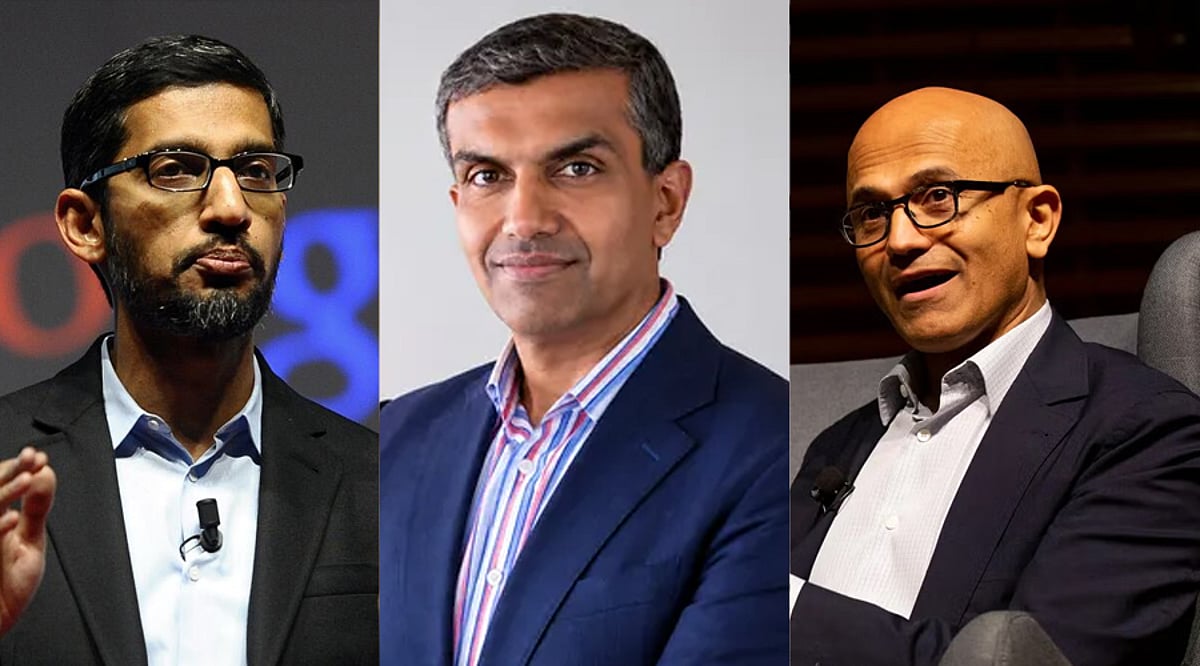
    Indian-origin entrepreneurs and executives now lead some of the most influential technology companies in the United States. Their journeys from India to the top of corporate America highlight a growing trend of global leadership rooted in Indian talent. Here are the key figures behind major US companies.

    Satya Nadella – Microsoft

    Born in Hyderabad, Satya Nadella has served as chairman and CEO of Microsoft since 2014. Under his leadership, the company has pivoted strongly toward cloud computing and artificial intelligence. Nadella played a pivotal role in expanding Microsoft Azure and continues to steer the company’s AI-first strategy.

    Sundar Pichai – Google and Alphabet

    Sundar Pichai, who grew up in Chennai, became CEO of Google in 2015 and later took the helm of Alphabet in 2019. His tenure has seen major investments in AI, cloud computing, Android, and other technologies. Pichai remains one of the most recognized Indian-origin leaders in global tech.

    Anil Chakravarthy – Adobe

    Anil Chakravarthy is set to become Adobe’s next president and CEO on December 1, 2026, succeeding Shantanu Narayen, who led the company for nearly two decades. Chakravarthy studied computer science at IIT Varanasi before earning advanced degrees from MIT. He joined Adobe in 2020 after serving as CEO of Informatica.

    Arvind Krishna – IBM

    Arvind Krishna is chairman and CEO of IBM, one of the world’s largest enterprise technology companies. With a career spanning decades at IBM, he has centered the company’s strategy on hybrid cloud and artificial intelligence.

    Nikesh Arora – Palo Alto Networks

    Nikesh Arora is chairman and CEO of Palo Alto Networks, a leading US cybersecurity firm. Under his leadership, the company has focused on digital security and AI-driven protection, capitalizing on rising corporate spending in this area.

    Neal Mohan – YouTube

    Neal Mohan is the CEO of YouTube, the world’s largest video platform. He assumed the role in 2023 after serving as chief product officer. Mohan has shaped product strategy across advertising, creators, subscriptions, and online video.

    Expanding Influence Across Industries

    Indian-origin leaders now hold top positions not only in technology but also in cybersecurity, finance, healthcare, consumer goods, and logistics. Recent 2026 reports highlight executives such as Raj Subramaniam at FedEx, Vimal Kapur at Honeywell, Revathi Advaithi at Flex, and Jayshree Ullal at Arista Networks. Their presence underscores the growing influence of Indian-origin talent in Corporate America.

  • When Google Sought Steve Jobs’ Blessing to Hire an Apple Executive for a Paris Team

    When Google Sought Steve Jobs’ Blessing to Hire an Apple Executive for a Paris Team

    In a rare glimpse into the early rivalry between Apple and Google, recently surfaced emails reveal that Google once asked Steve Jobs for permission to hire a former Apple executive to lead a new engineering team in Paris. The exchange, part of the High-Tech Employee Antitrust Litigation court records, shows how the plan ultimately unraveled.

    On March 28, 2006, Alan Eustace, Google’s senior vice president of engineering, emailed Steve Jobs to request approval to hire Jean-Marie Hullot, who had left Apple in 2005 after serving as CTO of its applications division. Eustace assured Jobs that Hullot respected Apple and would abide by its non-compete terms, and that Google would drop the plan if Jobs had serious concerns.

    Jobs replied 11 days later, first asking what Hullot would work on, and stating, “We would have a problem if it is related to cell phone handsets.” After Google clarified Hullot’s role, Jobs agreed. However, trouble arose when Hullot wanted to bring four former Apple engineers with him. Jobs objected and advised Google not to hire them. Google complied, and eventually abandoned the Paris center plans. Hullot never joined Google; he later founded the photo startup Fotonauts, which became Fotopedia.

    The emails emerged from the High-Tech Employee Antitrust Litigation case, which alleged that Apple, Google, Intel, and Adobe conspired not to poach each other’s workers. The lawsuit involved about 64,000 engineers. Judge Lucy Koh rejected an initial $324.5 million settlement as too low, approving a $415 million settlement in September 2015, equating to roughly $5,770 per worker.

    This episode underscores how closely Steve Jobs guarded Apple’s talent and offers a window into the fierce competition between the two tech giants nearly two decades ago.

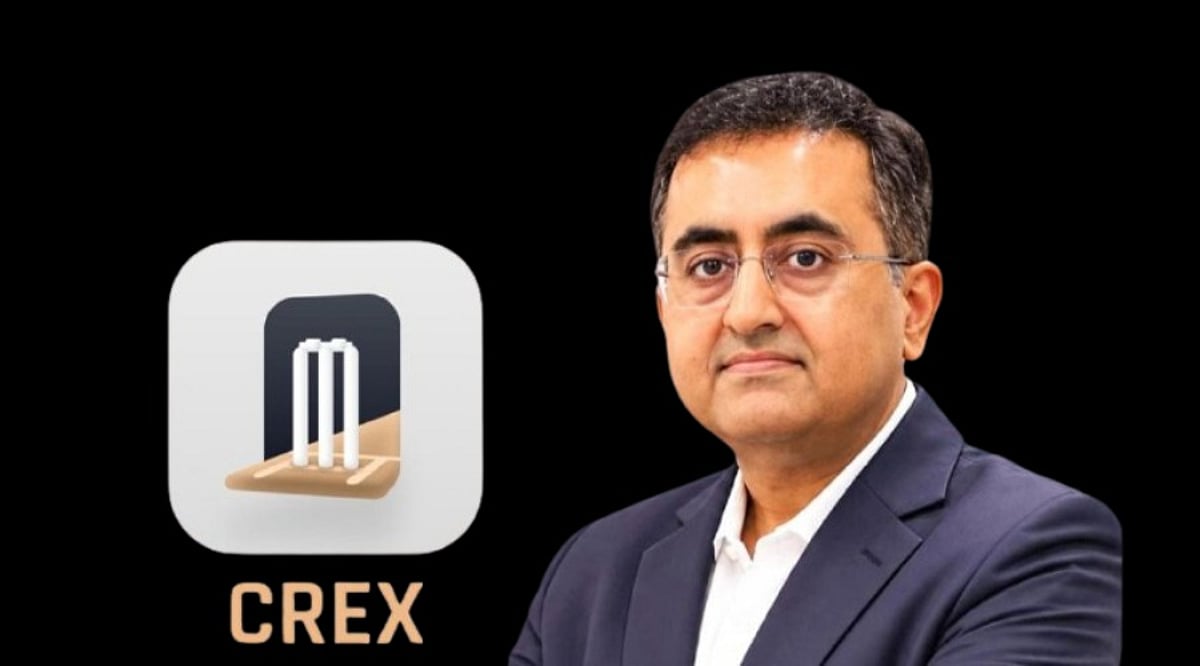
  • CREX Appoints Anuj Bhasin as Chief Revenue Officer to Expand Cricket Monetization

    CREX Appoints Anuj Bhasin as Chief Revenue Officer to Expand Cricket Monetization

    CREX, a cricket-focused community platform, has appointed Anuj Bhasin as its Chief Revenue Officer (CRO) to lead the company’s commercial strategy and drive its next phase of growth. With over 25 years of experience across media, sports, technology, and digital businesses, Bhasin will oversee revenue development, partnerships, and monetization initiatives.

    Bhasin previously spent more than a decade at ESPN (part of the Walt Disney Company), where he served as Director – ESPN, South Asia, managing sales, go-to-market strategy, and strategic alliances. His career also includes senior roles at Zee, HT Media, Network18, Eicher, and iStream, along with a tenure as CRO at Jagran New Media and as Principal Advisor – Growth & Transformation at S.I.E. He has also founded ventures related to SaaS and business scaling.

    In his new role, Bhasin will focus on building CREX’s revenue ecosystem, enhancing audience engagement, and developing content and monetization opportunities. Purushotam Rawat, CEO of CREX, commented: “CREX has built a strong connection with cricket audiences, and the next opportunity is to translate that engagement into a larger, more diversified business ecosystem. Anuj brings a rare understanding of sports, media, and monetization, along with experience in building businesses through periods of digital change. His perspective will be valuable as we scale what CREX can become.”

    Bhasin expressed enthusiasm about his appointment, stating: “Cricket has one of the most engaged audiences in the world, but the opportunity lies in building an ecosystem around that engagement rather than treating it as a single revenue stream. CREX has the audience, product, and category relevance to build something much larger, and I’m excited to work with the team on turning that potential into lasting value.”

    This strategic move signals CREX’s greater focus on monetization and commercial expansion, leveraging Bhasin’s expertise to deepen fan engagement and explore new revenue streams within the cricket ecosystem.

  • How CTOs Can Build Scalable Technology Roadmaps for Sustainable Growth

    How CTOs Can Build Scalable Technology Roadmaps for Sustainable Growth

    As businesses become increasingly dependent on technology for growth, Chief Technology Officers (CTOs) are being asked to create roadmaps that address today’s challenges while leaving room for future expansion. Gartner predicts global IT spending could climb to $6 trillion by 2026, and IDC forecasts that digital transformation spending will top $4.8 trillion by 2027. These trends highlight why scalable technology planning matters for organizations of all sizes.

    A technology roadmap is a blueprint that aligns technical investments with long-term business goals and ensures systems remain flexible as the business grows.

    Start with Business Goals

    Successful technology roadmaps start with business strategy, not technology. CTOs collaborate with executives to review revenue goals, customer expansion plans, geographic growth, regulatory requirements, and operational priorities. Rather than asking what technologies to pursue, they determine which business outcomes technology must support — and invest where it will yield clear value.

    Assess the Current Technology Stack

    Before pushing forward with future projects, CTOs conduct a thorough review of on-premises applications, infrastructure, cloud services, cybersecurity controls, and development workflows. This process identifies technical debt, aging systems, security weak points, and performance bottlenecks. Addressing these limitations early reduces future maintenance costs and improves scalability.

    Prioritize Scalable Architecture

    Modern roadmaps emphasize modular designs and cloud-native strategies. Technologies such as microservices, APIs, containers, and Kubernetes allow businesses to expand one service at a time without redoing the entire platform. Cloud vendors also provide elastic compute resources, so organizations can handle changing workloads while keeping infrastructure costs under control.

    Create Roadmaps in Phases

    Rather than making large-scale changes at once, CTOs break technology projects into short-, medium-, and long-term goals.

    • Short-term: Infrastructure stabilization and security improvements.
    • Medium-term: Automation, data platforms, and customer-facing applications.
    • Long-term: Artificial intelligence, advanced analytics, and emerging technologies that enable competitive advantage.

    Balance Innovation with Risk

    A scalable roadmap involves regular assessment of technology risks. CTOs budget for innovation while maintaining existing systems, and they factor in cyber threats, regulatory changes, vendor dependencies, and operational resilience. Roadmaps undergo frequent reviews to ensure they can adapt to shifting markets, customer needs, and new technologies.

    Measure Success with Data

    Performance indicators, not assumptions, drive effective technology roadmaps. CTOs track metrics such as system availability, deployment frequency, cloud costs, application performance, customer satisfaction, incident response times, and engineering productivity. These insights help determine whether technology investments are delivering the intended business outcomes.

    Conclusion

    Building a scalable technology roadmap is not a one-time task — it is a continuous strategic activity. By aligning technology with business objectives, adopting flexible architectures, minimizing technical debt, and monitoring performance metrics, CTOs can support sustainable growth and adapt quickly to market demands. Well-defined technology plans enable organizations to innovate, scale effectively, and maintain a long-term competitive edge in the digital economy.

    Frequently Asked Questions

    What is a technology roadmap?

    A technology roadmap is a strategic plan that outlines how technology initiatives support business objectives over time. It helps organizations prioritize investments, allocate resources, and prepare for future growth.

    Why do CTOs prioritize scalable architecture?

    Scalable architecture allows businesses to handle increasing workloads without rebuilding entire systems. Technologies such as microservices, APIs, containers, and cloud platforms make expansion more flexible and cost-effective.

    How often should a technology roadmap be updated?

    Most organizations review their technology roadmap quarterly or at least annually. Regular updates ensure it remains aligned with changing business priorities, emerging technologies, security requirements, and market conditions.

    What metrics do CTOs use to measure the success of a technology roadmap?

    Common KPIs include system uptime, deployment frequency, cloud infrastructure costs, application performance, customer satisfaction, incident resolution time, engineering productivity, and return on technology investments.

    How can organizations reduce technical debt while scaling?

    Organizations reduce technical debt by modernizing legacy systems, adopting modular architectures, automating repetitive processes, improving code quality, and continuously reviewing infrastructure as part of their long-term technology strategy.

  • Master These 7 Essential Strategy Frameworks to Become a Strategic Leader

    Master These 7 Essential Strategy Frameworks to Become a Strategic Leader

    Think like a strategic leader by mastering proven frameworks that help you make smarter decisions, drive growth, and lead with confidence. Here are seven essential strategy frameworks every leader should know.

    1. SWOT Analysis

    Identify strengths, weaknesses, opportunities, and threats before making key business decisions. This classic framework helps you assess internal and external factors to build a solid foundation for strategy.

    2. PESTLE Analysis

    Evaluate political, economic, social, technological, legal, and environmental factors affecting your strategy. PESTLE gives you a macro-level view of the landscape in which your organization operates.

    3. Porter’s Five Forces

    Understand competitive pressures to build stronger and more sustainable business strategies. This framework analyzes industry rivalry, threat of new entrants, bargaining power of buyers and suppliers, and the threat of substitutes.

    4. OKRs (Objectives & Key Results)

    Set measurable goals that align teams around clear business outcomes. OKRs connect high-level objectives with specific, quantifiable results to drive focus and accountability.

    5. Balanced Scorecard

    Track performance using financial, customer, internal process, and learning perspectives. This balanced approach ensures you don’t overlook critical non-financial drivers of success.

    6. Blue Ocean Strategy

    Create uncontested market space instead of competing in crowded industries. Blue Ocean Strategy encourages innovation and value creation to make competition irrelevant.

    7. Ansoff Matrix

    Explore growth opportunities through market penetration, product development, and diversification. This matrix helps you decide which growth path to pursue based on existing and new markets and products.

    Successful leaders combine multiple frameworks to solve complex business challenges. By mastering these tools, you can sharpen your strategic thinking and lead your organization to new heights.

  • Etsy Lays Off 220 Employees to Streamline Product and Engineering Operations

    Etsy Lays Off 220 Employees to Streamline Product and Engineering Operations

    E-commerce marketplace Etsy has announced plans to eliminate approximately 220 jobs, representing roughly 10% of its workforce, as part of a major organizational restructuring led by CEO Kruti Patel Goyal. The layoffs primarily affect employees in product, engineering, design, research, and analytics teams. According to the company, the move is intended to streamline decision-making, improve collaboration, and accelerate product development rather than reduce costs.

    More Focused Structure Needed: CEO

    In a message to employees, CEO Kruti Patel Goyal stated that Etsy is redesigning its organizational structure to remove complexity and create smaller, more agile teams. She noted that the company has grown significantly over the years, leading to overlapping responsibilities and slower execution across key business functions. The reorganization is expected to reduce the number of management layers and improve coordination between engineers, product, and design departments. Management hopes the restructure will enable Etsy to deliver new features faster and respond more quickly to changing market demands.

    Etsy Seeks Long-Term Growth

    This move comes at a time when Etsy is trying to build on its marketplace after experiencing sluggish consumer spending and reduced demand for discretionary items in some key markets. The company has been under pressure from shifting shopping behaviors and increased competition from other online players. Etsy stated that the restructuring is designed to position the company for its next phase of growth by improving operational efficiency and increasing the speed at which products are developed and delivered. Affected employees will receive severance packages, extended healthcare benefits where applicable, career transition assistance, and support in finding new employment opportunities.

    Focus on Innovation and Marketplace Expansion

    Etsy emphasized that it remains committed to investing in its marketplace, seller tools, and customer experience. The company plans to develop new features that help independent sellers connect with buyers and provide an improved search and discovery system. Unlike cost-saving measures, Etsy’s latest steps are strategic actions aimed at simplifying internal processes and enhancing effectiveness as the global e-commerce industry becomes increasingly competitive.

  • Assotech Group: 40 Years of Real Estate Legacy and the Next Generation’s Vision

    Assotech Group: 40 Years of Real Estate Legacy and the Next Generation’s Vision

    Real estate is an industry where longevity is rare and continuity even rarer. Assotech Group has now spent 40 years navigating both—and its story is as much about what comes next as it is about what has already been built.

    The company was founded by Sanjeev Srivastva, whose early conviction was simple: a homebuyer’s trust, once earned through delivered promises, becomes a developer’s most durable asset. That principle guided Assotech Group through four decades of Indian real estate’s most volatile cycles—from pre-liberalization years through demonetization, RERA’s regulatory reset, the NBFC liquidity crisis, and a pandemic that tested every developer’s execution capacity simultaneously. Where many built quickly and disappeared, Assotech Group built a track record of consistency and a brand that homebuyers, channel partners, and lenders associate with reliability over rhetoric.

    That kind of longevity is rarely accidental. It typically comes from a founder’s willingness to prioritize the slower, harder path—clear land titles, honored possession dates, transparent buyer communication—over faster wins from cutting corners. Over 40 years, that discipline compounded into something less tangible than any single project: a brand that lenders underwrite with confidence and channel partners sell without hesitation. In an industry where trust is the scarcest commodity, that is arguably Sanjeev Srivastva’s most significant achievement—not any one tower or township, but an institution durable enough to outlast its founder’s generation.

    That legacy is now entering its next phase. Assotech Group’s leadership has expanded to include Shivani Priyam, Enakshi Priyam, Arpan Patel, and Aditya Prakash, who have taken on roles as Directors. Their entry is not a symbolic handover; it reflects a deliberate broadening of decision-making bandwidth at a moment when Assotech Group is running an unusually active, multi-state growth pipeline. The next generation brings fresh perspective to brand strategy, digital-first buyer engagement, and market expansion, while operating within the execution discipline the founder built. It is a continuity story rather than a changing-of-the-guard story—the same values applied to markets and buyer expectations the sector has never seen before.

    This generational transition arrives as Indian real estate itself is reshaped by younger, more digitally fluent buyers, faster decision cycles, and heightened scrutiny of developer credibility post-RERA. A founder-led company navigating that shift needs leadership that understands both worlds—the legacy discipline that built the brand and the newer expectations shaping how it shows up today. Assotech Group’s four new Directors represent that bridge, positioned to carry the company’s fundamentals into markets and mediums the business hadn’t previously needed to master.

    That expansion is already visible on the ground. Assotech Group’s original stronghold in Delhi NCR—anchored by long-standing developments including its presence in Ghaziabad’s Crossings Republik micro-market—remains the base. Alongside it, the group has moved decisively into two new geographies: Jharkhand, with its Ranchi development, and Odisha, where Bhubaneswar-region projects mark the company’s entry into one of eastern India’s fastest-growing residential markets.

    The logic behind this three-state footprint is consistent with how Assotech Group has always approached growth—not chasing every market simultaneously, but entering states where rising incomes, urban migration, and under-served demand for organized, RERA-compliant housing create a genuine opportunity for a developer with a 40-year delivery record to differentiate itself. In both Ranchi and Bhubaneswar, that opportunity is compounded by a market gap: organized players with genuine institutional credibility remain comparatively few, giving an established brand like Assotech Group a meaningful first-mover advantage over unproven entrants.

    Forty years in, Assotech Group’s brand story is no longer only about what Sanjeev Srivastva built. It is about a leadership team, now spanning two generations, carrying that foundation into Delhi NCR, Jharkhand, and Odisha—and building the next chapter on the same principle the first one started with: a promise made is a promise delivered.

    For more information, visit: assotechgroup.com.

  • Optimize Your LLC Structure for Scalable Digital Business Growth

    Optimize Your LLC Structure for Scalable Digital Business Growth

    When scaling a digital business, new customers, ideas, and opportunities often appear faster than you can manage. However, growth brings challenges that may not have been considered when you first formed your LLC. Early-stage entrepreneurs typically focus on product development, revenue growth, and customer loyalty. Yet, the legal structure underlying your business is equally critical for long-term success.

    Your LLC is more than initial paperwork—it’s the framework that enables your business to adapt to change. The decisions you make today can determine whether future growth feels manageable or becomes fraught with obstacles. The most valuable LLC strategies involve thinking ahead and preparing for opportunities, risks, and transitions that haven’t yet occurred.

    How can you design your LLC to isolate risks?

    When your entire operation runs through a single LLC, every product, service, and asset is connected to that same legal structure. This works for startups, but growth often requires a more nuanced approach. Digital businesses rarely remain simple—you may launch multiple products, create intellectual property, partner with others, or expand into new markets. Each opportunity carries different risk levels. A single LLC means a problem in one area can affect the entire company.

    A strategic solution is to use separate LLCs for different brands, investments, or product categories. This isolates liabilities so that one challenge doesn’t jeopardize everything. The goal isn’t complexity but alignment with your current business structure. If you’re reviewing your setup, resources like a Northwest coupon code can help explore registered agent services and LLC support. Remember, multiple LLCs only work when treated as separate entities—maintain distinct ownership records, contracts, bank accounts, and operating agreements.

    What happens to your LLC when you step back?

    Many founders build companies around their personal involvement. As your business grows, your role may shift—hiring management, taking a strategic position, selling part of the business, or moving on. A strong LLC structure should support these transitions without relying on your daily presence.

    Your operating agreement should clearly outline decision-making, authority, ownership rights, and how major changes are handled. Without clear rules, leadership changes can become difficult. The strongest businesses are built on systems and processes that allow the company to thrive even when one person steps away.

    How do you prepare your LLC for international growth?

    Digital businesses often start locally but can serve customers globally. International expansion brings new considerations: different payment systems, banking relationships, and customer expectations. Before accepting customers worldwide, think about how money will flow through your company. Payment processors, financial reporting, and banking can become more complex. Strong contracts that define responsibilities—such as services, refunds, disputes, and legal obligations—are essential.

    A well-designed LLC doesn’t need to be rebuilt with each growth phase. The strongest structures are flexible because they were created with expansion in mind from the start.

    Your LLC should empower your business, not hold it back. It gives you confidence to pursue new opportunities while knowing your foundation can support the next stage. Growth comes down to building a company that adapts, evolves, and moves forward—and the questions you ask today shape the options available tomorrow.

  • Brad Jackson: The CEO Behind Slalom’s Human-Centered Consulting Revolution

    Brad Jackson: The CEO Behind Slalom’s Human-Centered Consulting Revolution

    Brad Jackson is the co-founder and CEO of Slalom, a Seattle-based consulting company known for its “fiercely human” approach. He leads with a belief that business should blend heart, innovation, and outcomes. Under his leadership, Slalom helps global organizations reimagine customer experience, solve complex challenges, and build better futures through technology, strategy, and human-centered transformation at scale worldwide.

    Early Life and Education

    Brad Jackson studied at Washington State University, earning a Bachelor of Business Administration in Accounting. His early academic journey built a strong foundation in business thinking, discipline, and analytical problem-solving. These formative years shaped his curiosity about organizations and leadership, eventually guiding him toward a career focused on consulting, transformation, and building impactful, people-first businesses that serve clients across industries globally.

    Professional Career

    Brad Jackson co-founded Slalom and grew it into a global consulting powerhouse. As CEO, he guides strategy, culture, and client success across major enterprises and public sector organizations. His leadership style emphasizes collaboration, agility, and deep client understanding. He focuses on helping teams move faster, think bigger, and deliver meaningful transformation through technology and consulting excellence across global markets today.

    Business Intervention in AI

    Slalom drives AI-led transformation by combining strategy, data, and cloud to deliver scalable solutions, real-time insights, and global innovation.

    • Smart Design: Slalom delivers human-centered AI by combining strategy, data, and responsible innovation to design scalable solutions that enhance decision-making, improve experiences, and drive measurable business impact globally.
    • AI-driven Decisions: Slalom transforms raw data into actionable insights by modernizing architecture, improving governance, and enhancing analytics, enabling faster AI-driven decisions and intelligent digital product development.
    • Cloud Optimization of investments: Slalom enables organizations to leverage cloud technologies for scalable growth, secure infrastructure, and operational agility, helping optimize investments and accelerate innovation across global digital ecosystems.
    • Connected Systems: Slalom connects platforms, data, and workflows into unified ecosystems, improving efficiency, boosting adoption, and delivering seamless, intuitive digital experiences across organizations and industries worldwide.
    • High Value Opportunities: Slalom turns AI ambitions into measurable outcomes by identifying high-value opportunities, scaling solutions efficiently, and ensuring responsible governance for secure, impactful AI adoption.

    Business Achievements

    Brad Jackson has led Slalom’s evolution into one of the most respected consulting firms worldwide. The company now serves Global 1000 companies, governments, and institutions with innovative solutions. Under his leadership, Slalom prioritizes customer obsession, employee empowerment, and measurable impact. His vision targets scaling the company toward ambitious growth while maintaining a strong culture of trust, innovation, and human connection.

    Controversies
    Brad Jackson does not appear to be associated with any notable controversies. He is widely recognized for his leadership at Slalom and for promoting a people-first, responsible consulting culture focused on digital transformation, innovation, and delivering value to clients through technology and AI-driven solutions.