Category: Leadership

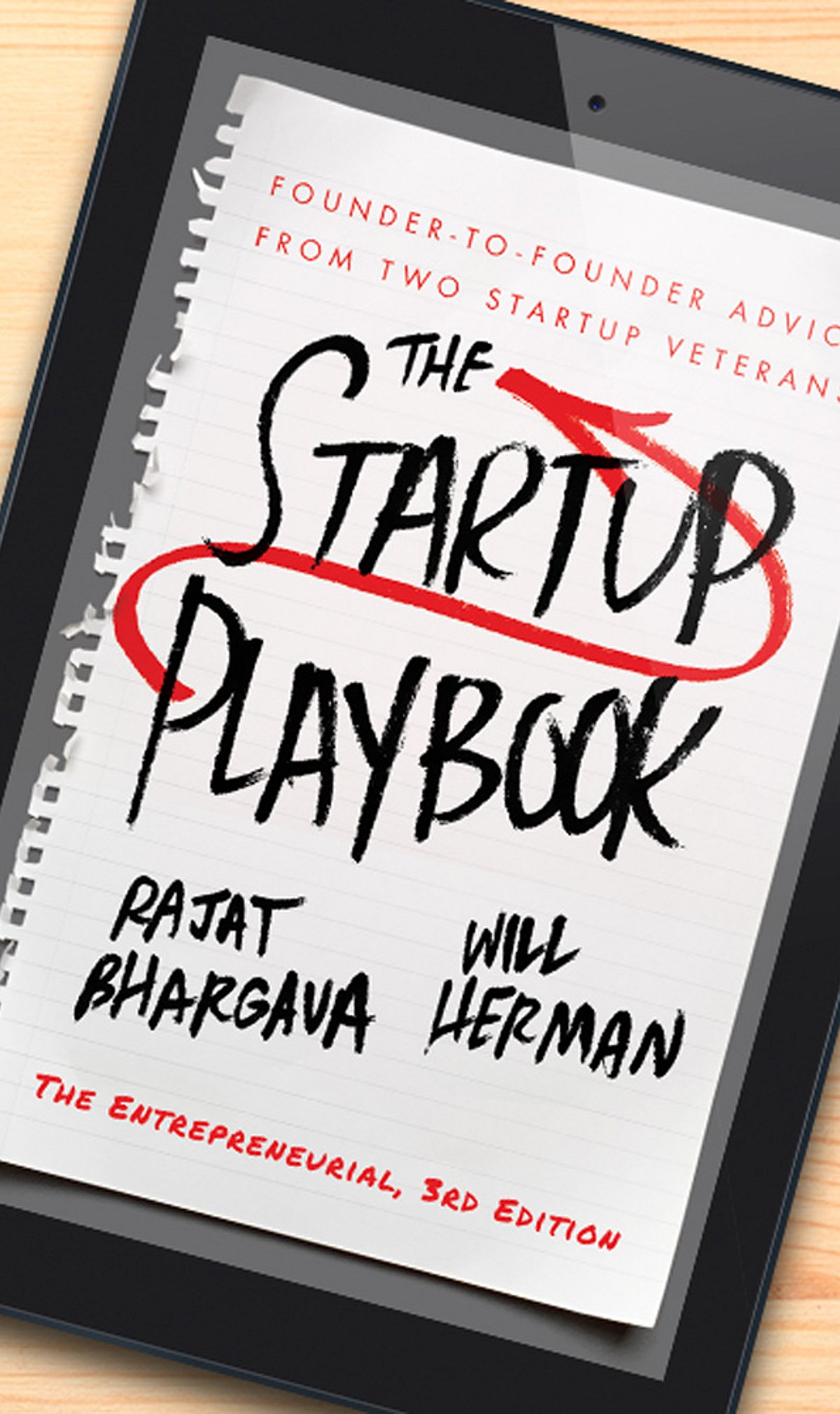
  • Founder’s Playbook: 10 Essential Startup Strategies for Success

    Founder’s Playbook: 10 Essential Startup Strategies for Success

    Launching a startup is an exhilarating journey, but it’s also fraught with challenges. Every founder needs a reliable playbook to navigate the early stages of building a company. Below are ten proven strategies that can help you avoid common pitfalls, validate your ideas, and build a sustainable business. These lessons are not just theoretical—they are drawn from the real-world experiences of successful startups that prioritized solving customer problems, iterating quickly, and maintaining financial discipline.

    Start With a Real Problem

    Successful startups don’t chase trends; they solve genuine customer problems. Instead of building features based on assumptions, focus on identifying pain points that people actually experience. This customer-first approach ensures that your product has a real market from day one.

    Validate Before Building

    Before investing significant time and money, test your idea. Use surveys, landing pages, or simple prototypes to gather early feedback. This validation step saves resources, reduces risk, and dramatically improves your product-market fit by aligning your offering with actual demand.

    Keep the MVP Simple

    Launch a minimal viable product (MVP) that includes only the core features necessary to solve the problem. Resist the urge to add bells and whistles. Gather user insights, then improve incrementally based on real feedback. This lean approach accelerates learning and reduces waste.

    Build a Customer-First Culture

    Listen to your customers every day. Happy users become loyal advocates who spread the word about your product. Embed customer feedback into every decision, from product development to support. This culture of listening creates a competitive advantage that’s hard to replicate.

    Measure What Matters

    Focus on meaningful metrics like retention, revenue, and engagement. Vanity numbers—such as total downloads or page views—can be misleading. Prioritize data that directly informs business decisions and drives growth.

    Hire for Skills and Mindset

    When building your team, look for people who adapt quickly, solve problems, and share your vision. A strong, purpose-driven team outperforms a larger but unfocused group. Culture fit and collaborative spirit are just as important as technical expertise.

    Master Cash Flow Early

    Cash flow is the lifeblood of any startup. Control expenses, monitor income regularly, and extend your financial runway. Healthy cash flow gives you the flexibility to weather unexpected challenges and seize opportunities.

    Learn From Every Failure

    Treat mistakes as valuable lessons rather than setbacks. Analyze failures honestly, adjust your strategies, and return stronger. A growth mindset turns setbacks into stepping stones for future success.

    Stay Flexible and Keep Iterating

    Markets change constantly. Founders must remain agile and continuously improve their products and processes. Regular iteration ensures you stay competitive and meet evolving customer expectations.

    By adopting these playbooks, you can build a startup that is resilient, customer-focused, and ready for long-term growth. The journey is challenging, but with the right strategies, you can turn your vision into a thriving business.

  • From Founder to CEO: Essential Leadership Shifts for Scaling Your Business

    From Founder to CEO: Essential Leadership Shifts for Scaling Your Business

    Every successful business begins with an idea. A founder turns that idea into a real product or service. At the start, almost every task lands on the founder’s desk. Sales, customer support, hiring, product updates, and marketing all need attention. Quick decisions and constant action help the business survive during this stage.

    Growth changes everything. More customers arrive, new employees join, and daily work becomes more complex. At this point, the role also changes. The focus moves away from personal effort and toward company leadership. A CEO no longer spends every hour solving daily problems. The role shifts toward building a business that works well through strong teams, clear systems, and smart planning.

    Early Growth Depends on Personal Effort

    In the beginning, a small organization operates with a very limited number of people. All employees have to perform a number of different tasks. The business owner can work with customers, communicate with clients, check the quality of the product, and also make the crucial decisions. Speed is more important than following processes.

    This approach is effective at the beginning but becomes ineffective when the company is growing. The owner understands the operations very well and can do the right thing when problems arise. Customers can communicate directly with the owner which also increases the level of trust of the customers. When the company grows, this approach makes growth slower. All decisions can be adopted only by one person. All processes take time.

    Scaling Demands a Different Style of Leadership

    Growth creates new challenges that personal effort alone cannot solve. More employees need direction. Different teams need coordination. Managers need authority to lead their departments without constant approval from the founder.

    The CEO concentrates on the overall health of the company instead of every individual task. Long-term strategy, financial planning, executive hiring, company culture, and business expansion become major priorities. Strong systems replace informal routines, and clear responsibilities help every team move with confidence.

    This shift allows the organization to grow without constant dependence on one individual.

    The Biggest Change Happens in Decision-Making

    Founders often ask what needs immediate attention. CEOs ask which person should own that responsibility. This simple change transforms the entire business.

    A founder solves problems personally. A CEO creates a team that solves problems every day. Responsibility moves from one person to many capable leaders. This approach increases speed, improves accountability, and strengthens every department.

    As trust grows inside the organization, managers gain confidence to make important decisions. Teams spend less time waiting for approval and more time delivering results.

    Leadership Moves from Control to Trust

    Many entrepreneurs believe that no one can do the job better than they can. This belief helps at the startup stage, but it puts limits on expansion. The constant supervision slows down growth and weakens leadership within the business. A chief executive officer builds trust through clearly defined expectations, regular communication, and strong managers.

    Workers know their responsibilities and can make decisions about how to perform their duties. This creates ownership and increases the company’s effectiveness. Good leaders stop trying to be heroes all the time. Strong leaders turn more people into leaders who know how to deal with problems.

    Systems Replace Constant Firefighting

    Small businesses often rely on quick reactions. Larger companies need consistency. Every successful process must produce reliable results every single time.

    The CEO spends time on company structure instead of daily emergencies. Hiring systems, financial controls, performance reviews, communication methods, and operational processes support steady growth. These systems reduce confusion and help employees perform at a high standard.

    A business cannot continue steady expansion if every success depends on last-minute effort.

    New Skills Become More Important

    Creativity, resilience, and product knowledge help founders launch successful companies. Larger organizations require another set of skills.

    A CEO needs strong communication, strategic thinking, financial understanding, executive hiring, conflict resolution, and organizational planning. Every decision affects hundreds or even thousands of people as the company grows. Careful planning becomes just as valuable as bold action.

    Success no longer depends on one brilliant idea. Success depends on thousands of good decisions across the entire organization.

    Common Mistakes During the Transition

    Many founders delay important hires and continue to carry responsibilities that belong to experienced leaders. Some approve every decision, attend every meeting, and answer every customer issue. This creates a bottleneck that limits growth.

    Micromanagement also creates frustration inside leadership teams. Talented managers expect ownership, not constant supervision. Strong leaders often leave when trust disappears.

    Another common mistake appears when the business depends entirely on one individual. Every vacation becomes difficult, every decision waits, and every problem reaches the founder. This structure cannot support long-term expansion.

    Successful CEOs remove these obstacles through delegation, strong leadership teams, and clear operational systems.

    A Business Grows Faster Than Any Individual

    The greatest achievement during expansion does not come from personal effort alone. Real success appears when the company continues to perform at a high level without constant involvement from the founder.

    Employees understand company goals. Managers lead with confidence. Teams solve problems independently. Customers receive consistent service. Investors trust the leadership. The business continues steady progress through clear strategy and disciplined execution.

    The founder never loses the original vision. The CEO transforms that vision into an organization that grows through people, systems, and shared leadership. That transition marks the true difference between building a business and building a company that lasts for decades.

    Frequently Asked Questions

    • Can a founder also serve as the CEO? Yes. Many founders remain CEOs, although the role requires different skills as the business expands.
    • What is the biggest difference between a founder and a CEO? A founder starts the business, while a CEO focuses on leadership, strategy, and organizational growth.
    • Why does delegation matter during business growth? Delegation allows leaders to focus on strategy while capable teams handle daily operations.
    • What challenges do founders face during scaling? Common challenges include micromanagement, slow decision-making, delayed hiring, and excessive dependence on one person.
    • How does a CEO help a company grow? A CEO builds strong teams, creates reliable systems, develops company culture, and guides long-term business strategy.
  • How First-Time Startup CEOs Can Handle Underperforming Executives

    How First-Time Startup CEOs Can Handle Underperforming Executives

    Strong leadership is the backbone of every successful startup. A great executive builds teams, solves complex problems, and keeps the company on track. When an executive fails to deliver, it creates confusion, slows progress, and undermines employee confidence. For a first-time CEO, the temptation is often to wait and hope performance improves—but that hope usually leads to bigger problems.

    An underperforming executive affects more than just one department. Missed goals, delayed projects, poor hiring decisions, and low team morale ripple across the entire organization. Customers notice slower service, investors question leadership, and top employees begin looking for opportunities elsewhere. A startup cannot afford prolonged uncertainty. Taking swift, thoughtful action protects the business and keeps the company focused on growth.

    Confirm the Real Problem

    Bad outcomes don’t always mean poor leadership. Before making a decision, a CEO needs to analyze the full picture. Clear expectations, adequate resources, and ongoing feedback are essential for a fair assessment. Without these, no executive can succeed.

    Performance reviews, business metrics, team feedback, and project outcomes provide a complete view. Solid evidence eliminates guesswork and builds confidence in your conclusions. Facts are far more valuable than opinions.

    Hold Honest Conversations Early

    Many first-time CEOs delay difficult conversations. Silence creates false hope and allows problems to fester. Honest discussions give executives a fair chance to improve—and they show respect for the individual.

    Every meeting should focus on specific examples rather than personal criticism. Clear goals, measurable targets, and realistic timelines create accountability. Both sides should leave with complete clarity. No executive should ever feel surprised if performance doesn’t improve after repeated discussions.

    Watch for Meaningful Change

    Improvement requires action, not promises. A capable executive accepts feedback, solves problems, and delivers stronger results within the agreed timeframe. Better teamwork, faster execution, and improved business outcomes signal real progress.

    Empty assurances hold no value. Missed deadlines, repeated mistakes, weak communication, and poor decision-making indicate that the role no longer fits the individual. Startups need leaders who produce results under pressure. Continuous failure puts the entire company at risk.

    Prepare Before the Final Meeting

    Careful preparation prevents confusion and protects the company. Ensure all documents are complete and accurate before the conversation. Employment agreements, severance terms, company property, system access, and legal requirements all need attention in advance.

    A clear transition plan reduces disruption. Important projects need new ownership, key customers require continued support, and internal teams need temporary leadership. Solid preparation keeps business operations stable during the leadership change.

    Keep the Conversation Respectful

    The dismissal meeting should be calm, short, and direct. Long debates rarely change the outcome. A CEO should explain that the decision is final, share the main reason with clear facts, and outline the next steps.

    Respect matters throughout the conversation. Professional treatment protects personal dignity and reflects company values. Acknowledging genuine contributions helps close the discussion with maturity. A respectful exit leaves fewer negative feelings and reduces the chance of unnecessary conflict.

    Protect Team Confidence

    Employees notice leadership changes immediately. Silence breeds rumors, fear, and uncertainty. Timely communication builds trust and keeps everyone focused.

    The announcement should explain the transition without unnecessary personal details. Emphasize business continuity, future priorities, and confidence in the next phase. Teams perform better when leaders provide clarity instead of speculation.

    Managers should remain available after the announcement. Employees often need reassurance about ongoing projects, reporting lines, and company direction. Open communication helps restore stability.

    Handle Investor Communication Carefully

    Investors expect responsible leadership during executive changes. Delayed updates damage credibility and create unnecessary concern. Explain the decision with confidence and focus on business needs.

    Highlight the evaluation process, the transition plan, and the strategy for future leadership. Investors value decisive action backed by facts. Confidence grows when leadership addresses problems head-on rather than avoiding them.

    Learn From the Experience

    Every executive departure is a learning opportunity. Poor hiring outcomes reveal weaknesses in recruitment, interviewing, onboarding, or performance management. Self-reflection is essential for future executive decisions.

    Analyze the entire hiring process—job descriptions, cultural fit, leadership skills, and business experience. Better hiring practices prevent similar problems in the future. Regular feedback helps improve executive performance and allows you to identify issues early. Good communication fosters stronger manager-employee relationships across the company.

    Build a Stronger Leadership Team

    Leadership change is a chance to strengthen the entire organization. The new executive should align with both company requirements and culture. During hiring, pay close attention to skills, values, adaptability, and decision-making abilities.

    A robust leadership team leads to faster results, higher employee loyalty, and better business outcomes. Use this opportunity to build the team your startup needs for sustainable growth.

    Why This Matters

    Every startup depends on strong leadership, especially during early growth stages. A poor executive decision can slow progress, reduce team confidence, and weaken business performance. A CEO who understands when and how to replace an underperforming executive protects company goals, strengthens leadership quality, and builds a stronger foundation for long-term success.

    FAQs

    1. When should a startup CEO consider firing an executive?
    Act after clear performance issues persist despite honest feedback and reasonable opportunities to improve.

    2. How can a CEO make the decision fairly?
    Base the final decision on performance data, business results, and documented discussions.

    3. How should employees hear about the leadership change?
    Use a clear, professional announcement that explains the transition while maintaining privacy and business stability.

    4. Why is preparation important before the dismissal meeting?
    Proper planning ensures smooth project handovers, legal compliance, and uninterrupted business operations.

    5. What should happen after an executive leaves?
    Review hiring practices, strengthen leadership processes, and recruit a better-fit executive.

  • Founder vs CEO: How Leadership Roles Evolve as Your Business Scales

    Founder vs CEO: How Leadership Roles Evolve as Your Business Scales

    In the early days of a startup, the founder typically makes all the major decisions—from product development to fundraising. That’s why it’s common for the founder to also serve as the chief executive. But as a business grows, the distinction between being a founder and being a CEO becomes increasingly significant. The founder establishes the vision; the CEO is responsible for building an organization that can scale, execute, and sustain that vision consistently.

    As startups grow, leadership evolution is one of the most critical factors influencing success. Growing a business is fundamentally different from founding one.

    Founder: The Visionary Behind the Business

    A founder is someone who identifies a market opportunity and brings an idea to life. In the beginning, founders often wear many hats—handling product development, customer acquisition, marketing, hiring, fundraising, and daily operations. Innovation and problem-solving are core traits of a founder. They set the mission, culture, and long-term direction of the company. Startups make quick decisions with limited information, valuing speed and experimentation over formal processes.

    However, the skills needed to start a business are not the same as those needed to run a large organization.

    CEO: Driving Execution at Scale

    As a company grows, complexity increases. Teams expand, customer bases grow, and investors demand consistent performance. The CEO’s role becomes more strategic and structured. A CEO is responsible for execution, financial results, governance, talent development, and long-term growth. Rather than running every function personally, the CEO builds leadership teams, creates scalable processes, and aligns different functions toward common goals.

    According to Harvard Business Review research, delegation, communication, and organizational alignment become increasingly important as companies move beyond the early growth phase.

    What Changes During Scaling?

    When a business transitions from founder-led management to CEO-led management, several key shifts occur:

    • Decision-making evolves from intuition-based to data-driven.
    • Individual fundraisers become effective leadership teams.
    • Informal workflows are replaced by standardized processes.
    • Growth focuses not only on new products but also on financial metrics, customer retention, operational efficiency, and profitability.
    • Accountability increases through board oversight, compliance, and corporate governance.

    Many successful founders remain as CEO, while others hire seasoned executives to take the company to the next level. Companies like Google and Microsoft have demonstrated both models successfully at different stages.

    The Bottom Line

    Being a founder and being a CEO are complementary but distinct roles. Founders create opportunities and take risks; CEOs bring discipline, strategy, and sustainable execution. While vision is essential, as companies scale, the ability to build systems, empower teams, and deliver consistent results in a competitive market becomes critical.

    FAQs

    1. What is the main difference between a founder and a CEO?

    A founder creates the business idea, defines its mission, and takes the initial risk. A CEO is responsible for managing execution, financial performance, leadership teams, governance, and sustainable long-term growth.

    2. Can a founder also remain the CEO?

    Yes, many founders continue as CEOs when they adapt their leadership style to the needs of a growing company. Success usually requires stronger delegation, structured decision-making, and the ability to manage experienced executives.

    3. Why do some founders hire an external CEO?

    Some founders appoint an external CEO because scaling requires operational, financial, governance, and organizational skills that differ from launching a startup. The founder may then focus on product vision, innovation, or long-term strategy.

    4. How does decision-making change as a company scales?

    Early-stage decisions are often fast and intuition-driven because startups have limited data and resources. As the company grows, decisions increasingly depend on performance metrics, forecasts, customer data, risk analysis, and leadership accountability.

    5. What should founders focus on when transitioning into a CEO role?

    Founders should develop delegation, communication, financial planning, talent management, and governance skills. They must shift from personally solving every problem to building teams and systems that can operate effectively without constant involvement.

  • 7 Essential IT Leadership Rules for Modern Technology Leaders

    7 Essential IT Leadership Rules for Modern Technology Leaders

    Vision-Driven Leadership

    Align technology initiatives with business objectives, ensuring every project delivers measurable value while preparing the organization for future challenges.

    Data-Backed Decisions

    Use analytics and performance metrics to make informed technology investments instead of relying solely on assumptions or past experiences.

    Cybersecurity First

    Embed security into every technology decision, protecting business assets while maintaining compliance and customer trust across digital platforms.

    AI as an Enabler

    Leverage artificial intelligence to improve productivity, automate repetitive tasks, and support employees rather than replacing human expertise completely.

    Continuous Learning

    Encourage regular upskilling, certifications, and knowledge sharing so teams remain competitive as technology rapidly evolves across industries.

    Customer-Centric Innovation

    Build solutions focused on customer needs, ensuring technology investments improve user experiences while supporting long-term business growth and loyalty.

    Cross-Functional Collaboration

    Break departmental silos by encouraging technology, operations, and business teams to work together toward shared organizational objectives consistently.

    Agile Decision Making

    Adopt flexible strategies that allow quick responses to changing market demands, customer expectations, and emerging technological opportunities.

    Ethical Technology Use

    Promote transparency, responsible AI adoption, and ethical decision-making to build sustainable digital transformation initiatives with stakeholder confidence.

  • How Indian CEOs and CHROs Can Forge High-Performing Leadership Teams for 2026

    How Indian CEOs and CHROs Can Forge High-Performing Leadership Teams for 2026

    In 2026, CEOs and CHROs in India will face a new set of business demands. Companies need leaders who can handle fast market changes, new technology, global competition, and rising employee expectations. A strong leadership team will not depend only on senior titles or years of experience. It will need clear vision, sharp business sense, trust, and the ability to make smart decisions at the right time.

    Indian companies now operate in a market where speed and quality matter together. A leader must understand customers, support business goals, and guide teams with confidence. CEOs and CHROs must focus on leadership quality as a core business priority rather than treat it as only a human resource activity.

    Key Takeaways

    • Strong leadership teams need clear goals, shared values, and business-focused thinking.
    • Future leaders require adaptability, digital understanding, and strong people skills.
    • CEOs and CHROs must build systems that support long-term leadership growth.

    Create a Clear Leadership Vision

    It is important to have a defined objective to form a great leadership team. CEOs need to ascertain what they are willing to reach through the company. CHRO can assist in matching the development goals to the leadership capabilities. Some companies fail because their leaders act according to different sets of priorities. One leader may focus on the improvement of production without thinking about costs, while the other may ignore everything except cost control. That is why there needs to be a single vision so that every senior person can think in the same direction.

    Starting from 2026, the leadership teams need to have the right balance between the knowledge of the business and the ability to manage people. A leader needs to be very good at numbers, but at the same time, he or she should have great communication skills and emotional control.

    Choose Leaders With the Right Skills

    CEOs and CHROs must look beyond past success while selecting future leaders. A person with a strong record may not always handle new challenges well. Companies need leaders who can adapt, think clearly, and support change without losing focus. The right leadership team should include people with different skills and views. A mix of backgrounds, professional experiences, and ideas can help companies solve complex problems faster. Diverse leadership groups often make better decisions and understand wider customer needs.

    CHROs can create better talent systems that identify future leaders early. Regular reviews, clear career paths, and fair assessment methods help companies find people with strong potential. This approach helps avoid last-minute leadership gaps.

    Build a Culture of Trust and Accountability

    In a leadership team, trust among members and accountability from the members need to be established. It falls on CEOs to show by their actions what is expected from the members of the leadership team. It is up to senior leaders to enforce ethical conduct, responsibility, and accountability in their daily activities. Accountability is not about pressure without any support; it consists in the ability of leaders to know what is expected from them and to take actions in case the results do not meet the expectations. It is important for good culture to exist because it helps avoid hiding the existing problems.

    CHROs are responsible for creating frameworks that make leaders’ behaviors to be rewarded. Performance evaluations must take into account achievements as well as teamwork, ethics, and development of people.

    Use Technology to Improve Leadership Decisions

    Technology will shape leadership choices in 2026. CEOs and CHROs can use data tools to understand workforce trends, skill gaps, and leadership needs. Better information allows companies to make stronger decisions about people and business plans. Artificial intelligence tools can support talent analysis, but human judgment will remain essential. Leaders must use technology as a support system rather than depend on it for every choice. The best results will come from a mix of data and human understanding.

    Companies also need leaders who understand digital change. Senior teams must know how technology affects customers, operations, and future business models. This knowledge will help leaders prepare their companies for new opportunities.

    Prepare Leaders for Future Challenges

    Leadership development takes ongoing work. Companies cannot wait for good leaders to develop on their own. CEOs and CHROs have to create conditions in which leaders can learn new skills and take on a wider scope of responsibilities. The future of leadership training should be centered around practical business problems, communication, problem solving, and strategic thinking. The exposure to real business enables leaders to better understand the inner workings of the organization and to improve their judgment.

    Mentorship from seasoned leaders can support young executives in their effort to establish their own confidence. Effective leadership encourages the development of strong leaders who are likely to act in the best interest of the company in the future.

    Why This Matters

    Strong leadership teams will decide how well Indian companies perform in 2026 and beyond. Business challenges are becoming more complex, and companies need leaders who can make better decisions, support people, and drive growth. Building capable leadership teams helps organizations stay competitive, improve performance, and prepare for future opportunities.

    The Path Ahead for Indian Companies

    In 2026, leadership quality will separate companies that only survive from companies that achieve lasting success. CEOs and CHROs must treat leadership teams as a major business asset. The focus should remain on clear vision, strong values, smart talent choices, and continuous improvement. Indian companies have a strong opportunity to create leadership teams that match the needs of a changing world. When senior leaders combine business knowledge with people skills, they can create organizations that grow with confidence and purpose. A strong leadership foundation will help companies handle uncertainty and achieve better results in the future.

    Frequently Asked Questions

    Why do companies need stronger leadership teams in 2026?

    Companies need stronger leadership teams to handle market changes, technology shifts, customer demands, and new business challenges with better decisions.

    What role do CEOs play in building leadership teams?

    CEOs set the leadership vision, create accountability standards, and ensure senior teams follow common business goals.

    How can CHROs support leadership development?

    CHROs can identify future leaders, create talent programs, improve assessment systems, and connect leadership skills with business needs.

    What skills will future leaders need most?

    Future leaders will need business knowledge, digital awareness, adaptability, communication skills, and the ability to manage people effectively.

    How does technology help leadership teams?

    Technology helps leaders use better data, understand workforce needs, identify skill gaps, and make more informed business decisions.

  • Mastering Strategic Refusal: How Top Entrepreneurs Use ‘No’ to Drive Business Growth

    Mastering Strategic Refusal: How Top Entrepreneurs Use ‘No’ to Drive Business Growth

    Successful entrepreneurs know that every yes has a cost. A new project, a fresh deal, or a quick request can take time, money, and focus away from the main goal. Great leaders learn that a strong no can protect their vision and help their companies move in the right direction.

    A clear no does not show weakness. It shows control, confidence, and a deep sense of purpose. Many top entrepreneurs refuse ideas that do not match their plans. This choice helps them save resources for tasks that create real value.

    For example, a founder may reject a partnership that looks attractive at first but does not support the company’s long-term goals. This decision may seem hard, yet it keeps the team focused on work that matters most.

    No Protects Time and Focus

    For entrepreneurs time is probably the most precious resource that they have. Skilled business owners understand how important it is to make every hour count, thus they don’t let minor disruptions dominate their everyday work.

    Saying no helps entrepreneurs to maintain their schedule. They avoid pointless meetings and useless deals and tasks that will not bring them much benefit, thus being able to concentrate on important clients, products and decisions.

    Numerous efficient leaders have strict principles connected with time management. They choose only the activities that correspond to their priority tasks and get rid of unimportant activities, thus being able to reach their goals in a quicker way and have more control over their companies.

    No Helps Create Better Products

    Great products often come from strong choices. Entrepreneurs must decide what features, services, or ideas deserve attention. A company cannot support every suggestion that reaches its door.

    A smart no helps a business improve quality. When founders remove extra features or avoid rushed changes, they give their teams space to improve the main product. This focus helps companies deliver better results for their customers.

    For instance, a technology company may refuse to add many new features at once. Instead, the team may focus on making one core feature simple and reliable. This decision can create a stronger product that earns customer trust.

    No Builds Strong Leadership

    Strong leaders understand that approval from everyone is not the goal. A successful entrepreneur must make choices that support the company’s future, even when some people disagree.

    A firm no can show a team that the leader has clear standards. Employees often respect leaders who make thoughtful decisions and protect company values. Clear limits also help teams understand what deserves attention.

    Good leaders do not reject ideas without thought. They listen, study the facts, and make careful choices. A no with a clear reason can teach teams how to think with greater care.

    No Helps Avoid Bad Opportunities

    Every entrepreneur faces chances that look exciting. Some offers promise fast results but create problems later. Successful business owners learn to check every opportunity before they accept it.

    A careful no can prevent financial loss, wasted effort, and poor choices. Many companies fail to reach their goals when they chase too many directions at the same time. Focus creates a stronger path than constant change.

    Entrepreneurs who master the power of no understand that every opportunity does not deserve attention. They choose quality over quantity and protect the future of their brand.

    No Creates Space for Growth

    Growth does not come only from adding more tasks, products, or goals. Sometimes growth comes from removing what does not help the business. A strong no creates room for better ideas and smarter plans.

    Successful entrepreneurs review their actions and remove weak habits. They stop projects that no longer support their mission. They leave old methods behind when new solutions offer better results.

    This mindset allows companies to adapt without losing their main purpose. A focused business can respond to change with confidence and maintain steady progress.

    Why This Matters

    The power of no helps entrepreneurs make smarter choices and protect their business goals. Clear decisions allow leaders to focus on valuable opportunities, avoid unnecessary risks, and build stronger companies. Learning when to refuse can improve productivity, strengthen leadership, and create a better path toward long-term business success.

    The Power of Saying No With Respect

    A negative answer can be communicated politely. A person can turn down a proposition without being disrespectful towards the party making the suggestion. A tactful ‘no’ might do good to the future relations between business partners.

    Successful managers know how to say ‘no’ while being honest and caring. They articulate their reasons behind the refusal and show appreciation for the individual whom they are dealing with. Power of no allows entrepreneurs to make wise decisions. It saves time and helps them make better decisions, improve products and achieve long-term success.

    Frequently Asked Questions

    1. Why is saying no important for entrepreneurs? Saying no helps entrepreneurs focus on important goals and avoid distractions that can reduce business progress.
    2. Does saying no harm business relationships? A respectful no can protect relationships when entrepreneurs explain decisions with honesty and care.
    3. How does saying ‘no’ improve business growth? Saying ‘no’ helps companies save resources, maintain focus, and invest more time and effort in opportunities that deliver greater value.
    4. Should entrepreneurs reject every new opportunity? Entrepreneurs should review each opportunity carefully and accept only those that match their business vision.
    5. How can leaders say no effectively? Leaders can say no clearly, politely, and with a valid reason that shows thoughtful decision-making.
  • 9 Visionary CEOs Shaping the Future of Innovation and Corporate Leadership

    9 Visionary CEOs Shaping the Future of Innovation and Corporate Leadership

    From electric vehicles and cloud computing to artificial intelligence and semiconductors, a new wave of business leaders is redefining what it means to innovate and succeed in the corporate world. Here are nine CEOs who are driving transformative change across industries.

    1. Elon Musk

    Elon Musk has revolutionized electric vehicles, private space exploration, and artificial intelligence. His willingness to take bold risks has reshaped entire industries and continues to inspire global innovation.

    2. Satya Nadella

    Satya Nadella revived Microsoft by prioritizing cloud computing, AI investments, and a corporate culture centered on collaboration and continuous learning. His leadership has driven a remarkable digital transformation.

    3. Tim Cook

    Tim Cook has strengthened Apple’s global success by expanding its services ecosystem, optimizing supply chains, and maintaining a relentless focus on premium product quality. His steady leadership ensures Apple’s market dominance.

    4. Jensen Huang

    Jensen Huang turned NVIDIA into an AI powerhouse, driving breakthroughs in graphics processing, data centers, and advanced chips that power modern artificial intelligence applications.

    5. Sundar Pichai

    Sundar Pichai has expanded Google’s AI vision, cloud services, and productivity tools, leading innovation that reaches billions of users worldwide every day.

    6. Andy Jassy

    Andy Jassy accelerated Amazon’s cloud dominance, strengthened its AI capabilities, and expanded enterprise technology solutions, supporting long-term business growth on a global scale.

    7. Mary Barra

    Mary Barra is steering General Motors toward an electric future through investments in sustainable mobility, autonomous technology, and next-generation automotive innovation.

    8. Lisa Su

    Lisa Su revived AMD by delivering competitive processors and expanding AI computing, making the company a leading innovator in the semiconductor industry worldwide.

    9. Sam Altman

    Sam Altman accelerated generative AI adoption through OpenAI, helping businesses and individuals embrace powerful AI tools for productivity and creative innovation.

    These leaders exemplify how vision, strategy, and a willingness to embrace change can drive corporate success and redefine entire industries.

  • How to Select the Right COO to Scale Your Business: A Strategic Guide

    How to Select the Right COO to Scale Your Business: A Strategic Guide

    As businesses expand, the operational challenges they face evolve dramatically. What works for a 20-person startup often breaks down when teams double, customers multiply, and processes become more complex. Founders who once managed everything themselves eventually hit a ceiling where vision outpaces execution. That’s when a Chief Operating Officer (COO) becomes essential.

    Today’s COO is far more than an operations manager—they are a strategic partner who aligns daily execution with long-term goals. Choosing the right COO isn’t about picking the candidate with the most impressive resume; it’s about finding someone whose skills match the company’s current growth stage and future ambitions.

    Define the Business Challenge First

    Many companies hire a COO simply because it seems like the next logical step—a move that often leads to disappointment. Before recruiting, leaders must clearly identify the specific pain points: Is scaling processes the bottleneck? Are departments operating in silos? Is the CEO buried in day-to-day tasks instead of focusing on strategy, investors, and innovation?

    Pinpointing these challenges allows the organization to set measurable objectives for the COO role. The right hire should be brought in to solve concrete business problems, not fill a generic executive slot.

    Look Beyond Operational Expertise

    Operational experience remains important, but the modern COO must also think strategically. Companies entering new markets, launching products, or managing distributed teams need leaders who bridge strategy and operations. This requires knowledge of finance, technology, organizational behavior, and performance metrics.

    Today’s top COOs use automation, AI, and big data to drive smarter decisions. They don’t just keep the lights on—they optimize the entire engine.

    Complement the CEO’s Leadership Style

    The most successful CEO-COO partnerships are built on complementary skills, not identical personalities. Visionary founders often excel at innovation, customer relationships, fundraising, or product development. The COO should bring structure, ensure execution, and hold teams accountable.

    This division of labor prevents overlap and lets each leader focus on their strengths. Trust and open communication are the foundations of this collaboration.

    Prioritize Scaling Experience Over Titles

    A candidate who has helped a company grow from $10 million to $100 million in revenue is often more valuable than someone who managed operations at a much larger firm. Growth companies face unique challenges: rapid hiring, system building, preserving customer experience, and maintaining culture under pressure. Those who have navigated these waters bring practical, hard-won insights.

    Instead of relying on job titles, evaluate candidates by their accomplishments—revenue growth, efficiency gains, or teams built.

    Leadership Skills Matter as Much as Technical Skills

    The COO sits at the intersection of every department. Their ability to integrate people, resolve conflicts, and instill accountability without stifling innovation is critical. Communication, emotional intelligence, adaptability, and change management are essential traits. People embrace organizational changes only when they trust the leader driving them.

    A great COO doesn’t just solve operational problems—they develop other leaders across the organization.

    Evaluate Their Problem-Solving Approach

    Focus less on theoretical management knowledge and more on practical application. Ask candidates how they have handled sudden growth spurts, operational crises, productivity challenges, and organizational change. Their answers reveal whether they approach problems systematically and collaboratively rather than reactively—a crucial trait for fast-growing businesses.

    Don’t Ignore Cultural Alignment

    Even the most talented executives can fail if they don’t fit the company culture. The COO influences hiring decisions, performance management, internal communications, and organizational behavior. A mismatch between leadership style and core values can create friction and stall growth.

    During the hiring process, assess candidates’ ability to collaborate, be transparent, develop subordinates, and think long-term. Cultural compatibility determines whether operational improvements will be adopted and sustained.

    Plan for Tomorrow, Not Just Today

    A great COO doesn’t just fix current problems; they prepare the organization for future growth. This means building scalable systems, establishing performance metrics, fostering cross-functional collaboration, and developing processes that work as the business expands. Companies that invest in operational readiness ahead of time gain a competitive edge when facing market shifts, economic uncertainty, or new competition.

    Frequently Asked Questions

    When should a business hire a COO?

    A business should hire a COO when growth increases operational complexity and the CEO needs support managing execution and scaling.

    What qualities make an effective COO?

    An effective COO combines strategic thinking, operational expertise, leadership, communication skills, adaptability, and proven experience scaling organizations successfully.

    How is a COO different from a CEO?

    The CEO sets business vision and strategy, while the COO manages daily operations and ensures efficient execution across departments.

    Why is cultural fit important when hiring a COO?

    A culturally aligned COO builds trust, improves collaboration, strengthens employee engagement, and ensures operational changes are successfully adopted organization-wide.

    What should companies assess during COO interviews?

    Companies should evaluate leadership style, problem-solving abilities, scaling experience, strategic execution, communication skills, and measurable operational achievements from previous roles.

  • Nandita Sinha Steps In as Swiggy Instamart CEO: Former Myntra Chief Takes the Helm

    Nandita Sinha Steps In as Swiggy Instamart CEO: Former Myntra Chief Takes the Helm

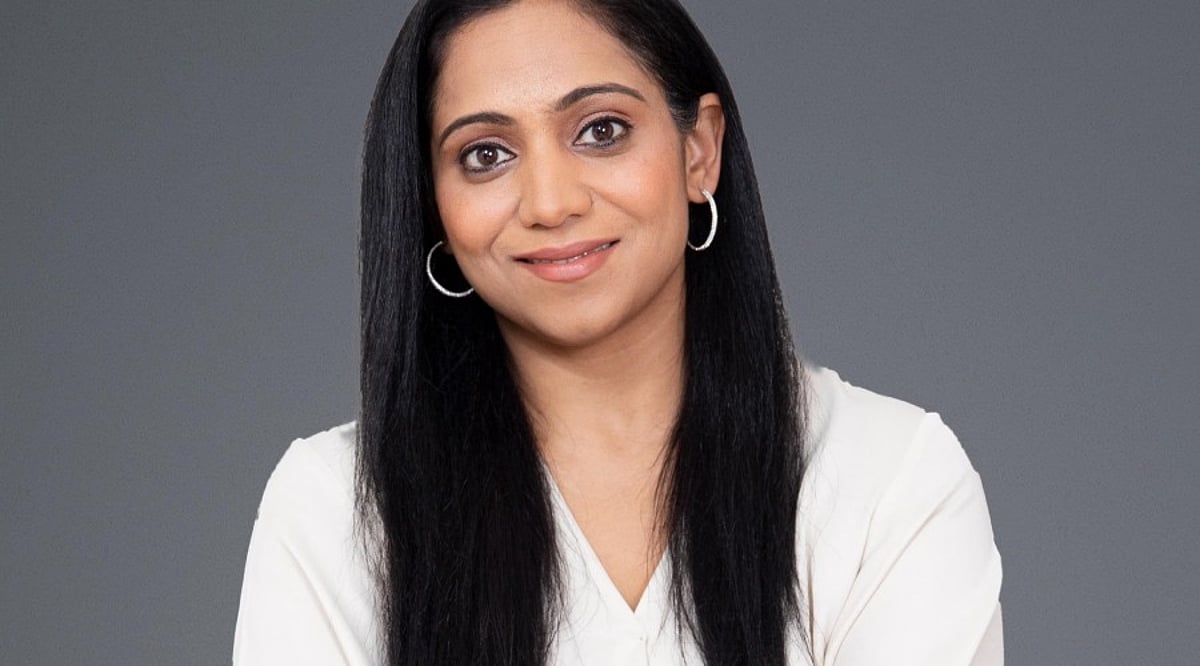
    Swiggy has appointed Nandita Sinha, the former Chief Executive Officer of Myntra, as the new CEO of its quick-commerce business, Instamart. The move marks a significant leadership transition at a time when competition in India’s rapid-delivery market is intensifying. Sinha will officially begin the role on August 3, succeeding Amitesh Kumar Jha, who has stepped down to pursue opportunities outside the company.

    Who is Nandita Sinha?

    Nandita Sinha is one of India’s leading executives in the consumer internet segment, with over two decades of leadership experience in e-commerce, retail, and fast-moving consumer goods. Under her leadership, Myntra witnessed consistent growth and improved its market positioning.

    Sinha’s work experience also includes serving in leadership roles at organizations such as Flipkart, Britannia Industries, and Hindustan Unilever, giving her broad exposure to digital commerce, branding, and consumer-facing business, according to her LinkedIn profile. This varied experience will help Instamart scale its operations.

    Leadership Change Comes at a Crucial Time

    Sinha’s appointment follows the resignation of Amitesh Kumar Jha, who led Instamart during an important phase of expansion. Swiggy acknowledged his contribution in strengthening the platform, enhancing its differentiated offerings, and improving operational efficiency during his tenure.

    Swiggy’s Managing Director and Group CEO, Sriharsha Majety, said, “I am delighted to welcome Nandita Sinha as the CEO of Instamart. Nandita is one of India’s most accomplished consumer internet leaders, and I’m enthusiastic about the vision, customer obsession, and operational rigor she brings to the team we’ve built at Instamart.”

    What Her Appointment Means for Instamart

    With competitors investing heavily in expansion and customer acquisition, Swiggy is betting on Sinha’s operational expertise and consumer-focused approach to drive Instamart’s next phase of growth.

    Speaking on her new role, Sinha said, “I have long admired what the team at Instamart has built. It’s a business with a strong customer-first culture, great talent and significant opportunities ahead. Instamart sits at the heart of how India shops for its everyday needs, and I look forward to working with our colleagues, partners and consumers to shape its next chapter of growth.”

    Industry experts believe that her background in creating large consumer brands might help the company formulate a competitive strategy. Product expansion and customer experience are expected to be among the key areas of focus.