Category: Mobile Phones

  • Motorola Edge 70 Max Launches in India: Price, Specs, and AI Features

    Motorola Edge 70 Max Launches in India: Price, Specs, and AI Features

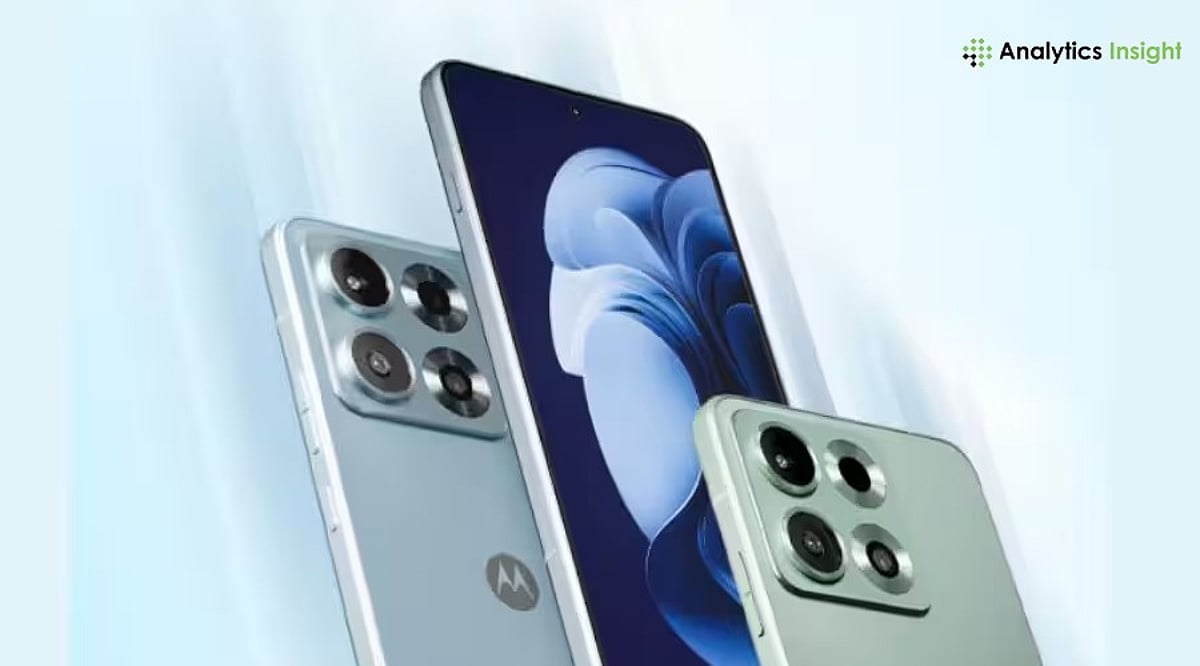
    Motorola has officially launched the Edge 70 Max in India, expanding its flagship Edge 70 series with a device that blends premium performance, artificial intelligence, and exceptional battery life. Priced starting at Rs 54,999, the smartphone is powered by Qualcomm’s Snapdragon 8 Gen 5 processor and runs Android 16 out of the box. It will be available through major retail channels across the country.

    Flagship Hardware Takes Center Stage

    The Motorola Edge 70 Max boasts a 6.82-inch Quad HD+ LTPO AMOLED display with a 144Hz refresh rate, delivering ultra-smooth scrolling, gaming, and video playback. The panel also supports high brightness levels for comfortable outdoor use.

    Under the hood, the Snapdragon 8 Gen 5 chipset is paired with up to 12GB of LPDDR5X RAM and fast storage. Motorola states that the device is engineered to handle demanding workloads, multitasking, and on-device AI processing without sacrificing efficiency.

    Large Battery with Fast Charging

    A standout feature of the Edge 70 Max is its massive 7,100mAh battery, one of the largest in the premium smartphone segment. The device supports 90W wired fast charging and also includes magnetic wireless charging, allowing users to quickly top up the battery while enjoying cable-free convenience.

    AI Features and Camera Upgrades

    Motorola introduces its Qira AI platform with the Edge 70 Max. This suite includes productivity tools such as meeting summaries, contextual suggestions, content creation assistance, and cross-device continuity with supported Lenovo devices.

    For photography, the smartphone features a 50MP Sony LYT-series primary camera with optical image stabilization, accompanied by additional rear sensors for versatile shooting. The front camera is designed for high-resolution selfies and video calls, and the phone supports advanced AI-assisted imaging features.

    Price and Availability

    The Motorola Edge 70 Max is priced from Rs 54,999 in India, placing it firmly in the premium flagship segment. With its flagship Snapdragon chipset, high-refresh-rate AMOLED display, large battery, and AI-focused software experience, Motorola aims to attract users seeking a high-performance Android smartphone without entering the ultra-premium price bracket.

  • Tech Roundup: Motorola Edge 70 Max Debuts, Apple AI Advances, iPad Mini Rumors, Pixel Watch 5 Leaks, and Europe’s Startup Evolution

    Tech Roundup: Motorola Edge 70 Max Debuts, Apple AI Advances, iPad Mini Rumors, Pixel Watch 5 Leaks, and Europe’s Startup Evolution

    Today’s tech landscape is buzzing with major announcements and leaks. Here’s your quick roundup of the most important stories making headlines.

    Motorola Edge 70 Max Launches in India

    Motorola has officially launched the Edge 70 Max in India, packed with top-tier specifications and features. The device is expected to compete strongly in the premium smartphone segment. Check out the full specs, features, and pricing details.

    Apple AI Breakthrough

    Apple continues to make strides in artificial intelligence with a new breakthrough that could reshape how users interact with their devices. While details remain under wraps, this development signals Apple’s growing investment in AI technology.

    iPad Mini Updates

    New reports suggest an updated iPad Mini is on the horizon, bringing improved performance and design tweaks. Apple enthusiasts are eagerly awaiting official confirmation.

    Pixel Watch 5 Leaks

    Leaks surrounding the Google Pixel Watch 5 have started surfacing, hinting at upgraded health sensors, longer battery life, and a refined design. The wearable market is heating up.

    Europe’s Startup Shift

    European startups are undergoing a significant transformation, shifting focus towards sustainability and deep tech. This trend is reshaping the continent’s innovation ecosystem.

    Stay tuned for more updates on these stories and follow our WhatsApp channel for the latest news and exclusives.

  • WhatsApp Tests Independent Cloud Backup for iPhone Users, Reducing iCloud Reliance

    WhatsApp Tests Independent Cloud Backup for iPhone Users, Reducing iCloud Reliance

    WhatsApp is developing a new feature that would allow iPhone users to back up their chat history without relying on Apple’s iCloud. The move, discovered in the latest WhatsApp beta for iOS by WABetaInfo, points to Meta’s plan to introduce its own encrypted cloud storage service for conversation backups.

    Currently, iPhone users must use iCloud for WhatsApp backups, requiring sufficient iCloud storage space. The upcoming change would give users the option to choose between iCloud and WhatsApp’s own cloud service, potentially easing storage constraints for those who frequently run out of space or prefer not to depend on Apple’s ecosystem.

    According to leaked screenshots, the new system will offer 2GB of free cloud storage from WhatsApp, with additional paid plans likely available for users who need more capacity. Like the existing backup option, WhatsApp’s cloud backups will be end-to-end encrypted, ensuring messages remain private and secure.

    The feature is still in development and not yet accessible to beta testers. Meta has not announced a release date or availability timeline. If launched, it would give iPhone users greater flexibility in managing their chat backups and reduce dependence on iCloud for storage.

  • Tecno Pova 8 Review: Futuristic Design Meets Mid-Range Realities

    Tecno Pova 8 Review: Futuristic Design Meets Mid-Range Realities

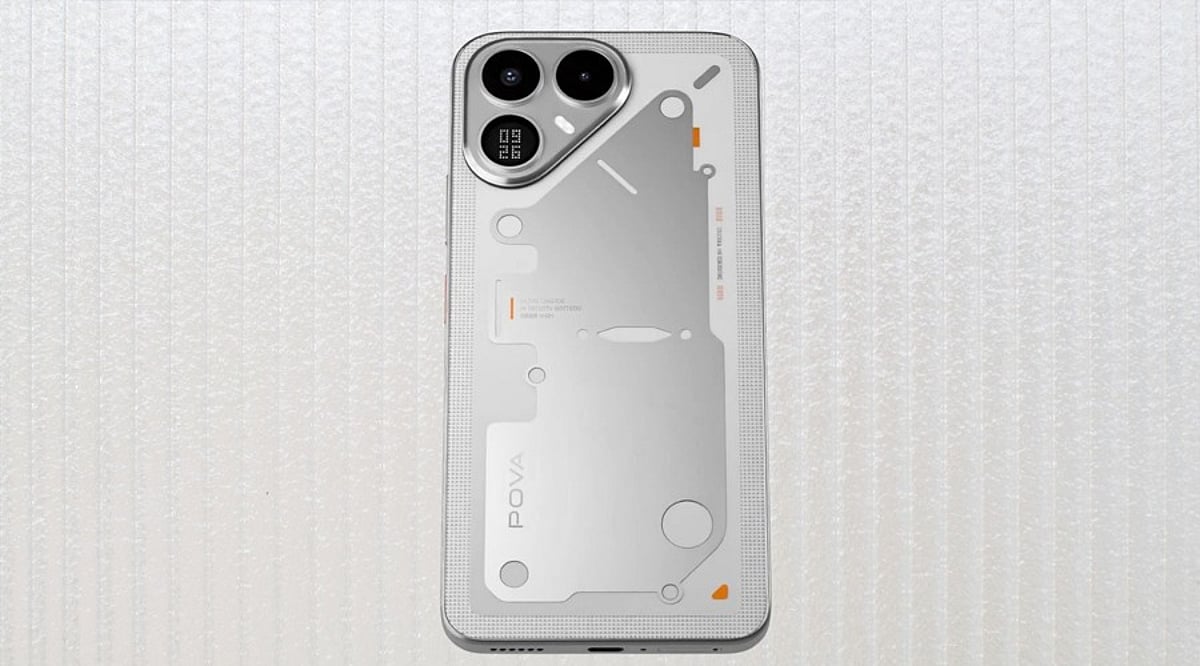
    The Tecno Pova 8 is a mid-range smartphone that targets the youth market with its striking design, innovative Alive Matrix mini display, and impressive battery longevity. The device aims to project a futuristic aura through its advanced aesthetics and HiOS 16 operating system, though internally it remains largely unchanged from its predecessor.

    General Specifications

    Here are the key specifications of the Pova 8:

    • Display: 6.8-inch FHD+ IPS LCD with 120Hz refresh rate
    • Processor: MediaTek Helio G99
    • RAM: 8GB
    • Storage: 128GB/256GB (expandable via microSD)
    • Rear Camera: 50MP main + 2MP depth + 2MP macro
    • Front Camera: 16MP
    • Battery: 6000mAh with 45W fast charging
    • OS: HiOS 16 based on Android 13
    • Dimensions: 168.7 x 76.6 x 8.6 mm
    • Weight: 218g

    Pros and Cons

    Pros

    • Unique Alive Matrix mini display on the back for notifications and custom animations
    • Excellent battery life with 6000mAh capacity
    • Striking, futuristic design appealing to younger users
    • Decent 120Hz refresh rate display

    Cons

    • Mediocre performance for demanding tasks and gaming
    • Average screen quality with limited brightness
    • Camera performance is lackluster, especially in low light
    • HiOS 16 can feel bloated with pre-installed apps

    Final Verdict

    The Tecno Pova 8 is a phone where aesthetics take precedence over functionality. It boasts impressive features like the Alive Matrix Display and a large battery, but suffers from poor performance, subpar screen quality, and camera issues. For users who prioritize style and battery life over raw performance, the Pova 8 may be a tempting choice. However, those seeking a well-rounded mid-range experience should look elsewhere.

  • Nothing Phone (4b) Goes on Sale in India: Price, Launch Discounts, and Key Specs

    Nothing Phone (4b) Goes on Sale in India: Price, Launch Discounts, and Key Specs

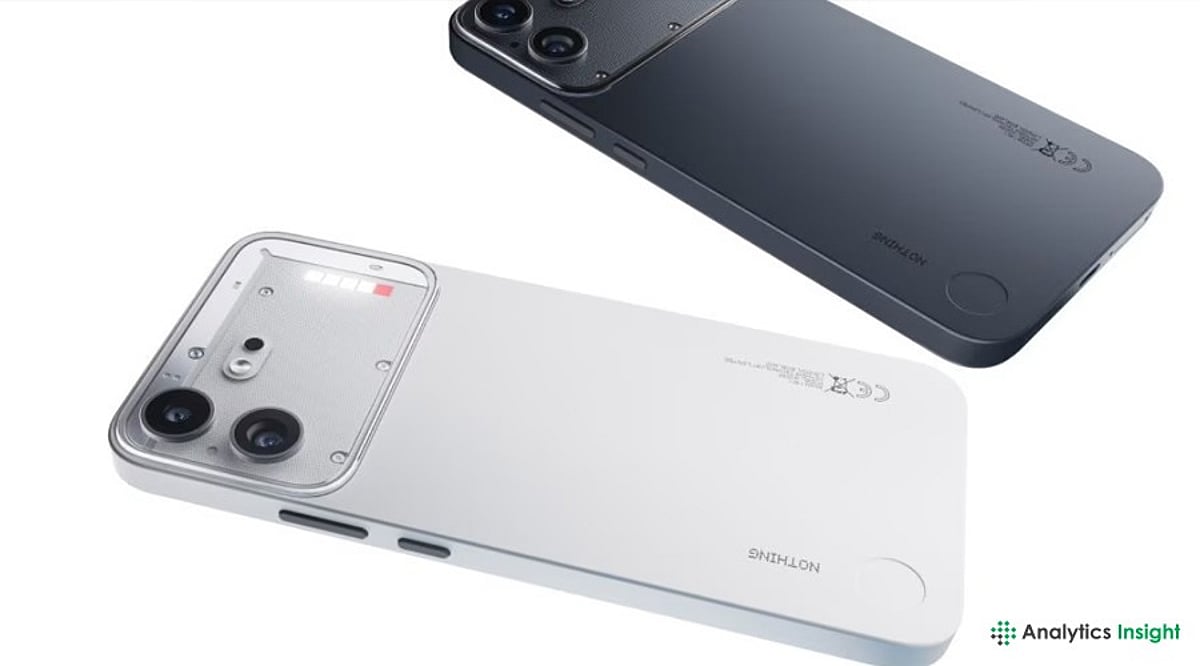
    Nothing’s newest and most affordable smartphone of 2026, the Phone 4b, officially went on sale in India on July 14, marking the debut of the company’s new B series. Available on Flipkart and across retail partners including Croma, Reliance Digital, and Vijay Sales, the Phone 4b is positioned as Nothing’s most accessible entry into its ecosystem yet, starting at Rs. 34,999 for the 8GB/128GB base variant and Rs. 38,999 for the 8GB/256GB model.

    Launch Offers That Bring the Price Down Further

    With an instant bank discount of 7.5%, the base variant gets reduced to Rs. 29,999, while the 256GB model reduces to Rs. 33,699. In addition, Nothing offers extra money through an exchange offer to customers who have an old phone to trade, which means even more discounts on top of the bank discount.

    Key Specifications at a Glance

    Qualcomm’s Snapdragon 6 Gen 4 chipset powers this phone alongside the 4,400mm² vapour chamber cooler, which deals with heat generation when in use. It comes with a 6.77-inch Super AMOLED screen from Samsung with a 120Hz refresh rate, as well as an optical fingerprint reader on the screen.

    At the rear end, there is a 50MP main camera with both dual-axis Optical Image Stabilization (OIS) and Electronic Image Stabilization (EIS), an 8MP ultrawide camera with 119.5° field of view, and it can record 4K videos at 30fps using Nothing’s TrueLens Engine 4. On the front end is a 16MP selfie camera.

    One of the most impressive features of this phone is its 6,000mAh battery, which is also the biggest that any Nothing phone has had so far and can be charged to 50% in only 27 minutes using a 33W fast charging capability.

    Software, Glyph Bar, and What’s New

    The smartphone ships with Nothing OS 4.1 based on Android 16, bringing AI-powered tools including Essential Voice, Essential Space, and Essential Search, alongside native ChatGPT integration across the UI and widgets, and Circle to Search with Google Gemini. Nothing has committed to three Android OS upgrades and six years of security patches.

    The redesigned Glyph Bar, replacing the earlier Glyph Interface with a compact grid of 45 mini-LEDs claimed to be 40% brighter, sits at the back, letting users set custom light patterns for calls, track delivery status, and visualise volume and timers. Dual stereo speakers with what Nothing describes as a 20% better stereo effect compared to the Phone 4a round out the audio package, making the Phone 4b a more complete mid-range option in a segment that’s becoming increasingly competitive.

  • Pixel 11 Pro Fold Leak Reveals New Color, Upgraded Storage, and AI Features Ahead of August Launch

    Pixel 11 Pro Fold Leak Reveals New Color, Upgraded Storage, and AI Features Ahead of August Launch

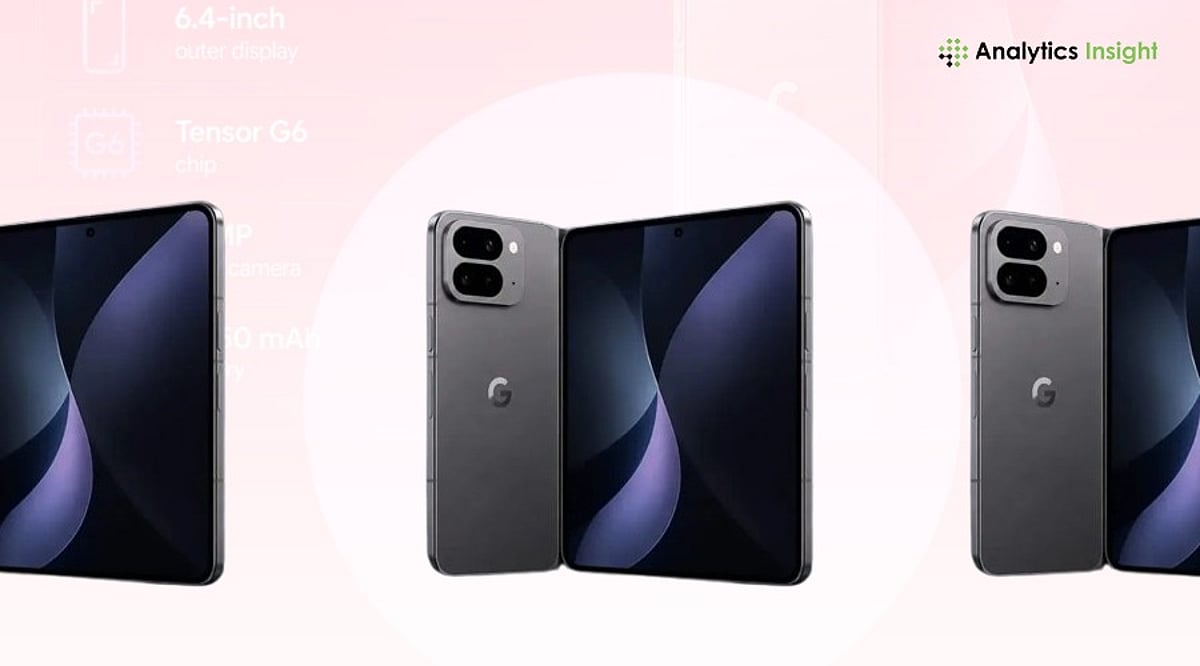
    Google’s next foldable smartphone is coming into sharper focus ahead of its official debut. Fresh leaks surrounding the Pixel 11 Pro Fold suggest the company is preparing a refreshed color palette, larger base storage options, and new AI-powered features for its premium foldable lineup. While Google has yet to confirm the specifications, the latest reports indicate the device could become one of the company’s biggest hardware upgrades this year.

    New Color Option and Premium Design Surface

    The latest leak has revealed yet another color variant of the Pixel 11 Pro Fold, giving it that distinctive minimalist look that Google is known for. Though the form factor is similar, rumors point out that Google has tweaked a few aspects of the design, which include making it slimmer and tweaking the camera module.

    Google will be showcasing its Pixel 11 line, which includes Pixel 11, Pixel 11 Pro, Pixel 11 Pro XL, and Pixel 11 Pro Fold on August 12 at its Made by Google event. The firm is expected to flaunt the foldable phone as the flagship product, competing against Samsung’s foldable phones among others.

    Storage, AI Features, and Tensor G6 Take Center Stage

    Hardware improvements will not be limited to the aesthetic side of things, and there are reports that the Pixel 11 Pro Fold will get some hardware upgrades as well. Reports claim that Google will stop manufacturing Pixel devices with 128GB of storage, with the lowest amount of onboard storage being 256GB, but the high-end models will have up to 1TB of storage space.

    Moreover, the foldable phone will use Google’s upcoming Tensor G6 processor for better efficiency and improved on-device AI capabilities. Gemini AI features will become more prominent when it comes to taking photos and providing productivity and assistance services.

    Expected Price and Market Position

    This upgrade will most likely result in a more expensive phone. According to industry sources, Google’s next Pixel phone – the Pixel 11 Pro Fold – will be priced at €1,999 in Europe due to storage and hardware upgrades. The pricing for other regions like the US and India is yet unknown.

    However, regardless of the price hike, Google seems to concentrate on creating added value via storage upgrades and AI and hardware advancements rather than redesigning the product entirely. It is believed that Google aims to target premium Android foldable phone owners with this product.

    Official Launch Expected in August

    While the Pixel 11 series is still unofficial until Google’s August launch event, the constant leaks give us a clearer idea about the upcoming phones. According to the leaks, if everything turns out to be true, then the Pixel 11 Pro Fold will launch with updated color options, more storage, and advanced integration with Gemini AI and Tensor by Google.

    As the competition in the foldable smartphone market gets tougher, Google’s next flagship is expected to be evaluated not just by its hardware improvements but also by its software capabilities.

  • StepX Neo: The World’s First Agentic AI Smartphone Beats OpenAI to the Punch

    StepX Neo: The World’s First Agentic AI Smartphone Beats OpenAI to the Punch

    StepX has officially unveiled the StepX Neo, which it claims is the world’s first agentic smartphone. While many expected OpenAI to launch the first truly AI-driven phone, the Chinese manufacturer has taken an unexpected lead. The StepX Neo is built around an AI-first operating system and a deeply integrated assistant called Amoo, promising smarter automation and seamless app integration.

    A Phone Designed Around an AI Agent

    Unlike other smartphones that simply add AI features to existing operating systems, StepX designed the hardware, software, and AI model as a single cohesive system. The device runs on Step AOS, an operating system purpose-built for AI agents. Amoo, the company’s own AI assistant, is embedded deeply into the phone and can handle complex tasks that go far beyond a typical chatbot or voice assistant. This integrated approach puts StepX ahead of OpenAI in a race many expected the American company to win first.

    Second Screen and Major App Partnerships

    The StepX Neo features a secondary display on the back, providing quick access to notifications and AI features without needing to unlock the main screen. The company has not yet revealed exact details about how this second screen will function. The phone also includes a dual-camera setup, though specifications for the cameras, RAM, storage, and battery remain undisclosed.

    StepX has confirmed partnerships with several major apps and services, including Meituan, WPS, CapCut, Ctrip, Gaode Maps, and Alipay. Amoo can leverage these partnerships to execute tasks across multiple apps, reducing the need for users to switch between applications manually. The assistant works in the background to connect these services autonomously.

    Bold Claims, But Many Questions Remain

    While the StepX Neo sounds impressive on paper, many details are still missing. StepX has not announced a launch date or pricing. Industry experts expect the phone to launch in China sometime next year and target the premium segment. Whether it will be available in other markets, such as India, remains unclear.

    This announcement raises an interesting question for the industry: Can a lesser-known company beat established giants like OpenAI to a major AI milestone? StepX certainly believes so. The coming months will reveal whether the StepX Neo lives up to its bold claims. Until official specs and pricing are released, the device remains a promising concept rather than a finished product.

  • Foldable iPhone Leak Sparks Buzz: Viral Images Fuel Rumors and Debate

    Foldable iPhone Leak Sparks Buzz: Viral Images Fuel Rumors and Debate

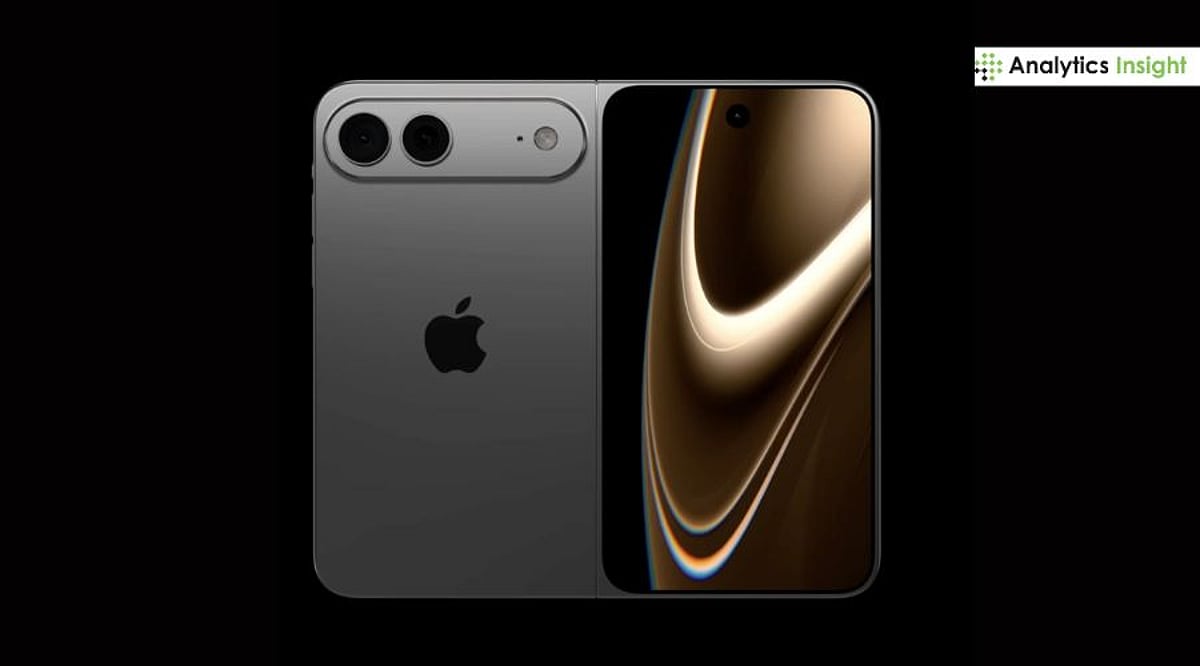
    Images claiming to show Apple’s foldable iPhone have gone viral, captivating fans and tech watchers while stirring fresh debate over the device’s authenticity and potential price. The leaked visuals depict a phone that folds like a book, revealing a large inner screen in a design that appears slimmer than many current foldable models.

    Some observers believe the images could represent an early Apple prototype, while others suspect they are concept renders or a modified existing device. Apple has not confirmed any foldable iPhone, but the company has been linked to folding phone rumors for years, fueling the excitement.

    Foldable iPhone Rumors Are Back

    The leaked images show a book-style foldable design. However, some users have noted that the two halves appear uneven in the images, raising questions about whether the device would fold properly. Other reports suggest Apple has experimented with both book-style and flip-style models. Additionally, rumors claim the foldable iPhone, possibly called iPhone Ultra, could pack a 5,000 mAh battery and launch alongside the iPhone 18 lineup in September 2026.

    For now, there is no proof that the viral images are real. Until Apple makes an official statement, they remain part of the growing rumor mill.

    What Apple Must Get Right

    If Apple does launch a foldable iPhone, users will have high expectations. The device must be durable for daily use, with a smooth hinge and minimal screen crease. Battery life is crucial since a larger screen typically consumes more power; users will expect all-day performance. Apps should transition seamlessly between outer and inner screens, and the overall experience must feel intuitive, not just novel.

    Price will be another key test. Foldable phones from Samsung, Google, and others already cost significantly more than standard flagships, and Apple’s premium positioning suggests its foldable could be the most expensive iPhone yet. High excitement may not translate into purchases if the price tag is too steep.

    For now, all we have are rumors and viral images, but they have reignited one of the most talked-about ideas in tech.

  • Top 5 boAt Smartwatches Under ₹2,000 in India (2026 Buyer’s Guide)

    Top 5 boAt Smartwatches Under ₹2,000 in India (2026 Buyer’s Guide)

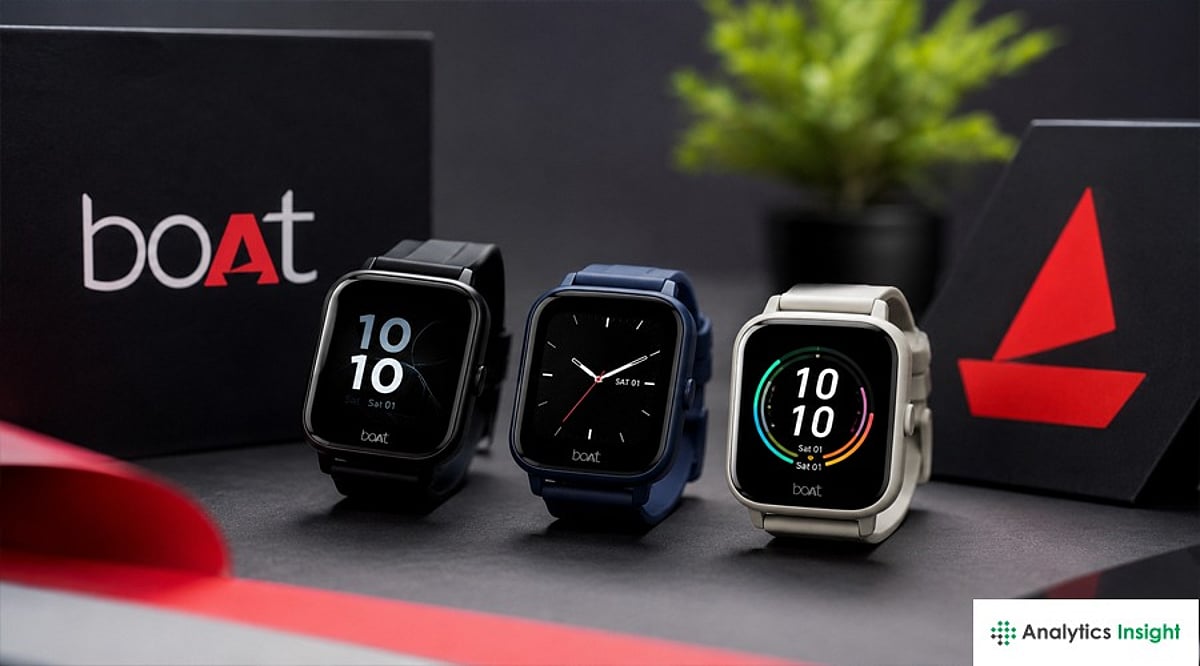
    Buying a smartwatch on a budget no longer means settling for basic features. boAt’s affordable lineup includes models with Bluetooth calling, fitness tracking, and modern designs. Discover the best boAt watches under ₹2,000 available in India in 2026.

    Overview:

    • Five boAt models verified for live pricing and availability under ₹2,000 as of July 2026, each ranked for a distinct strength rather than a repeated feature set.
    • A side-by-side comparison table covers display, battery, calling, and IP rating so buyers can shortlist without reading every section.
    • Prices on Amazon and Flipkart shift often in this segment, so the guide flags where figures moved recently and recommends checking the live listing before buying.

    The budget smartwatch market in India has never been more competitive. boAt has responded by spreading its sub-₹2,000 lineup across five distinct strengths rather than chasing one flagship formula. This guide compares them on verified pricing, features, and real-world value, so you can match the watch to what matters most to you in July 2026. Prices verified across Amazon India and Flipkart listings in July 2026. Figures shift during sale events and vary by color and seller, so check the live listing before purchase.

    boAt Wave Astra 3: Best Overall Balance

    Wave Astra 3 earns the overall pick without forcing a trade-off. Its 1.83-inch HD display runs at 240×296 pixels, sharp enough for daily notifications, while the claimed 7-day battery outlasts most watches in this price band. Turn-by-turn navigation stands out: the watch shows directional arrows on the wrist during a ride, a feature usually reserved for pricier models. Over 700 sports modes and IP67 resistance complete a watch built for commuting, workouts, and calls in one device. Buy now

    boAt Wave Sigma 3: Best for a Bigger Display

    If screen real estate is the priority, the Wave Sigma 3’s 2.01-inch display is the largest here, and it’s also the most affordable of the five. The watch adds an emergency SOS button that alerts a preset contact and a built-in QR code tray for quick payments, both beyond the usual step-counting basics. Battery life is rated up to 7 days, with Bluetooth calling included. The trade-off is a bulkier presence on the wrist for buyers who prefer a compact watch. Buy now

    boAt Storm Call 3: Best for Calling on a Budget

    Storm Call 3 is the cheapest watch here and still includes GPS and Bluetooth calling, a combination rarely available below ₹1,300. Its 1.83-inch HD display and up to 5-day battery are more modest than the Astra 3 or Sigma 3, and user reviews note faster battery drain when calling is switched on. For buyers who want calling specifically and don’t need the longest runtime, this is the most direct route to it without paying for navigation or a bigger screen. Buy now

    boAt Lunar Discovery: Best for Navigation

    Lunar Discovery is built around one feature: MapMyIndia turn-by-turn navigation on a 1.39-inch HD TFT display. Riders get left-and-right directional cues without pulling out a phone, and the watch stores up to 20 contacts for quick Bluetooth calling from the built-in dialpad. The display resolution, at 240×240 pixels, is the lowest in this group, better suited to wayfinding than visual sharpness. Buy now

    boAt Lunar Orb: Best for Style

    Lunar Orb breaks from the rectangular dial that dominates this list with a 1.45-inch round AMOLED display, a shape that reads closer to a traditional watch. Always-on display, live cricket and football score updates, and a DIY watch face studio give it the most personalization of the five. Battery life is rated up to 7 days with typical use, though an always-on display cuts that down. This is the pick for a smartwatch that doesn’t look like one. Buy now

    Which Model Should You Buy?

    • Want one watch that does everything reasonably well: Wave Astra 3
    • Want the biggest screen for the least money: Wave Sigma 3
    • Want to call on the tightest budget: Storm Call 3
    • Ride often and need on-wrist directions: Lunar Discovery
    • Care most about how the watch looks: Lunar Orb

    Final Thoughts

    None of these watches replaces a proper fitness tracker or a premium smartwatch, and that’s not the point at this price. Each solves one problem well: the Astra 3 balances everything, the Sigma 3 maximizes screen size, the Storm Call 3 minimizes cost, the Lunar Discovery prioritizes navigation, and the Lunar Orb leads in design. Match the watch to the feature that matters most, and verify the current price before checkout.

    FAQs

    1. Which is the best boAt watch under ₹2,000 in India in 2026? The best boAt watch under ₹2,000 depends on your needs. Some models prioritize Bluetooth calling, while others offer better battery life, larger displays, or more comprehensive fitness tracking.
    2. Are boAt smartwatches under ₹2,000 good for fitness tracking? Yes. Most boAt smartwatches in this price range include features such as heart rate monitoring, SpO₂ tracking, sleep analysis, step counting, and multiple sports modes for everyday fitness.
    3. Do boAt watches under ₹2,000 support Bluetooth calling? Many boAt smartwatches under ₹2,000 support Bluetooth calling, enabling users to make and receive calls directly from the watch when connected to a compatible smartphone.
    4. How long does the battery last on a boAt smartwatch under ₹2,000? Depending on the model and usage, most boAt smartwatches under ₹2,000 provide around 5 to 10 days of battery life on a single charge.
    5. What should I consider before buying a boAt smartwatch under ₹2,000? Look for display quality, battery life, Bluetooth calling, health tracking features, water resistance, build quality, and smartphone compatibility to choose the best boAt smartwatch for your requirements.

  • Redmi Note 17 Series Leak: Snapdragon Power, Brighter OLED, and Bigger Batteries

    Redmi Note 17 Series Leak: Snapdragon Power, Brighter OLED, and Bigger Batteries

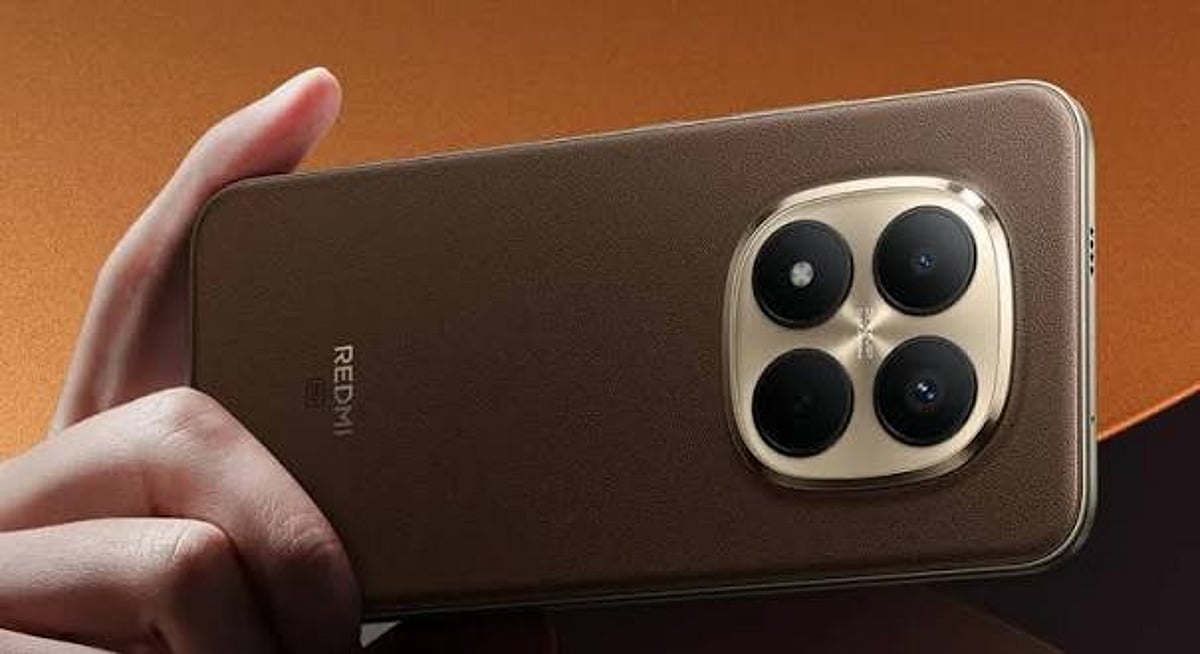
    Xiaomi is on the verge of launching the Redmi Note 17 series, and new leaks have revealed key details about the upcoming devices. According to information shared on Weibo, the Redmi Note 17 and Redmi Note 17 Pro are expected to deliver faster performance, brighter OLED displays, and significantly larger batteries—continuing the line’s tradition of offering strong features at a competitive price.

    Snapdragon Chips and Massive Batteries

    The Redmi Note 17 is rumored to be powered by a Snapdragon 4 Gen 4 chipset, paired with a bright 7-inch OLED display. The phone is also said to include a 50MP main camera and an 8,000mAh battery supported by 45W wired charging. The Pro model is expected to step up to a Snapdragon 6s Gen 4 processor, along with a 7-inch OLED screen, a 50MP primary camera, and a dedicated 50MP telephoto lens for improved zoom photography. Its battery may reach 9,000mAh, with Xiaomi offering a five-year warranty on battery replacements, according to the leak.

    Are 7-Inch Phones Making a Comeback?

    The rumored near-7-inch screens are a major talking point. A larger display benefits gaming, video watching, reading, and multitasking, catering to users who spend hours on their phones daily. However, oversized phones can be less comfortable for one-handed use and may feel bulky in pockets. With foldable devices normalizing large screens, some users may be ready for this shift, though practicality remains a consideration.

    Xiaomi Leading a Battery War?

    The Redmi Note 17 Pro appears poised to be one of the most aggressive mid-range offerings, combining a massive battery, bright OLED, and strong Snapdragon performance. Battery life has become a crucial differentiator as smartphone usage for gaming, streaming, work, and social media increases. Competitors such as Vivo, Honor, and Realme have also been boosting battery capacities, but Xiaomi could push the trend further with a budget-friendly device. If that happens, it could prompt rivals to follow suit, benefiting consumers with longer-lasting phones.

    Xiaomi has not officially confirmed these details as of press time. The company is expected to launch the Redmi Note 17 series in China on July 14.