Category: Mobile Phones

  • Nothing Phone 4b Review: 5 Key Features That Justify the Price

    Nothing Phone 4b Review: 5 Key Features That Justify the Price

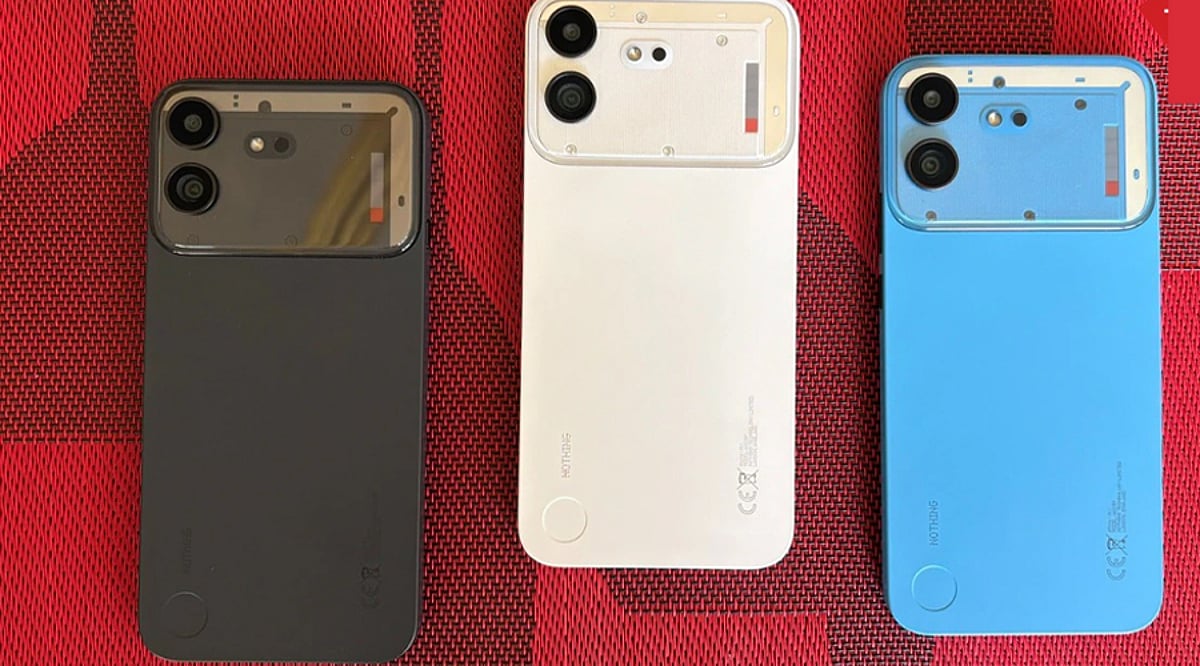
    The Nothing Phone 4b continues the brand’s tradition of blending distinctive design with solid mid-range performance. Here are the top five features that make this device worth considering.

    1. Signature Glyph Bar Design

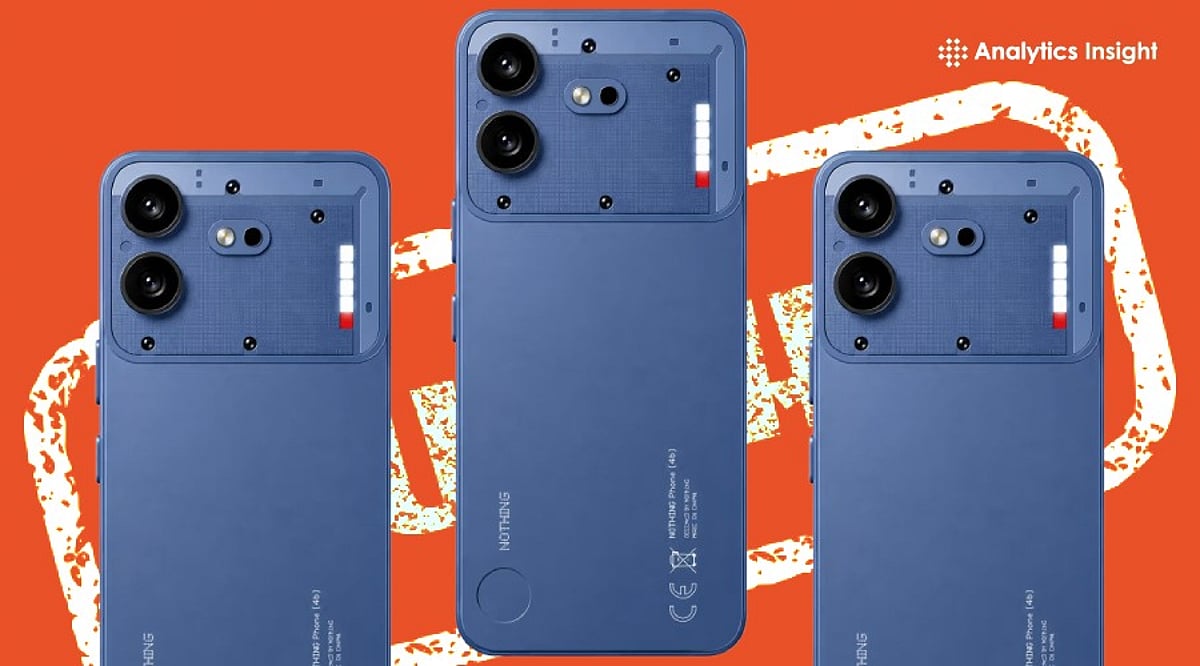
    The Phone 4b retains Nothing’s iconic transparent aesthetic with a refined Glyph Bar. This customizable LED system provides visual notifications for calls, messages, timers, and charging status, adding both personality and practical utility beyond mere looks.

    2. Smooth 120Hz AMOLED Display

    A 6.77-inch Super AMOLED panel with a 120Hz adaptive refresh rate and up to 2,000 nits peak brightness delivers vibrant colors, fluid scrolling, and excellent outdoor visibility. Whether gaming, streaming, or browsing, the display offers an immersive experience.

    3. Snapdragon 6 Gen 4 Performance

    Qualcomm’s Snapdragon 6 Gen 4 processor paired with 8GB RAM ensures reliable multitasking, smoother gaming, and efficient power management. AI enhancements further boost daily productivity without noticeable lag.

    4. Massive Battery with Fast Charging

    The India variant packs a 6,000mAh battery with 33W fast charging, easily lasting a full day or more under heavy use. This minimizes downtime for users who stream, game, or work extensively on their phone.

    5. Capable 50MP Camera System

    A 50MP primary camera with Optical Image Stabilization, supported by an ultra-wide lens and AI enhancements, captures detailed photos, stable videos, and reliable low-light shots. It’s a versatile setup for everyday photography and content creation.

    Running Nothing OS 4.1 based on Android 16, the phone offers a clean interface with Essential AI tools, ChatGPT and Gemini integrations, minimal bloatware, and a commitment to three Android updates plus six years of security support. Combining premium-inspired design, dependable performance, a bright AMOLED display, long battery life, and extended software support, the Nothing Phone 4b delivers a balanced smartphone package that justifies its price for users seeking a distinctive mid-range Android experience.

  • Samsung Galaxy Unpacked 2026: July 22 Event Expected to Debut Z Fold 8, Z Flip 8, and More

    Samsung Galaxy Unpacked 2026: July 22 Event Expected to Debut Z Fold 8, Z Flip 8, and More

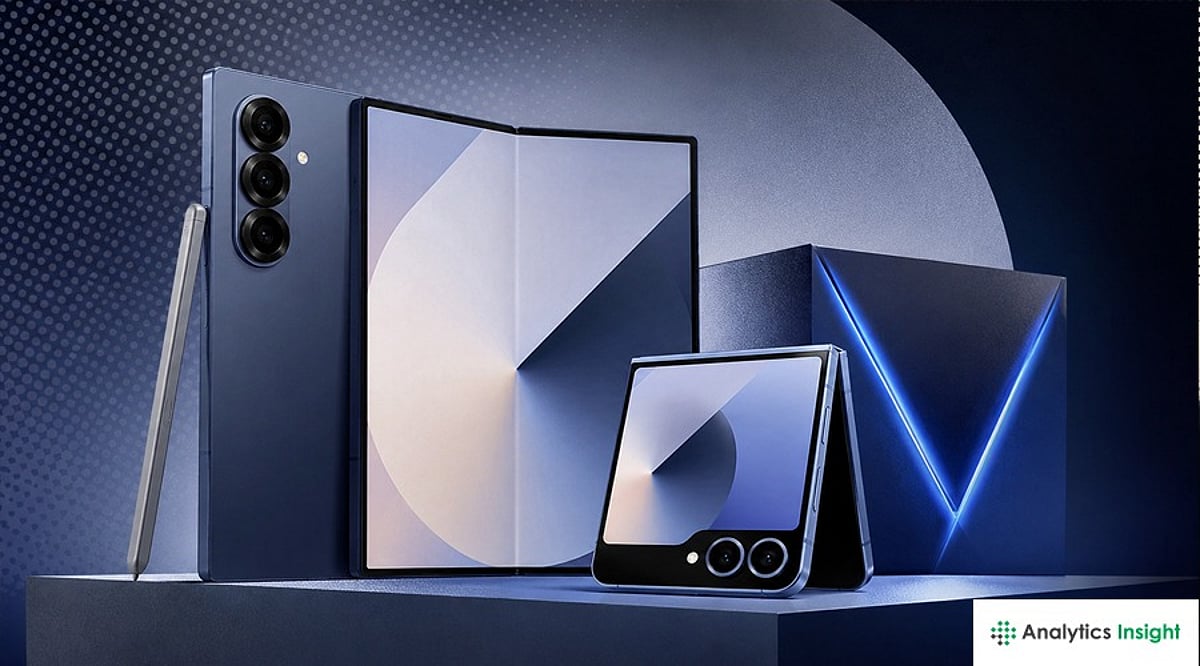
    Samsung has officially confirmed the date for its next Galaxy Unpacked event, putting an end to months of speculation about its upcoming foldable smartphone lineup. The event is scheduled for July 22, 2026, at 9:00 AM EDT (6:30 PM IST), and will be livestreamed via Samsung Newsroom, Samsung.com, and the company’s official YouTube channel.

    What to Expect at Galaxy Unpacked 2026

    Samsung is expected to unveil a refreshed portfolio of foldables, smartwatches, and possibly its long-rumored Android XR glasses. The company stated that the “next generation of Galaxy devices are set to deliver more personal and adaptive experiences and set a new standard for the AI era,” hinting at a stronger focus on artificial intelligence across its ecosystem.

    Three Foldables Could Debut This Year

    Reports suggest Samsung may introduce three new foldable devices instead of the usual two:

    • Galaxy Z Fold 8 – A larger, passport-style design aimed at providing a traditional smartphone experience.
    • Galaxy Z Flip 8 – An annual update to the popular clamshell foldable.
    • Galaxy Z Fold 8 Ultra – A new premium book-style foldable with flagship-level specs and productivity features, marking the first time Samsung releases an Ultra model alongside its regular foldables.

    Galaxy Watch 9 Series and Android XR Glasses

    Samsung may also introduce the Galaxy Watch 9 Series, expected to include minor hardware changes and AI-powered health and fitness features. Additionally, the rumored Android XR glasses could make an appearance, signaling Samsung’s continued push into augmented reality technology.

    Pre-Bookings Now Open in India

    In India, Samsung has already started pre-bookings for the upcoming Galaxy range. Customers can reserve devices by paying Rs. 999 and receive a Rs. 2,799 voucher redeemable upon purchase of eligible devices after launch.

    For more details, stay tuned to our coverage of the event.

  • Today’s Top Tech Roundup: iOS 27 Beta 3, Vivo X300e, iPhone Fold Ultra, Vivo X500 Pro Max, and iQOO 16

    Today’s Top Tech Roundup: iOS 27 Beta 3, Vivo X300e, iPhone Fold Ultra, Vivo X500 Pro Max, and iQOO 16

    Apple has released iOS 27 Beta 3 to developers, bringing new features and performance improvements ahead of the public release. Meanwhile, the Vivo X300e has received 3C certification in China, signaling an imminent launch. Luxury customization brand Caviar has unveiled the iPhone Fold Ultra, a premium foldable concept. The Vivo X500 Pro Max is nearing its global launch, and reports suggest the iQOO 16 may face a delay in its India release.

    Stay tuned for more updates on these exciting developments in the world of tech.

  • Top 10 Most Powerful Smartphones in 2025: Flagship Performance Compared

    Top 10 Most Powerful Smartphones in 2025: Flagship Performance Compared

    In the ever-evolving world of mobile technology, 2025 has brought a new generation of flagship smartphones that push the boundaries of performance, AI capabilities, and user experience. Here is a curated list of the ten most powerful phones currently available, each excelling in its own right.

    1. Apple iPhone 17 Pro Max

    Powered by Apple’s latest flagship chipset, the iPhone 17 Pro Max delivers exceptional speed, advanced AI features, desktop-class gaming, premium cameras, and outstanding battery efficiency.

    2. Samsung Galaxy S26 Ultra

    Combining a powerful flagship processor with advanced Galaxy AI, the Galaxy S26 Ultra excels in productivity, photography, gaming, multitasking, and long-term software support.

    3. ASUS ROG Phone 10 Pro

    Designed for gamers, the ROG Phone 10 Pro offers flagship performance, advanced cooling, a high-refresh display, responsive controls, a massive battery, and immersive gaming experiences daily.

    4. OnePlus 14

    Featuring flagship hardware with optimized software, the OnePlus 14 delivers blazing-fast performance, smooth multitasking, rapid charging, excellent gaming, and premium everyday usability consistently.

    5. Xiaomi 16 Ultra

    A performance-focused flagship combining cutting-edge processing power, advanced camera technology, vibrant display, AI enhancements, and reliable all-day battery life effortlessly.

    6. Google Pixel 11 Pro XL

    Powered by Google’s latest Tensor processor, the Pixel 11 Pro XL emphasizes AI-driven performance, intelligent photography, seamless Android integration, strong security, and smooth everyday operation.

    7. HONOR Magic8 Pro

    Offering flagship-level speed, advanced AI capabilities, premium display quality, fast charging, capable cameras, and efficient battery management for demanding users everywhere.

    8. Vivo X300 Pro

    Combining flagship performance with advanced imaging technology, the Vivo X300 Pro delivers smooth multitasking, premium photography, vibrant display quality, and dependable battery endurance daily.

    9. OPPO Find X9 Ultra

    This premium flagship offers top-tier processing, AI-powered photography, fast wired and wireless charging, an immersive display, and reliable performance across demanding applications.

    10. (Additional Entry)

    While the original list highlighted nine models, the tenth spot remains open for emerging contenders. Stay tuned for updates as new devices launch.

    For the latest news, exclusives, and videos, join our WhatsApp Channel.

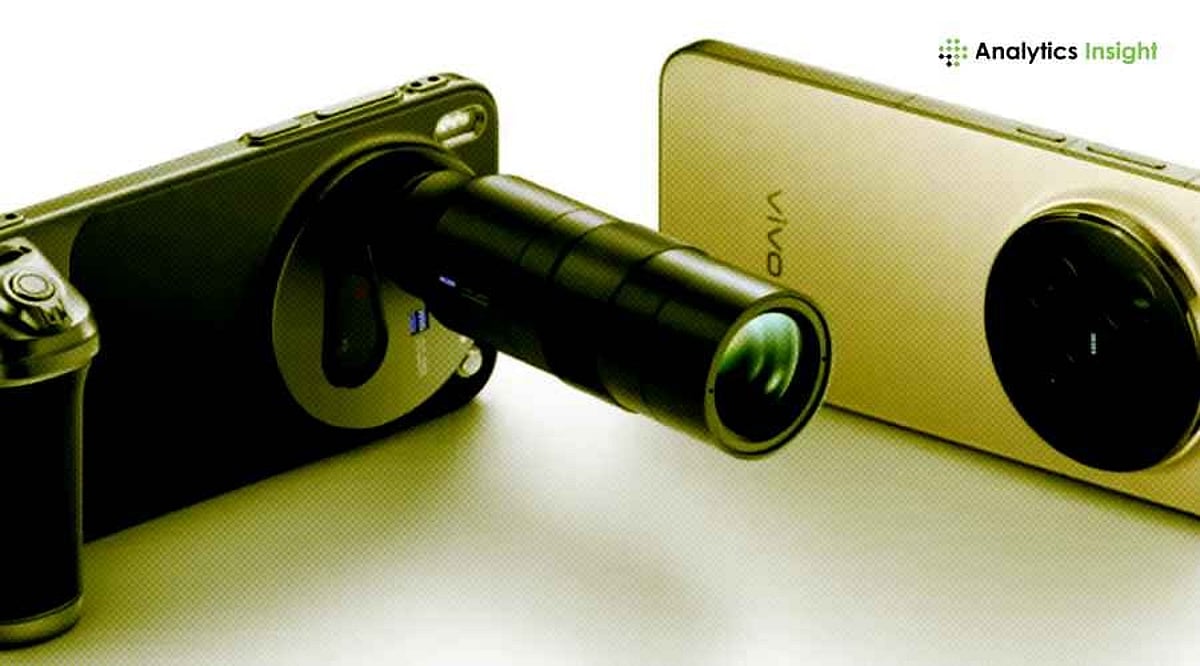
  • Vivo X500 Pro Max Goes Global: 200MP Periscope Camera and 8,000mAh Battery Confirmed by TKDN Certification

    Vivo X500 Pro Max Goes Global: 200MP Periscope Camera and 8,000mAh Battery Confirmed by TKDN Certification

    Vivo has taken a significant step toward the global launch of its upcoming flagship smartphone, the X500 Pro Max, as the device secures TKDN certification in Indonesia. The listing, bearing model number V2610, matches an earlier GSMA IMEI database entry, strongly indicating that this is the international variant of the highly anticipated handset.

    According to industry reports, Vivo is expected to unveil the X500 series in China this September, with a global rollout likely to follow shortly after. While the company has yet to confirm official dates, certification approvals typically surface just weeks before a new smartphone reaches retail markets.

    Display and Performance Expectations

    Though the TKDN listing does not disclose full specifications, trusted leaks have painted a detailed picture of the device’s hardware. The Vivo X500 Pro Max is rumored to feature a 6.85-inch flat LTPO OLED display with 2K resolution and a 144Hz refresh rate. An ultrasonic fingerprint scanner is also expected for faster, more secure unlocking.

    Under the hood, the phone may be powered by the MediaTek Dimensity 9600 chipset, with some sources suggesting a Dimensity 9600 Pro variant. This next-generation processor promises enhanced performance and power efficiency for demanding tasks such as gaming, multitasking, and daily use. Vivo has not officially confirmed the processor, so these details remain based on leaks.

    Battery and Camera Highlights

    Battery life could be a standout feature. Leaks suggest a massive battery capacity between 7,000mAh and 8,000mAh, potentially offering all-day or even multi-day usage on a single charge. Fast wired and wireless charging support is also anticipated, though exact charging speeds have not been disclosed.

    The camera system has generated considerable buzz. Reports point to a 50MP main sensor with Sony’s LOFIC technology, a 50MP ultra-wide lens, and a 200MP periscope telephoto camera capable of high-quality zoom photography. A 50MP front-facing camera is expected for selfies and video calls, rounding out a versatile imaging setup.

    Global Launch and Market Strategy

    The TKDN certification confirms that Vivo is preparing the X500 Pro Max for markets beyond China. India is often mentioned as a likely early recipient, given Vivo’s history of launching premium devices there shortly after their China debut. However, the company has not made any official announcements regarding specific markets.

    With its large battery, powerful processor, and advanced camera system, the Vivo X500 Pro Max appears poised to compete with other flagship smartphones. Official specifications, pricing, and availability details are expected to be revealed once Vivo makes a formal announcement.

    Stay tuned for more updates as the launch approaches.

  • Nothing Phone 4b Launches in India: Snapdragon 6 Gen 4, 6,000mAh Battery, and 120Hz Display

    Nothing Phone 4b Launches in India: Snapdragon 6 Gen 4, 6,000mAh Battery, and 120Hz Display

    Nothing has officially introduced the Phone 4b in India, targeting younger consumers who value a distinctive software experience and signature design language at a more accessible price point. The device will be available from July 14 via Flipkart and major retail partners including Croma, Reliance Digital, and Vijay Sales. Two configurations are offered: 8GB + 128GB at Rs. 34,999 and 8GB + 256GB at Rs. 38,999.

    Display and Build

    The Phone 4b features a 6.77-inch Samsung Super AMOLED display with Full HD+ resolution and an adaptive 120Hz refresh rate, ensuring smooth animations and scrolling. Nothing quotes a peak brightness of up to 2,000 nits for improved outdoor legibility. The exterior sports a new translucent back with unibody construction, extending Nothing’s signature semi-transparent aesthetic while giving the 4b a distinct look within the lineup.

    Performance, Battery, and Charging

    Powering the Phone 4b is the Qualcomm Snapdragon 6 Gen 4 processor, paired with 8GB of RAM and up to 256GB of internal storage. The handset packs a 6,000mAh battery that supports 33W fast charging. Additionally, the phone offers 7.5W reverse wired charging, enabling users to top up accessories or other devices in emergencies. Nothing positions the Phone 4b as a device capable of extended usage between charges for typical mixed workloads.

    Camera and Multimedia

    The dual-camera system comprises a 50-megapixel primary sensor with optical image stabilization (OIS) and an 8-megapixel ultra-wide lens. For selfies, there is a 16-megapixel front-facing camera. The phone employs Nothing’s TrueLens Engine 4 for image processing, supports dual-video recording, and can capture 4K video at 30 frames per second. Audio is handled by dual stereo speakers tuned for balanced output.

    Additional Features and Final Takeaway

    Additional hardware and connectivity features include an in-display fingerprint sensor, Bluetooth 6.0, Wi-Fi 6, and an IP64 rating for dust and splash resistance. Nothing has also refreshed the Glyph Bar and integrated on-device AI features into the software, enhancing notification interactions and everyday usability without compromising the company’s clean visual aesthetic. The Phone 4b is a well-rounded mid-range option that brings premium design and strong battery life to a broader audience.

  • Airtel vs Jio 84-Day Voice Plans: Which Prepaid Recharge Offers Better Value for WiFi-First Users?

    Airtel vs Jio 84-Day Voice Plans: Which Prepaid Recharge Offers Better Value for WiFi-First Users?

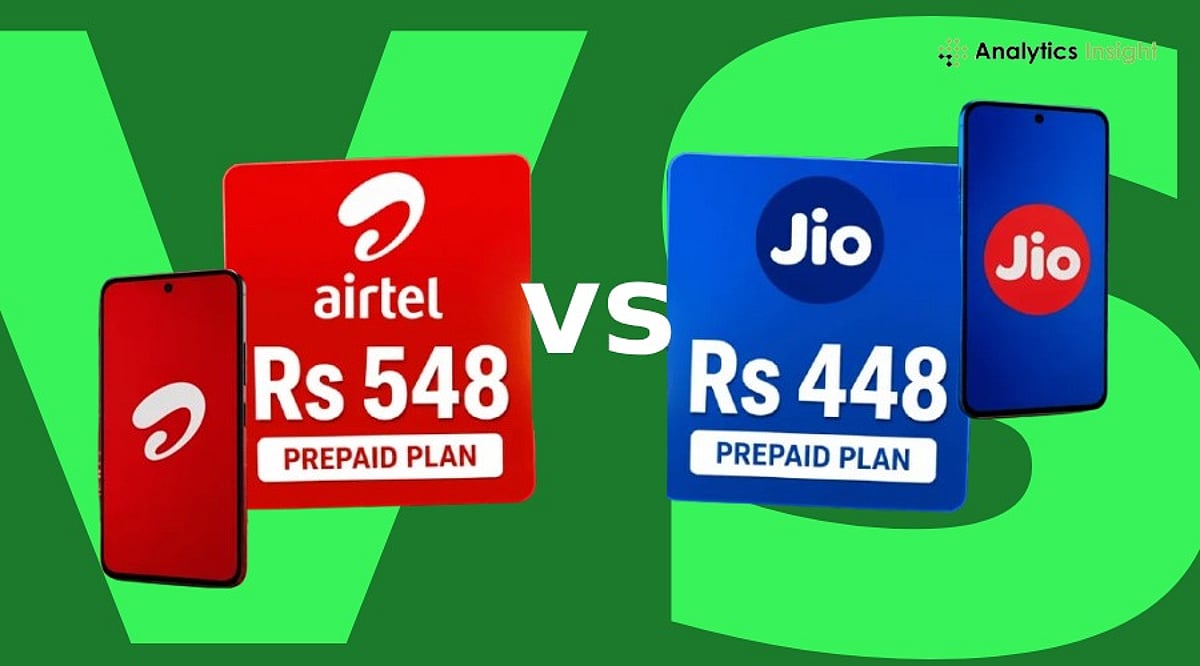
    As more consumers rely on WiFi at home and work, India’s leading telcos are sharpening their offerings for customers who need voice connectivity but little or no mobile data. Bharti Airtel and Reliance Jio both offer long-validity, voice-centric prepaid recharges that keep SIMs active while trimming costs: Airtel’s Rs. 548 and Jio’s Rs. 448 plans each run for 84 days and target budget-conscious, data-light subscribers.

    What Do the Plans Include?

    Airtel’s Rs. 548 recharge provides 84 days of service with unlimited local and STD calls across networks and 900 SMS for the entire validity period. The plan isn’t purely voice-only: it also includes a one-time 7GB data bundle for emergency use during the 84 days. Subscribers gain access to Airtel Thanks benefits, including Airtel Xstream Play, Apollo 24/7 Circle and other rewards via the Thanks app.

    Jio’s Rs. 448 pack likewise offers 84 days’ validity and unlimited calling, along with 1,000 SMS for the full term. The recharge consciously omits daily data allocations, positioning itself as a strictly voice-focused option for users who seldom use mobile internet. Jio subscribers receive access to Jio’s platform apps such as JioTV and JioAICloud, along with any additional app features tied to the plan.

    How Do They Differ?

    Jio’s Rs. 448 is priced lower than Airtel’s Rs. 548. SMS allocation favors Jio (1,000 vs 900), and both provide unlimited voice calling for the validity period.

    Airtel’s differentiator is the one-time 7GB data allowance and the Airtel Thanks ecosystem of bundled content and health services. Jio emphasizes a purer voice experience with platform app access instead of mobile data.

    Airtel vs Jio: Which Should You Pick?

    Users who prioritize unlimited calls and an affordable plan can choose Jio’s Rs. 448 as the more economical choice. If you want some mobile data for emergencies and value bundled content and service perks, Airtel’s Rs. 548 delivers that added flexibility. Either plan aims to keep SIMs active affordably for subscribers who spend most of their time on WiFi.

  • iQOO 16 India Launch in Doubt as Rising Hardware Costs Threaten Competitive Pricing

    iQOO 16 India Launch in Doubt as Rising Hardware Costs Threaten Competitive Pricing

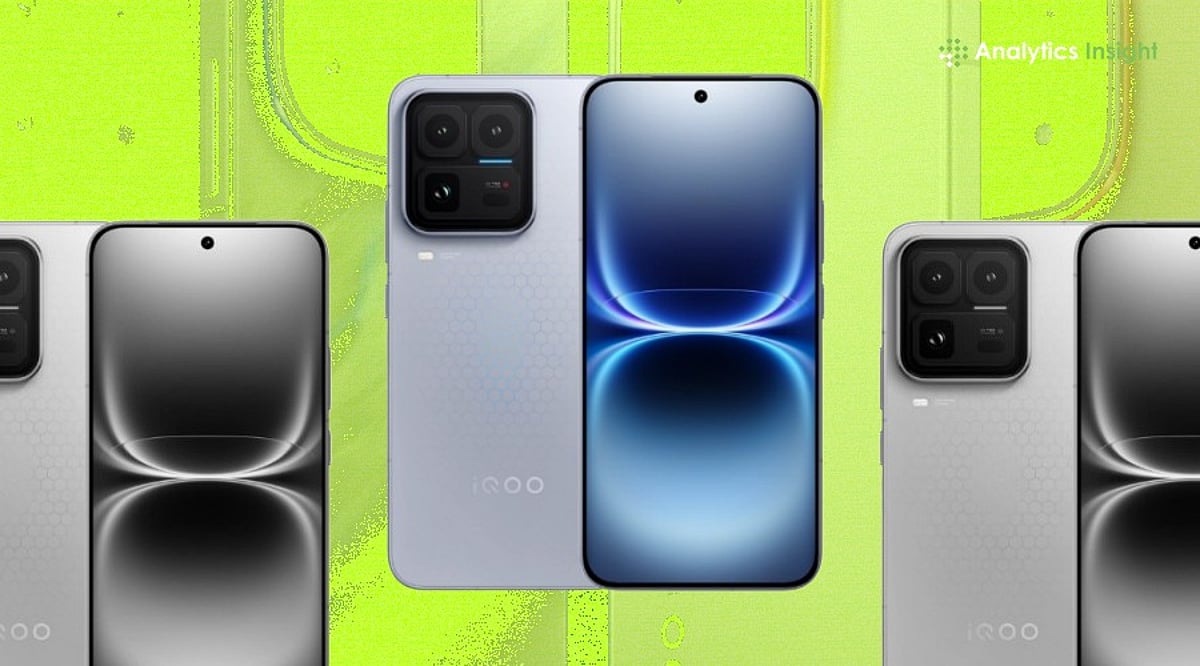
    iQOO has carved out a strong reputation in India’s flagship smartphone market by delivering premium features at relatively affordable prices. However, the company’s strategy has shifted with the iQOO 15, which launched at a starting price of Rs. 72,999. Now, fresh leaks suggest the upcoming iQOO 16 may not launch in India at all, citing steep hardware cost increases.

    A new report from tipster Yogesh Brar indicates that rising memory prices could push the iQOO 16’s price to around Rs. 85,000, making it difficult for the brand to maintain its value proposition. Brar tweeted, “We may not see iQOO 16 launch in India..With current memory rates, iQOO 16 will cross Rs 85k. iQOO has only 1 budget Z series phone for this year, all other products have been scrapped.”

    The iQOO 16 is rumored to feature significant upgrades compared to its predecessor, including a new flagship processor, a larger battery, improved cameras, and a brighter display. While these enhancements are expected to elevate the user experience, they also contribute to a likely substantial price increase over the iQOO 13, which launched at Rs. 54,999.

    This potential pricing hike poses a strategic challenge for iQOO. The brand has built its identity on offering flagship-level specifications at a lower price point than many premium competitors. If the iQOO 16 ends up priced similarly to other top-tier devices, it could lose the competitive edge that has fueled its growth in India. The company has not officially confirmed the leak, leaving its launch plans uncertain.

    If iQOO decides to skip the Indian market, rivals stand to benefit. Samsung’s Galaxy S series could become the most accessible premium option, while OnePlus may attract users seeking fast performance at a lower cost. Xiaomi’s flagship lineup and Vivo’s X series are also likely to gain traction, especially for their superior camera capabilities.

    Nothing is final yet, and iQOO could still alter its plans. Nevertheless, the situation highlights a broader trend: the rising expense of building flagship smartphones. Brands are increasingly forced to choose between increasing prices or reconsidering their market strategies for high-end devices.

  • Apple Scales Up Foldable iPhone Ultra Production Targets to 10 Million Units

    Apple Scales Up Foldable iPhone Ultra Production Targets to 10 Million Units

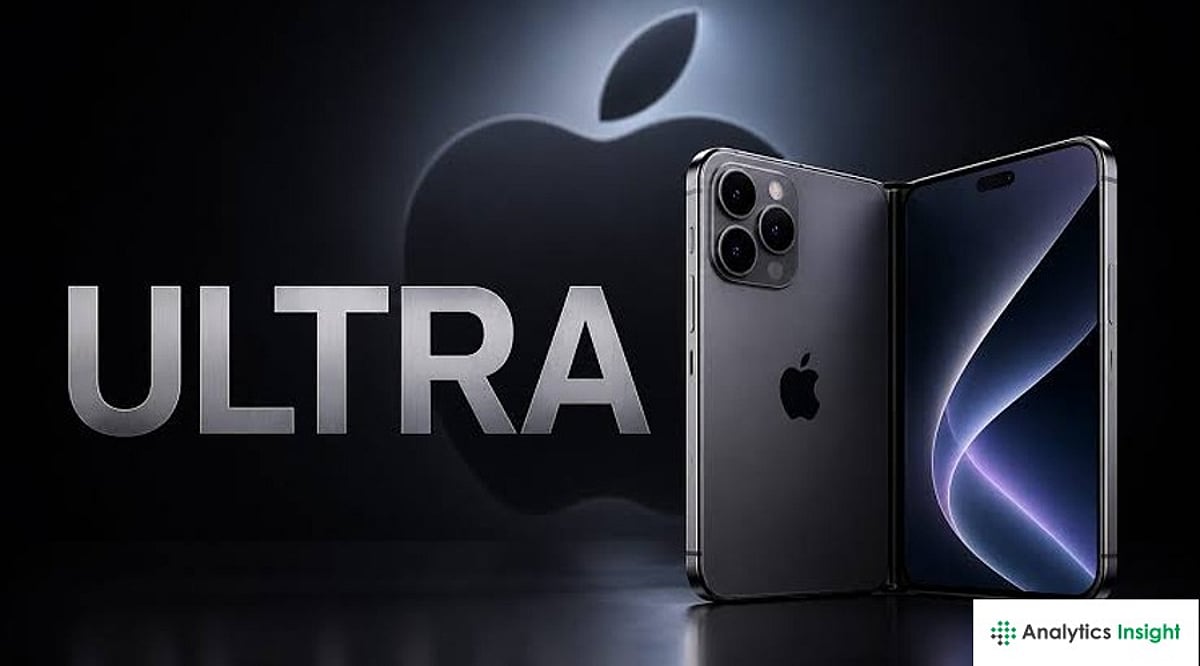
    Apple is reportedly increasing its manufacturing plans for the company’s first foldable smartphone, widely expected to launch as the iPhone Ultra. According to sources cited by Nikkei Asia and 9to5Mac, the tech giant has asked suppliers to prepare for the production of nearly 10 million units of the foldable device—up from earlier estimates of 7–8 million. This ramp-up signals stronger-than-expected confidence in demand for the premium product.

    In addition to the foldable model, Apple plans to manufacture over 70 million units of the iPhone 18 Pro and iPhone 18 Pro Max, bringing total premium iPhone production to roughly 80 million units in the second half of 2026. The company’s overall iPhone production target for the year is reportedly around 220 million units, with IDC estimating it could reach 240 million. Apple has also instructed suppliers to stockpile certain components for the iPhone 18 Pro models.

    The foldable iPhone Ultra is expected to be the most expensive iPhone ever, with IDC pegging its base price at approximately $2,500 (around ₹2.38 lakh). Versions with higher storage capacity could cost up to $3,000. Apple is expected to unveil the iPhone 18 Pro, iPhone 18 Pro Max, and the foldable iPhone Ultra at its traditional September 2026 launch event, though the foldable model may ship later due to its complex manufacturing process. Reports also suggest the standard iPhone 18 could be delayed until spring 2027.

  • Apple’s Foldable iPhone Poised to Reshape Premium Smartphone Market by 2026

    Apple’s Foldable iPhone Poised to Reshape Premium Smartphone Market by 2026

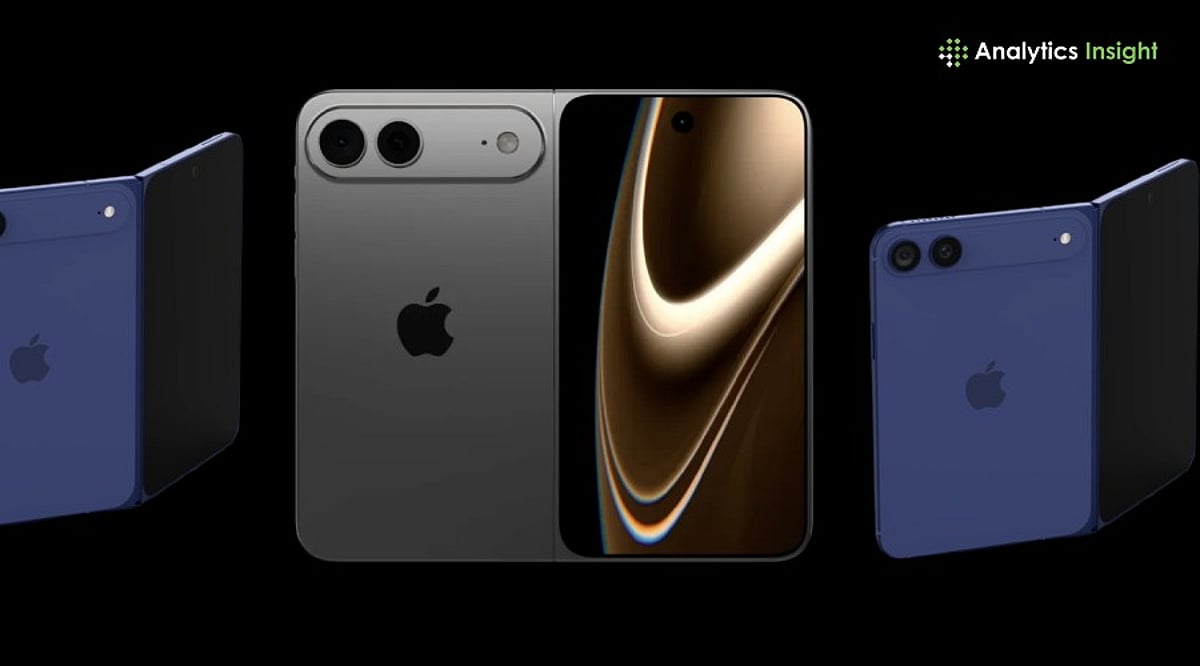
    Apple’s anticipated entry into the foldable smartphone market is expected to significantly boost competition and drive up average selling prices (ASPs) across the segment, according to new research from Counterpoint. Although Apple has yet to officially announce a foldable device, mounting anticipation is already influencing market dynamics, prompting rivals like Samsung, Huawei, Google, and Xiaomi to accelerate their own foldable launches.

    Counterpoint Research forecasts global foldable smartphone shipments will approach 28 million units this year, with Apple’s debut likely pushing the category’s ASP from $1,255 in 2025 to $1,485 in 2026—an 18% increase. The foldable segment’s total revenue could surge by 48% as a result.

    Book-Type Foldables Gain Premium Position

    Industry analysts expect Apple’s foldable to adopt a book-type, wide-screen design rather than a clamshell form factor. This approach is seen as better suited for reading and productivity, and aligns with Apple’s emphasis on consistent app display standards across its ecosystem.

    Counterpoint notes a growing divergence between foldable formats. Clamshell devices are becoming more affordable as production scales and more brands enter the space. In contrast, book-type foldables remain firmly in the luxury segment, with manufacturers enhancing displays, hinges, batteries, cameras, and productivity features.

    “Apple’s entry into the foldable market is also expected to further boost the upward ASP trend by keeping market attention on high-priced segments,” Counterpoint stated. The firm added that this will “increase interest in software continuity, app support, and productivity across foldable categories and help establish foldables as a higher-value segment within the smartphone market.”

    Premium Price Band May Expand

    According to Counterpoint, the share of foldables priced between $1,600 and $2,000 could nearly double from 30% in 2025 to 58% in 2026. Meanwhile, the portion of devices exceeding $2,000 is expected to decline slightly from 3% to 2%.

    Apple’s own foldable is likely to sit in its ultra-premium tier, with estimated ASPs around $2,500 or higher depending on configuration.

    Challenges Remain for Foldables

    Despite more than seven years of development, foldable phones still face hurdles including inner-screen flatness, protective film durability, hinge reliability, and optimal app performance across inner and outer displays.

    Manufacturers also believe foldables need compelling use cases in office workflows, AI, and photography. While Apple’s move could elevate the category’s profile, the long-term success of foldables will depend on delivering a clearly superior user experience compared to standard premium smartphones.