Category: Mobile Phones

  • Unlock These 10 Under-the-Radar AI Features on Samsung Galaxy Phones

    Unlock These 10 Under-the-Radar AI Features on Samsung Galaxy Phones

    Samsung Galaxy phones are packed with artificial intelligence capabilities that many users never discover. From real-time language translation to intelligent photo editing, these hidden tools can transform how you work, communicate, and capture memories. Here’s a rundown of the most useful AI features you might be missing.

    Circle to Search

    Search for text, products, landmarks, or images directly from your screen by simply circling them. No need to leave the current app — just gesture and get instant results.

    Live Translate

    Translate phone calls in real time, enabling natural conversations across different languages. On-device AI processing keeps your conversations private and secure.

    Interpreter Mode

    Display instant two-way translations on a split screen, making face-to-face conversations seamless during travel, meetings, or interactions with foreign speakers.

    Note Assist

    Automatically summarize lengthy notes, create structured formats, generate titles, and improve readability. Perfect for saving time during study sessions or work.

    Browsing Assist

    Summarize lengthy web pages, translate articles, and simplify complex content directly within Samsung Internet for faster information consumption.

    Transcript Assist

    Convert voice recordings into accurate text transcripts, identify speakers, and generate concise summaries for interviews, lectures, or business meetings.

    Generative Edit

    Remove unwanted objects, reposition subjects, fill missing backgrounds intelligently, and enhance photos using Samsung’s AI-powered editing capabilities.

    Writing Assist

    Rewrite messages, adjust writing tone, correct grammar, and generate polished responses directly from the Samsung Keyboard across supported apps.

    Audio Eraser

    Reduce distracting background noises like wind, traffic, or crowds in recorded videos, making voices clearer without requiring third-party editing software.

  • 2026 Foldable Phone Buyer’s Guide: What to Look For Before You Buy

    2026 Foldable Phone Buyer’s Guide: What to Look For Before You Buy

    Foldable phones have come a long way in 2026. Better displays, stronger hinges, and longer battery life have made them a practical choice for everyday users who want a phone that offers both portability and a larger screen.

    A few years back, foldable phones felt like expensive gadgets for a premium group of buyers. However, the picture has changed. These foldable devices have become part of the mainstream smartphone market. With better screens, stronger hinges, and longer battery life, models are now much more practical than before.

    Modern smartphone users prefer a device that functions as both a phone and a small tablet. A foldable phone gives them that option without carrying two devices. It is useful for watching videos, reading, gaming, and even working while traveling.

    Still, not every foldable phone is worth buying. Some focus on style, while others are built for people who need a larger screen every day. Before spending a large amount of money, it is worth knowing what really matters.

    How to Choose the Right Foldable Phone

    Foldable phones look impressive, but looks alone aren’t enough. Before you decide to purchase a model, you must cross-check some important aspects.

    1. Hinge Quality

    The hinge is the first thing to evaluate. Since you will open the phone multiple times a day, the hinge should feel smooth. A good hinge also helps the phone last longer.

    2. Display Quality

    The inner screen should be bright enough to read in scorching sunlight. Additionally, the latest models have a small external screen that allows you to reply to messages or check notifications without unfolding the phone.

    3. Battery Life

    If the screen is large, it will use more power. Thus, a bigger battery is always helpful. Fast charging is also worth looking for if you stay away from a charger for long hours.

    4. Performance

    Most users neglect this, but performance matters as much as others. A modern processor with enough RAM keeps apps running smoothly. This becomes even more important if you play games, edit photos, or use multiple apps at once.

    5. Software Support

    Do not ignore software support. Brands that promise several years of Android updates and security patches usually offer better value over time.

    6. Storage

    Photos, videos, and games continue to grow in size every year. Buying a model with enough storage now can save you trouble later.

    7. Budget

    Premium foldable phones offer the best experience, but several mid-range models now provide solid features at a much lower price.

    Foldable vs Flip vs Flat Phones

    The easiest way to understand the difference is to compare them side by side. A quick comparison reveals that foldable models offer the highest flexibility. Their biggest strength is larger screens, which make reading documents, editing photos, and using multiple apps simultaneously easier than ever.

    Flip phones are a good option for those who want a compact device that fits into a pocket. They save space but do not provide the same work experience as larger foldables. Flat phones remain the most popular option—they are affordable and reliable.

    For users who spend several hours on their phones every day, a foldable model often feels like a meaningful upgrade rather than just another smartphone.

    Are Foldable Phones Finally Worth Buying?

    If it were a few years back, most experts would tell people to wait. Early foldable phones were expensive, and many buyers worried about durability. Things look very different now. Newer models feel stronger, faster, and far more polished. The hinge has improved, the crease is less noticeable, and battery life is no longer a major concern. Software has also caught up, making better use of the larger screen.

    This does not mean everyone should rush to buy one. If you mainly use your phone for calls, messaging, and social media, a regular smartphone still does the job well. However, if your priority is watching videos, reading documents, or working while traveling, a foldable phone offers obvious advantages. It removes the need for a second screen in many cases.

    In the end, the best phone is the one that matches your daily routine. Foldable phones are no longer new. For many users, they have become a useful option that streamlines daily tasks.

    FAQs

    1. Which type of foldable phone is better for work?
    Book-style foldable phones are usually the better choice. Their larger internal display makes it easier to edit documents, attend video meetings, and use two apps simultaneously.

    2. How long do foldable phones usually last?
    Most modern foldable phones are built for years of regular use. Improved hinges, stronger screens, and better protection have made them much more reliable than older models.

    3. Are foldable phones good for gaming and streaming?
    Yes. The larger display gives games more room, and watching movies or sports feels much more enjoyable than on a standard phone.

    4. Should I buy a foldable phone or a regular smartphone?
    If you mainly use your phone for basic tasks, a flat phone is enough. If you want a bigger screen for work, entertainment, or multitasking, a foldable phone is the better option.

    5. What should I check before buying a foldable phone?
    Look at the hinge quality, display, battery life, processor, software update policy, storage, and price. These features have the biggest impact on long-term use.

  • Samsung Galaxy Z Fold 8 vs. Foldable iPhone Ultra: Early Look at Design, Camera, and Features

    Samsung Galaxy Z Fold 8 vs. Foldable iPhone Ultra: Early Look at Design, Camera, and Features

    Samsung and Apple are set to clash in the premium foldable smartphone segment for the first time in 2026. Samsung is expected to launch the Galaxy Z Fold 8 at its upcoming Galaxy Unpacked event, while Apple is rumored to introduce its first foldable iPhone, dubbed the iPhone Ultra by industry observers. Although neither company has confirmed official specifications, leaks and supply chain reports offer an early glimpse into what could be the year’s biggest smartphone rivalry.

    Foldable Battle Moves into a New Phase

    According to rumors, the Samsung Galaxy Z Fold 8 will feature a lightweight design, a reduced screen crease, and Qualcomm’s latest chipset. Meanwhile, Apple is reportedly working on a book-style foldable with an almost invisible screen crease. Apple’s device is expected to prioritize durability and long battery life, while Samsung leverages its years of foldable experience.

    Samsung May Hold the Software Advantage

    Samsung enters the race with mature foldable software, including multitasking, split-screen functionality, S Pen support (where applicable), and Galaxy AI features refined over multiple generations. Industry reports suggest Samsung is focusing on weight reduction and user experience improvements rather than radical hardware changes.

    Apple’s Ecosystem and Crease-Free Display

    Apple’s greatest strength may be its ecosystem. Leaks indicate Apple is working on a virtually crease-less display, premium build quality, and multitasking capabilities tailored for iOS. If realized, the foldable iPhone could become a compelling upgrade for existing Apple users, especially those already invested in services like iCloud, Apple Music, and the App Store.

    Creative Teasers from Samsung

    Samsung has been hinting at the Galaxy Z Fold 8 with a series of cryptic teasers on Instagram. The short videos feature a new, shorter form factor — a departure from Samsung’s usual tall, slim design. One teaser describes it as “cut to what matters,” with satisfying ASMR visuals of slicing pizza and breaking chocolate. The campaign suggests a device that “feels just right” in hand.

    Early Outlook

    At this stage, comparisons remain speculative. Samsung appears poised to refine its existing foldable technology, while Apple’s first foldable seems focused on design, ecosystem integration, and display quality. The real battle will begin once both devices launch and consumers can compare them directly.

  • Samsung’s Playful Teaser Hints at Wider Foldable Display Ahead of Galaxy Unpacked

    Samsung’s Playful Teaser Hints at Wider Foldable Display Ahead of Galaxy Unpacked

    Samsung has launched a quirky teaser campaign ahead of its upcoming Galaxy Unpacked event, using everyday objects like pizza, chocolate, a puzzle, dalgona candy, and the Taj Mahal to hint at a redesigned foldable smartphone lineup. Instead of showing the actual devices, the short videos depict these items shifting from tall, narrow shapes into shorter, wider forms—a clear nod to an expected wider foldable display.

    The campaign marks a departure from Samsung’s previous teaser strategies, which often highlighted specific features early on. This time, the company is keeping details deliberately vague, focusing on the experience and design rather than hardware specifications. The inclusion of the Taj Mahal appears to be part of Samsung’s global visual storytelling rather than a region-specific announcement.

    Industry speculation suggests the new Galaxy Z Fold and Galaxy Z Flip models will feature a slimmer design, a redesigned hinge, and a wider outer display. Samsung has not confirmed any of these details, but the teaser has generated significant buzz online.

    Galaxy Unpacked is expected to showcase not only design enhancements but also improvements in durability, screen quality, and Galaxy AI capabilities. The announcement comes amid increasing competition in the foldable segment, particularly from Chinese manufacturers that have been releasing thinner and lighter foldable devices.

    Samsung’s teaser keeps audiences guessing just before the official reveal, building anticipation for what could be a major design overhaul for its foldable lineup.

  • How AI Is Transforming Phone Calls: Real-Time Transcription, Translation, and More

    How AI Is Transforming Phone Calls: Real-Time Transcription, Translation, and More

    Artificial intelligence is rapidly changing how we communicate over the phone, bringing features that once seemed futuristic into everyday conversations. From automatic summaries to live language translation, AI-powered tools are making phone calls more efficient, accessible, and secure. Here’s a look at the key ways AI is joining your phone calls.

    AI Call Summaries

    AI automatically creates concise call summaries, highlighting key decisions, action items, and important details. This eliminates the need for manual note-taking and ensures nothing important is missed.

    Real-Time Transcription

    Live transcription converts conversations into searchable text instantly. This makes meetings, interviews, and customer calls easier to review and reference later, improving productivity and record-keeping.

    Live Language Translation

    AI translates conversations between different languages during calls, enabling seamless communication without requiring separate translation services or interpreters. This feature is invaluable for global teams and multilingual interactions.

    Spam Call Detection

    AI identifies suspicious callers by analyzing calling patterns, helping users avoid scams, robocalls, and unwanted telemarketing conversations before they even answer. This adds a layer of protection to everyday phone use.

    Voice-Based Scheduling

    AI assistants detect meeting plans during conversations and automatically suggest calendar events, reminders, and follow-up tasks. This boosts productivity by streamlining the scheduling process directly from voice interactions.

    Emotion Recognition

    AI analyzes speech patterns and vocal cues to identify emotions, helping customer service teams respond with greater empathy and personalized communication. This can improve customer satisfaction and agent training.

    Smart Noise Cancellation

    AI removes background sounds like traffic, wind, and crowd noise in real time, delivering clearer voice quality during important conversations. This ensures calls remain professional and easy to understand regardless of the environment.

    Context-Aware Assistance

    AI understands conversation topics and instantly surfaces relevant information, documents, contacts, or previous interactions while the call continues uninterrupted. This provides real-time support without disrupting the flow of discussion.

    Privacy and Security Features

    AI detects sensitive information, offers on-device processing, and provides enhanced encryption options to better protect confidential phone conversations. These measures help maintain user privacy and security in an AI-enhanced calling environment.

  • Top Smartphones Under ₹30,000 in India: Best Picks for 2025

    Top Smartphones Under ₹30,000 in India: Best Picks for 2025

    Looking for a feature-packed smartphone without breaking the bank? The sub-₹30,000 segment in India now offers flagship-inspired features that deliver exceptional value. Here’s what you can expect from the best devices in this price range.

    Performance

    Modern chipsets in this category provide smooth multitasking, faster gaming, and efficient power management. They balance everyday reliability with battery efficiency, ensuring a lag-free experience for most users.

    Display

    AMOLED panels with high refresh rates are now standard. These displays deliver vibrant colors, smoother scrolling, and immersive viewing, even under direct sunlight. Whether you’re streaming videos or browsing social media, the visual experience is top-notch.

    Camera

    Advanced camera systems capture detailed photos and stable videos. Improved low-light performance and AI-powered enhancements make these phones suitable for content creators and photography enthusiasts alike.

    Battery Life

    Large batteries combined with optimized processors ensure all-day usage. Fast charging minimizes downtime, keeping you connected and productive from morning to night.

    Software Experience

    Clean user interfaces, minimal bloatware, regular security patches, and extended Android updates enhance usability, privacy, and long-term reliability. Many brands now promise three years of OS upgrades.

    Gaming

    Powerful GPUs, responsive touch sampling, efficient cooling systems, and gaming modes deliver lag-free gameplay on demanding titles. Even heavy games run smoothly at high settings.

    Build Quality

    Premium materials, slim profiles, IP ratings for water resistance, and durable construction provide an attractive design that withstands everyday wear and accidental splashes.

    Connectivity

    5G support, Wi-Fi 6, Bluetooth 5.x, NFC, and advanced network optimization ensure faster downloads, seamless streaming, and reliable wireless connections across all your devices.

    Value for Money

    Smartphones under ₹30,000 now offer features once reserved for flagships. Whether you prioritize performance, camera, or display, there’s a device that fits your needs without overspending.

  • July 2026 Smartphone Launches in India: AI Flagships, Foldables, and Budget Devices from Top Brands

    July 2026 Smartphone Launches in India: AI Flagships, Foldables, and Budget Devices from Top Brands

    July 2026 is shaping up to be a landmark month for smartphone buyers in India, with major brands unveiling a wave of AI-powered devices across flagship, mid-range, and budget segments. From cutting-edge foldables to performance-oriented gaming phones, here’s what consumers can expect.

    Samsung is anticipated to launch its latest foldable Galaxy Z Fold and Galaxy Z Flip series, featuring enhanced AI capabilities, improved camera systems, and longer battery life.

    OnePlus is preparing new premium smartphones that emphasize flagship performance, ultra-fast charging, and advanced AI-driven photography.

    Xiaomi is likely to expand its premium lineup with devices powered by next-generation processors, Leica-tuned cameras, and AI-assisted imaging for superior photo quality.

    Nothing will introduce its next-generation smartphone, maintaining the signature transparent design and upgrading the Glyph interface alongside smarter AI software.

    Motorola continues to evolve its Edge and Razr series, bringing premium displays, foldable innovation, and AI productivity features to Indian consumers.

    iQOO and vivo are expected to launch performance-focused smartphones aimed at gamers and power users, equipped with the latest chipsets and optimized cooling systems.

    Budget-friendly launches from Redmi, realme, POCO, and OPPO will offer improved cameras, larger batteries, and AI-powered software enhancements that make everyday tasks smoother.

    Across these new devices, AI features such as live translation, intelligent photo editing, voice assistants, and on-device productivity tools are becoming standard, driving a more intuitive user experience.

    Stay tuned for detailed coverage as each launch unfolds. For the latest news and exclusive updates, join our WhatsApp channel.

  • Fire-Boltt Launches ‘Boltt’ Smartphone Brand in India via Flipkart Partnership

    Fire-Boltt Launches ‘Boltt’ Smartphone Brand in India via Flipkart Partnership

    Fire-Boltt, a leading wearables brand with a user ecosystem of over 4 crore consumers, has officially entered India’s smartphone market with the launch of a new Made-in-India brand called ‘boltt’. The smartphones will be available through Flipkart and other retail channels, marking the company’s strategic expansion from wearables to broader consumer technology.

    The boltt smartphone portfolio will include both 4G and 5G devices across the Evo and Ace series, designed to offer reliability, innovation, and affordability for Indian consumers. Manufactured in India, the brand aims to combine local production with deep market understanding, leveraging Flipkart’s extensive distribution network to reach users across metros and non-metros.

    Arnav Kishore, Founder and CEO of boltt, said: “Over the years, millions of consumers have welcomed Fire-Boltt into their daily lives, helping us build one of India’s largest connected consumer ecosystems. boltt is the next chapter in that journey. Smartphones sit at the heart of how people connect, create, learn, and aspire today, and we believe there is a significant opportunity for a homegrown brand that truly understands Indian consumers.”

    Mukund Kedia, Senior Director at Flipkart, added: “Flipkart is deeply committed to make premium smartphone experiences accessible to every consumer across metros and non-metros. With Flipkart’s large distribution scale and reach, coupled with boltt’s portfolio of 4G and 5G devices designed for everyday realities, consumers across the country can now enjoy smartphones that combine durability, performance, and innovation.”

    With strong presence in Tier 2 and Tier 3 markets and a robust logistics network, Flipkart will play a key role in boltt’s nationwide rollout. Further details about the smartphone lineup are expected in the coming weeks.

  • How to Sign In to Apple Music on Android: Step-by-Step Guide

    How to Sign In to Apple Music on Android: Step-by-Step Guide

    Apple Music is not limited to Apple devices. Android users can also enjoy the full Apple Music experience by following a few simple steps. Here’s a comprehensive guide to logging in and making the most of Apple Music on your Android device.

    Download the Official Apple Music App

    Start by installing the official Apple Music app from the Google Play Store. Make sure you download the authentic application published by Apple to ensure security, regular updates, and complete feature compatibility before proceeding with account setup.

    Sign In Using Your Apple ID

    Open the app and tap the Sign In option. Enter your Apple ID email address and password associated with your Apple Music subscription. If you have two-factor authentication enabled, verify your identity using the code sent to your trusted Apple device or registered phone number.

    Create an Apple ID If Needed

    Don’t have an Apple account? Tap Create Apple ID directly from the app and complete the registration process. After verifying your email and adding payment details if required, subscribe to Apple Music and begin streaming millions of songs on Android instantly.

    Sync Your Entire Music Library

    Once logged in, your playlists, liked songs, albums, listening history, and personalized recommendations automatically sync across supported devices. Whether you previously used an iPhone, iPad, Mac, or another Android phone, your complete Apple Music experience follows your Apple ID seamlessly.

    Download Songs for Offline Listening

    Enable offline downloads by tapping the download icon beside playlists, albums, or individual tracks. Downloaded music remains accessible without an internet connection, making Apple Music ideal for flights, travel, commuting, or locations with limited network coverage.

    Troubleshoot Login Problems

    If sign-in fails, verify your Apple ID credentials, internet connection, subscription status, and app version. Reset your Apple ID password if necessary, update the application through Google Play Store, and restart your device before attempting to log in again for best results.

    Enjoy Cross-Platform Features

    Apple Music on Android supports lossless audio, Dolby Atmos where available, lyrics, curated playlists, personalized recommendations, and offline playback. You receive nearly the same premium experience as iPhone users, making switching between Android and Apple devices smooth and convenient.

  • Android vs iPhone 2026: AI, Ecosystem, and Market Leadership Compared

    Android vs iPhone 2026: AI, Ecosystem, and Market Leadership Compared

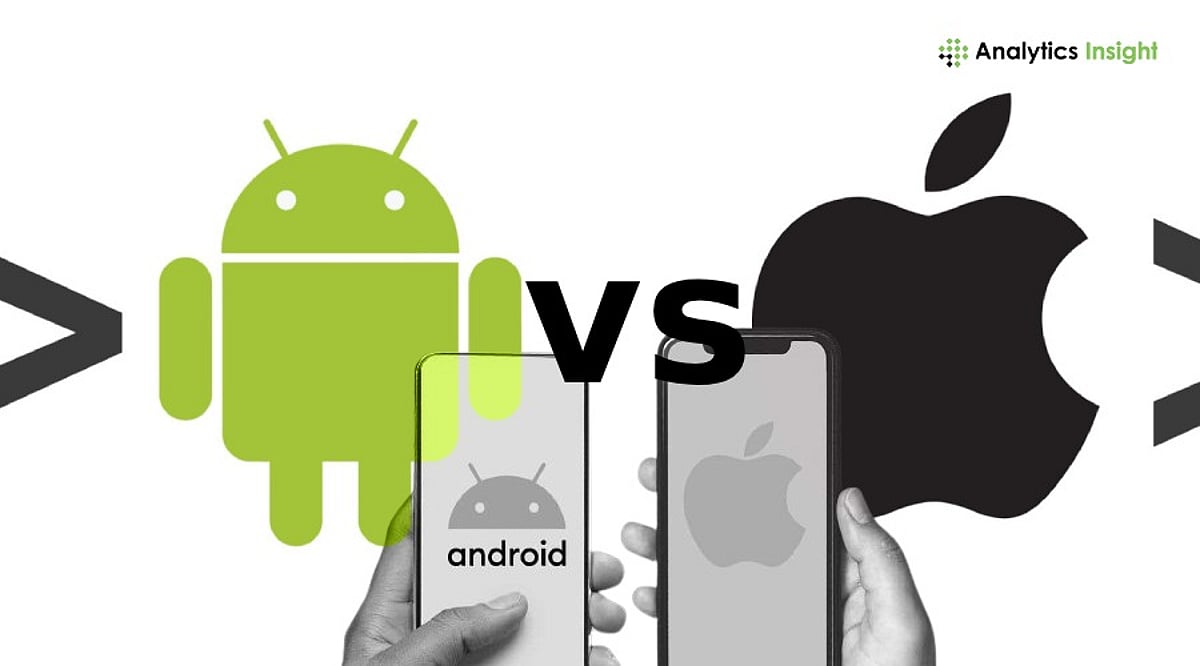
    The rivalry between Android and iPhone has entered a new phase in 2026, where hardware specifications take a back seat to artificial intelligence, ecosystem connectivity, and software longevity. Today, consumers evaluate smartphones not just by processing power or camera specs, but by how well they integrate with other devices, how intelligently they assist daily tasks, and how long they remain secure and up to date.

    Market Share Doesn’t Tell the Full Story

    Android continues to dominate global smartphone shipments, holding more than two-thirds of the market. This broad reach comes from a wide product range—from budget to premium devices offered by Samsung, Google, Xiaomi, Oppo, and Vivo. Meanwhile, Apple carves out a different niche. Although iPhone shipment volumes are lower, Apple leads the premium segment in North America, Japan, and parts of Europe. Customer loyalty is exceptionally high, with strong retention rates and frequent upgrades. Apple’s premium pricing strategy allows it to capture a disproportionate share of industry profits despite selling fewer devices.

    AI Has Become the New Battleground

    Artificial intelligence now serves as a key differentiator. Users judge smartphones by how useful AI features are in everyday life. Apple Intelligence combines on-device and cloud processing to offer writing assistance, image creation, notification summaries, and privacy-focused recommendations. Google integrates Gemini AI into Android for conversational help, document summarization, advanced search, and multimodal interactions. Samsung Galaxy AI adds real-time language translation, intelligent photo editing, and note summarization. Real-time translation, context-aware voice assistants, and AI image generation have moved from premium to standard expectations. On-device AI capabilities also address privacy concerns and deliver faster responses.

    Ecosystem Remains Apple’s Biggest Advantage

    Apple’s strongest competitive advantage extends beyond the iPhone itself. Seamless integration across Mac, iPad, Apple Watch, and AirPods via Continuity, AirDrop, Universal Clipboard, and iCloud synchronization creates a friction-free user experience that fosters loyalty. Android offers diversity: Google’s apps integrate smoothly across devices, while Samsung enhances interoperability among Galaxy devices, wearables, and Windows PCs. Android gives customers more choice and cross-brand flexibility, while Apple benefits from a consistent, vertically integrated strategy.

    Android Wins on Choice and Innovation

    Android’s hardware variety is unmatched. Consumers can choose from entry-level models, mid-range phones, gaming devices, high-end flagships, and foldables across every price point. Manufacturers compete on camera systems, fast charging, advanced cooling, and foldable displays, driving rapid hardware innovation. This variety allows Android to adapt quickly to consumer trends compared to Apple’s single-ecosystem approach.

    Which Platform Is Better for Different Users?

    • Business professionals prefer Apple for seamless ecosystem integration across Mac, iPad, and iPhone, plus strong security and long software support.
    • Gamers often choose Android for gaming phones with high refresh rates, better cooling, and larger batteries; iPhones excel in performance optimization and developer support.
    • Content creators enjoy color consistency and video workflows on Apple, while Android manufacturers innovate in camera hardware and computational photography.
    • Students and budget buyers favor Android for its wide range of affordable options.
    • Privacy-conscious users lean toward Apple for on-device processing and data handling; Android fans value customization and flexibility.

    For more details, read our related coverage on the Samsung Galaxy M47 5G and the iPhone 18 Pro memory upgrade.

    Frequently Asked Questions

    1. Which operating system has the largest market share in 2026?
    Android holds the largest global market share because multiple manufacturers produce devices at every price point, making it accessible worldwide.

    2. Why does Apple dominate the premium smartphone market?
    Apple combines premium hardware, extended software support, strong privacy protections, and seamless ecosystem integration, resulting in high customer loyalty and profitability.

    3. How important is AI in choosing a smartphone in 2026?
    AI significantly influences buying decisions through intelligent assistants, writing tools, live translation, image generation, and on-device processing that enhance daily experiences.

    4. Which platform offers better software support?
    Apple generally delivers longer and more consistent software updates across supported models, while Android update policies vary by manufacturer.

    5. Is Android or iPhone better for different types of users?
    Android suits budget buyers, gamers, and those seeking hardware variety. iPhone appeals to professionals, privacy-focused users, and those invested in Apple’s ecosystem.