Category: Mobile Phones

  • Apple Boosts Foldable iPhone Ultra Production to 10 Million Units Ahead of 2026 Launch

    Apple Boosts Foldable iPhone Ultra Production to 10 Million Units Ahead of 2026 Launch

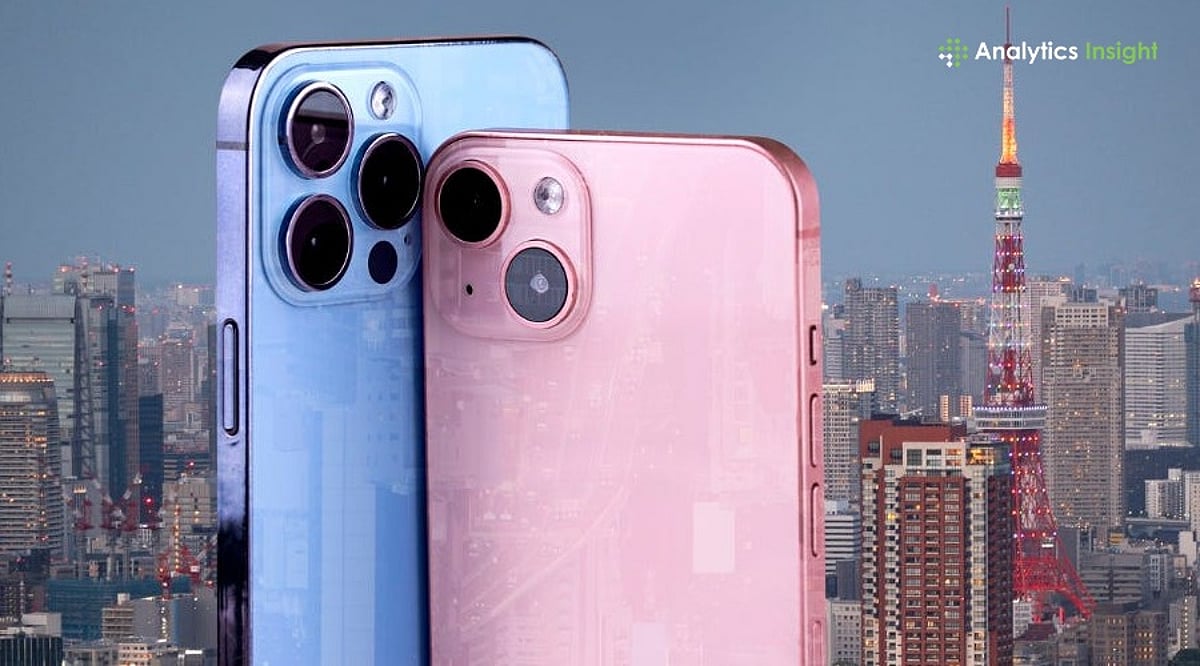
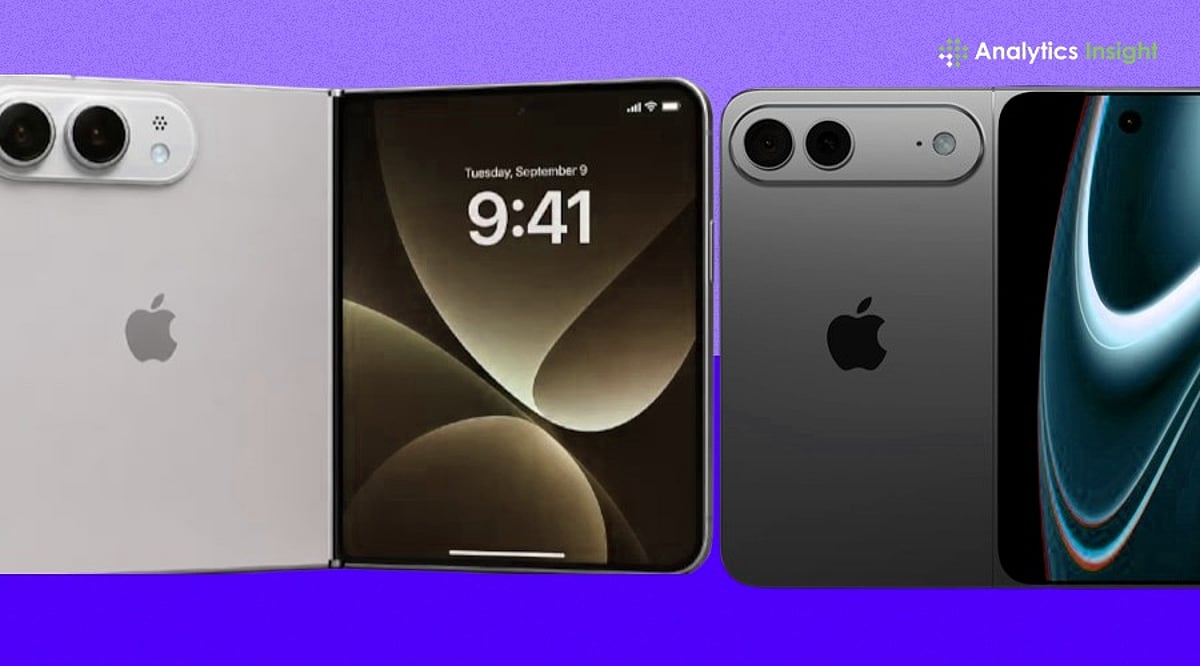
    Apple is accelerating preparations for its first foldable iPhone, widely expected to debut as the iPhone Ultra later this year. According to a new report from Nikkei Asia, the tech giant has asked suppliers to scale up production to nearly 10 million units for 2026, up from earlier estimates of 7–8 million. While Apple has not officially confirmed the device or its production plans, supply chain sources indicate the company is expanding manufacturing capacity well ahead of an anticipated September launch.

    Apple Bets Big on Its First Foldable iPhone

    The reported increase in production targets signals strong confidence in consumer demand for the upcoming foldable model. Nikkei Asia notes that Apple has raised its initial production target from the previously reported 7 million to 8 million units. Although the company remains tight-lipped, industry insiders suggest the foldable iPhone will feature several major upgrades:

    • A book-style folding design
    • A crease-minimizing display
    • Flagship-grade hardware
    • A titanium chassis

    The device is expected to compete directly with premium foldables already on the market. Suppliers have been told to prepare for additional orders if component demand exceeds expectations. Apple is also reportedly reserving certain components from the iPhone 17 series for future use.

    Apple Yet to Confirm Official Details

    The foldable iPhone is rumored to launch alongside the iPhone 18 Pro lineup at Apple’s next product event in September. However, the exact model name, specifications, release timeline, and manufacturing quantities have not been confirmed by Apple. The 10 million unit figure comes solely from supply chain sources and remains unverified.

    As the foldable smartphone market heats up, Apple’s aggressive production ramp-up underscores its ambition to capture a leading position in the premium segment. All eyes will be on Cupertino for an official announcement later this year.

  • Top 10 Smartphone Manufacturing Countries in 2026: Global Leaders and Emerging Hubs

    Top 10 Smartphone Manufacturing Countries in 2026: Global Leaders and Emerging Hubs

    Smartphones are the most heavily traded electronic products in the world, and their manufacturing base keeps moving. A small group of countries decides where devices get assembled, exported, and priced for buyers everywhere. Tariff disputes, trade restrictions, and chip shortages have pushed major brands to spread production across more than one country.

    The result is a layered manufacturing picture rather than a single dominant center. China still holds unmatched scale, yet India and Vietnam have picked up a growing portion of assembly work in recent years. Knowing which countries lead this industry helps explain pricing shifts, export patterns, and where electronics jobs are likely to land next.

    Smartphone Manufacturing Countries

    Smartphone production depends on three things working together: supply chain depth, labor availability, and government support. Nations that combine these factors well tend to pull in the biggest brands and the highest assembly volumes. The following ten countries currently define global smartphone manufacturing.

    1. China

    China still runs the largest smartphone manufacturing base in the world, built on the deepest component supply chain available. Contract manufacturers such as Foxconn and BYD continue to anchor much of its output. Even with brands spreading production elsewhere, China’s tooling capacity and tight integration between components and assembly keep it ahead.

    2. India

    India has earned recognition as the second largest mobile manufacturing country, helped along by the Production Linked Incentive scheme. Apple is moving a large portion of its US-bound iPhone assembly into India this year. Samsung, Xiaomi, and Vivo have also scaled up local production by a wide margin.

    3. Vietnam

    Vietnam hosts major Samsung and Google Pixel assembly lines, with Samsung’s plants alone producing close to 120 million units a year. Favorable trade agreements and lower labor costs have made it a natural alternative to Chinese factories. Google’s Pixel devices continue to depend heavily on Vietnamese assembly capacity.

    4. South Korea

    South Korea concentrates on premium flagship devices and advanced component manufacturing rather than mass assembly. Samsung’s Giheung, Hwaseong, and Pyeongtaek sites handle chip production feeding smart mobile platforms globally. Domestic smartphone assembly stays limited and mostly reserved for high-end models like the Galaxy S and Z Fold series.

    5. Brazil

    Brazil functions as a significant regional manufacturing hub, with Samsung running a facility employing more than six thousand workers there. Local assembly helps brands sidestep steep import taxes across Latin America. Brazil’s importance lies more in regional pricing strategy than in global export volume.

    6. Indonesia

    Indonesia has built up smartphone assembly capacity mainly to serve its own large domestic market. Samsung’s local plant produces roughly eight hundred thousand units each year for regional buyers. Rules requiring local content have pushed several brands toward establishing assembly rather than relying purely on imports.

    7. Mexico

    Mexico has grown into a useful assembly hub feeding the North American market directly and quickly. Its proximity to the United States cuts shipping time and reduces certain tariff exposures for manufacturers. Its role keeps expanding as companies work to avoid depending on any single production country.

    8. Pakistan

    Pakistan recorded local mobile phone production above thirty million units in 2025, according to official disclosures. Rising domestic demand paired with supportive government policy has driven this growth steadily. Pakistan remains a smaller player, but its inclusion on this list now reflects real assembly activity.

    9. United States

    The United States plays its strongest role in smartphone design, research, and chip development rather than large-scale assembly. Apple and Google control major global brands while outsourcing physical production to overseas partners. Investment in domestic semiconductor capacity continues to grow, though gradually and unevenly.

    10. Japan

    Japan specializes in high-precision components, sensors, and camera modules supplied to smartphone brands around the world. Domestic assembly of finished devices stays limited, with the country’s real strength concentrated upstream. Its component expertise quietly supports manufacturing operations across most other countries on this list.

    Which Country Manufactures the Most Smartphones?

    China continues to manufacture more smartphones than any other country, backed by a supplier base no rival can currently match. India follows closely as the fastest-growing production hub, aided by steady policy support and rising brand investment. Vietnam sits third, anchored by large-scale Samsung and Google assembly operations running at full capacity.

    Which Country is the Largest Smartphone Exporter?

    China remains the largest smartphone exporter, accounting for close to half of the global export value on its own. Vietnam and India follow behind, each contributing a meaningful share to Asia’s dominant export position worldwide. Asia overall supplies close to 79% of all smartphones exported globally by value.

    Final Words

    Smartphone manufacturing in 2026 reflects an industry trying to balance raw scale with strategic diversification at the same time. China holds its position as the clear manufacturing leader, yet brands are actively spreading production across India, Vietnam, and several smaller hubs. The shift is not about walking away from China but about reducing reliance on any one country.

    For businesses and policymakers, this manufacturing map carries weight well beyond simple rankings on a page. It shapes retail pricing, delivery timelines, tariff exposure, and where the next wave of electronics investment will land. As chip shortages and trade policies keep shifting, these ten countries will likely decide the next chapter of smartphone production worldwide.

  • Global Smartphone Sales in 2026: Apple and Samsung Dominate the Top 10

    Global Smartphone Sales in 2026: Apple and Samsung Dominate the Top 10

    The world’s best-selling smartphones reflect shifting consumer demand and market trends, revealing which devices are winning across different price segments. Based on the latest 2026 global sales data from Counterpoint Research, here are the top 10 smartphones leading worldwide sales in Q1 2026.

    Overview

    Apple swept the top three spots by closing the gap between its base and Pro iPhones, while Samsung won on breadth, placing five Galaxy A models across every price point to cover buyers Apple doesn’t reach. The top 10 phones made up 25% of global smartphone sales in Q1 2026, the highest first-quarter share on record, showing the market is consolidating around fewer winning models.

    “Best-selling” reflects price, timing, and availability more than raw specs, as shown by the Galaxy S26 Ultra, a genuinely improved flagship that still missed the top 10 simply because it launched too late in the quarter.

    Global smartphone shipments had a difficult first quarter, falling 6% year over year as memory chip shortages disrupted the industry. However, one company managed to defy the slowdown. According to Counterpoint Research’s Q1 2026 report, Apple claimed the top spot for the first time ever in a first quarter, capturing a 21% market share while most rivals saw shipments decline.

    How the Top 10 Best-Selling Smartphones in 2026 Were Ranked

    Counterpoint Research tracks global handset sales every quarter. This list covers Q1 2026, from January through March. It’s not a full-year ranking—it’s a snapshot of the most recent three months. Best-selling doesn’t necessarily mean best; a smartphone can top the sales charts because of its price, launch timing, availability, or marketing strategy, not because it is the most advanced or feature-packed device.

    Top 10 Best-Selling Smartphones in the World So Far in 2026

    1. Apple iPhone 17: The clear winner, with 6% of all global phone sales on its own. It picked up buyers who once paid extra for a Pro model, since this year’s base iPhone came close enough in features to feel like the smarter buy.
    2. Apple iPhone 17 Pro Max: Apple’s top-tier flagship, close behind in second place. It held on to buyers who still want the biggest screen, the best camera setup, and the longest battery life.
    3. Apple iPhone 17 Pro: Rounds out a full sweep of the top three spots for Apple. It sits between the standard and Max models, appealing to buyers who want Pro features without the largest, priciest size.
    4. Samsung Galaxy A07 4G: A budget-friendly seller, strong in developing markets where many buyers are picking up their first smartphone or replacing an aging device on a tight budget.
    5. Samsung Galaxy A17 5G: An affordable phone with 5G, popular with buyers upgrading their network speed for the first time without paying flagship prices.
    6. Apple iPhone 16: Last year’s model, still selling well to buyers who want the Apple ecosystem at a lower price now that a newer generation has taken over the spotlight.
    7. Samsung Galaxy A56: Positioned in the upper mid-range, it attracted buyers looking for premium-feeling features, such as a sharp display and a solid camera, without paying flagship prices.
    8. Samsung Galaxy A36: Another solid mid-range performer for Samsung, popular with buyers who want dependable everyday performance over flashy extras.
    9. Samsung Galaxy A17 4G: A lower-cost version of the A17, built for value shoppers who want a modern phone without the cost of 5G hardware they may not need yet.
    10. Xiaomi Redmi A5: The cheapest phone on the list and the only non-Apple, non-Samsung entry. It serves buyers for whom price is the deciding factor above everything else.

    Together, these 10 phones accounted for 25% of all phones sold worldwide in Q1 2026—the highest share any top 10 list has hit in a first quarter, ever. The market is narrowing around fewer winners.

    Why Apple Dominated the Top 3

    The interesting part isn’t just that Apple won, but how the brand took the lead. In past years, the Pro models usually outsold the base iPhone. However, this year the standard iPhone 17 received upgrades once reserved for the Pro line, such as more storage, a better camera, and a smoother screen. This made the cheaper model good enough for most buyers, increasing its sales over the more expensive Pro versions. Apple didn’t just make a better phone—it closed the gap between its cheap and expensive models, and buyers noticed.

    Why Samsung Led Android Smartphone Sales

    Samsung didn’t have a single phone in the top three, but it placed five phones in the top 10, more than any other brand. Samsung’s real strategy is not to chase the top spot with a single flagship, but to cover every price point. The Galaxy A series spans several price brackets and regions, letting Samsung reach first-time smartphone buyers, value-conscious shoppers, and people upgrading from an older device. This approach matters even more now: a global shortage of memory chips is pushing up costs for budget phone makers, and Samsung’s spread-out lineup helps it absorb the pressure better than smaller competitors can.

    Why the Samsung Galaxy S26 Ultra Missed the Top 10

    Samsung’s flagship, the Galaxy S26 Ultra, actually outsold last year’s model, but it still didn’t make the top 10 list. The reason comes down to timing—it hit shelves later in the quarter than Apple’s iPhone 17 lineup, leaving less time to rack up sales. Sometimes launch timing decides if a good phone receives a good ranking.

    What the 2026 Smartphone Sales Rankings Reveal

    The best-selling smartphones in the world tell an interesting story about what people value when buying a new device. These rankings are shaped by more than just the latest technology. Price, timing, brand trust, and availability all impact purchasing decisions. The Q1 2026 results confirm that buyers remain satisfied with brands offering a balance of high-quality experiences and value. Although flagship phones are gaining loyal customers, budget and mid-range phones are the main reason for global smartphone sales.

    Final Thought

    The world’s top-selling smartphones for 2026 reveal that it’s more than just about the latest technology. Apple made its baseline iPhone more attractive to a broader customer base, and Samsung’s product line had a larger impact across multiple price points. In addition to Xiaomi’s ongoing dominance of the budget segment, the rankings show that while innovation plays a role in any product choice, so do value, ecosystem, pricing, and availability. These trends will drive global smartphone sales throughout the year and decide who remains on top of the ever-competitive smartphone market.

  • Oppo Reno 16 Series Debuts in India: Up to 7,000mAh Battery, 50MP Cameras, Pricing Starts at ₹46,999

    Oppo Reno 16 Series Debuts in India: Up to 7,000mAh Battery, 50MP Cameras, Pricing Starts at ₹46,999

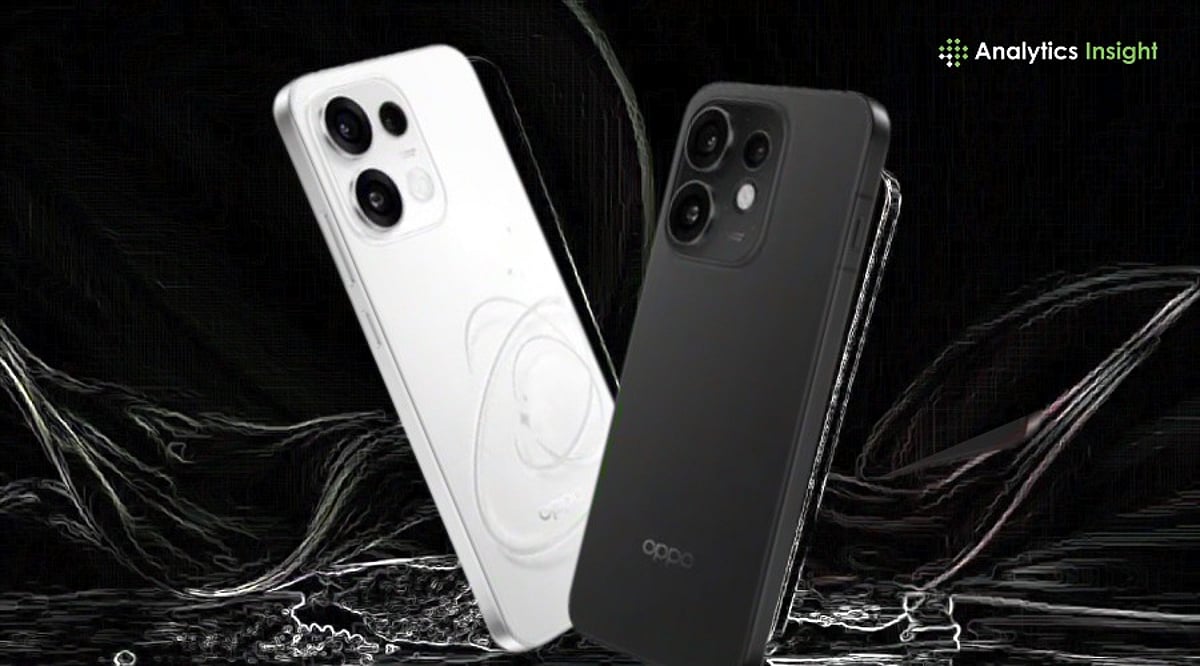
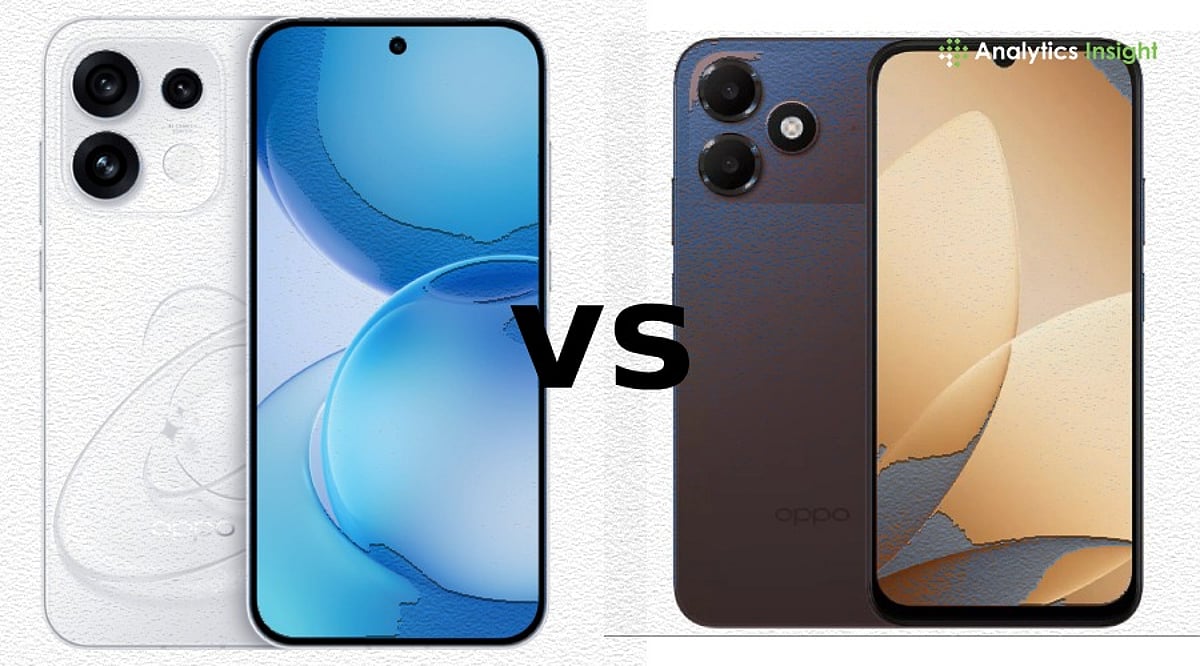
    Oppo has officially launched the Oppo Reno 16 and Oppo Reno 16c in India, bringing a host of AI-powered features, AMOLED displays, fast charging, and robust water and dust resistance. Both phones are aimed at the upper mid-range segment, offering large batteries and upgraded camera systems.

    Pricing and Availability

    The Oppo Reno 16 starts at ₹61,999 for the 8GB RAM + 256GB storage variant, while the 12GB + 256GB model is priced at ₹67,999. The Oppo Reno 16c is more affordable, starting at ₹46,999 for the 8GB + 128GB version. The 8GB + 256GB model costs ₹49,999, and the top-end 12GB + 256GB variant is available for ₹55,999.

    Sales begin on July 9 across Amazon, Flipkart, the Oppo India online store, and retail outlets. Buyers can also enjoy an instant 10% cashback with select SBI, HDFC Bank, and other eligible credit cards.

    Oppo Reno 16 Key Features

    The Reno 16 sports a 6.32-inch AMOLED display with a 120Hz refresh rate and peak brightness of 3,500 nits. It is powered by the Snapdragon 7 Gen 4 processor, paired with up to 12GB RAM and 256GB storage. The camera setup is a standout: a 50MP main sensor with OIS, a 50MP telephoto lens with 3.5x optical zoom, a 50MP ultra-wide camera, and a 50MP front-facing camera. All rear cameras support 4K HDR video recording.

    A 6,700mAh battery with 80W SuperVOOC fast charging keeps the device running. It runs ColorOS 16 based on Android 16 and promises long-term software and security updates.

    Oppo Reno 16c Key Features

    The Reno 16c features a larger 6.57-inch AMOLED display with a 120Hz adaptive refresh rate and 1,400 nits peak brightness. It is equipped with a MediaTek Dimensity 7300 processor and up to 12GB RAM and 256GB storage.

    Its camera array includes a 50MP main sensor, a 50MP telephoto portrait camera, an 8MP ultra-wide lens, and a 50MP selfie camera. The biggest differentiator is the massive 7,000mAh battery, also supported by 80W SuperVOOC charging.

    Additional Highlights

    Both models carry IP66, IP68, IP69, and IP69K ratings, offering exceptional dust, water, and high-pressure water spray protection — a rarity in this price range. Oppo has also integrated AI tools such as AI Remix Collage, Pop Cam, Popout 2.0, Dual View Video 2.0, and a Snap Key shortcut button for quick app access.

    For users prioritizing camera versatility and a Snapdragon chip, the Oppo Reno 16 is the better pick. Those who need longer battery life at a lower price point should consider the Oppo Reno 16c.

  • OnePlus 13 Drops to Rs. 49,999 During Amazon Prime Day 2026 – Save Rs. 20,000

    OnePlus 13 Drops to Rs. 49,999 During Amazon Prime Day 2026 – Save Rs. 20,000

    Amazon Prime Day 2026 is set to kick off on July 4, and early deals are already making headlines. One of the standout offers is on the flagship OnePlus 13, which will see a massive Rs. 20,000 discount, bringing its effective price down to just Rs. 49,999.

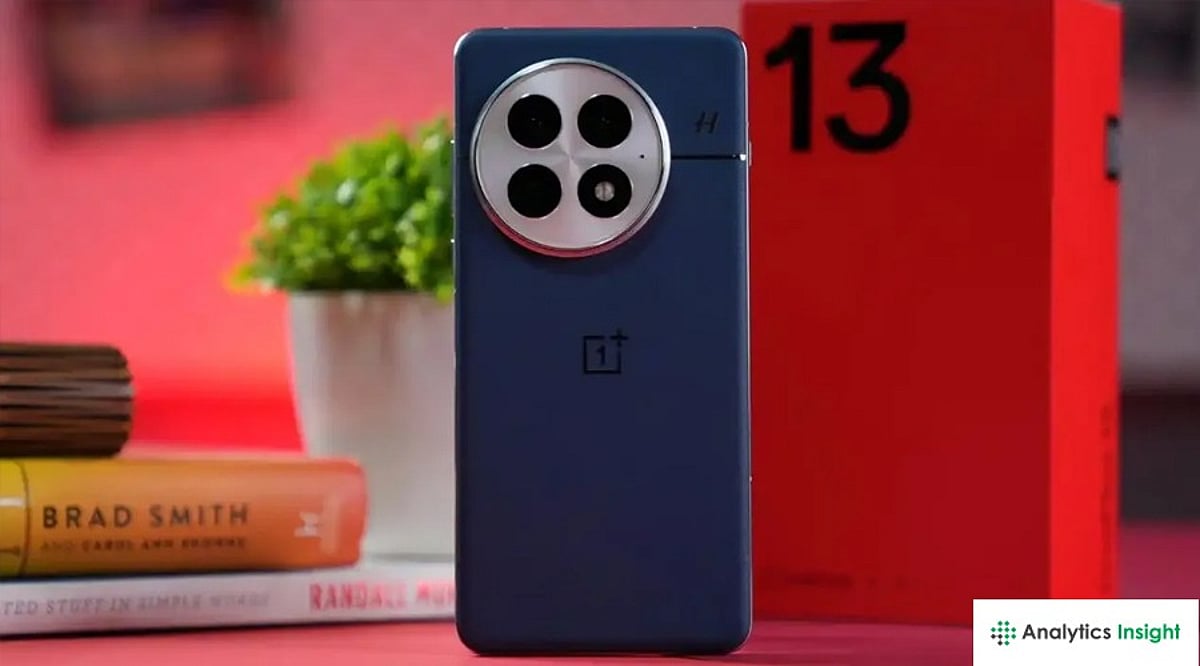
    The OnePlus 13 originally launched in India at Rs. 69,999. During the Prime Day sale, shoppers can grab it for Rs. 49,999, with additional bank offers likely to sweeten the deal further. This is a prime opportunity for anyone looking to upgrade to a premium smartphone without breaking the bank.

    OnePlus 13 Specs & Features

    The OnePlus 13 packs top-tier hardware:

    • Display: 6.82-inch QHD+ LTPO 3K screen with 120Hz refresh rate, 4500 nits peak brightness, and HDR10+ support
    • Processor: Qualcomm Snapdragon 8 Elite chipset paired with Adreno 830 GPU
    • RAM & Storage: Up to 24GB LPDDR5X RAM and up to 1TB UFS 4.0 storage
    • Cameras: Triple rear setup – 50MP primary, 50MP telephoto (3x optical, 120x digital zoom), 50MP ultra-wide; 32MP front camera
    • Battery: 6,000mAh with 100W wired and 50W wireless charging

    With its premium build, powerful cameras, and fast charging, the OnePlus 13 remains a compelling choice in the flagship segment. The Prime Day discount makes it even more attractive for Indian consumers.

    Stay tuned for more Prime Day deals as the sale approaches.

  • Top Senior-Friendly Smartphones of 2026: Easy-to-Use Models Compared

    Top Senior-Friendly Smartphones of 2026: Easy-to-Use Models Compared

    The best smartphone for seniors should be simple, practical, and dependable. Features like larger icons, loud speakers, and emergency tools improve the overall experience. This comparison highlights the top smartphones for seniors in 2026 across different budgets.

    Overview

    Ten phones grouped by real need, from a first smartphone to a dedicated cognitive-decline device, not a single best-to-worst ranking. A comparison table with a dedicated software support column, plus a short accessibility section covering screen readers, magnifiers, and live captions. Apple’s discontinued iPhone SE was replaced with the current iPhone 17e, verified against Apple’s active lineup.

    A confusing phone does more than frustrate an elderly parent. It can cut them off from family, slow down help during a health scare, and even leave the door open to scam callers. The right phone can help solve all three problems while making everyday communication simpler and safer. Below are ten simple smartphones that get ease of use, safety, and value right for seniors in 2026, with a side-by-side comparison table and a short guide to help you pick the right one.

    What Matters Most for a Senior’s First or Next Phone

    Four things matter most: a simple, uncluttered screen, loud and clear audio, a fast way to reach help in an emergency, and protection from spam and scam calls. Battery life and drop resistance matter too, but they support daily use rather than define it. Rankings below weigh ease of use, accessibility, safety features, software support, and value for money in that order. Camera quality and gaming power are not part of the criteria. Built-in accessibility tools also matter. Features such as screen readers, magnifiers, live captions, voice typing, and hearing aid compatibility make smartphones easier to use for seniors with visual, hearing, or mobility challenges.

    Phone Selection Criteria for Seniors in 2026

    Every spec on this list was checked against the manufacturer’s own page, and safety and battery claims were confirmed with more than one source. Any claim that could not be confirmed led to that phone being dropped. Price and carrier access across the US, UK, and India shaped the final ten.

    Best Easy-to-Use Phones for Seniors Compared

    • Jitterbug Smart5: Best for a first smartphone. The list-based menu, large 6.75-inch display, and one-touch Urgent Response button keep things simple. It only works on Lively’s network.
    • Consumer Cellular IRIS Flip: Best for calling and texting only. The familiar flip design, hearing aid compatibility, and physical buttons keep the learning curve short. There is no access to apps or the internet.
    • Samsung Galaxy A26 5G: Best for the most balanced smartphone overall, especially in India. Easy Mode, IP67 water resistance, Gorilla Glass Victus+, location-sharing SOS, and six years of security updates combine accessibility, durability, and long-term value. It costs more than entry-level Android phones, but the extra years of support close the gap.
    • Samsung Galaxy A17: Best for a budget-conscious senior who still wants a modern experience. Easy mode, a large bright display, and steady performance keep navigation simple at a lower price than the A26, though durability drops a step.
    • Google Pixel 10a: Best for long-term security. Seven years of updates, crash detection, live captioning, and a clean Android interface make for a secure, accessible phone, though it has no dedicated easy mode.
    • Apple iPhone 17e: Best for a family already using Apple devices. Siri, FaceTime, and Family Sharing ease of communication, and Apple’s accessibility tools remain among the strongest available. It costs more than comparable Android phones but fits naturally into an Apple household.
    • Moto G 5G: Best for an affordable Android phone for everyday use. The clean interface, large display, and reliable battery handle calls, messaging, and WhatsApp well, though software support runs shorter than on premium models.
    • Chatsie Phone: Best for a senior who reads text more easily than icons. Text-based menus, adjustable fonts, and a dedicated support line make this one of the most accessible phones here, though it limits advanced features.
    • Xiaomi Redmi A5: Best for the lowest-cost smartphone without losing essential usability. A simplified home screen, dependable battery, and easy navigation suit a first-time user, with shorter software support than Samsung, Google, or Apple.
    • RAZ Memory Cell Phone: Best for cognitive decline. The photo-contact interface removes navigation entirely, so a single tap starts a call, and the phone works with any carrier. It offers fewer general features than the rest of this list.

    Smartphone Comparison Table for Seniors

    Prices are approximate. They may change by region and retailer. (A full comparison table would be inserted here with columns for model, price, display size, battery, software support, and key features.)

    How to Choose the Right Smartphone for Seniors

    For any senior with difficulty using a touchscreen, begin with the Jitterbug Smart5 or the IRIS Flip. If they are already capable of basic apps, the Galaxy A26, A17, or Moto G has scam protection capabilities that the majority of senior phones lack. In the case of long-term software support, the Pixel 10a or the iPhone 17e will last for years longer than the cheaper Android phones. When it comes to memory loss, go with the RAZ Memory Phone over any other.

    Final Thoughts

    The best phones for seniors are not necessarily the latest or most powerful. Taking the usability, accessibility, reliable safety, and software support into consideration is far more important than flagship specifications. A senior who is confident with the technology will benefit from improved communications, giving independence and peace of mind to the user and family. As smartphones become more advanced, there are more useful and accessible options for older people than ever before.

  • OPPO Reno 16C vs Reno 16 5G: Full Specs Comparison and Buyer’s Guide

    OPPO Reno 16C vs Reno 16 5G: Full Specs Comparison and Buyer’s Guide

    Oppo is set to launch the Reno 16 series in India on July 2, featuring the standard Oppo Reno 16 and the more budget-friendly Reno 16C. Both phones share design cues and AI-backed software, but they cater to different users with distinct performance, camera, and battery configurations. Here’s a detailed comparison to help you choose the right device.

    Display and Performance

    The Oppo Reno 16 sports a 6.32-inch Full HD+ AMOLED display with a 120Hz refresh rate, powered by the Qualcomm Snapdragon 7 Gen 4 chipset and a 6,700mAh battery. This combination delivers top-tier performance for its class.

    In contrast, the Reno 16C features a slightly larger 6.57-inch Full HD+ AMOLED screen, also with a 120Hz refresh rate. It is equipped with the MediaTek Dimensity 7300 chipset and a 6,500mAh battery. The larger screen may appeal to media consumers, while the standard model offers a bit more processing power and battery capacity.

    Cameras

    The camera systems mark a significant difference between the two models. The Reno 16 features a triple rear camera setup: a 50MP main sensor with optical image stabilization (OIS), a 50MP telephoto lens with 3.5x optical zoom, and a 50MP ultra-wide camera. For selfies, it includes a 50MP front camera.

    The Reno 16C adopts a more conservative camera arrangement, suitable for everyday photography but lacking the advanced telephoto and ultra-wide capabilities of its sibling.

    Battery, Software, and AI Features

    Both phones are expected to run Android 16-based ColorOS and include Oppo’s latest AI-powered tools for photography, image editing, and productivity. Features like AI-assisted photo trimming and creative camera modes are anticipated across the lineup.

    Battery life is a strength for both: the Reno 16’s 6,700mAh cell slightly edges out the Reno 16C’s 6,500mAh battery, but both should provide all-day usage.

    Which One Should You Choose?

    The Oppo Reno 16 targets users who prioritize performance, an advanced camera system, and a slightly larger battery. The Reno 16C, meanwhile, aims at budget-conscious buyers who value a larger display and are willing to trade some camera and performance features. The final verdict will depend on pricing at launch.

  • Elon Musk Dismisses SpaceX AI Smartphone Rumors as ‘Utterly False’

    Elon Musk Dismisses SpaceX AI Smartphone Rumors as ‘Utterly False’

    Elon Musk has publicly denied recent reports claiming that SpaceX is developing an AI-powered smartphone. The rumors, which gained traction after reports of a prototype AI device, have been firmly rejected by the billionaire entrepreneur.

    The speculation began when The Wall Street Journal reported that SpaceX was working on an AI handheld device powered by Qualcomm’s Snapdragon chipset and running a custom operating system with AI capabilities from xAI, Musk’s AI company. The report also suggested that SpaceX had shown an early prototype to investors ahead of its record-breaking IPO. Days earlier, the Financial Times reported that SpaceX COO Gwynne Shotwell had discussed launching a mobile service in the U.S. using the Starlink satellite network, further fueling the rumors.

    In response, Musk took to X (formerly Twitter) on July 1, 2026, posting a simple but definitive statement: “Utterly false.” This is not the first time he has denied such claims. Earlier this year, he refuted a Reuters report, stating that SpaceX is “not developing a phone.” During an event in Pennsylvania last year, Musk made his position clear: “The idea of making a phone makes me want to die. If we have to make a phone, we will, but we will aspire not to make a phone.”

    Despite the denial, the rumors underscore growing industry interest in dedicated AI hardware. OpenAI is also reportedly exploring purpose-built AI devices. Industry analysts believe that if OpenAI pursues such a device, Musk would want to compete. SpaceX and its sister company Tesla have the manufacturing expertise to mass-produce AI hardware, and SpaceX has signaled interest in expanding into wireless services via Starlink Mobile, potentially challenging Verizon and AT&T.

    Musk continues to focus on artificial intelligence, recently predicting that AI could surpass the combined intelligence of all humans within the next four to five years. While a SpaceX smartphone remains off the table, the broader AI hardware race is accelerating, with the potential to reshape how users interact with AI through purpose-built devices.

  • Flipkart GOAT Sale 2026: Top iPhone Discounts and Offers You Can’t Miss

    Flipkart GOAT Sale 2026: Top iPhone Discounts and Offers You Can’t Miss

    Flipkart’s GOAT Sale 2026 is back with incredible iPhone deals that make upgrading more affordable than ever. Whether you’re eyeing the latest iPhone 16 or a capable older model, this sale offers significant savings through direct discounts, exchange bonuses, bank offers, and no-cost EMI options.

    iPhone 16 Gets One of the Biggest Discounts

    The highlight of the sale is the substantial price cut on the iPhone 16. Shoppers can save even more by stacking bank offers, exchange bonuses, and opting for no-cost EMI. This is a prime opportunity for anyone planning to upgrade without paying the full retail price.

    Attractive Exchange Offers Reduce the Final Cost

    Trading in your old smartphone can slash the price of a new iPhone dramatically. Depending on the condition and model of your device, the final cost drops significantly, making premium Apple devices accessible to students, professionals, and everyday users alike.

    Bank Discounts Add More Savings

    Several leading banks are offering instant discounts on eligible credit and debit card transactions. These can often be combined with exchange deals for even greater savings. Always check the available payment offers before placing your order to maximize value.

    No-Cost EMI Makes Upgrading Easier

    For those who prefer spreading payments over time, Flipkart provides no-cost EMI options on select iPhone models. This allows you to manage your monthly budget comfortably while still getting the latest technology without paying extra interest.

    Older iPhone Models Offer Excellent Value

    The sale also features attractive prices on iPhone 15, iPhone 14, and iPhone 13. These devices still deliver strong performance, quality cameras, and long software support—perfect for buyers seeking premium features at a lower price point.

    Limited-Time Deals May Sell Out Quickly

    Some of the biggest discounts are available in limited quantities. Popular storage variants and colors often sell out fast. To secure the best offer, add your preferred model to your wishlist and complete your purchase early.

    Compare Deals Before Completing Your Purchase

    Before checking out, compare discounts across different models, storage options, and payment methods. Combining exchange offers, bank discounts, and EMI benefits can lead to the lowest possible price. A few extra minutes comparing deals ensures you make the smartest purchase during the sale.

  • How to Free Up Gigabytes of Storage on Android: 7 Simple Hacks I Tried

    How to Free Up Gigabytes of Storage on Android: 7 Simple Hacks I Tried

    Running out of storage is one of the most frustrating Android problems. Before deleting your favorite photos, videos, or apps, try these simple tricks. I tested them on my phone and managed to free up several gigabytes without sacrificing anything important. The best part? Most of these fixes take only a few minutes and require no special apps or technical knowledge.

    1. Clear Cached Data

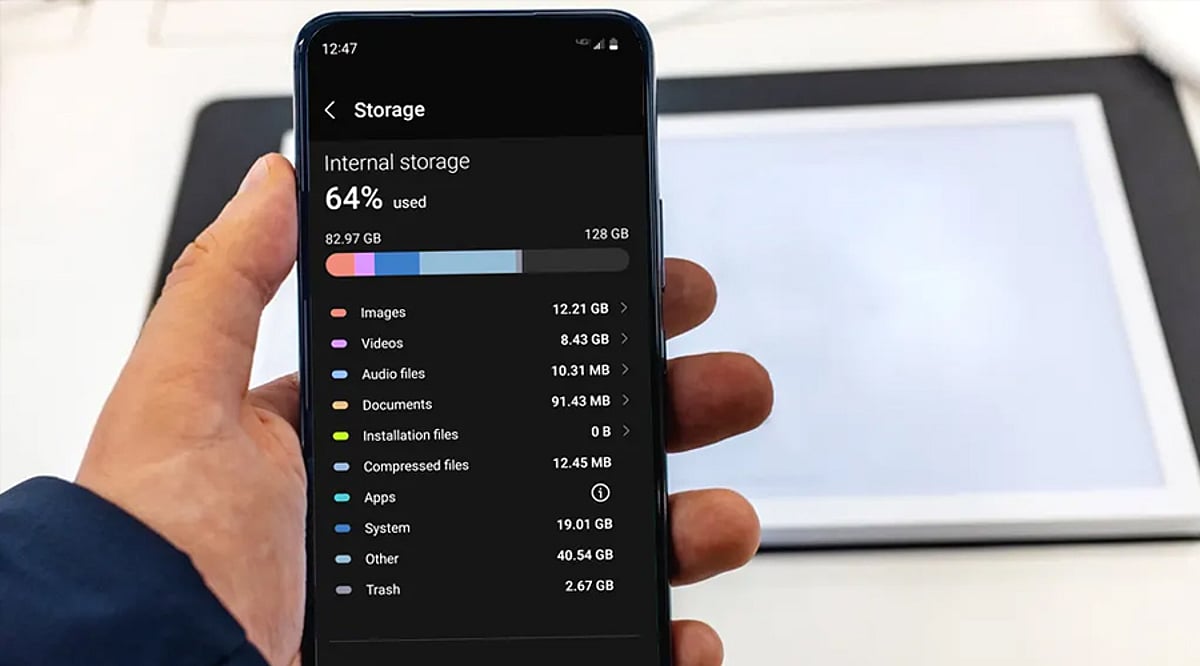
    Apps silently accumulate cache files over weeks and months, eating up valuable storage. A quick visit to Settings > Storage let me clear unnecessary cache, instantly freeing space while keeping my apps, logins, and personal files completely safe. It’s one of the easiest storage wins.

    2. Delete Duplicate Photos

    My gallery was overflowing with duplicate screenshots, WhatsApp images, and repeated photos. Using a duplicate finder, I removed hundreds of unnecessary copies and recovered a surprising amount of storage. My photo library also became much cleaner and easier to navigate.

    3. Uninstall Unused Apps

    I discovered several games and utility apps that I hadn’t opened in months. Removing these forgotten apps instantly freed up storage while reducing background activity. The phone not only gained extra space but also felt smoother and more responsive during daily use.

    4. Move Photos and Videos to Cloud Storage

    Uploading older photos and videos to Google Photos allowed me to safely delete local copies without losing my memories. Everything remained accessible whenever I needed it, while several gigabytes of internal storage became available for newer files and apps.

    5. Clean the Downloads Folder

    My Downloads folder had turned into a digital junk drawer filled with old PDFs, APKs, ZIP files, memes, and installers. Deleting these forgotten files recovered more space than I expected. It’s worth checking this folder every few weeks.

    6. Remove Offline Downloads

    Offline Netflix episodes, Spotify playlists, YouTube videos, and maps were quietly consuming huge amounts of storage. Removing content I no longer needed instantly created more breathing room. The best part is that I can always download them again whenever required.

    7. Use Android’s Built-in Storage Manager

    Android’s Storage Manager highlighted large files, duplicate items, and apps I rarely used. With just a few taps, I reclaimed even more space without manually digging through folders. It’s a powerful built-in tool that many Android users completely overlook.