Category: Mobile Phones

  • iPhone 17 Pro Enters 250-Year Time Capsule for America’s 500th Anniversary

    iPhone 17 Pro Enters 250-Year Time Capsule for America’s 500th Anniversary

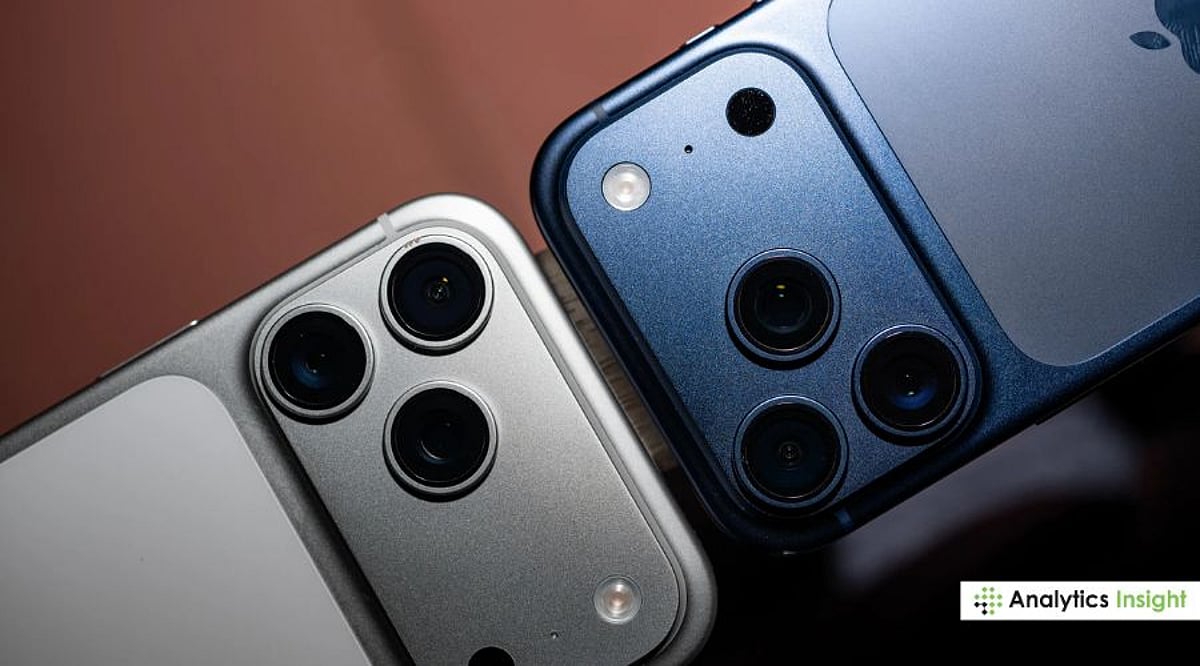
    An iPhone 17 Pro has been sealed inside a time capsule as part of the United States’ 250th anniversary celebrations. The cosmic orange device will remain unopened until 2276, when the nation marks its 500th birthday, effectively locking the smartphone away for a quarter millennium.

    Why the iPhone 17 Pro Was Chosen

    The time capsule project aims to give future generations a snapshot of everyday life and technology in 2026. Alongside items representing all 50 states, organizers selected the iPhone 17 Pro to represent modern consumer technology. This is not the first notable moment for the model; earlier this year, the same device was used during NASA’s Artemis 2 mission to relay images from space back to Earth.

    Will the iPhone Survive 250 Years?

    It is highly unlikely that the iPhone 17 Pro will function when the capsule is opened. Lithium-ion batteries typically degrade within 10 to 20 years, even under ideal storage conditions. Moreover, software, charging standards, and data formats in 2276 will likely bear little resemblance to today’s technology. The phone is thus expected to serve as a preserved historical artifact rather than a working device.

    Inside the Sealed iPhone 17 Pro’s Specs

    The specific unit placed in the capsule features a 6.3-inch OLED display with 120Hz ProMotion refresh, always-on display, and Ceramic Shield 2. It runs on Apple’s A19 Pro chipset with 12GB of RAM and up to 1TB of storage. Apple rates the 3,998 mAh battery for up to 39 hours of video playback. Camera specifications include triple 48MP rear cameras, an 18MP front camera, 8x optical zoom, and 8K video recording capability. Two and a half centuries from now, this spec sheet will likely be referenced as a benchmark for smartphone technology in 2026.

  • Amazon Prime Day 2026 Slashes Galaxy S25 Ultra and S25 FE to All-Time Lows

    Amazon Prime Day 2026 Slashes Galaxy S25 Ultra and S25 FE to All-Time Lows

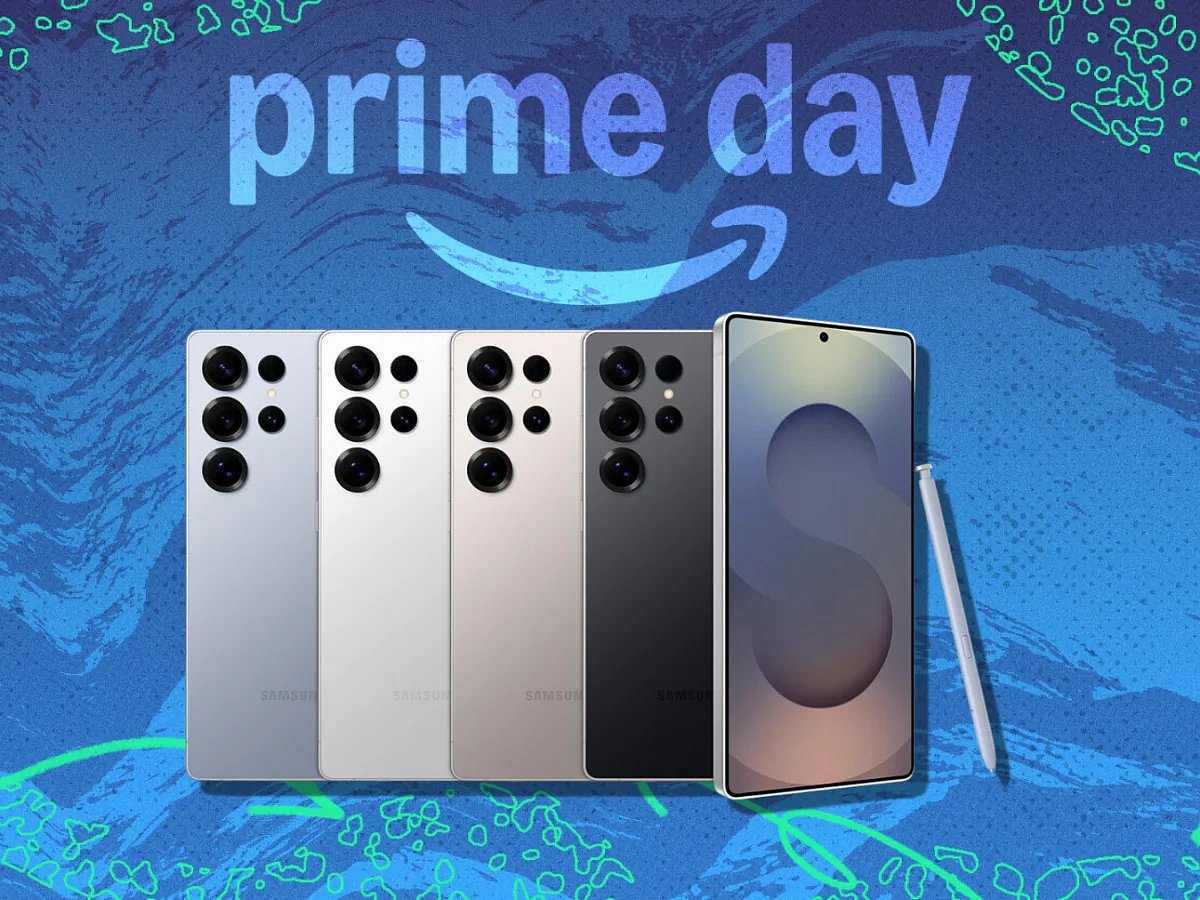
    Amazon Prime Day 2026 has arrived, delivering record-breaking discounts on the Samsung Galaxy S25 Ultra and Galaxy S25 FE. Combined with bank offers, exchange bonuses, and EMI options, the sale presents an unbeatable opportunity for buyers looking to upgrade their smartphones. The event runs through July 6.

    Galaxy S25 Ultra: Rs 45,000 Off Launch Price

    The Galaxy S25 Ultra debuted in India at Rs 1,29,999 and is now available on Amazon for Rs 84,999—a straight discount of Rs 45,000. Using select credit cards adds an extra Rs 3,000 off, bringing the total to Rs 81,999. No-Cost EMI plans start at Rs 2,988 per month.

    Galaxy S25 FE: Rs 15,000 Cut, with a Prime Catch

    Originally priced at Rs 59,999, the Galaxy S25 FE drops to Rs 44,999 during the sale. An additional 5% discount applies to select credit card payments, but that higher cashback is reserved for Prime members. Non-Prime members receive only 3% cashback. No-cost EMI starts at Rs 1,582 per month.

    Price Comparison at a Glance

    • Galaxy S25 Ultra: Rs 84,999 (down from Rs 1,29,999) – save Rs 45,000 + up to Rs 3,000 extra with card offers
    • Galaxy S25 FE: Rs 44,999 (down from Rs 59,999) – save Rs 15,000 + extra cashback for Prime members

    Exchange Offers Add Further Savings

    Shoppers can trade in an old device for an exchange value of up to Rs 41,050, depending on the brand, model, and condition. Stacked with card discounts and EMI options, this significantly lowers the effective cost, especially for those upgrading from older Samsung or competing flagship models. These time-bound Prime Day offers end on July 6, so act fast.

  • Realme Weekend Sale 2026: Best 5G Phones and How to Calculate the True Discount

    Realme Weekend Sale 2026: Best 5G Phones and How to Calculate the True Discount

    Realme’s weekend sale promises big discounts on its 5G smartphone lineup, but a flashy banner price doesn’t always mean the best deal. The real savings come from stacking direct price cuts, bank card offers, exchange bonuses, and no-cost EMI plans. Understanding how these layers work together helps you compare models across the GT, Number, and Narzo series and pick the phone that delivers the strongest overall value.

    How Realme’s Discount Stack Works

    Realme weekend deals typically combine several offers:

    • Direct price discount — a reduction from the MRP shown on the product page.
    • Bank or card offer — an instant discount when paying with a specific credit or debit card.
    • Exchange bonus — extra value when you trade in an old phone.
    • No-cost EMI — pay in installments without extra interest (terms apply).

    The effective price — MRP minus card discount minus exchange value — is the only figure worth comparing across models. A phone with a 20% banner discount can end up costing more than one with an 8% discount if the latter has a strong card offer or generous exchange bonus.

    Three Buyer Profiles, Five Phones

    Realme’s 5G lineup splits into three clear groups, each solving a different need.

    GT Series — For Enthusiasts

    Realme GT 7T sits at the top for gamers and power users. It offers a high-performance chipset built for long gaming sessions, rapid wired charging, and a large AMOLED display tuned for HDR content. The GT line is aimed at buyers who plan to keep their phone for several years. The trade-off is a bulkier body and a higher base price even after discounts.

    BUY NOW

    Number Series — The Sweet Spot

    Realme 16 Pro 5G is the best all-rounder for most shoppers. It pairs a noticeably better camera system than budget models with a high-refresh AMOLED panel and enough power for multitasking and light gaming. Charging speed and chipset class sit a notch below the GT series, but for daily use, that rarely matters.

    BUY NOW

    Realme 16 5G trims a few camera and display refinements from the Pro while keeping the core experience intact: solid performance, a clean display, and dependable 5G. It’s the sensible choice if the Pro variant stretches the budget too far. Low-light camera performance is the main area where it falls behind.

    BUY NOW

    Narzo Series — Budget-Friendly 5G

    Realme Narzo 80 Pro 5G targets first-time 5G buyers who still want a reasonably premium feel. It offers a capable display and all-day battery life, aimed at students and anyone upgrading from their first smartphone. Expect a simpler camera setup and slower charging compared to the Number series.

    BUY NOW

    Realme Narzo N65 5G marks the floor of Realme’s 5G range and the segment where sale timing matters most. Even a small discount shifts the value equation meaningfully here. It covers the basics: usable battery life, acceptable performance, and 5G connectivity for future network rollout. The trade-offs are a plastic build, an LCD display instead of AMOLED, and a basic camera. It’s a budget phone, and it doesn’t pretend otherwise.

    BUY NOW

    Common Mistakes That Cost You Money

    • Buying the base storage variant by default — The next storage tier is often cheaper during a sale than upgrading later.
    • Ignoring exchange valuation — Check whether your old phone’s trade-in value beats the listed price cut.
    • Comparing launch price instead of effective price — A phone that launched at a higher price can look like a bigger discount than one that launched at a lower price, even when the final price is identical.
    • Missing card-specific offers — Bank discounts often apply only to certain cards or EMI plans, so check eligibility before assuming the discounted price.

    Final Thoughts

    If you prefer a gaming phone and want a long-term flagship feel, the GT 7T fits. If you want the best balance of camera, display, and performance, the 16 Pro 5G is the strongest all-rounder. The 16 5G delivers Number-series quality at a lower entry cost, the Narzo 80 Pro 5G brings affordable 5G with a slightly premium feel, and the Narzo N65 5G offers the lowest possible entry price into 5G.

    Whichever tier fits your budget, run the math on the effective price before buying. The headline discount may grab attention, but the effective price determines whether it’s a genuinely good deal or not.

  • Flipkart GOAT Sale Slashes iPhone 17 Pro and Pro Max Prices: Save Up to ₹20,000

    Flipkart GOAT Sale Slashes iPhone 17 Pro and Pro Max Prices: Save Up to ₹20,000

    Apple’s premium iPhone lineup has hit its lowest-ever prices in India during the Flipkart GOAT Sale, offering shoppers a rare opportunity to upgrade to the flagship iPhone 17 Pro or iPhone 17 Pro Max at substantial discounts. The sale combines instant price cuts, bank card offers, exchange bonuses, and no-cost EMI options, making it one of the most attractive deals for Apple enthusiasts this year.

    iPhone 17 Pro Max: Discounts Stack Up to ₹20,000

    The iPhone 17 Pro Max, originally priced at ₹1,49,900, is now available for ₹1,39,900—a flat ₹10,000 savings. Buyers using the Flipkart Axis Bank Credit Card can unlock an additional ₹10,000 discount, bringing the effective price down to ₹1,29,900. Flipkart also offers no-cost EMI starting at ₹4,919 per month and an exchange bonus of up to ₹47,350 on eligible old devices.

    iPhone 17 Pro: Similar Savings, Lower Entry Point

    The iPhone 17 Pro, which launched at ₹1,34,900, is now selling for ₹1,24,900. With the Axis Bank card offer, the price drops further to ₹1,14,900. Shoppers can opt for a 36-month no-cost EMI plan with monthly installments starting from ₹4,392, and the same exchange offer applies, with an old device valuation of up to ₹47,350.

    Price Comparison at a Glance

    Model Original Price Sale Price With Axis Bank Card Exchange Bonus
    iPhone 17 Pro Max ₹1,49,900 ₹1,39,900 ₹1,29,900 Up to ₹47,350
    iPhone 17 Pro ₹1,34,900 ₹1,24,900 ₹1,14,900 Up to ₹47,350

    Also Read: Best Smartphone Sale Offers: Save Big on iPhone 17, Galaxy S25 Ultra & More

    Why the Timing Matters for Buyers

    The deeper significance of these discounts lies in the possibility that they may not last. Apple has already raised prices for MacBooks and iPads in India this year, and industry observers consider the iPhone lineup a likely candidate for a similar price revision. For buyers weighing an upgrade, the combination of a flat discount, card-linked savings, and exchange value creates one of the most cost-effective entry points into Apple’s current Pro lineup. However, as with any limited-time retail offer, these deals are subject to change or end without notice.

    Join our WhatsApp Channel to get the latest news, exclusives, and videos on WhatsApp.

  • Top Smartphone Deals 2026: Huge Savings on iPhone 17, Galaxy S25 Ultra and More

    Top Smartphone Deals 2026: Huge Savings on iPhone 17, Galaxy S25 Ultra and More

    Two of India’s biggest e-commerce sales are running side by side this week, offering steep discounts on premium smartphones including the Apple iPhone 17, Samsung Galaxy S25 Ultra, and other flagship models. Flipkart’s GOAT Sale 2026 kicked off on July 4 and runs through July 9, while Amazon’s Prime Day 2026, now in its 10th year in India, operates a shorter 72-hour window from July 4 to July 6. Together, these sales cover everything from top-tier iPhones to budget-friendly Android options.

    Amazon Prime Day: Exclusive to Members, But Easy to Join

    Amazon’s sale is restricted to Prime members, but joining is straightforward, with discounted subscription pricing running alongside the event. A 12-month Prime Annual plan is reduced to Rs. 999 from Rs. 1,499, Prime Lite is priced at Rs. 599 instead of Rs. 799, and shoppers who only want commerce perks can opt for the Prime Shopping Edition at Rs. 299 for the year. Amazon says the event covers more than 15,000 products across 300-plus brands, with over 500 new product launches.

    Amazon is also sweetening the deal with up to a 10% instant discount on SBI and Axis Bank cards, plus 5% unlimited cashback for Amazon Pay ICICI Bank credit card users. On Flipkart, older iPhone models are seeing cuts too, with the iPhone 16, 16e, and 15 priced at Rs. 59,900, Rs. 55,900, and Rs. 49,900 respectively, alongside the Nothing Phone (4a) Pro starting at Rs. 41,999.

    Which Sale Should You Pick?

    The two platforms are playing to different strengths. Amazon’s event leans toward new launches and discounts spread across a wider product catalog, while Flipkart is going deeper on premium Android flagships and the full iPhone 17 lineup. Membership perks differ too: Prime members get Prime Video and Prime Music bundled in, while Flipkart Plus members get early sale access and SuperCoins rewards. The better pick ultimately depends on whether you’re chasing a specific flagship phone or want a broader shopping session.

  • Samsung Galaxy S27 Ultra Battery Leak Hints at Over 5,500mAh, Outpacing iPhone 18 Pro Max

    Samsung Galaxy S27 Ultra Battery Leak Hints at Over 5,500mAh, Outpacing iPhone 18 Pro Max

    A new leak suggests that Samsung is preparing a significant battery upgrade for its upcoming Galaxy S27 Ultra, potentially exceeding 5,500mAh and surpassing the expected capacity of Apple’s iPhone 18 Pro Max. If confirmed, this would mark Samsung’s most substantial battery increase in the Ultra series since the Galaxy S20 Ultra debuted in 2020.

    What’s Changing Inside the Galaxy S27 Ultra

    According to tipster @phonefuturist, Samsung is testing 5,600mAh and 5,800mAh cells from its in-house battery unit, Samsung SDI, after initially settling on a smaller 5,200mAh solution. If the testing holds, the Galaxy S27 Ultra could ship with a battery exceeding 5,500mAh, marking Samsung’s first meaningful battery increase in the Ultra lineup since the Galaxy S20 Ultra launched in 2020.

    Notably, Samsung appears to be achieving this transition without switching to silicon-carbon batteries, which many Chinese phone manufacturers have adopted for their superior energy capacity. Instead, Samsung is focusing on improving its current lithium-ion technology.

    How It Stacks Up Against the iPhone 18 Pro Max

    Apple’s next flagship is also expected to grow its battery this cycle. Leaked reports suggest the eSIM-only model available in the United States will feature a 5,425mAh cell, while the version with a physical SIM card in other regions will offer a smaller 5,235mAh one. The latter would be the largest ever seen in any iPhone, but Samsung’s 5,500mAh+ battery will surpass it in size.

    Capacity Isn’t the Whole Story

    Samsung has traditionally packed larger batteries than Apple’s Pro Max models, though the iPhone 17 Pro Max’s eSIM variant briefly broke that pattern. However, mAh values don’t always directly correlate to actual performance time, as iPhones and Galaxy phones use different operating systems with drastically different power efficiencies.

    For context, flagship models from China, such as the OnePlus 15 and Oppo Find X9 Pro, carry batteries ranging from 7,300 to 7,500mAh, leaving Samsung and Apple behind in pure capacity. As with any pre-release information, these numbers remain speculative until confirmed by Samsung and Apple.

  • Apple to Launch Five New iPhones by 2027, Including Foldable Model with Higher Production Target

    Apple to Launch Five New iPhones by 2027, Including Foldable Model with Higher Production Target

    Apple is reportedly preparing to launch at least five new iPhone models between the second half of 2026 and early 2027, including its first foldable device. The company has raised its foldable production target and is exploring new memory chip suppliers as AI-driven demand tightens global component supplies.

    The planned lineup includes the company’s first foldable iPhone, a standard iPhone 18, and a new iPhone Air model. Apple is also reviewing new memory chip suppliers as demand from artificial intelligence data centers limits global supplies. Apple has not confirmed the product plans or its reported discussions with Chinese chipmakers.

    Apple Raises Foldable iPhone Production Plans

    Apple has reportedly asked suppliers to prepare components for about 10 million foldable iPhones in 2026, up from an earlier target of between 7 million and 8 million units. The increase suggests Apple is allocating more production capacity to its first foldable smartphone. Still, the figures come from people familiar with the supply chain, and Apple has not publicly announced the device or confirmed its expected production volume.

    Reports have described the foldable phone as a premium model that could sit above Apple’s existing Pro lineup. Some market estimates have placed its possible price near $2,500, although Apple has not provided any official pricing information. Meanwhile, Samsung and Huawei already sell several foldable smartphone models. Apple’s entry would add another major brand to the category, which remains smaller than the standard smartphone market.

    Apple has also secured parts for about 80 million new iPhones scheduled for production in the second half of 2026. Its total smartphone output could exceed 220 million units this year, according to current supplier estimates.

    Five-Model Roadmap Extends into Early 2027

    Apple’s reported launch schedule covers at least five devices across two release periods. The company is expected to introduce several models in late 2026 before adding the standard iPhone 18 and another iPhone Air in early 2027. A spring release would mark a change from Apple’s usual approach of launching its main iPhone range in September. The move could allow the company to spread demand across the year and target different price groups at separate times.

    One supplier executive reportedly said Apple has ‘good motivation’ to release iPhones in spring and gain market share. However, the launch timetable remains unconfirmed, and production plans can change before devices enter mass manufacturing.

    Apple’s purchasing scale may also give it more access to limited memory supplies than smaller smartphone makers. Reports say Xiaomi, Oppo, and Vivo have reduced annual production targets to below 100 million units amid higher component prices. Additionally, Apple recently raised prices for some MacBook and iPad products as memory and storage costs increased, showing how supply pressure has reached several parts of the consumer electronics market.

    Apple Considers Chinese Memory Chip Suppliers

    Apple is reportedly holding discussions with ChangXin Memory Technologies and Yangtze Memory Technologies about supplying chips for devices sold in China. The talks are said to be ongoing, and no agreement has been announced. Both Chinese companies appear on a Pentagon list of businesses accused of links to China’s military, so any supply agreement could face political and regulatory review in the United States.

    Apple is seeking more supply options as AI data centers consume a growing share of global memory production. Strong demand for DRAM and NAND chips has raised prices for smartphone, computer, and data-center manufacturers. Using more suppliers could help Apple secure enough parts and negotiate better purchasing terms. Nevertheless, the company must consider product quality, production capacity, trade rules, and restrictions linked to Chinese technology companies.

    Apple has not commented on the reported supplier talks. The company has also not confirmed the foldable iPhone, its five-model launch schedule, or its production targets through early 2027.

  • 7 Smartphone Charging Habits That Are Slowly Destroying Your Battery

    7 Smartphone Charging Habits That Are Slowly Destroying Your Battery

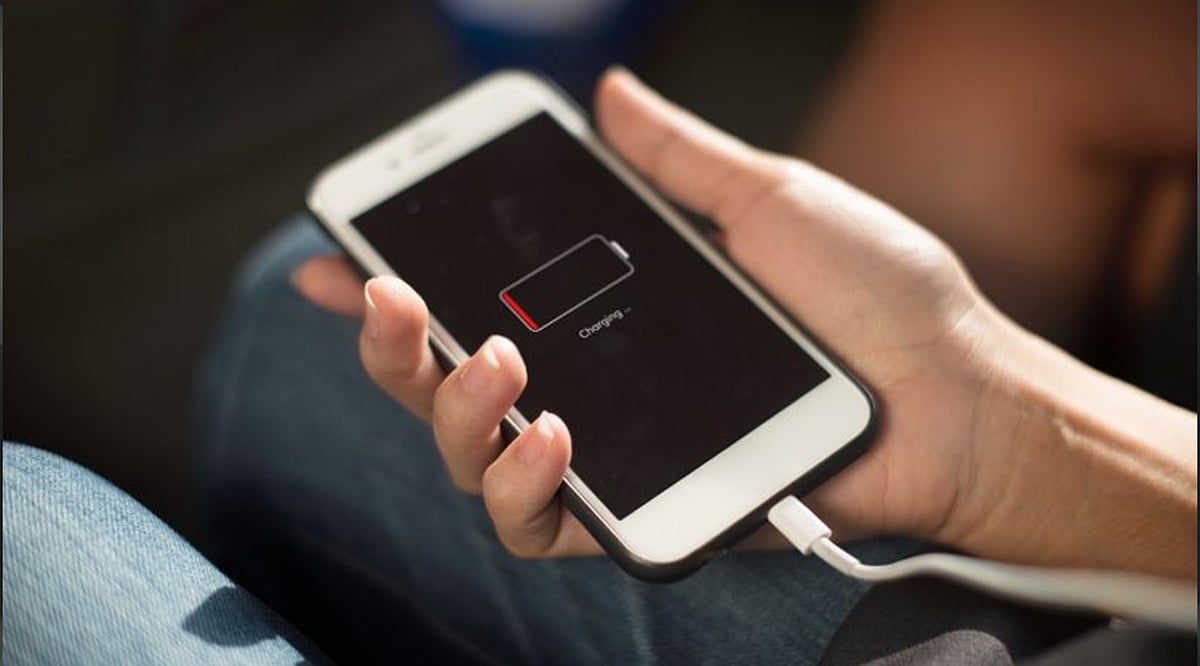
    Your smartphone battery is built to last for years, but everyday charging habits can dramatically shorten its lifespan. Many users unknowingly expose their batteries to excessive heat, voltage stress, and unnecessary wear. By steering clear of these common mistakes, you can keep your phone running efficiently and preserve its battery health well into the future.

    1. Charging Overnight Every Night

    Plugging in your phone before bed may be convenient, but keeping the battery at 100% for hours on end creates long-term stress. While modern phones include smart charging features that slow the top-up near full, making overnight charging a daily routine still contributes to gradual capacity loss.

    2. Letting the Battery Drain to Zero

    Old nickel-based battery advice led many to believe a full discharge was necessary. Lithium-ion batteries, however, suffer under deep discharges. Frequently hitting 0% strains the cells. For optimal health, charge when the level drops to around 20% and unplug before it reaches 100%.

    3. Using Cheap or Uncertified Chargers

    Not all chargers meet safety standards. Low-quality or counterfeit adapters can deliver unstable voltage, causing overheating and slower charging. Over time, they can permanently damage the battery. Always stick with the original charger or a certified replacement from a trusted brand.

    4. Gaming or Streaming While Fast Charging

    Playing graphics-intensive games, watching videos, or multitasking during a charge generates extra heat. Combined with fast charging, the temperature spike accelerates battery degradation. Let your phone rest while it charges to keep temperatures in check.

    5. Charging in Hot Environments

    Heat is a battery’s worst enemy. Charging your device in direct sunlight, inside a parked car, or under a pillow traps heat and raises the risk of overheating. Place your phone on a hard, cool surface with good airflow while it charges.

    6. Keeping the Battery at 100% All the Time

    Topping up to full repeatedly during the day may seem harmless, but lithium-ion cells experience stress at high charge levels. If your routine allows, maintaining a charge between 20% and 80% can significantly slow aging and preserve long-term performance.

    7. Ignoring Software and Battery Health Updates

    Software updates often include improvements to battery optimization, charging efficiency, and thermal management. Skipping them can prevent your device from performing its best. Regularly check your phone’s battery health settings to catch early signs of wear.

    Adopting these simple changes can help your smartphone battery stay healthy for years, saving you the cost and hassle of an early replacement.

  • Lenovo Launches AI Student Phone with No Browser or Social Media to Eliminate Distractions

    Lenovo Launches AI Student Phone with No Browser or Social Media to Eliminate Distractions

    Lenovo has introduced a new smartphone designed specifically for students who need a distraction-free study environment. Unlike conventional smartphones, the Lenovo AI Student Phone blocks web browsers and social media apps, focusing entirely on learning and productivity.

    The device features a 1.83-inch touchscreen with a 1,850mAh battery and is powered by AI-assisted learning tools. A dedicated physical AI button allows students to activate a voice assistant for homework help and study support. Parents gain robust control features, including app restrictions, screen time limits, Classroom mode activation, unknown caller blocking, and remote activity monitoring. If a child leaves a designated geographic boundary, parents receive an alert.

    Currently available in China at a price of approximately 299 yuan (around Rs. 4,000), the AI Student Phone represents a shift toward minimalist devices that prioritize specific functions — in this case, education — over entertainment. The move aligns with a growing trend toward digital detox and minimalist phones, as families seek to reduce screen time and improve focus.

    Lenovo’s approach highlights a broader market shift: instead of building one-size-fits-all devices, manufacturers are creating specialized gadgets tailored to particular needs. For students and parents alike, this focus on purposeful design may be the most valuable feature of all.

  • Vivo X500 Leak Reveals Major Camera Upgrades with 64MP Periscope Zoom and Enhanced Low-Light Photography

    Vivo X500 Leak Reveals Major Camera Upgrades with 64MP Periscope Zoom and Enhanced Low-Light Photography

    Vivo is expected to unveil the X500 later this year, and fresh leaks suggest the company is preparing one of its biggest camera upgrades in recent years. According to information shared by tipsters on Weibo, the upcoming flagship will feature a significantly improved camera system rather than incremental yearly changes. Although Vivo has not officially confirmed the details, the leaks have already generated excitement among smartphone enthusiasts.

    The most notable upgrade is a new periscope telephoto camera designed for superior long-range zoom. The leak indicates the X500 will include a 50MP Sony primary sensor with a 1/1.28-inch sensor, a 50MP ultrawide lens, and a 64MP Sony periscope telephoto with a 1/2-inch sensor. Additionally, the device is expected to offer improvements in image processing and low-light photography.

    These reported changes mark a departure from previous generation models. Instead of simply adding another sensor, Vivo appears to be focused on enhancing the overall camera experience, including better zoom capabilities, stronger portrait photos, and faster image processing. If the leaks are accurate, the X500 will deliver noticeable improvements rather than minor tweaks.

    The leaked hardware could intensify competition in the premium smartphone market, where brands like Samsung, Apple, Xiaomi, and Oppo are increasingly prioritizing mobile photography. Camera quality has become a primary factor for consumers choosing a flagship phone, and Vivo seems to be following that trend.

    At this stage, these details remain unofficial. Vivo has yet to announce the X500’s launch date or confirm its features. However, the latest leaks suggest the company is aiming for more than a routine upgrade. If the final product matches these early reports, Vivo could have another strong flagship that stands out primarily for its camera performance.