Category: Startups

  • PayEm Sold for $500K After Raising $247M: A Cautionary Fintech Tale

    PayEm Sold for $500K After Raising $247M: A Cautionary Fintech Tale

    Fintech startup PayEm has been acquired for just $500,000, despite having raised nearly $247 million in funding, marking one of the most dramatic valuation reversals in the sector. Top Group Software announced that its wholly owned subsidiary, Top Nippando, has completed the acquisition of all PayEm shares. The deal, finalized after being agreed upon in late June, reflects the recent turmoil in the fintech industry.

    Founded in 2020 by Itamar Jobani and Omer Rimoch, PayEm built a SaaS platform for corporate expense management, control, and automation. Its comprehensive solution included corporate debit and credit card issuance and management, procurement process automation, multi-currency digital wallet management, and financial connectivity with complex enterprise ERP systems.

    During the tech industry’s high-growth years, PayEm raised capital rapidly. In September 2021, it announced a $27 million Seed and Series A round led by Pitango, NFX, and Glilot Capital Partners. In early 2023, despite a market shift, the company announced another major $220 million funding round—comprising $20 million in equity and $200 million in credit lines from Viola Credit, Mitsubishi Group, and other partners to finance clients’ card usage.

    However, PayEm faced serious financial challenges in recent years. Its audited 2025 financial records show a negative equity position: total assets of NIS 47.08 million ($15.8M) against liabilities of NIS 51.1 million ($17.1M). Revenue for that year was NIS 19.1 million ($6.4M), but the net loss reached NIS 17.1 million ($5.7M).

    Under the acquisition agreement, all existing equity instruments and options will be canceled, and an aggressive efficiency drive started in 2026—including workforce reductions—will continue. These measures are expected to bring PayEm to operational break-even this year, even before considering potential synergies with Top Group and Top Nipendo. The buyer intends to fund the deal through internal resources or external financing, with a commitment to contribute up to an additional $3.5 million to reduce obligations and stabilize the company’s finances.

    The acquisition highlights the volatility in the fintech startup ecosystem, where once-high-flying companies can see their valuations collapse amid shifting market conditions and operational challenges.

  • 6 Best AI Marketing Software Tools for Lean Startups in 2026

    6 Best AI Marketing Software Tools for Lean Startups in 2026

    Early-stage founders rarely have the luxury of a full marketing department. Budgets remain tight, timelines move quickly, and every team member typically wears several hats at once. Under these conditions, marketing tasks such as content writing, campaign planning, and customer outreach often fall behind other operational priorities.

    AI marketing software is changing that reality. Startups now access capabilities once reserved for enterprise teams, from automated content generation to predictive customer analytics. The AI marketing tool market crossed $47 billion in value last year, reflecting how widely these platforms have been adopted across company sizes. For founders trying to build brand presence without a large team, these tools have become a practical necessity.

    What Is AI Marketing Software?

    AI marketing software covers platforms that apply artificial intelligence to tasks such as content writing, campaign optimization, and audience segmentation. Rather than replacing a marketer’s judgment, these tools analyze data patterns and handle the repetitive work that once ate up entire workdays.

    The category has grown well past basic automation. Many platforms now offer brand voice training, predictive lead scoring, and performance tracking that updates in real time. Pricing structures are typically tiered, so a startup can begin on a free plan and expand usage only when growth justifies the added cost.

    Best AI Marketing Software for Startups

    The following six platforms represent the strongest options available to startups this year. Each addresses a distinct marketing function that founders commonly struggle to manage alone.

    HubSpot AI

    HubSpot AI runs through the platform’s Breeze suite, placing AI agents directly inside the CRM. It manages prospecting, drafts customer support replies, and tracks pipeline movement using actual contact history rather than generic templates. Breeze agents recently moved to outcome-based pricing, charging roughly fifty cents per resolved support conversation.

    Startups already running sales and marketing through HubSpot gain the most from this setup, since it removes the need for a separate AI tool entirely. The responses feel grounded because they draw on real customer interactions, not assumptions. Founders using a different CRM, however, will find far less value here, since the integration barely functions outside HubSpot’s own ecosystem.

    Jasper AI

    Jasper AI builds marketing content around a brand voice that founders define once and reuse repeatedly. A single campaign brief can generate blog posts, social captions, and ad copy in one pass, cutting down on the back-and-forth that content requests usually involve. The platform trains on existing brand guidelines, so output stays recognizable across different writers and channels.

    That consistency becomes valuable once a startup starts publishing content faster than it can hire writers to keep pace. Jasper pairs naturally with SEO tools like Surfer, feeding already-optimized drafts straight into the editorial pipeline. Its pricing sits above general-purpose chatbots, which can put it out of reach for a very early-stage team with a bare-bones budget.

    Surfer SEO

    Surfer SEO studies the pages currently ranking for a target keyword and turns that analysis into a working content outline. It recommends keyword placement, structure, and even image density based on what search engines are rewarding right now. Writers can edit inside Surfer’s own tool or export the outline to another platform without losing the data.

    Startups relying on organic traffic tend to find this tool worth the subscription, since it narrows the gap against competitors with bigger content budgets. Surfer connects with Jasper, WordPress, and Google Docs, so the research and writing stages stay linked instead of scattered across tabs. Companies across several industries credit it with measurable gains in search visibility over time.

    Canva AI

    Canva AI folds generative design features into the editor most teams already know how to use. A founder with no design background can produce a pitch deck, an ad creative, or a set of social graphics from a short written prompt. Magic Design and Magic Write work together, handling layout and copy in the same pass.

    That pairing keeps design spend low at a stage when hiring a dedicated designer rarely makes financial sense. Finished assets can go straight to social platforms from inside the editor, skipping the export-and-upload routine. For a startup running several campaigns in the same week, Canva AI trims production time down considerably.

    Grammarly Business

    Grammarly Business extends writing support across every channel a startup uses to talk to customers. Beyond catching typos, it flags tone problems before a message goes out, spotting language that reads as overly stiff or dismissive. That check matters more than it sounds for founders still writing their own investor updates and client emails.

    The tool sits quietly inside Gmail, Slack, and most web-based text fields, requiring no separate login to use. As the team grows past its founding members, Grammarly Business helps new hires write in a voice that still sounds like the company. Given what it offers, it remains one of the more affordable tools on this list.

    Salesforce Starter Suite

    Salesforce Starter Suite brings CRM, marketing, and service tools together in one interface built with lean teams in mind. Its built-in Employee Agent flags accounts showing strong buying signals and drafts personalized email responses without manual input. A free tier exists specifically for startups with no software budget to spare.

    The platform scales without forcing a company to migrate its data later, which removes a common source of technical debt. Customer information stays unified from day one, avoiding the departmental silos that slow larger organizations down. Founders planning for real growth tend to value this structure more once the company passes its first year.

    Why Startups Are Adopting AI Marketing Tools

    • Lean teams cannot match larger competitors through headcount alone, so software has to close that gap instead.
    • Repetitive tasks including copywriting, scheduling, and reporting are shifting to automation rather than staying manual.
    • Startups typically spend between one hundred and three hundred dollars monthly on core marketing tooling.
    • Consolidated platforms reduce the fragmented stack problem that slows down early execution.
    • Metrics like lead quality and conversion rate, not tool novelty, now guide most selection decisions.

    Quick Round-Up: Choosing the Best AI Marketing Software for Your Startup

    There is no single answer here, since the right platform depends on where the startup is actually stuck. A content-heavy team gets the most out of pairing Jasper with Surfer SEO for research and drafting together. Founders spending most of their time on customer relationships should lean toward HubSpot AI or Salesforce Starter Suite instead.

    Budget shapes this decision as much as function does. Canva AI, Grammarly Business, and Salesforce Starter Suite all offer usable free tiers before any paid plan becomes necessary. Most startups keep their marketing software spend between one hundred and three hundred dollars a month at this stage.

    Adding too many platforms at once tends to create more confusion than it solves. Marketing teams that stick to three to five integrated tools generally outperform those juggling a dozen disconnected subscriptions. A consolidated stack lets a startup move faster than one that keeps switching between systems that do not talk to each other.

    What Changed This Year?

    AI marketing software has moved well past simple content generation. Earlier versions of these tools mostly produced blog drafts or social captions on request, with little context carried between sessions. Current platforms increasingly combine strategy, execution, and measurement in one workflow, cutting down the manual handoffs that used to slow founders down.

    A few shifts define where the category stands now:

    • Workflow-first platforms are replacing standalone generators, since founders want a finished execution path rather than raw output alone.
    • Brand memory has become a real differentiator too, letting tools retain positioning and voice across sessions instead of starting fresh each time.
    • Consolidation is accelerating as well, with startups choosing integrated suites over scattered point solutions that create data silos.

    Nearly 9 in 10 marketers now use AI tools somewhere in their daily work, yet a much smaller share reports having fully integrated them into their process. That gap between casual use and real integration explains why choosing the right platform matters more than simply adding more tools.

    Final Words

    Marketing software built for startups has grown into something closer to a strategic partner than a simple automation shortcut. Each platform covered here solves a specific problem founders run into again and again, from slow content output to scattered customer data. None of it replaces the judgment a founder brings to positioning or brand direction, and it was never meant to.

    What separates the startups getting real value from these tools is restraint, not accumulation. Founders who name their biggest marketing constraint and pick software to address it directly tend to see results sooner than those chasing every new release. As this category keeps maturing, the startups treating AI software as core infrastructure, rather than a passing shortcut, will end up with the sturdier marketing foundation.


  • How Fintech Is Powering India’s Startup Boom in 2026: UPI, Embedded Finance, and Merchant Lending Lead the Charge

    How Fintech Is Powering India’s Startup Boom in 2026: UPI, Embedded Finance, and Merchant Lending Lead the Charge

    India’s fintech story in 2026 is one of divergence: venture funding has normalized, but the real-economy footprint of fintech continues to expand. Despite a slowdown in capital inflows, usage metrics show no signs of easing. UPI processed 23.2 billion transactions worth ₹29.90 lakh crore in May 2026 alone, while the RBI’s Digital Payments Index rose to 493.22 in March 2025 from 445.50 a year earlier. This is why fintech remains a critical engine for startup growth—it has evolved from a venture category into essential infrastructure.

    Payments, merchant acceptance, embedded finance, account aggregation, and digital lending rails are reducing friction for e-commerce, SaaS, consumer internet, logistics, and MSME startups. The regulatory architecture has also matured: UPI continues to expand globally, the Account Aggregator framework is entering a more formal phase, RBI’s interoperable sandbox lowers experimentation costs, and the DPDP Rules raise the baseline for trust and data governance.

    Funding Reset, Operating Boom

    India remains the world’s third-largest fintech ecosystem. IBEF pegs the domestic fintech market at $111 billion today, with potential to reach $421 billion by 2029. Tracxn counted 16,461 fintech companies in India, including 2,890 funded firms and 30 unicorns as of late May 2026. The macro context remains supportive: the World Bank reports India grew 6.5% in FY24-25, and the IMF projects 6.5% real GDP growth in 2026. With 886 million active internet users in 2024 and a mobile broadband base of 944.12 million, the digital user base is vast and growing.

    Financial inclusion is also deepening. PMJDY had 57.78 crore accounts as of February 2026, 55.8% held by women and 78.2% in rural/semi-urban areas. RBI’s Financial Inclusion Index improved to 67.0 in March 2025 from 64.2 a year earlier. UPI now accounts for 84% of retail payment volumes, with 185.9 billion transactions totaling ₹260.6 lakh crore in FY25. By FY26, UPI’s annual value exceeded ₹314 lakh crore with 700+ banks live, and India accounts for nearly 49% of global real-time payments.

    How Fintech Powers Startup Formation and Scaling

    Fintech behaves as a productivity layer for the startup economy. API-led rails for checkout, collections, payouts, KYC, merchant onboarding, and small-ticket credit lower the cost of starting and scaling a business. Credit deepening is the second leg: NITI Aayog’s 2026 credit report expects women’s credit penetration to reach 36%, with total credit outstanding to women rising to ₹76 lakh crore. Fintech NBFCs sanctioned 10.9 crore personal loans worth ₹1,06,548 crore in FY25.

    Adoption at the household and MSME level is another driver. 85.5% of Indian households have at least one smartphone, and 97.1% of people aged 15-29 used a mobile phone in the prior three months. Startup distribution increasingly begins with a payment-enabled, identity-linked handset.

    Case Studies: Where Value Is Accruing

    Indian fintech leaders are moving beyond pure transaction acquisition into multi-product monetization. Razorpay’s FY25 consolidated revenue rose 65% year over year to ₹3,783 crore, processing roughly $180 billion in annual payment value. PhonePe has 650+ million users and processed nearly 10 billion UPI transactions in January 2026, targeting an IPO valuation of $9–10.5 billion. BharatPe reported ₹1,734 crore in FY25 revenue with its first adjusted profit before tax, driven by merchant lending rather than just QR acceptance.

    Risks and Recommendations

    Risks include credit quality deterioration if underwriting lags growth, intense competition in payments (PhonePe and Google Pay held 79% of UPI market share in May 2026), and rising data governance and cyber costs. Private-market money is more selective, with global fintech deal count at a multi-year low in Q1 2026. For policymakers and investors, deepening AA and ULI coverage, preserving trust while lowering compliance duplication, revisiting payments economics, and prioritizing cybersecurity are key next steps.

    The bottom line: fintech is fueling India’s startup growth in 2026 less by attracting peak venture dollars and more by rewiring how startups collect money, lend, onboard, underwrite, and retain customers. Funding has become harder, but infrastructure has become stronger—a more important signal in a maturing startup market.

  • India’s 10 Most Promising Tech Startups Shaping 2026

    India’s 10 Most Promising Tech Startups Shaping 2026

    India’s startup ecosystem is undergoing a significant transformation. While previous years were dominated by conversations about massive funding rounds and valuations, the focus in 2026 has shifted toward sustainable growth, real-world problem-solving, and long-term profitability. Investors are now asking more critical questions: Is the business growing steadily? Does it solve a genuine problem? Can it generate sustainable revenue?

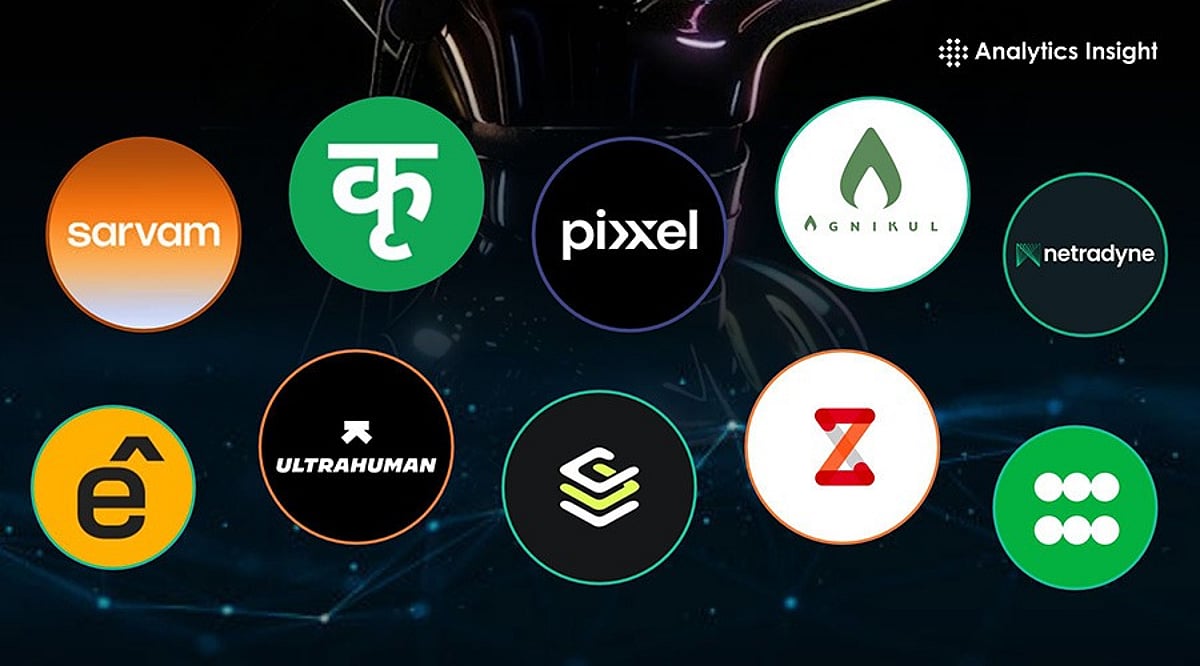
    This shift has created fertile ground for a new generation of startups across artificial intelligence, healthcare, financial services, electric vehicles, cloud computing, and space technology. These companies are building products that businesses and consumers actually need—from efficiency tools to accessible financial services. Below are ten Indian tech startups that are set to make an impact in 2026.

    Why Investors Are Paying Attention

    The startup landscape has become more pragmatic. While innovation remains paramount, investors are backing ventures with clear purpose and viable business models. Most startups now focus on solving everyday challenges rather than chasing trends. Government support for technology development and innovation is also fueling this growth.

    What Makes These Startups Different?

    Many startups launch every year, but only a few stand out. The companies on this list prioritize solving real problems. Some help businesses manage data more efficiently, others simplify financial services, and several are advancing health tracking or building space technology. Additionally, many of these startups are designed for global markets, giving them access to a larger customer base and more expansion opportunities. Most importantly, these companies are building products people actually use—substance over hype.

    Big Trends Shaping Indian Startups in 2026

    Businesses need tools that enable employees to work faster and smarter. Startups are delivering practical, less complex AI solutions. The healthcare sector is expanding rapidly due to rising consumer interest in health and fitness, opening doors for wellness-focused tech companies. Fintech continues to thrive as demand for faster, more convenient financial services grows. Electric mobility is also gaining traction, creating a pressing need for robust charging infrastructure. Meanwhile, space technology—once the domain of government agencies—is now attracting private players, with several Indian companies already achieving notable results.

    Why These Companies Matter

    The most successful startups are often not the loudest. They quietly solve problems every day—helping businesses save costs, making healthcare more accessible, improving financial services, and supporting emerging industries. These companies are building products with real impact, which is why investors, customers, and industry experts are closely watching them.

    Looking Ahead

    India’s startup environment is maturing. The “growth at any cost” mindset is giving way to value creation, problem-solving, and sustainability. The success stories of 2026 won’t come from companies that make the most noise; they will come from those that create something useful and earn customer trust. The ten firms highlighted here are among those to watch as India’s technology industry enters its next phase of growth.

    Why It Matters

    India’s next generation of technology startups is shaping the future of innovation across multiple industries. By developing practical solutions, creating employment opportunities, attracting investment, and expanding globally, these companies are strengthening India’s digital economy and driving long-term technological growth.

    FAQs

    Which are the top Indian tech startups to watch in 2026?

    Some of the most promising include Sarvam AI, Krutrim, Pixxel, Agnikul Cosmos, Netradyne, Exponent Energy, Ultrahuman, Lucidity, Zolve, and Equal. These companies are driving innovation across AI, space tech, fintech, healthtech, and cloud computing.

    Why are investors focusing on Indian tech startups in 2026?

    Investors are backing startups with sustainable business models, strong revenue potential, and products solving real-world problems. They prioritize long-term profitability, customer adoption, operational efficiency, and scalability across domestic and international markets.

    Which sectors are driving India’s startup ecosystem in 2026?

    AI, fintech, healthtech, electric mobility, cloud computing, identity technology, and commercial space technology are among the fastest-growing sectors. These industries benefit from digital adoption, supportive policies, private investment, and rising technology-driven demand.

    Why is AI becoming a major focus for Indian startups?

    AI startups are developing language models, enterprise automation tools, customer service platforms, and productivity solutions tailored to India’s diverse market. Businesses across industries adopt AI to improve efficiency, reduce costs, automate tasks, and enhance customer experiences.

    What makes Indian space startups attractive to investors?

    Private companies like Pixxel and Agnikul Cosmos are building satellite technologies, launch vehicles, and Earth observation solutions with global commercial potential. Government reforms and increased private participation have created new opportunities for innovation and international partnerships.

  • India’s Startup Ecosystem Enters a New Era: Prioritizing Profitability, Public Markets, and Deep-Tech Innovation

    India’s Startup Ecosystem Enters a New Era: Prioritizing Profitability, Public Markets, and Deep-Tech Innovation

    India’s startup ecosystem is entering a defining phase. The years of easy capital, rapid expansion, and soaring valuations have given way to a more measured approach. Investors are asking tougher questions, founders are focusing on sustainable growth, and public markets are emerging as a key source of capital.

    The shift marks a turning point for a sector that transformed India’s business landscape over the past decade. With more than 1.59 lakh DPIIT-recognized startups and over 1.66 million jobs created, the ecosystem remains one of the country’s strongest engines of innovation. The challenge now is not whether startups can grow, but whether they can build durable businesses while maintaining momentum.

    Why Profitability Has Become a New Benchmark

    Previously, success for startups was mostly measured by how many rounds of funding they managed to raise, and at what valuations. The whole idea was to push hard on customer acquisition and growth while ignoring profitability, or assuming it could come later. But now, the dynamics of success have shifted. Higher interest rates, greater investor caution, and a generally hard-edged funding environment have pushed startups to rethink what matters most. Just growing revenue isn’t enough anymore. Investors want clearer signals, such as solid unit economics, operational efficiency, and a path toward profitability.

    This shift is already visible in the Indian tech space. Many startups are either turning profitable or at least trimming losses, suggesting a more careful, disciplined approach to management.

    Public Markets Are Reshaping Startup Ambitions

    Another major change is the growing role of public markets. The IPO is now an option available to mature startups. Companies that relied heavily on venture capital funding in their early days are now raising capital through stock offerings on public exchanges. This brings a new level of accountability. The importance of sound governance, financial transparency, efficient cash flow management, and business sustainability outweighs the hype about growth in the public markets environment. Startup founders now focus on such matters much earlier than ever before.

    Beyond Bengaluru and Mumbai

    India’s entrepreneurial journey is no longer confined to a few metro cities. Young entrepreneurs from tier-II and tier-III cities are setting up companies across sectors such as fintech, logistics, healthcare, education, and more. Internet connectivity, digital payment systems, and access to an online workforce have significantly lowered barriers, even for those working outside traditional startup hubs. Smaller cities themselves have become emerging markets, as technology adoption rises and consumer spending power increases steadily. This geographic expansion has diversified the startup landscape in the country.

    Deep-Tech Emerges as the Next Frontier

    Consumer internet businesses dominated India’s startup ecosystem for much of the past decade. The next wave may come from deep-tech sectors. Firms engaged in artificial intelligence, semiconductor design, robotics, climate technology, space technology, and sophisticated software have become a major area of interest for investors. However, deep-tech firms face specific challenges: large sums of capital, long gestation periods, and specific talent requirements. Nevertheless, investors and policymakers recognize that India’s future economic success will depend on its capacity to develop innovative deep technologies.

    Challenges That Refuse to Disappear

    The ecosystem must not ignore its problems. Investments remain selective, especially for early-stage startups. Investors prefer startups with proven business models and revenue streams. Startups face a talent shortage, particularly in areas such as artificial intelligence, chip design, and advanced engineering. Some regulations could pose challenges, especially for startups without sufficient funds to comply. Uncertainty about the global economy adds yet another problem: slow growth in key markets could negatively impact investments and expansion.

    What Comes Next for Indian Startups

    The startup ecosystem in India is transitioning from its teenage phase to adulthood. The focus will shift from chasing valuations to building robust companies. Profitability will serve as a competitive advantage. Corporate governance systems are improving. Capital markets have opened new ways to raise money. Deep technology innovation leads to opportunities beyond consumer-facing offerings. The coming decade could witness more stable businesses rather than eye-catching funding rounds. It will be imperative for entrepreneurs to strike the right balance between innovation, financial prudence, scalability, and performance.

    This is a pivotal time for the Indian startup ecosystem. The decisions made by entrepreneurs and investors will determine whether India succeeds in nurturing future global leaders or falls short.

  • Zomato Founder Deepinder Goyal Bets on Brain Health with New Wearable Startup Temple

    Zomato Founder Deepinder Goyal Bets on Brain Health with New Wearable Startup Temple

    Deepinder Goyal, the visionary behind India’s food-tech giant Zomato, is making a bold pivot from food delivery to brain health. His latest venture, Temple, is developing a wearable device that tracks brain blood flow in real time. The startup recently raised $54 million in its first funding round, achieving a valuation of around $190 million—a striking vote of confidence in an unproven technology.

    From Canteen Menus to Forehead Patches

    Goyal’s entrepreneurial journey began in 2008 when he and a colleague noticed office workers queuing to see lunch menus. That observation led to Foodiebay, which later became Zomato—a public company and India’s first consumer tech unicorn. In early 2026, just weeks after stepping down as Zomato’s CEO, Goyal appeared on a podcast wearing a small forehead device called Temple. It wasn’t a gimmick; it was the prototype of his new startup.

    How Temple Works

    Temple’s product is a small, patch-like wearable that sticks to the temple or forehead. It claims to continuously monitor cerebral blood flow, similar to how fitness trackers measure heart rate or Oura rings track sleep. The ultimate goal: to help slow down aging by improving brain blood flow. Goyal has shared this theory online, but the science remains unverified and has not been peer-reviewed. Medical experts are skeptical, but investors are willing to bet on Goyal’s track record.

    Investor Confidence and Risks

    The $54 million round was led by Goyal’s long-time backers—Peak XV Partners (formerly Sequoia India), Info Edge, Steadview Capital, and Nikhil and Nithin Kamath of Zerodha. These investors saw Goyal turn a simple menu directory into a multi-billion-dollar business. Now they’re backing his foray into biotech and longevity, a field far riskier than food delivery. Goyal himself describes the move as “higher-risk exploration and experimentation.”

    A New Chapter for Indian Tech

    Temple is still in development. The company is running third-party studies to validate its metrics and recruiting early adopters to refine the technology. A consumer launch is expected within months. If successful, Temple could revolutionize how athletes monitor performance and how everyday people track brain health. If it fails, it will still be a landmark story—the moment one of India’s most celebrated founders bet his reputation not on food, but on the flow of blood through the human brain.

    Temple operates independently from Goyal’s other ventures, including Continue (a health-tech project), LAT Aerospace, and Zomato’s parent company Eternal. As Indian tech evolves, Temple signals that the next big innovation may not come from delivery apps but from a small device that sticks to your forehead and tries to read your brain.

  • India vs Silicon Valley and China: How Its Startup Ecosystem Stacks Up

    India vs Silicon Valley and China: How Its Startup Ecosystem Stacks Up

    Three decades ago, the global startup conversation belonged almost entirely to Silicon Valley. Then China built its own parallel universe of billion-dollar companies, moving so fast that Western observers could barely track the names. Today, a third force is demanding attention. India has quietly assembled one of the most significant startup ecosystems in the world, and the comparison is no longer a stretch—it is a conversation worth having in full.

    The Scale Argument

    India currently ranks third globally in total number of unicorns, behind the United States and China. As of 2026, India has produced over 115 unicorn companies, with a combined valuation running into hundreds of billions of dollars. The sectors span fintech, edtech, healthtech, logistics, SaaS, and consumer internet, reflecting an ecosystem with genuine breadth rather than concentration in one or two categories.

    Silicon Valley remains the undisputed leader in raw numbers and total capital deployed. The US venture capital market continues to dwarf every other geography, and the Bay Area alone houses more unicorns than most countries combined. China, despite regulatory headwinds in recent years, maintains a deep pool of mature tech giants including Alibaba, Tencent, ByteDance, and Meituan—companies that have scaled globally and built product categories entirely from scratch. India has not yet produced a company of that global reach, but its trajectory is pointing upward, driven by structural rather than temporary conditions.

    The Capital Picture

    Funding is where the comparison gets interesting. Silicon Valley still attracts the largest share of global venture capital, supported by a decades-old investor network, deep institutional familiarity with tech risk, and proximity to the world’s largest technology companies. The exit ecosystem in the US—including acquisitions and IPOs—is far more mature, making it easier for early investors to deploy capital with confidence. China built its startup boom on a combination of domestic capital, state support, and an enormous consumer market. Platforms like WeChat Pay and Alipay created financial infrastructure that startups could build on without reinventing the wheel. However, the government’s relationship with the tech sector has grown complicated, with major regulatory crackdowns reshaping operations, though the underlying market scale remains.

    India faces a more volatile funding environment. After a peak in 2021 and 2022, funding dropped significantly through 2023 and 2024 before stabilising. The correction forced a reckoning with unit economics and profitability—a healthy development. Indian startups that survived the funding winter did so by building leaner, more sustainable businesses. Several high-profile IPOs, including Zomato, Nykaa, and Paytm, have tested public market appetite for new-age tech companies, with mixed but instructive results.

    The Talent Engine

    Talent is one area where India holds a genuine structural advantage. The country produces millions of engineering graduates each year, and the quality at the top tier is internationally competitive. Indian-origin founders and executives hold leadership positions at some of the world’s most valuable technology companies, including Google, Microsoft, Adobe, and IBM. Silicon Valley has long benefited from Indian talent through immigration, but India itself is now keeping more of its best engineers and founders at home. Return migration is rising—experienced professionals who built careers in the US are coming back to build companies in India, bringing capital networks, product experience, and global market exposure.

    China’s talent pool is massive and technically strong, but increasingly insular. Export controls, geopolitical tensions, and restrictions on cross-border data flows have made it harder for Chinese tech companies to attract and retain international talent. India, by contrast, operates in English, follows common law, and maintains open capital account policies for foreign investors, all of which lower friction for international engagement.

    The Market Dynamics

    India’s domestic market is its most compelling long-term asset. With 1.4 billion people, a rapidly expanding middle class, and growing smartphone penetration in tier-two and tier-three cities, the addressable market for consumer technology is enormous and still largely untapped. Silicon Valley startups typically build for a global audience from day one, using the US as a launch market and expanding outward. Indian startups have historically built for India first, creating depth and defensibility but sometimes limiting global ambition. That is changing: Indian SaaS companies like Freshworks, Zoho, and Browserstack have built significant international revenue bases, proving the model works beyond domestic borders.

    China built its internet economy behind the Great Firewall, which had a paradoxical effect. It protected domestic companies from foreign competition and allowed them to scale without facing Google or Amazon. But it also cut them off from global markets in meaningful ways. Indian startups face full international competition at home, which forces sharper product thinking and validates their capabilities when they expand abroad.

    The Infrastructure Gap

    One honest limitation India must acknowledge is infrastructure. Silicon Valley benefits from world-class physical and digital infrastructure built over decades. China made infrastructure a national priority and executed at a speed and scale few countries can match—from high-speed rail to 5G networks to digital payment systems. India’s infrastructure story is improving but uneven. The Unified Payments Interface has become a genuine success, processing billions of transactions monthly and inspiring similar systems in other countries. Digital public infrastructure, including Aadhaar and the Open Network for Digital Commerce, is creating platforms on which startups can build. However, logistics, power supply, and connectivity outside major urban centres remain real constraints for companies trying to reach the full breadth of the Indian market.

    Where India Is Heading

    The most accurate assessment of India’s startup ecosystem is this: it is real, it is growing, and it is building on foundations that are durable. The comparison with Silicon Valley is premature in terms of capital depth and global company creation. The comparison with China is more nuanced—India holds advantages in global integration and English-language capability while China retains advantages in domestic market maturity and state-backed infrastructure.

    What India has built is a third model, one driven by a large domestic market, a strong talent base, a democratic regulatory environment, and an increasingly experienced investor class. The country does not need to replicate Silicon Valley or China to matter. Building its own version, at its own pace, on its own terms, is already changing the global startup conversation.

  • How Women Entrepreneurs Are Transforming India’s Startup Ecosystem

    How Women Entrepreneurs Are Transforming India’s Startup Ecosystem

    Women entrepreneurs are reshaping India’s startup landscape with innovation, resilience, and businesses that define new industry standards across sectors. A decade ago, women-led startups in India were often viewed as exceptions; today, they are among the most influential voices in the ecosystem.

    From fintech and healthcare to e-commerce and deep technology, female founders are building ventures that solve everyday problems, create jobs, and attract significant investor confidence. Their success goes beyond company growth—it challenges long-held assumptions and paves the way for the next generation of founders.

    Five Founders Who Built Brands from the Ground Up

    Before the funding rounds and rapid expansion, every well-known brand begins with long hours, tough decisions, and uncertainty. In India, many successful women entrepreneurs started with little more than an idea and determination. They identified real market gaps, built solutions around genuine customer needs, and turned their efforts into influential brands. Here are five standout examples:

    Nykaa: Falguni Nayar’s Second Act Creates a Beauty Powerhouse

    Falguni Nayar founded Nykaa in 2012 after nearly two decades in investment banking, at an age when many professionals consider slowing down. Her vision: make authentic beauty products easily accessible to Indian consumers. What began as an online marketplace grew into one of India’s most recognized beauty and lifestyle brands. Today, Nykaa operates hundreds of stores nationwide and reported nearly Rs. 8,000 crore in revenue in FY25.

    SUGAR Cosmetics: Products Made for Indian Women

    Vineeta Singh chose entrepreneurship over a corporate career after IIM Ahmedabad, co-founding SUGAR Cosmetics in 2015. She noticed a lack of beauty products tailored to Indian skin tones and climate. Through strong branding and a digital-first strategy, SUGAR quickly gained traction and is now among India’s top beauty brands, with thousands of retail outlets and a rapidly growing customer base.

    Econscious: Turning Plastic Waste into Opportunity

    Nidhi Choudhary saw plastic waste not just as an environmental threat but as a resource. She founded Econscious to recycle plastic and develop sustainable production methods. Collaborating with companies and communities, the firm is helping India embrace circular economy principles. As sustainability gains importance, Econscious is rising in the green business space.

    Astrome: Connecting the Unconnected with Deep Tech

    Neha Satak, founder and CEO of Astrome, set out to deliver high-speed internet to underserved areas. Leveraging her expertise in wireless communication, the Bengaluru-based company uses satellite and millimeter-wave technology to enable advanced 5G networks in remote regions.

    GreyLabs AI: Bringing AI to Finance

    Roshni Mahatani created GreyLabs AI to develop AI-driven solutions that help banks and businesses improve decision-making, reduce risks, and enhance customer relationships. As demand for smart financial tools grows, GreyLabs AI is becoming a notable player in fintech.

    The Bigger Picture

    India’s startup boom is not just about unicorns and venture capital; women founders are building ventures that touch millions of lives. Women lead roughly 20% of India’s startups, and over 8,000 startups have at least one woman founder. Their impact spans beauty, healthcare, fintech, sustainability, deep tech, and artificial intelligence.

    Although women-led startups still receive a smaller share of funding, many have built recognizable brands, sustained strong momentum, and generated significant revenue. This shift signals an entrepreneurial environment where creativity, perseverance, and problem-solving matter more than outdated notions about who should start a company.

    FAQs

    Why are women entrepreneurs becoming more influential in India’s startup ecosystem?
    Women entrepreneurs are building innovative businesses across diverse sectors, solving real-world problems, creating jobs, attracting investors, and contributing significantly to India’s growing startup ecosystem.

    What makes Nykaa one of India’s most successful women-led startups?
    Founded by Falguni Nayar in 2012, Nykaa transformed beauty retail by offering authentic products online and offline, becoming a leading beauty and lifestyle brand.

    How is SUGAR Cosmetics different from other beauty brands?
    SUGAR Cosmetics focuses on products designed for Indian skin tones and weather conditions, building a loyal customer base and strong nationwide presence.

    What role do women-led startups play in emerging sectors?
    Women founders drive growth in fintech, AI, sustainability, healthcare, and deep technology, introducing innovative solutions for evolving market needs.

    What challenges do women entrepreneurs in India still face?
    Despite increasing success, women-led startups often receive a smaller share of funding than male-led ventures, though many continue achieving strong growth and business success.

  • India’s Startup Boom: How Small Towns Are Becoming Job Powerhouses

    India’s Startup Boom: How Small Towns Are Becoming Job Powerhouses

    Not long ago, a skilled professional in Coimbatore or Kochi faced a tough choice: move to a metro city or stay and compromise on career growth. That dynamic has shifted dramatically. Startups across India are now hiring aggressively in smaller towns and emerging business hubs, offering rewarding careers without the need to relocate. This trend is reshaping the country’s employment landscape.

    A Decade of Transformation

    India’s startup story has evolved from a metro-centric narrative to a nationwide phenomenon. According to the Department for Promotion of Industry and Internal Trade (DPIIT), recognized startups surpassed 2.23 lakh by March 2026, generating over 23.36 lakh direct jobs—a 36.1% increase from the previous financial year. This growth didn’t happen overnight. When the Startup India initiative launched in 2016, there were only about 500 recognized startups. Ten years later, the program has facilitated nearly Rs 15 lakh crore in private funding, and more than 1.07 lakh startups now include at least one woman director or partner.

    Shift to Tier 2 and Tier 3 Cities

    The most striking change is where these startups are headquartered. Industry and government estimates indicate that Tier 2 and Tier 3 cities now account for 48 to 50 percent of all DPIIT-recognized startups. Lower operating costs—office space can be up to 50% cheaper and talent costs 25–30% lower than in metros—combined with improved internet access and the rise of remote work have made these cities attractive for founders and employees alike.

    Hiring Beyond Software Developers

    While software engineers remain in demand, startups are hiring a diverse range of professionals. Agritech companies require field officers, agronomists, and customer support staff near farming regions. Fintech firms build local KYC verification, sales, and compliance teams. SaaS companies establish remote engineering, product, and support teams in smaller cities. Designers, marketers, analysts, and operations executives also find ample opportunities. This hiring spree creates a ripple effect, pulling in local vendors, logistics providers, training centers, and consultants who also expand their workforce.

    Emerging Startup Hubs

    Several cities exemplify this shift. Chandigarh’s tricity region had over 633 DPIIT-recognized startups by end of 2025, with companies like AgNext Technologies and DataKund hiring in AI and analytics. Kochi has gained prominence in AI and global capability centers, bolstered by Kerala’s rising startup funding. Coimbatore’s startup count grew from 271 in 2020 to 1,350 by 2024, with agritech, manufacturing tech, SaaS, and fintech companies hiring locally. These cities are retaining talent that would have previously migrated to metros.

    Government Support Fueling Growth

    Government schemes have addressed some common hurdles. The Credit Guarantee Scheme for Startups has backed loans worth over Rs 755 crore, providing capital for hiring and expansion. On the Government e-Marketplace, more than 30,000 startups have registered, with cumulative orders exceeding Rs 54,000 crore through FY 2025–26. This access to customers and capital is crucial for founders outside major investment hubs.

    Challenges Remain

    Despite the momentum, some gaps persist. Graduates in smaller cities often lack exposure to specialized roles like product management or growth marketing. Power and internet reliability remain inconsistent in certain regions. Venture capital funding is still concentrated in a handful of metros. Women-led startups, while growing, still represent a smaller share. Addressing these issues will determine whether the job surge becomes a lasting trend.

    The Road Ahead

    India’s startup story has moved beyond the metros. More founders are building outside big cities, more graduates are finding quality jobs close to home, and more businesses are proving that growth doesn’t require Bengaluru or Delhi. If this trend continues, the biggest employment gains over the next decade could come from India’s smaller towns. What began as a startup movement is now a jobs revolution—and for many in smaller cities, it means career opportunities without leaving their communities behind.

  • How AI Can Help Startups Validate Business Ideas Before Building

    How AI Can Help Startups Validate Business Ideas Before Building

    Most startups fail because they build products nobody wants. Founders get excited about their vision, hire developers, and start building, only to discover months later that the market doesn’t care. The standard practice is based on instinct and favorable predictions—dangerous, expensive, and inefficient.

    Today, AI tools let you validate your business idea quickly by analyzing search trends, customer conversations, competitor landscapes, and market signals before you write a single line of production code.

    What Is Startup Idea Validation and Why It Matters

    Validation means testing whether real people want your product before you build it. If you bypass this step, you’re betting on chance. Many startups fail not because of poor execution, but because they create products addressing non-existent problems or uninterested markets.

    The lean startup approach emphasizes testing assumptions early with the smallest possible version of a product. You release a minimum viable product, collect user feedback, and make improvements based on your findings. AI makes this process faster and smarter by analyzing massive datasets in minutes, spotting patterns, and identifying rising demand.

    A recent IDC study projects global AI investment to reach $307 billion in 2025, more than doubling to $632 billion by 2028. Startups that integrate AI early gain a strategic edge by validating ideas faster and aligning their products with where the market is clearly headed.

    How AI Can Validate Business Ideas

    AI validation turns raw data into clear, actionable decisions. In 2025, 88% of companies are already using or testing AI in at least one business function, making it a mainstream tool for business intelligence. For startups, this means faster insight and fewer risky guesses.

    Here’s how AI helps validate ideas across four key areas.

    Analyze Market Demand Through Search Trends

    Search behavior shows what people actually want. Rising search volume signals growing demand. Flat or declining trends can warn you early. Search data from various platforms is analyzed by AI tools such as Ahrefs and SEMrush. They interpret patterns humans often miss. You can see whether interest is growing. AI discovers connected keywords and up-and-coming specialized areas. This helps you spot opportunities before competitors do. For founders who want to extract the maximum value from this data without navigating a steep learning curve, leveraging specialized AI SEO services can help translate these raw search trends into a concrete, validated go-to-market strategy.

    For example, if you’re building a tool for remote teams, AI can show whether interest in “async communication” or “remote productivity tools” is increasing or losing momentum.

    Gather Customer Insights from Real Conversations

    Customers talk freely online. Reddit, forums, reviews, and social media are full of real opinions. AI can scan thousands of conversations in minutes. It can pull out recurring pain points, common complaints, and unmet needs, which can then be cross-checked with reliable external data sources. It can also capture the exact language people use. That language matters when shaping your product and messaging. If you’re considering an AI budgeting app, AI can analyze finance communities to reveal frustrations with existing tools and features users want next.

    Conduct Competitor Research at Scale

    Manual competitor research is slow. AI makes it instant. AI tools summarize competitor features, pricing, positioning, and customer feedback across dozens of products. You quickly see what’s working and what isn’t. Examples include Crayon for competitive intelligence and Kompyte for real-time competitor tracking. This clarity helps you identify gaps and position your product more strategically.

    Test Messaging and Value Propositions

    Your value proposition must resonate fast. AI lets you test it before building anything. You can generate multiple versions of your message. Each highlights a different benefit or outcome. Generative AI helps compare what performs best. This approach is now common. Salesforce reports that 76% of marketers use generative AI for content creation, making AI-driven message testing one of the fastest ways to validate demand.

    Build an AI MVP to Test Your Idea

    Validation research gives confidence, but nothing beats putting a working product in front of real users. That’s where an AI MVP comes in.

    What Is an AI MVP?

    An AI MVP (Minimum Viable Product) is a minimal, working version of your product that uses AI to deliver some form of real value. It’s not feature-complete or polished, but it works well enough that your target users can interact with it, and you can gather meaningful feedback. The purpose is simple: test your core assumptions quickly and cheaply.

    Why Build an AI MVP as Part of Validation

    An AI MVP helps you move from theory to reality. Market research tells you what people say they want, but an MVP shows you what they actually do. You’ll discover how users interact with the AI feature, whether the intelligence you’re providing feels valuable, and what gaps exist between your vision and their experience. Building an AI MVP also prevents waste. Instead of investing months building features nobody needs, you focus on the core value proposition. If users don’t engage with your MVP, you can pivot quickly without burning through your runway.

    Step-by-Step: Build an AI MVP

    1. Define Core Value: Start by identifying the single most important job your product must perform. What’s the biggest problem you’re solving? Your AI MVP should focus exclusively on delivering that one piece of value. For example, if you’re building an AI writing assistant, your core value might be “helps marketers write engaging social media posts in half the time.”
    2. Pick the Simplest AI Feature That Delivers Value: Choose one AI capability that demonstrates your core value. This could be natural language responses, basic predictions, content generation, simple recommendations, or automated summarization. AI doesn’t need to be sophisticated. It just needs to work well enough to prove the concept.
    3. Choose Tools and Technology: Use pre-trained models and API services whenever possible. Platforms like OpenAI’s GPT-4, Anthropic’s Claude, or Hugging Face Transformers let you prototype quickly without training custom models. No-code builders like Bubble or low-code platforms help you create a simple interface without heavy development resources. One critical consideration: evaluate rate limits, context window sizes, and model latency before committing to a platform.
    4. Build a Working Prototype: Keep your prototype extremely minimal. Focus on a clean user experience and the essential features that test your hypothesis. Build just enough that someone can interact with the AI, experience the value you’re providing, and give you feedback. A simple web interface with one core workflow is often sufficient.
    5. Launch to Real Users: Ask a handful of early adopters to try out your minimum viable product. These should be people who closely match your target customer profile and genuinely experience the problem you’re trying to solve. Don’t wait for perfection. Launch when the core feature works reliably enough to gather feedback.
    6. Gather Feedback and Iterate: Collect both qualitative feedback through user interviews and quantitative data through usage metrics. Monitor engagement patterns, feature usage, error rates, and user satisfaction. The strength of an AI MVP is that it improves through iteration.

    How to Measure AI MVP Success

    Engagement and retention reveal real interest. When users test your AI but don’t come back, it signals a problem. When people keep coming back, it’s a sign you’re tackling a real problem. Furthermore, it is vital to evaluate whether this early traction aligns with your overarching organizational goals, ensuring that the product you are validating actually supports the long-term vision of your startup. Feedback quality is more important than its quantity. Clear comments about usefulness, specific frustrations, and feature suggestions provide insight into what’s working and what isn’t. Key behavioral signals include signup rates, time spent on the core feature, task completion, and user referrals. These actions show commitment, not curiosity.

    Combining AI Insights with MVP Data

    The most powerful validation comes from combining AI market analysis with real MVP usage data. Leverage AI research to create an intelligent MVP design. Use the trends, customer insights, and competitive intelligence you obtain to determine what features to build and how to market them. Then take the behavioral data generated from user interactions with your MVP and incorporate it back into your analysis. AI tools can help you identify patterns in user feedback, spot emerging feature requests, and understand which segments engage most strongly. According to McKinsey’s State of AI report, many companies struggle to achieve measurable impact from AI despite high enthusiasm. The difference between success and failure often comes down to maintaining this disciplined feedback loop rather than building AI features for novelty’s sake.

    Key Takeaways

    • AI lets you validate ideas before building. You don’t need to build a product to test demand anymore. AI helps you understand trends, customer language, and competitor landscapes so that you start with data, not guesswork.
    • An AI MVP tests core assumptions with real users. Instead of months of development, launch a minimal version that proves your idea’s value. Real engagement beats hypothetical interest every time.
    • Combine analysis with real interaction. AI helps with research, and real users validate with actions. Merge both for faster learning and smarter decisions.