Category: Technology

  • OpenAI Rolls Out GPT-Live Voice Model for Real-Time, Interruption-Free ChatGPT Conversations

    OpenAI Rolls Out GPT-Live Voice Model for Real-Time, Interruption-Free ChatGPT Conversations

    OpenAI has launched GPT-Live, a next-generation voice model for ChatGPT that enables real-time, interruption-free conversations, background reasoning, and faster responses across web, Android, and iOS for both free and paid users.

    Unlike earlier voice experiences that relied on turn-based interactions, GPT-Live supports simultaneous listening and speaking. Users can interrupt ChatGPT mid-sentence, change topics naturally, or continue talking without waiting for the AI to finish its response. The system also uses conversational cues, such as brief acknowledgments while listening, to make interactions feel more like a real discussion than a question-and-answer session. OpenAI says the technology is designed to reduce awkward pauses and improve the overall flow of conversations.

    A key addition is GPT-Live’s ability to continue speaking while handling complex tasks in the background. Whether it is conducting a web search, performing deeper reasoning, or processing multiple requests, the AI can keep the conversation going instead of asking users to wait. The company also highlighted improvements to live translation and richer responses through visual cards for topics such as weather, sports, and financial information when relevant.

    OpenAI has started rolling out GPT-Live globally from today. Paid subscribers on Go, Plus, and Pro plans will receive GPT-Live-1 as the default voice model. Free-tier users will get the GPT-Live-1 mini, a lighter version designed to deliver the same conversational experience while using fewer computing resources. The feature is available on ChatGPT for iOS, Android, and web users.

    The launch signals OpenAI’s push to make voice interaction a primary way of using AI assistants. Instead of treating speech as a simple input method, GPT-Live aims to replicate the rhythm of human conversation with fewer interruptions, faster responses, and real-time task handling. The release also comes as competition in voice AI intensifies, with major technology companies racing to build assistants that can communicate more naturally.

  • Top 7 Budget-Friendly Gaming Laptop Accessories Worth Buying in 2026

    Top 7 Budget-Friendly Gaming Laptop Accessories Worth Buying in 2026

    Gaming on a laptop can be incredibly immersive, but the right accessories can elevate your experience without breaking the bank. In 2026, budget-friendly options for gamers have become more advanced and affordable than ever. Here are seven essential accessories that combine performance, comfort, and value.

    Cooling Pad

    A good cooling pad is a must-have for any gaming laptop owner. It keeps your system at a safe temperature during intense gaming sessions by improving airflow and reducing overheating. Many budget models now come with adjustable fan speeds, RGB lighting, and multiple height settings for added comfort. This accessory not only protects your hardware but also helps maintain stable performance over long periods.

    Gaming Mouse

    A responsive gaming mouse can drastically improve your performance in fast-paced titles. Today’s budget options offer adjustable DPI, programmable buttons, and lightweight designs — all at an accessible price. Whether you play FPS, MOBA, or battle royale games, a quality gaming mouse ensures precision and comfort even during marathon gaming sessions.

    Mechanical Gaming Keyboard

    Mechanical keyboards are no longer a luxury. Affordable models now feature durable switches, anti-ghosting support, and vibrant backlighting. They provide faster key response and a satisfying typing feel, making them ideal for both gaming and everyday use. A compact mechanical keyboard can also save desk space, which is especially handy for laptop gamers.

    Gaming Headset

    A quality gaming headset enhances both gameplay and communication. Budget-friendly options now include clear microphones, comfortable ear cushions, and balanced audio that highlights footsteps and in-game effects. Beyond gaming, these headsets work great for online classes, video calls, and entertainment, making them a versatile addition to your setup.

    Large Mouse Pad

    A large mouse pad offers plenty of room for smooth mouse movement during competitive gaming. It also protects your desk surface and keeps both keyboard and mouse stable. Many affordable designs feature stitched edges and water-resistant materials for improved durability, ensuring long-lasting use.

    Laptop Stand

    A laptop stand elevates your screen to a more comfortable viewing angle while promoting airflow beneath the device. It helps reduce neck strain and encourages better posture during long gaming sessions. Foldable budget stands are lightweight, portable, and compatible with most gaming laptops, making them a practical choice for gamers on the go.

    USB Hub

    Modern gaming laptops often come with limited ports. A budget USB hub adds extra connections for your keyboard, mouse, controller, and external storage. Some models even include SD card slots and fast data transfer support. This accessory is useful not only for gaming but also for everyday productivity tasks.

    Whether you’re a casual player or a competitive gamer, these budget-friendly accessories can significantly enhance your gaming experience in 2026 without straining your wallet.

  • Siemens’ Smart Factory Blueprint: Integrating IoT, AI, and Digital Twins for Next-Gen Manufacturing

    Siemens’ Smart Factory Blueprint: Integrating IoT, AI, and Digital Twins for Next-Gen Manufacturing

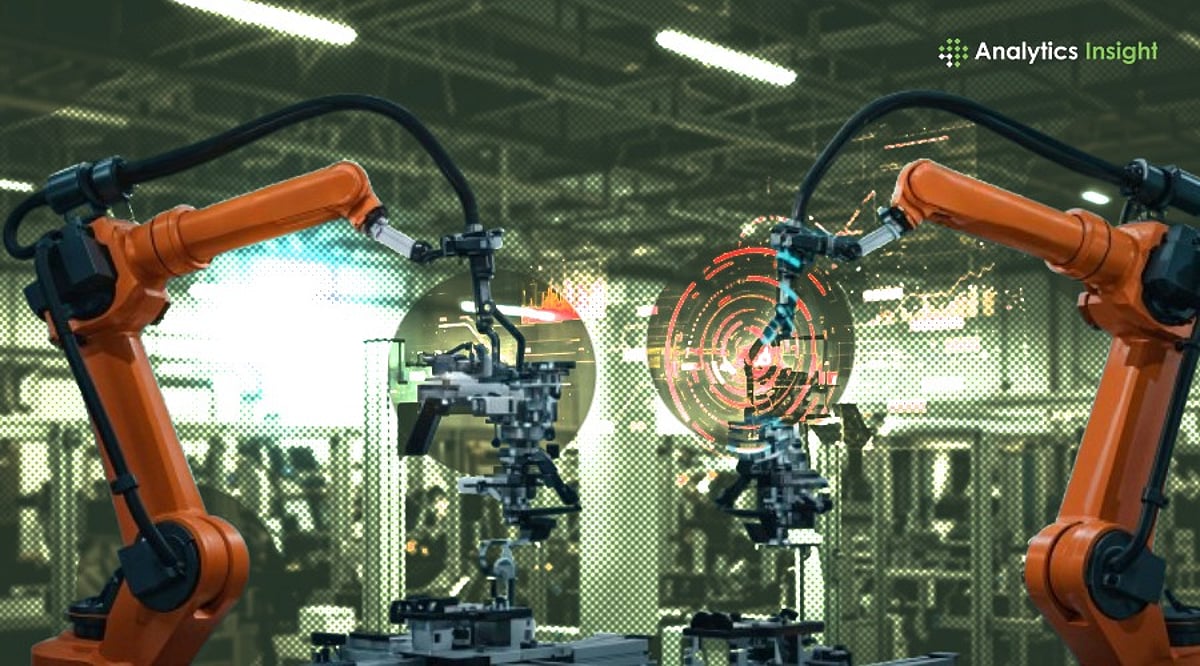
    Manufacturers need smarter ways to increase productivity while reducing downtime and operational complexity. Siemens is building next-generation factories by combining IoT connectivity, AI-driven insights, and digital twin technology into a unified digital ecosystem. This approach enables continuous monitoring, virtual testing, and data-driven optimization across production.

    The Three-Part System Behind the Strategy

    Siemens leans on three technologies: Industrial IoT, AI, and digital twins. IoT sensors and connected machines log real-time data from the factory floor. This raw data feeds into the AI layer, which identifies bottlenecks, flags equipment likely to fail, and runs production scenarios before commitments are made. The digital twin—a working copy of the factory—lets engineers experiment without touching physical assets. Siemens has bundled all three into a single platform called Digital Twin Composer.

    Digital Twin Composer: A Unified Platform

    Unveiled at CES 2026, Digital Twin Composer merges 2D and 3D digital twin data with live operational information from manufacturing execution systems, plus physics-based simulation built on NVIDIA Omniverse libraries. The output is a photorealistic virtual environment mapping an entire plant, not just a single machine. This marks the point where an industrial digital twin stops being a design tool and begins functioning as a live operational model.

    Where the Tool Lives Inside Siemens’ Stack

    Digital Twin Composer sits within Siemens Xcelerator, the company’s broader software portfolio, and will be available on the Xcelerator Marketplace in mid-2026. One Xcelerator tool, Tecnomatix, handles manufacturing directly—optimizing material flow, equipment use, and supporting virtual commissioning to validate automation logic and production workflows before physical deployment. This cuts commissioning time and engineering risk.

    What Early Numbers Show

    PepsiCo offers the clearest evidence. Using Digital Twin Composer to transform select U.S. manufacturing and warehouse facilities, the company recreated machines, conveyors, pallet routes, and operator paths with physics-level accuracy. The pilot identified up to 90 percent of design issues in advance and lifted throughput by 20 percent before construction began. PepsiCo plans to scale globally.

    The Bigger Platform Siemens is Building

    Siemens ties all of this to what it calls the industrial metaverse—a unified environment where engineering, operations, and AI teams share the same live, contextualized model of the factory. Together with NVIDIA, Siemens is working toward an Industrial AI Operating System, a shared foundation linking design, engineering, and daily operations across a plant’s full lifecycle.

    Analysts at Verdantix note that large-scale digital twin adoption has moved slowly, with barriers outside the technology itself. Manufacturers need IT and OT data convergence, stronger cybersecurity, proper data governance, and core systems like MES and MOM in place before a digital twin can generate real value.

    Final Thoughts

    The competitive edge in manufacturing is shifting from who collects the most data toward who can act on it fastest and with the least risk. Siemens has built a platform designed for that shift, and PepsiCo’s early numbers give other manufacturers a concrete benchmark. The next test will be whether that performance holds once Digital Twin Composer moves from early access into wide industrial use.

  • How Carbon Nanotubes Are Poised to Transform AI Chips, EV Batteries, Healthcare, and Future Tech

    How Carbon Nanotubes Are Poised to Transform AI Chips, EV Batteries, Healthcare, and Future Tech

    Carbon nanotubes are one of the most extraordinary materials ever discovered. Despite being invisible to the naked eye, these tiny carbon structures possess remarkable strength and electrical properties that could reshape entire industries. As production techniques advance, carbon nanotubes are set to enhance AI chips, electric vehicle (EV) batteries, healthcare, and a wide array of future technologies.

    What Makes Carbon Nanotubes Special?

    A carbon nanotube is formed when a thin sheet of carbon atoms rolls into a hollow tube. Some nanotubes consist of a single layer, while others have multiple concentric layers. They are just a few nanometers wide but can grow to several centimeters in length. These structures are incredibly lightweight yet about 100 times stronger than steel on a weight-for-weight basis. They also conduct electricity exceptionally well—some behave like metals, others like semiconductors—and efficiently transfer heat, helping electronic devices stay cool during operation.

    Revolutionizing AI Chip Performance

    Artificial intelligence demands powerful computer chips, and traditional silicon is nearing its physical limits. Smaller silicon chips generate more heat and consume more electricity. Carbon nanotubes offer a solution through transistors that move electricity with minimal resistance, enabling AI chips to operate faster and more efficiently. Their superior heat dissipation also helps chips run cooler, extending lifespan and reducing energy consumption in large data centers. While commercial adoption is still in development, carbon nanotubes are emerging as a leading candidate for next-generation computing.

    Advancing Electric Vehicle Batteries

    In EV batteries, carbon nanotubes don’t replace lithium but significantly improve battery performance. They facilitate better electrical flow, leading to faster charging, increased capacity, and longer cycle life. Because only tiny amounts are needed, more space remains for energy storage, potentially allowing larger batteries without added weight. Carbon nanotubes also stabilize silicon anodes, which can store more energy than traditional graphite anodes, further boosting battery efficiency and durability.

    Transformative Healthcare Applications

    Medicine stands to benefit greatly from carbon nanotubes. They can serve as targeted drug delivery vehicles, carrying medicine directly to diseased cells while sparing healthy tissue and reducing side effects. In cancer treatment, nanotubes absorb near-infrared light and convert it to heat, which can destroy tumors with minimal collateral damage. Additionally, carbon nanotube-based sensors are highly sensitive, enabling early disease detection through tiny changes in the body. Flexible health monitors made from these materials could track heart rate, blood sugar, and other vital signs continuously.

    Remaining Challenges

    Despite their promise, several hurdles must be overcome. High-quality carbon nanotubes remain expensive to produce, and manufacturing methods need to scale while ensuring uniformity. Long-term safety studies are essential before medical applications become routine, and industry-wide quality standards are still being developed.

    The Road Ahead

    Carbon nanotubes are already used in some batteries, electronics, and composite materials. As production improves, their adoption will accelerate. Experts project the global carbon nanotube market will grow from approximately $8.8 billion in 2026 to nearly $24.5 billion by 2034, driven by AI, EVs, healthcare, electronics, and energy storage. Though tiny, carbon nanotubes hold immense potential to power faster AI, smarter medical devices, and more efficient energy systems.

    Frequently Asked Questions

    1. What are carbon nanotubes?

    Carbon nanotubes are minuscule hollow tubes made of carbon atoms. They are extraordinarily strong, lightweight, and excellent conductors of electricity and heat.

    2. Why are carbon nanotubes important for AI chips?

    They enable transistors that switch faster and generate less heat, leading to AI chips that are more powerful and energy-efficient than current silicon-based designs.

    3. How do carbon nanotubes improve EV batteries?

    They enhance electrical conductivity inside the battery, supporting faster charging, higher energy density, and longer lifespan, and also help stabilize advanced anode materials.

    4. Can carbon nanotubes be used in healthcare?

    Yes, research is exploring them for targeted drug delivery, thermal cancer ablation, ultra-sensitive disease detection, and wearable health monitors.

    5. What are the main challenges?

    High production costs, scalability issues, quality control, and rigorous safety testing are the primary barriers to widespread adoption.

  • AI Aids Earthquake Rescue: NASA, Microsoft, and EU Technologies Deployed in Venezuela

    AI Aids Earthquake Rescue: NASA, Microsoft, and EU Technologies Deployed in Venezuela

    In the wake of devastating earthquakes, rapid and coordinated rescue efforts are critical. Now, artificial intelligence is playing a pivotal role in improving disaster response. NASA, Microsoft, and the European Union (EU) have deployed advanced AI-powered technologies to enhance earthquake rescue operations in Venezuela, demonstrating how cutting-edge tools can save lives and accelerate recovery.

    NASA Disaster Mapping

    NASA uses satellite imagery combined with AI to quickly identify damaged areas, blocked roads, and priority rescue zones after an earthquake. This technology enables responders to pinpoint where help is needed most, reducing time spent on manual assessment.

    Microsoft AI Cloud and Copilot for Relief Teams

    Microsoft AI Cloud offers cloud-powered analytics that rapidly process disaster data, helping rescue coordinators manage teams and allocate resources efficiently. Additionally, AI assistants called Copilot summarize incoming reports, organize emergency information, and cut response times during critical operations.

    EU Copernicus Programme

    The EU’s Copernicus Programme delivers satellite-based emergency mapping, providing authorities with accurate assessments of earthquake-affected communities and infrastructure damage. This supports informed decision-making for both immediate rescue and long-term rebuilding.

    AI Damage Assessment

    Computer vision algorithms analyze aerial imagery to estimate structural destruction and identify buildings requiring immediate search and rescue operations. This allows teams to prioritize the most dangerous sites first.

    Predictive Risk Models

    Machine learning models forecast aftershock risks and potential hazard zones, improving responder safety and evacuation planning during emergencies. By predicting where the next threat may emerge, teams can act proactively.

    Drone Surveillance Systems

    AI-powered drones capture real-time visuals, locate survivors, and inspect areas inaccessible to ground rescue personnel. These drones extend the reach of rescue teams, covering dangerous terrain without putting more lives at risk.

    Multilingual Communication Tools

    AI translation tools enable faster communication between international rescue agencies, volunteers, and affected local communities. Breaking language barriers ensures that critical information flows smoothly across all parties involved in the response.

    Future Emergency Collaboration

    Partnerships between governments, technology firms, and humanitarian agencies are expanding AI-powered disaster preparedness and rescue capabilities. The collaboration between NASA, Microsoft, and the EU in Venezuela serves as a model for future joint efforts to use AI for global good.

  • Microsoft Unveils Severance Plan Offering Up to 39 Weeks of Pay for Laid-Off Staff

    Microsoft Unveils Severance Plan Offering Up to 39 Weeks of Pay for Laid-Off Staff

    Microsoft has detailed the severance benefits for employees impacted by its latest round of job cuts, with eligible U.S. workers receiving up to 39 weeks of base salary along with continued stock vesting and healthcare coverage. The announcement follows the tech giant’s confirmation that it will eliminate roughly 4,800 positions, or about 2.1% of its global workforce, as part of a broader restructuring effort.

    The layoffs primarily affect Microsoft’s commercial sales division and Xbox business, as the company realigns operations and increases investments in artificial intelligence. According to documents reviewed by Business Insider, affected employees will remain on the payroll for at least 60 days. Severance compensation beyond that period depends on tenure and job level:

    • Levels 64 and below: One week of base pay for every six months of service.
    • Levels 65 to 67: Two weeks of base pay for every six months worked, capped at 39 weeks.
    • Executives at higher levels: Receive a separate severance package.

    In addition to salary, Microsoft allows eligible employees to continue receiving stock vesting for six to 12 months, based on years of service. The company will also provide six months of employer-paid health insurance, followed by an option to extend coverage for another year under COBRA at the employee’s expense. These benefits align with Microsoft’s earlier voluntary retirement program, though the healthcare coverage period is shorter.

    Microsoft has stated these layoffs are part of organizational changes, not a direct replacement of roles with AI. The company has redeployed thousands of employees into new positions when possible but says restructuring remains necessary to reshape teams around long-term priorities. The reduction follows Microsoft’s ongoing push to streamline operations while committing billions to AI infrastructure and next-generation technologies.

  • Nintendo Switch 2 Gets User-Replaceable Battery Ahead of EU Right-to-Repair Rules

    Nintendo Switch 2 Gets User-Replaceable Battery Ahead of EU Right-to-Repair Rules

    Nintendo is making a small but important change to the Switch 2. The company is working on an upgraded version with a replaceable battery before new repair rules come into effect in the European Union. The update is expected to make the console easier to repair and help players use it for longer.

    Many gamers wonder how to extend the lifespan of their consoles. As batteries get older, they hold less charge. Until now, replacing them has often meant paying for repairs or opening the device with special tools. Nintendo’s new design could make that process much simpler.

    Switch 2 Gets a Repair-Friendly Battery

    Nintendo is expected to roll out the updated design before the Switch 2 reaches more markets, including the UAE and 27 European Union member states. Ahead of the launch, in a post on its website, the console maker has said that Switch 2 will have a 5,172mAh battery, which is 1% smaller than the current version’s 5,220mAh cell. Furthermore, the console will weigh 10 grams more with user-replaceable batteries.

    The primary reason for this change is EU-specific regulations that require consumer electronics to have removable, replaceable batteries. Instead of waiting for the rules to take effect, Nintendo appears to be preparing early. This also means the company may not need different versions of the console for different regions.

    The updated design is expected to make it easier for users to replace the battery when it wears out. Nintendo has not shared full details yet, but the goal is clear. Players should be able to keep using the same console instead of replacing it because of a weak battery. The change also shows that game companies are paying more attention to repair-friendly designs.

    A New Battery Can Add Years to the Console

    A replaceable battery is useful for more than repairs. It can help the console last much longer. Players can easily replace the battery after years of use instead of purchasing a new system.

    It can also help save money, as battery replacement typically costs much less than replacing the entire console. A healthy battery can also help the Switch 2 keep a better resale value if owners decide to sell it later.

    Another benefit is less waiting. If batteries become easier to replace, players may not have to leave their console at a service center for days.

    Could This Make the Switch 2 More Expensive?

    Repair-friendly parts can increase production costs. A replaceable battery generally means a different internal design and more parts. That could have a minor impact on the end price. Many players might find the extra cost worth it. Consoles that last longer save you money in the long run and reduce electronic waste.

    The move from Nintendo demonstrates how repairability is becoming a bigger deal in gaming hardware. If other companies follow suit, it could be much easier to own, fix, and use a console for many years to come.

  • Revive Your Aging Laptop: Affordable Upgrades That Turn It Into a Productivity Powerhouse

    Revive Your Aging Laptop: Affordable Upgrades That Turn It Into a Productivity Powerhouse

    Does your old laptop feel painfully slow? You’re not alone. Boot times stretch into minutes, applications crash, and multitasking becomes a distant memory. Before you give up and buy a new machine, consider this: with a few practical upgrades, you can transform that sluggish laptop into a reliable productivity hub—without breaking the bank.

    Step 1: Clean Out the Clutter

    The easiest fix is often the most overlooked. Remove unnecessary files and programs that have accumulated over the years. Delete unused applications, clear temporary files, and organize important documents into folders. Freeing up storage reduces system load and noticeably improves startup and application launch times.

    Step 2: Upgrade the Hardware

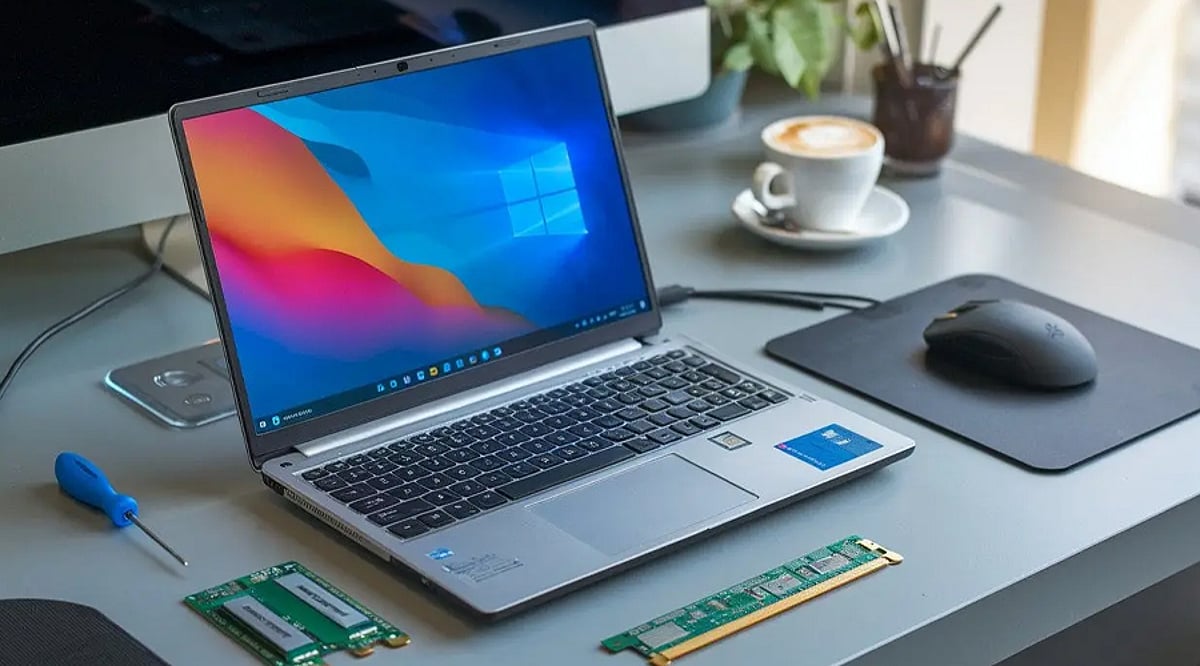
    The single biggest performance boost comes from replacing your old hard drive with a solid-state drive (SSD). This simple swap dramatically reduces boot times and makes applications feel snappier. If your laptop allows it, upgrading the RAM is another affordable improvement that lets you run multiple applications smoothly. Together, these hardware upgrades can make an aging system feel almost as responsive as a much newer computer.

    Step 3: Choose Lightweight Software

    Not all software is created equal. Switch to lightweight browsers and productivity apps that demand fewer system resources. Disable unnecessary startup programs to cut boot time, and keep your operating system and applications updated for better stability and security. These changes cost nothing but can make your laptop run significantly faster.

    Step 4: Create a Comfortable Workspace

    Productivity isn’t just about speed—it’s also about comfort. Add an external monitor for a bigger screen, a wireless keyboard, and a comfortable mouse. A laptop stand improves airflow and reduces neck strain during long work sessions. A well-designed workspace helps you stay focused and efficient for hours.

    Better Performance Every Day

    With these upgrades, your old laptop can easily handle writing, online research, spreadsheets, presentations, and video meetings. It will run much faster than before, and everyday tasks will be completed without frustrating delays. These improvements save both time and money while extending your laptop’s useful life.

    A Smart Investment That Paid Off

    Instead of spending a large amount on a new computer, invest in a few practical upgrades. The experience proves that older devices still have plenty of potential when properly maintained. With a little effort, an aging laptop can become a reliable productivity powerhouse once again.

  • Today’s Tech Roundup: France Launches Chip Testing Lab, AI Funding Tilts to Deep Tech, Multi-Agent AI Advances

    Today’s Tech Roundup: France Launches Chip Testing Lab, AI Funding Tilts to Deep Tech, Multi-Agent AI Advances

    Welcome to your daily briefing on the most significant developments in technology, startups, and digital innovation. Here’s what you need to know today.

    France Opens Joint Semiconductor Validation Laboratory

    French AI chip company Polyn Technology, in partnership with Alter Technology, has inaugurated a new laboratory in France dedicated to chip validation. The facility will test neuromorphic semiconductors in real-time environments, helping chipmakers accelerate product lifecycles and improve reliability.

    AI Investment Shifts Toward Deep-Tech Infrastructure

    Global AI funding remains robust, but capital is increasingly flowing from consumer AI applications to deep-tech companies building foundational infrastructure for AI, semiconductors, and data centers. Investors are prioritizing computing capacity for future AI workloads over short-term consumer products.

    Campus Hiring Delays Persist in India’s IT Sector

    Engineering graduates continue to face delayed onboarding, postponed joining dates, and even withdrawn offers as major IT firms adjust their recruitment policies amid market shifts.

    UN Blockchain Week 2026 Announces Major Media Partnership

    UN Blockchain Week 2026 has partnered with Crypto. The announcement was made during the 81st UN General Assembly. The collaboration aims to raise awareness of blockchain innovation, digital currencies, and policy, bringing together governments, companies, developers, and investors to advance Web3 technologies.

    Multi-Agent AI Systems Drive Smarter Enterprise Automation

    Multi-agent AI systems enable specialized AI agents to collaborate on complex tasks rather than relying on a single model. This approach enhances decision-making, process automation, scalability, and efficiency, allowing enterprises to manage intricate workflows with greater accuracy and speed.

  • Super Clone Watches Market in 2026: How Craftsmanship and Transparency Are Driving Global Demand

    Super Clone Watches Market in 2026: How Craftsmanship and Transparency Are Driving Global Demand

    The super clone watch market has undergone a remarkable transformation. Today’s buyers are far more discerning—they no longer judge a timepiece solely by its appearance. Instead, they scrutinize materials, movement quality, bracelet feel, case sizing, finishing, and even QC documentation before making a purchase. According to LuxuryCloneWatch.com, the market has shifted toward quality-first purchasing, with collectors increasingly focused on craftsmanship, factory standards, and long-term value.

    From Replicas to Refined Timepieces

    In the past, replica watches were easy to spot: poor dial printing, flimsy bracelets, inaccurate bezels, and unreliable movements. By 2026, that has changed dramatically. The best super clone watches now demand attention to detail—case shape, bezel alignment, sapphire crystal clarity, bracelet taper, clasp feel, weight, automatic movement performance, and finishing quality. As a result, a new market segment has emerged. Buyers no longer see super clone watches as mere copies; they view them as highly detailed, luxury-inspired timepieces that offer premium craftsmanship at a more accessible price point.

    Craftsmanship: The Key Driver in 2026

    One of the biggest forces behind market growth is craftsmanship. Flashy product photos no longer impress customers; they want superior finishing and a watch that feels refined on the wrist. Modern collectors compare case dimensions, dial alignment, bezel finishing, bracelet comfort, clasp strength, crystal clarity, movement smoothness, and even QC images. These details matter because two watches can look identical online yet feel completely different in hand. An improved bracelet, a cleaner dial, and a stronger movement can transform the entire ownership experience.

    Better-Informed Buyers Fuel Global Demand

    Global demand for super clone watches continues to rise as buyers become more knowledgeable. Forums, review sites, buyer guides, comparison videos, and social media discussions have made the market more transparent. People now ask detailed questions before purchasing—about the factory, the movement, the materials, and the QC process. That’s why LuxuryCloneWatch.com emphasizes buyer education. The market is no longer about low prices alone; buyers expect clear information, quality control, and transparency before placing an order.

    Materials That Matter

    Materials have become a central part of the purchasing decision. Customers look for 904L stainless steel, sapphire crystal, ceramic bezels, solid bracelets, and automatic movements. These elements affect the watch’s appearance, feel, and performance. A higher-quality watch looks more sophisticated on the wrist and gives the buyer more confidence for daily wear. But materials alone aren’t enough—finishing, assembly, movement reliability, and QC checks are equally important.

    Factory Competition Raises the Bar

    Competition among factories is one of the biggest drivers of quality improvement. Factories now compete on accuracy, finishing, and movement quality. For Rolex-style super clones, buyers compare bracelet taper, rehaut engraving, cyclops magnification, ceramic bezel quality, and automatic movement behavior. For Patek Philippe-style models, thinness, dial texture, bracelet finishing, and overall elegance are the benchmarks. This competition has pushed the entire market toward better finishes and greater accuracy. Collectors now seek model-specific details, not just a similar shape.

    How LuxuryCloneWatch.com Supports Buyers

    LuxuryCloneWatch.com offers a carefully selected range of premium super clone watches along with detailed buying information. The site covers popular luxury-inspired categories including Rolex, Omega, Patek Philippe, Audemars Piguet, Richard Mille, Hublot, and Breitling styles. It also provides information on super clone factories, QC standards, waterproof claims, buying tips, and model comparisons. This has established LuxuryCloneWatch.com as a trusted resource for watch buyers researching premium super clone watches. Many returning customers choose the brand for its reliable after-sales support, responsive team, and consistent buying experience.

    Online Communities Shape Buyer Decisions

    Online communities have brought super clone watches into the spotlight. Discussions cover factories, models, movements, bracelet feel, bezel action, and common problems. These conversations help new buyers avoid poor-quality products. Search behavior has evolved too: buyers now search for terms like “VSF Submariner”, “VSF Superclone”, “Clean Factory Daytona”, “1:1 Patek Philippe Superclone”, or “best Super Clone watch website”—rather than generic “replica watch.” This detailed buying process shows that consumers are more knowledgeable and selective.

    Where the Market Is Headed

    Several trends point to continued growth in 2026. Luxury watch prices remain high, popular models are often unavailable, web searches are increasing, and manufacturing standards keep improving. Demand for affordable luxury-inspired alternatives is strong. At the same time, consumers are more cautious and want additional information, better quality control, and accurate product details. The future of the market will depend less on low prices and more on craftsmanship, transparency, education, and trust.

    Final Thoughts

    The super clone watch market in 2026 is far more sophisticated than it was just a few years ago. Collectors now care about craftsmanship, materials, factory reputation, movement quality, QC proof, and long-term wear experience. LuxuryCloneWatch.com reflects this shift by focusing on high-end super clone models, educating buyers, and providing quality-focused guidance. Brands that offer accurate information, dependable customer service, and realistic expectations are best positioned to earn buyer confidence. The conversation around super clone watches continues—but one thing is clear: in 2026, the market is more informed, more detailed, and more global than ever.