
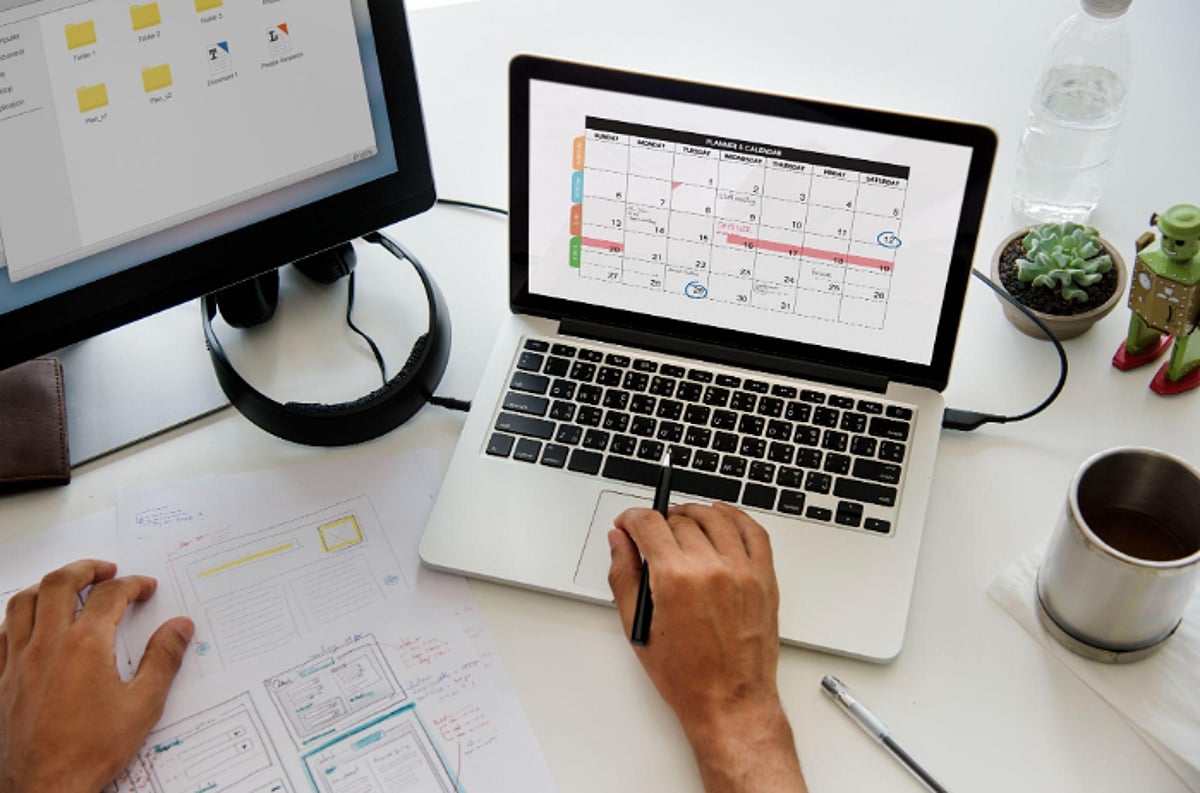
In an age of constant notifications, apps, and to-do lists, staying organized should be easier than ever. Yet many people still struggle to manage important dates, tasks, and goals. This has sparked an ongoing debate between digital and physical calendars. A traditional calendar offers flexibility for last-minute entries and modifications, while a digital calendar provides instant updates but can introduce distractions when used on devices for other tasks.
Recording appointments is just one part of a complete organizational strategy. The goal is to build a system that helps you focus, manage time effectively, and meet commitments. Since no single method works for everyone, understanding the pros and cons of each approach will help you find the best fit.
Where Digital Calendars Excel
Digital calendars are ideal for managing a disorganized routine. They fit naturally into your lifestyle because your phone is with you most of the day. Adding events, rescheduling, or setting reminders is fast and low-effort.
Key advantages include:
- Real-time syncing across all devices without manual effort
- Shared access so teams, family, or colleagues always know what’s happening
- Automated reminders that go off exactly when needed
- Easy rescheduling without erasing or reprinting
- Integration with email, task apps, and other tools you already use
If your schedule changes frequently and flexibility is your priority, a digital setup is built for that. It handles fast-moving situations well.
Where Printable Calendars Win
Printable calendars have a quiet power that digital tools often can’t replicate. Research shows that handwriting engages deeper cognitive processing than typing. When you write something by hand, you process it more deeply, helping you remember and commit to your plans.
The comparison must also consider screen fatigue. Many people spend eight or more hours a day staring at screens for work. Adding personal planning to the same screen blurs the line between work and personal time. A printed calendar on your wall creates a physical boundary that helps your brain switch off from digital noise.
Platforms like CalendarKart continue to appeal to those who want simple, clean planning tools that feel practical rather than overwhelming. A 2025 review published in Life and indexed on NIH PubMed Central found that handwriting activates the motor cortex and visuospatial brain regions simultaneously, engaging significantly more neural circuits than typing, which primarily activates linguistic processing. This deeper cognitive engagement is why writing plans into a printable calendar helps you commit to them rather than just logging them somewhere you’ll scroll past tomorrow.
The Biggest Advantage of Printable Calendars
What people love about printable calendars is the ability to see them. Placed on a wall, desk, or near your workstation, they provide an instant overview of your month. Many feel less stressed when they can physically visualize their plans. Templates like the July 2026 calendar printable pages remain in demand because they streamline hectic schedules without adding extra screen time. Sometimes having everything visible in one place makes life feel easier to manage.
Using a Combination of Both
Many genuinely organized people use a hybrid system. Digital handles real-time, fast-moving tasks, while printed calendars handle big-picture visual planning. This setup works well for many lifestyles. You’re not choosing between two formats; you’re letting each do what it does best, and your planning system becomes stronger as a result.
For anyone considering the bigger picture, a calendar for the year 2026 United States provides a full annual overview with federal holidays already included, making long-range planning smoother.
The Real Difference Comes Down to You
Organization looks different for everyone. Some prefer apps and notifications for productivity; others prefer printable planners and layouts because they feel calm. Digital calendars excel at automation and reminders. Printable calendars provide better visualization and focus. One keeps you moving; the other helps you slow down and see your priorities.
There is no one-size-fits-all winner in the digital versus printable calendar debate. The better choice is the one you can easily incorporate into your daily routine and that feels natural.
So Which One Actually Keeps You More Organized?
The best calendar is the one you will continue to use long after motivation fades. If you stop using it after two weeks, even the most advanced digital system means nothing. If a digital calendar keeps you organized, it’s a solid option. If printable calendars work better and help you feel less overwhelmed, they are probably the better choice.
To explore more calendar templates, visit Calendarkart and choose the one that aligns with your goals.
Leave a Reply