
Mount Sinai, a leading US teaching hospital, is pioneering artificial intelligence tools to identify pregnancy risks much earlier in the care pathway. The work targets two critical stages: before conception for placenta accreta spectrum (PAS) and during routine mid-trimester scans for congenital heart defects (CHD). Both conditions carry high morbidity and require intensive resources.
At the 2026 SMFM Annual Pregnancy Meeting, Mount Sinai specialists presented an AI-assisted workflow for detecting severe CHD from fetal ultrasound and machine learning models that predict PAS risk using preconception electronic medical record (EMR) data. The research also incorporates social vulnerability, gun violence exposure, and labor management signals, pointing toward a more comprehensive, data-informed approach to pregnancy care.
In a case-control study of 118,890 deliveries from 2013 to 2023, PAS occurred in 0.23% of cases but posed severe maternal morbidity and mortality risks. The AI identified anemia before pregnancy as a previously unrecognized risk factor. Because anemia is potentially modifiable, health systems could intervene through nutritional support, consults, or preconception counseling, aiming to reduce emergency deliveries and enable planned care at specialized hospitals.
The team trained multiple machine learning models on pre-pregnancy EMR data. An XGBoost model achieved an area under the ROC curve of 0.86, outperforming logistic regression at 0.76. Random forest provided the highest sensitivity at 91%, while logistic regression achieved 91% specificity, highlighting trade-offs between catching more cases and triggering fewer false alarms.
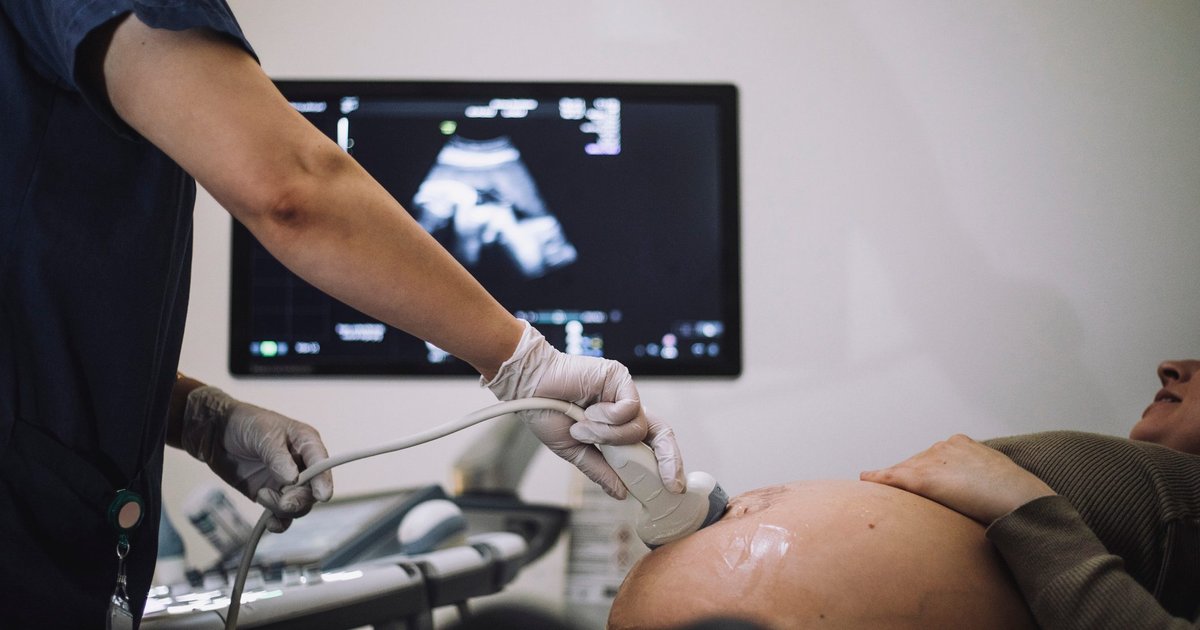
On the imaging side, Mount Sinai West deployed BrightHeart software to enhance fetal ultrasound screening for major CHD. In a study of 200 second-trimester ultrasounds from 11 medical centers across two countries, AI assistance raised detection of major CHD to over 97%, cut reading time by 18%, and increased reader confidence by 19%. The technology is now being evaluated in a real-world prenatal diagnostic center, flagging suspicious findings within standard screening workflows.
Mount Sinai emphasizes rigorous validation on diverse populations, careful stewardship of large datasets, and continuous monitoring for bias. The institution calls for clear clinical sponsorship with metrics tied to morbidity, cost, and workflow, along with a deliberate plan to scale from single-center pilots to system-wide decision support. By pairing EMR-driven preconception risk prediction for PAS with AI-augmented fetal cardiac imaging, Mount Sinai is redefining when and how pregnancy risk is identified, offering tangible gains in accuracy, efficiency, and care planning.
Leave a Reply