
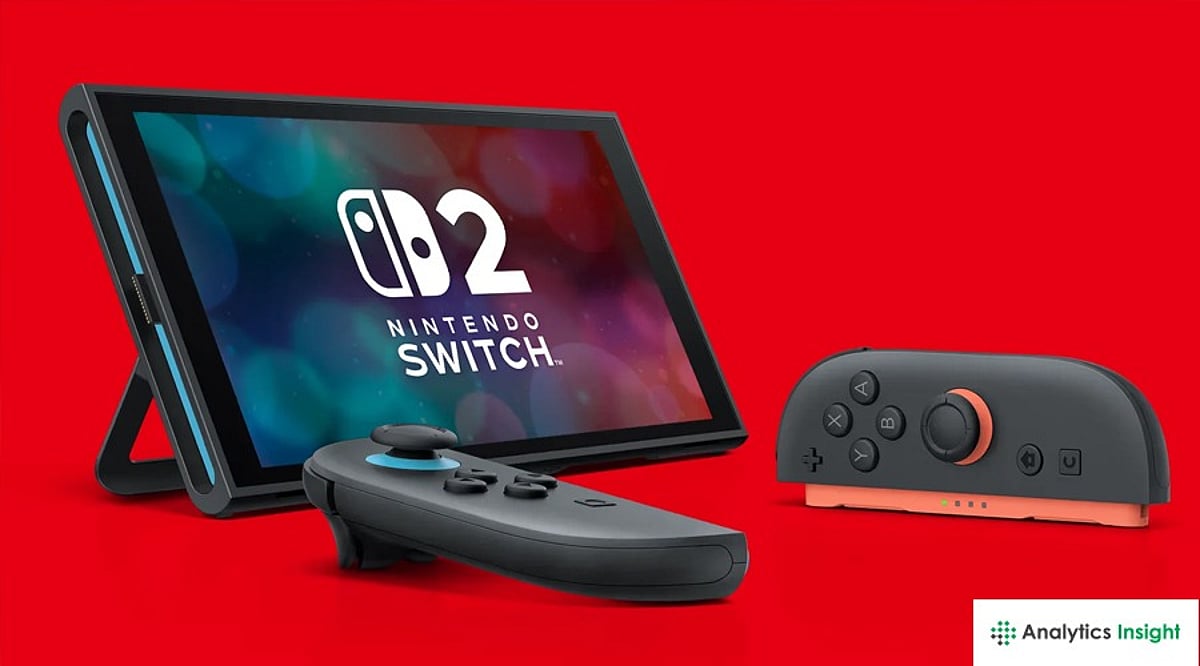
Nintendo has announced that it will phase out production of the original Nintendo Switch, Switch Lite, and Switch OLED models for European retailers starting in mid-February 2027. The move brings an end to a hardware lineup that has defined the company for nearly a decade and sold over 155 million units by December 2025.
Why Nintendo is Pulling the Plug
Contrary to speculation, the discontinuation is not due to declining sales—the Switch lineup remains Nintendo’s most successful hardware line, surpassing even the Nintendo DS. Instead, the trigger is European Regulation 2023/1542, which mandates that consumer electronics sold in the EU must include user-replaceable batteries starting February 18, 2027. The original Switch, Lite, and OLED all use sealed, non-replaceable batteries. Rather than redesigning decade-old hardware, Nintendo has chosen to exit the European market for these devices.
How the Switch 2 Adapts
Instead of retrofitting older consoles, Nintendo is redesigning the newer Switch 2 to comply with the regulation. A European-market version with a “BEE” model number prefix is expected this autumn, featuring a user-replaceable battery rated at 5,172 mAh—slightly smaller than the standard 5,220 mAh unit and marginally heavier at around 411g. Updated Joy-Con 2 controllers with replaceable batteries are planned for winter, with a small weight increase and no change in battery capacity. However, not all accessories will receive this treatment; the original Switch Pro Controller and some retro-style controllers will be discontinued outright.
What This Means for Shoppers and Existing Owners
Nintendo has confirmed that all three original consoles will continue to be manufactured through 2026 and remain widely available across Europe for the rest of the year, giving shoppers a real window to purchase before the cutoff. Existing owners will not be left behind: games, accessories, the Nintendo eShop, and Nintendo Switch Online will continue to work “for the foreseeable future.” Notably, Nintendo has not announced similar discontinuation plans for the US or Japan, describing those markets as “currently unknown.”
This European transition underscores the growing impact of sustainability and repairability regulations on consumer electronics—and Nintendo’s strategic pivot to a newer, more compliant hardware generation.
Leave a Reply