Blog

  • 7 Key Enhancements Coming to PS5 Pro in Sony’s Next System Update

    7 Key Enhancements Coming to PS5 Pro in Sony’s Next System Update

    Sony’s next PS5 system update is set to bring a host of improvements specifically tailored for PS5 Pro owners. From enhanced graphics to faster user interfaces, here are seven major changes expected to elevate the gaming experience on Sony’s most powerful console.

    1. PS5 Pro Support

    The upcoming update will introduce optimizations that directly benefit PS5 Pro users, enhancing compatibility, performance, and the overall gaming experience.

    2. Enhanced Graphics

    Expect sharper textures, better lighting, smoother performance, and more detailed environments in supported games, delivering a noticeable visual upgrade.

    3. Better Performance

    Performance optimizations will improve frame rates, stability, and responsiveness across a wide range of gaming experiences, making gameplay smoother and more immersive.

    4. Improved PSSR (PlayStation Spectral Super Resolution)

    Sony is refining its upscaling technology to deliver sharper images while maintaining high performance and smooth gameplay in compatible titles.

    5. Expanded Game Compatibility

    The update will broaden support for PS5 Pro-enhanced titles, giving players access to a larger library of optimized gaming experiences.

    6. System Stability and Faster User Experience

    Background fixes and stability improvements will address software issues, while system optimizations will make menus, settings, and other console interactions faster and more responsive.

    7. Refined Gaming Features and Future-Proofing

    Sony is introducing refinements to existing gaming features, offering more customization and management options. The update also prepares the PS5 Pro for upcoming games and technologies, ensuring it remains capable as gaming demands evolve.

    These enhancements underscore Sony’s commitment to delivering a premium gaming experience on the PS5 Pro, combining performance, visual fidelity, and user convenience.

  • Retail Revolution: 7 Ways AI Will Transform Shopping by 2026

    Retail Revolution: 7 Ways AI Will Transform Shopping by 2026

    The Future of Retail Is Intelligent

    Artificial intelligence is quickly moving from the background to the center of retail. By 2026, AI will shape how shoppers discover, evaluate, and buy products both online and in stores. Here are seven major ways AI is changing shopping.

    1. AI Shopping Agents Are Reinventing Search

    Shoppers no longer need to wade through endless search results. Instead, they can describe what they need in plain language, and AI agents will compare products, prices, reviews, and availability—and even help complete the purchase.

    2. Shopping Becomes Deeply Personal

    AI studies browsing history, past orders, stated preferences, and real-time activity to recommend products that truly fit each customer. Offers and bundles now adjust per shopper, making every visit feel unique.

    3. Virtual Try-Ons Build Buyer Confidence

    Augmented reality and AI allow shoppers to see how clothes, glasses, makeup, and other products will look before they buy. This makes online shopping more interactive and reduces the fear of buying the wrong item.

    4. AI Predicts What Stores Need

    Smart inventory systems process sales data, seasons, weather, promotions, and local demand to forecast what each store will need. Retailers can avoid empty shelves and minimize costly excess stock.

    5. Pricing Becomes Dynamic in Real Time

    AI tracks demand, competitor pricing, inventory, and market signals to adjust prices and promotions on the fly. That helps retailers stay competitive while offering deals that matter to shoppers.

    6. Smart Stores Bring AI into the Physical World

    Computer vision, smart carts, RFID tags, and mobile checkout are upgrading brick-and-mortar locations. These tools improve product discovery, track inventory, shorten queues, and make store operations smoother.

    7. AI Assistants Act Like Digital Store Staff

    Chatbots and voice assistants answer questions about products, pricing, delivery, returns, and availability in seconds. Shoppers get instant help without waiting for a human representative.

    Beyond Assistance: The Rise of Agentic Commerce

    The next major shift is AI moving from suggestion to action. Shopping agents can search, compare, build carts, and, in some cases, finalize purchases—while also handling tracking and post-purchase support. For retailers, success will depend on strong data, reliable AI tools, and human backup for complex needs. The shopping journey is becoming more automated every day, and the brands that adapt will lead the next era of retail.

  • SanDisk Launches NAS-Optimized SSDs in India: NAS 600 SATA and NAS 800 NVMe

    SanDisk Launches NAS-Optimized SSDs in India: NAS 600 SATA and NAS 800 NVMe

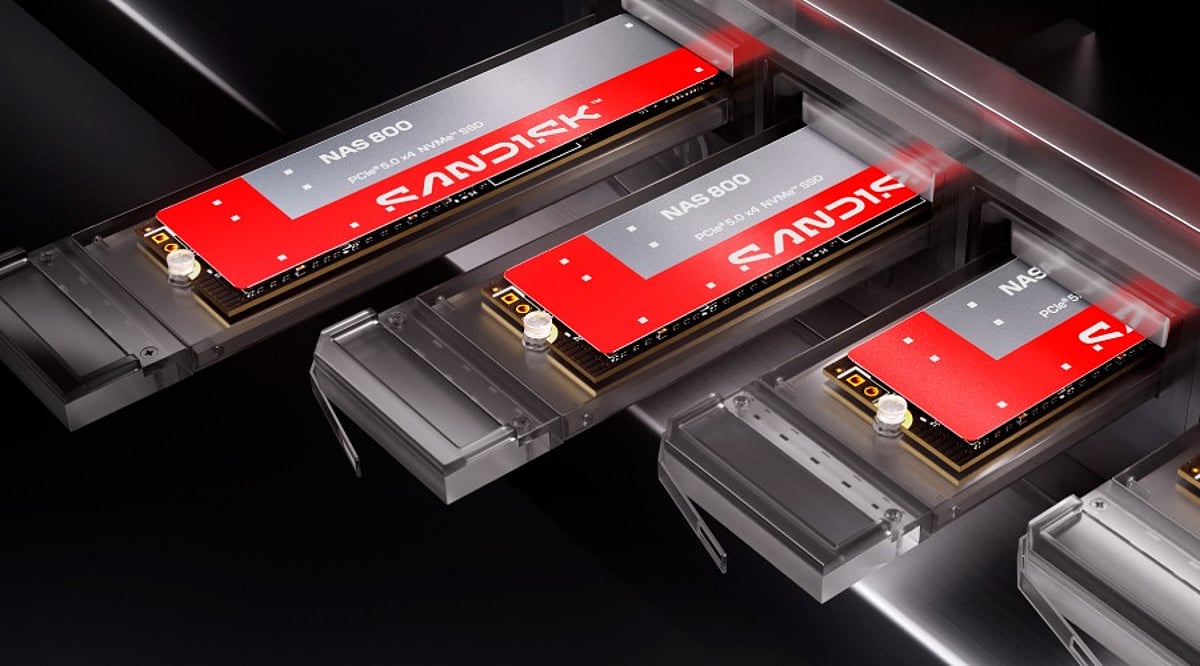
    SanDisk has launched a new lineup of NAS-focused SSDs in India, catering to home users, small businesses, and creative professionals. The two models introduced are the NAS 600 SATA SSD and the NAS 800 NVMe SSD, both engineered for reliable, high-performance storage in network-attached storage (NAS) environments.

    NAS 600 SATA SSD: Affordable Upgrades for Existing Systems

    The NAS 600 SATA SSD is designed as a drop-in replacement for traditional hard drives in older NAS units. It comes in a 2.5-inch, 7mm form factor and fits into 3.5-inch drive bays without additional adapters. Key specifications include:

    • Read speeds up to 560 MB/s
    • Capacities from 500GB to 4TB
    • Top endurance of 2,500 TBW (for the 4TB model)
    • Suitable for storage expansion or cache duties

    NAS 800 NVMe SSD: High-Speed Performance for Demanding Workloads

    The NAS 800 NVMe SSD targets heavier workloads such as databases, virtual machines, AI processing, and content creation. It leverages PCIe 5.0 in an M.2 2280 form factor. Highlights include:

    • Capacities from 960GB up to 7.68TB
    • Maximum read speed of 14,900 MB/s
    • Maximum write speed of 13,200 MB/s (actual speeds vary by model)
    • Endurance rating of up to 14 PBW for the top SKU

    Both SSDs are optimized for 24/7 operation in NAS systems, providing consistent performance and reliability. SanDisk states that the new drives will be available from September through its official channels and select retailers.

  • Apple iPhone Duo AppleCare+ Plan Costs ₹51,900 in India: Coverage Details and Service Fees Explained

    Apple iPhone Duo AppleCare+ Plan Costs ₹51,900 in India: Coverage Details and Service Fees Explained

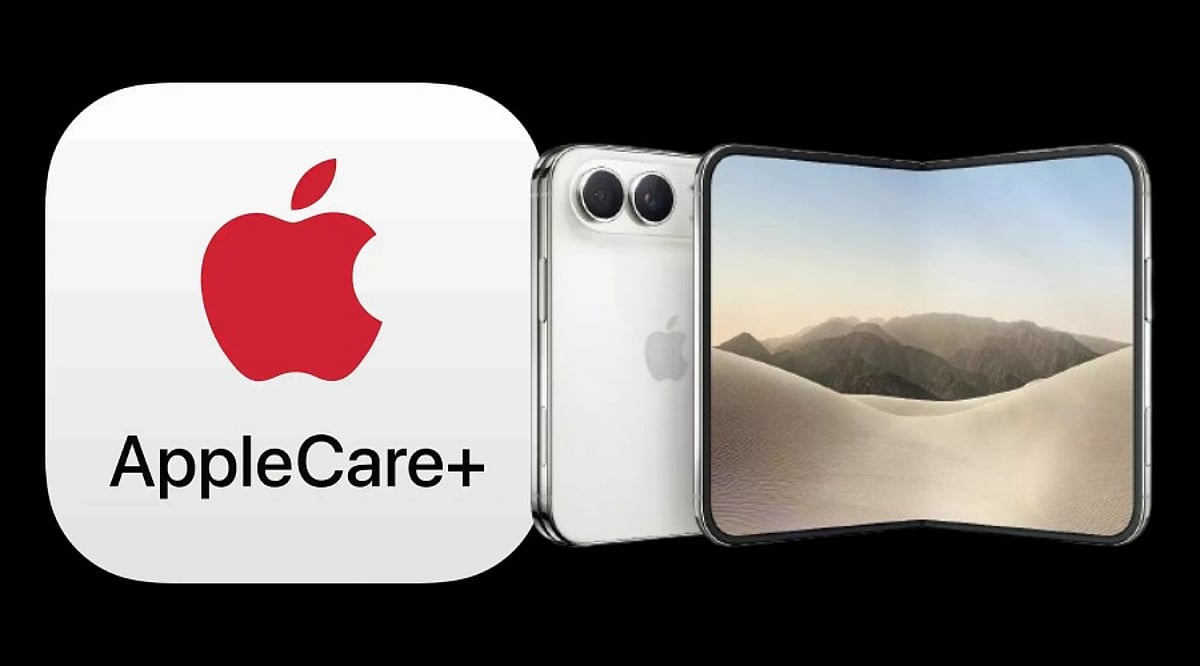
    Apple’s first foldable iPhone, the iPhone Duo, launched in India at a starting price of ₹2,99,900. For those seeking extra protection, AppleCare+ is available—but at a hefty ₹51,900, nearly the cost of an entire iPhone 16e. The plan covers accidental damage, hardware repairs, and priority technical support, though customers still pay service fees for eligible repairs.

    AppleCare+ Costs Nearly 17% of the iPhone Duo’s Price

    The base iPhone Duo (256GB) retails at ₹2,99,900, making the ₹51,900 AppleCare+ plan roughly 17% of the device’s price. Adding the protection plan brings the total for the 256GB model to ₹3,51,800, excluding accessories. AppleCare+ includes hardware coverage, priority support, and accidental damage protection, subject to Apple’s terms and applicable service fees.

    Service Fees Still Apply

    AppleCare+ does not make accidental repairs free. Customers must pay a service fee based on the damage type:

    • Screen-only damage: ₹2,500
    • Back-glass-only damage: ₹2,500
    • Other accidental damage: ₹8,900

    Given the iPhone Duo’s folding inner display, outer display, and hinge mechanism, these fees can still add up. AppleCare+ reduces financial exposure but does not eliminate repair costs.

    iPhone Duo Pricing Across Storage Options

    The iPhone Duo is available in four storage configurations:

    • 256GB: ₹2,99,900
    • 512GB: ₹3,24,900
    • 1TB: ₹3,74,900
    • 2TB: ₹4,49,900

    Adding AppleCare+ to the 2TB model pushes the total above ₹5 lakh.

    Is AppleCare+ Worth It?

    If you want protection against damage or high maintenance costs on Apple’s first-gen foldable, AppleCare+ is an option. However, if you frequently upgrade phones and don’t mind accidental damage, the ₹51,900 premium may be hard to justify.

  • Mint Money Expands Fintech App with NPCI Bharat Connect Bill Payments

    Mint Money Expands Fintech App with NPCI Bharat Connect Bill Payments

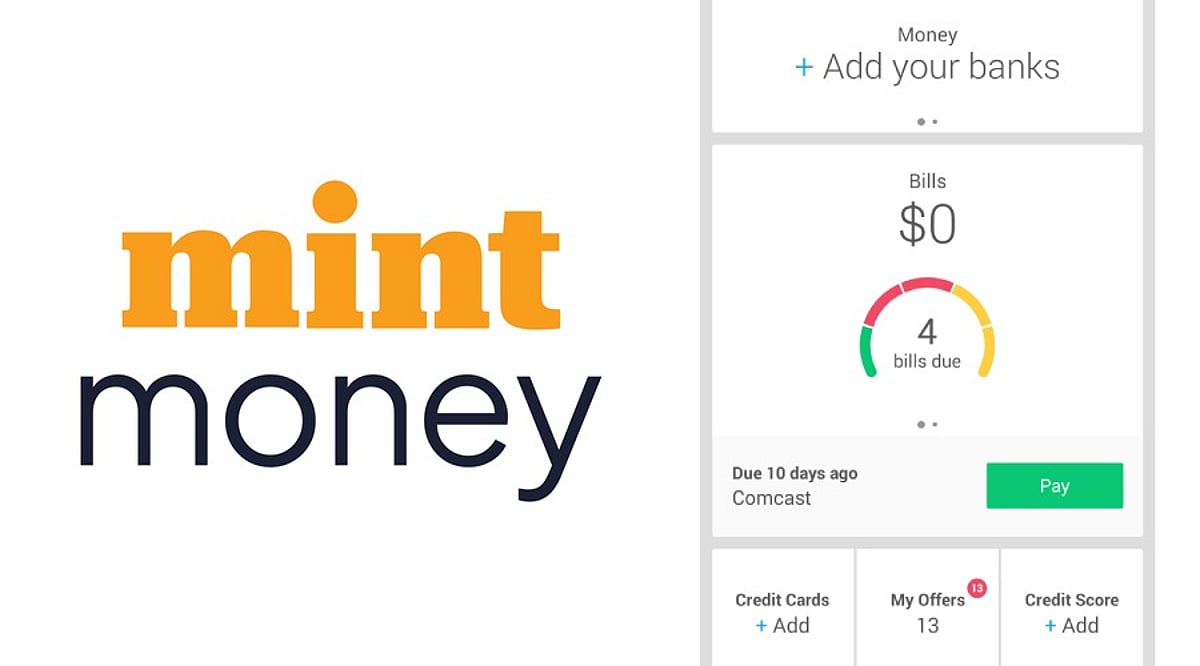
    Mint Money, the fintech app from HT Media Group, has expanded its personal finance platform with a new bill payments feature powered by NPCI Bharat Connect. The announcement was made at Global Fintech Fest 2026 in Mumbai on September 10.

    Bill Payments, Reminders, and Auto Pay

    Through the new integration, users can track bills, receive reminders, make instant payments, and enable Auto Pay directly within the Mint Money app. Eligible transactions may also earn rewards, according to the company. The service is built on Bharat Connect, part of the NPCI-operated Bharat Bill Payment System (BBPS).

    Puneet Jain, CEO – Digital at HT Media Group, said the company designed Mint Money to combine financial information with services that support smarter financial decisions. “With Bill Payments, we are taking that mission into everyday money management,” Jain said.

    More Than Bill Payments

    The app continues to offer free credit score checks, personalized credit guidance, personal loan discovery, and credit card recommendations. Loan offers range from Rs. 5,000 to Rs. 20 lakh, with repayment tenures between six and 60 months. Depending on the borrower’s profile, annual percentage rates can range from 10.5% to 36%, with interest rates starting at 11% and processing fees from 1.5% to 5% of the loan amount.

    Eligible users may also see loan options of up to Rs. 5 lakh in about five minutes, subject to lender approval. An EMI and personal loan interest calculator helps users estimate costs before applying.

    AI Tools and Credit Features

    Mint Money also includes Credit Safe, which helps users assess whether a loan fits their financial situation, and Credit Score Builder, which provides personalized steps to understand and improve credit profiles. The app’s Money Guru AI coach answers common financial questions, while financial content from Mint remains available in the same platform.

    Mint Money said it plans to use the Hindustan Times Group’s content network, which reaches about one in four Indians, to bring its tools to users beyond major metropolitan areas. The new bill payments feature is available now in the app.

  • Bitcoin ETFs See $120M Outflows, LAPTOP Memecoin Crashes 95%, Pepe Whales Dump 80B Tokens

    Bitcoin ETFs See $120M Outflows, LAPTOP Memecoin Crashes 95%, Pepe Whales Dump 80B Tokens

    The cryptocurrency market witnessed several major developments recently, including significant outflows from spot Bitcoin ETFs, a dramatic collapse of a politically themed memecoin, large-scale selling by Pepe whales, a US Secret Service freeze on USDT, and a groundbreaking blockchain initiative for India’s grain storage network.

    Bitcoin Spot ETFs Record $120 Million in Net Outflows

    According to data from SoSoValue, Bitcoin spot ETFs saw a total net outflow of $120.24 million yesterday. The ETF with the highest net inflow was Morgan Stanley’s MSBT, which attracted $4.49 million, bringing its cumulative net inflow to $520.89 million. Conversely, Ark Invest and 21Shares’ ARKB experienced the largest net outflow of $77.98 million, though its historical net inflow remains at $1.39 billion. The total net asset value of all Bitcoin spot ETFs now stands at $99.33 billion, with an ETF net asset ratio of 6.31% and a historical cumulative net inflow of $55.45 billion.

    Hunter Biden’s LAPTOP Memecoin Collapses Over 95%

    The LAPTOP memecoin, named after Hunter Biden, lost more than 95% of its value within one hour of trading opening on the Base network. A wallet analysis by Bubblemaps revealed that 12,151 out of 15,206 buyers ended up losing money—roughly 80% of all purchasers. While 3,026 addresses turned a profit and 29 broke even or could not be assessed, the majority of losses were small: 11,311 wallets lost less than $1,000 each.

    Pepe Whales Sell 80 Billion Tokens

    Pepe (PEPE) remained under pressure, trading near $0.00000348 after failing to break through a key resistance level. On-chain data indicates that large holders have been reducing their positions. Wallets holding between 10 million and 100 million PEPE have collectively sold approximately 80 billion tokens since August 25. This distribution suggests profit-taking after a recent rally. Over the same period, smaller and mid-sized wallets (holding between 100,000 and 10 million PEPE) accumulated a combined 5.06 billion tokens.

    US Secret Service Freezes $52.8 Million in USDT

    The United States Secret Service froze $52.8 million in the stablecoin USDT across 52 wallets linked to Xinbi Guarantee, an illegal marketplace operating on Telegram. The operation was enabled by intelligence from blockchain analytics firm Elliptic and coordinated with the Office of Foreign Assets Control (OFAC), which designated the platform as a transnational criminal organization. Xinbi acted as an escrow service laundering proceeds from global fraud schemes, including pig butchering, processing over $24 billion since 2022.

    India’s $2 Billion Grain Network Goes On-Chain

    Arya.ag has begun recording data tied to approximately $2 billion in stored crops on an Avalanche-based blockchain for agricultural lenders in India. The system records grain deposits, electronic warehouse receipts, and loan status, enabling authorized lenders to verify crops offered as collateral. Infosys co-founder Nandan Nilekani announced the project at the Global Fintech Festival in Mumbai. The $2 billion figure represents the estimated value of crops held across Arya.ag’s warehouse network, not the value of loans recorded on the blockchain.

  • Apple Reveals Siri AI Usage Caps: Free Users Face Limits, Paid Option Planned

    Apple Reveals Siri AI Usage Caps: Free Users Face Limits, Paid Option Planned

    Apple has officially confirmed that its upcoming upgraded Siri AI assistant will come with usage limits for certain advanced features. While the company has been teasing significant improvements such as personal context awareness, on-screen understanding, and cross-app actions, it now reveals that these capabilities will not be entirely free from restrictions.

    How the Limits Will Work

    The exact number of allowed requests has not been disclosed, but Apple states that the limits are designed to ensure a consistent and reliable experience for all users. Most users are unlikely to notice the thresholds in daily use. When a specific AI feature reaches its maximum request limit, that feature will be temporarily paused, but other Siri functions will remain accessible.

    Importantly, the limits are dynamic, varying based on the feature, the complexity of the request, and current system demand. This means the threshold may change over time.

    Paid Option on the Horizon

    For users who require more extensive access to Siri’s AI capabilities, Apple is planning a paid subscription. Pricing has not been announced, but higher-tier iCloud+ plans may include additional access to Apple Intelligence features.

    What Remains Free

    Basic Siri tasks such as setting alarms, playing music, or making calls will continue to work without any limitations. The usage caps apply only to the new server-dependent AI features like personal context, screen understanding, and app actions. Apple emphasizes that Siri is not becoming a fully paid service; free access will persist, but heavy users of the advanced tools may need to consider a paid plan.

    Why Limits Are Being Introduced

    Running advanced AI features requires substantial computing power. Usage limits help Apple manage operational costs while keeping the assistant free for everyday users. For the majority, normal Siri usage should feel unchanged, but power users of AI features may experience a difference.

  • Apple Cleans Up Lineup: Six Older iPhones, Watches, and AirPods Discontinued After iPhone 18 Pro Debut

    Apple Cleans Up Lineup: Six Older iPhones, Watches, and AirPods Discontinued After iPhone 18 Pro Debut

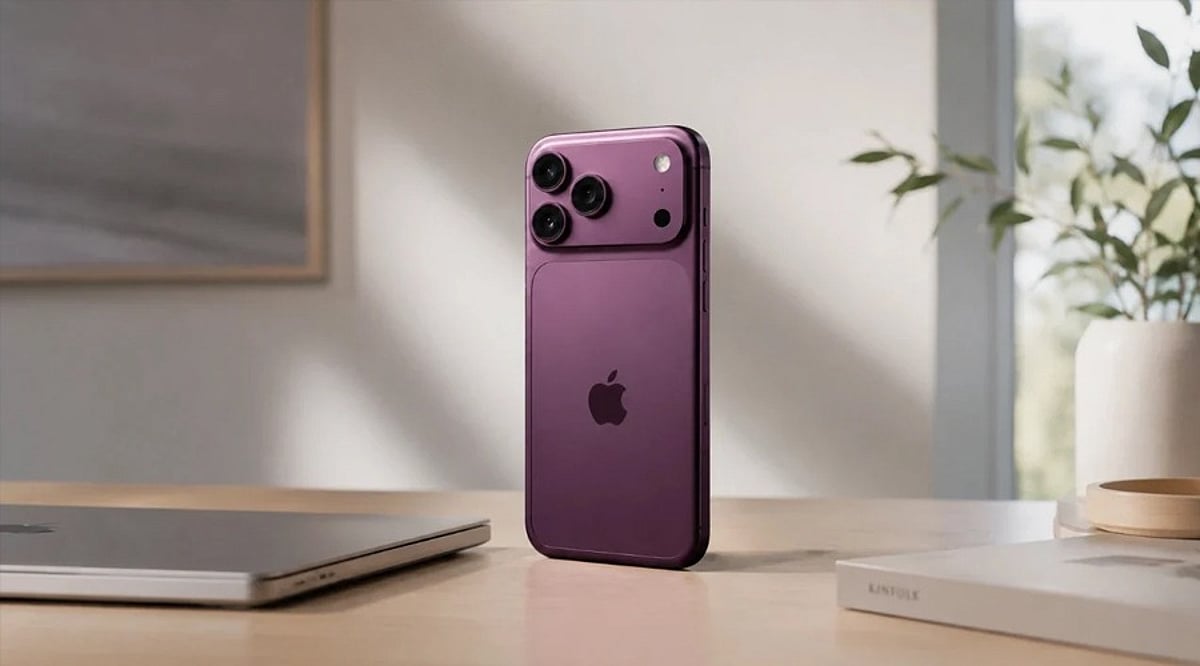
    Apple has officially trimmed its product lineup following the launch of the iPhone 18 Pro series on September 9. The company removed six older devices from its official roster, spanning iPhones, Apple Watch models, and AirPods, as part of its annual hardware refresh.

    Which Apple devices were discontinued?

    The newly discontinued products include:

    • iPhone 17 Pro
    • iPhone 17 Pro Max
    • Apple Watch Series 11
    • Apple Watch Ultra 3
    • Apple Watch SE 2
    • AirPods 4

    These models have been replaced by newer versions in Apple’s lineup: the Apple Watch Series 12, Apple Watch Ultra 4, Apple Watch SE 3, and AirPods 5. Apple’s strategy is to simplify its product range and give the latest hardware more prominence in stores.

    What this means for buyers

    While the discontinued devices are no longer listed on Apple’s official store, third-party retailers may still have remaining inventory. Shoppers looking for older Pro iPhones or Apple Watch models could see short-term discounts as sellers clear out stock ahead of the new generation’s dominance.

    iPhone 18 Pro pricing and features

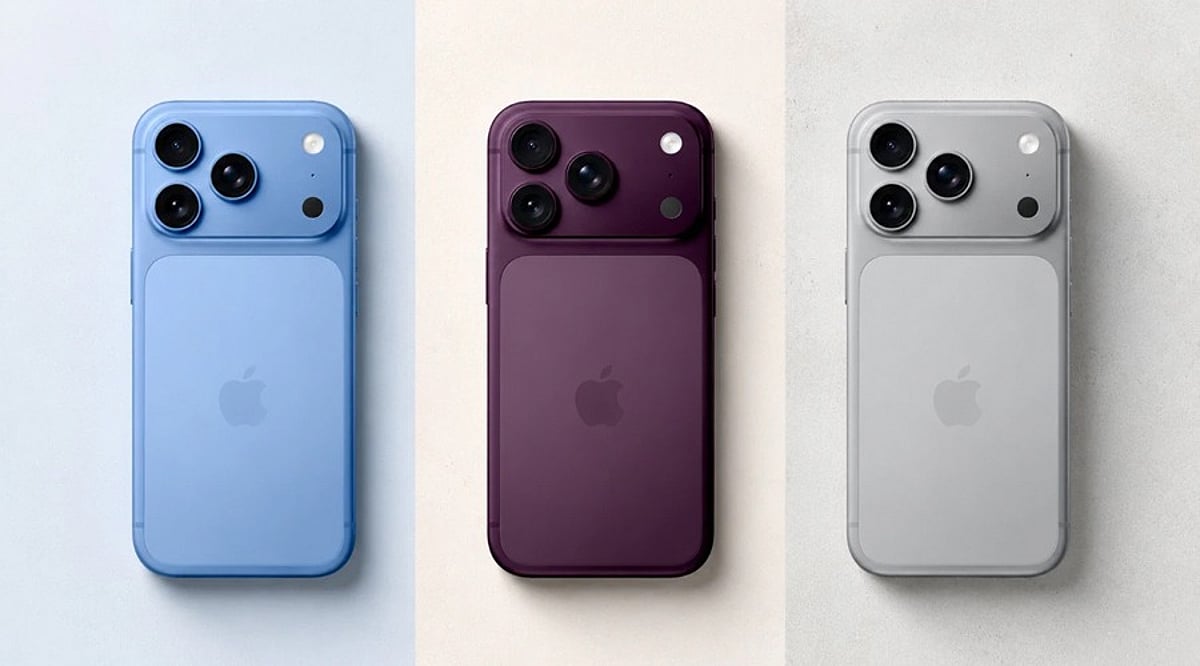
    In India, the iPhone 18 Pro starts at Rs. 1,64,900, while the iPhone 18 Pro Max starts at Rs. 1,79,900. Both models include the new A20 Pro chip, a variable aperture camera, and Apple’s C2 modem. The standard iPhone 17 remains available as a lower-priced flagship option, since Apple did not announce a regular iPhone 18 at the September event. Reports suggest it may arrive in spring 2027.

    AirPods 5 upgrades

    Alongside the hardware refresh, Apple’s new AirPods 5 bring improved noise cancellation, Live Translation support, and Siri AI features compared with the outgoing AirPods 4.

    Support continues for older devices

    Being discontinued does not mean these products are immediately obsolete. Existing units will continue to receive software updates and repair support from Apple even after leaving the sales lineup.

  • Apple Faces Photoshop Allegations Over iPhone Duo Promotional Image: Fingers Appear Unusually Long

    Apple Faces Photoshop Allegations Over iPhone Duo Promotional Image: Fingers Appear Unusually Long

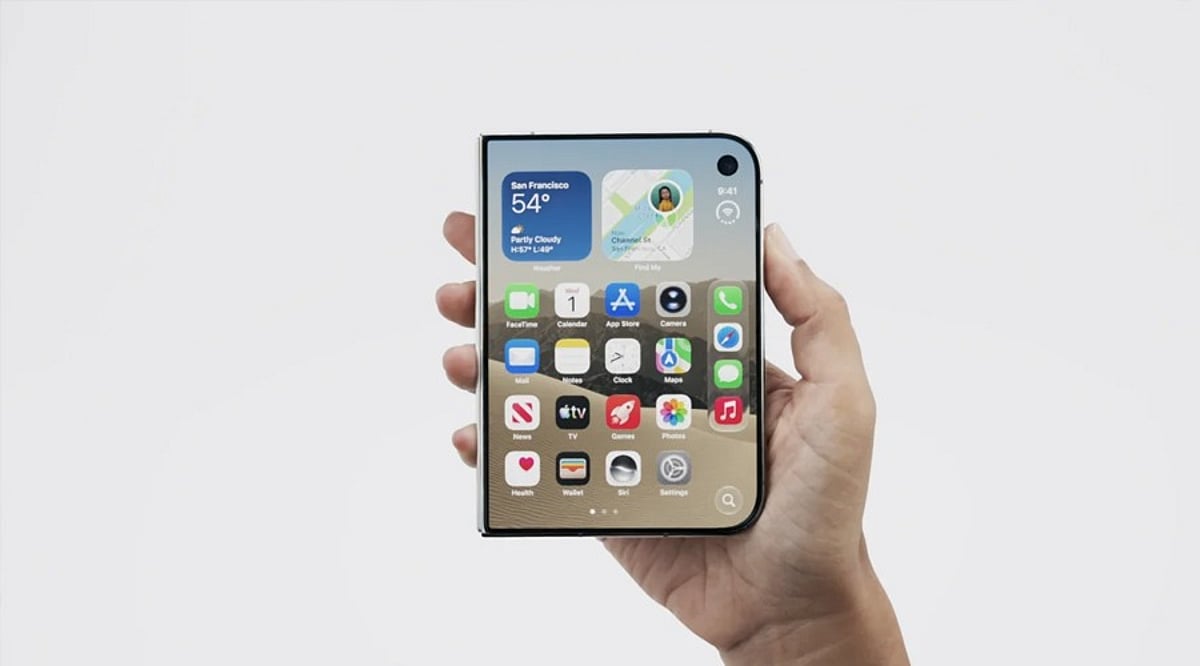
    Apple’s first foldable iPhone, the iPhone Duo, has come under scrutiny just a day after its unveiling. A promotional image showing the large foldable phone held in one hand has sparked a social media debate over whether the image was digitally altered.

    The iPhone Duo launched in India starting at Rs. 2,99,900. It unfolds to a 7.6-inch screen and replaces Face ID with Touch ID.

    Why the iPhone Duo Image Sparked Debate

    The controversy began after an image from Apple’s promotional campaign started circulating on social media. The photograph shows the unfolded iPhone Duo being held in one hand.

    An X user digitally removed the phone from the original image and shared the resulting picture online. With the device removed, the person’s fingers appeared unusually long. The image quickly sparked memes and speculation that Apple digitally altered the hand to make the foldable phone appear easier to hold.

    However, these claims remain unverified. The available evidence does not establish that Apple intentionally altered the hand or elongated the fingers in the promotional image.

    Camera Perspective Could Explain Unusual Proportions

    The hand’s appearance does not necessarily prove image manipulation. Product photography can alter how objects and body parts appear depending on the camera angle, lens distortion, perspective, lighting, and positioning.

    Cropping or digitally isolating part of an original photograph can also make proportions look different from the complete image. These factors could explain why the fingers appear unusually long once the phone is removed.

    The iPhone Duo’s large unfolded form also makes perspective important, as Apple seeks to present both its sizeable display and its ability to function as a handheld device.

    Apple Yet to Respond

    Apple has not publicly commented on the specific Photoshop claims surrounding the promotional image.

    Commercial product photography routinely involves post-production, including adjustments to lighting, color, and framing. But no concrete evidence currently shows that Apple deliberately changed the hand in this image.

    For now, the Photoshop claim remains a social media theory. The question of how practical the iPhone Duo feels in one-handed use will become clearer once reviewers and customers get hands-on experience with the device.

  • iPhone 18 Pro India: How to Save with No-Cost EMI, Cashback, and Trade-In Deals

    iPhone 18 Pro India: How to Save with No-Cost EMI, Cashback, and Trade-In Deals

    Apple has opened the iPhone 18 Pro purchase window in India with a range of financing options starting September 12. The iPhone 18 Pro starts at Rs. 1,64,900 for the 256GB model, while the Pro Max begins at Rs. 1,79,900. Buyers can reduce the upfront cost through a six-month no-cost EMI plan, eligible bank cashback, and trade-in credits. Sales officially begin on September 18 across Apple’s online and retail channels in India.

    The biggest savings come from combining no-cost EMI with cashback and a trade-in. Apple offers up to Rs. 7,000 instant cashback via select cards from American Express, Axis Bank, and ICICI Bank. Eligible customers can also receive trade-in credit worth up to Rs. 81,500, depending on the device and its condition.

    No-cost EMI does not mean banks simply waive interest. Banks calculate interest as usual, but the merchant or bank offsets that cost through an upfront discount. This keeps the repayment amount close to the discounted purchase price.

    For the 256GB iPhone 18 Pro, a six-month no-cost EMI works out to roughly Rs. 27,483 per month. A Rs. 7,000 cashback can bring the effective price down to Rs. 1,57,900, making the monthly installment about Rs. 26,317 across six months.

    Standard EMI plans tell a different story for those seeking longer repayment periods. Indicative interest rates around 15.99% can significantly raise the total cost over longer tenures. A 12-month plan may show a monthly payment near Rs. 14,961, but the overall repayment reaches roughly Rs. 1,79,532. While the lower monthly payment looks attractive, the longer tenure adds a meaningful financing cost. Buyers should compare the total repayment rather than focusing only on monthly affordability.

    Trade-in offers can create another major reduction. Apple currently advertises credit of up to Rs. 81,500, though the final value depends on the old phone’s model and condition. A strong financing strategy combines an eligible bank offer with trade-in credit and no-cost EMI. This approach lowers the amount financed while avoiding the higher interest costs of extended EMI plans.

    Bank offers can vary across cards and transactions, so the advertised Rs. 7,000 cashback does not guarantee the same benefit for every buyer. The final checkout amount, eligible tenure, and trade-in value should determine the purchase decision.