Blog

  • AI Chips Demystified: How GPUs, NPUs, and TPUs Power Modern Machine Learning

    AI Chips Demystified: How GPUs, NPUs, and TPUs Power Modern Machine Learning

    Every major AI breakthrough begins with computing power. As models grow larger, traditional processors face mounting pressure, pushing specialized AI chips into the spotlight. Three chip types lead this shift: GPUs, TPUs, and NPUs. While the central processor still coordinates the system—scheduling tasks and managing data—the heavy computation has moved elsewhere.

    GPU vs. TPU vs. NPU: What Each Does Best

    A GPU (graphics processing unit) was originally built to render images by running thousands of similar calculations simultaneously. That parallel structure suits neural network math perfectly, making GPUs the default engine for AI training across research labs and data centers. Mature software ecosystems such as CUDA, ROCm, and TensorFlow reinforce this position, giving developers stable tools to build on.

    A TPU (Tensor Processing Unit) is not a general hardware category—it is Google’s proprietary accelerator built around systolic arrays that execute tensor operations. These are mathematical calculations on multidimensional arrays that neural networks use to process and learn from data. TPUs mainly power AI workloads inside Google’s cloud infrastructure and its supported frameworks, handling tensor-heavy tasks more efficiently than general-purpose processors.

    An NPU (neural processing unit) is often mistaken for a single product, but it is actually a category of low-power AI processors that chipmakers including Qualcomm, Apple, Intel, AMD, and MediaTek build into phones, laptops, and edge devices. Each company designs its own version, but all share the same goal: running AI features locally without draining battery life or sending data to a server.

    Training vs. Inference: The Core Distinction

    The clearest way to separate these chips is by what they are built to do. GPUs favor flexibility—thousands of general-purpose cores and broad framework compatibility make them the default choice for training large models, where workloads shift constantly.

    TPUs trade that flexibility for efficiency within a narrower lane. Their systolic array design accelerates tensor-heavy training and high-throughput inference but only reaches its full advantage inside Google’s ecosystem. Outside that environment, the efficiency gap narrows.

    NPUs optimize for a third priority: low-power, real-time inference. A phone running a camera effect or a voice assistant does not need to train anything. It needs a fast, efficient response to a model trained elsewhere—often on GPUs or TPUs. Precision drops accordingly. NPUs lean on compressed, lower-precision formats that would be unacceptable for training but work well for inference on-device.

    Where Each Chip Shows Up

    Many AI applications lean on CPUs, GPUs, and NPUs together rather than a single processor. Cloud models typically run on GPUs or TPUs, while NPUs handle supported AI features directly on compatible user devices.

    How AI Systems Actually Combine These Chips

    Production AI rarely runs on a single chip type. A large training run typically pairs a central processor with a cluster of GPUs. Sometimes TPUs handle the parallel math while the CPU manages data pipelines and scheduling. An inference server deployed after training often adds a dedicated accelerator layer alongside the CPU and GPU to handle high request volumes efficiently.

    The pattern repeats at the edge. A modern laptop built for AI features runs a CPU, GPU, and NPU together, each handling a different slice of the work: the CPU for general tasks, the GPU for heavier computation, and the NPU for background AI features that need to stay fast and power-efficient. Smartphones follow the same layered design.

    The chip that trained a model is rarely the chip that runs it for the end user. That handoff explains more about real-world AI performance than picking a single winner among GPU, TPU, and NPU ever could.

    How to Choose the Right AI Chip

    Teams that need broad framework support and maximum flexibility still default to GPUs. Organizations already committed to Google Cloud and training tensor-heavy models at scale can gain real cost and throughput advantages from TPUs. Products that run AI features directly on user devices depend most on NPUs, since they preserve battery life and keep responses fast.

    Software maturity—including driver quality and framework integration—often shapes real-world performance as much as raw specifications. Many teams end up using all three: GPUs or TPUs to train and NPUs to deploy.

    Final Thoughts

    AI hardware is moving toward specialization rather than converging around a single processor. Future systems will lean on CPUs, GPUs, TPUs, NPUs, and emerging custom accelerators working together, each tuned for a specific stage of the pipeline. The real advantage ahead will come less from raw computing power and more from how efficiently these processors divide the work between them.

    Frequently Asked Questions

    1. What is the main difference between a GPU, NPU, and TPU?
    A GPU is a versatile processor designed for parallel computing and widely used for AI training and inference. An NPU is optimized for low-power, on-device AI tasks, while a TPU is a specialized accelerator built by Google for efficient tensor computations in large-scale deep learning workloads.

    2. Which AI chip is best for training machine learning models?
    GPUs are the most common choice for training machine learning and deep learning models since they offer high parallel processing capabilities, broad software support, and flexibility across various AI frameworks. TPUs are also highly effective for large-scale training in supported cloud environments.

    3. Why do smartphones and laptops include NPUs?
    NPUs enable AI features such as image enhancement, speech recognition, real-time translation, and on-device AI assistants while consuming less power than CPUs or GPUs. This improves performance, reduces latency, and helps extend battery life.

    4. Can the same AI model run on a GPU, NPU, and TPU?
    Yes. Most AI models can run on all three types of accelerators, but they often require different software frameworks, runtimes, or optimizations such as quantization or model conversion to achieve the best performance on each platform.

    5. Will NPUs and TPUs replace GPUs in AI computing?
    Not entirely. GPUs remain the most flexible and widely used AI accelerators for training and many inference workloads. NPUs and TPUs complement GPUs by handling specialized tasks such as power-efficient edge AI and large-scale tensor processing in cloud environments.


  • Top AI Certifications to Boost Your Data Science and Machine Learning Career in 2026

    Top AI Certifications to Boost Your Data Science and Machine Learning Career in 2026

    Whether you are a beginner or an experienced professional, earning a recognized AI certification can help you build practical data science and machine learning skills, strengthen your resume, and prepare for high-demand AI careers. With the rapid adoption of AI across industries, companies are actively seeking professionals who can analyze data, improve customer service, and drive better decision-making. Fortunately, you no longer need years of formal education—many high-quality online courses now offer foundational and advanced AI training in just weeks or months.

    In recent years, Google, IBM, Amazon, Microsoft, and other reputable institutions have launched AI and machine learning courses tailored to different skill levels. Some are ideal for beginners, while others are designed for professionals looking to deepen their expertise. Below, we highlight some of the best AI certifications to consider if you want to build a career in data science or machine learning.

    AI Foundations for Everyone Specialization

    Provider: IBM
    Duration: 4 Weeks
    Fee: Free

    This course is designed for people who want to understand AI without diving into programming. It uses practical examples rather than technical jargon. You will learn how AI is transforming workplaces, what responsible AI means, and how machine learning improves everyday tasks. It is an excellent choice for business professionals, students, and managers seeking a foundational understanding of AI.

    Fundamentals of Machine Learning and Artificial Intelligence

    Provider: Amazon AWS
    Duration: Approximately 1 hour
    Fee: N/A

    This short course is for learners with some prior knowledge who want to dive deeper into machine learning concepts. It covers supervised learning, data preparation, and model testing with practical exercises. It is a solid stepping stone for anyone planning to enter data science or machine learning.

    IBM Data Science Professional Certificate

    Provider: IBM
    Duration: Approximately 4 Months
    Fee: Free

    This advanced certification is for learners who already have a grasp of AI fundamentals. It teaches the latest practical skills data scientists use daily, including Python, SQL, and other essential tools and languages. Completing this course will prepare you for real-world data science roles.

    Microsoft AI & ML Engineering Professional Certificate

    Provider: Microsoft
    Duration: Approximately 6 Months
    Fee: N/A

    This certificate is ideal for learners seeking technical depth. Over six months, it covers Python, Azure AI services, machine learning, and model deployment. The program emphasizes hands-on projects that simulate real workplace scenarios, giving you valuable experience for AI and machine learning job applications.

    Data Science Specialization

    Provider: Johns Hopkins University
    Duration: Approximately 7 Months
    Fee: Free

    This comprehensive course is essential for aspiring data scientists with long-term career goals. Over seven months, you will learn to use R for data cleaning, analysis, and visualization; manage projects with GitHub; and perform regression analysis, least squares, and inference. By the end, you will master data manipulation, statistical analysis, data visualization, version control, and regression analysis.

    Which Course Should You Pick?

    The right certification depends on your current skill level. If you are a complete beginner, start with AI Foundations for Everyone to build a solid base without technical prerequisites. If you already have some programming knowledge and want to specialize in machine learning, Fundamentals of Machine Learning and Artificial Intelligence is a logical next step. For experienced data science professionals aiming to advance their careers, Data Science Specialization offers deep project management and analytical skills.

    Final Thoughts

    Mastering AI takes time and practice, but the right certification gives you a strong start and a clear learning path. The courses listed above cover different aspects of AI—from foundational concepts to practical development. Choose one that matches your current skills rather than simply picking the longest or most popular option. With dedication and the right certification, you can unlock exciting opportunities in data science and machine learning.

  • Key Executive AI Skills That Future Business Leaders Must Master

    Key Executive AI Skills That Future Business Leaders Must Master

    Why Executive AI Skills Are Now Essential

    Artificial intelligence is no longer confined to IT departments—it has become a boardroom priority. As businesses integrate AI into strategy, operations, customer experience, and growth, the skill set required from executives is rapidly evolving. Tomorrow’s leaders will be measured not only by financial acumen but also by their ability to leverage AI for innovation and manage technological change effectively.

    Strategic Thinking with AI

    The most effective executives view AI as a strategic growth tool, not just a software product. This involves identifying high-value use cases, aligning AI initiatives with organizational goals, prioritizing investments for maximum ROI, and ensuring that technology delivers a sustainable competitive advantage rather than becoming a costly experiment.

    AI Literacy

    Executives don’t need to code neural networks, but they must understand key AI concepts such as generative AI, predictive analytics, automation, and model limitations. This awareness enables them to ask better questions and make more informed decisions, even without deep technical expertise.

    Making Decisions with AI

    Many companies now use AI to analyze data for strategic decisions. Combining analytical insights with industry experience helps executives spot opportunities, anticipate customer needs, optimize pricing, and improve operational efficiency.

    Ethical AI Governance

    While AI offers tremendous opportunities, it also raises issues around privacy, security, bias, intellectual property, and regulation. Future leaders must develop governance frameworks that ensure ethical application of AI, building trust and minimizing risk.

    Humans and AI Working Together

    AI will not replace humans; the future workplace depends on collaboration. Leaders should redesign workflows so that AI handles routine tasks while humans focus on innovation, creativity, and relationship-building.

    Change Management with AI

    Most technology failures stem not from the technology itself but from resistance to change. Executives must clearly communicate the purpose of AI, address employee concerns, implement reskilling programs, and foster an experimental culture.

    AI Communication Skills

    An executive’s ability to articulate the benefits of AI—both inside and outside the organization—is as critical as their strategic knowledge. Clear communication builds buy-in and drives adoption.

    Continuous AI Learning

    AI evolves faster than most business technologies. Future-proof executives must stay updated on the latest advancements and adapt their strategies to leverage emerging opportunities.

    Business Benefits at a Glance

    • Informed decision-making
    • Improved business efficiency
    • Effective risk management
    • Enhanced innovation
    • Sustainable competitive advantage

    Bottom Line

    Being knowledgeable about AI alone is no longer sufficient for leadership. AI is becoming an integral part of executive capability. Those who combine business vision with AI expertise and a commitment to continuous learning will be best prepared for the future.

    FAQs

    1. Why should executives learn AI skills?
      Executives with AI skills make informed decisions, improve business efficiency, manage risks effectively, and drive innovation across their organizations successfully.
    2. Do business leaders need technical AI expertise?
      No. Executives need AI literacy, strategic understanding, and decision-making capabilities rather than deep programming or machine learning expertise.
    3. What is the most important executive AI skill?
      AI strategic thinking is crucial because it aligns technology investments with business objectives, ensuring measurable value and sustainable competitive advantage.
    4. How does AI improve executive decision-making?
      AI analyzes vast datasets, identifies trends, predicts outcomes, and provides actionable insights, enabling executives to make faster, smarter business decisions.
    5. Why is responsible AI governance important for businesses?
      Responsible AI governance minimizes bias, protects data privacy, ensures regulatory compliance, builds customer trust, and safeguards organizational reputation and growth.
  • Dow Rises Over 300 Points as Oil Retreats on Renewed Iran-US Peace Diplomacy Hopes

    Dow Rises Over 300 Points as Oil Retreats on Renewed Iran-US Peace Diplomacy Hopes

    The Dow Jones Industrial Average surged more than 300 points on Friday as oil prices tumbled following reports that Pakistan may mediate renewed talks between the United States and Iran. The S&P 500 also advanced, while the NASDAQ remained under pressure due to declines in semiconductor stocks.

    Oil Retreat Fuels Market Optimism

    The Dow gained approximately 0.7%, buoyed by a roughly 3% rise in Apple shares. The S&P 500 added around 0.6%, while the NASDAQ struggled to hold gains as chip stocks slid. Brent crude fell more than 4% to trade near $95 per barrel after surpassing $100 earlier in the week. West Texas Intermediate also dropped about 4% to above $88. Lower oil prices alleviated concerns over inflation, transportation costs, and corporate expenses.

    Pakistan Explores Peace Talks Mediation

    According to Reuters, Pakistan is exploring a path to restart stalled negotiations between the U.S. and Iran. Three Pakistani sources indicated that China initiated the diplomatic effort. Pakistani officials discussed the plan with Iranian representatives during recent meetings. However, the sources noted that “obstacles to any talks with the US remain high.” China has significant trade and energy interests in the Gulf, and Pakistan maintains close ties with Beijing, Saudi Arabia, and Iran, complicating its potential mediator role.

    Geopolitical Risks Drive Oil Volatility

    Oil had climbed above $100 earlier amid ongoing conflict in the region, raising fears of supply disruptions across the Gulf and Red Sea. U.S. strikes on Iranian targets and attacks linked to Iran-backed groups kept energy traders focused on shipping routes and production risks. The Strait of Hormuz remains a major concern for China and other large oil buyers, as any disruption could restrict crude shipments and drive up global energy costs. Friday’s diplomatic report eased some of those fears, prompting traders to sell oil futures.

    Chip Sector Caps Broader Gains

    Semiconductor stocks declined even as the Dow and S&P 500 rose. Intel dropped about 3% after initially gaining on better-than-expected results. Broadcom and Advanced Micro Devices each lost roughly 2%, while Micron Technology fell about 5%. The Philadelphia Semiconductor Index declined more than 3% in early trading. Investors continue to question the pace of artificial intelligence spending after Alphabet and Tesla reported higher capital costs and cash usage. The cautious tone set the stage ahead of earnings from Microsoft, Amazon, and Meta.

    Corporate Moves and Sector Rotation

    Verizon advanced after raising its annual forecasts for adjusted profit and free cash flow. Real estate and communication services led gains in the S&P 500 as investors rotated into sectors less exposed to chip weakness. Citi raised price targets for Dell and Hewlett Packard Enterprise, with analyst Asiya Merchant maintaining buy ratings on both, citing demand for servers, networking equipment, and AI infrastructure. Citi lifted its HPE target to $74 from $70, implying about 55% upside from Thursday’s close.

    Fed Policy and Tariffs Add to Uncertainty

    Investors also assessed new U.S. tariffs of 10% and 12.5% on goods from 60 trading partners, linked to weak enforcement of forced-labor restrictions. The new duties followed the expiration of a temporary 10% global tariff. The Federal Reserve meets next week, with markets weighing inflation risks from energy costs. Futures pricing indicates about a one-in-three chance of an interest rate hike, up from 12% a week earlier. Fed Chairman Kevin Warsh has maintained the central bank’s focus on price stability and employment.

    Despite Friday’s gains, the Dow and S&P 500 are on track for small weekly losses. The NASDAQ is headed for a decline of more than 1%, as technology weakness offsets the relief from lower oil prices.

  • Best Long-Lasting Headphones for Travel, Work, and Gaming in 2026

    Best Long-Lasting Headphones for Travel, Work, and Gaming in 2026

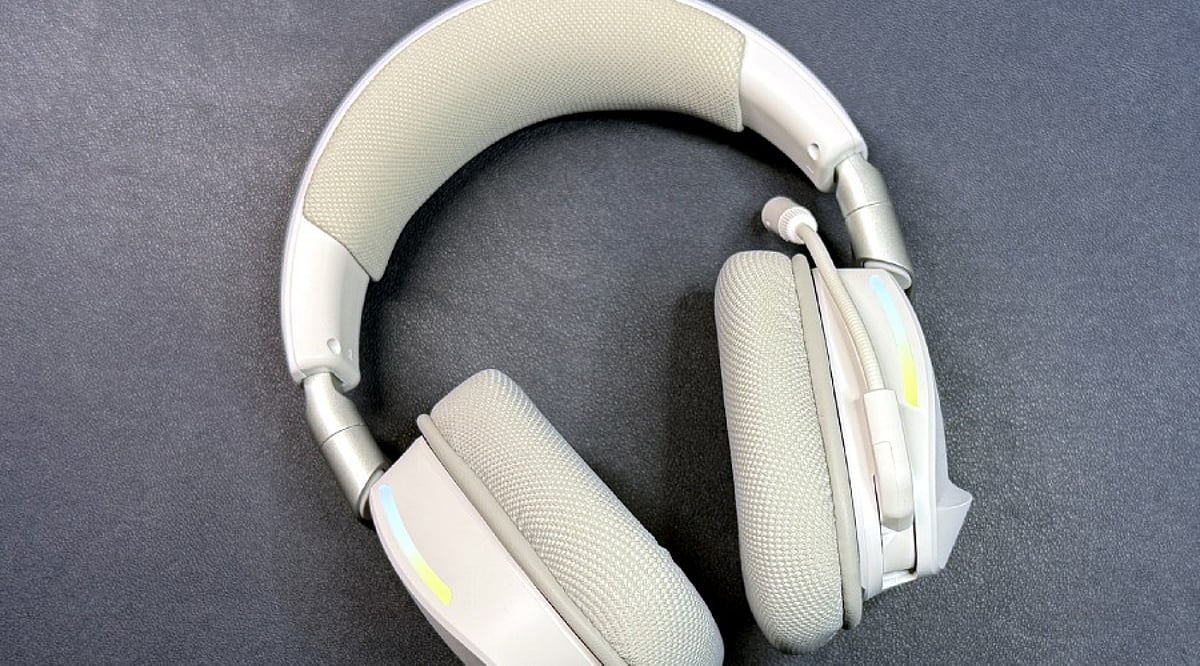
    Battery life has become a critical factor when choosing wireless headphones. Whether you’re on a long flight, in back-to-back work meetings, or deep into a gaming session, the last thing you want is your headphones dying unexpectedly. This guide highlights the top models with exceptional battery performance, explains what affects battery life, and helps you pick the right pair for your needs.

    Why Battery Life Matters

    Modern headphones are used for hours at a time—throughout the workday, during commutes, at the gym, and for entertainment. A headset that lasts only 15 hours requires constant recharging, which is inconvenient. Here’s a quick benchmark:

    • 20–30 hours: average for modern wireless headphones
    • 40+ hours: strong performance, especially with ANC enabled
    • 60–100+ hours: elite endurance

    Note that manufacturers often advertise ‘total playtime’ including the charging case. Always check continuous playtime on a single charge before buying.

    Top Picks for Travel

    Travel headphones need robust battery life even with active noise cancellation (ANC) turned on, as ANC drains power faster.

    Sony WH-1000XM6

    Around 37+ hours with ANC active. Offers class-leading noise cancellation and high-quality audio codecs. A reliable all-rounder for frequent flyers.

    Sennheiser Momentum 4 Wireless

    Rated at 60 hours. Ideal for audiophiles who want exceptional sound without sacrificing endurance.

    Skullcandy Hesh 360 Wireless

    Claims up to 100 hours, making it one of the longest-lasting over-ear options available.

    Soundcore Space A40

    Budget-friendly earbuds with roughly 50 hours total (buds + case). Lightweight and perfect for full travel days.

    Top Picks for Work

    Work headphones must handle calls, meetings, and background music throughout an eight-hour day or more.

    Anker Soundcore Space One

    Around 55 hours. Priced affordably for those who want strong battery life without a premium cost.

    DALI IO-4

    Praised for battery performance, comfort, and sound quality. Great for all-day wear.

    Bose QuietComfort Headphones

    Roughly 24 hours per charge. Excellent microphone performance for calls, though battery life is lower than competitors.

    Top Picks for Gaming

    Gaming sessions can last for hours. A headset dying mid-match is frustrating.

    HyperX Cloud Alpha Wireless

    The current battery champion with an extraordinary 300 hours on a single charge.

    HyperX Cloud III S Wireless

    Balanced choice with dual wireless connectivity and roughly 120 hours of playtime.

    SteelSeries Arctis Nova 3X

    Around 40 hours with a fast 15-minute quick-charge feature for last-minute sessions.

    Comparison Table

    Model Battery Life Best For
    Sony WH-1000XM6 37+ hours (ANC on) Travel
    Sennheiser Momentum 4 60 hours Travel/Audio
    Skullcandy Hesh 360 100 hours Travel
    Soundcore Space A40 50 hours (total) Travel
    Anker Soundcore Space One 55 hours Work
    DALI IO-4 ~50 hours Work
    Bose QC 24 hours Work/Calls
    HyperX Cloud Alpha Wireless 300 hours Gaming
    HyperX Cloud III S 120 hours Gaming
    SteelSeries Arctis Nova 3X 40 hours Gaming

    What Affects Battery Life

    Several factors influence real-world battery performance beyond the advertised number:

    • Active Noise Cancellation (ANC): Drains continuous power, typically reducing battery life by 10–20 hours.
    • Volume level: Higher volume consumes more power.
    • Bluetooth version: Newer versions (5.0+) manage power more efficiently.
    • Codec choice: High-resolution codecs like LDAC use more energy than SBC or AAC.
    • Extra features: Spatial audio, EQ customization, and companion apps add small drains.

    Final Thoughts

    Choosing headphones with strong battery life is about reliability as much as convenience. Align the rated battery life with your typical usage—whether that’s a transoceanic flight, a full workday of calls, or a weekend gaming marathon. Don’t just chase the highest number; consider how you’ll actually use the headphones.

    FAQs

    Which headphones have the longest battery life?

    The HyperX Cloud Alpha Wireless offers up to 300 hours on a single charge, designed for extended gaming sessions.

    How much battery life is good for wireless headphones?

    30 hours is suitable for regular use. Models with 40 hours or more provide stronger endurance for travelers and professionals.

    Do noise-cancelling headphones drain battery faster?

    Yes, ANC uses additional power. Check real-world battery ratings with ANC enabled.

    Which headphones are best for long flights?

    Sony WH-1000XM6 and Sennheiser Momentum 4 Wireless combine extended battery life, comfort, and effective noise cancellation.

    Are gaming headphones with long battery life worth buying?

    Yes, if you play for hours. Models like HyperX Cloud Alpha Wireless reduce charging interruptions.

  • How to Check Who Shared Your Facebook Post: A Step-by-Step Guide

    How to Check Who Shared Your Facebook Post: A Step-by-Step Guide

    Ever wondered who shared your Facebook post? While Facebook doesn’t offer a direct “see all shares” button for every post, there are several ways to find out. Here’s how to check who shared your content while respecting user privacy settings.

    Check Public Shares

    Open your post and tap or click the share count displayed beneath it. Facebook will show you public shares that you can access directly. This is the quickest way to see visible shares.

    Understand Privacy Limits

    Facebook only displays shares you have permission to view. Private posts or shares restricted to specific audiences remain hidden from you. This is by design to protect user privacy.

    Open the Original Post

    Visit the original post on your timeline. The share count and any available public shares are displayed there clearly, making it easy to review.

    Click the Share Count

    Selecting the share number beneath your post opens a list of visible shares. What you see depends on each user’s privacy settings.

    Review Public Profiles

    You can view shares made by public profiles or pages. Personal accounts with private settings will always remain inaccessible.

    Check Facebook Notifications

    Notifications may occasionally show when someone shares your content, especially if the share generates interactions later. Keep an eye on your notification feed.

    Search Your Post

    Copy a unique sentence from your post and search Facebook. Public reposts that appear in search results can be found this way.

    View Insights for Pages

    If you manage a Facebook Page, Meta Business tools provide additional sharing insights and engagement statistics for published posts. This is the most powerful option for page owners.

    Respect User Privacy

    Facebook intentionally restricts access to private shares, ensuring users maintain control over who can view their shared content. Always respect these boundaries.

  • Top Smart Air Fryers with App Control: Wi-Fi, Voice, and AI Features Compared

    Top Smart Air Fryers with App Control: Wi-Fi, Voice, and AI Features Compared

    Smart air fryers are revolutionizing home cooking by combining convenience with connectivity. With Wi-Fi, app control, and voice assistant support, these appliances let you monitor, adjust, and perfect meals from anywhere. Here are the best smart air fryers with app control available today.

    COSORI Dual Blaze Smart Air Fryer

    Offers Wi-Fi connectivity, app-based recipes, remote monitoring, and voice assistant support. Its Dual Blaze technology ensures even heating for consistent cooking results every time.

    Philips Connected Airfryer XXL

    Features the HomeID app with personalized recipes and remote controls. Rapid Air technology delivers crispy, healthy meals for the whole family with a large capacity.

    Ninja Pro Smart Air Fryer

    Combines smart cooking presets, app guidance, and quick crisping technology. Energy-efficient operation and user-friendly digital controls make it a top choice for everyday use.

    Instant Vortex Plus Smart

    Includes Wi-Fi connectivity, customizable cooking programs, and app notifications. EvenCrisp technology ensures even browning, with versatile functions for roasting, baking, and reheating.

    Proscenic T22 Smart Air Fryer

    Supports voice commands, remote scheduling, and online recipes. Customizable presets and efficient air circulation promote healthier everyday cooking.

    Xiaomi Smart Air Fryer 6.5L

    Integrates with the Xiaomi Home app for remote control and recipe suggestions. Voice assistant compatibility and a spacious 6.5L capacity make it ideal for families.

    Breville Joule Oven Air Fryer Pro

    Delivers app-guided cooking with automated temperature adjustments. Multifunction capabilities and premium build quality provide precise performance for enthusiasts.

    Typhur Dome Air Fryer

    Uses advanced app controls and an extra-large cooking space. Rapid airflow technology and intelligent presets help create restaurant-quality meals with minimal effort.

    Dreo ChefMaker Smart Air Fryer

    Features AI-assisted cooking with app connectivity and moisture control. Automatic adjustments and guided recipes ensure consistently flavorful home-cooked dishes.

  • NYT Wordle Puzzle #1861 for July 24, 2026: Hints, Answer, and Expert Tips

    NYT Wordle Puzzle #1861 for July 24, 2026: Hints, Answer, and Expert Tips

    Struggling with today’s NYT Wordle? The July 24, 2026 puzzle (number #1861) has a tricky five-letter word that might leave you guessing. Whether you’re aiming to protect your streak or just want a gentle nudge, our guide provides strategic hints, the final answer, and expert tips to improve your solving skills.

    Wordle Hints for July 24, 2026 (Puzzle #1861)

    Use these clues to narrow down the possibilities without spoiling the answer:

    • Vowel Count: 1 vowel and 1 semi-vowel
    • Consonant Count: 2 consonants
    • Repeated Letters: Yes, a letter appears twice
    • Letter Rarity: All letters are common
    • First Letter: P
    • Last Letter: Y
    • Bonus Hint: The word is a noun often associated with a short story and something enjoyed at parties and celebrations.

    Wordle Answer for July 24, 2026

    If the hints above haven’t revealed the word, here is the answer for puzzle #1861:

    PUTTY

    Putty is a versatile material used in glazing and sealing, and it’s also a term for a soft, malleable substance. In the context of the hint, it might relate to a story or a playful treat.

    Best Tips to Master Wordle

    Whether you’re a beginner or a seasoned player, these strategies can help you solve puzzles more efficiently:

    • Start with strong openers: Use words that contain common vowels and consonants (e.g., SLATE, CRANE) to gather maximum information.
    • Avoid early letter repeats: Unless you’re confident about their placement, avoid guessing words with repeated letters in your first few tries.
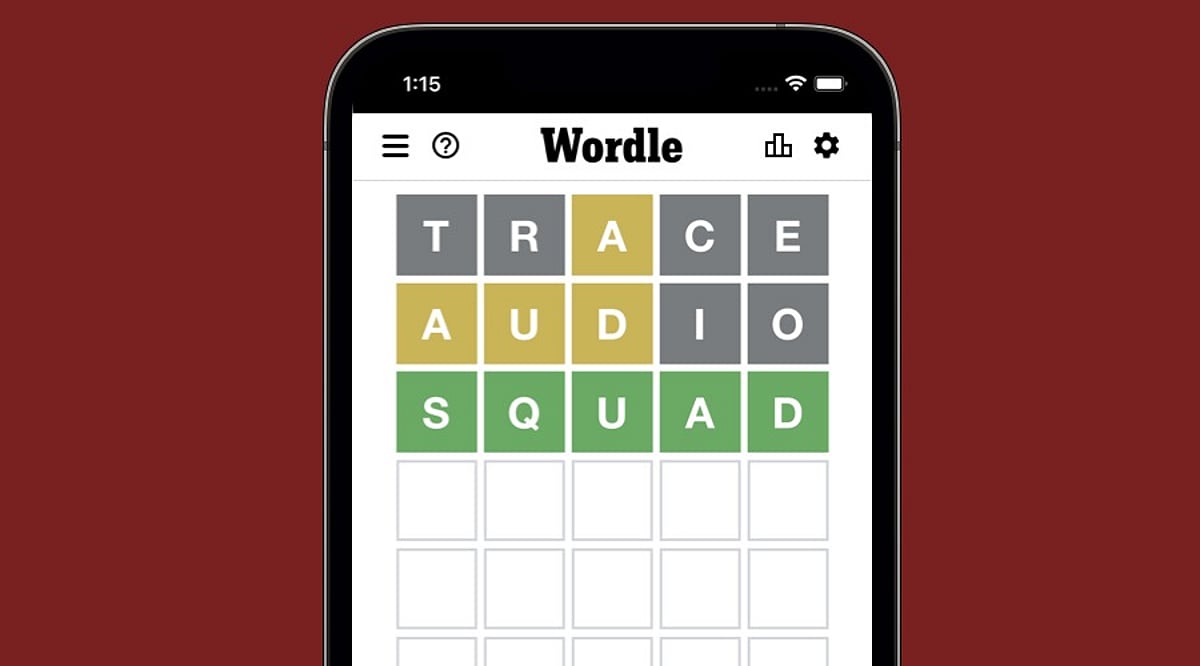
    • Use color feedback wisely: Green letters are correct and in the right spot; yellow letters belong in the word but need repositioning; gray letters are not in the word.
    • Eliminate possibilities: Each guess should help you rule out letters or positions, not just guess the answer.
    • Expand your vocabulary: Familiarity with less common five-letter words can give you an edge.

    Final Thoughts

    Wordle remains a daily mental workout that sharpens pattern recognition and vocabulary. The puzzle’s simplicity—a new word, an empty grid, and six attempts—keeps players coming back for more. Whether you solve it with your morning coffee or during a lunch break, every correct guess is a small victory. Keep your streak alive with our daily hints and answers.

    Also read: Best Wordle Tips to Boost Your Winning Streak

  • Essential Cybersecurity Podcasts for IT Professionals to Follow in 2026

    Essential Cybersecurity Podcasts for IT Professionals to Follow in 2026

    Staying ahead of cyber threats requires continuous learning. Podcasts offer an accessible way for IT professionals to deepen their knowledge of security trends, attack techniques, and defensive strategies. Here are nine highly recommended cybersecurity podcasts worth adding to your playlist in 2026.

    1. Darknet Diaries: Explores real cyberattacks, ethical hacking, digital espionage, and cybersecurity investigations through engaging storytelling and expert interviews with industry professionals.
    2. Smashing Security: Covers cybersecurity news, privacy issues, scams, malware, and emerging threats with practical insights presented through informative yet entertaining discussions.
    3. Security Now: Delivers weekly analysis of security vulnerabilities, encryption, operating systems, networking, and technology developments for IT professionals seeking deeper understanding.
    4. Risky Business: Focuses on enterprise security, cybercrime trends, threat intelligence, policy updates, and interviews with leading cybersecurity experts worldwide every week.
    5. The CyberWire Daily: Provides concise daily updates covering cyber incidents, ransomware attacks, government policies, and important developments affecting global cybersecurity landscapes.
    6. CISO Series Podcast: Features security leaders discussing leadership, governance, compliance, incident response, and practical strategies for strengthening enterprise cybersecurity programs effectively.
    7. Hacking Humans: Examines phishing attacks, social engineering, fraud tactics, and cybersecurity awareness through real-world examples and practical prevention advice for listeners.
    8. Paul’s Security Weekly: Covers penetration testing, security tools, vulnerability research, cloud security, and interviews with respected experts from the cybersecurity industry regularly.
    9. Defensive Security Podcast: Discusses defensive strategies, blue-team practices, security operations, incident response, and actionable advice for protecting modern enterprise infrastructure effectively.
  • Top 10 Nations Driving the Global Shift to a Cashless Economy

    Top 10 Nations Driving the Global Shift to a Cashless Economy

    As digital payments reshape global commerce, several countries are leading the transition away from physical cash. From mobile wallets to contactless infrastructure, these ten nations exemplify the future of financial transactions.

    Sweden: Leads cashless adoption through widespread digital payments, mobile banking, contactless transactions, and minimal dependence on physical currency across everyday commerce.

    China: Dominates mobile payments with super apps, QR-code transactions, fintech innovation, and extensive digital wallet usage across urban and rural markets.

    Singapore: Promotes seamless digital payments through government initiatives, contactless infrastructure, fintech growth, and strong consumer adoption across multiple payment platforms.

    South Korea: Combines advanced banking systems, digital wallets, government support, and extensive contactless payment acceptance throughout retail, transport, and online commerce.

    Norway: Maintains one of the world’s lowest cash usage rates with strong banking infrastructure, mobile payments, and secure digital financial services.

    Finland: Encourages digital banking, contactless cards, mobile wallets, and government-backed digital transformation, reducing dependence on cash across everyday transactions significantly.

    India: Experiences rapid digital payment growth through UPI, smartphone adoption, government initiatives, and expanding fintech services reaching millions of consumers nationwide.

    Netherlands: Supports widespread electronic payments, contactless banking, mobile apps, and digital financial services, making cash transactions increasingly uncommon across the country.

    Denmark: Advances cashless living through digital banking, mobile payment solutions, strong internet infrastructure, and high consumer trust in electronic financial transactions.