Blog

  • Microsoft’s Global Device Identifier (GDID) Tracks Windows Devices Across Networks

    Microsoft’s Global Device Identifier (GDID) Tracks Windows Devices Across Networks

    Microsoft uses a Global Device Identifier (GDID) to uniquely identify individual Windows installations across multiple services. The identifier recently drew public attention after FBI investigators used Microsoft records linked to GDID in a cybercrime investigation.

    According to a federal court filing, the GDID is a persistent, device-level identifier designed to uniquely identify an installation of a Windows operating system on a device. Each Windows installation—whether on a physical computer or virtual machine—receives a separate identifier.

    Microsoft generates the identifier on its servers and stores it locally in the Windows registry. Researchers report that the Passport identity service receives the number before the Connected Devices Platform registers it with Microsoft’s Device Directory Service.

    The GDID typically remains unchanged during Windows updates and common system changes. However, a full Windows reinstall creates a new GDID, though Microsoft may retain earlier records linked to the previous identifier.

    The identifier appears as a 64-bit value beginning with “g:” followed by a long number. Users can view the value stored on their computer through the Windows registry or a PowerShell command.

    How GDID Connects Activity Across Microsoft Services

    GDID supports several Windows and Microsoft services, including Windows activation, Microsoft Store purchases, app licensing, Phone Link, shared clipboard functions, device telemetry, and diagnostic information. Microsoft Edge can also connect enhanced diagnostic data to the identifier when users enable that setting, potentially including browser activity and browsing history.

    Microsoft’s public documentation provides few details about GDID. An Azure Monitor reference describes GlobalDeviceId as “Microsoft global device identifier” used internally by the company. Microsoft has not published a separate support page explaining its creation, retention period, or full use.

    Zerotrace Labs examined the system by replacing a device’s existing identifier during a controlled test. Their research found that several Windows components use GDID as part of Microsoft’s wider device identity system.

    FBI Uses Microsoft GDID Records in Hacker Case

    The identifier gained attention through the case against Peter Stokes, a 19-year-old dual US-Estonian citizen. US authorities accuse him of participating in a May 2025 cyberattack against a luxury jewelry retailer.

    Prosecutors claim attackers posed as company employees and contacted the retailer’s help desk, convincing staff to reset account credentials and multi-factor authentication controls. The group allegedly obtained at least 77GB of data and demanded about $8 million in cryptocurrency.

    According to the criminal complaint, the FBI obtained GDID records from Microsoft. Investigators said the same identifier accessed an ngrok registration page when the suspected attacker created an account and later connected to the victim’s website through the same VPN proxy.

    Authorities also linked the GDID to IP addresses in Tallinn, New York, and Thailand. Travel information and social media posts reportedly placed Stokes in those locations during the relevant periods.

    Stokes was arrested in Finland and later extradited to the United States. He faces charges related to conspiracy, computer intrusion, and fraud. The allegations have not been proven, and he is presumed innocent while the court case continues.

  • Steam Overhauls Gifting with Guest Checkout and Email Delivery

    Steam Overhauls Gifting with Guest Checkout and Email Delivery

    Valve has rolled out a significant update to Steam, introducing guest checkout, email-based gifting, and improved wishlist tools. The changes are designed to make buying and sending games much simpler for all users.

    The headline addition is guest checkout. Previously, only Steam account holders could purchase games for gifting. Now, anyone can buy a game as a gift without creating an account. Valve has also added email gifting, allowing buyers to send games directly to a recipient’s email address. Additional features include cross-region price adjustments and wishlist sharing tools, which are now rolling out.

    Steam Wishlists have also been upgraded. Users can organize games into custom categories and generate shareable, filtered links. Anyone who receives a link can open it and purchase the game directly, even if they are not connected as friends on Steam.

    Buying Games Is Now Much Easier

    The new system removes many previous steps. Sending a game no longer requires a Steam account or a friend list connection. Buyers can simply enter a recipient’s email address, streamlining the process for birthdays, holidays, and sales events.

    A Better Experience Could Mean More Game Sales

    These improvements may boost sales during major promotions, as the removal of account creation for gift purchases reduces friction. The updated wishlist also helps players track desired games during discounts. While the core selling model remains unchanged, the overall shopping experience has become smoother for both new and existing users.

  • How Agentic AI Transforms Customer Loyalty: Amresh Acharya on Proactive, Personalized Engagement

    How Agentic AI Transforms Customer Loyalty: Amresh Acharya on Proactive, Personalized Engagement

    Agentic AI is reshaping customer loyalty by enabling businesses to deliver personalized, proactive, and scalable experiences. Instead of focusing only on rewards, brands now build lasting relationships through intelligent, data-driven customer engagement.

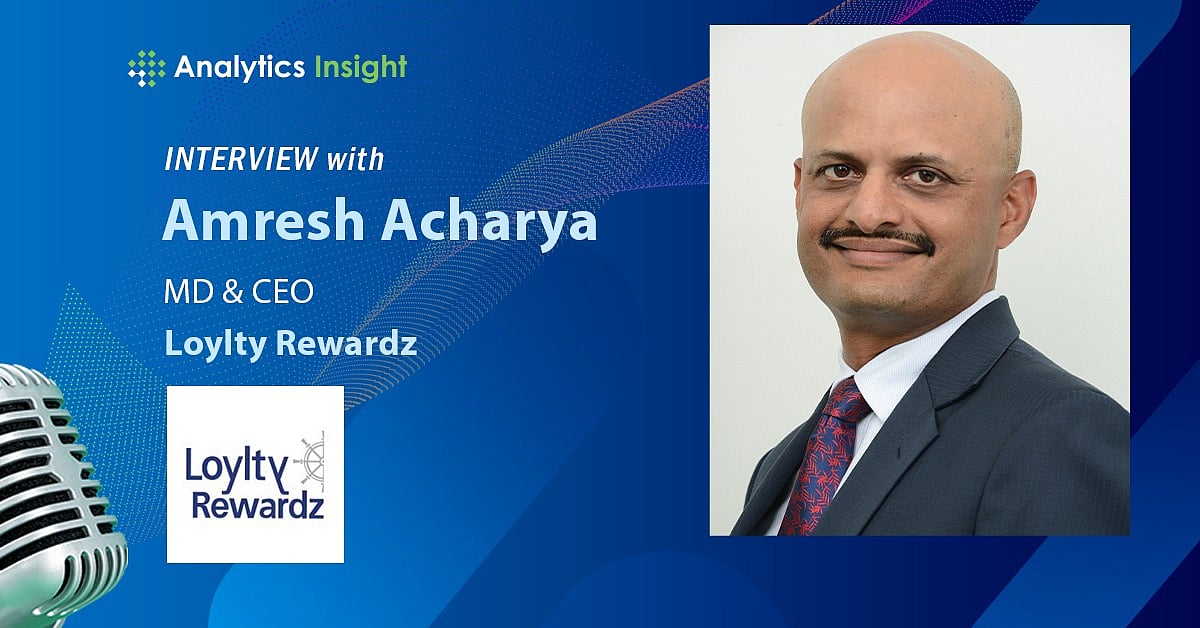
    In today’s episode of the Analytics Insight podcast, host Priya Dialani interviews Amresh Acharya, MD & CEO of Loyalty Rewardz, about how Agentic AI is revolutionizing customer engagement and loyalty. The episode features the evolving trend of companies going beyond conventional reward systems to engage customers using artificial intelligence solutions.

    Amresh provides information on how AI, machine learning, and data science can be used together to improve customer relationships and balance automation with human touch. He also sheds light on the importance of embracing responsible AI, customer data unification, and enterprise-level personalization to grow one’s business in the future. Here are the excerpts from the interview.

    What is Agentic AI and how does it benefit the customer experience?

    Unlike traditional AI, agentic AI does not simply answer customer queries. It understands context, predicts the customer’s future needs, and recommends services accordingly. Agentic AI will help brands provide more engaging experiences which do not come across as transactional.

    What does customer loyalty look like in the age of AI?

    The concept of loyalty has changed. Now customers expect to be understood by brands, remembered by them, and get customized services. Using artificial intelligence allows brands to develop relationships that motivate consumer loyalty.

    Is AI enough for a good customer experience?

    To some extent, AI-powered customer service can easily handle frequent queries that require quick answers. However, there are occasions when customers need help that cannot be provided by a machine and requires human assistance.

    Why is data critical to the success of AI-driven loyalty programs?

    AI performance is dependent upon the data it gets. Correct and correlated data about the customer helps firms understand their behaviors and preferences and personalize for them. Fragmented data prevents the AI from making any relevant suggestions for its customers.

    What do companies need to do before implementing Agentic AI?

    AI implementation starts with good data management, goal setting, and process design. Companies need to begin addressing customer challenges, have appropriate AI governance, and retain human involvement in critical decision-making processes.

  • How to Disable AI Data Sharing on Meta Apps: A Step-by-Step Guide

    How to Disable AI Data Sharing on Meta Apps: A Step-by-Step Guide

    Meta’s apps, including Facebook and Instagram, use artificial intelligence to power features like recommendations, moderation, and personalization. If you’re concerned about your data being used for AI training, you can adjust your settings to limit or remove AI data sharing. Follow this guide to take control of your privacy across Meta’s platforms.

    Step 1: Access Meta’s AI Privacy Settings

    Open the Meta app you use most, such as Facebook or Instagram. Navigate to the Settings menu and look for the Privacy Center or an AI-related section. Meta periodically updates these options, so the exact location may vary depending on the app version and your region.

    Step 2: Open the Privacy Center

    The Privacy Center consolidates many controls related to your account and personal information. From here, you can review how Meta uses your data across its services. Read each option carefully before making changes, as some settings affect how AI features work inside the apps.

    Step 3: Review AI Data Usage Options

    Find the section that explains how Meta AI may use your information. Depending on your location, you may see options to object to certain data processing or limit how your public information is used. Review every setting before submitting any request or preference.

    Step 4: Submit an Objection Request

    If your region supports it, Meta allows users to submit a request to object to AI training using their personal information. Complete the required form with accurate details and send it through the app or website. Meta may review the request before confirming any changes.

    Step 5: Limit Public Information Sharing

    Reduce the amount of public information available on your Facebook and Instagram profiles. Delete old public posts if needed, change future posts to Friends or Private, and review profile visibility. Less public content means less information that could potentially be available for AI systems.

    Step 6: Manage Connected App Permissions

    Check which third-party apps and websites are connected to your Meta account. Remove services you no longer use and revoke unnecessary permissions. This helps reduce the amount of personal information shared across platforms and improves your overall account privacy.

    Step 7: Keep Privacy Settings Updated

    Meta regularly changes its privacy tools and AI features. Review your account settings every few months to see if new controls have been added. Staying updated helps you keep better control over your personal information and understand how your data may be used.

  • How Agentic AI Drives Customer Loyalty: Insights from Loyalty Rewardz CEO Amresh Acharya

    How Agentic AI Drives Customer Loyalty: Insights from Loyalty Rewardz CEO Amresh Acharya

    In an era where customer expectations are rapidly evolving, businesses are turning to Agentic AI to build deeper, more meaningful loyalty. Unlike traditional reward programs, Agentic AI enables proactive, personalized engagement that anticipates customer needs before they arise.

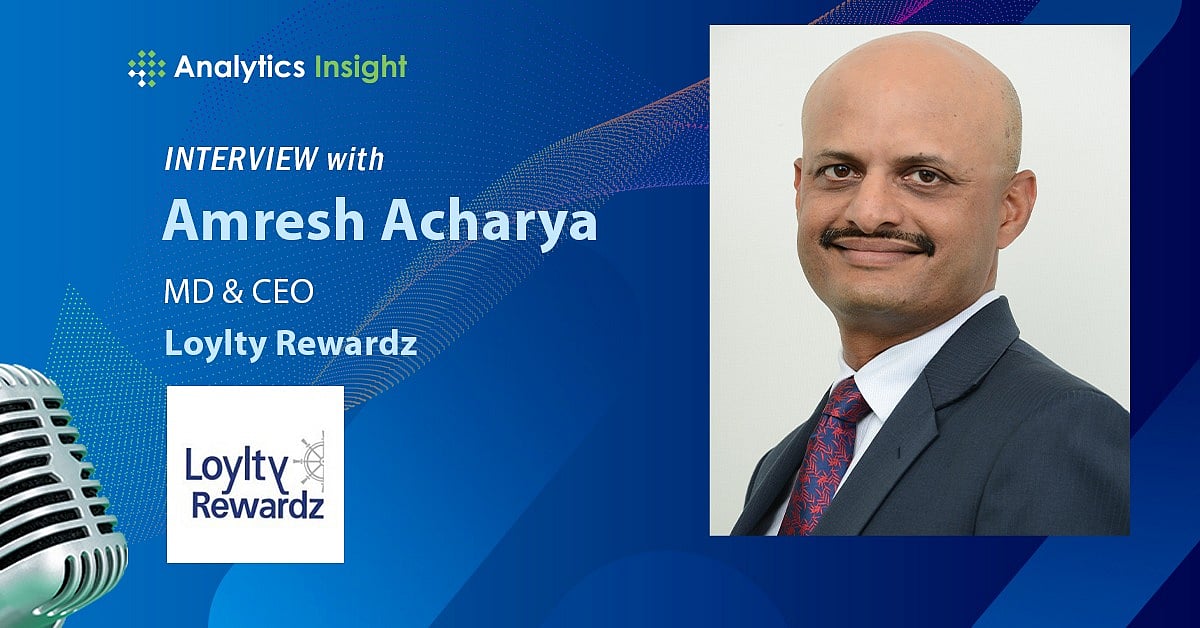
    In a recent episode of the Analytics Insight podcast, host Priya Dialani sat down with Amresh Acharya, Managing Director & CEO of Loyalty Rewardz, to explore how artificial intelligence is transforming customer loyalty. Acharya shared his expertise on integrating AI, machine learning, and data science to enhance customer relationships while balancing automation with the human touch. He emphasized the importance of responsible AI, unified customer data, and enterprise-level personalization for sustainable business growth. Below are key insights from the conversation.

    What Is Agentic AI and How Does It Benefit Customer Experience?

    Unlike conventional AI, Agentic AI doesn’t just answer queries; it understands context, predicts future needs, and recommends services accordingly. This allows brands to deliver engaging experiences that feel genuine rather than transactional.

    Customer Loyalty in the Age of AI

    The concept of loyalty has shifted. Today, customers expect brands to understand them, remember their preferences, and offer customized services. AI enables brands to develop relationships that naturally foster loyalty.

    Is AI Enough for a Good Customer Experience?

    AI-powered customer service handles frequent, straightforward queries efficiently. However, there are situations where human assistance is irreplaceable, especially when customers need empathy or complex problem-solving. The key is blending AI with human touchpoints.

    Why Data Is Critical for AI-Driven Loyalty Programs

    AI performs optimally when fed high-quality data. Accurate, correlated customer data helps firms understand behaviors and preferences, enabling personalization. Fragmented data prevents AI from making relevant suggestions, undermining the loyalty effort.

    Steps Before Implementing Agentic AI

    Successful AI implementation begins with robust data management, clear goal setting, and thoughtful process design. Companies need to address specific customer challenges, establish proper AI governance, and ensure human involvement in critical decisions.

    Acharya’s insights underscore that Agentic AI is not a replacement for human interaction but a powerful tool to elevate customer loyalty through proactive, personalized engagement.

  • NYT Strands Hints and Answers for July 24, 2026: Theme ‘There’s More Where That Came From’

    NYT Strands Hints and Answers for July 24, 2026: Theme ‘There’s More Where That Came From’

    Welcome back to our daily NYT Strands guide. Today’s puzzle challenges you to look beyond boundaries with the theme “There’s more where that came from.” If you’re stuck, here’s a clue: More, more, more. The Spangram begins near the left side of the grid. Hints and clues are listed below, or you can head straight to the answer key.

    What Is NYT Strands and How to Play It

    If you’re new to NYT Strands, here’s a quick overview. The game blends elements of the NYT Crossword, Connections, and Spelling Bee. Players are given letters on a 6×8 board along with a daily theme as a hint. It’s an engaging word puzzle that challenges vocabulary and pattern-recognition skills.

    NYT Strands Hints for Today

    Did you know that some words can serve as hints to find the answers? We’ve compiled the best clues: Tote, Mote, Dote, Vote, Voter, Pare, Rune, Sane, Meat, Pulse, Lure.

    Spangram Reveal and Explanation

    Today’s Spangram is ANDTHENSOME. To find it, start with the A at the top of the top row, move diagonally, then back again. “And then some” is an informal English phrase meaning considerably more, plus extra, or even more than that. It shows that a number, amount, or degree is actually much higher than what was just stated.

    Check Out the Image Below to Learn How to Solve Today’s Puzzle

    Also Read: Quordle Today: Hints, Answers, Strategies Guide for July 23

    Tips for Solving NYT Strands

    Here are a few simple tips to solve NYT Strands more quickly. First, identify the theme. Start by thinking about words related to today’s theme, “There’s more where that came from.” Another helpful tip is to look for long words stretching across the edges of the grid, as they often form the Spangram.

    NYT Strands Answers for Today

    We’ve listed below all the non-Spangram answers for July 24: Spare, Extra, Excess, Unused, Surplus, Leftover.

    Understanding the Theme for Today

    Today’s theme, “There’s more where that came from,” means that a large supply or a greater number of similar things are available beyond what has already been provided, shown, or used. When offering food or drinks, telling a guest “there’s more where that came from” means they can take or eat as much as they want without running out.

    NYT Strands Related Stories

  • Apple’s iPhone Ultra Poised to Capture 25% of Foldable Market Share Shortly After Launch, Report Says

    Apple’s iPhone Ultra Poised to Capture 25% of Foldable Market Share Shortly After Launch, Report Says

    Apple’s long-awaited entry into the foldable smartphone segment could reshape the competitive landscape far more quickly than anticipated. According to a new report by Smart Analytics Global (SAG), the launch of Apple’s first foldable iPhone—expected in the second half of 2026—is projected to capture a 25% share of global foldable shipments soon after its release.

    The report describes this launch as a market inflection point. Rather than merely taking customers away from Android rivals like Samsung and Huawei, Apple’s ecosystem, brand loyalty, and premium positioning are expected to significantly expand the overall addressable market for foldable devices. SAG assumes Apple will roll out its first foldable iPhone without major manufacturing, shipping, or reliability issues, at a price of approximately $2,000 in 2026. Under this scenario, Apple could become the global leader in foldable smartphones by 2027.

    Currently, Huawei leads the foldable market with around 40% of shipments in Q1 2026, though its share has declined due to rising competition. Samsung has nearly doubled its share to 25%, driven by strong sales of the Galaxy Z Fold 7 and Galaxy Z Flip 7. Honor has also strengthened its position in the premium foldable segment, indicating intensifying competition even before Apple’s arrival.

    Beyond vendor rankings, the report highlights a shift toward wider foldable designs. Traditional book-style foldables still dominate, accounting for about 69% of worldwide shipments in Q1 2026, but wide-fold phones—such as Huawei’s Pura X and Pura X Max—are emerging as the next growth engine. SAG predicts wide-fold devices will reach nearly 20 million unit shipments by 2027.

    Despite slower growth in the broader smartphone market, analysts see foldables as a long-term growth area. Apple’s entry is expected to boost consumer awareness, strengthen carrier support, and accelerate mainstream adoption of foldable technology.

  • NYT Strands Hints and Answers for July 24, 2026: Unlock the Spangram

    NYT Strands Hints and Answers for July 24, 2026: Unlock the Spangram

    Overview

    Welcome back to our daily NYT Strands guide. Today’s puzzle theme centers on looking beyond the boundaries. If you’re stuck, here’s a clue: More, more, more. The Spangram begins near the left side of the grid. Hints and the full answer key are provided below.

    What Is NYT Strands?

    NYT Strands is a captivating word puzzle that blends elements of Spelling Bee, Connections, and the classic Crossword. Players are given letters on a 6×8 board along with a daily theme as a hint. The game challenges vocabulary and pattern-recognition skills.

    Hints for Today

    Use these words as hints to uncover the answers: Tote, Mote, Dote, Vote, Voter, Pare, Rune, Sane, Meat, Pulse, Lure.

    Spangram Reveal and Explanation

    Today’s Spangram is ANDTHENSOME. To find it, start with the A at the top of the top row, move diagonally, then back again. And then some is an informal English phrase meaning considerably more, plus extra, or even more than that. It emphasizes that a number, amount, or degree is actually much higher than what was just stated.

    Tips for Solving NYT Strands

    • Identify the theme: Start by thinking about words related to today’s theme, ‘There’s more where that came from.’
    • Look for long words: Scan the edges of the grid for words that stretch across, as they often form the Spangram.

    NYT Strands Answers for July 24

    All non-Spangram answers for today are: Spare, Extra, Excess, Unused, Surplus, Leftover.

    Understanding the Theme

    Today’s theme, ‘There’s more where that came from,’ means a large supply or a greater number of similar things are available beyond what has already been provided, shown, or used. When offering food or drinks, telling a guest ‘there’s more where that came from’ means they can take or eat as much as they want without running out.

    Written by Poulami Saha, Reviewed by Sankha Ghosh. Published on July 24, 2026.

  • Crypto Market Roundup: Bitcoin ETF Outflows, Dogecoin Volume Surges, Samsung Wallet Stablecoin Support, Bitfinex El Salvador License, and Poolin Bankruptcy

    Crypto Market Roundup: Bitcoin ETF Outflows, Dogecoin Volume Surges, Samsung Wallet Stablecoin Support, Bitfinex El Salvador License, and Poolin Bankruptcy

    The cryptocurrency market saw a flurry of major developments on July 24, 2026, including significant outflows from spot Bitcoin ETFs, a sharp rise in Dogecoin trading volume, Samsung’s plan to integrate stablecoins into its mobile wallet, Bitfinex securing a license in El Salvador, and the former mining giant Poolin filing for Chapter 11 bankruptcy.

    Bitcoin ETFs See $225 Million in Outflows

    According to SoSoValue, spot Bitcoin ETFs recorded $225 million in net outflows on July 23. BlackRock’s iShares Bitcoin Trust (IBIT) led the outflows with $202 million exiting the fund. In contrast, the Morgan Stanley ETF MSBT saw the highest single-day inflow at $5.01 million, bringing its historical total net inflow to $400 million. Despite the daily redemptions, the cumulative historical net inflow across all spot Bitcoin ETFs remains robust at $51.626 billion, with total net assets of $78.817 billion and an ETF net asset ratio of 6.03%.

    Dogecoin Trading Volume Surges 123%

    Dogecoin (DOGE) experienced a remarkable spike in trading activity, with 24-hour spot volume jumping more than 123% to approximately $219 million. Futures volume also surged, reaching nearly $1.5 billion. Open interest exceeded $1.1 billion, indicating that leveraged traders remain heavily exposed despite the token’s struggle to break through key resistance. DOGE was trading at around $0.069, having faced yet another rejection below the 26-day exponential moving average at approximately $0.074.

    Samsung Wallet to Add Stablecoin Support

    During the Galaxy Unpacked event, Samsung Electronics announced plans to add stablecoin support to Samsung Wallet. Samsung product manager Lee Dinham stated that the wallet will expand beyond cash and savings to include stablecoins, enabling users to transfer digital value directly from their smartphones. The move positions Samsung as one of the first major smartphone brands to offer native stablecoin functionality, bridging traditional payments with blockchain-based digital assets.

    Bitfinex Secures El Salvador License

    Bitfinex has obtained a Digital Asset Service Provider (DASP) license in El Salvador, covering spot trading, crypto derivatives, and tokenized securities. The approval, announced on May 12, follows the registration of two Bitfinex-linked operating entities by the National Commission of Digital Assets on April 23. The license brings the core Bitfinex trading platform, Bitfinex Securities El Salvador, and Bitfinex Derivatives El Salvador under a single regulated framework in one of the world’s most crypto-friendly jurisdictions.

    Poolin Files for Chapter 11 Bankruptcy

    Poolin Technology Pte. Ltd., the Singapore-based parent of what was once a leading Bitcoin mining pool, filed for Chapter 11 bankruptcy protection in the U.S. Bankruptcy Court for the District of New Jersey after its Texas Bitcoin mining and hosting operations ceased on July 10. The filing includes U.S. affiliates Lonestar Dream Inc. and Lonestar Taproot LLC. Poolin lists estimated creditors between 10,001 and 25,000, assets of $1 million to $10 million, and liabilities of $100 million to $500 million. Chief Restructuring Officer Michael DuFrayne disclosed prepetition obligations of approximately $173.1 million, with $163.7 million in unsecured IOUs issued to Poolin Wallet customers after withdrawals were suspended during the 2022 crypto downturn.

    Frequently Asked Questions

    Why did Bitcoin ETFs record large outflows?

    Spot Bitcoin ETFs experienced net redemptions as investors booked profits and adjusted exposure amid volatile market conditions. Despite the outflows, cumulative historical inflows above $51.6 billion signal continued long-term institutional interest.

    Why is Dogecoin’s trading volume increasing?

    Dogecoin saw a surge in spot and futures trading activity as traders positioned for potential price movements. However, the token remains below key technical resistance levels, suggesting limited bullish momentum.

    What does Samsung Wallet’s stablecoin support mean?

    Samsung plans to integrate stablecoins into its wallet, enabling direct blockchain-based value transfers from smartphones. This marks growing mainstream adoption of digital assets through consumer technology.

    Why is Bitfinex’s El Salvador license important?

    The license allows Bitfinex to operate a regulated ecosystem for spot trading, derivatives, and tokenized securities in a crypto-friendly jurisdiction, enhancing its global regulatory standing.

    Why did Poolin file for Chapter 11?

    Poolin filed for bankruptcy after prolonged financial difficulties stemming from the 2022 crypto market downturn. The company reported liabilities up to $500 million, mostly tied to customer IOUs from suspended wallet withdrawals.