Blog

  • Top Portable Air Conditioners for Compact Spaces in India (2025 Guide)

    Top Portable Air Conditioners for Compact Spaces in India (2025 Guide)

    When the Indian summer heat becomes unbearable, a portable air conditioner offers a flexible and efficient cooling solution for small rooms, apartments, and offices. Unlike bulky window units or expensive split systems, portable ACs can be moved from room to room and require minimal installation. Below, we review the best portable air conditioners for small Indian rooms, highlighting key features to help you stay comfortable without breaking the bank.

    Cruise 1-Ton Portable Air Conditioner

    The Cruise 1-Ton model delivers efficient cooling for compact rooms. It features easy mobility, multiple cooling modes, and simple installation, making it a reliable choice for everyday summer performance.

    Blue Star 1 Ton Portable Air Conditioner

    Blue Star’s portable AC offers quick cooling, user-friendly controls, a sleep mode, and smooth portability. It is well-suited for bedrooms, offices, and studio apartments where space is limited.

    Lloyd 1-Ton Portable Air Conditioner

    Lloyd combines a compact design with effective cooling and dehumidification. Convenient caster wheels allow flexible placement in smaller living spaces without hassle.

    Honeywell Portable Air Conditioner

    Honeywell’s unit features efficient cooling, a built-in dehumidifier, washable filters, and quiet operation. It provides comfortable indoor temperatures even during hot Indian weather conditions.

    Midea Portable Air Conditioner

    Midea delivers balanced cooling performance with digital controls, timer functions, and portable convenience. It is ideal for renters or homes without permanent air conditioning setups.

    Hisense Portable Air Conditioner

    Hisense provides dependable cooling with multiple fan speeds, compact dimensions, easy installation, and smooth movement between rooms whenever required.

    Haier Portable Air Conditioner

    Haier’s model includes energy-efficient operation, intuitive controls, sleep mode, and compact construction, making it perfect for small bedrooms and personal workspaces.

    TCL Portable Air Conditioner

    TCL offers reliable cooling, adjustable airflow, portable convenience, and simple maintenance, helping users stay comfortable indoors during peak summer temperatures.

    Symphony Portable Air Cooler Alternative

    For buyers seeking lower energy consumption, the Symphony portable air cooler is a budget-friendly alternative. It provides portable cooling, easy maintenance, and comfort for compact indoor living spaces.

    Each of these portable air conditioners brings unique strengths to small Indian rooms. Consider your room size, energy efficiency needs, and budget when making a choice. With the right unit, you can beat the heat without sacrificing space or convenience.

  • 10 Sustainable Gadgets to Embrace in 2026 for a Greener Lifestyle

    10 Sustainable Gadgets to Embrace in 2026 for a Greener Lifestyle

    As environmental consciousness grows, innovative gadgets are making it easier to adopt eco-friendly habits without sacrificing convenience. From solar-powered chargers to intelligent home monitors, these ten devices help reduce energy consumption, cut waste, and shrink your carbon footprint. Here are the top sustainable gadgets worth trying in 2026.

    Solar Power Banks

    Harness the sun to recharge your smartphones and other portable devices. Solar power banks reduce reliance on grid electricity while offering reliable backup power during travel, camping, or outdoor adventures. They are a practical step toward renewable energy use in daily life.

    Smart Energy Monitors

    Track your household electricity usage in real time with smart energy monitors. These devices help identify energy waste, allowing families to adjust habits and lower monthly utility bills. They provide actionable insights to make your home more efficient.

    Solar Outdoor Lights

    Illuminate gardens, pathways, and patios using renewable solar energy. Solar outdoor lights eliminate electricity costs and provide dependable nighttime lighting year-round. They are easy to install and require no wiring, making them a simple eco-friendly upgrade.

    Rechargeable Batteries

    Replace disposable batteries with rechargeable alternatives. These batteries reduce landfill waste and save money over time by being reusable hundreds of times. They are ideal for powering remote controls, toys, flashlights, and other household gadgets.

    Water-Saving Smart Showers

    Intelligent shower systems monitor water consumption and encourage shorter showers without compromising comfort. By tracking usage and providing feedback, they help conserve water—a critical resource—while still delivering a satisfying experience.

    Energy-Efficient Air Purifiers

    Modern air purifiers consume less electricity while improving indoor air quality through advanced filtration technologies. Look for models with high CADR ratings and low wattage to ensure sustainable living without sacrificing clean air.

    Smart Thermostats

    Automatically adjust home temperatures based on your schedule and preferences. Smart thermostats optimize heating and cooling, reducing unnecessary energy consumption and lowering utility bills. They learn your routines and adapt to save energy effortlessly.

    Portable Wind Chargers

    Compact wind-powered chargers generate renewable electricity during outdoor activities like hiking, camping, or cycling. They offer an eco-friendly alternative to conventional charging methods, allowing you to stay powered without relying on fossil fuels.

    Eco-Friendly Wireless Keyboards

    Keyboards made from recycled materials and featuring solar charging reduce electronic waste while delivering reliable everyday productivity. They combine sustainability with performance, making them a smart choice for eco-conscious professionals.

    These gadgets represent the intersection of innovation and environmental responsibility. By integrating them into your daily life, you can reduce your ecological impact while enjoying modern conveniences. Stay tuned for more updates on sustainable technology.

  • Top 9 Budget-Friendly Front-Load Washing Machines for Large Families in 2025

    Top 9 Budget-Friendly Front-Load Washing Machines for Large Families in 2025

    Large families know the struggle of keeping up with mountains of laundry. A reliable, high-capacity front-load washing machine can make all the difference, offering efficiency, durability, and advanced features without breaking the bank. We’ve rounded up the best budget front-load washers that combine spacious drums, energy-saving technology, and smart cleaning programs to handle heavy household loads with ease.

    1. LG 10 kg Front-Load Washing Machine

    LG’s 10 kg model is a powerhouse for big families. It features a large drum, AI-powered wash programs that adjust settings based on fabric type and load size, steam cleaning for deep stain removal, and energy-efficient performance. This machine tackles heavy laundry day after day while keeping electricity and water bills in check.

    2. Samsung 10 kg Front-Load Washing Machine

    Samsung brings its EcoBubble technology to this 10 kg washer, which mixes air, water, and detergent to create bubbles that penetrate fabrics quickly for effective cleaning even in cold water. The hygiene steam function eliminates bacteria, and the inverter motor ensures quiet, long-lasting operation. Multiple wash cycles make it easy to handle daily large loads.

    3. Bosch 9 kg Front-Load Washing Machine

    Bosch’s 9 kg model is known for excellent stain removal, low water consumption, and exceptionally quiet operation. Its durable construction is built for busy households that require frequent washing. The machine also features a range of specialized programs to care for different fabric types.

    4. IFB 9 kg Front-Load Washing Machine

    IFB’s 9 kg washer includes Steam Refresh, which helps reduce wrinkles and odors without a full wash. AI-powered wash optimization automatically selects the best settings for each load. With a high spin speed and spacious capacity, this machine is ideal for larger families with regular laundry needs.

    5. Whirlpool 9 kg Front-Load Washing Machine

    Whirlpool offers effective stain removal with its 6th Sense technology, which senses load size and adjusts water and energy usage accordingly. The energy-saving inverter motor and multiple wash programs provide convenient everyday washing performance. User-friendly controls make it simple for anyone in the family to operate.

    6. Haier 9 kg Front-Load Washing Machine

    Haier’s 9 kg model combines a spacious drum with antibacterial technology to keep the machine clean and fresh. Its efficient cleaning programs and quiet operation make daily laundry management easier for bigger households. The machine also includes a range of handy features for added convenience.

    7. Panasonic 10 kg Front-Load Washing Machine

    Panasonic’s 10 kg washer is designed for families managing heavy weekly laundry requirements. Intelligent sensors automatically detect load size and fabric type to optimize wash cycles. Powerful stain removal, steam wash, and a large capacity ensure every load comes out clean and fresh.

    8. Godrej 9 kg Front-Load Washing Machine

    Godrej’s 9 kg model offers multiple wash programs, an inverter motor for energy efficiency, and durable build quality. Its water-efficient operation makes it an affordable choice for long-term household laundry performance. This machine delivers consistent results without compromising on features.

    9. Lloyd 9 kg Front-Load Washing Machine

    Lloyd rounds out our list with a 9 kg washer that delivers reliable cleaning, high spin speeds, and convenient digital controls. The large drum capacity provides excellent value for budget-conscious families. It’s a solid, no-frills option that gets the job done efficiently.

    When choosing a front-load washing machine for a large family, consider capacity, energy efficiency, and specialized features like steam cleaning or AI optimization. The models above offer the best balance of performance and affordability, ensuring your family’s laundry stays fresh without straining your budget.

  • Smart Air Fryer vs. Traditional Air Fryer: Key Differences and Which One to Choose

    Smart Air Fryer vs. Traditional Air Fryer: Key Differences and Which One to Choose

    When choosing between a smart air fryer and a traditional air fryer, the decision often comes down to your preference for convenience versus simplicity. Smart air fryers offer app controls, automation, and remote cooking capabilities, while traditional models provide straightforward manual operation without connectivity.

    Smart Features vs. Simplicity

    Smart air fryers come with app controls and automation, allowing you to monitor and adjust cooking from your smartphone. Traditional air fryers, on the other hand, rely on manual dials or buttons — no setup, pairing, or software updates required.

    Ease of Use

    Traditional air fryers are simple to operate: just set the time and temperature. Smart models require initial app setup, Bluetooth or Wi-Fi pairing, and occasional firmware updates, which may be a hurdle for less tech-savvy users.

    Remote Cooking Control

    Smart models let you remotely start, pause, or adjust cooking via an app. This is a major convenience for busy households or multitaskers who want to check on dinner without being in the kitchen.

    Cooking Performance

    Both types use hot-air circulation technology, so cooking results are similar when temperature, timing, and capacity are comparable. The core cooking method is the same.

    Automation and Presets

    Smart air fryers include automated programs and guided recipes, reducing guesswork for beginners and simplifying meal prep. Traditional models typically have fewer presets or none at all.

    Price and Value

    Traditional air fryers generally cost less, offering better value for users who only need basic cooking functions. Smart models command a premium for their advanced features.

    Smart Home Integration

    Connected air fryers may support voice assistants like Alexa or Google Assistant and integrate with smart-home ecosystems. This adds convenience for users already invested in connected devices.

    Maintenance and Reliability

    Traditional models have fewer electronic components, making them potentially easier to maintain and less dependent on software or connectivity. Smart models may face issues like app bugs or connectivity drops.

    Which One Should You Choose?

    Choose a smart air fryer if you value automation, remote control, and smart home integration. Opt for a traditional model if you prioritize affordability, simplicity, and dependable operation without extra electronics.

  • OpenAI Elevates Indian-Origin Engineer Uday Ruddaraju to Chief Technology Officer of Compute

    OpenAI Elevates Indian-Origin Engineer Uday Ruddaraju to Chief Technology Officer of Compute

    OpenAI has promoted Indian-origin technology executive Uday Ruddaraju to the role of Chief Technology Officer (CTO) of Compute, marking a significant leadership milestone at the AI frontrunner. The appointment, announced nearly a year after Ruddaraju joined from Elon Musk’s xAI, positions him to steer the company’s compute infrastructure as it scales next-generation AI systems.

    In a LinkedIn post, Ruddaraju described his first year at OpenAI as “incredibly rewarding” and expressed enthusiasm for leading the compute division during a period of rapid expansion. As CTO of Compute, he will oversee the massive computing power required to train and deploy frontier models, including GPT-5.6. His team is focused on scaling capacity while strengthening compute, networking, storage, and machine learning systems.

    From Hyderabad to Silicon Valley

    Ruddaraju’s journey began in Hyderabad, India, where he earned a Bachelor’s degree in Computer Science from Chaitanya Bharathi Institute of Technology (CBIT). During his undergraduate studies, he interned at Amazon Web Services. He then moved to the United States for a Master’s degree in Computer Science at the University of Minnesota. His professional career includes stints at eBay and Robinhood before joining xAI as Head of Infrastructure Engineering. In 2025, he moved to OpenAI, rising from Head of Compute and Infrastructure to the CTO of Compute role.

    Strategic Importance for OpenAI

    Ruddaraju’s elevation underscores OpenAI’s push to strengthen its computing backbone as AI models grow more complex. The company is actively hiring talent in distributed systems, hardware engineering, manufacturing, and large-scale data center development to support future AI growth. His appointment also highlights the growing influence of Indian-origin technology leaders in shaping the future of artificial intelligence.

    Ruddaraju’s roadmap includes significantly scaling compute infrastructure to meet the demands of increasingly powerful AI systems, positioning OpenAI to maintain its competitive edge in the global AI race.

  • Apple Reportedly Scrapped Intel Mac Pro and M2/M3 Extreme Chips Before Discontinuation

    Apple Reportedly Scrapped Intel Mac Pro and M2/M3 Extreme Chips Before Discontinuation

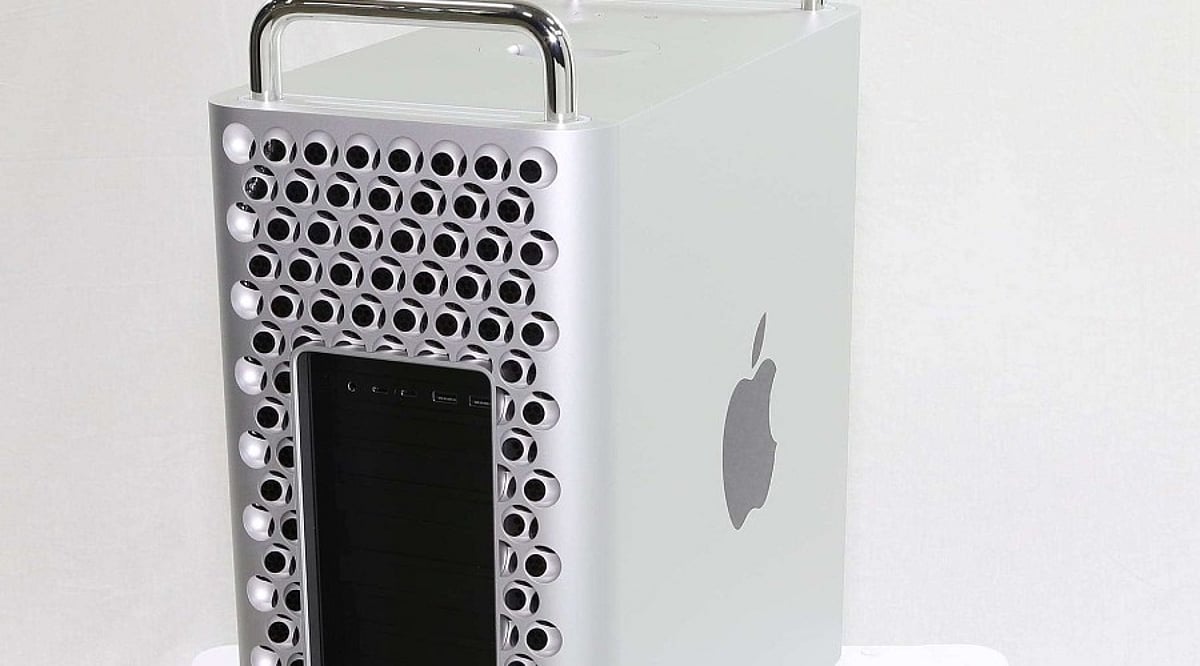
    Apple’s decision to discontinue the Mac Pro in March 2026 reportedly ended a long internal debate over the future of its most powerful desktop lineup. The company has since removed the Mac Pro from its website, directing professional users toward the Mac Studio, and confirmed no new Mac Pro hardware is planned.

    According to Bloomberg’s Mark Gurman in his ‘Power On’ newsletter, the end of the Mac Pro line ‘wasn’t always the plan.’ Apple had considered several hardware and chip options before giving up on it.

    Apple Worked on M2 Extreme and M3 Extreme Chips

    The biggest aspect of Apple’s fallen Mac Pro vision was the creation of higher-end Apple Silicon CPUs. Apple developed both M2 Extreme and M3 Extreme chips before dropping them, Gurman said. These chips were intended to sit above the ‘Ultra’ tier and would have made the Mac Pro outperform the Mac Studio. However, the projects were aborted due to high development costs and low demand for the more costly workstation-type machines.

    Two Unreleased Mac Pro Models Were in Development

    Apple also reportedly worked on two Mac Pro models that were never released, internally codenamed J170 and J190.

    • J170: A surprising project—a new Mac Pro powered by Intel chips, despite Apple’s strong push toward its own Apple Silicon. This version, targeted at specific professional applications, remained based on the x86 architecture and standard PCIe workflow.
    • J190: Expected to launch alongside the M3 Ultra Mac Studio in early 2025, featuring an M3 Ultra chip. The debut never happened, and Apple discontinued the Mac Pro line altogether.

    Mac Studio Has Replaced the Mac Pro’s Role

    The Mac Pro’s decline wasn’t solely due to performance. It was originally popular for its expandability—high-end graphics cards, audio cards, and other PCIe equipment. However, Apple Silicon adopts a system-on-chip design with unified memory, making upgrades via standard modules less relevant. Apple apparently concluded that maintaining the Mac Pro was no longer necessary to meet user needs. Gurman said he doesn’t think the Mac Pro is likely to return, ‘if ever.’

    This move marks a significant shift in Apple’s professional desktop strategy, consolidating its high-end offerings around the Mac Studio and its custom silicon.

  • How BMW’s ConnectedDrive Leverages IoT for Smarter, Safer Vehicles

    How BMW’s ConnectedDrive Leverages IoT for Smarter, Safer Vehicles

    Modern vehicles have evolved far beyond simple transportation. Today’s cars connect to the internet, exchange data with cloud platforms, receive over-the-air updates, and deliver digital services. BMW leads this transformation with its ConnectedDrive ecosystem, which harnesses the Internet of Things (IoT) to create a seamless link between vehicles, cloud servers, smartphones, and traffic systems.

    According to BMW Group, more than 22 million connected BMW vehicles are now linked to the BMW Cloud worldwide. This vast network enables real-time data exchange, predictive maintenance, remote control, intelligent navigation, and personalized features that continuously improve safety, convenience, and driving performance.

    IoT as the Foundation of ConnectedDrive

    Every ConnectedDrive vehicle is equipped with hundreds of smart components—sensors, cameras, GPS modules, telematics units, and onboard computers. These components collect data on engine health, battery condition, tire pressure, brake wear, fuel level, location, weather, and road conditions. The information is securely transmitted to the BMW Cloud via mobile networks.

    The cloud processes millions of data points in seconds, sending actionable insights back to the vehicle. This constant feedback loop allows BMW to enhance performance without replacing physical parts, making each car smarter over time through regular digital improvements.

    Predictive Maintenance Prevents Problems

    One of the key benefits of BMW’s IoT system is predictive maintenance. Sensors continuously monitor brakes, tires, battery, engine, and electronics. When the system detects an unusual pattern, it sends a warning before a minor issue escalates into a costly repair. This early alert helps owners schedule service visits proactively, reducing unexpected breakdowns and improving long-term reliability.

    Over-the-Air Software Updates

    ConnectedDrive enables BMW to deliver software updates directly to compatible vehicles via the internet. These updates enhance navigation, entertainment, security, driver assistance, and overall performance—without requiring a trip to the dealership. The upcoming Neue Klasse platform will further accelerate this capability with an advanced digital architecture.

    Smarter Navigation with Live Traffic Data

    BMW’s IoT-powered navigation system receives real-time data from cloud servers, including traffic jams, road closures, accidents, weather, and parking availability. If conditions change mid-trip, the system instantly recalculates a better route. For electric models, the system also factors in battery level, range, and charging station locations to suggest optimal routes.

    Remote Control via the My BMW App

    The My BMW App extends ConnectedDrive to your smartphone. Users can check battery or fuel levels, locate their car, lock/unlock doors, pre-condition the cabin, manage charging, receive maintenance alerts, and send destinations to the navigation system. All functions rely on seamless IoT connectivity between phone, cloud, and vehicle.

    Personalized Driving Experience

    ConnectedDrive stores individual preferences—seat positions, climate settings, navigation favorites, entertainment choices, and driving modes—in the BMW Cloud. When a driver logs into any compatible BMW with their BMW ID, these settings are automatically restored. The voice assistant also improves over time through cloud-based updates to speech recognition and language understanding.

    Fleet Data Drives Future Innovation

    BMW uses anonymized data from millions of connected vehicles to improve future models. The company analyzes road conditions, traffic patterns, vehicle performance, battery efficiency, and software behavior. This real-world data helps engineers refine navigation, boost energy efficiency, develop safer driver assistance systems, and create better software updates.

    Security First Approach

    With millions of data exchanges daily, BMW prioritizes security. All communication between vehicle and cloud uses encrypted connections and secure authentication. Regular over-the-air updates close newly discovered vulnerabilities, ensuring personal data remains protected throughout the vehicle’s lifespan.

    The Road Ahead: Neue Klasse and Beyond

    BMW plans to launch over 40 new and updated models by 2027, many built on the Neue Klasse platform. This platform will feature more powerful computers, enhanced cloud communication, advanced AI, and improved digital services. ConnectedDrive will deliver faster updates, smarter functions, and better performance. BMW is also expanding partnerships in connected-car technology, autonomous driving, and digital services.

    Final Thoughts

    BMW’s ConnectedDrive ecosystem demonstrates how IoT is revolutionizing the automotive industry. With over 22 million vehicles connected to the BMW Cloud, the brand is a global leader in connected mobility. Features like predictive maintenance, live navigation, remote control, personalization, and over-the-air updates are just the beginning of what IoT can achieve in modern cars.

  • Understanding Car Headlight Types: Halogen, Xenon, LED, and Laser Compared

    Understanding Car Headlight Types: Halogen, Xenon, LED, and Laser Compared

    Introduction

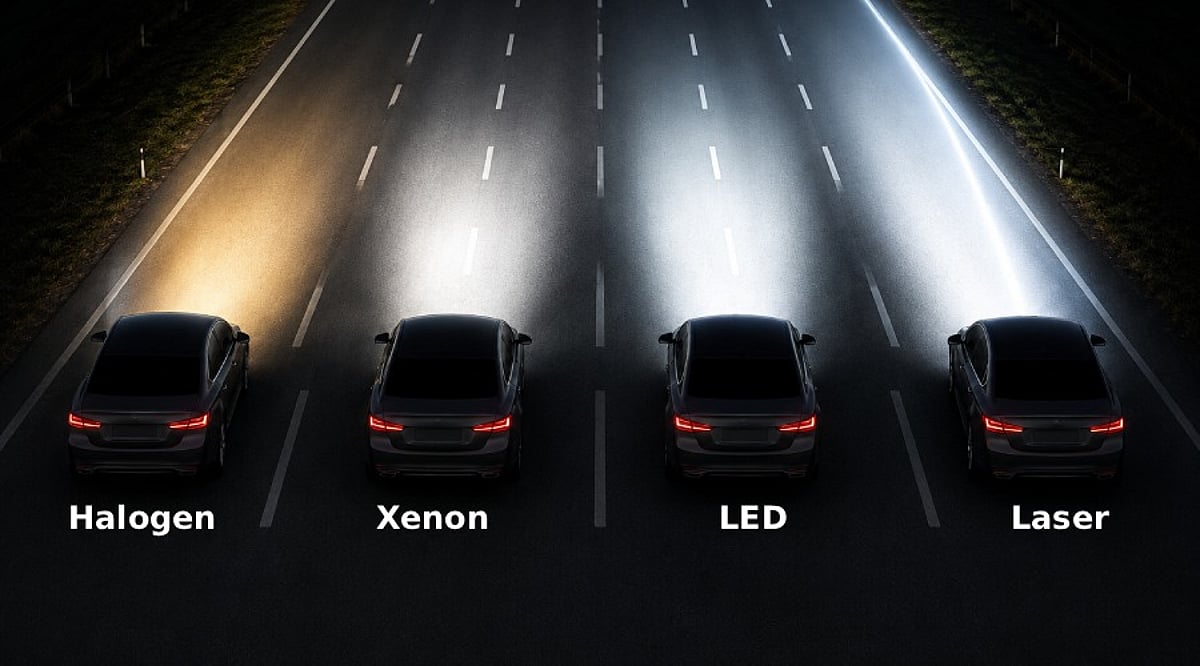
    Car headlights have evolved dramatically over the years. Older vehicles typically came with basic halogen bulbs, but modern cars now offer xenon (HID), LED, and even laser headlights. Each type differs in brightness, lifespan, energy efficiency, and cost. Knowing these differences helps you choose the right car and understand maintenance needs.

    Halogen Headlights

    Halogen is the oldest and most common headlight type, still used in many budget-friendly cars. These bulbs use a thin filament inside a glass bulb filled with halogen gas; when electricity passes through, the filament glows. Halogen lights produce around 1,000–1,500 lumens, emitting a warm yellow or white beam. They work well for city driving but lack the brightness needed for dark highways. Their main drawbacks are short lifespan (500–1,000 hours) and higher energy consumption. However, they remain popular due to their low upfront and replacement costs.

    Xenon (HID) Headlights

    Xenon headlights, also called High-Intensity Discharge (HID) lights, produce light by creating an electric spark inside a bulb filled with xenon gas. This method delivers about 3,000 lumens—roughly twice as bright as halogen. The bright white light improves visibility of road signs, pedestrians, and animals at night. Xenon bulbs last 2,000–3,000 hours, significantly longer than halogen. However, they are more expensive and require a ballast to operate. They also take a few seconds to reach full brightness after being turned on.

    LED Headlights

    Light Emitting Diodes (LEDs) are now the most popular headlight choice for new cars. They use a small semiconductor to produce light, consuming much less energy than halogen or xenon. LED headlights provide instant full brightness and a crisp white light that enhances nighttime visibility. Their lifespan exceeds 20,000 hours, drastically reducing replacement frequency. LEDs are also compact, giving designers more flexibility. The main downside is higher cost, especially if the entire unit needs replacement.

    Laser Headlights

    Laser headlights represent the cutting edge, currently found only in luxury vehicles. Despite the name, they don’t shine lasers directly onto the road. Instead, laser diodes generate energy that passes through a phosphor material, producing a bright white light. These headlights can illuminate the road several hundred meters ahead, making highway driving much safer. They are extremely energy-efficient and compact, but their high manufacturing and repair costs limit them to premium cars.

    Comparison at a Glance

    Type Brightness (Lumens) Lifespan (Hours) Energy Efficiency Cost
    Halogen 1,000–1,500 500–1,000 Low Low
    Xenon (HID) ~3,000 2,000–3,000 Medium Medium
    LED High (varies) 20,000+ High High
    Laser Very high (longest beam) Long Very high Very high

    Latest Innovations in Headlight Technology

    Today’s headlights do more than just light the road. Many new vehicles feature Adaptive Driving Beam (ADB), which automatically adjusts the high beam to avoid dazzling oncoming drivers. Matrix LED headlights consist of many small LED segments that can be individually turned on or off, reducing glare while keeping the road well lit. Digital headlights can project warnings, lane markings, or navigation directions directly onto the pavement. Emerging Micro-LED technology promises even better efficiency and longevity than current LEDs.

    Market Trends

    The automotive lighting market is expanding rapidly. Manufacturers are increasingly swapping halogen for LED systems. Adaptive and laser lights are expected to see massive growth over the next decade, driven by stricter safety regulations, the rise of electric vehicles, and ongoing technological improvements. Halogen remains common in economy cars, but LED has become the global standard for new vehicles.

    Conclusion

    Each headlight type serves a distinct purpose. Halogen is cheap and easy to replace. Xenon offers brighter light and longer life. LED provides the best combination of brightness, efficiency, and longevity (over 20,000 hours). Laser delivers the longest and most powerful beam but at a premium price. As automotive technology advances, headlights will become smarter with ADB, Matrix LED, digital lighting, and Micro-LED, making night driving safer and more comfortable.

    Frequently Asked Questions

    1. Which headlight type is the brightest?

    Laser headlights are the brightest and can light up the road several hundred meters ahead.

    2. Why are LED headlights so popular?

    LED headlights use less electricity, last more than 20,000 hours, and provide bright white light.

    3. Are xenon headlights better than halogen?

    Yes. Xenon headlights are brighter, last longer, and improve visibility at night.

    4. Can halogen headlights be replaced with LED headlights?

    Yes, but compatibility depends on the vehicle. Some cars may need additional parts or approved conversion kits.

    5. What is Matrix LED technology?

    Matrix LED headlights use many small LED sections that adjust automatically to reduce glare while keeping the road well lit.

  • How to Safeguard Your Crypto Private Keys and Seed Phrases from Theft

    How to Safeguard Your Crypto Private Keys and Seed Phrases from Theft

    Private keys and seed phrases are the foundation of cryptocurrency security. This guide explains simple ways to prevent theft, avoid phishing scams, use secure storage, and protect digital assets from cybercriminals.

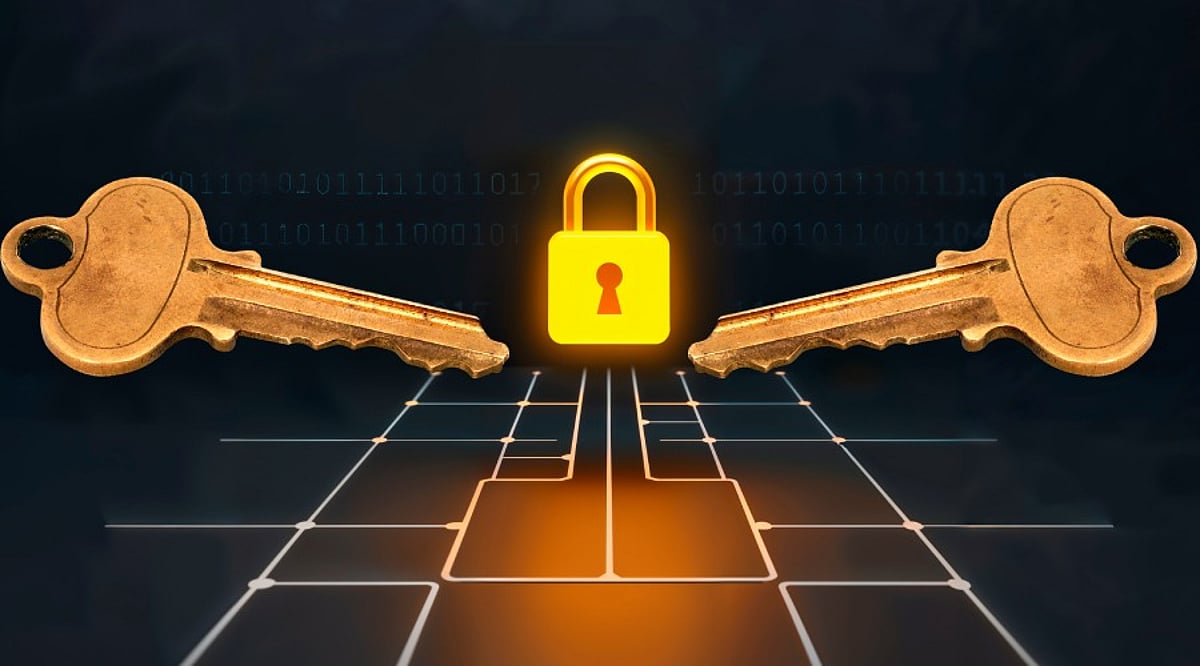
    Cryptocurrency gives complete control over digital assets without the need for a bank or another financial institution. This freedom also comes with full responsibility for security. A private key or seed phrase works like the master key to a crypto wallet. If either falls into the wrong hands, every asset within the wallet can disappear within minutes.

    Why This Matters

    Unlike a bank transfer, a blockchain transaction cannot usually be canceled or reversed. Once funds leave a wallet, recovery is extremely difficult. For this reason, strong security habits are just as important as smart investment decisions.

    Recent reports show that crypto theft remains a serious problem. According to the 2026 Crypto Crime Report from TRM Labs, infrastructure attacks, including theft through private keys, seed phrases, and wallet access, caused about $2.2 billion in losses during 2025. These attacks made up 76% of all cryptocurrency losses that year. Another report found that crypto theft reached nearly $400 million in January 2026 alone, with phishing scams responsible for a large share of the stolen funds.

    Difference Between a Private Key & a Seed Phrase

    The private key represents a secret code that allows for the transfer of cryptocurrencies from a wallet. Indeed, there is at least one private key associated with every cryptocurrency wallet.

    On the other hand, the seed phrase is a sequence formed by 12, 18, or 24 random words. The seed phrase is used to create and restore the crypto wallet. A person possessing this phrase will be able to restore the wallet on another device and thus access its contents.

    Since both mechanisms provide complete access to crypto assets, they must be safeguarded at all times. Even the slightest error may cause an irreversible loss of funds.

    Keep the Seed Phrase Offline

    Offline storage remains one of the safest ways to protect a seed phrase. A simple piece of paper kept in a secure place offers much better protection than a digital copy stored on an internet-connected device.

    Many crypto owners also choose metal backup plates. These plates can survive fire, water damage, and other accidents that may destroy paper records. A backup stored in a secure safe or another protected location adds another layer of safety.

    Cloud storage, email accounts, messaging apps, and online note applications should never hold a seed phrase. If hackers break into those accounts, the recovery phrase may become easy to steal.

    Choose a Hardware Wallet for Better Security

    A hardware wallet keeps the private keys in a small metal device and does not leave them on the computer or mobile phone. Since the keys are only in the hardware wallet, hackers cannot reach them through the internet.

    After requesting a transaction, the wallet will demand physical confirmation. This additional requirement prevents many attacks on software wallets from being carried out. Even if malware gets onto the computer, it won’t be able to steal the private keys.

    If you keep your cryptocurrencies for a long time, using hardware wallets is a great option for storing your investment.

    Stay Alert for Phishing Scams

    Phishing has become one of the biggest threats in the cryptocurrency world. Criminals create fake emails, websites, text messages, and social media accounts that look almost identical to trusted companies.

    The goal is simple. Victims receive a request to enter a seed phrase or private key to fix a fake problem or verify a wallet. Once that information becomes available to the attacker, the wallet can disappear within minutes.

    A recent case in Australia showed how dangerous these scams have become. Criminals sent fake letters through the mail with QR codes that led to fraudulent websites. These scams caused more than $1.47 million in reported losses within only a few days. Authorities warned that no legitimate crypto company will ever ask for a private key or seed phrase.

    Avoid Digital Copies

    Digital copies create unnecessary risks. A screenshot, photo, text document, or email draft may appear safe, but hackers often search for exactly these types of files after they break into a device.

    Many types of malware scan computers and smartphones for wallet information. Once a recovery phrase appears, criminals can send it to remote servers within seconds. For this reason, physical storage remains much safer than digital storage.

    Use Strong Account Security

    Although two-factor authentication cannot directly protect a private key or seed phrase, it can protect exchange accounts and other crypto services.

    Security becomes much stronger with unique passwords, authentication apps instead of text messages, biometric verification, and login alerts. These simple steps make unauthorized access much more difficult.

    Every crypto account should have its own password. Password reuse increases the chance that one stolen password may expose several accounts.

    Check Every Website Carefully

    Fake wallet websites continue to fool many cryptocurrency users. Some fake pages look almost identical to official websites, with only one small change in the web address.

    Wallet software should always come from official sources. Before any login or download, every website address deserves a careful check. A few extra seconds can prevent a major financial loss.

    Suspicious links received through email, text messages, or social media deserve special attention because many phishing attacks begin this way.

    Watch Out for Social Engineering

    Not every crypto theft depends on advanced technology. Many criminals simply trick people into giving away valuable information.

    Fake customer support agents, investment experts, giveaway organizers, and recovery services often claim that wallet details are necessary to solve a problem. These stories may sound believable, but the goal remains the same: steal the recovery phrase.

    Security experts also reported cases where hidden cameras secretly recorded seed phrases during wallet setup. This type of attack shows that physical privacy matters just as much as online security.

    Stay Updated on New Threats

    Crypto crime changes quickly. New scams appear every year, and attackers continue to find different ways to target wallet owners.

    Recent investigations found malware disguised as cryptocurrency recovery software. Instead of helping users recover lost wallets, the software stole passwords, wallet information, and personal files from infected computers.

    Regular software updates help close known security weaknesses. Updated operating systems, wallet applications, web browsers, and antivirus programs reduce the chance of a successful attack.

    Final Thoughts

    Private keys and seed phrases confer full ownership of cryptocurrency assets. When stolen, it is typically impossible to reverse losses, as blockchain transactions are irreversible.

    The most effective ways of protecting against theft include safe offline storage, hardware wallets, thorough checks of websites, strong account security, and understanding of new scams. Recent reports reveal that stolen wallet credentials are among the most common causes of loss of funds in the cryptocurrency business. As cryptocurrencies expand in popularity, the importance of proper security practices cannot be underestimated.

  • Solana Price Targets $80 as Alpenglow Upgrade and Grayscale ETF Filing Fuel Optimism

    Solana Price Targets $80 as Alpenglow Upgrade and Grayscale ETF Filing Fuel Optimism

    Solana (SOL) is trading near $76.26 after a 1.83% gain in the past 24 hours, outperforming Bitcoin and the broader crypto market. The rally comes as Grayscale updates its filing for a proposed Solana staking ETF, and on-chain metrics show strong stablecoin inflows and decentralized exchange (DEX) activity. Traders are now watching key support at $74.50 and resistance near $78–$80, with the upcoming Alpenglow upgrade in late August 2026 adding a long-term catalyst.

    Grayscale ETF Filing Boosts Institutional Sentiment

    Grayscale’s revised filing for a Solana staking ETF has injected fresh institutional interest into the market. The document outlines a structure where the fund would distribute staking rewards to shareholders at periodic intervals, offering regulated investors exposure to both SOL price appreciation and network yields. While the U.S. Securities and Exchange Commission has not yet approved the product, the update signals that asset managers continue to advance Solana-based investment vehicles. Regulatory decisions and further filing amendments will determine the next steps.

    On-Chain Data Supports Demand

    Beyond the ETF narrative, on-chain fundamentals are reinforcing Solana’s price action. Circle reportedly issued an additional $500 million in USDC on the Solana network, boosting available stablecoin liquidity for trading, payments, and DeFi applications. Meanwhile, Solana recorded approximately $1.55 billion in 24-hour DEX volume, surpassing other major chains. These metrics indicate that the current move is not purely speculative but backed by real network usage. Stablecoin growth and exchange activity provide measurable data for traders to assess alongside the ETF proposal.

    Price Levels and Technical Outlook

    Solana has held above the critical $74.50 support zone after bouncing from an intraday low near $74.54. Buyers have defended this level multiple times; a daily close below it could open the door to $72–$73. On the upside, immediate resistance lies at $76.05, $76.82, and $78.64. A clean break above this range could target $80.83, with the next major level near $84.18. Stronger volume is needed to confirm a sustained breakout. Conversely, losing $74.50 might push the price toward $70, and a deeper decline could retest the $64 region. Long-term forecasts of $400–$1,000 remain speculative and depend on future market cycles.

    Alpenglow Upgrade on the Horizon

    The Alpenglow consensus upgrade, planned for late August 2026, aims to reduce transaction finality to approximately 150 milliseconds and minimize confirmation delays for high-volume applications. Traders will monitor the rollout schedule, test results, and any pre-deployment changes. The upgrade could enhance Solana’s scalability and attract further developer activity.