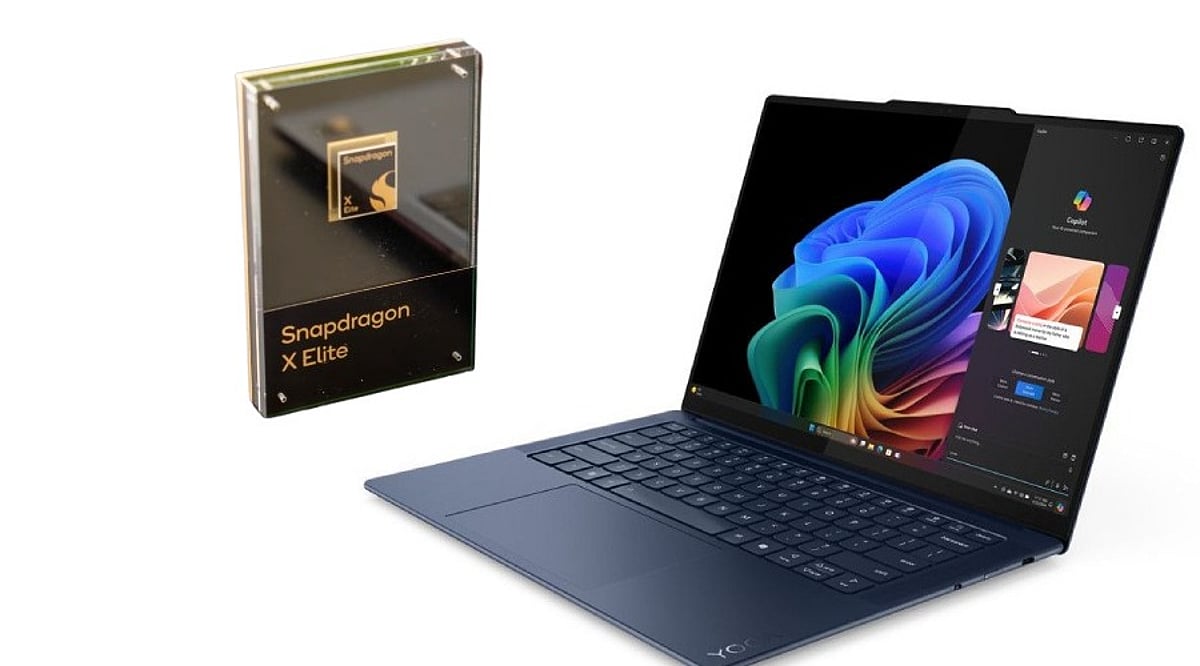
Qualcomm is expanding its Snapdragon X platform beyond the initial Windows-on-Arm push, bringing the technology into new Microsoft Surface devices, Google’s emerging Googlebook category, and a wider range of PC form factors.
Announcements at Snapdragon Summit 2026 reveal Qualcomm’s strategy to establish its Oryon-based platform across different operating systems and device segments. Microsoft is introducing new Surface hardware with Snapdragon X2 Plus, while Google has partnered with Qualcomm for Googlebook laptops powered by Snapdragon X Elite.
New Surface Devices with Snapdragon X2 Plus
Microsoft unveiled a 12-inch Surface Pro and 13-inch Surface Laptop, both powered by the six-core Snapdragon X2 Plus processor. The devices go on sale in select markets from October 13. According to Microsoft, the new machines deliver up to 17% faster Office performance, up to 18% better battery efficiency, more than 60% faster graphics, and up to 95% faster local AI inference than the previous generation. The Snapdragon X2 Plus features an 80-TOPS NPU designed to handle on-device AI workloads.
Googlebook Takes Snapdragon Beyond Windows
A significant development is Google’s adoption of Snapdragon X for its new Googlebook category. Unlike conventional Chromebooks, Googlebook laptops are positioned around Gemini-powered features, native Android applications, and closer integration with Android phones and tablets. The first Googlebook models from Dell and HP use Snapdragon X Elite rather than the newer X2 generation. The platform supports thousands of native Android applications and games, expanding Qualcomm’s reach beyond Microsoft’s ecosystem.
X2 Elite Pushes Performance Boundaries
At the high end, Snapdragon X2 Elite scales to 18 Oryon CPU cores, with selected versions reaching speeds up to 5GHz. Qualcomm lists up to 85 TOPS of NPU performance and as much as 228GB/s of memory bandwidth. The company is also extending Snapdragon X2 support to Linux, adding another operating system to its PC strategy alongside Windows and Googlebook.
Qualcomm Faces Wider Competition
The expansion comes as Qualcomm faces competition from Intel, AMD, and Apple across premium and AI-focused PCs. Snapdragon X must compete on battery life, software compatibility, graphics performance, AI workloads, and developer support. With Surface, Googlebook, and Linux now joining Windows in the Snapdragon ecosystem, Qualcomm’s PC strategy is becoming broader. The next test will be whether manufacturers and users adopt the platform across these different categories.