Blog

  • 10 Smart Google Drive Hacks to Organize Your Files Like a Pro

    10 Smart Google Drive Hacks to Organize Your Files Like a Pro

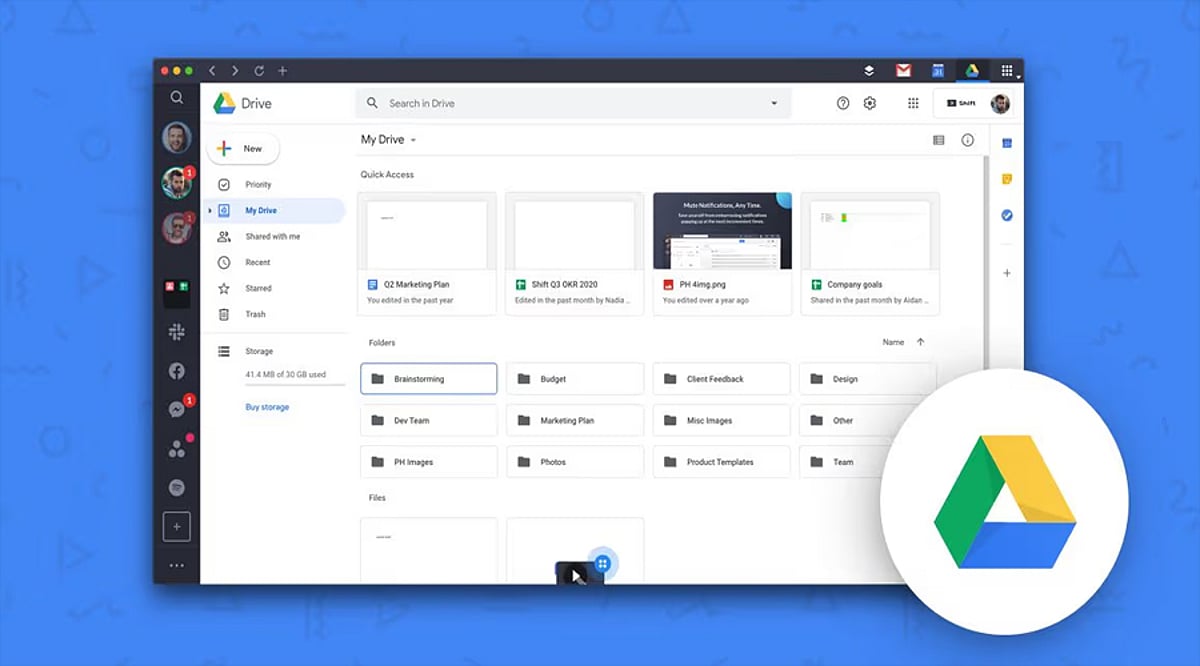
    Google Drive is a powerful cloud storage tool, but without a solid organization system, files can quickly become a mess. Here are proven hacks to keep your Drive tidy, boost productivity, and find any document in seconds.

    1. Create a Clear Folder Structure

    Start by building main folders for work, personal, school, or specific projects. Add subfolders only when necessary to avoid clutter. Use consistent, descriptive names so every file has a logical home. A simple hierarchy speeds up file retrieval and helps maintain order from day one.

    2. Use Color-Coded Folders

    Google Drive allows you to assign colors to folders for instant visual recognition. Give distinct colors to work, personal, finance, or shared folders. This makes important folders stand out and reduces time spent scanning long lists. A splash of color transforms navigation.

    3. Star Frequently Used Files

    Use the Star feature for files you access daily. Starred items appear in a dedicated section for one-click access. Perfect for ongoing projects, key reports, or essential spreadsheets. No more digging through folders—just star and go.

    4. Search Like a Pro

    Google Drive’s search is more powerful than most users realize. Filter by file type, owner, keywords, or last modified date. Combine multiple filters to zero in on any file, even in massive storage libraries. Smart searching beats manual browsing every time.

    5. Clean Up Shared Access

    Regularly review who has access to your shared files and folders. Remove people who no longer need permissions. Update access levels to keep sensitive data secure. This prevents accidental edits and ensures collaboration stays safe and organized.

    6. Delete Unused Files Regularly

    Set aside a few minutes each month to purge duplicates, outdated documents, and unnecessary files. Check for large files consuming storage. Empty the Trash after confirming deletion. Routine cleanup keeps Drive lean, fast, and easy to manage.

    By implementing these hacks, you’ll transform Google Drive from a chaotic storage dump into a streamlined productivity hub. Start today and enjoy a clutter-free digital workspace.

  • Wordle Hints and Answer for July 16, 2026: Crack Puzzle #1853 with Expert Tips

    Wordle Hints and Answer for July 16, 2026: Crack Puzzle #1853 with Expert Tips

    Stuck on Wordle #1853? Today’s puzzle points to a monastery-related noun. Check the hints, decode the clues, and uncover the answer to keep your streak alive.

    Wordle for July 16 features a noun related to change. Use the hints wisely and see the final answer before your six chances run out.

    Josh Wardle’s Wordle continues to engage millions with a new five-letter word daily. Today’s puzzle features a noun associated with a short story.

    Is Wordle giving you a hard time today? Even four years after its release, this NYT puzzle remains one of the most popular word games in the world, especially among word-game enthusiasts. The game’s structure is simple, but the challenge lies in guessing the word within six attempts. Today’s word is something many people enjoy eating, especially during parties and celebrations.

    Like every other day, today’s Wordle gives players just six attempts to crack the mystery word, without any hints at the start. If you’re aiming to protect your winning streak or simply need a gentle nudge in the right direction, here are today’s Wordle hints and the final answer.

    Wordle Hints for July 16, 2026 (Puzzle #1853)

    • Vowel Count: 2 vowels
    • Consonant Count: 2 consonants
    • Repeated Letters: Yes, 1 letter
    • Letter Rarity: All common letters
    • First Letter: B
    • Bonus Hint: The word ends with the letter ‘E’.

    Wordle Answer for July 16, 2026

    The clues mentioned above must have guided players onto the right track. If not, then it is time for the grand reveal. Here’s the answer for today’s Wordle #1853: BUTTE.

    Also Read: Best Wordle Tips to Boost Your Winning Streak

    Best Tips to Play Wordle

    Players who recently started playing this NYT word puzzle and are struggling to master the guessing technique can follow these tips:

    • Start with words that include common vowels and consonants to gather as much information as possible early.
    • Avoid repeating letters in your first few guesses unless you’re confident about their placement.
    • Pay close attention to the color feedback. Green letters are correct and well-placed, while yellow letters belong in the word but need to be repositioned.
    • Use each guess to eliminate possibilities rather than rushing toward the final answer.
    • Expanding your vocabulary is key. Familiarity with less common words can make solving the puzzle much quicker.

    Also Read: NYT Wordle Hints and Answers for July 13, 2026: Strategy & Expert Walkthrough

    Final Thoughts

    The allure of Wordle comes from its uncertainty. Every day, the puzzle presents a new grid with a new word to guess. Although Wordle experts often rank the solutions as average or simple, most players find every puzzle equally challenging.

    Another appealing part of Wordle is that you can solve it anytime; you might be solving it with a cup of coffee in the morning or during a short break at work.

    Wordle quietly and efficiently sharpens players’ vocabulary and pattern-recognition skills. Every puzzle offers a little but rewarding mental exercise, often reminding players that even the simplest games can offer the biggest rewards. A different word, an empty grid, and six opportunities – that’s the excitement that Wordle has every single day.

  • NYT Strands Hints and Answers for July 16, 2026: Theme, Spangram, and Full Solutions

    NYT Strands Hints and Answers for July 16, 2026: Theme, Spangram, and Full Solutions

    Welcome back to our daily NYT Strands guide. Today’s puzzle challenges you to think about changing directions. If you’re stuck, here’s a clue: Go another way. The Spangram begins near the left side of the grid. Hints and clues are listed below, or you can head straight to the answer key.

    What Is NYT Strands and How to Play It

    NYT Strands is an engaging word puzzle that blends elements of the NYT Crossword, Connections, and Spelling Bee. Players are presented with letters on a 6×8 board, along with a daily theme as a hint. The goal is to find theme words and a special Spangram that stretches across the grid, connecting two opposite sides. The Spangram can change direction as it winds through adjacent letters, making it one of the puzzle’s defining features.

    NYT Strands Hints for Today

    Use these hint words to help uncover today’s answers: Cove, Toon, Cheer, Wipe, Wiped, Give, Chant, Vote.

    Spangram Reveal and Explanation

    Today’s Spangram is CHANGECOURSE. To find it, start with the C that is four letters down on the far-left vertical row, and wind a twisty path to spell it out. This phrase means to alter the direction of a journey, plan, or strategy. It is used both literally (e.g., a ship navigating around a storm) and metaphorically (e.g., a company shifting its business model).

    NYT Strands Answers for Today

    Below are all the non-Spangram answers for July 16, 2026:

    • Tack
    • Turn
    • Veer
    • Pivot
    • Swerve
    • Zigzag
    • Deviate

    Understanding the Theme for Today

    Today’s theme, ‘rerouting’, means to change the established path, direction, or channel of something so it travels via a different course. It typically applies to physical travel (like traffic or flights) but also extends to communications (like phone calls) and logistics (like mailed packages).

    Tips for Solving NYT Strands

    Here are a few simple tips that can help you solve NYT Strands more quickly:

    1. Identify the theme. Start by thinking about words related to today’s theme, such as ‘rerouting’.
    2. Look for long words stretching across the edges of the grid, as they often form the Spangram.
    3. Use hint words like those provided above to spark connections.

    We hope this guide helps you conquer today’s puzzle. Happy solving!

  • Top Raspberry Pi Alternatives in 2026: Best Boards for AI, Networking, and DIY Projects

    Top Raspberry Pi Alternatives in 2026: Best Boards for AI, Networking, and DIY Projects

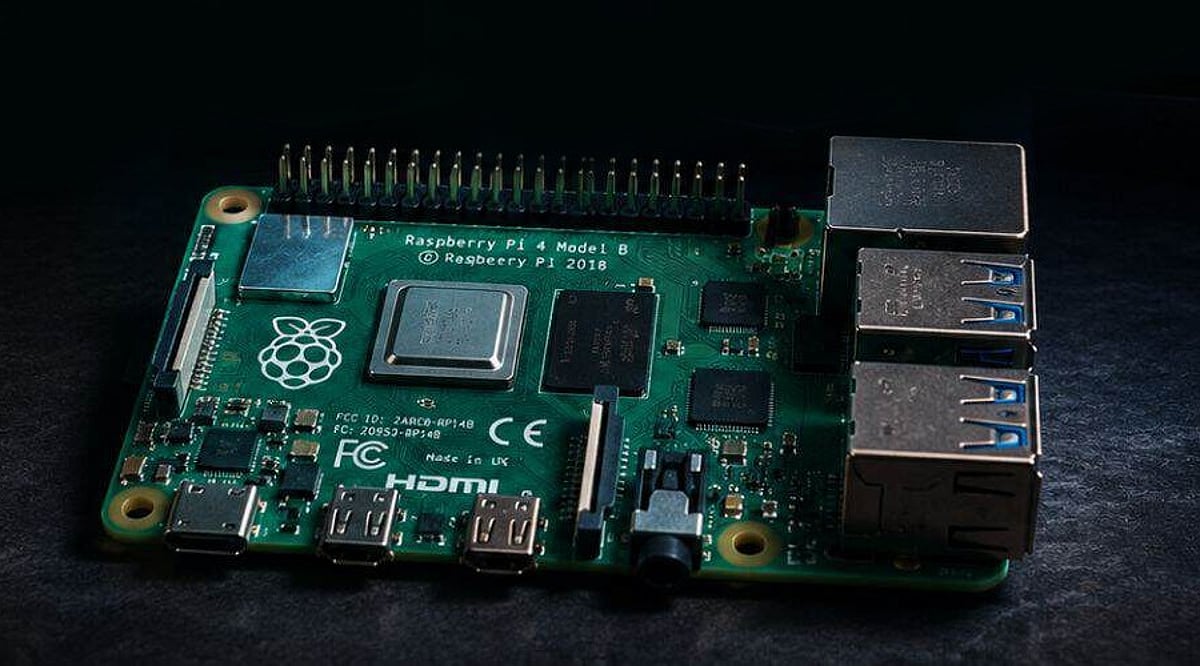
    The Raspberry Pi revolutionized single-board computing when it launched in 2012, but today’s market offers a wide range of alternatives that often outperform the Pi for specific use cases. Whether you’re building a media server, an AI inference engine, a home automation hub, or a network router, choosing the right board means matching hardware strengths to your project’s demands.

    ARM-Powered Performance Busters

    The Radxa ROCK 5B+ stands out as one of the most powerful alternatives available. It features an RK3588 processor with eight cores—four high-performance cores running at 2.2–2.4 GHz and four efficiency cores for background tasks. Compiling code and running multiple applications feels noticeably faster than on a Raspberry Pi 5. Memory options go up to 32 GB of fast RAM, compared to the Pi 5’s 8 GB limit. Storage is also superior: the ROCK 5B+ supports high-speed NVMe drives, while the Pi 5 relies on slower microSD cards or external adapters. Networking gets a boost with 2.5 Gb Ethernet, doubling the Pi’s speed and making file transfers much quicker. The board also includes features for video capture that the Pi lacks, such as easier camera connection and smoother video processing.

    The Orange Pi 5 Ultra offers similar processing power in a compact form factor, plus an HDMI input that lets you capture video directly from screens or devices—something the Pi would need extra hardware to achieve. Real-world tests show faster rendering, smoother multitasking, and respectable video encoding speeds, all at a price comparable to the Pi 5.

    Intel-Based Boards for Serious Workloads

    Intel-based single-board computers take a different approach. The Radxa X4, smaller than a paperback book, runs Windows 11 and standard Linux distributions without compromise. Drivers work out of the box, and building a file server or running virtualization software like Proxmox requires no special configuration. Its Intel N100 processor delivers far more power than the Raspberry Pi in the same 85 mm × 56 mm footprint.

    The ZimaBoard 2 targets networking and storage projects. It includes dual SATA connectors for storage drives and two 2.5 Gb Ethernet ports. With an Intel N150 processor and a starting price around $179, it can run open-source firewall software, handle multiple network connections, and serve as a reliable VPN gateway—tasks where the Pi often falls short.

    Specialized AI Hardware

    For AI and machine learning workloads, dedicated hardware makes a significant difference. The NVIDIA Jetson Orin Nano Super delivers 67 INT8 TOPS of processing power, enabling local model training and real-time inference without sending data to the cloud. The BeagleY-AI focuses on computer vision, with processors optimized for real-time response. It can handle multiple camera feeds simultaneously—up to four video streams without dropped frames—and instantly process object recognition. For robotics, surveillance, and industrial applications, these specialized boards provide the low latency that the Raspberry Pi cannot match.

    The Toradex Luna SL1680 targets professional edge AI deployments, with an HDMI input and software support built for long-term reliability in factory automation and industrial monitoring.

    Networking-Focused Boards

    The FriendlyElec NanoPi R6S is designed specifically for networking tasks. It features three Ethernet ports: one gigabit and two 2.5 GbE, all powered by a processor efficient enough to handle high traffic. Firewall software, open-source routing systems, and VPN gateways run smoothly, making this board ideal for users who need network performance beyond what the Pi can deliver.

    Microcontrollers for Simple Automation

    For simple home automation and IoT projects, the ESP32 microcontroller costs around $9 and includes built-in Wi-Fi and Bluetooth. It eliminates the overhead of a full operating system, allowing sensors to trigger actions instantly. Smart home devices benefit from the fast response times and straightforward firmware loading.

    How to Choose the Right Board

    The Raspberry Pi remains an excellent learning tool with a vast community and countless tutorials. However, once your project requirements are clear, alternatives often offer better performance, specialized features, or lower cost. Network infrastructure projects benefit from x86 boards like the Radxa X4 or ZimaBoard 2. Camera and AI workloads shine on NVIDIA Jetson or BeagleY-AI. Simple automation is best served by microcontrollers like the ESP32. The single-board computer market is now rich with options—choose the board that fits your application, and you’ll get better results.

  • NYT Mini Crossword July 16, 2026: Complete Answers and Walkthrough

    NYT Mini Crossword July 16, 2026: Complete Answers and Walkthrough

    The NYT Mini Crossword for Thursday, July 16, 2026, offers a quick yet satisfying mental challenge. This edition blends modern internet slang, classic trivia, and a clever two-part email phrase, making it a fun daily puzzle for both new and seasoned solvers. Below, we provide all the answers along with short explanations to help you fill in every square.

    Across Clues and Answers

    • 1 Across: “In summary …, in internet shorthand” — TLDR
    • 5 Across: ___ Valley (French wine area) — Loire
    • 6 Across: With 7-Across, an aspirational state to achieve in one’s work email — Inbox
    • 7 Across: See 6-Across — Zero
    • 8 Across: “Right away!” — ASAP

    Down Clues and Answers

    • 1 Down: Sounds before going to voicemail — Tones
    • 2 Down: Zodiac sign in early autumn — Libra
    • 3 Down: Sag — Droop
    • 4 Down: Pet name on a par with Fido and Rover — Rex
    • 5 Down: Actress/singer Minnelli — Liza

    The linked answer “Inbox Zero” (6 and 7 Across) adds a playful twist, reflecting a popular productivity goal. Words like TLDR and ASAP keep the puzzle current, while entries like Loire, Libra, and Rex satisfy classic crossword enthusiasts. The Mini delivers a worthwhile mental workout in just a few minutes, and tomorrow brings a fresh set of clues. For more daily puzzles, check out Wordle, Connections, and Strands from NYT Games.

  • NYT Connections Puzzle #1131: Hints and Answers for July 16, 2026

    NYT Connections Puzzle #1131: Hints and Answers for July 16, 2026

    The NYT Connections puzzle for July 16, 2026 (Puzzle #1131) offers a delightful mix of skincare products, shades of black, precision-related terms, and a clever wordplay category based on tiny marks. The yellow group is straightforward, while the purple category delivers the puzzle’s biggest surprise.

    How NYT Connections Works

    Connections is a daily word game from The New York Times. The puzzle presents 16 words, and the goal is to sort them into four groups of four. Each group shares a hidden theme, ranging from synonyms to cultural references or playful word tricks. There is only one correct solution, and players have three tries before the game ends. Categories are color-coded by difficulty: Yellow (easiest), Blue and Green (middle), Purple (toughest wordplay).

    Today’s 16 Words List

    Here are the words for NYT Connections July 16: CLOCKWORK, POINT BREAK, SPOT REMOVER, TONER, CHARCOAL, INK, JET, LASER, NEEDLE, DOT MATRIX, PERIOD PIECE, PITCH, BULLSEYE, CLAY MASK, EYE CREAM, PEEL.

    NYT Connections Hints for July 16

    If the grid seems overwhelming, use these hints to get on track:

    • Yellow Group Hint: Think of items used in a daily skincare routine.
    • Green Group Hint: Find terms that indicate different types of black.
    • Blue Group Hint: Words that suggest extreme precision or correctness.
    • Purple Group Hint: These words are related to tiny marks; each starts with a word meaning tiny marks.

    One-Word Hint for Each Group

    • Yellow: CLAY MASK
    • Green: INK
    • Blue: LASER
    • Purple: SPOT REMOVER

    Full NYT Connections Answers for July 16

    If you’ve used up your chances, here are the exact categories:

    • Yellow group (SKINCARE PRODUCTS): CLAY MASK, EYE CREAM, PEEL, TONER
    • Green group (SHADES OF BLACK): CHARCOAL, INK, JET, PITCH
    • Blue group (ASSOCIATED WITH PRECISION): BULLSEYE, CLOCKWORK, LASER, NEEDLE
    • Purple group (STARTING WITH TINY MARKS): DOT MATRIX, PERIOD PIECE, POINT BREAK, SPOT REMOVER

    Final Thoughts

    The daily appeal of Connections lies in its structured complexity. The game encourages players to switch between quick pattern recognition and deeper analytical thinking. It relies on associative reasoning rather than straightforward vocabulary recall, making it both entertaining and mentally enriching.

  • Best Professional Tripods and Monopods for Content Creators (2026 Guide)

    Best Professional Tripods and Monopods for Content Creators (2026 Guide)

    Why Camera Support Matters

    A great camera won’t deliver professional results on an unstable tripod. The right support determines how steady your footage looks, how quickly you can set up, and how confident you feel on a shoot. Yet many creators spend heavily on cameras and lenses while overlooking the gear that keeps every frame stable.

    This guide compares five professional tripods, each built for a different style of content creation, to help you make an informed choice.

    How to Choose the Best Professional Tripod

    Tripod choice should follow your shooting style, not your budget. Use these criteria to narrow down the options:

    • Height and stability: For interviews and studio work, prioritize a tripod that reaches eye level and doesn’t wobble.
    • Portability: Frequent travelers need a lightweight model with a compact folded size that fits in a carry-on bag.
    • Material: Aluminum tripods are affordable but heavy. Carbon fiber costs more but reduces weight while maintaining strength—ideal for long shooting days.
    • Head type: Ball heads allow quick reframing for photos and general use. Fluid heads provide smooth pans and tilts for video work.
    • Locking mechanism: Twist locks pack tighter for travel; flip locks open and close faster for quick adjustments.
    • Quick-release plate: An Arca-Swiss compatible system offers more flexibility with third-party accessories as your kit grows.
    • Load capacity: Choose a tripod rated to carry at least 1.5–2 times the combined weight of your camera, lens, and accessories. This ensures stability and room for future upgrades.

    Best Professional Tripods Compared

    Manfrotto Befree Advanced – Best Travel Tripod

    Built for frequent travel, this tripod folds to 15.7 inches and weighs only 1.54 kg (3.4 lb). Despite its compact size, it supports up to 9 kg (20 lb), enough for a mirrorless body with a mid-size lens. The 494 ball head has separate controls for sphere lock, friction, and panning, so framing a shot takes seconds.

    Manfrotto MT055XPRO3 – Best Studio Tripod for Video

    This model trades portability for reach and stability. It extends to 66.9 inches (170 cm) and holds 9 kg at 2.5 kg total weight. The 90-degree horizontal column lets you swing the camera into overhead or macro positions without repositioning the whole rig—a real advantage for product reviews and fixed-camera interviews.

    Vanguard VEO 3+ 263AP – Best Hybrid Tripod and Monopod

    Creators who mix formats will appreciate this pick. One leg detaches to become a full monopod in seconds, and the MACC column pivots nearly 360 degrees for angles a fixed center column cannot reach. At 2.63 kg (5.8 lb) with a 6 kg (13.2 lb) load capacity, it suits anyone switching between static talking-head footage and handheld B-roll in the same session.

    Benro C3780TN – Best Carbon Fiber Tripod for Heavy Setups

    Carbon fiber earns its premium here. At 2.1 kg (4.6 lb), this tripod weighs less than many aluminum models despite an 18 kg (40 lb) load capacity—nearly double what the rest of this list supports. Benro’s QLS anti-rotation leg lock prevents legs from twisting out of position, a crucial detail when mounting a full-frame body and telephoto lens.

    Digitek DTR 540 BH – Best Budget Tripod for New Creators

    A premium tripod isn’t required for stable footage. The DTR 540 BH holds 8 kg (17.6 lb), converts into a monopod, and folds to 21 inches at 2.35 kg (5.2 lb)—all at a fraction of the price of the Manfrotto or Vanguard. It may not survive years of heavy professional use, but as a first serious tripod, it covers the essentials without cutting corners on load capacity.

    Final Thoughts

    The best tripod matches your shooting style, not a price tag. The right support improves every frame, extends the working life of your gear, and turns setup time into shooting time.

    Frequently Asked Questions

    What features should I look for in a professional tripod?

    Look for a stable build, sufficient load capacity, suitable maximum height, a reliable head, and a compact folded size if you travel frequently. These features improve both usability and shooting stability.

    Is a carbon fiber tripod better than an aluminum one?

    Carbon fiber tripods are lighter, absorb vibrations better, and are easier to carry for long shoots. Aluminum tripods are more affordable and offer excellent stability for studio and indoor content creation.

    Should content creators choose a tripod or a monopod?

    Tripods are ideal for interviews, product videos, and long recording sessions where maximum stability is needed. Monopods are better for events, sports, and fast-moving shoots where mobility is more important.

    Can a professional tripod support both smartphones and cameras?

    Yes. Most professional tripods use a standard 1/4-inch mounting screw, allowing them to support cameras as well as smartphones with a compatible phone mount adapter.

    How much load capacity does a content creator need?

    Choose a tripod with a load capacity at least 1.5 to 2 times the combined weight of your camera, lens, and accessories. This provides better stability and allows room for future gear upgrades.

  • LLM SEO Is Authority Building with New Referees – Here’s What Works

    LLM SEO Is Authority Building with New Referees – Here’s What Works

    Every few years the search industry invents a new name for itself, and the current crop (LLM SEO, GEO, AEO) arrived with unusual speed and unusual pricing. Brands that watched an AI assistant describe their category without mentioning them are understandably nervous, and nervous budgets attract confident vendors.

    Here’s the framing that survives contact with the data: the game hasn’t changed nearly as much as the referees have. Traditional search ranked pages with one well-studied algorithm. AI assistants pick their sources through retrieval systems with different habits, different biases, and different favorite websites. What those new referees reward, though, looks a lot like what the old one did. LLM SEO, done honestly, is authority building aimed at a new set of judges.

    How Assistants Decide What to Cite

    A language model answering from its training data cites nobody. It’s paraphrasing compressed memory. Citations only exist when the system decides a question needs fresh or specific information and goes out to retrieve it, pulling a handful of pages and assembling the answer from them.

    That’s a smaller window than most people assume. Semrush’s analysis of 17 months of ChatGPT clickstream data found that live search was enabled on just 34.5 percent of queries as of February 2026, down from 46 percent in late 2024. Roughly two thirds of ChatGPT answers never touch the live web at all. And when assistants do send people somewhere, the destinations concentrate hard: 30 percent of all ChatGPT referral traffic flows to just ten domains, with Wikipedia, Reddit, GitHub, and YouTube near the top.

    Each assistant also referees differently. ChatGPT leans on community and reference platforms, Perplexity searches the live web almost every time, and Gemini draws from Google’s own index with its own selection quirks. There’s no single leaderboard to optimize against anymore, which is exactly why tactics tuned to one platform’s current behavior age so badly.

    Read those numbers together and the shape of the problem changes. Chasing per-answer visibility tricks targets a shrinking, fragmenting window. What compounds is becoming the kind of source that retrieval systems, and the training corpora behind them, already treat as load-bearing.

    The LLM SEO Research Keeps Landing on Substance

    The academic side of this field reached the same conclusion early. The Princeton-led study that coined the term generative engine optimization tested nine different content interventions and found that adding quotations, statistics, and cited sources boosted visibility in generative responses by up to 40 percent, while superficial tweaks like keyword stuffing did little or backfired. The winning moves were the ones that made content more concretely evidenced, which is what quality editorial guidance has demanded all along.

    The practitioner side agrees, sometimes grudgingly. In Digiday’s survey of the GEO agency wave, uSERP’s Jeremy Moser put a number on it: a GEO service that doesn’t admit AI visibility is 80 percent fundamental SEO is selling snake oil. The genuinely new parts are real but narrow, mostly retrieval plumbing and platform integrations. The rest is the old discipline under a new invoice line.

    Three Signals That Carry Over

    Strip out the theater and three signals decide most of your citation odds.

    1. Retrievability – and it’s binary. A brand blocking GPTBot or PerplexityBot in robots.txt (often a leftover from a 2023 legal panic nobody revisited) is invisible no matter what else it does. The same audit should cover Bing indexation, since several assistants retrieve through it, and whether key pages render without heavy JavaScript.
    2. Quotability – Retrieval systems lift passages, and the passages they lift state a claim plainly and back it with a number or a named source. A page that buries its point under a warm-up intro and hedged conclusions gives the model nothing to attribute. Restructure the highest-value pages so each section opens with the sentence you’d want quoted, because that is literally the selection mechanism.
    3. Being referenced by sources the machines already trust – Assistants assemble answers from a small pool of pages per query, and that pool skews heavily toward established publications rather than brand blogs. Earning links and mentions there is slower than tweaking your own site, which is why it separates durable winners from acronym chasers. It also raised the bar on placement quality. The screening bar at hetneo.link is a useful illustration of where that discipline has landed: a mention only counts if it sits on a page with live rankings and real traffic, because a page nothing retrieves passes nothing along, to either kind of search engine. A hundred links on dead pages now lose to five on pages that assistants actually pull.

    Playing the Long Game Against New Referees

    The honest expectation setting: AI assistants still send most publishers a sliver of their traffic. Digiday cites Similarweb data showing Reuters and The Guardian each earn less than 1 percent of overall traffic from AI platforms despite being heavily cited. But the visitors who do arrive behave differently. The Washington Post reports subscription conversion rates four to five times higher from AI referrals than from traditional search. Small pipe, unusually good water.

    So the sane program for the next year isn’t exotic. Unblock the crawlers and verify Bing. Rewrite cornerstone pages so every section leads with its citable claim. Publish original numbers on a schedule, since data is the most reliable citation magnet the research has found. Keep those pages visibly maintained rather than letting them fossilize. And put sustained effort into earning references on the publications retrieval systems already lean on, because that authority transfers across every assistant at once while per-platform tricks expire with each model update.

    Measurement deserves the same sobriety. Rank trackers don’t see inside ChatGPT, so the practical check is unglamorous: keep a standing list of the fifteen or twenty questions your business should be the answer to, run them through the major assistants monthly, and log who gets cited and from which pages. Over a quarter, that log tells you more about your actual AI visibility than any dashboard currently sold, and it costs an hour a month.

    The referees changed. The judges of the judges changed. The way you win in front of them, evidently, did not.

  • 2026 Cost Guide: Hiring Dedicated Developers in India – Rates, Factors & Value

    2026 Cost Guide: Hiring Dedicated Developers in India – Rates, Factors & Value

    Building software has become a business necessity rather than a competitive advantage. Whether you’re launching a startup, developing a customer-facing mobile app, modernizing legacy systems, or integrating AI into your operations, one challenge remains the same: finding the right development talent without exceeding your budget.

    That’s why more businesses are choosing to hire dedicated developers in India.

    But how much does it actually cost? Are lower rates the only reason companies are building development teams in India? And how can you ensure you’re getting real value rather than simply choosing the cheapest option available?

    If you’re exploring your options, this guide will help you understand the cost to hire dedicated developers in India and the aspects that influence pricing.

    Why Are More Businesses Choosing to Hire Dedicated Developers in India?

    Let us consider for a moment the difficulties of recruiting software developers from the local market. Recruitment can take months, salaries keep increasing, and competition is fierce for qualified developers. Even after selecting the right person, training, onboarding, and retention can be challenging.

    Now imagine being able to tap into a worldwide pool of highly talented engineers who will begin developing the product straight away. This is one of the major reasons why businesses opt for hiring dedicated developers in India.

    India has become one of the leading technology centers globally, catering to startups, SMEs, and large enterprises from the USA, Australia, the UK, Europe, and the Middle East. The growing demand is driven by:

    • Access to highly skilled software engineers
    • Cost-effective development compared to Western markets
    • Flexible team scaling
    • Faster project delivery
    • Expertise across modern technologies
    • Strong English communication skills
    • Experience working with global businesses

    Market Statistics

    • India has over 5.4 million software developers, one of the world’s largest developer communities. (Source: IBEF)
    • India accounts for approximately 17.5% of the global outsourcing market. (Source: IBEF)
    • The Indian technology industry is projected to reach $500 billion by 2030, driven by growing demand for AI and software services. (Source: IBEF)
    • More than 1,700 Global Capability Centers (GCCs) operate in India, with many multinational companies relying on Indian engineering talent. (Source: NASSCOM)

    Cost to Hire Dedicated Developers in India in 2026

    The cost varies based on experience, technology expertise, project requirements, and engagement model. Here are the average hourly rates businesses can expect:

    Note: For long-term engagements, monthly hiring costs are often more relevant. Ranges vary widely because software development projects differ significantly in complexity—a simple internal application requires different expertise than a fintech platform, healthcare solution, or AI-powered product.

    What Factors Affect the Cost of Dedicated Developers in India?

    1. Developer Experience

    Senior developers typically provide better architecture planning, faster issue resolution, stronger coding standards, reduced technical debt, and improved project outcomes. While they command higher rates, they often reduce overall project costs by minimizing errors and rework.

    2. Technology Stack

    The technologies required directly impact costs. Examples include React, Angular, Node.js, Python, Flutter, AI/ML, cloud engineering, and DevOps. Specialized technologies generally require advanced expertise, increasing rates.

    3. Project Complexity

    Complex projects often involve third-party integrations, real-time functionality, advanced security, cloud infrastructure, AI capabilities, and large-scale databases—demanding more experienced teams.

    4. Team Structure

    Some businesses need only one developer; others require a full offshore team including QA engineers, UI/UX designers, business analysts, project managers, and DevOps specialists. Larger teams increase costs but improve quality and delivery efficiency.

    India vs Other Countries: How Do Development Costs Compare?

    Many organizations compare regions before hiring. However, choosing the lowest rate should never be the primary goal. The real objective is finding the best combination of expertise, reliability, communication, and value.

    The Hidden Costs of Hiring In-House Developers

    Beyond salaries, companies must consider recruitment agency fees, employee benefits, insurance, office space, equipment, software licenses, training, and turnover costs. These hidden expenses make the dedicated development team India model attractive, offering skilled professionals without operational overhead.

    Is Hiring the Cheapest Developer Always a Good Idea?

    Selecting developers based solely on the lowest price can lead to poor code quality, missed deadlines, limited communication, security vulnerabilities, scalability issues, and increased maintenance costs. Successful businesses focus on expertise, communication, delivery processes, and long-term value.

    How to Choose the Right Dedicated Development Partner

    1. Review Their Portfolio

    Look for projects similar to yours. Ask about industry experience, technology stack expertise, and measurable results.

    2. Evaluate Communication Practices

    Strong communication reduces misunderstandings. Look for providers offering regular updates, agile processes, dedicated project managers, and transparent reporting.

    3. Assess Team Scalability

    Choose a partner capable of quickly scaling resources as your needs evolve.

    4. Verify Security Standards

    Review NDA agreements, data protection, secure coding standards, and access management.

    Many businesses evaluating dedicated development services consider established companies like Vrinsoft Technology, which offers flexible engagement models, experienced teams, and scalability.

    Final Thoughts

    The sole reason for hiring dedicated developers in India is no longer limited to cost. Companies worldwide choose India for skilled professionals, faster time-to-market, flexible team composition, and strong technological expertise. Although hiring is still more affordable compared to other markets, the biggest benefit comes from the value combination. Whether you are hiring individual developers or creating an offshore team, focus on the value you will receive.

    It is all about building a team to drive your business forward in a digital world.

  • Today’s Tech Roundup: Apple Intelligence Cleared in China, Google Play Store Opens Up, OpenAI Codex Micro, Apple’s Chip Acquisitions, and OnePlus India’s Hurdles

    Today’s Tech Roundup: Apple Intelligence Cleared in China, Google Play Store Opens Up, OpenAI Codex Micro, Apple’s Chip Acquisitions, and OnePlus India’s Hurdles

    In a packed day of tech news, Apple has received regulatory approval in China for its Apple Intelligence platform, marking a significant milestone for the company’s AI ambitions in the world’s largest smartphone market. Meanwhile, Google is opening its Play Store to rival app stores, signaling a major shift in its distribution policy. OpenAI is entering the hardware space with Codex Micro, Apple is eyeing chip startups for potential acquisitions, and OnePlus faces mounting challenges in India.

    Apple Intelligence Gets Green Light in China

    Apple’s artificial intelligence initiative, Apple Intelligence, has secured approval from Chinese regulators. This move allows Apple to deploy its AI features in the region, potentially boosting iPhone sales and competing with local AI offerings. The approval comes as Apple continues to navigate stringent data and security regulations in China.

    Google Play Store Opens to Rival App Stores

    In a surprising policy change, Google has announced that it will allow third-party app stores to be listed on the Google Play Store. This decision could reshape the Android app ecosystem, giving users more choices and potentially reducing Google’s dominance in app distribution. The move follows increased regulatory pressure and antitrust scrutiny worldwide.

    OpenAI Enters AI Hardware with Codex Micro

    OpenAI is reportedly developing a new hardware product called Codex Micro, aimed at bringing AI capabilities directly to devices. This marks the company’s first foray into physical hardware, expanding beyond software and cloud-based AI services. Details remain scarce, but the project is expected to focus on edge AI and real-time processing.

    Apple Eyes Chip Startups

    Apple is reportedly in talks to acquire several chip startups to bolster its semiconductor capabilities. The company aims to reduce reliance on external suppliers and enhance its custom chip designs for future iPhones, Macs, and other devices. This strategy aligns with Apple’s long-term goal of vertical integration and performance optimization.

    OnePlus Faces Challenges in India

    OnePlus is encountering significant hurdles in the Indian market, including increased competition from rivals like Xiaomi and Samsung, as well as regulatory challenges. The company is reportedly reassessing its strategy to maintain market share and consumer loyalty in one of its key regions.

    Stay tuned for more updates on these developing stories.