Blog

  • Wordle July 13, 2026 Hints and Answer: Puzzle #1850 Solved – Expert Strategy Guide

    Wordle July 13, 2026 Hints and Answer: Puzzle #1850 Solved – Expert Strategy Guide

    Stuck on today’s Wordle? The July 13, 2026 puzzle (#1850) revolves around a noun related to change. Use these expert hints and step-by-step clues to crack the word and keep your streak alive.

    Josh Wardle’s Wordle remains one of the most popular word games worldwide, even four years after its debut. The challenge is simple: guess a five-letter word in six tries. Today’s word is a noun that many enjoy eating at parties and celebrations.

    Wordle Hints for July 13, 2026 (Puzzle #1850)

    • Vowel Count: 2 vowels
    • Consonant Count: 2 consonants
    • Repeated Letters: Yes
    • Letter Rarity: All common letters
    • First Letter: S

    Still not sure? Here’s an extra clue: the word ends with the letter ‘T’.

    Wordle Answer for July 13, 2026

    The answer for today’s Wordle #1850 is STOUT.

    Check the image below for a sample starting strategy:

    Wordle puzzle sample start

    Best Wordle Tips for Beginners

    • Start with words containing common vowels and consonants to gather early information.
    • Avoid repeating letters in your first few guesses unless you’re confident about placement.
    • Pay attention to color feedback: green letters are correct and in the right spot; yellow letters belong in the word but need repositioning.
    • Use each guess to eliminate possibilities rather than rushing to the answer.
    • Expand your vocabulary—familiarity with less common words speeds up solving.

    Wordle quietly sharpens vocabulary and pattern-recognition skills, offering a rewarding mental exercise every day. A different word, an empty grid, and six chances—that’s the daily excitement Wordle delivers.

  • Indian Stock Markets End Flat Amid US-Iran Tensions and Oil Price Surge

    Indian Stock Markets End Flat Amid US-Iran Tensions and Oil Price Surge

    Indian equity benchmarks ended Monday’s session on a mixed note as escalating geopolitical tensions between the United States and Iran sent crude oil prices soaring, fueling inflation concerns and dampening investor sentiment. The Sensex recovered from early losses to close 83 points higher at 77,653, while the Nifty 50 pared its intraday decline to end nearly flat at 24,202.

    Markets opened sharply lower after renewed military exchanges in the Middle East pushed Brent crude nearly 4% higher to around $79 a barrel. The surge in oil prices raised worries about India’s import bill, corporate profitability, and the possibility of prolonged higher interest rates. Weak global cues, a softer rupee, and cautious trading ahead of the first-quarter earnings season added to the pressure.

    Key Market Movers

    Despite the weak start, selective buying in heavyweight stocks helped benchmarks recover. IT stocks led the rebound, with the Nifty IT index surging around 4%. Tata Consultancy Services (TCS) rallied 8% over two sessions after announcing a multi-year AI-powered network transformation deal with ABB. Infosys and HCLTech also gained. ICICI Bank held near Rs. 1,400, while Axis Bank saw mild profit booking.

    Kalyan Jewellers extended its 47% rally after a strong Q1 business update, though analysts flagged elevated valuations. Goodluck India rose nearly 3% on a 2:1 bonus share announcement. Meanwhile, Swiggy slipped over 2% after the FSSAI issued nine notices to its Instamart unit over alleged violations.

    Geopolitical and Global Impact

    Escalating US-Iran tensions triggered a global risk-off sentiment. Brent crude climbed to $78.68 a barrel, and the US dollar strengthened. Japan’s Nikkei fell nearly 2%, and South Korea’s Kospi plunged 9% as SK Hynix tumbled 15% after profit booking. Gold prices dropped more than 1% as rising oil revived inflation fears. The Indian rupee weakened to a one-month low of 95.76 per dollar, though likely RBI intervention limited losses.

    India’s Volatility Index (VIX) surged over 9%, reflecting heightened investor caution. Foreign institutional investors (FIIs) pulled $46 billion from emerging market equities in June, with heavy selling in South Korea and Taiwan tech stocks. However, FIIs trimmed stakes in nearly 280 BSE 500 companies yet some stocks rallied up to 220% in three months.

    Analyst Views and Outlook

    Goldman Sachs turned optimistic on Indian equities, projecting the Nifty 50 to reach 26,500 by June 2027. Axis Direct’s Rajesh Palviya said the near-term trend remains positive as long as Nifty holds above 24,100, with upside targets of 24,350 and 24,550. InvestorAI remains overweight on jewellery, cement, and healthcare, betting on domestic demand resilience. However, it warned that Brent crude above $80 per barrel is the biggest near-term risk, especially if Strait of Hormuz disruptions persist.

    Market participants will closely watch US inflation data due on July 14, Fed Chair Kevin Warsh’s congressional testimony, and further developments in the Middle East for directional cues.

  • NYT Strands Hints and Answers for July 13, 2026: Theme ‘Just What I Needed’

    NYT Strands Hints and Answers for July 13, 2026: Theme ‘Just What I Needed’

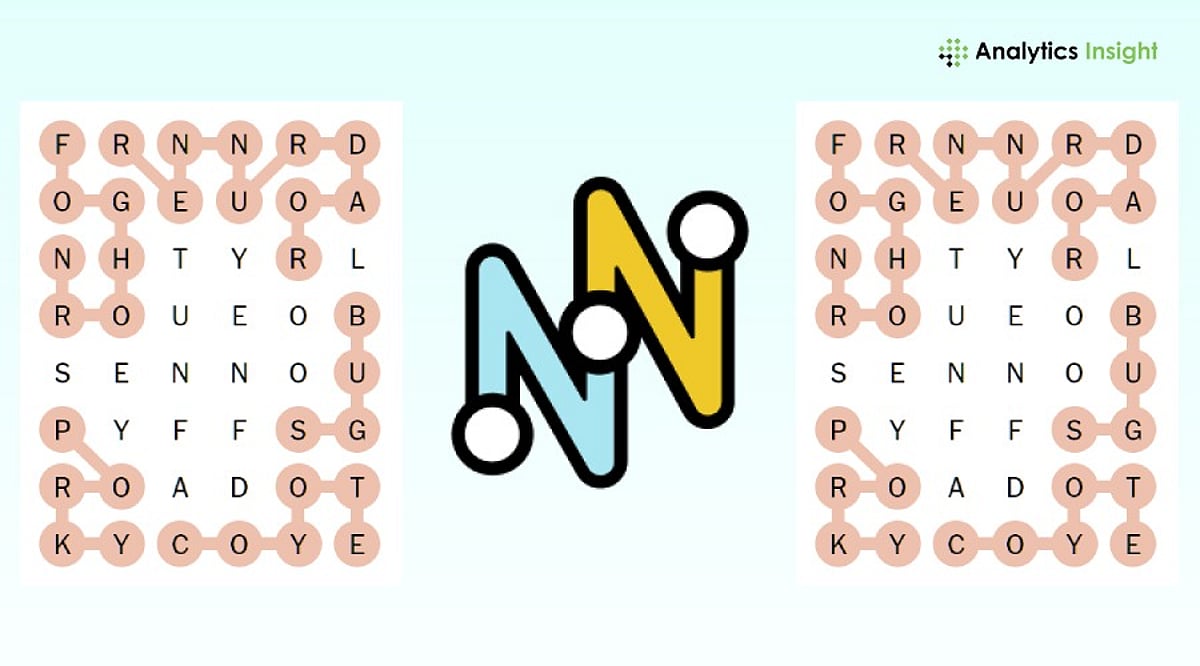
    Welcome to today’s NYT Strands guide. The puzzle for July 13, 2026, revolves around the theme “Just what I needed.” This guide provides hints, explains the Spangram, and lists all the answers to help you solve the puzzle.

    What is NYT Strands?

    NYT Strands is a daily word puzzle that blends elements of Spelling Bee, Connections, and classic Crosswords. Players are given a 6×8 grid of letters and a theme clue. The goal is to find theme words and a Spangram—a word or phrase that spans the grid from one side to the other, tying all the theme words together.

    Hints for Today’s Puzzle

    If you’re stuck, here are some helpful hints:

    • Theme clue: “Just what I needed” – an expression of satisfaction or relief when something perfectly meets a need.
    • Spangram hint: The Spangram begins near the left side of the grid, five rows down in the far-left column.
    • Word hints: Look for words like Pats, Paste, Full, Hull, Gull, Sted, Able.

    Spangram Reveal and Explanation

    Today’s Spangram is HITSTHESPOT. To find it, start with the H that is five down on the far-left row, then wind up and over through adjacent letters. The phrase “hits the spot” means to perfectly satisfy a need, craving, or desire—often used for food or drink that brings great relief, but also for other perfectly timed experiences like a nap or cool breeze.

    NYT Strands Answers for July 13, 2026

    Here are all the non-Spangram answers for today:

    • Pleasant
    • Satisfying
    • Enjoyable
    • Delightful

    Understanding the Theme

    The theme “Just what I needed” expresses satisfaction, relief, or fulfillment. It can also be used ironically for unfortunate events (e.g., “My car broke down in the rain—just what I needed!”).

    Tips for Solving NYT Strands

    • Identify the theme and brainstorm related words.
    • Look for long words stretching across the edges of the grid—these often form the Spangram.
    • Use the hints provided to narrow down possibilities.

    For more daily puzzles, check out our Wordle hints and answers.

  • India’s Sovereign AI Strategy: Key Pillars and National Impact

    India’s Sovereign AI Strategy: Key Pillars and National Impact

    India is forging a path toward technological independence with its Sovereign AI Strategy, a comprehensive framework that enables the nation to develop, deploy, and govern artificial intelligence using domestic infrastructure, policies, talent, and strategic priorities. This initiative is not just about building AI — it’s about building AI that serves India’s unique needs, from regional languages to governance challenges.

    The IndiaAI Mission: Building the Foundation

    At the heart of this strategy lies the IndiaAI Mission, which strengthens computing infrastructure, datasets, startups, research, and AI innovation. This mission creates a robust foundation for India’s sovereign artificial intelligence ecosystem, ensuring that the country can lead rather than follow in the global AI race.

    National Compute Infrastructure: Reducing Foreign Dependence

    Government-backed GPU clusters and computing resources are a cornerstone of the strategy. By reducing dependence on foreign providers, India ensures that its researchers, startups, enterprises, and public sector innovators have access to the computational power they need, all within national borders.

    Indigenous AI Models: Speaking India’s Languages

    India encourages the development of multilingual foundation models trained on local datasets. These models are designed to understand regional languages, cultural nuances, and governance needs, making AI more relevant and effective for India’s diverse population.

    Secure Data Governance: Privacy and Compliance

    Sovereign AI emphasizes responsible data storage, privacy, compliance, and secure processing within India’s regulatory framework. This approach improves national digital resilience while ensuring that citizen data remains protected under Indian law.

    Economic Growth and National Security

    Domestic AI capabilities are expected to create employment, accelerate innovation, strengthen technology exports, attract investments, and improve productivity across industries and government services. Simultaneously, strategic AI infrastructure reduces geopolitical risks, safeguards critical technologies, strengthens cybersecurity, and ensures greater control over essential digital capabilities during disruptions.

    Public Sector Transformation and Global Competitiveness

    AI-powered governance is transforming healthcare, education, agriculture, judicial services, and citizen delivery through scalable, secure, and locally relevant digital solutions. By combining innovation, regulatory leadership, trusted infrastructure, and inclusive development, India’s sovereign AI strategy positions the nation as a leading AI power on the global stage.

  • Indian Metros Lead the Deep-Tech Revolution: A City-by-City Breakdown

    Indian Metros Lead the Deep-Tech Revolution: A City-by-City Breakdown

    India is witnessing a remarkable transformation as several cities evolve into robust deep-tech innovation hubs. From artificial intelligence and robotics to semiconductors and aerospace, these urban centers are leveraging startups, research institutions, and government support to drive next-generation technology. Here’s a closer look at how each city is contributing to India’s deep-tech landscape.

    Bengaluru: The Silicon Valley of India

    Bengaluru remains India’s premier deep-tech hub, powering innovation in AI, robotics, aerospace, semiconductors, and enterprise software. The city’s vibrant startup ecosystem, world-class research institutions, and presence of global tech giants create a fertile ground for cutting-edge developments.

    Hyderabad: IT, Life Sciences, and Advanced Manufacturing

    Hyderabad combines world-class IT infrastructure with strengths in life sciences, AI research, and data centers. Government support and a focus on advanced manufacturing have accelerated deep-tech entrepreneurship in the city, making it a key player in India’s innovation story.

    Chennai: EVs, Semiconductors, and Industrial Automation

    Chennai strengthens India’s deep-tech capabilities through electric vehicles, semiconductor design and manufacturing, industrial automation, and engineering-driven tech startups. Its strong industrial base and research institutions support a thriving ecosystem.

    Pune: Engineering Excellence in Robotics and Automotive Tech

    Pune leverages its strong engineering ecosystem to foster robotics, automotive technology, AI, defense innovation, and manufacturing research. The city’s growing deep-tech startup communities are making a mark nationally.

    Delhi NCR: AI, Cybersecurity, Fintech, and Space Tech

    Delhi NCR attracts significant deep-tech investments across AI, cybersecurity, fintech, space technology, and enterprise innovation. A dense network of startups, incubators, universities, and venture capital firms fuels its growth.

    Ahmedabad: Semiconductor Initiatives and Industrial Development

    Ahmedabad is expanding its deep-tech ecosystem with semiconductor initiatives, advanced manufacturing, research collaborations, and startup incubation. Technology-focused industrial development is driving progress across multiple sectors.

    Kochi: Digital Infrastructure and Maritime Tech

    Kochi nurtures emerging deep-tech companies through digital infrastructure, startup incubators, AI innovation, and maritime technology research. Government-backed entrepreneurship initiatives are fostering a supportive environment in Kerala.

    Bhubaneswar: Engineering Talent and Electronics Manufacturing

    Bhubaneswar leverages its engineering talent, research institutions, and electronics manufacturing base to build capabilities in AI, semiconductors, and advanced digital technologies. Startup programs further bolster the local deep-tech scene.

    Collectively, these emerging innovation hubs are strengthening India’s research commercialization, skilled talent pool, venture funding, infrastructure, and global competitiveness across next-generation technology sectors. The deep-tech ecosystem in India is poised for exponential growth.

  • 9 Breakthrough Technologies Set to Transform Our World by 2026

    9 Breakthrough Technologies Set to Transform Our World by 2026

    From artificial general intelligence to fusion energy, the next few years will witness the real-world deployment of technologies that were once confined to science fiction. Here are nine groundbreaking innovations becoming reality in 2026.

    Artificial General Intelligence

    AI systems are evolving to perform increasingly complex reasoning, automate professional workflows, and assist industries with faster, smarter, and more reliable decision-making capabilities.

    Quantum Computing

    Quantum processors are now tackling specialized computational problems beyond the reach of traditional computers, accelerating scientific research, cryptography, logistics, and pharmaceutical discoveries worldwide.

    Humanoid Robots

    Human-like robots are entering workplaces, assisting in manufacturing, healthcare, hospitality, and logistics with improved mobility, intelligence, adaptability, and collaborative automation capabilities.

    6G Connectivity

    Next-generation wireless networks promise ultra-fast communication, minimal latency, immersive experiences, and seamless connections supporting billions of smart devices globally.

    Fusion Energy

    Experimental fusion reactors are achieving significant milestones, bringing cleaner, sustainable electricity generation closer while reducing dependence on fossil fuels worldwide.

    Brain-Computer Interfaces

    Advanced neural interfaces improve communication, rehabilitation, accessibility, and medical treatments by enabling direct interaction between human brains and digital devices.

    Autonomous Transportation

    Self-driving vehicles, delivery robots, and autonomous drones are expanding commercial deployment, improving logistics efficiency, urban mobility, and transportation safety significantly.

    Spatial Computing

    Mixed reality technologies merge physical and virtual environments, transforming education, entertainment, engineering, healthcare, and collaborative workplace experiences across industries.

    AI Drug Discovery

    Artificial intelligence accelerates pharmaceutical research by identifying promising compounds, reducing development timelines, improving precision, and supporting personalized medicine innovations.

  • Pioneers of Progress: How Tech Billionaires Shaped the Rise of Artificial Intelligence

    Pioneers of Progress: How Tech Billionaires Shaped the Rise of Artificial Intelligence

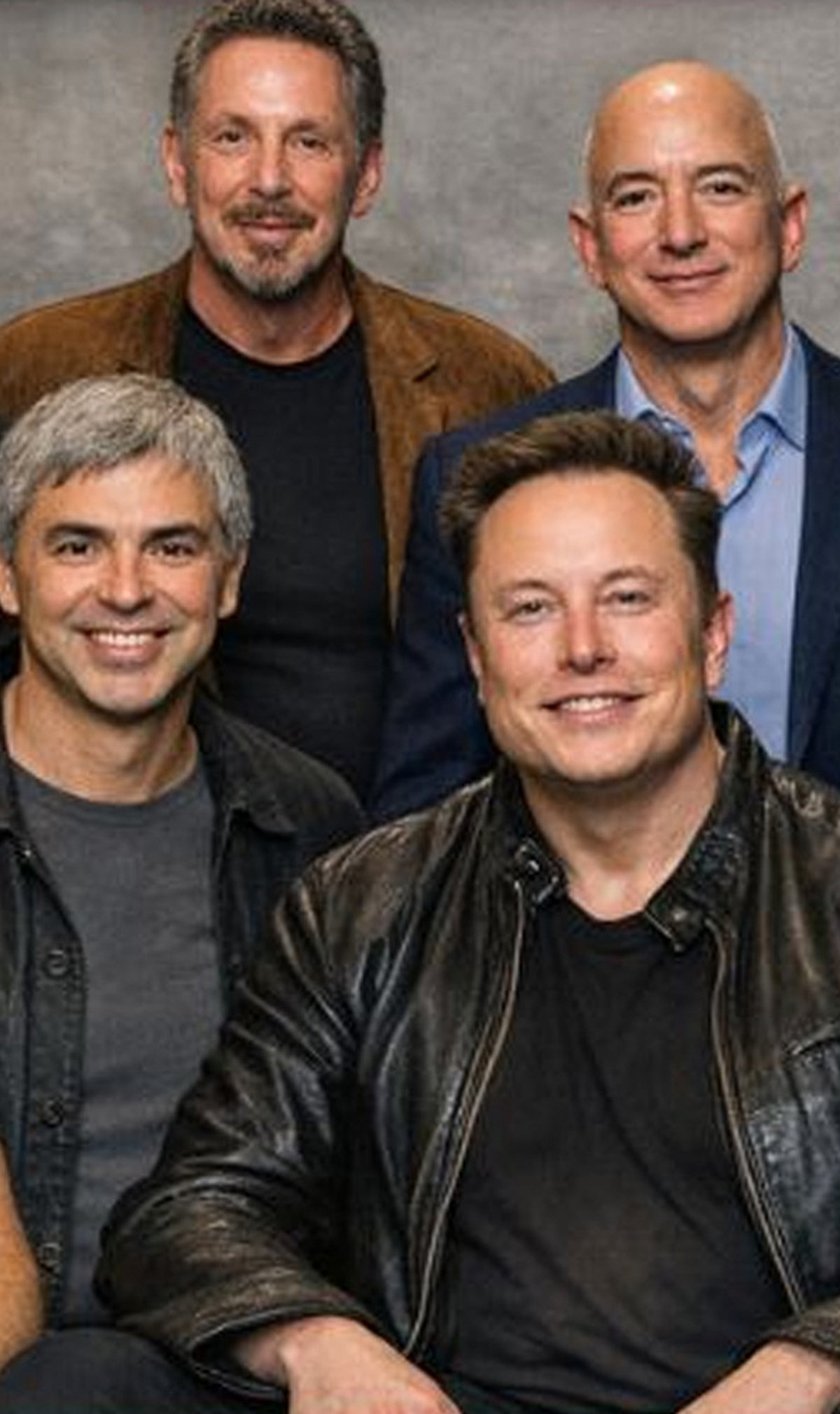
    The journey from the dawn of personal computing to today’s artificial intelligence revolution has been defined by a handful of visionary billionaires. These innovators didn’t just build companies; they reshaped industries, changed how we live and work, and laid the groundwork for the AI-driven future we now inhabit. Here’s a look at the key figures who turned technology into a global force for transformation.

    Bill Gates: Making Computing Personal

    As co-founder of Microsoft, Bill Gates transformed personal computing from a niche hobby into an essential tool accessible to millions. His vision made software affordable and ubiquitous, forever altering education, healthcare, and global business. Through the Bill & Melinda Gates Foundation, he also redefined how billionaire wealth can drive philanthropy and social progress.

    Steve Jobs: The Architect of the Digital Lifestyle

    Apple’s co-founder Steve Jobs revolutionized not just technology, but how people interact with it. From the Macintosh to the iPhone and iPad, his relentless focus on design and user experience set new standards for consumer electronics. Jobs turned smartphones into indispensable companions and transformed digital entertainment, music, and communication.

    Jeff Bezos: From Online Bookseller to Space Explorer

    Jeff Bezos founded Amazon as an online bookstore and built it into a global e-commerce and cloud computing behemoth. Under his leadership, Amazon redefined retail logistics, made cloud computing mainstream with Amazon Web Services (AWS), and pushed the boundaries of space exploration with Blue Origin. His long-term, innovation-first mindset created templates for modern digital business.

    Elon Musk: Accelerating the Future

    Elon Musk is a serial entrepreneur who has driven breakthroughs across multiple sectors. Tesla made electric vehicles desirable and mainstream. SpaceX lowered the cost of space travel and revived private spaceflight. Through Tesla and companies like Neuralink and xAI, Musk is also pushing artificial intelligence into energy, transportation, and brain-computer interfaces.

    Mark Zuckerberg: Connecting the World

    Mark Zuckerberg founded Facebook (now Meta) and turned social networking into a global phenomenon. The platform connected billions of people and redefined digital communication. Today, Zuckerberg is betting heavily on virtual reality, augmented reality, and AI as the next frontiers, shaping how we will interact, work, and play in the metaverse.

    Larry Page & Sergey Brin: Organizing the World’s Information

    The Google co-founders created the world’s most powerful search engine and built an empire around information access. Larry Page and Sergey Brin’s innovations in search algorithms, artificial intelligence, and digital advertising set the stage for modern data-driven technology. Their investments in autonomous vehicles, life sciences, and AI research continue to influence many fields.

    Jensen Huang: Powering the AI Revolution

    As CEO of NVIDIA, Jensen Huang turned a graphics chip company into the engine of the artificial intelligence era. NVIDIA’s GPUs are the backbone of modern AI data centers, powering everything from deep learning research to autonomous vehicles and gaming. Huang’s foresight in betting on parallel processing made him a pivotal figure in the AI boom.

    Sam Altman: Democratizing Generative AI

    Sam Altman, CEO of OpenAI, brought generative AI to the mainstream with tools like ChatGPT and DALL·E. His leadership has accelerated AI adoption across industries, sparked debates about responsible development, and pushed the conversation around artificial general intelligence. Altman’s work is changing how we think about productivity, creativity, and the future of work.

    These billionaires each played a unique role in the transition from tech to AI. Their legacies are not just fortunes, but the technologies and ideas that continue to shape our world.

  • How to Choose the Right Geyser in 2026: Expert Buying Guide

    How to Choose the Right Geyser in 2026: Expert Buying Guide

    A well-chosen water heater provides consistent hot water while keeping electricity consumption under control. With several geyser options available in 2026, understanding their differences is more important than ever. The right choice depends on your home, usage, and budget.

    Step 1: Pick the Type First

    Every other decision comes back to this one. An instant heater has no tank; it heats water as it flows through. That’s enough for one or two people who want a quick shower and don’t have space to spare. A storage geyser keeps a tank of hot water sitting ready, which matters when two bathrooms are running at once. Gas geysers heat cheaply but need ventilation and a gas line, so most apartments are out. Heat pump water heaters cost more initially but move heat instead of generating it from scratch—busy households will feel that difference on the electricity bill. For one or two people with modest needs, go for an instant heater. For households with more than three people, storage is usually the smarter call.

    Step 2: Size for Recovery Time, Not Just Family Size

    Capacity gets treated like a headcount problem, but the number that matters is recovery time: how fast the tank reheats once emptied. Two people showering back-to-back need a bigger tank or faster recovery, even in a small household. A 15L tank with slow recovery can leave the second person waiting fifteen minutes for warm water. A 10L model with a higher heating capacity may recover much faster. As a rough starting point, one or two people need 6 to 15 L, three or four need 15 to 25 L, and five or more should look at 25 to 35 L or a heat pump system. Push that number up if mornings are rushed.

    Step 3: Understand What Actually Drives the Electricity Bill

    BEE rates geysers on a 1 to 5-star scale based on standing loss—the energy lost keeping stored water hot while nobody’s using it. A 5-star tank loses less heat overnight than a 3-star tank of the same size. BEE published revised star-rating norms in the Gazette of India in December 2025, with new thresholds taking effect from July 1, 2026. A 5-star label bought this year is actually a stricter standard than one bought two years ago, even though the sticker looks the same.

    Wattage tells a different part of the story. Instant heaters pull more power, 3 to 4.5 kW, but only while water’s running. Storage heaters draw less, around 2kW, but stay on longer. For one person, instant usually costs less over a month. For a family running the geyser all evening, a well-insulated storage tank tends to win: it just reheats less often.

    Step 4: Match the Geyser to Your Water and Your Building

    Hard water shortens a geyser’s life faster than almost anything else. A glass-lined or enamel-coated tank resists corrosion, a magnesium anode rod helps protect the tank from rust, and an Incoloy heating element withstands hard-water conditions better than a standard copper element. Together, they improve durability and help extend the geyser’s service life.

    Pressure rating matters just as much, and it’s the one buyers skip most often. A 6.5 bar-rated unit is usually plenty for an independent house or low-rise building. High-rise apartments with running pressure pumps generally need 8 bar or higher. A standard-pressure geyser in a high-rise risks leaks or early failure, and most warranties won’t cover damage from exceeding the rated pressure. Worth checking before you buy, not after something leaks.

    Step 5: Don’t Skip Safety and Installation

    A geyser should carry BIS certification (ISI mark), along with a pressure relief valve and a thermostat with thermal cutoff. It should run on dedicated earthing with its own MCB rather than sharing a circuit. Instant geysers pulling 3kW or more need wiring rated for that load, so older homes should get this checked first. A mid-range geyser installed correctly is safer than a premium model installed carelessly, so budget for installation as part of the purchase.

    Quick Checklist Before Buying

    • Pick the type that fits the household size and daily hot water usage.
    • Choose capacity based on recovery time, not just the liters on the box.
    • Check the BEE star rating and make sure it meets the 2026 norms.
    • Confirm the geyser is compatible with your water quality and the pressure rating matches the building.
    • Look for ISI certification, a pressure relief valve, dedicated earthing, and proper installation.
    • Compare the tank warranty and the heating element warranty separately—they’re often not the same.

    Final Thoughts

    There’s no single geyser that’s right for every home. It comes down to family size, water quality, and the building itself, not whichever brand has the longest feature list. Get that part right, and everything else follows: lower bills, safer operation, fewer headaches years down the line.

    FAQs

    1. Which type of water heater is better: instant or storage?

    Instant water heaters are ideal for small households and quick hot water needs, while storage geysers are better for families requiring a steady supply of hot water for multiple users.

    2. What geyser capacity is suitable for a family of four?

    A 15L to 25L storage water heater is generally suitable for a family of four. The ideal capacity depends on bathing habits, the number of bathrooms, and simultaneous usage.

    3. How important is the BEE star rating when buying a water heater?

    The BEE star rating indicates a water heater’s energy efficiency. Higher-rated models consume less electricity over time, helping reduce energy bills without compromising performance.

    4. Can I use a regular geyser in areas with hard water?

    Yes, but choosing a model with a glass-lined tank, corrosion-resistant heating element, and magnesium anode rod helps improve durability and reduces damage caused by hard water.

    5. What safety features should I look for in a water heater?

    Choose a water heater with an ISI certification, thermostat, thermal cut-out, pressure relief valve (PRV), and proper earthing compatibility to ensure safe and reliable everyday operation.


  • Top Technology Stacks Every SaaS Startup Should Consider for 2026

    Top Technology Stacks Every SaaS Startup Should Consider for 2026

    Choosing the right technology stack is critical for SaaS startups aiming to build scalable, high-performance applications. In 2026, the landscape continues to evolve, offering powerful tools that combine speed, flexibility, and intelligent features. Below are the essential technologies your startup should evaluate.

    Frontend: React and Next.js

    React paired with Next.js remains a leading frontend combination. It delivers outstanding performance, a scalable architecture, and excellent user experiences. Its built-in SEO support is crucial for SaaS platforms that rely on organic discovery.

    Backend: Node.js and Python with FastAPI

    Node.js provides a robust runtime for building real-time services, scalable APIs, and distributed applications using JavaScript end-to-end. For startups integrating artificial intelligence, Python with FastAPI offers a powerful backend stack that supports rapid API development, automation, analytics, and enterprise-grade solutions.

    Databases: PostgreSQL and MongoDB

    For relational data, PostgreSQL stands out as a reliable open-source database with strong security, advanced querying, and proven scalability for growing businesses. When handling unstructured or rapidly changing data, MongoDB provides a flexible NoSQL alternative that supports agile development and adaptable storage.

    Containerization and Orchestration: Docker and Kubernetes

    Docker and Kubernetes simplify deploying, scaling, and managing applications. These containerization technologies enable seamless cloud-native software delivery across multiple environments, reducing infrastructure complexity for engineering teams.

    Cloud Platform: AWS

    AWS remains a comprehensive cloud provider offering scalable computing, storage, databases, security, AI services, and global infrastructure. It supports startup growth efficiently, allowing teams to focus on product development rather than hardware management.

    CI/CD: GitHub Actions

    Automated continuous integration and deployment streamline software releases. GitHub Actions improves development productivity, reduces errors, and accelerates feature delivery, making it an essential tool for modern engineering workflows.

    Intelligence Layer: OpenAI APIs

    OpenAI APIs empower SaaS platforms with AI-driven capabilities such as intelligent chatbots, content generation, personalized user experiences, and advanced automation. Integrating these APIs can differentiate your product in a competitive market.

    Selecting the right mix of these technologies can set your startup on a path to success in 2026. Evaluate your specific needs, team expertise, and growth projections to build a stack that scales with you.

  • Top 10 Most-Streamed OTT Series of 2026: From ‘The Pitt’ to ‘Worst Neighbor Ever’

    Top 10 Most-Streamed OTT Series of 2026: From ‘The Pitt’ to ‘Worst Neighbor Ever’

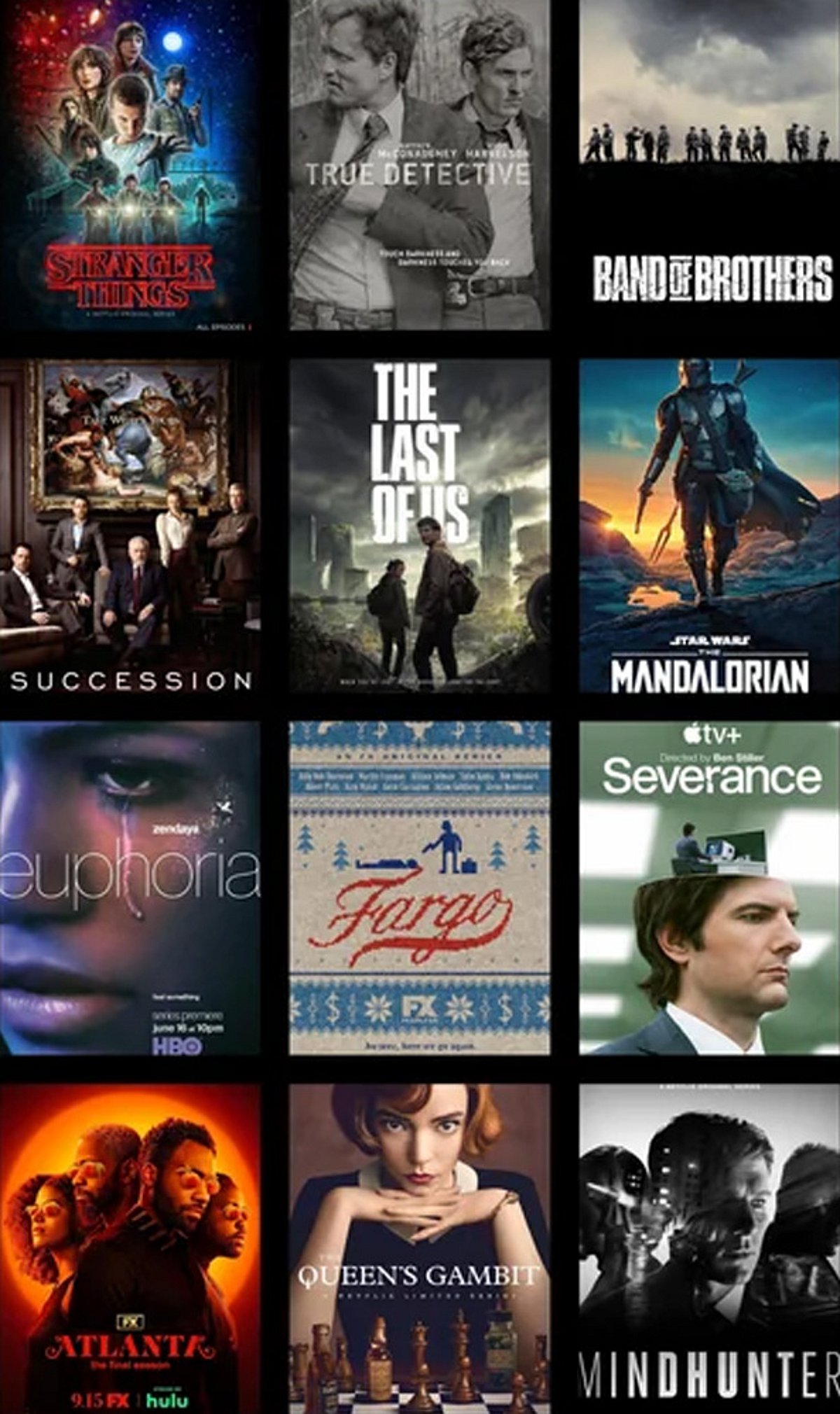
    Streaming platforms continue to dominate the entertainment landscape in 2026, with a diverse array of shows capturing global audiences. Here’s a roundup of the most-watched OTT series so far this year, spanning gripping dramas, supernatural thrillers, dark comedies, and chilling documentaries.

    • The Pitt (Max): Max’s hospital drama became a streaming sensation worldwide, thanks to its realistic storytelling, emotional performances, and intense emergency room scenarios.
    • Stranger Things Season 5 (Netflix): The final season delivered a powerful dose of nostalgia, thrilling supernatural action, and emotional character arcs, quickly becoming one of Netflix’s most-viewed and widely discussed global releases.
    • The Boys (Prime Video): Prime Video’s violent, darkly humorous superhero series held massive popularity with compelling characters, explosive action, and sharp political and social commentary.
    • Hacks Season 5 (HBO/Max): This acclaimed comedy-drama blended witty humor, heartfelt relationships, and exceptional performances, attracting loyal viewers and maintaining strong streaming numbers throughout 2026.
    • Avatar: The Last Airbender Season 2 (Netflix): Netflix expanded the beloved universe with stunning visuals, richer storytelling, and a faithful adaptation, drawing longtime fans and a growing global audience.
    • I Will Find You (Netflix): Based on Harlan Coben’s bestselling novel, this suspense-filled mystery combined unexpected twists, emotional storytelling, and gripping investigations that fueled binge-watching worldwide.
    • Industry Season 4 (HBO): This finance-focused drama impressed viewers with intense workplace rivalries, ambitious characters, and a realistic portrayal of high-pressure investment banking culture.
    • Shrinking Season 3 (Apple TV+): Apple TV+’s emotional storytelling continued with heartfelt humor, relatable relationships, and standout performances, strengthening its position among top-streamed comedy series.
    • Worst Neighbor Ever (Netflix): Netflix’s chilling documentary series explored shocking neighborhood crimes through real testimonies, compelling investigations, and dramatic storytelling, attracting millions of true-crime enthusiasts.

    These shows represent the breadth of content keeping viewers glued to their screens in 2026, from high-stakes medical dramas to supernatural finales and real-life mysteries.