Blog

  • The 1970s Games That Shaped Modern Gaming: A Retrospective

    The 1970s Games That Shaped Modern Gaming: A Retrospective

    The 1970s changed entertainment forever. Arcades became popular gathering spots, while home gaming slowly entered people’s lives. Developers experimented with new genres, gameplay mechanics, and storytelling techniques. Many of the ideas introduced during this decade are still used in modern games.

    Some titles focused on action, while others encouraged exploration, strategy, or problem-solving. Together, they proved that video games could offer much more than simple fun. The 1970s were the decade that started it all. Long before lifelike graphics and massive open worlds, video games won players over with simple ideas, exciting challenges, and endless fun. Arcades buzzed with competition, while early home systems gave families a new way to play together. These games may look basic today, but they introduced genres, gameplay styles, and mechanics that continue to influence modern titles.

    Mattel Auto Race (1976)

    Released in 1976, Mattel Auto Race became one of the first successful handheld electronic games. Players switched lanes to avoid oncoming traffic while trying to stay on the road. Its simple gameplay made it easy to pick up and enjoy. More importantly, it showed that gaming could be portable, paving the way for future handheld consoles.

    Western Gun (1975)

    Western Gun arrived in arcades in 1975 and became one of the earliest competitive multiplayer shooters. Two players faced each other in a Wild West duel while using rocks and cacti for cover. Every match felt different because movement and timing mattered. It helped introduce player-versus-player action that later became a major part of gaming.

    The Oregon Trail

    The Oregon Trail proved that educational games could also be entertaining. Players guided a wagon party across America while managing food, supplies, and difficult decisions. Hunting, disease, and unexpected events made every journey unique. Its mix of learning and survival created an experience that generations of students still remember with nostalgia.

    Galaxian (1979)

    Galaxian took arcade shooters to a new level in 1979. Enemy ships no longer stayed in fixed formations. Instead, they broke away and attacked players in fast diving patterns. The colorful visuals and exciting gameplay made every round feel intense. Its ideas later influenced countless space shooter games that followed.

    Lunar Lander

    Lunar Lander challenged players to land a spacecraft safely with limited fuel. Every movement had to be carefully controlled because even a small mistake could end the mission. The realistic physics made the game feel different from other arcade titles. It rewarded patience, precision, and careful planning instead of quick reactions alone.

    Akalabeth: World of Doom

    Created by Richard Garriott, Akalabeth: World of Doom was among the earliest role-playing games on home computers. Players explored dungeons, completed quests, and fought monsters while improving their characters. The open-world structure encouraged exploration instead of following a fixed path. Many RPG franchises later built upon the ideas first introduced here.

    Star Raiders (1979)

    Released for Atari 8-bit computers in 1979, Star Raiders combined action with strategy. Players explored a galaxy map, defended friendly bases, and battled enemy fleets across space. Every mission required smart planning and quick combat skills. Its blend of exploration and space battles made it one of Atari’s most memorable computer games.

    Personal Recommendation: Two Classics That Still Stand Out

    If I had to recommend only two games from this list, they would be The Oregon Trail and Galaxian. The Oregon Trail remains enjoyable because every choice feels meaningful. Managing resources amid unpredictable events creates suspense throughout the journey. Even today, it offers a fun way to experience history while testing decision-making skills. Galaxian is equally impressive because its gameplay still feels exciting. The attacking enemy formations keep players alert from start to finish. It may look simple by modern standards, but its fast-paced action remains surprisingly addictive and shows why it became an arcade classic.

    Why These Games Still Matter

    The technology of the 1970s was limited, yet developers created experiences that inspired future generations. These games introduced multiplayer competition, role-playing adventures, space combat, handheld gaming, and educational gameplay at a time when the industry was just beginning. Many modern genres trace their origins back to these classics. Their influence continues to appear in today’s biggest games, proving that strong gameplay ideas never become outdated.

    A Legacy that Lives On

    The greatest games of the 1970s did more than entertain players. They laid the groundwork for one of the world’s biggest entertainment industries. From the portable fun of Mattel Auto Race to the fantasy adventure of Akalabeth: World of Doom, every title brought something new to gaming. Looking back at these classics reminds us that great games are built on creativity, not just technology. Their simple designs and memorable gameplay continue to inspire developers and delight retro gaming fans decades later.


  • Free Fire MAX Redeem Codes (July 12, 2026): Grab Free Diamonds, Emotes, and Outfits

    Free Fire MAX Redeem Codes (July 12, 2026): Grab Free Diamonds, Emotes, and Outfits

    New redeem codes for Garena Free Fire MAX are now available for July 12, 2026. These codes offer players a chance to earn free emotes, outfits, and Diamonds. However, they are region-specific and time-limited, so act fast to claim your rewards.

    Free Fire MAX Redeem Codes for July 12, 2026

    Below are the latest redeem codes. Remember, each code is valid only for a limited time and may be restricted to specific servers.

    • F1O5P9A3S7D2F6G8F9M3N7B1V5C8X2Z4
    • F2E8R4T6Y1U9I3O5F4N8M2B6V1C7X3Z5
    • F5L1K7J3H9G4F2E6F3L7K1J9H5G2F8E4
    • F2Q6W1E9R4T7Y3U5F8I4O2P6A9S3D1F7
    • F4N1M5B3V7C9X2Z6F1G8H3J5K2L9M4N6
    • F5Z3X9C1V7B2N8M4F7U1Y5T3R9E2W6Q4
    • F7U3Y9T1R6E4W8Q2F6Y4T8R2E5W1Q9Z3
    • F8Z2X6C4V9B1N7M3F3Q7W5E1R8T2Y6U4
    • F6I9O3P7A2S5D1F8F1O6P2A8S4D9F3G7
    • F9M4N2B8V6C1X7Z3

    How to Redeem Free Fire MAX Codes

    Follow these steps to redeem your codes:

    1. Visit the official Free Fire Rewards Redemption website.
    2. Log in using your Gmail, Facebook, X (Twitter), or VK ID.
    3. Copy and paste the code into the designated box.
    4. Click Confirm and then press OK.

    If the code is successfully redeemed, rewards such as emotes, skins, and other items will be delivered to your in-game mailbox within 24 hours. Diamonds and other premium currencies are usually credited instantly.

    How to Get More Diamonds in Free Fire MAX

    Diamonds are the premium currency in Free Fire MAX. They are not freely available in most cases, but you can obtain them via:

    • Direct purchase from the in-game store or authorized third-party websites.
    • Participating in special in-game events that reward Diamonds for completing tasks.

    Final Thoughts

    The daily redeem code system in Garena Free Fire MAX demonstrates how modern multiplayer games combine intense gameplay with psychological engagement. Codes provide new players with helpful early rewards and give experienced players a reason to return daily. In the competitive mobile gaming industry, such retention systems are essential for keeping players active and dedicated.

  • Top 10 Data Analytics Certifications to Boost Your Career in 2026

    Top 10 Data Analytics Certifications to Boost Your Career in 2026

    In 2026, data analytics certifications remain a powerful tool for professionals aiming to validate their skills and stand out in a competitive job market. Whether you’re a beginner or an experienced analyst, the right certification can sharpen your expertise in SQL, visualization, reporting, and business intelligence—while signaling to employers that you can solve real-world problems with data.

    Below, we break down the ten most valuable data analytics certifications for 2026, covering everything from entry-level credentials to advanced, cloud-focused designations. Each certification is chosen for its relevance, industry recognition, and practical, hands-on focus.

    1. Google Data Analytics Professional Certificate

    An excellent starting point for beginners, this certification covers the fundamentals: cleaning data in spreadsheets, writing SQL queries, creating basic visualizations, and translating numbers into actionable business insights. No prior technical background is required, making it a solid first step toward a career in analytics.

    2. Microsoft Power BI Data Analyst Associate

    Ideal for business intelligence professionals, this certification focuses on data preparation, modeling, dashboard creation, and DAX (Data Analysis Expressions). It’s a perfect fit for organizations already using Microsoft products and needing skilled report creators.

    3. CompTIA Data+

    A vendor-neutral certification that covers data governance, reporting, and interpretation. It’s great for beginners who want a broad, foundational understanding of analytics without being tied to a specific platform. Data+ is especially useful for analysts who value versatility.

    4. IBM Data Analyst Professional Certificate

    This project-based certificate teaches Excel, SQL, Python, and dashboard creation. It’s designed to build practical skills and a portfolio—ideal for those who want to demonstrate hands-on ability to employers.

    5. Certified Analytics Professional (CAP)

    An advanced certification for seasoned analysts, CAP validates end-to-end analytical skills: problem formulation, methodology selection, data analysis, and business impact assessment. It’s best for professionals seeking strategic recognition in analytics.

    6. aCAP (Associate Certified Analytics Professional)

    Targeted at early-career professionals, aCAP introduces core principles, standards, and professional requirements. It’s a stepping stone for those not yet ready for the full CAP certification.

    7. Tableau Certified Data Analyst

    Focused on visualization and dashboarding, this certification proves you can connect to data, prepare it, analyze it, and communicate insights using Tableau. It’s particularly valuable for roles that require clear data storytelling.

    8. AWS Certified Data Analytics – Specialty

    For cloud-focused roles, this certification covers data pipelines, storage, analytics services, and large-scale workflow management on AWS. It’s suited for engineers and data professionals working in cloud-based environments.

    9. SAS Advanced Analytics Professional

    Essential for industries heavily reliant on SAS, this certification demonstrates advanced statistical and analytical abilities. It’s highly relevant for sectors like healthcare, finance, and insurance where SAS is a standard tool.

    10. Cloudera Certified Associate Data Analyst

    Relevant for big data environments, this certification validates SQL analysis and querying on Cloudera platforms. It’s ideal for analysts working with large datasets who need to prove their competence in handling massive data volumes.

    The Road Ahead

    In 2026, data analytics certifications are valued for their practical, hands-on focus. Employers prioritize credentials that prove real skill in SQL, dashboards, cloud tools, and business thinking. While certifications alone won’t guarantee a job, they give candidates a strong edge when combined with portfolio projects and real-world experience. The best strategy: choose one focused certification, build a portfolio, and demonstrate you can solve actual business problems with data.

    FAQs

    Which data analytics certification is best for beginners?
    Google Data Analytics Professional Certificate and IBM Data Analyst Professional Certificate are excellent beginner-friendly choices because they cover SQL, spreadsheets, visualization, and practical analytics skills through hands-on projects.

    Do employers value data analytics certifications in 2026?
    Yes. Certifications remain valuable because they demonstrate verified technical skills, especially when combined with practical experience, portfolio projects, and the ability to solve real business problems using data.

    Which certification is best for Power BI professionals?
    The Microsoft Power BI Data Analyst Associate certification is ideal for professionals working with dashboards, data modeling, DAX, reporting, and business intelligence using Microsoft’s analytics ecosystem.

    Is AWS Data Analytics certification suitable for beginners?
    No. AWS Certified Data Analytics – Specialty is better suited for professionals with cloud analytics experience and knowledge of AWS services, data pipelines, and large-scale data processing environments.

    Are certifications enough to get a data analytics job?
    Certifications improve your resume, but employers also expect practical projects, SQL knowledge, visualization skills, problem-solving ability, and experience demonstrating how you analyze and communicate business insights effectively.

  • Why Entry-Level Remote Jobs Are So Competitive Now (And How to Land One)

    Why Entry-Level Remote Jobs Are So Competitive Now (And How to Land One)

    Remote work has long been seen as the ideal career path for new graduates and early-career professionals, offering flexibility and access to opportunities beyond local markets. However, the landscape has shifted dramatically. Entry-level remote jobs are now harder to secure than ever before, driven by global competition, AI-powered hiring tools, and a shrinking pool of fully remote openings.

    The Rising Competition

    The primary factor behind the increased difficulty is the sheer volume of applicants. Unlike traditional in-office roles, remote positions attract candidates from across cities, states, and even countries. This gives employers a massive talent pool to choose from, but it means job seekers must compete with hundreds or thousands of other applicants for a single vacancy. Highly qualified candidates often don’t even get an interview because hiring managers are overwhelmed by the number of submissions.

    Employers Want Self-Starters

    Companies are increasingly looking for candidates who can hit the ground running. Remote work demands strong time management, excellent digital communication skills, and the ability to work independently with minimal supervision. As a result, employers tend to favor applicants who already have some work experience, even if it’s from a different field. For entry-level candidates without a long work history, proving they possess these qualities is a significant hurdle.

    AI Has Transformed the Hiring Process

    Technology has fundamentally changed how companies screen applicants. Many organizations now use Applicant Tracking Systems (ATS) and AI-powered tools to filter resumes before a human recruiter ever sees them. These systems scan for specific keywords, skills, certifications, and experience mentioned in the job description. If your resume doesn’t match the criteria, it’s automatically rejected. This means generic, one-size-fits-all applications rarely succeed. Tailoring each resume to the specific job is no longer optional—it’s essential.

    Fewer Fully Remote Openings

    Despite the continued popularity of remote work, many companies have shifted back to hybrid or office-based models. This has reduced the number of fully remote entry-level positions available compared to a few years ago. Fewer openings combined with more applicants creates a highly competitive environment. To stand out, you need more than a degree; you need a polished resume and demonstrable skills.

    Common Challenges for Entry-Level Candidates

    Fresh graduates and career changers face a Catch-22: companies want experience, but it’s hard to get experience without a job. Building a portfolio or taking on freelance projects can help bridge this gap, but it requires proactive effort. The good news is that these challenges are surmountable with the right strategy.

    How to Improve Your Chances

    Here are actionable steps to become a stronger candidate:

    • Customize your resume and cover letter for every single application, incorporating keywords from the job description.
    • Build practical digital and AI skills through online courses or personal projects.
    • Create a portfolio showcasing your work, whether it’s writing samples, design projects, code repositories, or case studies.
    • Optimize your LinkedIn profile to highlight your skills and interests.
    • Network actively by connecting with professionals in your field, joining relevant online communities, and attending virtual events.
    • Apply consistently and don’t get discouraged by rejections—persistence is key.

    Practical Skills Trump Degrees

    Employers today prioritize practical knowledge over academic credentials. Skills in Microsoft Excel, Google Workspace, SEO, copywriting, digital marketing, data analysis, project management, and AI-driven productivity tools are highly sought after. Many of these can be learned affordably through online platforms like Coursera, Udemy, or LinkedIn Learning. Building a portfolio of personal or freelance projects gives recruiters concrete evidence of your abilities, regardless of your professional background.

    Networking Reveals Hidden Opportunities

    Many remote jobs are filled through referrals before they’re ever publicly advertised. Networking is therefore one of the most effective job-seeking strategies. Engage with industry professionals on LinkedIn, participate in forums, and attend virtual meetups. These connections can lead to unlisted opportunities and provide valuable insights into what companies are looking for.

    Keep Learning and Stay Adaptable

    The job market evolves rapidly, especially with the rise of new technologies. Employers value candidates who demonstrate curiosity, initiative, and a willingness to learn. Staying current with AI tools, improving communication skills, and following industry trends will make you a more competitive applicant. Companies appreciate individuals who actively invest in their own development.

    Final Thoughts

    Entry-level remote jobs still exist, but landing one now requires more effort than in the past. The competition is fierce, hiring processes are more automated, and expectations are higher. However, by acquiring relevant skills, building a strong portfolio, tailoring your applications, and networking strategically, you can significantly improve your odds. With persistence and the right approach, a remote job is still within reach.

  • 7 High-Growth US Tech Stocks to Watch in 2026: Key Drivers and Risks

    7 High-Growth US Tech Stocks to Watch in 2026: Key Drivers and Risks

    The US technology sector continues to be shaped by artificial intelligence, cloud software, and semiconductor innovation. Companies delivering consistent revenue and earnings growth remain in focus. These high-growth tech stocks stand out for their strong business momentum and long-term potential.

    Overview

    Seven US tech companies posted verified double- or triple-digit revenue growth in their most recent 2026 quarterly reports. Each stock carries a distinct growth driver, from AI infrastructure demand to NAND storage contracts, rather than a repeated AI narrative. Every pick comes with a specific, company-disclosed risk factor investors should track before buying.

    Revenue separates market leaders from market stories. The strongest US tech companies are proving their growth through earnings rather than expectations. From AI infrastructure to cybersecurity and digital commerce, these seven stocks are backed by measurable performance instead of market hype.

    NVIDIA Stock: Why it Remains a Top High-Growth AI Stock in 2026

    NVIDIA posted first-quarter fiscal 2027 revenue of $81.6 billion, up 85% year over year, with data center revenue up 92%. The Blackwell ramp is still driving that growth, and the Rubin platform is set to contribute revenue for the first time next quarter. The clearest risk sits in the guidance itself: NVIDIA is assuming zero data center compute revenue from China going forward, a quantified exposure rather than a vague valuation concern.

    Palantir Stock: Enterprise AI Growth Makes it a Top Tech Stock in 2026

    Palantir grew revenue 85% year over year in Q1 2026, its fastest pace since 2020, with US commercial revenue up 133%. The company raised its full-year guidance to 71% growth and reported a Rule of 40 score of 145. Operating expenses rose 32% in the same quarter, so any slowdown in commercial deal velocity would hit margins faster than revenue could offset it.

    Shopify Stock: Commerce Growth and AI Innovation Drive 2026 Performance

    Shopify crossed $100 billion in quarterly GMV for the second straight quarter, with revenue up 34%. The Universal Commerce Protocol, now backed by Amazon, Meta, Microsoft, Salesforce, and Stripe, is the structural story here. Investors should still note that the stock fell 8.7% on the print itself, as rising transaction losses and a price-to-earnings ratio near 135 offset the headline growth.

    Zscaler Stock: Cybersecurity Growth Powered by AI Demand

    Zscaler grew revenue 25% and ARR 25% in its third fiscal quarter, positioning itself as the cybersecurity layer for AI agents. Strip out the Red Canary acquisition, and organic ARR growth drops to 21%, and the company’s own early guidance for fiscal 2027 points to a step down to 16 to 17% growth.

    HubSpot Stock: AI-Powered CRM Growth Supports Long-Term Potential

    HubSpot grew revenue 23% in Q1 2026, with total customers approaching 300,000 and active AI seat users up 90% year over year. The company’s push into agentic tools, including its new Customer, Prospecting, and Data Agents, is driving upmarket deal sizes higher, with deals above $120,000 in ARR up 64%. But pricing and go-to-market changes made in April slowed sales capacity, and management has already guided Q2 growth down to 18%. That is a declaration the company disclosed itself, not a market guess.

    SanDisk Stock: AI-Driven NAND Demand Fuels Revenue Growth

    Revenue more than tripled to $5.95 billion as AI workloads drove NAND demand, and the company locked in $42 billion of long-term supply contracts covering a third of its fiscal 2027 bit shipments. Management has flagged the risk directly: the variable-priced portions of those contracts could erode margins fast if NAND supply outpaces demand.

    Reddit Stock: Advertising and AI Data Licensing Drive Growth

    Reddit rounds out the list with a genuinely different growth driver. Revenue grew 69% in Q1 2026, its seventh straight quarter above 60% growth, powered by advertising revenue up 74% and a data licensing relationship with AI model builders built on more than 25 billion posts and comments. Active advertisers on the platform grew more than 75% year over year, and the company’s own automated campaign product, Reddit Max, is already showing measurable results for advertisers. The gap to watch: US daily active users sit at 53.5 million, approximately half of management’s own stated target of 100 million.

    What is Driving High-Growth US Tech Stocks in 2026?

    None of these seven stocks is growing for the same reason. NVIDIA and SanDisk are riding AI infrastructure demand from opposite ends of the supply chain. Palantir and HubSpot are monetizing AI inside enterprise software. Shopify is building a two-decade-old commerce network. Zscaler is selling security for a threat landscape that did not exist five years ago. Reddit is turning its content archive into a licensing asset.

    Final Thoughts

    Every stock on this list beat growth expectations this year, and every one of them also handed investors a specific reason to stay disciplined. The market has stopped rewarding growth on its own; it now waits to see whether a China exposure, a slowing organic ARR line, or a guided deceleration actually shows up in the next print. The companies that manage their own disclosed risk will separate from the ones that only manage the headline. Watch the risk column as closely as the growth column, because that is where the real verdict gets written.

  • Top 5 boAt Smartwatches Under ₹2,000 in India (2026 Buyer’s Guide)

    Top 5 boAt Smartwatches Under ₹2,000 in India (2026 Buyer’s Guide)

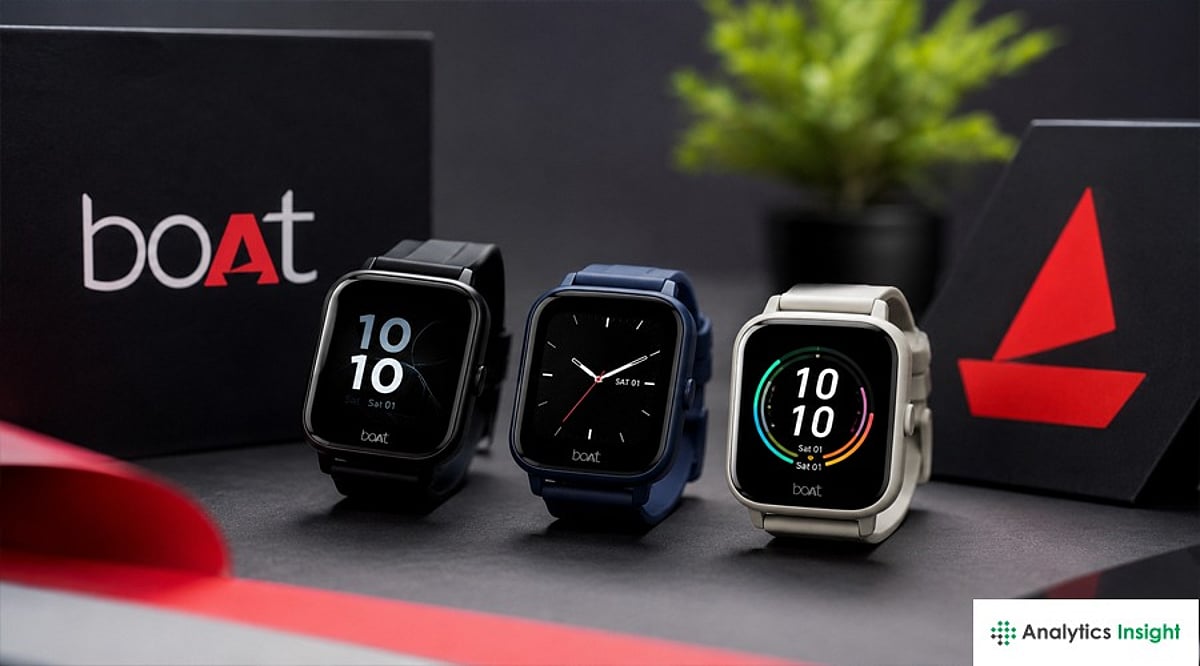
    Buying a smartwatch on a budget no longer means settling for basic features. boAt’s affordable lineup includes models with Bluetooth calling, fitness tracking, and modern designs. Discover the best boAt watches under ₹2,000 available in India in 2026.

    Overview:

    • Five boAt models verified for live pricing and availability under ₹2,000 as of July 2026, each ranked for a distinct strength rather than a repeated feature set.
    • A side-by-side comparison table covers display, battery, calling, and IP rating so buyers can shortlist without reading every section.
    • Prices on Amazon and Flipkart shift often in this segment, so the guide flags where figures moved recently and recommends checking the live listing before buying.

    The budget smartwatch market in India has never been more competitive. boAt has responded by spreading its sub-₹2,000 lineup across five distinct strengths rather than chasing one flagship formula. This guide compares them on verified pricing, features, and real-world value, so you can match the watch to what matters most to you in July 2026. Prices verified across Amazon India and Flipkart listings in July 2026. Figures shift during sale events and vary by color and seller, so check the live listing before purchase.

    boAt Wave Astra 3: Best Overall Balance

    Wave Astra 3 earns the overall pick without forcing a trade-off. Its 1.83-inch HD display runs at 240×296 pixels, sharp enough for daily notifications, while the claimed 7-day battery outlasts most watches in this price band. Turn-by-turn navigation stands out: the watch shows directional arrows on the wrist during a ride, a feature usually reserved for pricier models. Over 700 sports modes and IP67 resistance complete a watch built for commuting, workouts, and calls in one device. Buy now

    boAt Wave Sigma 3: Best for a Bigger Display

    If screen real estate is the priority, the Wave Sigma 3’s 2.01-inch display is the largest here, and it’s also the most affordable of the five. The watch adds an emergency SOS button that alerts a preset contact and a built-in QR code tray for quick payments, both beyond the usual step-counting basics. Battery life is rated up to 7 days, with Bluetooth calling included. The trade-off is a bulkier presence on the wrist for buyers who prefer a compact watch. Buy now

    boAt Storm Call 3: Best for Calling on a Budget

    Storm Call 3 is the cheapest watch here and still includes GPS and Bluetooth calling, a combination rarely available below ₹1,300. Its 1.83-inch HD display and up to 5-day battery are more modest than the Astra 3 or Sigma 3, and user reviews note faster battery drain when calling is switched on. For buyers who want calling specifically and don’t need the longest runtime, this is the most direct route to it without paying for navigation or a bigger screen. Buy now

    boAt Lunar Discovery: Best for Navigation

    Lunar Discovery is built around one feature: MapMyIndia turn-by-turn navigation on a 1.39-inch HD TFT display. Riders get left-and-right directional cues without pulling out a phone, and the watch stores up to 20 contacts for quick Bluetooth calling from the built-in dialpad. The display resolution, at 240×240 pixels, is the lowest in this group, better suited to wayfinding than visual sharpness. Buy now

    boAt Lunar Orb: Best for Style

    Lunar Orb breaks from the rectangular dial that dominates this list with a 1.45-inch round AMOLED display, a shape that reads closer to a traditional watch. Always-on display, live cricket and football score updates, and a DIY watch face studio give it the most personalization of the five. Battery life is rated up to 7 days with typical use, though an always-on display cuts that down. This is the pick for a smartwatch that doesn’t look like one. Buy now

    Which Model Should You Buy?

    • Want one watch that does everything reasonably well: Wave Astra 3
    • Want the biggest screen for the least money: Wave Sigma 3
    • Want to call on the tightest budget: Storm Call 3
    • Ride often and need on-wrist directions: Lunar Discovery
    • Care most about how the watch looks: Lunar Orb

    Final Thoughts

    None of these watches replaces a proper fitness tracker or a premium smartwatch, and that’s not the point at this price. Each solves one problem well: the Astra 3 balances everything, the Sigma 3 maximizes screen size, the Storm Call 3 minimizes cost, the Lunar Discovery prioritizes navigation, and the Lunar Orb leads in design. Match the watch to the feature that matters most, and verify the current price before checkout.

    FAQs

    1. Which is the best boAt watch under ₹2,000 in India in 2026? The best boAt watch under ₹2,000 depends on your needs. Some models prioritize Bluetooth calling, while others offer better battery life, larger displays, or more comprehensive fitness tracking.
    2. Are boAt smartwatches under ₹2,000 good for fitness tracking? Yes. Most boAt smartwatches in this price range include features such as heart rate monitoring, SpO₂ tracking, sleep analysis, step counting, and multiple sports modes for everyday fitness.
    3. Do boAt watches under ₹2,000 support Bluetooth calling? Many boAt smartwatches under ₹2,000 support Bluetooth calling, enabling users to make and receive calls directly from the watch when connected to a compatible smartphone.
    4. How long does the battery last on a boAt smartwatch under ₹2,000? Depending on the model and usage, most boAt smartwatches under ₹2,000 provide around 5 to 10 days of battery life on a single charge.
    5. What should I consider before buying a boAt smartwatch under ₹2,000? Look for display quality, battery life, Bluetooth calling, health tracking features, water resistance, build quality, and smartphone compatibility to choose the best boAt smartwatch for your requirements.
  • Top Credit Cards for Online Shopping in India (2026 Edition)

    Top Credit Cards for Online Shopping in India (2026 Edition)

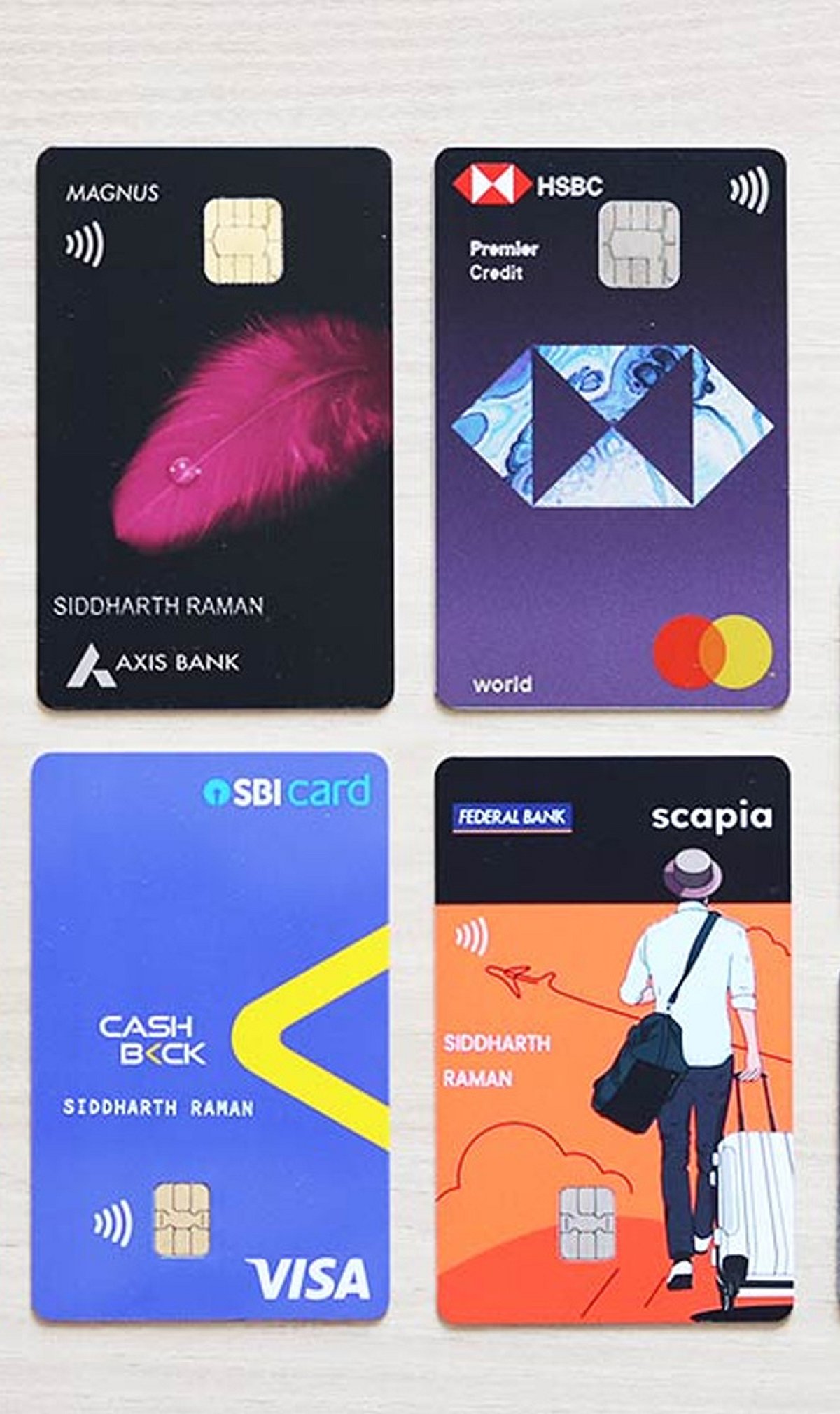
    Online shopping credit cards allow users to earn cashback, rewards, and exclusive discounts on everyday purchases across popular e-commerce platforms. Choosing the right card can significantly boost your savings on digital transactions.

    Amazon Pay ICICI Credit Card

    This card offers attractive cashback, lifetime free membership, and extra savings for frequent Amazon shoppers. It is ideal for those who primarily shop on Amazon India.

    Flipkart Axis Bank Credit Card

    Designed for Flipkart enthusiasts, this card provides cashback on Flipkart purchases, partner brands, and exciting discounts during festive shopping sales.

    HDFC Millennia Credit Card

    HDFC Millennia rewards online spending across shopping, travel, food delivery, and entertainment platforms with cashback benefits, making it a versatile choice for everyday use.

    SBI Cashback Credit Card

    The SBI Cashback Credit Card offers cashback on eligible online transactions across multiple merchants without restricting rewards to one platform, giving you flexibility.

    Axis Bank ACE Credit Card

    This card combines cashback on online shopping, utility bill payments, and selected partner merchant transactions, making it a strong all-rounder.

    How to Choose the Right Card

    Compare annual fees, cashback rates, reward limits, and your spending habits before selecting a card. Always pay credit card bills on time to avoid interest charges and maintain a healthy credit score. The right credit card can maximize savings while making online shopping more rewarding, convenient, and financially beneficial in 2026.

  • 9 Smart Home Gadgets That Actually Reduce Your Utility Bills

    9 Smart Home Gadgets That Actually Reduce Your Utility Bills

    Smart home technology isn’t just about convenience—it can also lead to significant savings on your monthly bills. From thermostats that learn your schedule to irrigation controllers that adjust to the weather, these nine devices help cut electricity, water, and heating costs over time.

    • Google Nest Thermostat: Automatically adjusts temperatures to reduce energy consumption when you’re away or asleep.
    • Smart LED Lighting: Lights turn off automatically when rooms are empty, eliminating wasted electricity.
    • Smart Power Strips: Cut standby power usage by shutting off electronics that aren’t in use.
    • Smart Water Leak Detectors: Detect leaks early to prevent expensive water damage and wasted water.
    • Smart Irrigation Controllers: Optimize garden watering schedules based on local weather forecasts, reducing water usage.
    • Smart Energy Monitors: Track your home’s electricity consumption in real time, helping you identify energy hogs.
    • Smart Blinds: Automatically open and close to manage solar heat gain, lowering cooling and heating costs year-round.

    While each device offers modest savings on its own, the combined effect can add up to hundreds of dollars annually. Investing in these smart home upgrades pays for itself over time—while making your home more efficient and comfortable.

  • Musk and Altman Exchange Public Insults as AI Rivalry Heats Up

    Musk and Altman Exchange Public Insults as AI Rivalry Heats Up

    The long-standing public feud between Elon Musk and OpenAI CEO Sam Altman escalated again this week, with both leaders trading pointed insults on X (formerly Twitter). The exchange, which began on July 11, quickly went viral, drawing millions of views and sparking widespread discussion across the platform.

    The latest round started when Musk reshared an old post labeling Altman a “scammer,” adding his own comment: “He takes scamming to a whole new level.” Altman responded with a humorous jab at billionaires who dream of building cities on other planets—a clear reference to Musk’s SpaceX ambitions. Altman’s post read: “homeboy you’re the one selling public market investors on short-term space datacenters.”

    The exchange highlights the deepening rift between two of the most influential figures in technology. Musk co-founded OpenAI in 2015 but left the board in 2018; he now runs xAI, a competing artificial intelligence venture. Altman has led OpenAI through its meteoric rise, including the launch of ChatGPT and GPT-4.

    Beyond personal jabs, the spat reflects a fundamental philosophical divide. Musk has long championed making humanity a multi-planetary species through SpaceX. Altman, meanwhile, believes AI will be the most transformative tool ever created, reshaping work, education, science, and daily life. Their exchange essentially asked: which vision matters more—colonizing space or mastering intelligence on Earth?

    Social media users quickly turned the exchange into memes, screenshots, and reaction threads. The feud has become part of internet culture, with each new post generating more viral content than the last. What began as a business disagreement now plays out in real time on a global stage, where humor often travels faster than serious arguments.

    As both leaders push forward with competing AI initiatives—Musk’s xAI and Altman’s OpenAI—every public interaction between them draws intense scrutiny. This latest round shows that their rivalry is not just about technology, but about two competing visions for the future of humanity.

  • Redmi Note 17 Series Leak: Snapdragon Power, Brighter OLED, and Bigger Batteries

    Redmi Note 17 Series Leak: Snapdragon Power, Brighter OLED, and Bigger Batteries

    Xiaomi is on the verge of launching the Redmi Note 17 series, and new leaks have revealed key details about the upcoming devices. According to information shared on Weibo, the Redmi Note 17 and Redmi Note 17 Pro are expected to deliver faster performance, brighter OLED displays, and significantly larger batteries—continuing the line’s tradition of offering strong features at a competitive price.

    Snapdragon Chips and Massive Batteries

    The Redmi Note 17 is rumored to be powered by a Snapdragon 4 Gen 4 chipset, paired with a bright 7-inch OLED display. The phone is also said to include a 50MP main camera and an 8,000mAh battery supported by 45W wired charging. The Pro model is expected to step up to a Snapdragon 6s Gen 4 processor, along with a 7-inch OLED screen, a 50MP primary camera, and a dedicated 50MP telephoto lens for improved zoom photography. Its battery may reach 9,000mAh, with Xiaomi offering a five-year warranty on battery replacements, according to the leak.

    Are 7-Inch Phones Making a Comeback?

    The rumored near-7-inch screens are a major talking point. A larger display benefits gaming, video watching, reading, and multitasking, catering to users who spend hours on their phones daily. However, oversized phones can be less comfortable for one-handed use and may feel bulky in pockets. With foldable devices normalizing large screens, some users may be ready for this shift, though practicality remains a consideration.

    Xiaomi Leading a Battery War?

    The Redmi Note 17 Pro appears poised to be one of the most aggressive mid-range offerings, combining a massive battery, bright OLED, and strong Snapdragon performance. Battery life has become a crucial differentiator as smartphone usage for gaming, streaming, work, and social media increases. Competitors such as Vivo, Honor, and Realme have also been boosting battery capacities, but Xiaomi could push the trend further with a budget-friendly device. If that happens, it could prompt rivals to follow suit, benefiting consumers with longer-lasting phones.

    Xiaomi has not officially confirmed these details as of press time. The company is expected to launch the Redmi Note 17 series in China on July 14.