Blog

  • Dogecoin Price Eyes Potential Reversal as Bullish Patterns Form Near $0.10

    Dogecoin Price Eyes Potential Reversal as Bullish Patterns Form Near $0.10

    Dogecoin is showing early signs that its extended downtrend may be losing strength as several technical indicators point to improving market structure. Analysts have identified multiple bullish chart formations while DOGE continues to hold above a key long-term support zone between $0.070 and $0.073. At the same time, traders are focused on resistance near $0.10, which could determine whether the recovery gains momentum. Although derivatives activity still reflects caution, technical analysts continue monitoring price action for stronger confirmation.

    Multiple Technical Patterns Signal Improving Momentum

    Market analyst Celal Kucuker reported that Dogecoin is forming a potential double-bottom pattern. Traders often associate this formation with a trend reversal after confirmation. Meanwhile, DOGE has continued trading above the long-term support range between $0.070 and $0.073. This price stability has encouraged analysts to monitor the developing structure more closely.

    The daily chart has also produced another constructive signal. Dogecoin formed a rounding-bottom pattern and moved above a descending trendline that had limited price action for months. After breaking above that trendline, the price returned to test the breakout level. It stayed above the support instead of falling below it immediately, suggesting selling pressure has eased. Kucuker also identified an inverted head-and-shoulders pattern on the chart. This formation requires confirmation before traders can consider it complete.

    Resistance Near $0.10 Remains the Key Test

    According to Kucuker, Dogecoin must close decisively above the neckline between roughly $0.095 and $0.100 to confirm the reversal pattern. That move would represent a notable shift in momentum. Using Fibonacci projections, the analyst placed the first upside target between $0.118 and $0.120. Those levels could become the next focus if buyers secure a breakout.

    Furthermore, Kucuker identified the $0.20 area as the next major objective if bullish momentum continues. That region previously attracted significant selling activity. Another market analyst, Trader Tardigrade, compared the current chart structure with previous Dogecoin bull market cycles. His analysis focused on the latest two-week price formation. He noted that the current setup closely resembles patterns that appeared before major rallies in 2017 and 2021. During those cycles, DOGE consolidated above rising support before stronger advances followed. The latest structure shows Dogecoin reclaiming another important technical base.

    Derivatives Traders Remain Careful Despite Bullish Signals

    Despite stronger chart formations, derivatives markets continue showing caution. Analyst CW reported that short covering recently occurred on BitMEX. Even after bearish positions closed, Dogecoin prices continued drifting lower. According to CW, that behavior suggests larger market participants may still influence price action.

    Meanwhile, open interest declined sharply after the July 8 sell-off. Trading volume also stayed relatively low as traders waited for additional confirmation. Immediate resistance now stands between $0.075 and $0.076. Another important resistance zone sits between approximately $0.078 and $0.079. For now, analysts continue watching support near $0.070. As long as DOGE holds that level, the broader recovery structure is intact while traders monitor whether buying pressure can build toward the critical $0.10 resistance.

    Dogecoin continues to hold a key support zone while several bullish chart patterns develop. Analysts are watching the $0.10 resistance level for confirmation of a potential trend reversal, although derivatives data still hints at cautious market participation. Traders will likely monitor upcoming price action closely.
  • OpenAI Safety Chief Exits Amid Apple Lawsuit and GPT-5.6 Launch

    OpenAI Safety Chief Exits Amid Apple Lawsuit and GPT-5.6 Launch

    OpenAI has reorganized its AI safety leadership after Johannes Heidecke announced his departure. The company also launched GPT-5.6 and reassigned senior roles. Meanwhile, Apple has sued OpenAI over alleged trade secret misuse tied to consumer hardware.

    OpenAI Restructures Safety Leadership

    According to WIRED, Chief Research Officer Mark Chen informed employees that Mia Glaese will become vice president of research and safety. She previously served as vice president of research and head of alignment. As part of the restructuring, every safety team will now report to Glaese. Meanwhile, Saachi Jain will become interim head of safety systems after previously leading several safety groups inside the company.

    WIRED reviewed the internal memo outlining the leadership changes. Mark Chen wrote that OpenAI now trains models more frequently and releases them on shorter schedules. Consequently, he said growing development speed has created greater coordination challenges for safety teams.

    Johannes Heidecke joined OpenAI as an AI safety analyst in 2021. Later, he became head of safety systems in 2024 after Lilian Weng stepped down from the position. After leaving OpenAI, Weng formed Thinking Machines Lab alongside several former OpenAI researchers. Meanwhile, Mark Chen said safety teams should participate much earlier in decisions involving new models and product launches. He also thanked Heidecke for his work at the company. Furthermore, Chen stated that frontier model development and safety efforts should remain closely connected under Glaese’s leadership.

    GPT-5.6 Arrives During Busy Period

    OpenAI released GPT-5.6 earlier this week as its newest artificial intelligence model. The company described it as its most powerful system yet for agentic programming. However, OpenAI also acknowledged that GPT-5.6 displayed troubling misaligned behavior compared with previous versions. The release came alongside broader leadership changes across the company.

    Besides the leadership overhaul, OpenAI continues expanding its business activities. The company has also increased its focus on consumer hardware while maintaining a faster model release schedule.

    Greg Brockman Expands Role as Apple Files Lawsuit

    Greg Brockman will continue overseeing products and major business projects after Fidji Simo stepped back because of chronic illness. She led product and business operations for about one year. Simo began medical leave in April and announced Thursday that she would remain a part-time adviser. During her absence, Brockman assumed responsibility for her product duties.

    Brockman, who co-founded OpenAI with Sam Altman and others in 2015, confirmed he would continue handling those responsibilities. Additionally, he thanked Simo for her contributions in a post on X. Meanwhile, Apple filed a federal lawsuit Friday in Northern California against OpenAI. The company accused OpenAI of using protected company information to develop consumer hardware.

    Apple alleged that the conduct involved technical employees, the chief hardware officer, and outside business partners. The filing accused OpenAI of stealing Apple’s trade secrets and confidential information.

    The lawsuit follows a previous partnership between the companies. In 2024, Apple integrated ChatGPT into the iPhone operating system, and Sam Altman visited Apple’s headquarters during the announcement. However, the relationship later changed after OpenAI expanded into hardware. Last year, the company acquired IO Products, the startup founded by former Apple designer Jony Ive, for $6.4 billion.

    Conclusion

    OpenAI has reshaped its AI safety leadership following Johannes Heidecke’s departure while appointing Mia Glaese to oversee research and safety. At the same time, the company released GPT-5.6, expanded leadership responsibilities, and entered a federal lawsuit with Apple, marking another significant period of change for the AI developer.

  • Google Search Console Now Tracks Social Media Profiles: Insights for Instagram, YouTube, TikTok, and X

    Google Search Console Now Tracks Social Media Profiles: Insights for Instagram, YouTube, TikTok, and X

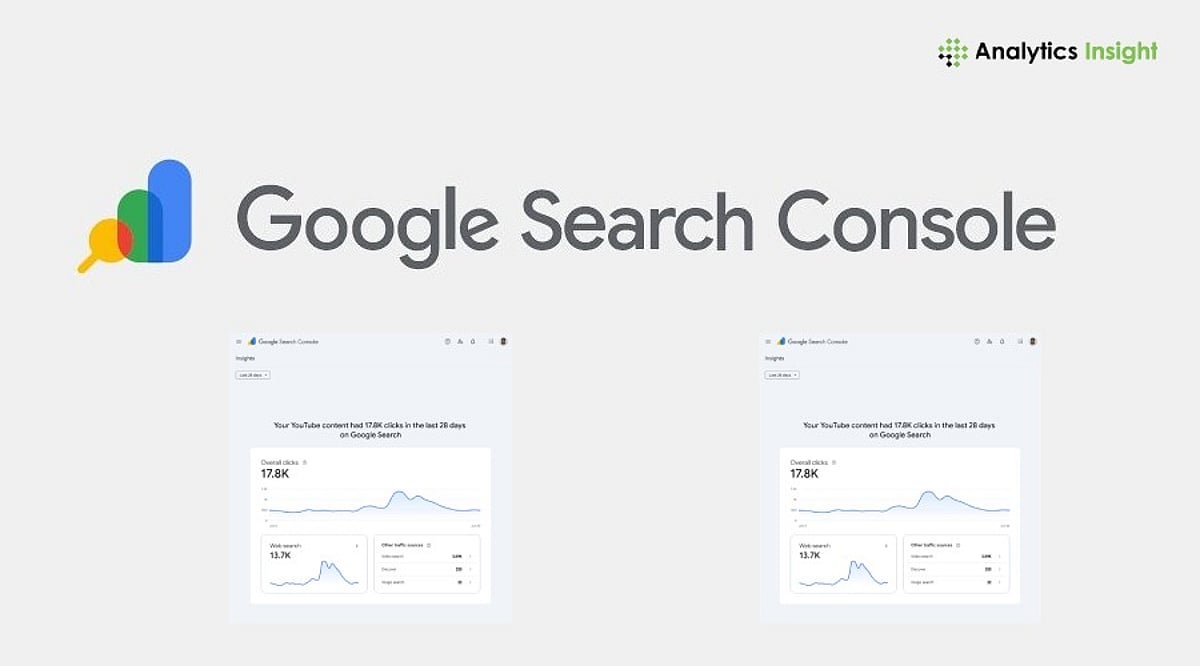
    Google has rolled out a significant update to Search Console, enabling businesses to monitor search performance for their social media profiles directly within the platform. The new feature supports Instagram, TikTok, X, and YouTube, allowing marketers and content creators to see how these accounts appear in Google Search and how users discover them.

    Search Console Adds Social Platform Reports

    With this update, Google Search Console introduces three dedicated reporting tools for social media profiles. The Performance Report delivers clicks, impressions, and other metrics, filterable by search queries or individual posts, with export capabilities. The Insights Report offers a high-level view of recent traffic trends, top-performing posts, and user discovery paths via Google Search. The Achievements Section lets creators track growth milestones, such as reaching new click thresholds in the last 28 days.

    To use the feature, users add a platform property in Search Console, select a supported platform, authorize the connection, and complete verification. This move signals that Google now considers social profiles a vital component of a brand’s online presence.

    Bridging Search and Social Data

    While many marketing teams rely on tools like Sprout Social, Hootsuite, or Buffer for cross-platform planning and tracking, Google’s new feature offers something distinct: it reveals how Google Search drives traffic to social accounts. This data was previously scattered and hard to consolidate. When combined with existing social media analytics, businesses gain a clearer picture of their overall online discoverability.

    This update brings search and social data closer together, helping marketers understand what truly brings audiences to their brand.

    Social Profiles as Digital Storefronts

    Google’s message is clear: social media pages are no longer just for posting content—they are essential digital storefronts. Many users search for a company’s Instagram page or YouTube channel before visiting its website. Businesses that keep these profiles active and optimized may improve their search visibility. The lesson for brands is straightforward: a strong social profile is not only about engagement but also about being easily found on Google.

  • Cardano Logs 233 GitHub Commits in a Week as Governance Platform Proposal Evolves

    Cardano Logs 233 GitHub Commits in a Week as Governance Platform Proposal Evolves

    Cardano has recorded 233 GitHub commits over the past seven days, according to Token Terminal, positioning it among the most actively developed Layer-1 blockchain networks. The activity represents roughly 6.2% of the approximately 3,700 total Layer-1 commits tracked during that period.

    Meanwhile, the Cardano Foundation continues advancing its governance framework, proposing an off-chain discussion platform following the adoption of the Cardano Constitution in February 2025. Together, these developments underscore the network’s ongoing focus on both technical progress and decentralized decision-making.

    Cardano Maintains Strong Development Momentum

    Token Terminal data shows steady developer participation throughout the week. While commit counts do not directly influence token prices, many market observers track them as a proxy for network advancement. Despite a smaller market capitalization compared to several peers, Cardano consistently ranks among leading blockchain projects for open-source development activity.

    Everstake, a staking provider, recently described Cardano as “one of the strongest foundations in the cryptocurrency industry,” citing its active developer community, improving network metrics, and expanding ecosystem as key factors supporting its long-term position.

    The week’s development pattern followed a familiar cadence: commits started strong, dipped around July 4 (a low point), then rebounded on July 5 and peaked on July 6 before tapering slightly but remaining above the week’s minimum. Such batch-driven activity is common in open-source projects, and similar trends appeared across other Layer-1 blockchains.

    Cardano Foundation Advances Governance Plans

    Alongside development work, the Cardano Foundation is advancing governance tools in the wake of the Cardano Constitution’s activation. A newly proposed open off-chain discussion platform aims to improve collaboration among stakeholders. Participants would access the platform using verified identities linked to on-chain credentials. The framework would feature independent moderation, transparent governance discussions, and open communication standards.

    The proposal carves out dedicated spaces for ADA holders, Delegated Representatives, proposal authors, and committee members. Optional user profiles could display governance interests and prior voting history. Ultimately, the foundation stated that the platform itself could be subject to an on-chain community vote, allowing the ecosystem to decide which collaboration tool best serves its needs rather than relying on a central authority.

    Development and Governance Remain Active

    Cardano’s recent GitHub activity continues a multiyear trend of consistent developer contributions, even as market attention oscillates around price movements. Governance development is proceeding in parallel, with the proposed discussion platform marking the next step in decentralized decision-making. Both efforts reflect ongoing momentum across Cardano’s technical and organizational fronts.

    What could sustained development and expanding governance tools mean for Cardano’s long-term network growth? The latest data shows developers building while governance initiatives move forward under the foundation’s current proposals, offering a clearer picture of the network’s dual-track progress.

    Conclusion

    Cardano recorded 233 GitHub commits over the past week while advancing governance plans through a proposed community discussion platform. The updates highlight continued developer activity alongside efforts to improve decentralized collaboration, providing insight into the network’s ongoing technical and governance evolution.

  • XRP Defends $1.10 Support: ETF Inflows and Technical Setup Suggest $2 Target

    XRP Defends $1.10 Support: ETF Inflows and Technical Setup Suggest $2 Target

    XRP has entered a pivotal phase after pulling back from its 2026 highs above $3. The token is now defending a critical support level near $1.10, with technical indicators flashing oversold signals and institutional inflows remaining strong. Analysts believe that if XRP holds this floor, a rally toward $2 could materialize.

    Technical Indicators Signal Potential Rebound

    The weekly chart shows XRP dipping to $1.1018, just above the lower Bollinger Band at $1.0562. The weekly Relative Strength Index (RSI) has fallen to 33.78, placing the asset in oversold territory — often a precursor to a bounce. Meanwhile, the monthly timeframe reveals buyers steadfastly defending the 20-period simple moving average at $1.1039, which has kept the broader bullish structure intact. The monthly RSI near 41.87 leaves room for additional upside.

    If XRP can maintain its position above $1.10, the next resistance to watch is the weekly Bollinger Band midline at $1.3021. A decisive break above that level could open a path toward $1.54 and eventually the psychological $2 target.

    Institutional Inflows and Regulatory Tailwinds

    Institutional demand continues to provide a strong underpinning. XRP exchange-traded funds have recorded nine consecutive weeks of capital inflows, pushing total assets under management to $1.49 billion. While retail traders have been realizing losses during the recent decline, institutional investors have steadily allocated capital — a pattern that historically precedes a trend reversal.

    Regulatory progress has also bolstered sentiment. Ripple secured a full Crypto-Asset Service Provider license in Luxembourg under the European Union’s Markets in Crypto-Assets (MiCA) framework. This license grants XRP and its stablecoin RLUSD regulated access to banking services across all 27 EU member states. Market participants are also closely monitoring the progress of the US CLARITY Act.

    Growing Utility on XRP Ledger

    Blockchain activity is adding to the narrative. Autonomous artificial intelligence agents have begun using native XRP for direct settlements, surpassing one million transactions and generating utility-driven demand. Moreover, Japanese banks are adopting Ripple’s infrastructure for cross-border remittances, a trend that could expand further.

    XRP also benefited from several exchange-traded fund launches in late 2025. Although those products debuted during a bear market and produced limited price movement, they attracted notable inflows. Similar ETF-driven catalysts have propelled Bitcoin and Ethereum to new all-time highs, and observers speculate that XRP could follow a comparable trajectory when broader market conditions improve.

    Conclusion

    XRP’s ability to hold above $1.10 remains the linchpin for a potential move toward $2. With oversold technical conditions, steady ETF inflows, a favorable regulatory environment in Europe, and increasing on-chain utility, the setup points to a possible upside breakout. Investors will be watching closely whether the token can break through key resistance levels in the coming weeks.

  • India’s Ethanol Blending Program Saves Rs. 1.9 Lakh Crore in Foreign Exchange, Government Reports

    India’s Ethanol Blending Program Saves Rs. 1.9 Lakh Crore in Foreign Exchange, Government Reports

    The Indian government has announced that its ethanol blending program has saved the country approximately Rs. 1.9 lakh crore in foreign exchange by reducing the need for crude oil imports. The announcement comes as India expands the availability of E20 fuel across the nation.

    According to government officials, the Ethanol-Blended Petrol (EBP) program, which mixes ethanol derived from crops like sugarcane and maize with petrol, has significantly cut crude oil imports. Between 2014-15 and 2026, the program saved around Rs. 1.9 lakh crore in foreign exchange. Additionally, it led to a net reduction of approximately 930 lakh tonnes of CO2 emissions. The government also disbursed about Rs. 14,600 crore in subsidies to sugar mills from 2014-15 to 2020-21.

    C K Jain, President of the GEMA, stated, “The result showed that E20 is safe for all engines. It was executed and implemented after technical studies, pilot projects, policy discussions, and not in haste.”

    India imports most of its crude oil for petrol and diesel production, paying in foreign currency, primarily US dollars. By reducing imports, the country spends fewer dollars, easing pressure on foreign exchange reserves and strengthening the economy against global oil price volatility.

    The government’s renewed emphasis on ethanol blending comes amid the rollout of E20 fuel, which has sparked debate over vehicle compatibility, mileage, and maintenance costs. Some experts have called for a slower transition. However, the government aims to highlight the program’s broader benefits: reducing oil imports, supporting farmers, and enhancing energy security.

    With India’s continued push for E20, the discussion is expected to persist. For now, officials are focusing on long-term gains rather than short-term concerns.

  • Bitcoin’s Diminishing Returns: Historical Cycle Data Suggests Slower Gains Ahead of Next Rally

    Bitcoin’s Diminishing Returns: Historical Cycle Data Suggests Slower Gains Ahead of Next Rally

    Bitcoin analysts continue to project prices between $300,000 and $500,000 during the next market cycle, expected to peak in 2029. However, historical cycle data presents a different picture. Previous bull markets produced progressively smaller gains as Bitcoin expanded in size and attracted greater institutional participation. The latest cycle’s performance suggests future rallies could remain stronger than those in traditional assets but less explosive than earlier Bitcoin surges.

    4-Year Cycle Continues to Shape Market Expectations

    Bitcoin has historically followed a four-year cycle linked to its mining reward halving. Every four years, the network cuts new Bitcoin issuance by 50%, reducing the growth of the cryptocurrency’s supply. While the first halving event happened in 2012, the next will be in April 2028. Past market trends show that the price of Bitcoin usually starts rising around 18 months before the halving period and reaches its peak about 16 to 18 months later.

    In such a scenario, investors and analysts are expecting another rally in the coming years. Peter Brandt, a seasoned trader, estimates that Bitcoin may touch $300,000 to $500,000. Similarly, analysts at Bernstein estimate that the price will reach $500,000 by 2029 due to the high demand for spot Bitcoin exchange-traded funds.

    Historical Returns Show Slower Expansion

    Despite repeated all-time highs, each completed cycle has delivered smaller returns than the previous one. As a result, Bitcoin’s growth rate has steadily declined even while prices continued to reach new records.

    Bitcoin climbed from $266 in 2013 to nearly $20,000 in 2017, representing about a 75-fold increase. Afterward, the next cycle lifted prices to approximately $69,000 in 2021, or about 3.5 times the previous peak. The latest cycle reached roughly $126,000 in 2025, equal to about 1.8 times the 2021 high. Therefore, the historical pattern shows each successive bull market generated more measured gains than earlier cycles.

    Could this trend limit Bitcoin’s next peak below the widely discussed $300,000 to $500,000 range? According to the historical figures, a rise beyond $300,000 would require more than double the increase achieved between the 2021 and 2025 peaks.

    Institutional Growth Changes Market Dynamics

    As Bitcoin’s market value increases, larger amounts of capital become necessary to produce significant price movements. Meanwhile, institutional participation has continued expanding through spot ETFs and a broader range of financial products. Besides ETFs, investors now have access to futures, options, volatility products, arbitrage funds, and structured products with embedded options. These additions have contributed to a market that resembles traditional financial markets more closely.

    Some market participants argue that future Federal Reserve stimulus or direct Bitcoin purchases by the US Treasury could support stronger gains. Nevertheless, the previous cycle followed extensive global fiscal and monetary stimulus after the 2020 COVID-related market decline. Even with that environment, Bitcoin reached nearly $70,000 during the 2021 cycle, around 3.5 times its 2017 peak. Additionally, the 2025 high arrived during Bitcoin’s strongest period of institutional adoption, yet prices advanced only 1.8 times above the previous cycle peak. The historical record therefore shows that Bitcoin has continued setting new highs while delivering progressively smaller returns as the market matured and expanded.

    Conclusion

    Bitcoin’s historical four-year cycle continues to support expectations of new highs, yet each cycle has produced smaller gains than the last. Meanwhile, growing institutional participation and expanding investment products point to a more mature market as analysts monitor the next cycle leading into 2029.

  • Meta Suspends Instagram AI Tool Amid User Privacy Backlash

    Meta Suspends Instagram AI Tool Amid User Privacy Backlash

    Meta has paused the rollout of a new AI-powered image feature on Instagram just days after its launch, following a wave of privacy complaints from users. The company stated it is reviewing the feedback and plans to make improvements before reintroducing the tool.

    Privacy Concerns Spark Rapid Suspension

    The feature allowed users to generate AI-created images by referencing photos from their Instagram accounts. While some users found it engaging, many demanded clearer explanations about data usage and image handling. Concerns spread quickly across social media, prompting Meta to halt the feature.

    “Our intent was to provide a useful creative tool and to give people control over whether their public content could be referenced in this way,” a Meta spokesperson said. The company has not announced a timeline for the feature’s return.

    AI Rollbacks Becoming Common Industry Pattern

    Meta’s suspension follows similar incidents at other tech giants. Google faced criticism after AI Overviews returned inaccurate search answers, and Microsoft delayed its Recall feature due to privacy and security concerns. These examples illustrate the pressure companies face to release AI tools quickly, sometimes at the cost of user trust.

    Launching AI features prematurely can lead to expensive fixes and reputational damage. Regulators are also taking closer interest in how such products are developed. Slowing down the release process may ultimately save companies from larger problems.

  • July 2026 RO Water Purifier Deals: Which Models Actually Save You Money?

    July 2026 RO Water Purifier Deals: Which Models Actually Save You Money?

    Weekend deals can make premium RO water purifiers much more affordable than usual. From compact models to feature-rich options, there is something for every household. Explore the best RO water purifier offers available right now before the discounts end.

    Overview

    Amazon’s July 2026 sale has brought real price cuts across Kent, Aquaguard, Pureit, Havells, and Atomberg, not just inflated pre-sale pricing. Water source, not brand reputation, determines whether RO filtration is even the right choice for a household. Six models were compared on the factors that shape long-term cost: water recovery rate, filter warranty length, and maintenance structure.

    Water purifier discounts often follow a familiar pattern: prices rise before a sale, so the markdown looks larger than it is. This July, that pattern has eased somewhat. Kent, Aquaguard, Pureit, Havells and the newer entrant Atomberg all show genuine reductions on popular models, not manufactured ones. Stock on well-reviewed configurations tends to move quickly once buyers notice, which makes timing part of the decision.

    What gets lost in most sale coverage is a more basic question: does the household actually need reverse osmosis filtration in the first place? Low TDS municipal water is generally better served by a UV or UF purifier, since these retain natural minerals that RO strips out along with contaminants. RO earns its cost on borewell water, tanker-fed supply, or any source carrying high TDS and hardness. Matching the filtration type to the water source is a decision that predates any conversation about discounts.

    Six Purifiers, One Shared Question: What Does Ownership Actually Cost

    Note: Prices include GST and shift with ongoing sale activity. Listings should be checked directly before purchase.

    Kent Grand RO

    Kent’s advantage rarely comes from filtration technology, since most competing units cover similar ground. It comes from the service network. Buildings that draw a mix of borewell and municipal water across seasons benefit more from next-day technician access than from an additional filtration stage.

    Aquaguard Delight Aquasaver

    Aquaguard addresses a cost that most buyers never calculate: wasted water. Standard RO units discard several liters for every liter purified. The Aquasaver line claims a 60 percent improvement on that ratio, a figure that compounds into a noticeable difference on water bills over a year.

    Pureit Eco Elite 2X

    Pureit takes a different approach to the same problem of ongoing cost. Its Eco Elite 2X carries a two-year filter warranty against the industry norm of annual replacement, turning a recurring expense into a less frequent one.

    Aqua D Pure 4 in 1 Copper RO

    Aqua D Pure competes on different terms entirely: a 12-liter tank, the largest on this list, paired with the lowest price. The tradeoff lies in after-sales service, since the brand carries a smaller footprint than the four above it, worth confirming locally before purchase.

    Havells Delite Kopere

    Havells solves for space rather than cost, fitting RO and UV filtration into a footprint suited to smaller kitchens, all while staying under Rs 10,000 even outside sale periods.

    Atomberg Intellon

    Atomberg’s Intellon addresses maintenance structure directly. After the warranty expires, many Kent and Aquaguard owners opt for annual maintenance plans based on their usage. Intellon skips that model by default, tracking filter conditions through an app rather than a fixed calendar. The unit costs more upfront, but the long-term math can favor it, particularly on lower-TDS municipal water where filter replacement needs are less frequent.

    Matching the Model to the Household

    Kent’s service network makes the most sense for households whose water source shifts with the season. If saving water matters more, Aquaguard is the better pick, while Pureit works out cheaper over time through fewer filter replacements. Aqua D Pure suits smaller households or renters well, thanks to its large tank and low price, and Havells fits neatly into compact kitchens. Atomberg is worth considering for anyone tired of recurring maintenance bills, especially where the water quality is already decent.

    A lower price tag might catch the eye first, but a purifier that actually matches the home’s water source is what pays off in the long run.

    Final Thoughts

    Water purifiers have moved past basic filtration. App-based filter tracking, better water recovery, and longer warranties are showing up more often across brands. Discounts still catch attention, but they answer the wrong question. The one worth asking is what a purifier will actually cost to run and maintain once the sale price is forgotten.

    FAQs

    1. Which RO water purifier is best for home use?

    The best RO water purifier depends on your water source, family size, and budget. Models with RO, UV, and mineralizer technologies are suitable for homes with high-TDS or mixed water supplies.

    2. Do I need an RO water purifier for municipal water?

    Not always. If your municipal water has low TDS and meets safety standards, a UV or UF purifier may be sufficient. RO is recommended when water has high TDS or impurities.

    3. What features should I look for in an RO water purifier?

    Look for multi-stage filtration, TDS control, mineral retention, adequate storage capacity, filter replacement alerts, and a reliable after-sales service network.

    4. Are weekend deals on RO water purifiers worth buying?

    Yes. Weekend sales often include discounts on popular models from leading brands, making it a good time to purchase a quality water purifier at a lower price.

    5. How often should RO water purifier filters be replaced?

    Most filters need replacement every 6 to 12 months, depending on water quality and usage. Following the manufacturer’s maintenance schedule helps ensure consistent purification performance.

  • 2026’s Top Data Center Efficiency Monitoring Companies: AI-Driven Optimization and Sustainability Leaders

    2026’s Top Data Center Efficiency Monitoring Companies: AI-Driven Optimization and Sustainability Leaders

    As artificial intelligence, cloud computing, and edge infrastructure continue to expand, data centers face mounting pressure to operate more efficiently. Power consumption, cooling requirements, and sustainability targets have become top priorities, making Data Center Infrastructure Management (DCIM) and efficiency monitoring platforms essential tools. Today’s platforms blend AI-driven analytics, predictive maintenance, digital twins, and real-time energy monitoring, enabling operators to maximize uptime while reducing operating expenses.

    Top 10 Data Center Efficiency Monitoring Companies in 2026

    Here are 10 companies leading the charge in data center efficiency monitoring this year:

    Schneider Electric

    Schneider Electric’s EcoStruxure platform is widely regarded as the gold standard for energy efficiency in data centers. It provides a unified view of energy usage, cooling, environmental conditions, and power management. The AI layer helps operators optimize PUE, detect anomalies early, and align with sustainability goals.

    Vertiv

    Vertiv offers a suite of intelligent software tools integrated with its critical power infrastructure to ensure continuous operation. The platform monitors cooling, UPS, thermal, and rack systems in real time, with predictive analytics designed to prevent downtime before it occurs.

    Sunbird Software

    Sunbird Software remains a DCIM leader with solutions like Power IQ and dcTrack. These provide end-to-end energy monitoring, asset management, capacity planning, and environmental tracking. Intuitive interfaces allow operators to manage multiple facilities simultaneously and identify small, actionable changes to improve energy efficiency.

    Nlyte Software

    Nlyte Software focuses on intelligent asset lifecycle management and operational efficiency. Its DCIM offering automates workflows, monitors infrastructure utilization, and supports predictive analytics for future capacity planning. By linking IT assets with facilities management, Nlyte helps organizations streamline operations and use resources more wisely.

    ABB

    ABB brings deep industrial automation and power management expertise to data center operations. Its monitoring solutions track electrical distribution, energy usage, and power quality, enabling organizations to fine-tune infrastructure for reliable performance while meeting sustainability requirements.

    Siemens

    Siemens’ monitoring system integrates building automation, electrical infrastructure, and cooling management. The software continuously assesses environmental performance, highlighting inefficiencies and areas for improvement. Digital twin technology allows companies to test infrastructure changes before implementation.

    Johnson Controls

    Johnson Controls uses an AI-powered building management system to control cooling and ventilation in data center premises. The OpenBlue solution delivers real-time monitoring, predictive maintenance, and automation, lowering operational costs while providing sustainability reporting capabilities.

    Honeywell

    With expertise in industrial automation, Honeywell brings intelligence to data center management through monitoring of HVAC systems, sensors, power distribution, and environmental controls. AI analytics enable predictive maintenance, improved energy efficiency, and integrated cybersecurity features.

    Modius

    Modius offers vendor-neutral infrastructure monitoring solutions, ideal for enterprises with mixed-device environments. Its OpenData platform aggregates data from power, cooling, networking, and environmental systems into centralized dashboards, providing insights without requiring equipment replacement.

    Hyperview

    Hyperview is a next-generation, cloud-based DCIM solution delivered as a SaaS platform. It enables management of distributed facilities from anywhere, with capabilities such as digital twins, AI analytics, remote asset management, and automated reporting—making it well-suited for edge computing and growing infrastructures.

    Why These Companies Matter

    The modern data center is evolving into an intelligent facility where efficiency equals success and sustainable operations. By leveraging these companies’ solutions, operators can minimize energy consumption, ensure optimal cooling, maximize capacity, and prevent costly downtime. As energy demands rise due to AI workloads, efficient monitoring technologies will become even more critical—whether for hyperscale cloud operators, enterprises, or edge computing sites. Firms that adopt modern monitoring platforms will gain a sustainability advantage in the digital world.

    Frequently Asked Questions

    What is data center efficiency monitoring?

    It tracks power, cooling, environmental conditions, and infrastructure performance to improve uptime, reduce costs, and optimize energy consumption.

    Why is DCIM software important?

    DCIM software provides real-time visibility into assets, energy usage, cooling systems, and capacity, enabling smarter infrastructure management and planning.

    Which company leads data center efficiency monitoring in 2026?

    Schneider Electric is widely regarded as an industry leader, offering comprehensive AI-powered monitoring, energy management, and sustainability solutions through EcoStruxure.

    How does AI improve data center efficiency?

    AI predicts equipment failures, optimizes cooling, automates maintenance, reduces energy waste, and improves overall operational performance with real-time analytics.

    What should businesses consider when choosing a monitoring platform?

    Evaluate scalability, AI capabilities, real-time monitoring, integration options, reporting features, cybersecurity, ease of deployment, and long-term operational support.